
Review · USA ARCHITECTURE TOURS
Creole Architecture of the Marigny Tour
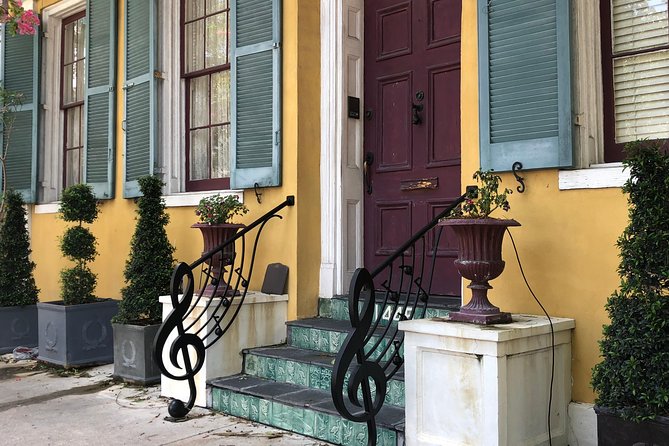
The most rewarding part of the Creole Architecture of the Marigny Tour is the way it connects houses to the people who built them. You move from the Old Mint to Esplanade Avenue and then into Faubourg Marigny, where Creole, Irish, German, and Haitian influences shaped one of New Orleans’ most distinctive neighborhoods. I like the small maximum of 14 people, and I like that the tour spends a full 80 minutes in Marigny rather than rushing past it.
I also like the mix of architecture and social history. Guides such as Kelsey, Karen, and Guy have used visual aids, personal stories, and clear explanations of design periods to make the buildings easier to read. The main drawback is simple: this is a two-hour walking tour, so hot weather, rain, and uncomfortable shoes can take some shine off the experience.
Key points at a glance
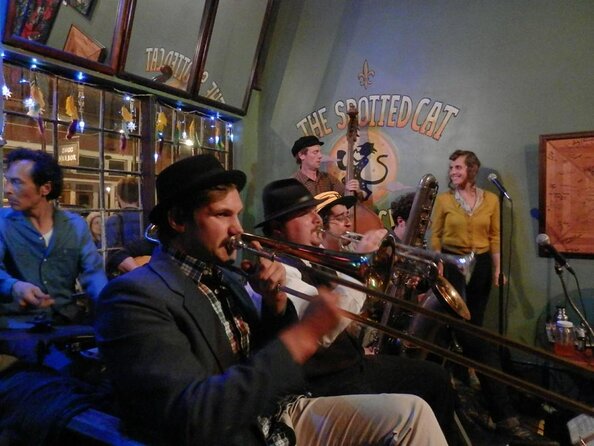
- A closer look at Faubourg Marigny: Most of the tour is spent examining the neighborhood’s varied homes and cultural roots.
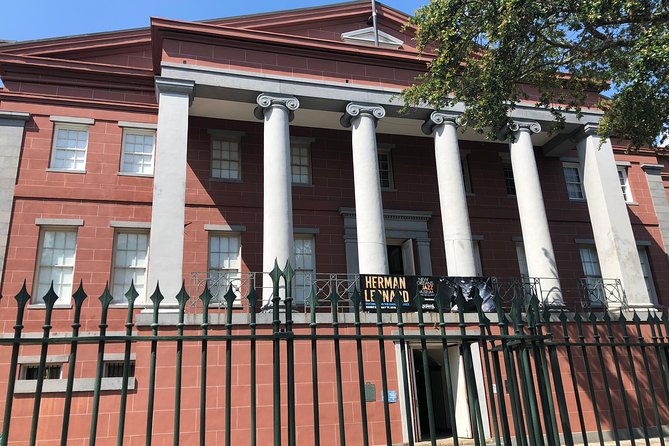
- Greek Revival at the Old Mint: The New Orleans Jazz Museum provides an architectural starting point and a short introduction to the downriver area.
- Esplanade Avenue mansions: You’ll see grand early to mid-19th-century homes and learn who built them along this raised route.
- Small-group format: The tour accepts no more than 14 people, making questions and conversation easier.
- Frenchmen Street finish: The walk ends with a brief look at New Orleans’ modern music and restaurant corridor.
- Strong guide focus: Kelsey, Karen, and Guy have been praised for clear explanations, visual aids, local anecdotes, and an easy manner.
Why this Marigny walk is different from a standard French Quarter tour
New Orleans can tempt you to stay within the French Quarter, where the streets are easy to find and the architecture gets most of the attention. This walk takes you beyond that familiar core and gives you a better sense of how the downriver side of the city developed.
The subject is not just pretty balconies or colorful façades. You’ll hear about the Creoles, Irish, Germans, and Haitians who shaped Faubourg Marigny, along with the local architects and builders who produced a mix of house types that is hard to find in one place elsewhere.
That cultural frame matters. Architecture becomes easier to understand when you know who lived in a neighborhood and why homes took different forms. I especially like that the guide explains migration and social change alongside building styles, rather than treating the streets as an outdoor museum with no human story.
The tour is also useful for getting your bearings. It begins near the French Quarter, travels along Esplanade Avenue, enters Faubourg Marigny, and finishes on Frenchmen Street before returning to the starting point. You get a clear sense of how these areas connect on foot.
A few more architecture walks in the USA worth a look
- Chicago Architecture River Cruise
★ 5.0 · 15,756 reviews - Chicago River 90-Minute Architecture Tour
★ 4.5 · 9,629 reviews - Chicago River: 1.5-Hour Guided Architecture Cruise
★ 4.8 · 8,046 reviews
Starting at the Old Mint and the New Orleans Jazz Museum
The first stop is the New Orleans Jazz Museum, housed in the Old Mint. You spend about 10 minutes here, with admission included in the tour price.
The building gives the guide a strong opening subject. Its Greek Revival design offers a visual lesson before the walk turns toward the residential streets. The guide also uses this point to explain New Orleans history as it relates to the downriver neighborhood, so the tour begins with context rather than a list of house styles.
You should not expect a long museum visit during this stop. The focus is the building and its place in the city’s story, not an extended look at the museum’s exhibits. That works well for a walking tour, since the architectural details you see here prepare you for the homes ahead.
I find this opening especially helpful if you do not already know New Orleans architecture. Greek Revival gives you one clear reference point. Later, when the guide discusses Creole homes and other local forms, you have a basis for comparing what you see.
Reading the mansions along 20 minutes of Esplanade Avenue
The walk then moves onto Esplanade Avenue for about 20 minutes. This section focuses on the grand homes built in the early and mid-19th century, along with the people who established their households on this ridge.
The value here is scale. Smaller residential buildings in Marigny can be fascinating, but the avenue’s larger houses show another side of the neighborhood’s development. You’ll learn to look beyond the front elevation and consider the social position, ambitions, and background of the people who built these homes.
The guide’s job is important on this stretch. A row of large houses can blur together if you only hear dates and style labels. Karen, one of the guides associated with this experience, has been praised for explaining architectural periods and for bringing visual aids that help you separate one style from another.
Those aids can make a real difference. If you are not used to architectural terms, a quick visual comparison is often more useful than a long lecture. You can match the guide’s explanation to actual doors, windows, façades, and proportions as you walk.
Esplanade Avenue is also a good place to ask questions. The stop is long enough to slow down, but not so long that the tour loses its walking rhythm. Keep in mind that the experience is outdoors, and the quality of this section depends partly on the weather and your comfort on foot.
Spending 80 minutes inside Faubourg Marigny
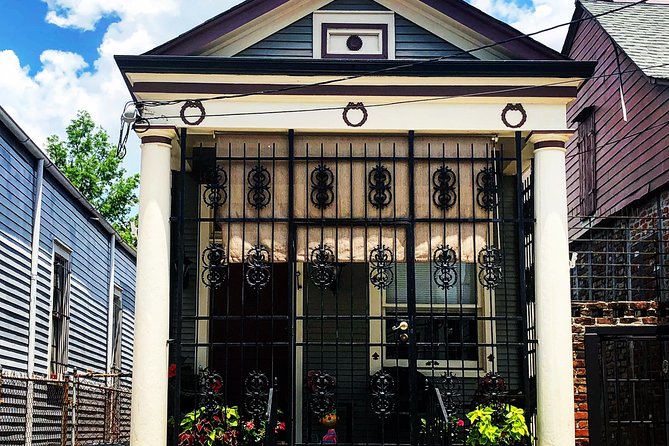
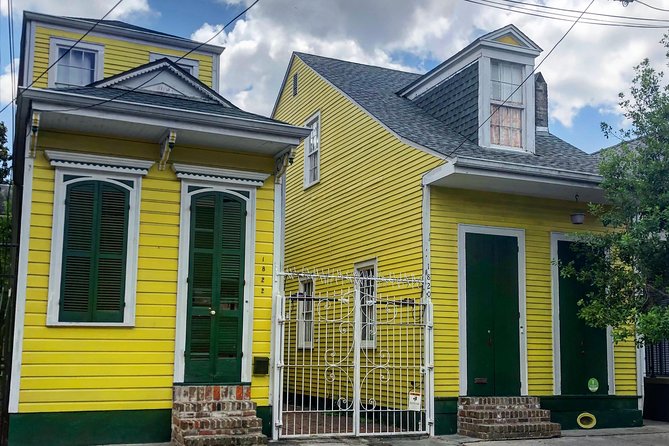
Faubourg Marigny receives the largest share of the tour, about 80 minutes. That is the right emphasis. This is where the cultural and architectural pieces come together most fully.
You’ll learn how Creoles, Irish, Germans, and Haitians contributed to the area. These groups did not produce one uniform neighborhood style. Instead, local builders and architects created different kinds of homes, with forms and details shaped by changing communities and periods.
That variety is the main reason to choose this tour. You are not simply walking past famous buildings. You are learning how to spot the differences among house types and how to connect those differences to the people who lived in the area.
Guy, another guide associated with the experience, has lived in the neighborhood for many years and has brought personal anecdotes and local color to the walk. That kind of local perspective can help you understand Marigny as a lived-in place, not just a stop on a sightseeing route.
His approach has also included visual aids explaining geography, migration, and architecture. I like that combination because each part answers a different question:
- Geography helps you understand where the neighborhood sits.
- Migration explains why several cultures appear in the local story.
- Architecture shows how those influences took physical form.
The guide’s tone matters here. Past tours led by Guy, Kelsey, and Karen have been described as relaxed, friendly, and engaging. Kelsey, in particular, has been praised for pairing a large amount of information with an amiable manner. That is useful on a subject that could otherwise become too technical.
Still, you should know what this tour is not. It is not a private architectural consultation, and the guide cannot stop at every house for a long explanation. The group can reach 14 people, so you may need to stay close and speak up when you want to ask something. The small size is a plus, but it is not the same as a one-on-one walk.
Same city, a different facade:
- Chicago Architecture Center River Cruise aboard First Lady
★ 5.0 · 5,536 reviews - Chicago: Architecture River Cruise Skip-the-Ticket Line
★ 4.8 · 4,325 reviews - Chicago River 45-Minute Architecture Tour from Magnificent Mile
★ 4.5 · 2,924 reviews - Chicago Lake and River Architecture Tour
★ 4.5 · 2,308 reviews
A short look at Frenchmen Street
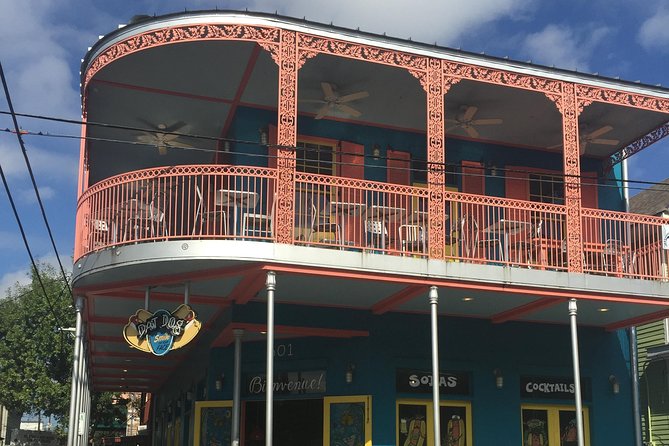
The final stop is Frenchmen Street, where you spend about 10 minutes. Clubs, dance halls, and restaurants line this entertainment corridor, giving you a quick look at the modern side of Marigny.
This part is brief by design. The tour is mainly about architecture and neighborhood history, so Frenchmen Street works as a closing snapshot rather than a full evening outing. You’ll get enough orientation to understand why the street is worth returning to after the tour.
I would plan to spend another evening here if your schedule allows. The walk gives you a useful introduction, but 10 minutes is not enough to explore the clubs, restaurants, and music venues in any depth. Since the tour ends back at the meeting point, you can make your own plans afterward.
The contrast is useful. You begin with Greek Revival architecture and 19th-century homes, then finish among today’s entertainment venues. That shift shows how the neighborhood continues to serve different purposes over time.
The guide makes the difference
The strongest part of this experience is the teaching. The tour covers a lot in two hours, so a guide who can explain clearly without turning the walk into a classroom is essential.
Kelsey has been praised for having a large store of information and for suggesting a bakery for lunch. That small practical touch is worth noting. A good guide can improve the rest of your day as well as the two hours you spend walking.
Karen’s strength is architecture. She has explained different styles and periods and used visual aids to help participants follow the discussion. Choose this tour if you want to understand what you are looking at, not just photograph it.
Guy brings long-term local experience and personal anecdotes. His relaxed style has helped connect geography, migration, and architecture in a way that feels grounded in the neighborhood.
The names matter because the experience may feel somewhat different depending on who leads your walk. Each guide appears to bring a different emphasis, but the common thread is clear explanation, local perspective, and an approachable manner.
Is $40 a fair price?
At $40 per person, this is not the cheapest way to spend two hours in New Orleans. You can walk through Marigny without paying an admission fee. The value comes from having someone explain what you are seeing and point out details you might otherwise pass without noticing.
The price also covers a focused small-group experience rather than a large procession. With a maximum of 14 people, the guide has a better chance to answer questions and keep the group connected to the buildings and streets being discussed.
I consider the price reasonable if architecture, local history, and neighborhood context are high on your list. It is less compelling if you mainly want a general introduction to New Orleans or a long music-focused outing. Frenchmen Street receives only a short stop, and the tour does not replace an evening spent there.
The tour is especially good value for people who want substance without committing to a full-day activity. Two hours gives you a clear introduction to Marigny while leaving the rest of your day open for museums, food, music, or independent walking.
Timing, weather, and what to wear
Wear comfortable walking shoes. That advice is not decorative. The tour lasts about two hours and moves through several neighborhood sections, so shoes that feel fine for a short stroll may feel less suitable by the end.
Weather can also affect the experience. The tour requires favorable conditions, and if poor weather causes cancellation, you can choose another date or receive a full refund. Plan with some flexibility if rain is likely.
The activity is offered in English. Confirmation arrives when you book, and the meeting point is in the French Quarter in New Orleans. The tour ends where it begins, which makes it easier to combine with other plans in the central part of the city.
Service animals are allowed, public transportation is nearby, and most people can participate. You should still be comfortable walking outdoors for the full duration, since the main content comes from moving through the neighborhoods rather than sitting indoors.
Free cancellation is available up to 24 hours before the start time. Cancellations or changes made less than 24 hours ahead are not accepted for a refund.
Who should book the Marigny architecture tour?
I would choose this walk if you want to understand New Orleans beyond its most familiar postcard views. It suits first-time visitors who want a guided introduction to Marigny, as well as repeat visitors who have already seen the French Quarter and want a different angle on the city.
It is also a good match for people who enjoy old buildings but do not have formal training in architecture. The visual aids and on-the-street examples should help you follow the guide without requiring prior knowledge.
Families and mixed-interest groups may also find the format useful. The walk includes buildings, cultural history, local stories, and a short look at nightlife, so it is not limited to one narrow subject.
I would think twice if you dislike walking, need a fully indoor activity, or want a deep exploration of Frenchmen Street’s music scene. The tour offers only a brief look at that street, and weather can affect the day.
Should you book it?
Book the Creole Architecture of the Marigny Tour if you want a focused, human-scale introduction to one of New Orleans’ most distinctive neighborhoods. The strongest reasons are the 80 minutes in Faubourg Marigny, the attention to Creole, Irish, German, and Haitian influences, and the guides’ use of visual aids and personal stories.
At $40, the tour earns its price through interpretation rather than paid entry. You can see the streets for free, but you will miss much of the meaning without someone to explain how the buildings, cultures, and neighborhoods connect.
Choose it early in your New Orleans visit if you want the rest of your sightseeing to have more context. With an average booking lead time of about 10 days, planning ahead is sensible, especially if you want a particular date.
FAQ
How long is the Creole Architecture of the Marigny Tour?
The tour lasts about two hours.
Where does the tour begin?
It begins in the French Quarter in New Orleans, Louisiana.
Where does the tour end?
The activity ends back at the meeting point.
What language is the tour offered in?
The tour is offered in English.
How large is the tour group?
The tour has a maximum of 14 participants.
Is admission to the stops included?
There is no separate admission charge for the listed stops during the tour.
What happens if bad weather cancels the tour?
If poor weather causes cancellation, you can choose an alternative date or receive a full refund.
Newly added in the USA
- Art Deco Tour of South Beach in French★ 4.5 · 8 reviews
- Award-winning Art Deco & Neon Lights Walking Tour★ 5.0 · 5 reviews
- Miami Beach Art Deco Segway Tour★ 4.5 · 17 reviews
- Boston: Freedom Trail History and Architecture Walking Tour★ 4.8 · 18 reviews
- Boston: Harbor and Charles River Architecture Boat Tour★ 4.6 · 9 reviews
- Chicago: Guided Tour with Architecture River Cruise★ 4.5 · 20 reviews
- Iconic Capitol Hill Architectural Walking Tour★ 5.0 · 21 reviews
- South Beach Food Tour- Culinary & Art Deco & History★ 5.0 · 22 reviews
USA Architecture Tours, compared.

Chicago River: 1.5-Hour Guided Architecture Cruise
Read our review →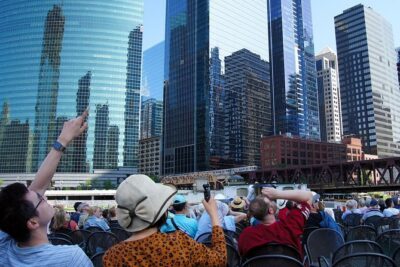
Chicago Architecture Center River Cruise aboard First Lady
Read our review →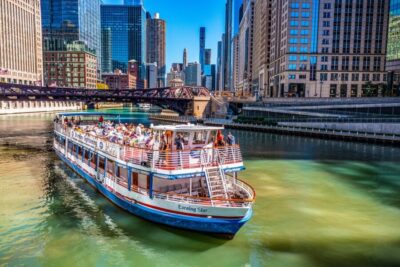
Architecture River Cruise Skip-the-Ticket Line
Read our review →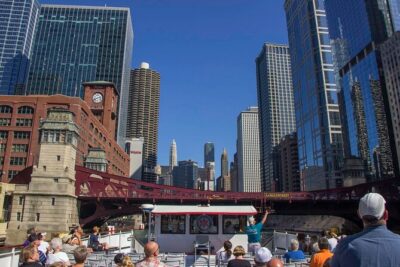
Chicago River 45-Minute Architecture Tour from Magnificent Mile
Read our review →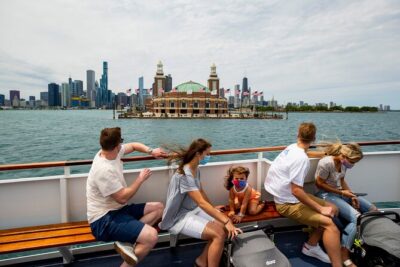
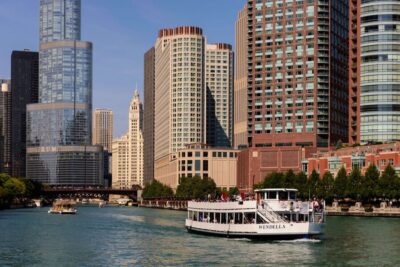
45-Minute Family-Friendly Architecture River Cruise
Read our review →Browse the lists this tour appears in