
Review · USA ARCHITECTURE TOURS
Washington DC: Dupont Circle & Embassy Row Architecture Tour
Washington’s grandest homes are not all around the National Mall. Some of the city’s best architecture lines the streets of Dupont Circle, where Gilded Age mansions sit beside imposing embassies. This two-hour walk turns an elegant neighborhood into a storybook of wealth, politics, and international power.
I like the tour’s close look at Neo-classical, Beaux-Arts, and Queen Anne design, and I like the small group limit of 10, which gives you a better chance to hear the guide. The main drawback is simple: you need to walk 1 to 2 miles, and the tour runs in most weather, so good shoes and a rain plan matter.
Key Points
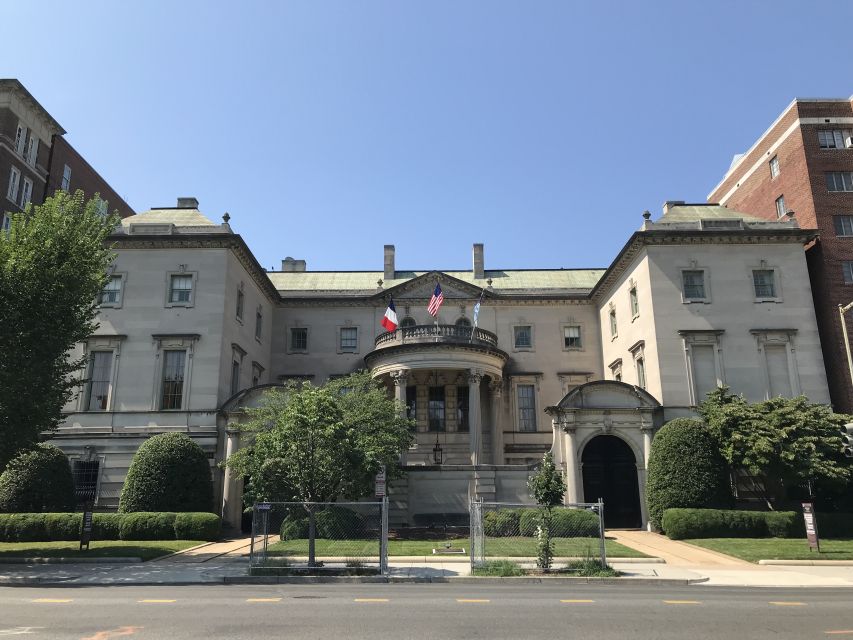
- Embassy Row mansions: See the Embassy of Indonesia, the Walsh-McLean House, Anderson Mansion, and Woodrow Wilson House.
- Architecture with a story: Compare Neo-classical, Beaux-Arts, Queen Anne, and other grand residential styles.
- Scandals behind the doors: Learn about the wealthy owners, political figures, and personal drama tied to these addresses.
- Small-group format: The tour is limited to 10 people, making it easier to follow the guide and ask questions.
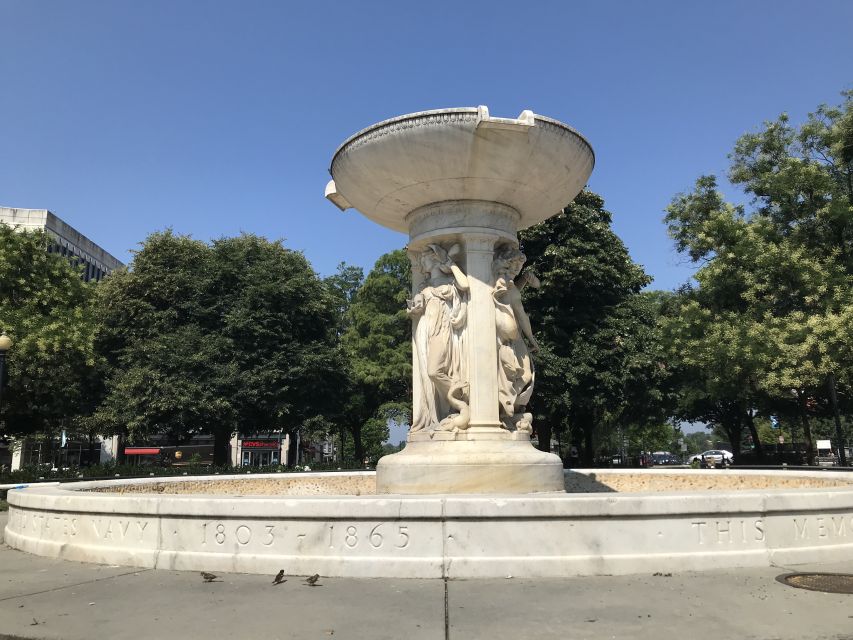
- Easy starting point: Meet at the fountain in the center of Dupont Circle, a clear landmark in the neighborhood.
- Practical walking tour: Plan on 1 to 2 miles outdoors, with comfortable shoes, water, and weather-ready clothing.
Why Dupont Circle Is the Right Place to Start
Dupont Circle gives you a quick lesson in Washington’s social geography. The fountain sits at the heart of a neighborhood known for handsome townhouses, embassies, cultural institutions, and leafy residential streets. From here, the tour moves toward Embassy Row, where the scale of the buildings changes from urban homes to diplomatic showpieces.
That shift is part of the fun. You are not simply looking at isolated buildings. You are seeing how a fashionable Washington neighborhood grew into a setting for wealthy families, political figures, and foreign governments.
The tour’s focus is architecture, but it is not an architectural vocabulary test. Your guide connects the facades to the people who built and occupied them. That helps you notice why one mansion feels formal and imposing, while another looks more like a grand private home.
If you have already toured the monuments and museums, this walk gives you a different view of Washington. It shows the city away from its best-known public spaces, where power often appeared in the form of a stone entrance, an enormous window, or an extravagant residence.
A few more architecture walks in the USA worth a look
- Chicago Architecture River Cruise
★ 5.0 · 15,756 reviews - Chicago River 90-Minute Architecture Tour
★ 4.5 · 9,629 reviews - Chicago River: 1.5-Hour Guided Architecture Cruise
★ 4.8 · 8,046 reviews
Walking Embassy Row and Reading the Buildings
Embassy Row is the core of the experience. As you walk, you see properties built in several styles rather than one neat architectural scheme. Neo-classical buildings favor balance, columns, and a sense of public importance. Beaux-Arts design can feel grander and more theatrical, with elaborate details meant to impress from the street.
Queen Anne buildings bring a different mood. Their irregular shapes and decorative features make them feel more like lavish homes than official institutions. That contrast gives the walk its visual rhythm. One block may suggest a palace, while the next feels like the residence of a very wealthy family.
I like this kind of tour because it teaches you how to look. Instead of snapping a photo and moving on, you get a reason to pause at the entrance, compare materials, and consider the building’s original purpose. You may begin to notice how a house announces status before the guide explains a single detail.
The properties are still working buildings or private residences in many cases, so the street view is important. You should not expect a standard interior tour. The value comes from seeing the exteriors in context and hearing what happened behind them.
The Walsh-McLean House and the Embassy of Indonesia
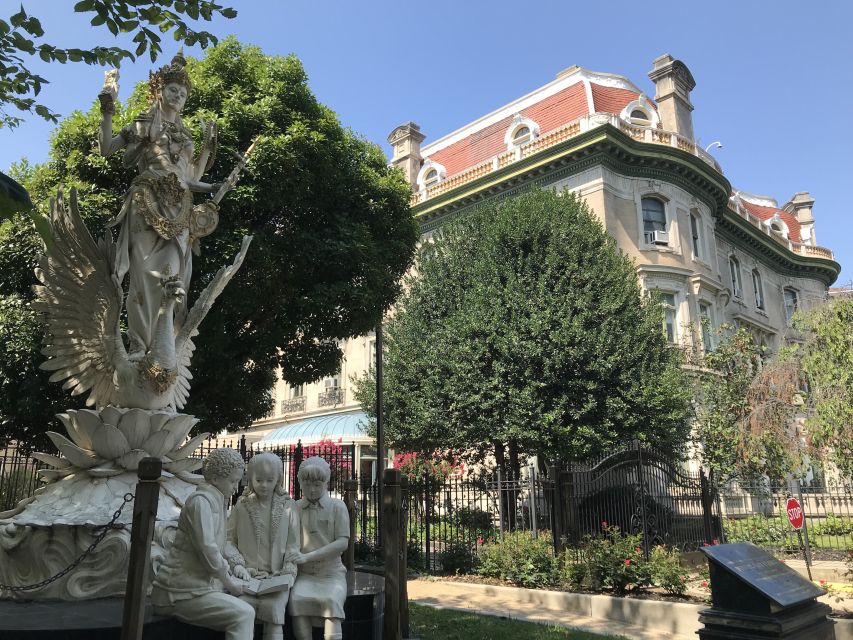
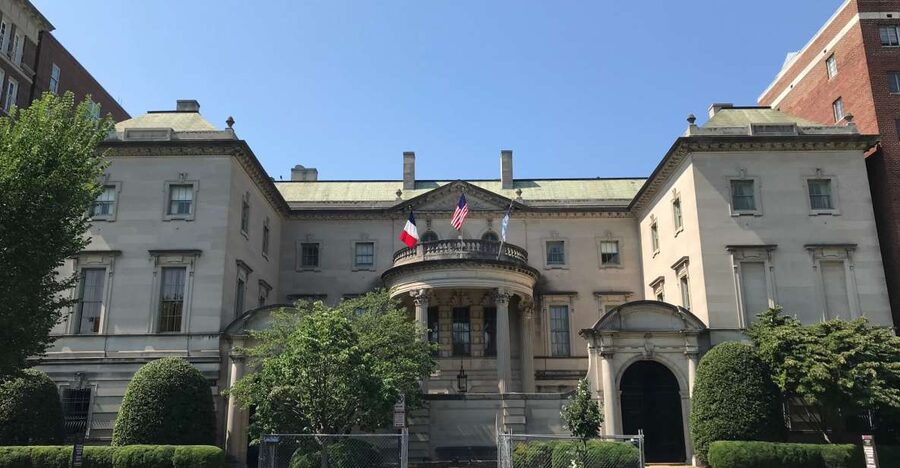
One of the main sights is the Embassy of Indonesia, also known as the Walsh-McLean House. That double identity tells you much about Washington’s old mansions. A residence built for one wealthy family can later serve a diplomatic role, giving the building a new public importance without changing its basic presence on the street.
The name Walsh-McLean links the house to the sort of wealth that shaped this part of Washington. The tour uses properties like this to explain how fortunes, politics, and social ambition affected the city’s architecture.
From the sidewalk, you can study the building’s scale and formal character. The guide’s story adds the human layer, explaining the people associated with the house and the events that made these addresses more than expensive real estate.
This is a good stop for anyone who prefers architecture with context. You get the facade, but you also learn why the house mattered and how its role changed. That makes the sight easier to remember than a list of names and dates.
Anderson Mansion and the Power of a Grand Address
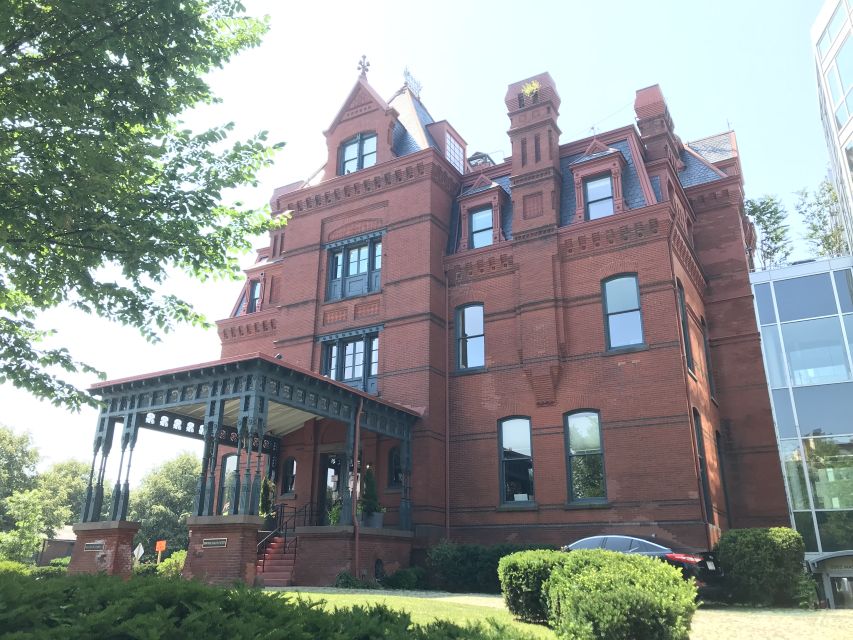
Anderson Mansion is another key property on the route. Like the Walsh-McLean House, it represents the way Washington’s elite once used architecture to establish rank. A large mansion did not merely provide rooms for a family. It offered a setting for entertaining, social maneuvering, and displaying wealth.
You will hear about the people connected with the mansion and the choices that shaped its design. The guide’s job here is to help you see how a building’s exterior can reflect the ambitions of its owners.
The mansion also helps show why a walking tour works better than a quick drive past Embassy Row. At walking speed, you have time to look up, compare details, and listen to the story without traffic or tinted windows getting in the way.
The tradeoff is that the experience depends on the guide’s storytelling. The buildings are impressive, but a self-guided stroll would give you only part of the picture. This tour is best for you if you want the personal stories and political intrigue, not just a collection of attractive facades.
Same city, a different facade:
- Chicago Architecture Center River Cruise aboard First Lady
★ 5.0 · 5,536 reviews - Chicago: Architecture River Cruise Skip-the-Ticket Line
★ 4.8 · 4,325 reviews - Chicago River 45-Minute Architecture Tour from Magnificent Mile
★ 4.5 · 2,924 reviews - Chicago Lake and River Architecture Tour
★ 4.5 · 2,308 reviews
Woodrow Wilson House and Washington’s Political Past
The Woodrow Wilson House brings the route closer to presidential history. It is one of the named properties on the tour and helps connect the residential character of Embassy Row with the national politics that shaped Washington.
A former president’s home gives the guide a chance to explain how important figures lived outside the official setting of the White House. That change of setting can make political history feel more personal. You are looking at a residence, not a monument, and the scale gives you a sense of private life alongside public power.
The tour does not present these homes as empty architectural objects. The focus includes the people who built and lived in them, along with the stories and scandals linked to their doors. That approach should appeal to you if you enjoy history with personalities attached.
The Woodrow Wilson House also adds variety to the route. You are not seeing one mansion after another with the same message. Each property helps fill in a different part of Washington’s social and political past.
Stories of Wealth, Politics, and Scandal
The best reason to choose this tour is the mix of design and gossip with a historical purpose. The mansions may catch your eye, but the stories keep the walk moving. You hear about the individuals who occupied these homes and the controversies that followed them.
That does not mean the tour is built only around sensational tales. The scandals matter because they reveal how Washington worked. Wealth brought access. A prominent address helped shape a public image. Diplomatic buildings added another layer, linking local streets to international affairs.
The guides named in the feedback include Carolyn and Natalie. Carolyn was praised for her personable manner and humor, while Natalie was described as a source of detailed information about the people who built and lived in the mansions. Guide assignments can vary, but these comments suggest that the experience benefits from a guide who can balance facts with a lively delivery.
One useful detail is that the tour can still work in light rain. The walk took place in drizzly weather for one group, and the guide kept the experience engaging. Still, you should dress for the forecast rather than count on perfect conditions. The tour runs in all weather unless conditions become dangerous.
What Two Hours Feels Like on Foot
Two hours is a sensible length for this route. It gives you enough time to see several important properties without turning the morning into a full-day commitment. You can fit it into a larger Washington itinerary before a museum visit, lunch, or another neighborhood walk.
The distance is listed as 1 to 2 miles. That is manageable for many people, but it is not a standing-in-one-place tour. You will be outdoors, walking between stops, and listening while gathered near the buildings.
Wear comfortable shoes. Bring water. Dress for the weather, including rain protection when needed. Washington’s weather can change, and the tour does not move indoors simply because the sky turns gray.
The meeting point is the fountain at the center of Dupont Circle. That is a practical choice because it is easy to identify and puts you directly in the neighborhood the tour explores. You do not need transportation during the walk.
The tour is listed as wheelchair accessible. If accessibility is important for your booking, you should still consider the 1 to 2-mile route and outdoor conditions when deciding if the format suits your needs.
Why a Small Group Matters Here
With a maximum of 10 people, this is a more personal format than a large city walking tour. You can stay close to the guide, hear the stories more clearly, and ask a question without trying to catch someone’s attention across a crowd.
Small groups also work well for architecture. You often need a moment to look at a doorway, upper window, roofline, or decorative detail while the guide explains it. A crowd can make that awkward. A group of 10 is less likely to block the sidewalk or lose the pace of the walk.
The format does not guarantee a private tour. You are still sharing the experience with other people, and the energy will depend partly on the group. But the limit gives you better odds of a relaxed, conversational morning.
The only language offered is English. The guide is live rather than recorded, which suits the story-driven format and allows for questions along the way.
Is $44 a Fair Price?
At $44 per person, the tour is not the cheapest way to see Dupont Circle. You can walk the streets on your own for free. The question is what you want from the visit.
If you only want exterior photos, the price may not feel worthwhile. If you want the names, architectural styles, personal histories, and scandals connected with those buildings, the guide adds the main value. You are paying for interpretation rather than admission to an interior.
The small group helps justify the cost. So does the focused route. Instead of spending time finding the buildings yourself or reading scattered notes on your phone, you get a planned two-hour walk with a professional guide.
There is no mention of included food, drinks, or interior access. Gratuities are not included, so plan for that separately if you choose to tip. The strongest value comes for visitors who enjoy architecture and social history and who want a well-organized introduction to one Washington neighborhood.
Who Will Enjoy This Tour Most?
I would recommend this walk to you if you enjoy grand homes, diplomatic history, presidential connections, and the personal stories behind important buildings. It also suits repeat visitors who have already seen the main monuments and want a more local view of Washington.
It is a good match for couples, solo visitors, and small groups who like walking at a steady pace. The two-hour length is short enough to fit into a busy sightseeing day, but long enough to give the neighborhood real attention.
Families with older children may enjoy the mansions and scandals, especially if the children are comfortable walking 1 to 2 miles. Very young children may find the architecture talk less engaging, though the guide’s humor can help.
You may want to skip it if you dislike outdoor walking, need guaranteed shelter from rain, or want to go inside historic buildings. The tour is about what you can see from the streets and what the guide can explain there.
Booking Flexibility and Practical Details
You can cancel up to 24 hours before the start time for a full refund. You can also reserve now and pay later, which helps if your Washington schedule is still taking shape.
The tour is usually available in the morning. That timing works well for a first look at Dupont Circle, especially if you want to spend the afternoon at a museum or another part of the city.
The experience is operated by DC Design Tours. Since the group is capped at 10, I would book ahead if the morning time fits your plans. The price is modest compared with a private tour, but the group limit gives it a more intimate feel than a standard large-group walk.
Should You Book the Dupont Circle Architecture Tour?
Book it if you want Washington history delivered through houses, embassies, and the people who lived behind their grand doors. The best parts are the range of architecture, the Walsh-McLean House, Anderson Mansion, Woodrow Wilson House, and the stories of wealth and scandal tied to them.
Skip it if you are looking for monument views, museum admission, or a ride between sights. This is a sidewalk-level tour, and the real reward comes from listening closely and looking up.
For $44, I think it is a good choice for anyone who values a strong guide and a focused neighborhood experience. Bring water, wear sensible shoes, and accept that the weather is part of the deal. You will leave with a better sense of how Washington’s private homes helped tell its public story.
FAQ
Where does the Dupont Circle and Embassy Row tour meet?
The tour meets at the fountain in the center of Dupont Circle.
How long does the tour last?
The walking tour lasts two hours.
How far do you walk?
You must be able to walk between 1 and 2 miles during the tour.
What language is the tour offered in?
The live tour guide speaks English.
How large is the group?
The group is limited to 10 participants.
Is the tour wheelchair accessible?
Yes, the activity is listed as wheelchair accessible.
What buildings can you see?
The route includes the Embassy of Indonesia, also known as the Walsh-McLean House, Anderson Mansion, Woodrow Wilson House, and other notable properties.
What should you bring?
Bring comfortable shoes, water, and clothing suited to the weather.
What happens if it rains?
The tour takes place in all weather unless conditions become dangerous, so you should prepare for rain and other outdoor conditions.
Newly added in the USA
- Washington, DC: Georgetown Architecture Walking Tour★ 5.0 · 8 reviews
- New Orleans : Garden District Architecture Walking tour★ 4.8 · 5 reviews
- Wilmington History and Architecture Tour★ 4.8 · 18 reviews
- Private Colonial Williamsburg Architectural Tour★ 5.0 · 5 reviews
- Castle to Capitol: Museums of the National Mall Architecture Tour★ 4.5 · 9 reviews
- Tulsa: Art Deco Walking Tour of Tulsa★ 5.0 · 8 reviews
- Monuments and Memorials Architectural Walking Tour★ 5.0 · 17 reviews
- Saint Augustine Evening Architectural Photo Tour★ 5.0 · 15 reviews
USA Architecture Tours, compared.

Chicago River: 1.5-Hour Guided Architecture Cruise
Read our review →
Chicago Architecture Center River Cruise aboard First Lady
Read our review →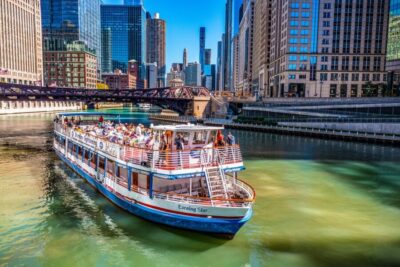
Architecture River Cruise Skip-the-Ticket Line
Read our review →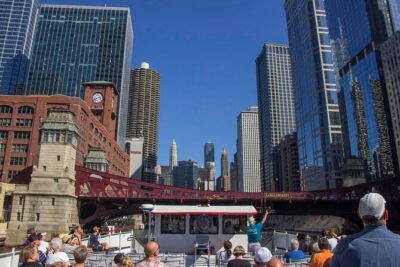
Chicago River 45-Minute Architecture Tour from Magnificent Mile
Read our review →
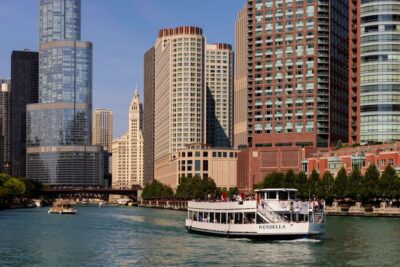
45-Minute Family-Friendly Architecture River Cruise
Read our review →Browse the lists this tour appears in