
Review · CASA BATLLO AND LA PEDRERA TOURS
Barcelona: Gaudi’s Casa Vicens Skip-the-Line Entrance Ticket
Casa Vicens is where Antoni Gaudí began finding his voice. Built between 1883 and 1885 as a summer house, it mixes patterned tiles, plant forms, geometric shapes, and Moorish-inspired details in a way that feels unlike his later Barcelona houses. The smaller scale is part of its charm: you can study the design without fighting through the crowds found at Casa Batlló and Casa Milà.
I like two things here. First, the self-paced audio guide gives you time to stop for details instead of keeping up with a group. Second, the house feels calm and personal, with a garden, exhibition spaces, and quiet rooms to explore. The main drawback is size: you may finish in 30 minutes, so the $26 price makes the most sense if you care about Gaudí’s early work and architectural details.
Key points to know before you go
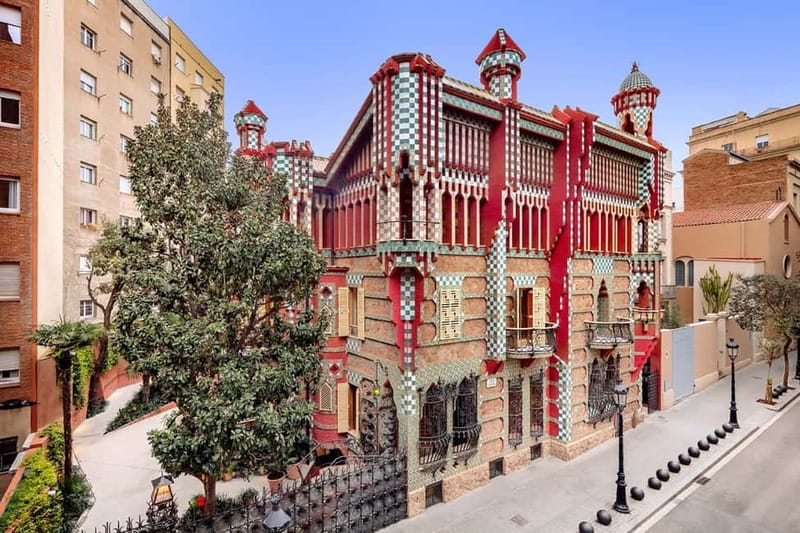
- This is Gaudí’s first important architectural project, built for Manuel Vicens between 1883 and 1885.
- The visit is self-guided, with audio content available in 16 languages on your phone.
- You can enter the garden and the full interior, along with permanent and temporary exhibitions.
- Plan on 30 minutes to 1 hour 15 minutes, depending on how closely you study the rooms and displays.
- The atmosphere is quieter than at Casa Batlló and Casa Milà, making it easier to notice small design details.
- Bring your own headphones, since they are not included with the ticket.
Why Casa Vicens matters in Gaudí’s story
Casa Vicens is not simply another attractive modernist house. It is the first major house designed by Gaudí, and it offers a useful starting point for understanding the architect’s later work.
The building was commissioned by Manuel Vicens and constructed from 1883 to 1885. It began as a holiday home with a garden, rather than as a full-time urban residence. That original purpose helps explain its more relaxed arrangement and the strong connection between the house and its planting.
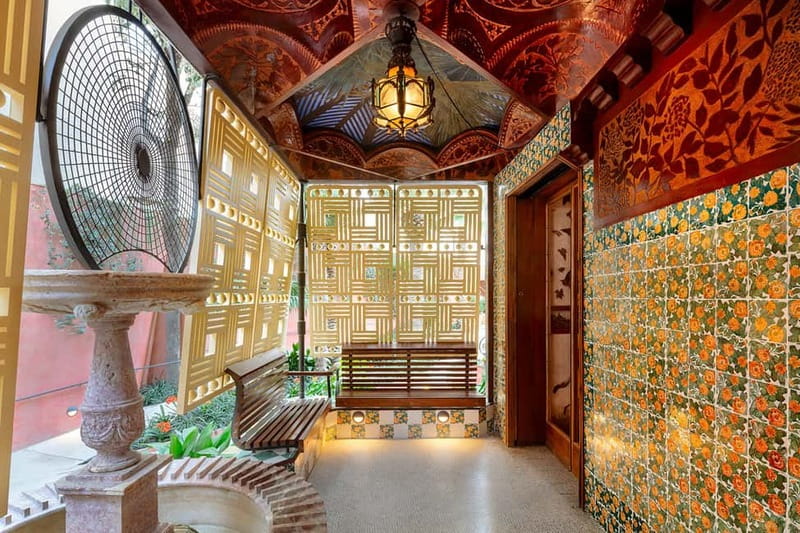
Gaudí was still developing his style here. You can see geometric order, decorative tilework, natural motifs, and influences drawn from Islamic and Moorish design. The result is colorful and highly detailed, but it is not yet the dreamlike, flowing architecture associated with his later projects.
That difference makes the visit especially useful if you plan to see several Gaudí sites in Barcelona. Casa Vicens lets you watch the starting point before moving on to the more famous Casa Batlló, Casa Milà, or Sagrada Família.
The building became a UNESCO World Heritage Site in 2005. That status reflects its place in Gaudí’s career and in the development of Barcelona’s Modernisme, not just its photogenic exterior.
More Casa Batllo and La Pedrera Tours in Spain:
- Complete Gaudi Tour: Casa Batllo, Park Guell & Sagrada Familia
★ 5.0 · 1,152 reviews - Gaudi´s Casa Vicens Skip the Line Ticket with Audioguide
★ 4.5 · 685 reviews - Barcelona: Gaudi’s Casa Vicens Guided Tour
★ 4.8 · 401 reviews
Arriving at Carrer de les Carolines
Casa Vicens is at Carrer de les Carolines, 20 to 26, in Barcelona’s Gràcia district. It is not presented as a large guided excursion with group transport. You make your own way there and enter at the date and time printed on your ticket.
The skip-the-line feature is helpful, but it does not mean you can arrive whenever you like. Your ticket is valid for the selected date and time, so allow enough time to reach the entrance. Once you pass through the entry point, keep the ticket with you throughout the visit.
The building sits in a neighborhood setting rather than in a huge open complex. That gives the experience a more intimate feel, but it also means you should set expectations correctly. This is a carefully restored historic house, not a sprawling palace with dozens of rooms.
The garden gives you the right first look
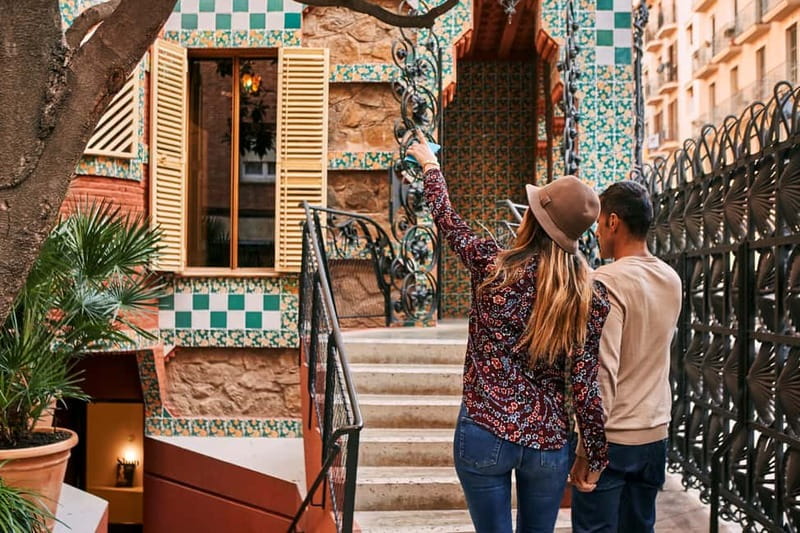
The garden is an important part of Casa Vicens. Since the house was first planned as a holiday home, the outdoor space helps you understand the original idea of the property.
Begin by looking at the building from outside. The patterned surfaces and decorative forms can seem busy at first, but a slower look reveals repeated shapes and references to plants. The exterior gives you a preview of the way Gaudí combined structure and decoration rather than treating ornament as an afterthought.
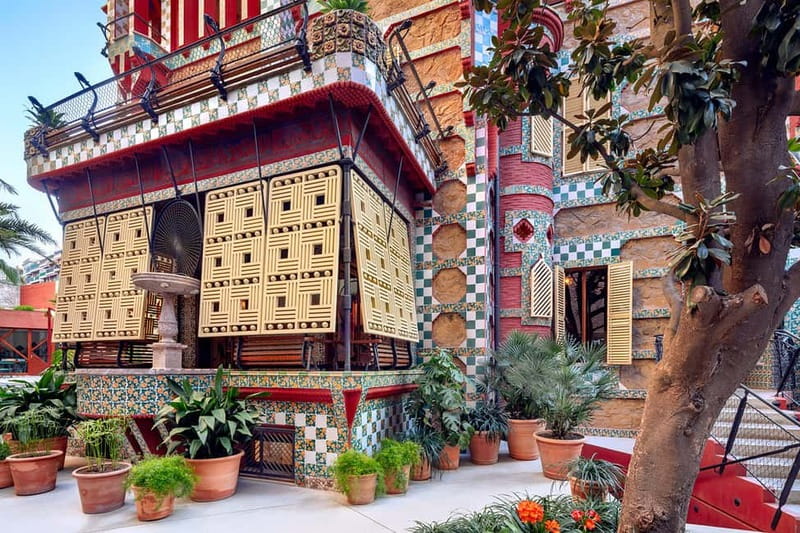
The garden also gives you room to take photographs and step back from the facade. One visitor particularly appreciated the fountain and its rainbow effect, so watch how sunlight and water alter the appearance of the space. Conditions will vary, but the fountain is one of the small details worth seeking out.
On a warm Barcelona day, the garden provides a pleasant pause before or after the interior. It also makes Casa Vicens feel different from a standard museum visit. You are seeing a home and its setting, not only a series of protected rooms.
Inside the house, look for Gaudí’s early vocabulary

The interior is where the visit rewards patience. Casa Vicens may be smaller than Casa Batlló or Casa Milà, but its details are concentrated. You do not need to rush from room to room. Stop close to the surfaces, then step back and consider how each element fits the room as a whole.
Look for the repeated geometric patterns and plant-inspired decoration described by the audio guide. The exterior’s connection to surrounding vegetation continues inside, helping the rooms feel linked to the garden.
The house also gives you a chance to see Gaudí before his most familiar forms fully emerged. You may recognize ideas that later became more daring, but here they appear in a more ordered and decorative setting.
This is a good place to visit before the other Gaudí houses if you want to follow his development. If you have already seen his better-known Barcelona works, Casa Vicens works as a contrast. It is not a smaller version of Casa Batlló. It is an earlier experiment with its own character.
The house is well preserved, and the staff can help if you need directions or assistance. The interior is wheelchair accessible, which makes this one of the more practical Gaudí visits for people with reduced mobility.
More Gaudi Tours in Spain:
- Barcelona: Park Güell and Gaudí House Museum Entry Ticket
★ 4.5 · 6,326 reviews - Barcelona: Gaudí’s Park Güell Tour with Fast-Track Ticket
★ 4.8 · 4,512 reviews - Sagrada Familia & Gaudi Tour Private or Small Group with Tickets
★ 4.5 · 1,188 reviews - Park Güell: Guided Tour with Optional Gaudí Experience Entry
★ 4.1 · 832 reviews
The phone audio guide keeps the visit flexible

The ticket includes access to an audio guide in 16 languages: Catalan, Spanish, French, English, Portuguese, German, Korean, Chinese, Japanese, Polish, Russian, Italian, Ukrainian, and Hebrew.
You need to download it on your phone, and you need to bring headphones. Headphones are not supplied. This is a small detail, but it can make a real difference, especially if you do not want to hold your phone to your ear through the visit.
The audio content explains the history of the house and the thinking behind its design. Several comments praise the descriptions of how the house was created, as well as the explanations of Gaudí’s early work. That context matters here because the decoration can otherwise look like a collection of beautiful surfaces without a clear story.
The app or guide may require Wi-Fi or a working data connection to download. One visitor had trouble getting the self-guided tour to load, while another was glad that Wi-Fi was available for downloading it. To avoid wasting time, download the guide before you begin if possible, and check that your headphones and phone are ready.
The audio guide is not the same as a personal guide. This ticket does not include a live tour. A few bookings connected with this attraction mention guides named Sandra and Jerrod, but you should not expect either person, or any other personal guide, to be included with this entrance ticket.
Exhibitions add context beyond the rooms
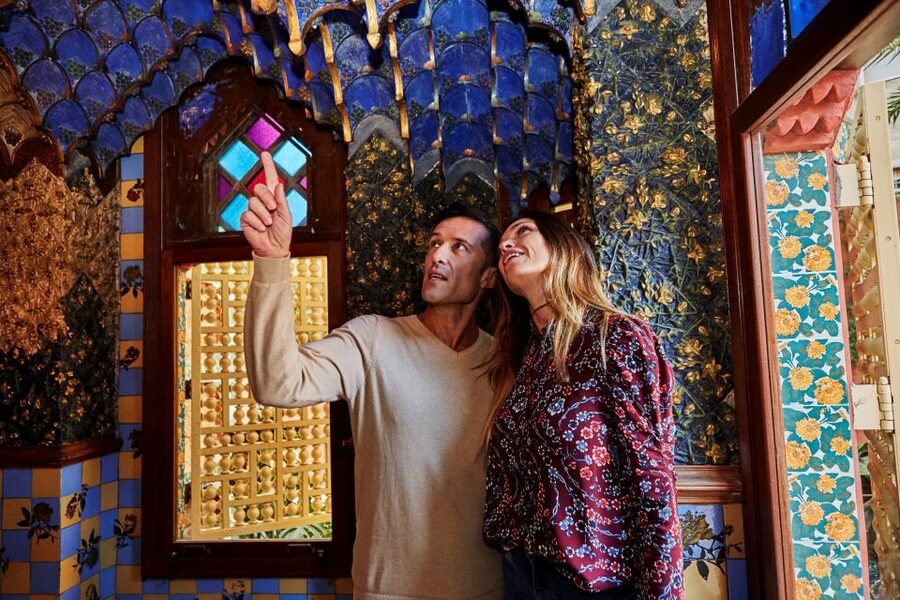
Your ticket includes permanent and temporary exhibitions. These displays help place Casa Vicens within the wider story of Gaudí and the designers working around him.
The exhibitions are useful if you want more than a quick look at the architecture. One display has been praised for showing how Gaudí influenced other designers and for explaining the work of contemporary architects. A documentary is also available inside.
This is where the visit can stretch toward an hour or longer. If you only want exterior photographs and a few interior rooms, you may be done in about 30 minutes. If you listen to the audio guide, watch the documentary, and read the exhibition material, allow closer to an hour or 1 hour 15 minutes.
That flexible timing suits mixed groups. Children can move through at a reasonable pace, while architecture fans can spend longer with the details. The lack of a fixed group schedule also means you are not pushed along when a particular room catches your attention.
How the $26 ticket measures up
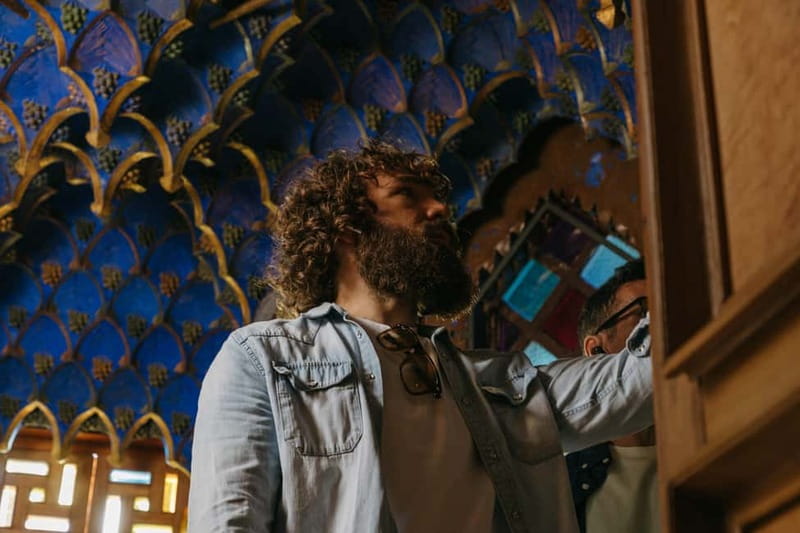
At $26 per person, this is not Barcelona’s cheapest museum stop. The value depends on what you want from a Gaudí visit.
The ticket becomes a fair buy if you want to enter an original Gaudí house, use the audio guide, see the garden, and take your time with the exhibitions. It is also less expensive than some tickets for the larger, more famous Gaudí houses, according to the experience details supplied here.
The price may feel high if you expect a long tour. Casa Vicens is relatively small, and some people will see the main areas in 30 minutes to an hour. You are paying for access to a significant early work, not for several hours of entertainment.
The skip-the-line entry adds value during busy periods. The benefit is less about saving a huge amount of time every day and more about avoiding uncertainty at the entrance. Early morning timed entry has been especially useful for people seeking a quieter visit.
The ticket also includes a gift shop discount. The shop has been praised for its selection, and the on-site café is another pleasant feature mentioned in the experience details. Neither should be the main reason to book, but both make the stop easier to fold into a day in Gràcia.
The atmosphere is the main advantage
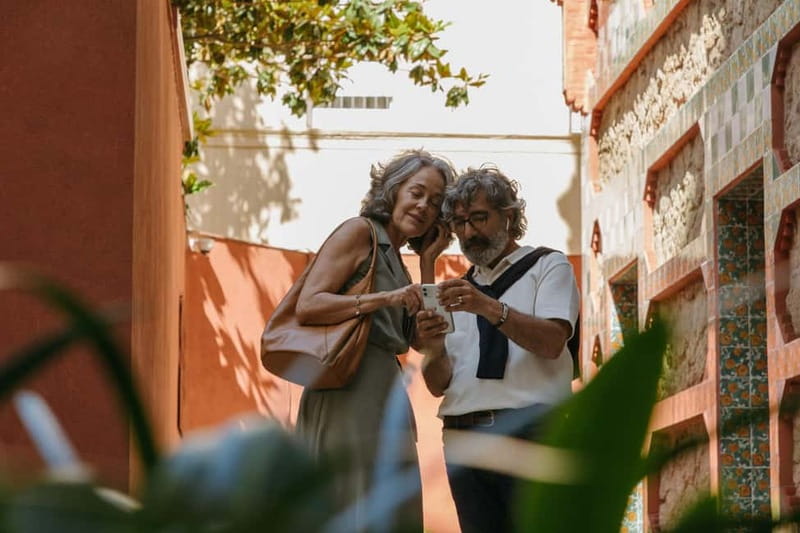
Casa Vicens is often chosen for its design, but its calm mood may be the thing you remember most. The house is in a quieter neighborhood setting, and it generally feels less pressured than the city’s most famous Gaudí attractions.
That matters because Gaudí’s work is full of small decisions. Tiles, floral motifs, fountains, colors, and repeating shapes reward close attention. A crowded room turns those details into a backdrop. A calmer visit gives you more room to look.
I would not call Casa Vicens a replacement for Casa Batlló or Casa Milà. Those buildings offer larger, more theatrical experiences. Casa Vicens gives you something else: a more contained look at the architect’s beginnings.
If you are choosing only one Gaudí site, your decision depends on your priorities. For the broadest visual spectacle, another house may suit you better. For an early, quieter, more focused look at his work, Casa Vicens makes a strong case.
Who will enjoy this visit most
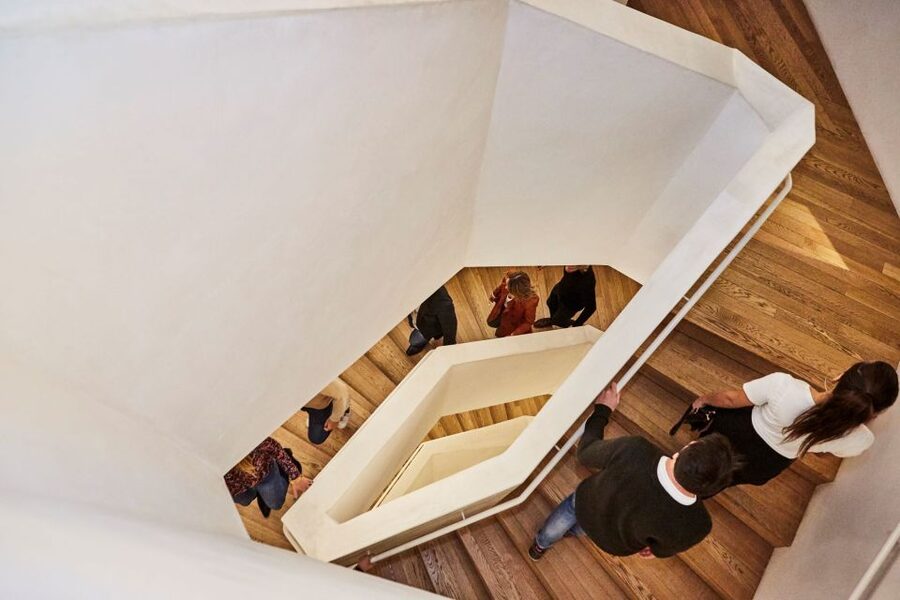
I would recommend Casa Vicens to:
- Architecture fans who want to trace Gaudí’s development from his first major house.
- Visitors who dislike crowded attractions and prefer a quieter, self-paced setting.
- Families who want the freedom to move quickly through some rooms and pause in others.
- Photography-minded visitors looking for patterned surfaces, unusual details, garden views, and fountain effects.
- Repeat Barcelona visitors who have already seen the main Gaudí attractions.
- People with reduced mobility, since the attraction offers an accessible tour.
You may want to reconsider it if you prefer a live guide, a long walking tour, or a large monument with many rooms. The ticket is for admission only, and the audio guide is delivered through your phone.
Practical details that make the visit smoother
Bring headphones, charge your phone, and download the audio guide before entering if you can. Keep the ticket available after entry, since you cannot leave and re-enter once you have gone through an entrance point.
Choose your time with care. The ticket must be used on the listed date and time, so do not treat it as an open-ended one-day pass. The activity information describes it as valid for one day, but the actual entry still follows your selected time.
Allow at least 30 minutes. I would set aside 60 to 75 minutes if you want to use the audio guide, see the exhibitions, watch the documentary, spend time in the garden, and browse the shop.
Free cancellation is available up to 24 hours in advance, and you can reserve now and pay later. Those options are useful when your Barcelona schedule is still shifting, but they do not remove the need to arrive for the time printed on the ticket.
Should you book Casa Vicens?
Book it if you want to see where Gaudí’s architectural ideas began, especially if you value detail, a quiet setting, and the freedom to set your own pace. The audio guide, garden, exhibitions, and accessible layout give the $26 ticket solid value for the right audience.
Skip it if you want a grand, lengthy attraction or a live guide included in the price. Casa Vicens is compact. Its appeal comes from close looking, not from sheer size.
For most people with an interest in Gaudí, I would place it high on the Barcelona list, either before the larger Gaudí houses or after them as a revealing comparison. Go early if you want the calmest visit, bring headphones, and give the patterned walls and small details more than a quick glance.
FAQ
Where is Casa Vicens?
Casa Vicens is at Carrer de les Carolines, 20 to 26, 08012 Barcelona, in Catalonia, Spain.
How long should I allow for the visit?
Plan for 30 minutes to 1 hour 15 minutes. A shorter visit covers the main house, while a longer visit allows time for the audio guide, garden, exhibitions, and documentary.
Does the ticket include a personal guide?
No. This is an entrance ticket only. It includes access to the audio guide, but not a live personal guide.
Which languages are available for the audio guide?
The audio guide is available in Catalan, Spanish, French, English, Portuguese, German, Korean, Chinese, Japanese, Polish, Russian, Italian, Ukrainian, and Hebrew.
Do I need to bring headphones?
Yes. You need to use your own headphones with your mobile phone. Headphones are not included.
Can I leave and come back in with the same ticket?
No. Once you have used the ticket to pass through an entrance point, you cannot leave the museum and enter again. Keep your ticket with you during the visit.
More Skip-the-Line Tickets in Spain
- Barcelona: Skip-the-Line Gaudi’s Park Guell Guided Tour
★ 4.5 · 90 reviews
Newly added in Spain
- Santander: The Caprice of Gaudí, Santillana and Redwood Forest★ 4.0 · 11 reviews
- Madrid: Gran Vía Rooftops and Architecture Tour★ 5.0 · 4 reviews
- Architour through Lavapiés and Rastro with an architect★ 5.0 · 10 reviews
- Bilbao: Historical and Architectural Walking Tour★ 3.6 · 17 reviews
- Barcelona Private Walking Tour through the City of Gaudi★ 4.5 · 20 reviews
- Offer: Be Gaudí mosaic class Barcelona for families (max 4 pax)★ 5.0 · 20 reviews
- Madrid Historic with an architect : Arabs, Austrias and Bourbons★ 5.0 · 21 reviews
- Private Montserrat, Gaudi and Modernism Day Trip from Barcelona★ 4.5 · 20 reviews
Casa Batllo and La Pedrera Tours, compared.
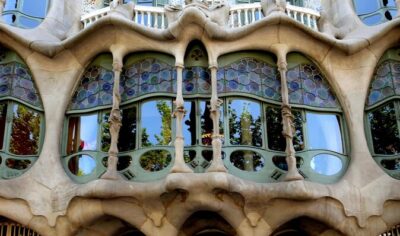
Complete Gaudi Tour: Casa Batllo, Park Guell & Sagrada Familia
Read our review →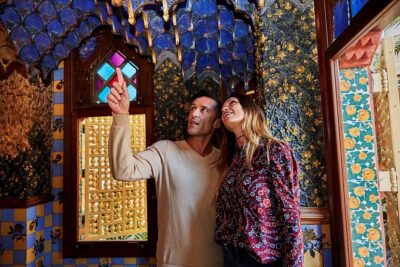
Gaudi´s Casa Vicens Skip the Line Ticket with Audioguide
Read our review →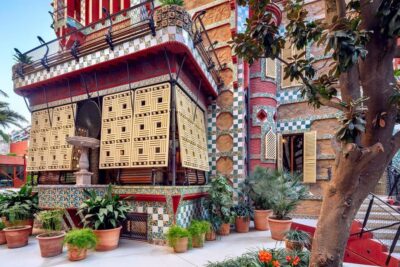
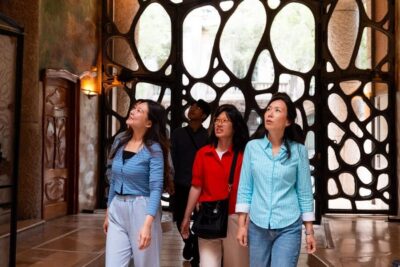
Casa Vicens, Pedrera, and Casa Batlló Guided Tour
Read our review →
Barcelona Architecture Walking Tour With Casa Batlló Upgrade
Read our review →
Sweet Gaudi: the most delicious visit to Casa Vicens
Read our review →
Barcelona Gaudi Houses Tour: Casa Vicens, Pedrera & Casa Batlló
Read our review →Browse the lists this tour appears in