
Review · CHICAGO ARCHITECTURE TOURS
Chicago: Prohibition-Era Culture & Architectural Treasures
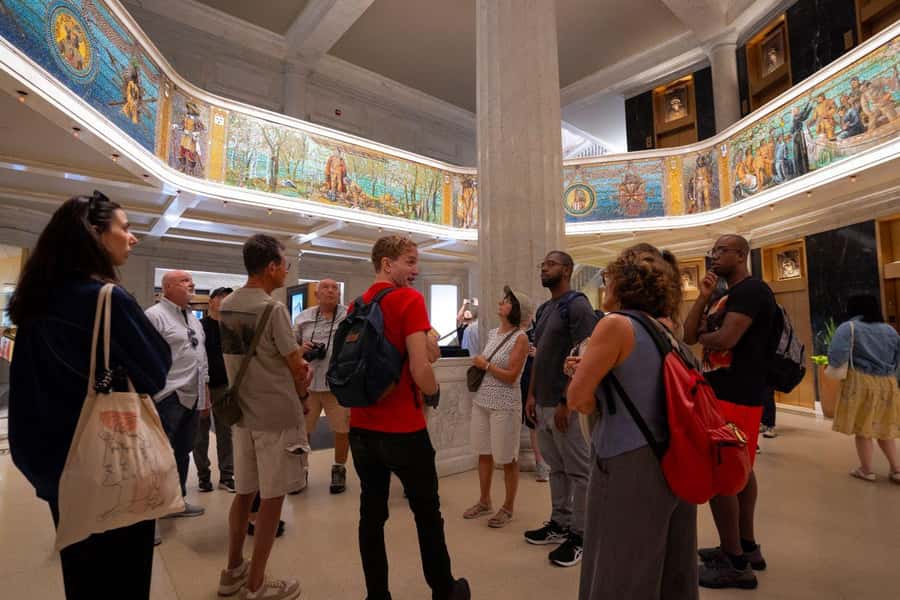
Chicago’s Prohibition story comes alive here through the city’s buildings. You begin under the Chicago Theatre marquee and walk toward the Riverwalk, where crime, business, journalism, and bold architecture meet. I like the way this tour ties the 1920s to Chicago’s wider growth instead of treating Prohibition as a string of gangster tales.
I also like the small-group format, which gives your guide room to answer questions and adjust the pace. Guides such as Dash, Kevin, Rich, Bash, and Wallach have been praised for clear storytelling, local pride, and attention to breaks. The main drawback is the distance: you cover about 4.8 kilometres, and one visitor found the 2.5-hour outing a little long by the end.
Key points to know before you book
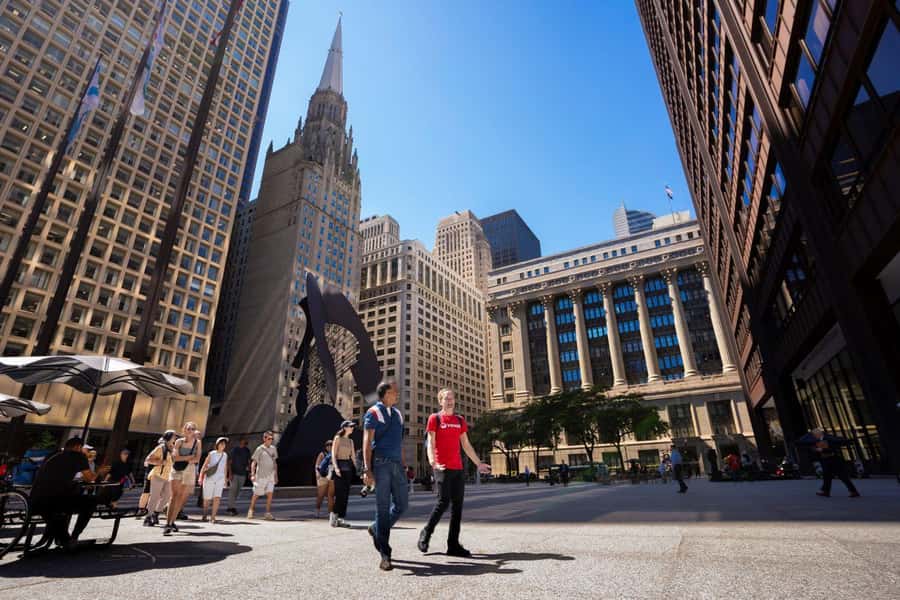
- Chicago’s architecture is the main event: See Marina Towers, Willis Tower, the Jewelers Building, London House, Du Sable Bridge, Wrigley Building, and Tribune Tower.
- The route starts under the Chicago Theatre marquee: The central meeting point is easy to identify at 175 N. State Street.
- You get more than an outdoor walk: The Chicago Cultural Center adds striking interior architecture and a taste of Chicago-style popcorn.
- The tour links design with city history: Prohibition, journalism, business, crime, and urban growth all appear along the route.
- The finish is practical: You end at Millennium Park beside the Bean, with lunch and sightseeing suggestions from your guide.
- Plan for three miles on foot: Comfortable shoes and weather-ready clothing matter because the tour runs in rain, snow, or shine.
Why this walk works better than a simple gangster tour
Chicago’s Prohibition era is often reduced to Al Capone, hidden bars, and police raids. This experience takes a broader view. You learn how the years of illegal liquor and organized crime fit into a city already changing fast through commerce, journalism, engineering, and ambitious building projects.
That approach is useful because Chicago’s architecture can feel like a parade of impressive façades unless someone explains the forces behind it. Here, the buildings provide the evidence. You are not only told that Chicago grew quickly. You see the towers, bridges, commercial blocks, and civic spaces that reflect that growth.
The tour is not presented as a dedicated mob investigation. If you want detailed crime case files, haunted locations, or a bus ride to former gang sites, another Chicago experience will suit you better. This is a city-history and architecture walk with Prohibition as its connecting thread.
I think that balance is the strongest part of the plan. You get stories with a sense of place, rather than stopping at unrelated landmarks and hearing a few dates at each one.
A few more architecture walks in Chicago worth a look
- Chicago Architecture River Cruise
★ 5.0 · 15,756 reviews - Chicago River 90-Minute Architecture Tour
★ 4.5 · 9,629 reviews - Chicago River: 1.5-Hour Guided Architecture Cruise
★ 4.8 · 8,046 reviews
Meeting beneath the Chicago Theatre marquee
The tour begins at the Chicago Theatre, beneath its marquee at 175 N. State Street. That is a useful starting point in the heart of downtown, and the marquee gives you a clear visual marker for meeting your guide.
The opening location also sets the tone. The theatre belongs to the grand commercial center of Chicago, where entertainment, business, public life, and architecture have long shared the same streets. From here, your guide begins explaining how the city’s past shaped the route ahead.
You should arrive ready to walk rather than expecting a slow sightseeing stop at every building. The experience lasts 2.5 hours and covers roughly three miles. Guides have been praised for making the information easy to follow, but the amount of content means you will spend much of the time moving between places.
That makes comfortable shoes essential. It also means you should think about the weather before booking a morning or afternoon departure. The tour operates in rain, snow, and sunshine, so a coat, hat, sunscreen, or waterproof layer may matter more than you expect.
The Riverwalk and Chicago’s vertical story
The route continues toward the Riverwalk, one of the best places to understand Chicago as a city built around movement and trade. Along the way, your guide points out major structures including Marina Towers, Willis Tower, and the Jewelers Building.
These stops give the tour a useful range. Marina Towers brings an unusual residential form into the story. Willis Tower represents Chicago’s push upward and its modern commercial identity. The Jewelers Building adds another piece of the city’s business history.
You will not simply be looking at a skyline from a distance. The walking route lets you notice how buildings relate to the street, river, bridges, and public spaces around them. That close view is one reason this outing works well after, or instead of, an architectural boat cruise.
An architecture cruise gives you a grand view from the water. This walk puts your feet on the pavement and lets the guide point out details that can pass quickly from a boat. One visitor who had already taken an architectural boat tour found the walking experience an important complement. I agree with that logic, especially if you want context rather than only photographs.
The tradeoff is comfort. A boat cruise lets you sit while the city moves around you. On this tour, the buildings are closer, but your legs do the work.
Art Deco details at London House and Du Sable Bridge
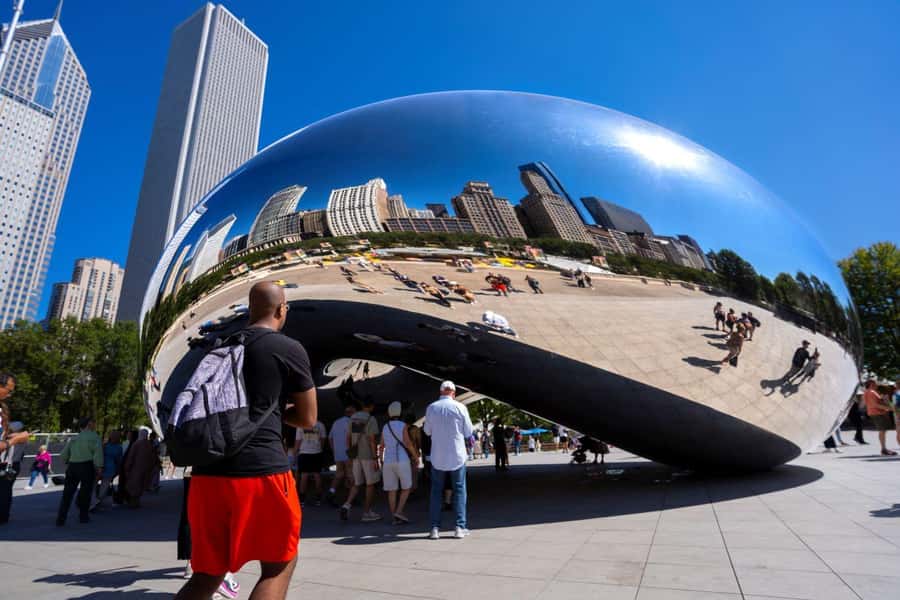
The London House and Du Sable Bridge bring design into sharper focus. Here, the guide draws attention to Art Deco elements and the way Chicago’s bridges and commercial buildings frame the river.
This part of the walk is especially helpful if you are not already fluent in architectural terms. You can look at shapes, decoration, and structure while hearing how those details fit into the city’s period of expansion. The point is not to turn you into an architect in one afternoon. It is to give you a better eye for what you are seeing.
Du Sable Bridge also helps connect the two sides of the city. Bridges in Chicago are not just useful crossings. They are part of the public face of the river, and they help explain why the downtown core developed as it did.
The Art Deco focus gives the Prohibition theme a visual anchor. That period was not only about illegal liquor and crime. It was also an age of modern design, new confidence, and commercial ambition. The buildings show that mood in a way a lecture alone cannot.
Same city, a different facade:
- Chicago Architecture Center River Cruise aboard First Lady
★ 5.0 · 5,536 reviews - Chicago: Architecture River Cruise Skip-the-Ticket Line
★ 4.8 · 4,325 reviews - Chicago River 45-Minute Architecture Tour from Magnificent Mile
★ 4.5 · 2,924 reviews - Chicago Lake and River Architecture Tour
★ 4.5 · 2,308 reviews
The Chicago Cultural Center and a local popcorn break
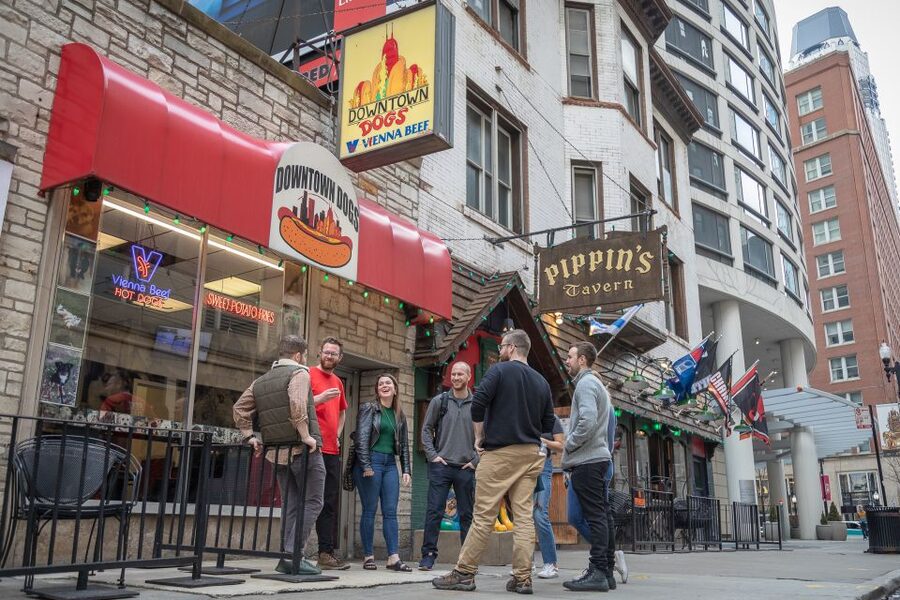
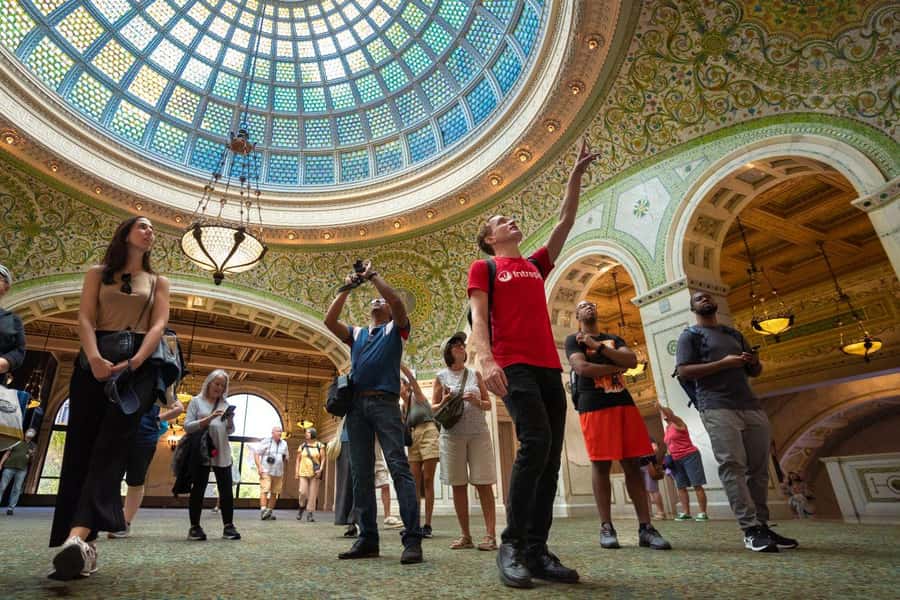
The Chicago Cultural Center is one of the most worthwhile stops because it changes the pace of the outing. After several outdoor landmarks, you get to see a major civic interior and take in Chicago architecture from the inside.
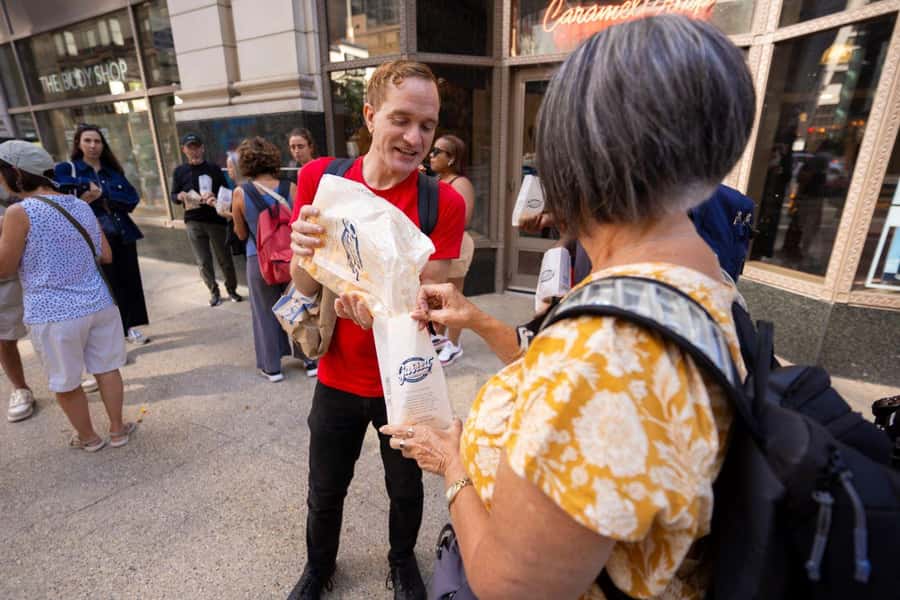
The building is described as an architectural highlight, and past guides have used the stop to show details that are easy to miss on a street-only route. This is also where you enjoy a Chicago-style popcorn treat, a small but welcome local touch.
Do not expect the popcorn to replace lunch. It is a tasting, not a meal. Still, it adds personality to the walk and gives you a chance to sample something tied to Chicago rather than receiving only facts and photographs.
Vegetarian requests can be accommodated if you notify the operator in advance. Other food allergies and dietary preferences cannot be accommodated, so you should not rely on the tasting if you need strict food control.
I particularly like this stop for families. The popcorn breaks up the history, and children under six may join free of charge. Even so, parents should remember that the full route still covers three miles and takes 2.5 hours.
Wrigley Building, Tribune Tower, and the power of newspapers
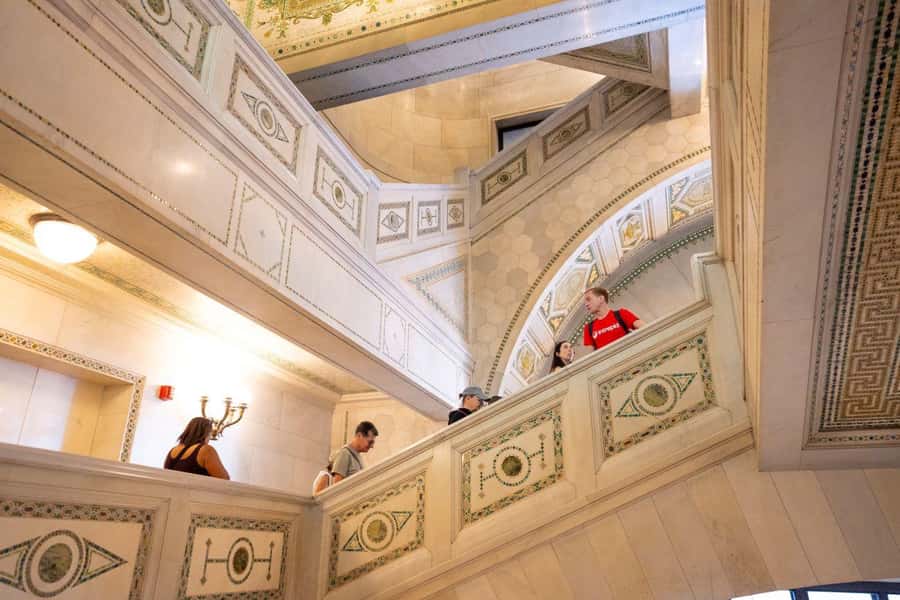
The Wrigley Building and Tribune Tower shift the story toward journalism and civic identity. Your guide explains the city’s roots in newspapers and shows how these landmark buildings reflect the importance of publishing in Chicago’s public life.
This is a smart part of the route because newspapers did more than report the city. They shaped public debate, promoted buildings, recorded scandals, and helped define the way Chicago understood itself. That makes the journalism theme a natural partner to the Prohibition story.
The buildings also give you two strong examples of how commercial architecture can become part of a city’s identity. You will see more than isolated landmarks. The guide connects them to the people, businesses, and institutions that helped make downtown Chicago what it is.
Guides make a difference here. Dash has been praised for explaining the city in a smooth, easy-to-follow way and for noticing when the group needs a restroom, snack, or short break. Kevin has also led the walk with a steady stream of facts and stories. The assigned guide can vary, but the tour’s best quality depends on having someone who can turn a building into a clear story.
Finishing at Millennium Park and the Bean
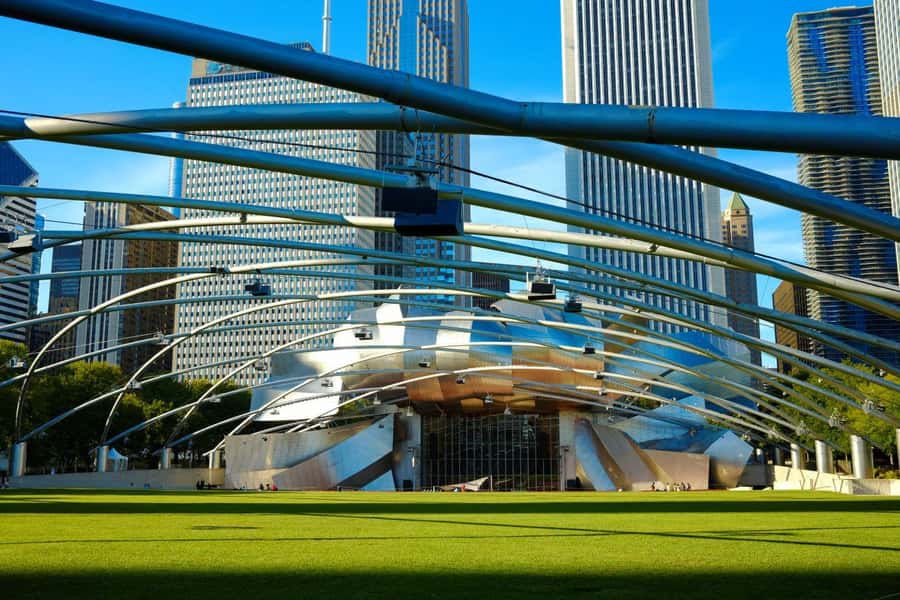
The walk ends at Millennium Park, beside the Bean, officially known as Cloud Gate. This is a sensible finish because it places you near one of Chicago’s most familiar public spaces and gives you plenty of options for continuing your day.
Your guide can offer suggestions for lunch and further sights. That final advice has real value, especially if this is your first time in Chicago and you want to keep exploring without losing time figuring out what comes next.
The Bean is also a good final photo stop, but it is not the sole reason to book the tour. If you only want a picture there, you can visit Millennium Park on your own. The value here is reaching it with a fuller understanding of the downtown streets and buildings along the way.
By the end, the route has moved from theatre and entertainment to river commerce, Art Deco design, civic architecture, journalism, and public art. That progression gives the walk a clear shape.
How much value do you get for $49?
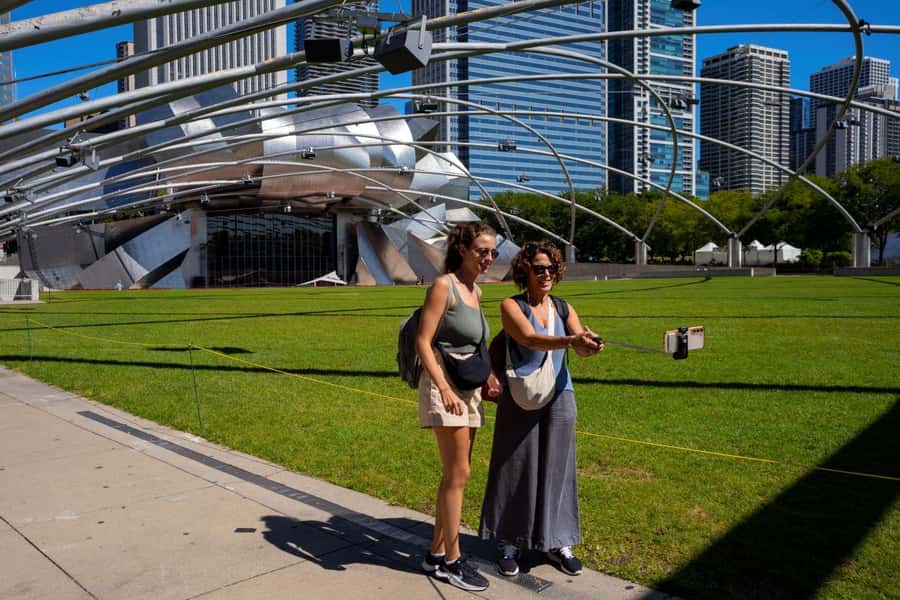
At $49 per person, this is reasonably priced for a 2.5-hour guided walk that includes a popcorn tasting and a small-group setting. You are paying for interpretation, not admission tickets or transport. That distinction matters because the route’s value comes from what your guide helps you notice.
The price makes the most sense for a first visit, when you want a fast orientation to central Chicago and a useful framework for later sightseeing. It can also work for local residents. One couple who lived downtown still found plenty of facts they had not known, which says something about the depth a strong guide can add to familiar streets.
The small-group arrangement is another part of the value. The tour description highlights groups of 12, while the practical information lists a maximum of 16. Either way, this is a more personal format than a large group gathered around a guide with a flag.
A private group is available if you want more control over the pace or plan to travel with family and friends. You should expect that option to cost more, though the exact private-group price is not provided here.
Free cancellation up to 24 hours before the start and a reserve-now, pay-later option make planning less risky. Those terms are useful in Chicago, where weather can shift quickly, but you should still dress for the conditions if you keep your booking.
Who will enjoy this Chicago walking tour?
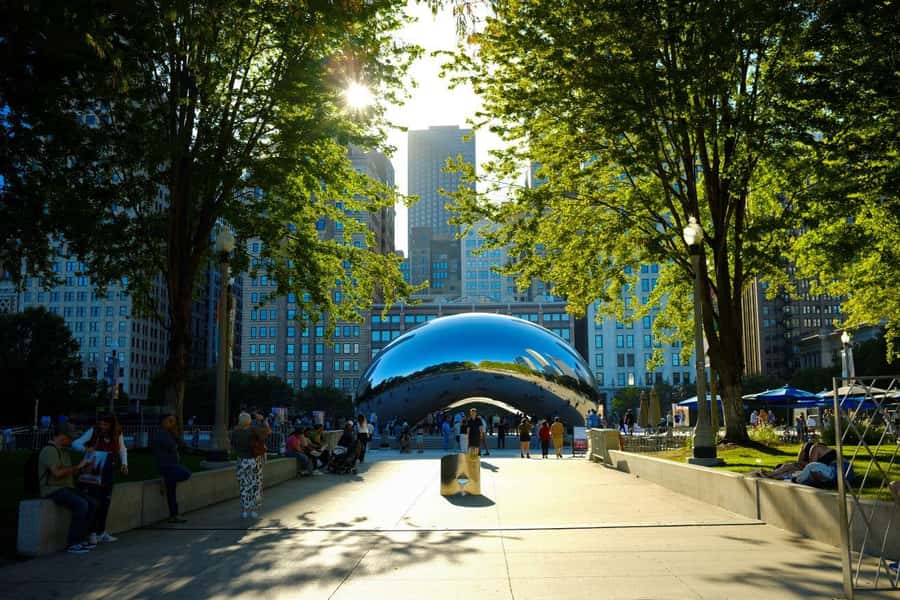
I would choose this walk if you are visiting Chicago for the first time and want the city’s main downtown landmarks explained in one sitting. It is also a good fit if architecture interests you but you do not want a technical lecture.
Families can join, and the route is described as suitable for all ages and fitness levels. I would still judge that against the three-mile distance. Young children may manage the walk well, but the length and weather exposure can make it tiring.
This tour also suits people who want local perspective. Guides such as Dash and Bash have been praised for sharing clear facts with obvious affection for Chicago, while Wallach was described as warm and easy to talk with. Those qualities matter more than a long list of dates.
You may want another experience if you have limited mobility, dislike extended outdoor walks, or prefer to sit. You should also choose a dedicated architecture cruise if seeing the skyline from the river is your top goal. For a blend of architecture, city history, and Prohibition-era context, this walk is the better match.
Practical details that can shape your day
The tour is offered in English, with morning and afternoon availability. Check the departure time against your plans because the route ends at Millennium Park rather than returning to the Chicago Theatre.
Bring comfortable shoes and clothing suited to the forecast. Since the walk covers about 4.8 kilometres in all weather, a good pair of shoes will improve the experience more than any extra sightseeing accessory.
The tour is carbon neutral and operated by a B Corp certified company. That gives the experience a responsible-tourism angle, though the main reason to choose it should still be the route, guide, and walking format.
The group size is worth checking when you book. The experience is presented as a small group with 12 participants, and the stated maximum is 16. A private group is also available.
Should you book it?
Book this tour if you want Chicago explained through its streets, buildings, and public spaces rather than through a single crime story. The route covers a lot, the popcorn tasting adds a local touch, and the finish at the Bean leaves you in a useful place for lunch and more sightseeing.
I would skip it if you want a short, seated activity or a detailed mob-focused tour. I would also think twice if three miles feels like too much in uncertain weather.
For most first-time visitors who enjoy architecture and practical city history, $49 is a fair price. Wear good shoes, expect a full walk, and choose it for the guide-led context that turns Chicago’s famous buildings into a connected story.
FAQ
How long is the Chicago Prohibition and architecture tour?
The tour lasts 2.5 hours.
How far does the walking route cover?
The route covers about 4.8 kilometres, or three miles.
Where does the tour begin?
It begins beneath the marquee of the Chicago Theatre at 175 N. State Street, Chicago, Illinois 60601.
Where does the tour end?
The tour ends at Millennium Park near the Bean sculpture.
What language is the tour offered in?
The live tour guide speaks English.
What is included in the price?
The price includes the walking tour, an English-speaking local guide, and a popcorn tasting.
How many people are in the small group?
The experience highlights groups of 12 participants, while the stated maximum for the small-group tour is 16 passengers.
Can children join the tour?
Yes. The tour is child-friendly, and children under six are permitted to join free of charge.
What should I bring?
Bring comfortable shoes and clothing suitable for the weather. The tour operates in rain, snow, and sunshine.
Can the tour accommodate dietary needs?
Vegetarian options can be arranged if you notify the operator in advance. Other food allergies and dietary preferences cannot be accommodated.
Can I cancel or pay later?
You can cancel up to 24 hours in advance for a full refund. You can also reserve your place and pay later.
Newly added in Chicago
- Chicago: Guided Tour with Architecture River Cruise★ 4.5 · 20 reviews
- Chicago River 90-Min Architecture Boat Tour★ 4.5 · 24 reviews
- Chicago: First Lady River Cruise & Architecture Center Combo★ 4.7 · 24 reviews
- Chicago: Historic Architecture Chicago River Small Boat Tour★ 4.6 · 26 reviews
- Chicago: Art Deco Skyscrapers Walking Tour★ 4.8 · 28 reviews
- Chicago River: 90-Min Architecture Boat Tour★ 4.9 · 29 reviews
- Chicago Art Deco Madness Walking Tour★ 5.0 · 31 reviews
- Chicago River Architecture Tour and Big Bus Hop-on Hop-off Tour★ 4.0 · 38 reviews
Chicago Architecture Tours, compared.

Chicago River: 1.5-Hour Guided Architecture Cruise
Read our review →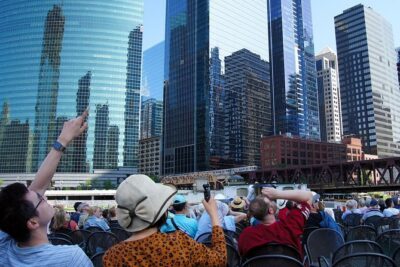
Chicago Architecture Center River Cruise aboard First Lady
Read our review →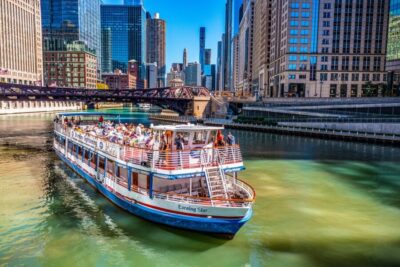
Architecture River Cruise Skip-the-Ticket Line
Read our review →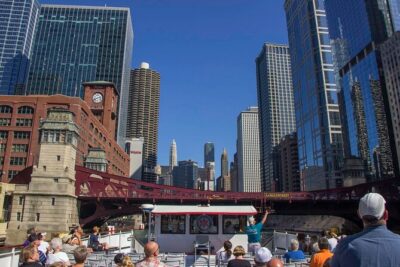
Chicago River 45-Minute Architecture Tour from Magnificent Mile
Read our review →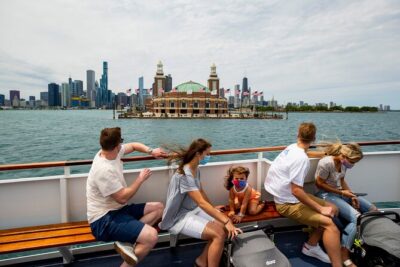
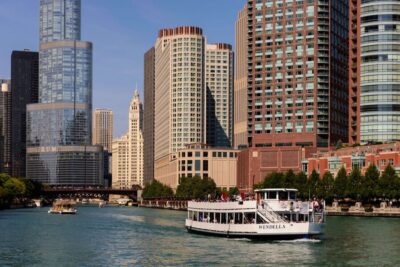
45-Minute Family-Friendly Architecture River Cruise
Read our review →Browse the lists this tour appears in