
Review · CHICAGO ARCHITECTURE TOURS
Chicago’s Original Dazzling Architectural Interiors Tour
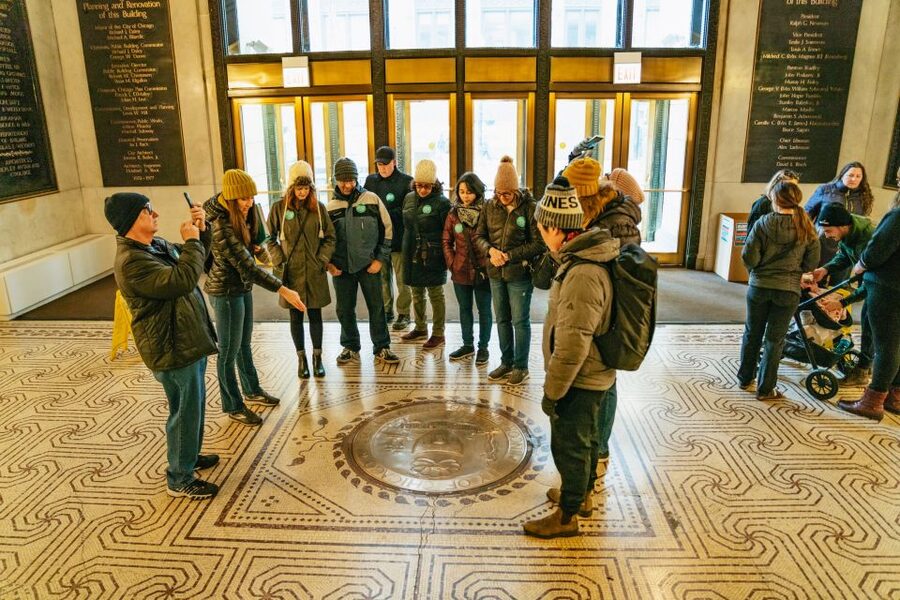
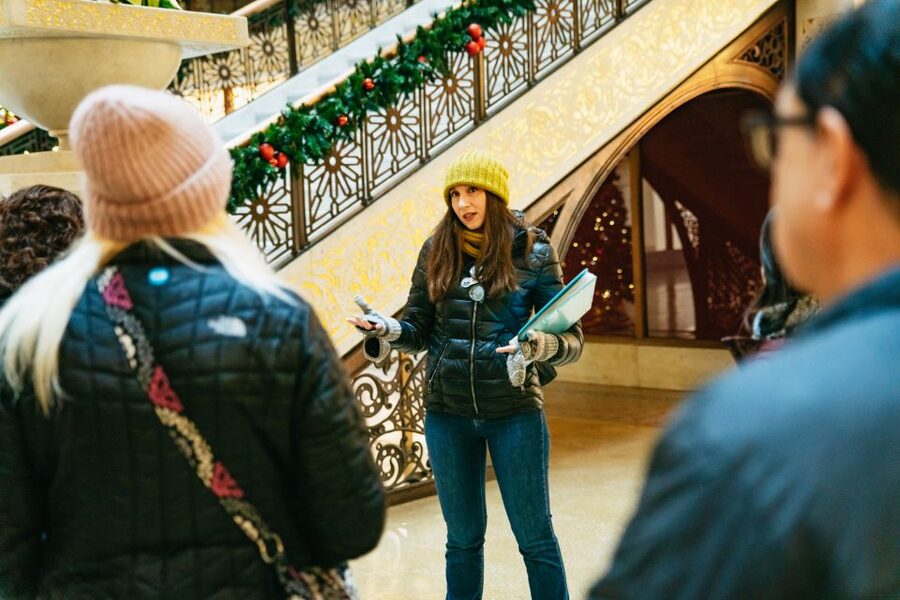
Chicago saves some of its best architecture for the inside. This two-hour walk takes you from a Roaring Twenties Art Deco masterpiece to an 1880s downtown landmark, then finishes beneath the world’s largest Tiffany stained glass dome. Along the way, you see grand spaces that are easy to miss from the sidewalk.
I like the tour’s sharp contrast between eras, and I like that the guide ties Chicago’s past to the buildings rather than simply pointing out pretty ceilings. Guides Spencer, Henry, and Kaylee have each been praised for their local insight and clear presentation. The main consideration is weather: you walk between interiors, so comfortable shoes and suitable clothing matter.
Key points
- The Tiffany finale: End beneath a vast stained glass dome near Millennium Park and Cloud Gate, better known as The Bean.
- Four eras in two hours: Move from the 1880s to Art Deco, Postmodern design, and grand Tiffany ornament.
- Frank Lloyd Wright connection: See older interiors that were renovated under Wright’s influence.
- Small details matter: The tour draws attention to decorative features you might pass without noticing.
- A practical downtown start: Meet at 425 S. Financial Place, beside the metal horse sculpture.
- Good value at $35: Entrance fees are included, and the walk is wheelchair accessible.
Why Chicago’s interiors are worth your time
Many Chicago architecture tours focus on the skyline. That is understandable. The city is famous for its steel towers and bold engineering. But a street-level view can leave out the most surprising part of the story: the ceilings, stair halls, tile work, glass, and ornament inside older buildings.
This tour takes a different route. You spend much of the time looking up and looking closely. A plain entrance may open into a room filled with decorative detail. A building you have passed before may suddenly make sense once someone explains its period, purpose, and design.
I especially like this approach for a first visit to Chicago. You get a quick introduction to several design periods without spending the whole day in one museum. It also works well for repeat visitors who have already seen the major outdoor landmarks and want something less obvious.
The experience costs $35 per person. That is a reasonable price for two hours in central Chicago, particularly because all required entrance fees are included. You are paying for access to interiors that may not be part of a normal sightseeing route, plus a live English-speaking guide who gives the spaces context.
A few more architecture walks in Chicago worth a look
- Chicago Architecture River Cruise
★ 5.0 · 15,756 reviews - Chicago River 90-Minute Architecture Tour
★ 4.5 · 9,629 reviews - Chicago River: 1.5-Hour Guided Architecture Cruise
★ 4.8 · 8,046 reviews
Starting beside the metal horse sculpture
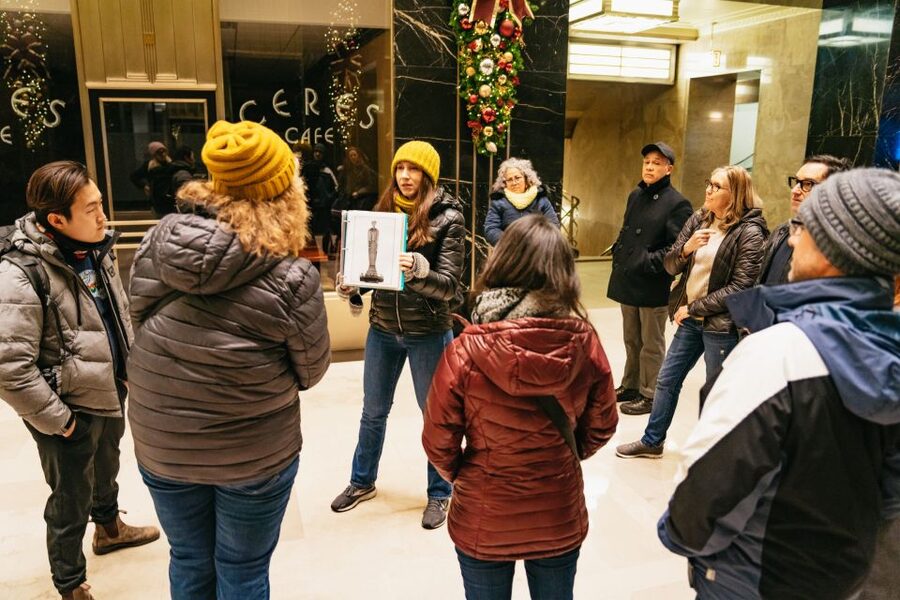
The meeting point is the plaza in front of 425 S. Financial Place, next to a metal horse sculpture. That detail is useful because downtown plazas can blur together, especially when you are watching traffic, checking a map, and trying to arrive on time.
Give yourself a few minutes to find the sculpture and settle in. The experience lasts two hours, and the schedule can vary, so check the available starting times when booking. The walk is wheelchair accessible, which makes it a practical option for many visitors, though the route moves through multiple buildings and outdoor stretches.
The tour is conducted in English. If you enjoy asking questions, a live guide is a major part of the value. Spencer has been praised for his Chicago roots and enthusiastic delivery. Henry is an architect by training, while Kaylee has been described as friendly, professional, and easy to spend time with. Your guide will vary, but the supplied guide names show the kind of background and personality you may encounter.
Bring comfortable shoes. This is an interiors walk, not a seated lecture, and you will move between locations. A face covering is also listed among the items to bring, along with clothing suited to the weather.
The Roaring Twenties in Art Deco form
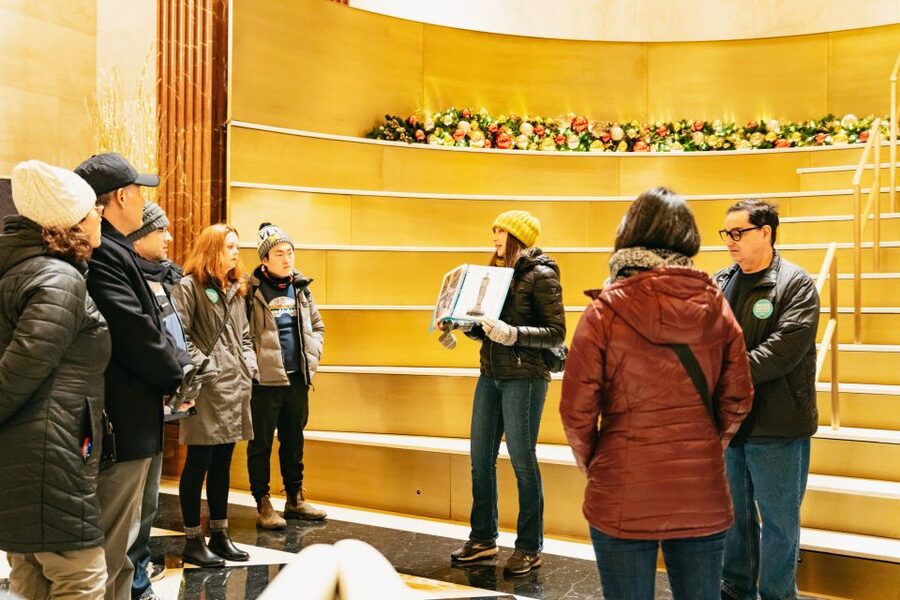
The tour begins with the glamour of the 1920s. You step into an Art Deco interior shaped by the confidence and polish of the Roaring Twenties.
Art Deco is easy to recognize once you know what to look for. Think strong geometry, repeated patterns, carefully controlled ornament, and a sense that even practical spaces deserved style. The appeal is not only visual. These rooms show how Chicago presented modern life during a period when business, technology, and entertainment were changing fast.
Your guide helps connect the decoration to the age that produced it. That is important because Art Deco can otherwise become a collection of attractive shapes. Here, you get a clearer idea of how the design expressed speed, wealth, order, and optimism.
Look at the ceiling before you rush through the room. Notice how the pattern works with the walls and other architectural features. Interior details often seem small in photographs, but in person they create the mood of the entire space.
I like that the first stop gives you a strong visual opening. You are not eased into the subject with a long technical explanation. You begin with color, pattern, and polished design, then learn how to read what you are seeing.
Going back to an 1880s Chicago landmark

The route then moves back roughly 50 years to one of downtown Chicago’s oldest and most famous buildings. The change is useful. Instead of treating Chicago architecture as one broad style, the tour lets you compare different ideas about permanence, decoration, and public space.
An 1880s building can feel very different from a 1920s Art Deco interior. The earlier design tends to place more emphasis on historic references, craftsmanship, and formal grandeur. You may find heavy ornament, elaborate surfaces, and a stronger sense of ceremony.
This stop also brings in Frank Lloyd Wright. The interiors were renovated by Wright, giving the building another layer to consider. You are not only looking at the original period of construction. You are also seeing how a major American architect reshaped an older space for a later age.
That kind of change is one of the tour’s most useful lessons. Buildings are rarely frozen in the year they open. They are altered, restored, and reinterpreted. A good guide can help you separate the original structure from later work and explain why the changes matter.
The building’s age is also part of the pleasure. Downtown Chicago is often associated with skyscrapers, but this stop reminds you that the city has important architectural chapters from before the modern skyline took shape.
Same city, a different facade:
- Chicago Architecture Center River Cruise aboard First Lady
★ 5.0 · 5,536 reviews - Chicago: Architecture River Cruise Skip-the-Ticket Line
★ 4.8 · 4,325 reviews - Chicago River 45-Minute Architecture Tour from Magnificent Mile
★ 4.5 · 2,924 reviews - Chicago Lake and River Architecture Tour
★ 4.5 · 2,308 reviews
Moorish details beneath a Postmodern ceiling
Next comes one of the tour’s most unusual contrasts: a vaulted ceiling from the Postmodern era surrounded by Moorish details.
Postmodern design often borrows from earlier styles instead of following one strict visual rule. That can produce spaces that feel playful, theatrical, or unexpected. In this case, the vaulted form and Moorish elements give you a break from the more familiar Art Deco and 19th-century interiors.
This is the sort of stop that benefits from a guide’s explanation. Without context, you might simply register the ceiling as ornate. With a few clear points about the period and its use of historical references, you can see how the room combines old-looking motifs with a much later architectural outlook.
I would pay attention to the way the room directs your eyes. A vaulted ceiling changes the feeling of scale, while repeated Moorish details can create a pattern that rewards a slow look. You might notice features you would have missed if you entered alone, which is one of the central pleasures of this experience.
The stop also keeps the tour from becoming predictable. You are not shown four versions of the same grand lobby. Each interior has a different visual language, and that variety gives the two-hour route good pace.
Finishing under the Tiffany stained glass dome
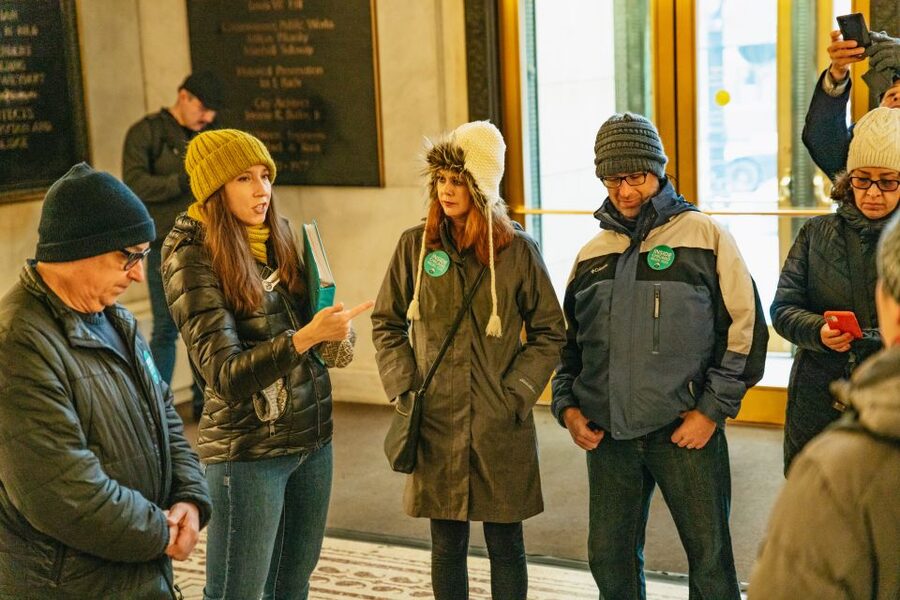
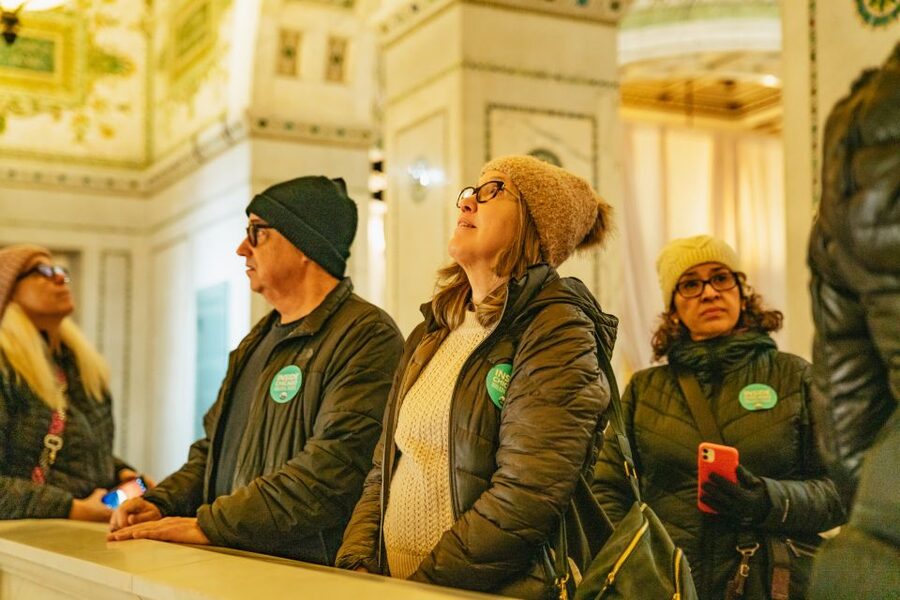
The grand finale is the Tiffany stained glass dome. You finish by looking up at what is described as the world’s largest Tiffany stained glass dome, close to Millennium Park and Cloud Gate, the landmark commonly called The Bean.
This is a fitting ending because the dome brings together many of the tour’s themes: craftsmanship, public display, ornament, and Chicago’s love of large-scale design. Stained glass changes as you move beneath it. The colors and patterns do not sit at eye level, so the best view may require a slow look from several positions.
Take a moment before reaching for your phone. A wide photograph may show the whole dome, but it will not capture every small piece of glass or the way the design fills the space above you. If photography is important to you, ask the guide about the best place to stand.
The location near Millennium Park is convenient for continuing your day. You can visit The Bean afterward, though access and conditions at the park can change. The tour itself ends close to one of Chicago’s most famous outdoor landmarks, making it easy to pair with other downtown plans.
Ending here also gives the walk a clear payoff. You have seen several interiors first, so you can better appreciate how unusual the dome is rather than treating it as one more ornate ceiling.
The extra interiors along the way
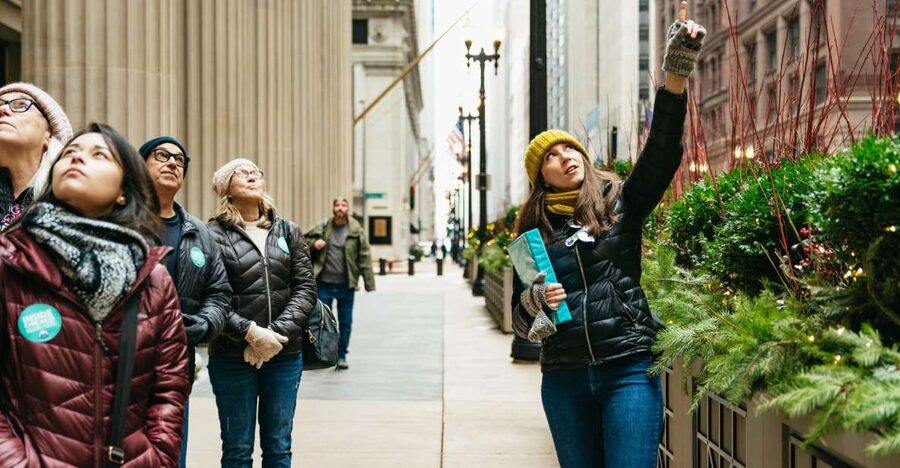
The advertised route includes additional beautiful interiors that come as surprises. That is a worthwhile feature, but it also means you should not expect every stop to be laid out in a fixed, museum-like sequence.
The surprise spaces add a sense of discovery. You may walk past a building with no idea that its interior contains decorative work worth seeing. Once the guide points it out, downtown becomes more than a collection of facades.
This is where the tour’s focus on details pays off. A visitor moving quickly through the business district may miss a ceiling, a doorway, a decorative panel, or a public interior entirely. The guide helps you slow down and notice the parts that do not announce themselves.
The tradeoff is that the exact experience may depend on access and timing. The supplied information does not name every extra interior, so I would book this tour for the overall style and sequence, not for a strict promise of a particular surprise stop.
How much value do you get for $35?
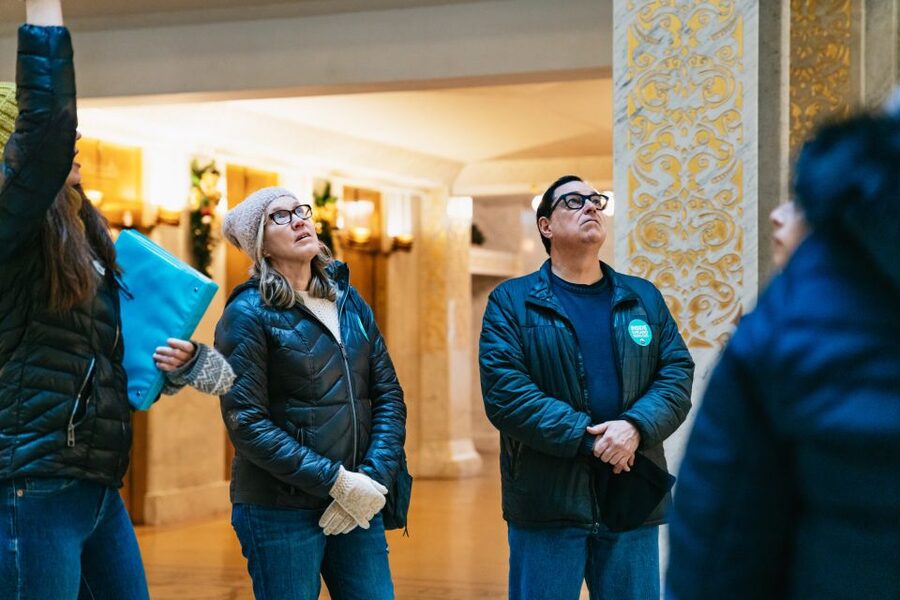
At $35, this is a modestly priced guided experience for central Chicago. The value comes from three things: a two-hour route, admission costs included, and access to interiors you might not find on your own.
You could walk downtown without paying anything, of course. But you would likely see the outside of these buildings and miss the details that give them character. You might also spend time guessing which doors are open or trying to understand the styles without help.
A self-guided architecture walk can work well if you enjoy research and prefer your own pace. This tour is better suited to you if you want someone to identify the important features and connect them to Chicago’s past as you go.
Gratuities are not included, so budget separately if you want to tip the guide. The booking terms also allow cancellation up to 24 hours before the experience for a full refund, and you can reserve now and pay later. Those policies make it easier to fit the walk into a changing city schedule.
Who should book this interiors walk?
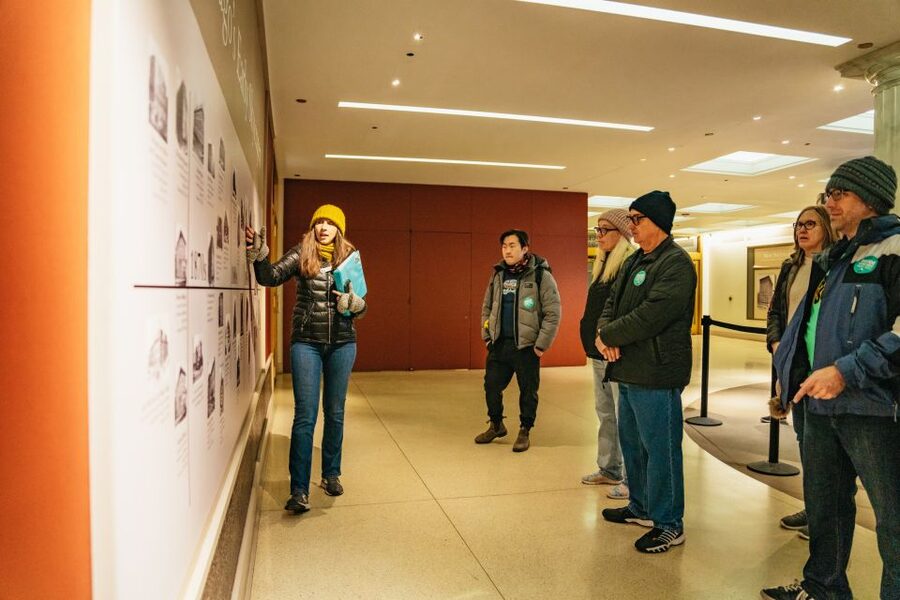
I would recommend it to first-time Chicago visitors who want architecture but do not want a long technical lecture. The two-hour length is manageable, and the route offers a fast look at several periods.
It also suits repeat visitors. If you have already photographed the skyline and walked along the river, this tour gives you a fresh reason to look at downtown buildings differently.
Art and design students may enjoy the range of styles, especially the comparison between Art Deco, 19th-century design, Wright’s renovation work, Postmodern forms, and Tiffany glass. History-minded visitors will appreciate the way Chicago’s development is explained through its buildings.
Families can consider it too, particularly if children enjoy looking for patterns and unusual ceilings. Still, the tour requires attention and walking, so it may not suit anyone hoping for a relaxed, seated activity.
Rain does not automatically ruin the experience. Kaylee has led the walk in weather that shifted between rain and dry spells, and the interiors provide plenty to see. Even so, you move outdoors between stops, so wear sensible shoes and bring clothing that matches the forecast.
My call: book it if you want Chicago from the inside
Book this tour if you want to see the city through ceilings, glass, ornament, and renovated historic rooms rather than only through skyscraper views. The Art Deco opening, Wright connection, Moorish Postmodern stop, and Tiffany dome give you a good range for $35.
Skip it if you want a broad outdoor architecture tour, a long visit to one major building, or a self-guided outing with complete control over your pace. For everyone else, this is a smart downtown choice, especially when you want a compact introduction to the spaces most people pass without seeing.
FAQ
How long does the Chicago interiors tour last?
The tour lasts two hours.
How much does the tour cost?
The price is $35 per person.
What language is the tour conducted in?
The live tour is conducted in English.
Where is the meeting point?
Meet in the plaza in front of 425 S. Financial Place, next to the metal horse sculpture.
Are entrance fees included?
Yes. All necessary entrance fees are included in the price.
Is the tour wheelchair accessible?
Yes, the activity is listed as wheelchair accessible.
What should I bring?
Bring comfortable shoes, clothing suitable for the weather, and a face mask or protective covering.
Are gratuities included?
No. Gratuities are not included.
Newly added in Chicago
- Chicago: Guided Tour with Architecture River Cruise★ 4.5 · 20 reviews
- Chicago: First Lady River Cruise & Architecture Center Combo★ 4.7 · 24 reviews
- Chicago River 90-Min Architecture Boat Tour★ 4.5 · 24 reviews
- Chicago: Historic Architecture Chicago River Small Boat Tour★ 4.6 · 26 reviews
- Chicago: Art Deco Skyscrapers Walking Tour★ 4.8 · 28 reviews
- Chicago River: 90-Min Architecture Boat Tour★ 4.9 · 29 reviews
- Chicago Art Deco Madness Walking Tour★ 5.0 · 31 reviews
- Chicago River Architecture Tour and Big Bus Hop-on Hop-off Tour★ 4.0 · 38 reviews
Chicago Architecture Tours, compared.

Chicago River: 1.5-Hour Guided Architecture Cruise
Read our review →
Chicago Architecture Center River Cruise aboard First Lady
Read our review →
Architecture River Cruise Skip-the-Ticket Line
Read our review →
Chicago River 45-Minute Architecture Tour from Magnificent Mile
Read our review →
45-Minute Family-Friendly Architecture River Cruise
Read our review →Browse the lists this tour appears in