
Review · PARK GUELL TOURS
Gaudi’s Crypt in Colonia Güell with Audioguide
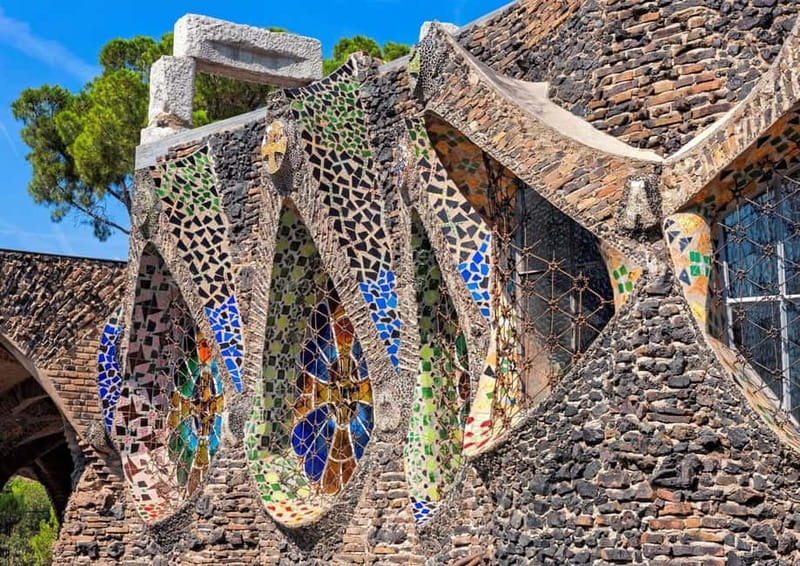
Gaudí’s Crypt is the small church that helped shape ideas later used at the Sagrada Família. Its twisted columns and unusual structure make it far more than a quick photo stop, and the surrounding Colònia Güell adds a quiet village setting that Barcelona’s center cannot provide.
I like two things here: the audioguide gives the crypt useful context, and the Interpretation Center helps you picture the grand church Gaudí planned but never finished. The main drawback is the journey. The colony is advertised as about 20 minutes from Barcelona, but waiting for trains or buses can make the full trip much longer.
Key points to know before you go
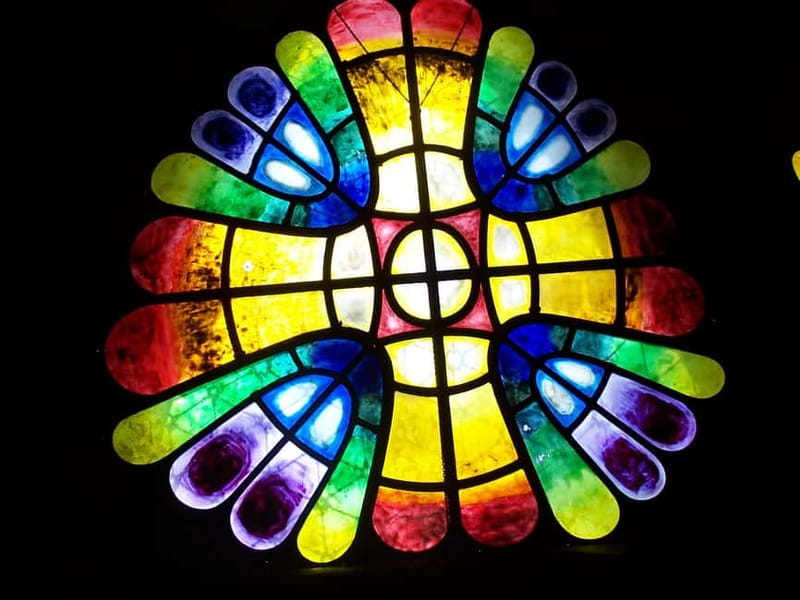
- Gaudí’s architectural laboratory: The Crypt is where Antoni Gaudí tested ideas later used in his larger work.
- A UNESCO World Heritage Site: UNESCO recognized the Crypt in July 2005.
- More than one building: The ticket also lets you explore Colònia Güell’s streets and Modernist architecture.
- Useful historical context: The Interpretation Center explains Eusebi Güell, the textile colony, and plans for the unfinished church.
- Ten audioguide languages: Choose from Spanish, English, French, German, Italian, Japanese, Russian, Catalan, Chinese, and Korean.
- Easy to combine with Barcelona transit: Transport from Plaça d’Espanya on FGC lines S33, S8, and S4 reaches Colònia Güell Station, and Hola Barcelona card holders have transportation included.
Why Gaudí’s Crypt deserves your time
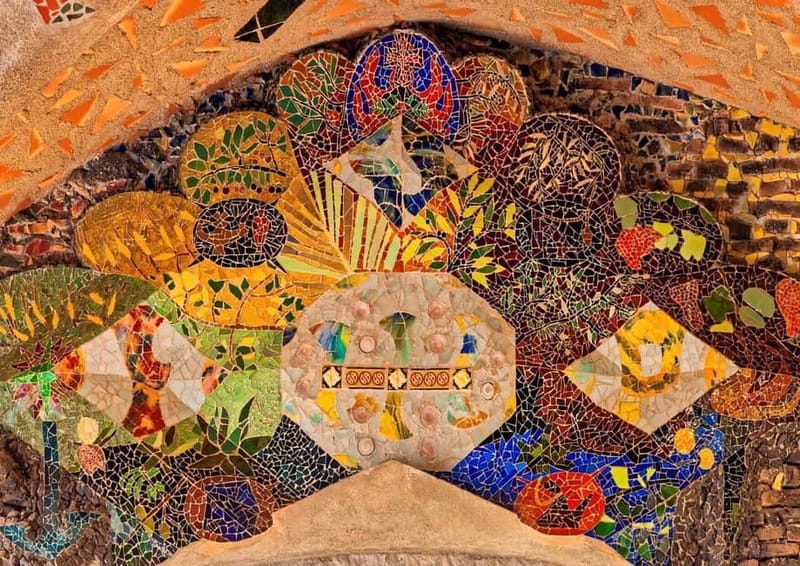
Many people know Gaudí through the Sagrada Família, Park Güell, and Casa Batlló. The Crypt offers a different experience. It is smaller, less famous, and easier to study at close range.
The building is known for its twisted columns, which give the interior an earthy, almost forest-like quality. The design is not about clean rows and tidy symmetry. Gaudí used unusual shapes and structural solutions to test how a church could carry weight while feeling connected to its setting.
That experimental quality is the main reason I would recommend the visit to anyone interested in architecture. You are not simply looking at a finished monument. You are seeing a place where Gaudí tried out ideas that became important in his later work.
The Crypt is also linked closely to the Sagrada Família. It is often described as the Sagrada Família’s laboratory because Gaudí worked through architectural problems here before applying similar thinking elsewhere. You will not see the same scale or visual drama as at the Sagrada Família, but you get a clearer sense of the working process behind Gaudí’s style.
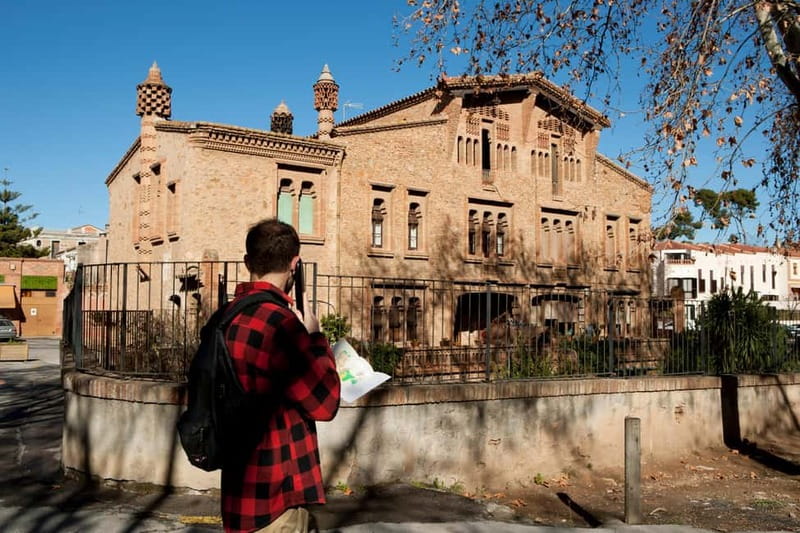
The setting matters, too. Colònia Güell was a textile village created for workers and their families. The visit gives you a look at the wider community around the church, not just the church itself. That makes the experience feel more connected to everyday life than a visit to a single city monument.
More Park Guell Tours in Barcelona:
- Barcelona: Park Güell and Gaudí House Museum Entry Ticket
★ 4.5 · 6,326 reviews - Barcelona: Gaudí’s Park Güell Tour with Fast-Track Ticket
★ 4.8 · 4,512 reviews - Complete Gaudi Tour: Casa Batllo, Park Guell & Sagrada Familia
★ 5.0 · 1,152 reviews
Entering the Crypt with the audioguide
Your visit begins at the Visitors’ Center in Colònia Güell. Admission includes the Crypt, a map, and an audioguide available in ten languages: English, Spanish, French, German, Italian, Japanese, Russian, Catalan, Chinese, and Korean.
That range is useful if you are visiting with family or friends who prefer different languages. It also means you can take the site at your own pace instead of joining a fixed spoken tour. The tradeoff is that an audioguide depends on you stopping, listening, and matching the information to what you see.
I would use the map before heading into the colony. The Crypt is the main attraction, but the nearby streets contain several Modernist buildings connected with the former textile community. A quick look at the map helps you avoid treating the visit as a single-room stop.
Inside the Crypt, focus on the columns and the way the structure feels different from a conventional church. The building’s nickname, the church of the twisted columns, points you toward its most memorable feature. Look up and around rather than rushing directly through. The value is in seeing how the supports, spaces, and forms work together.
The audioguide should also help explain why this building matters. Without context, the Crypt can seem strange but small. With the background, its role in Gaudí’s development becomes clearer.
The unfinished church above and the ideas below
One of the most interesting parts of the visit is that the Crypt was meant to form part of a much larger church. That larger project was not completed, but the Interpretation Center includes models showing how the finished church might have looked.
These models are important because they help you understand the original scale and purpose of the Crypt. On its own, the building can feel like a complete little church. The models show that it was intended as the lower part of a more ambitious design.
I like this contrast between what exists and what was planned. You can see Gaudí’s actual work, then use the models to imagine the missing upper structure. It is a useful reminder that major monuments are often shaped by changes in money, time, and construction plans.
The models also add value for visitors who are not architecture specialists. You do not need to know technical terms to grasp the basic idea. The Crypt gives you the real structure, while the exhibition supplies the larger picture.
The Interpretation Center in the former co-operative
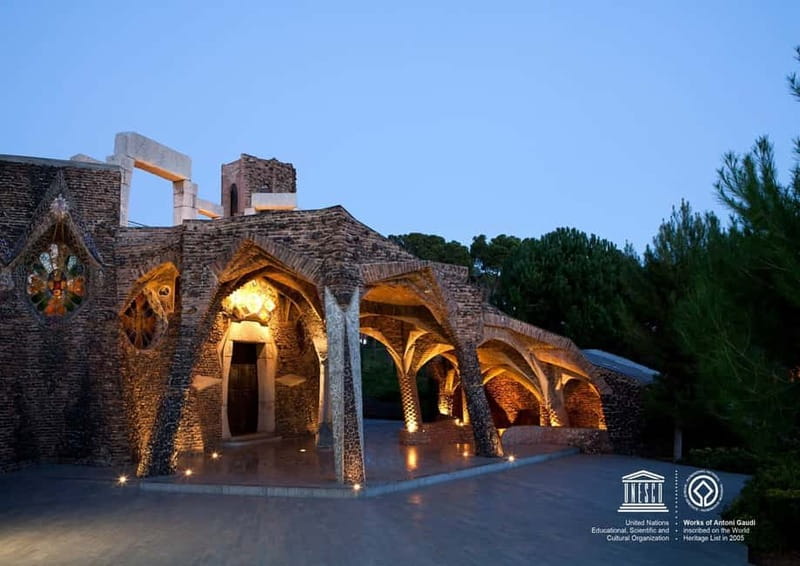
After seeing the Crypt, spend time at the Interpretation Center. It is housed in the former workers’ co-operative building, which gives the exhibition a direct connection to the life of Colònia Güell.
The permanent exhibition provides background on Eusebi Güell and the colony. This is where you learn why the village existed and how the church fitted into the wider community.
I would not skip this section. The Crypt is visually unusual, but the exhibition explains the people and plans behind it. It also includes models of the intended church, making it easier to understand what Gaudí was trying to create.
This stop is especially useful if you are comparing the visit with Barcelona’s better-known Gaudí attractions. The Sagrada Família focuses on a huge, active basilica. Colònia Güell gives you a closer look at design experiments and at the planned relationship between a religious building and a workers’ settlement.
The center is also a practical place to slow down and organize what you have seen. If you arrive without much background on Gaudí or Eusebi Güell, the exhibition fills in the basic story without requiring another separate museum visit.
More Gaudi Tours in Barcelona:
- Sagrada Familia & Gaudi Tour Private or Small Group with Tickets
★ 4.5 · 1,188 reviews - Park Güell: Guided Tour with Optional Gaudí Experience Entry
★ 4.1 · 832 reviews - Barcelona e-Bike Tour: Gaudí & Old Town Small Group
★ 5.0 · 769 reviews - Ramblas, Old Town, Gothic and Gaudi Architecture Walking Tour
★ 5.0 · 723 reviews
Walking through Colònia Güell
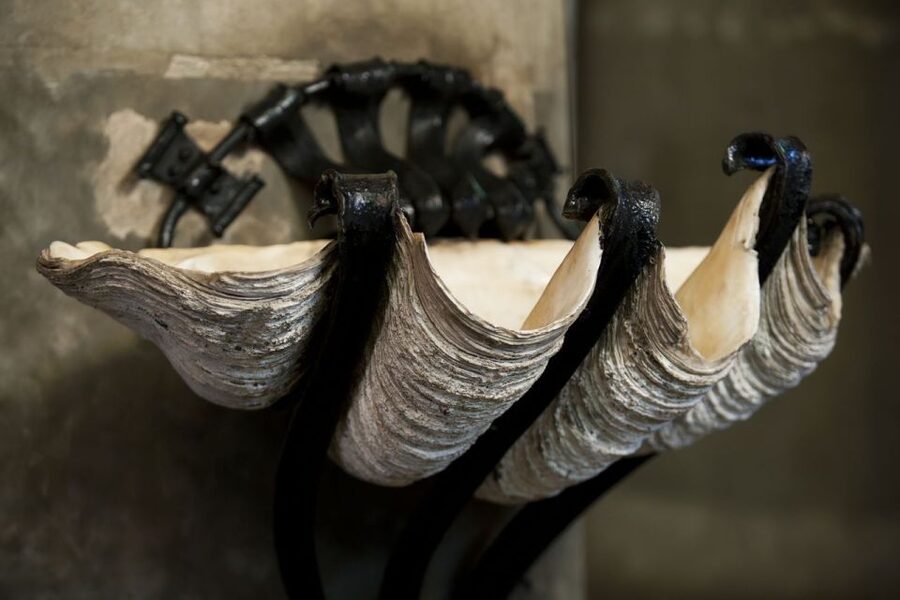
Do not leave immediately after the Crypt. The streets of Colònia Güell are part of the experience, and the ticket is more valuable when you treat the visit as a small village walk rather than only a church admission.
You can see Modernist buildings throughout the colony. The supplied information does not identify every building or provide a fixed walking route, so use the map and allow time to look around at your own pace.
This is also where the visit feels different from central Barcelona. The setting is described as a quiet textile village, and one recent visit found it peaceful and worth exploring beyond the church. If your ideal sightseeing day means moving from one crowded landmark to another, the slower pace may feel unusual. I see it as a benefit, but it does require patience.
The village walk works best after the indoor exhibits. Once you understand the colony’s purpose, the buildings become easier to read as part of a planned community. You are no longer looking only for Gaudí’s signature shapes. You are seeing how architecture served workers, families, and daily life.
Getting there from Barcelona
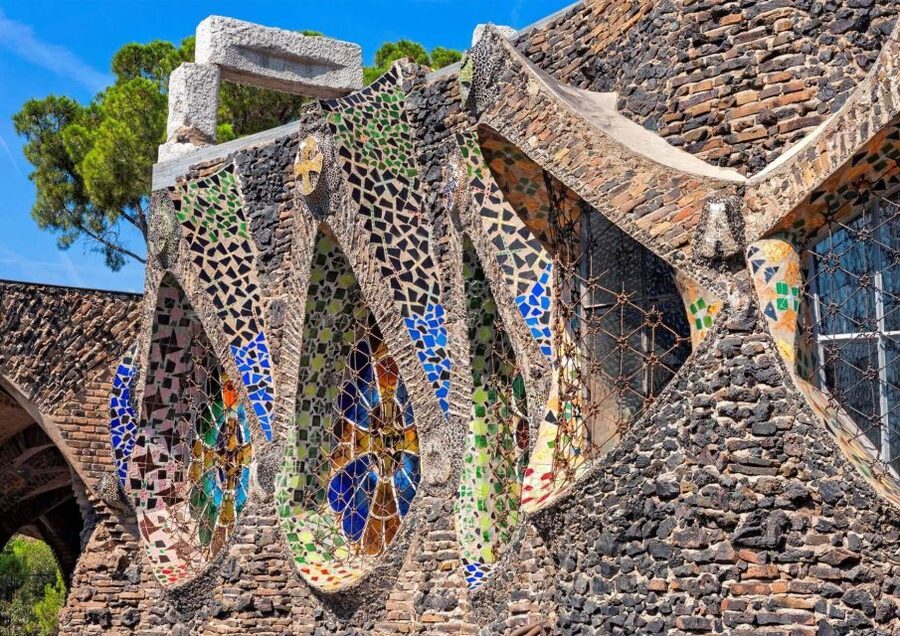
The standard route is from Plaça d’Espanya on the Ferrocarriles de la Generalitat de Catalunya, usually called FGC. Take lines S33, S8, or S4 to Colònia Güell Station.
The journey is described as about 20 minutes from Barcelona, but that figure should not be treated as your total door-to-door time. A recent booking described the full approach as taking more than an hour, with buses running only every 30 minutes. Even if your train ride is short, a wait, transfer, or walk can make the trip feel much longer.
My advice is simple: check the connection before leaving Barcelona and avoid squeezing this visit into a tight schedule. The attraction is valid for one day, and the ticket does not require you to rush through the Crypt, exhibition, and village streets in a short timed visit.
If you have a Hola Barcelona card, transportation to Colònia Güell is included. That makes the trip easier to budget, though you should still confirm the route and departure times before setting out.
The meeting point is the Visitors’ Center in Colònia Güell. Plan to arrive there first so you can get oriented, collect the map and audioguide information, and understand where the main sights are located.
Is $11 a fair price?
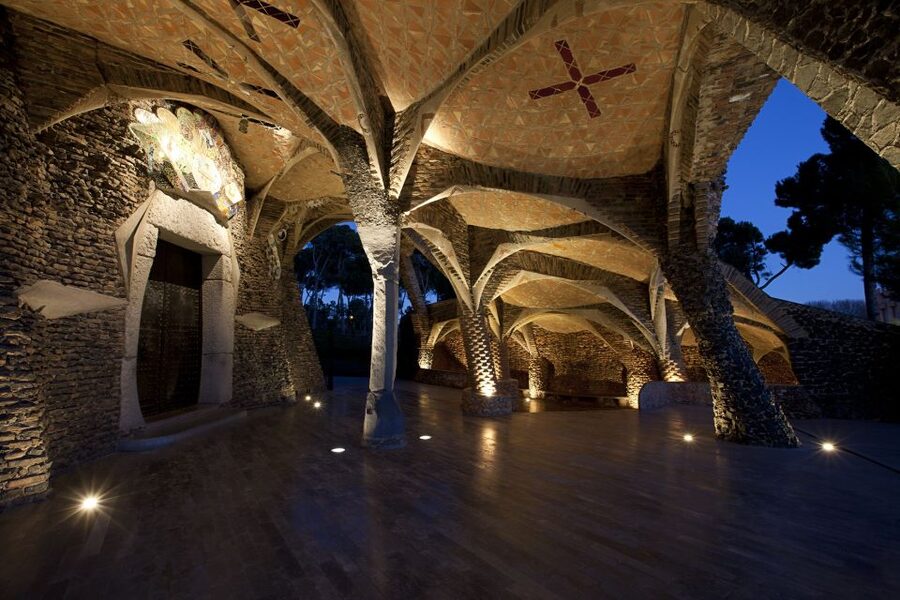
At $11 per person, the admission is modest for a UNESCO World Heritage Site near Barcelona. The ticket includes more than entry to the Crypt: you also receive the audioguide, access to the Interpretation Center, and a map for exploring the colony.
The value depends on how much of the area you see. If you travel all the way to Colònia Güell only to glance inside the Crypt and leave, the price is still reasonable, but the journey may feel out of proportion to the visit. If you include the exhibition and streets, the ticket becomes a better use of both money and time.
The audioguide adds practical value for independent visitors. You do not need to pay for a separate guide, and the ten language choices cover a wide range of preferences. There is no named personal guide listed for this experience, so you should expect an individual audioguide rather than a live guided tour.
The strongest value is for people who want context as well as architecture. The models, historical exhibition, and village walk turn a small admission into a broader half-day outing, although the ticket itself is valid for one day.
Who will enjoy this visit most
I would recommend Gaudí’s Crypt to several types of visitors:
- Architecture fans who want to see Gaudí testing ideas in a smaller, more focused building.
- Sagrada Família visitors who want to understand another stage of his work.
- Repeat visitors to Barcelona looking for a quieter outing beyond the city center.
- Independent explorers who prefer an audioguide and self-guided walking time.
- History-minded visitors interested in Eusebi Güell, the textile colony, and Modernist town planning.
- Visitors using the Hola Barcelona card, since transportation is included.
It may be less suitable if you have only a few hours in Barcelona or dislike public transportation with possible waits. The Crypt is worthwhile, but it is not the easiest attraction to squeeze between central-city appointments.
Families may appreciate the short format and the visual oddity of the columns, though the available information does not provide a dedicated children’s program. If you are visiting with children, the models at the Interpretation Center may help explain the unfinished church in a more direct way.
The site is wheelchair accessible, which is an important practical advantage. The information does not specify every surface or route detail, so visitors who need particular access arrangements should confirm those details before going.
How to plan your day at Colònia Güell
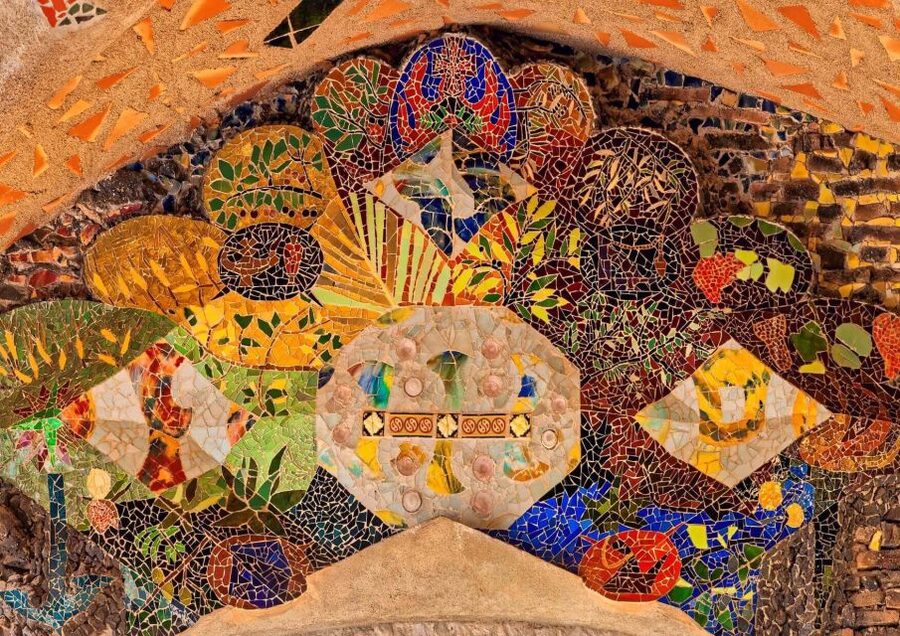
Treat this as a flexible outing rather than a quick attraction. Start at the Visitors’ Center, use the map, and visit the Crypt while the architectural details are fresh in your mind.
Next, go through the Interpretation Center. Give yourself enough time to look at the historical exhibition and the church models. This is the part that turns an unusual building into a clearer story about Gaudí, Eusebi Güell, and the colony.
Finish with a walk through the streets. The exact pace is up to you, but do not assume the Crypt is the whole point. The Modernist buildings and quiet setting are what make the trip feel distinct from a standard Gaudí tour in Barcelona.
If your connection takes longer than expected, keep the schedule loose. The experience has a one-day validity, so there is no need to force it into a narrow time slot. A relaxed approach also gives you a better chance to notice details in the colony.
Should you book Gaudí’s Crypt?
Book it if you want a reasonably priced, self-guided look at Gaudí’s experimental architecture and are willing to spend extra time getting outside Barcelona’s center. The Crypt, the models, and the village streets work well together, and the multilingual audioguide gives the visit useful structure.
Skip it if your schedule is packed or if you want a large, fully completed Gaudí monument with a dramatic city setting. The Crypt is smaller and quieter, and transport can take longer than the advertised 20 minutes.
For most architecture fans, the $11 price is easy to justify. Just plan for the journey, use the Interpretation Center, and leave time to walk through Colònia Güell rather than treating the Crypt as a quick photo stop.
FAQ
Where is Gaudí’s Crypt located?
Gaudí’s Crypt is in Colònia Güell, a former textile village in Catalonia, Spain, about 20 minutes from Barcelona by the stated route.
How do I reach Colònia Güell from Barcelona?
Take the Ferrocarriles de la Generalitat de Catalunya from Plaça d’Espanya to Colònia Güell Station. The listed lines are S33, S8, and S4.
Is transportation included with the Hola Barcelona card?
Yes. Transportation to Colònia Güell is included if you have the Hola Barcelona card.
What does the ticket include?
The ticket includes admission to Gaudí’s Crypt, the Interpretation Center, a multilingual audioguide, and a map.
Which languages are available for the audioguide?
The audioguide is available in Spanish, English, French, German, Italian, Japanese, Russian, Catalan, Chinese, and Korean.
Is the experience valid for one day?
Yes. The ticket is valid for one day. You should check availability for the available starting times.
Is Colònia Güell wheelchair accessible?
Yes. The activity is listed as wheelchair accessible.
Can I cancel the booking?
You can cancel up to 24 hours in advance for a full refund.
Do I have to pay at the time of booking?
No. The reserve now and pay later option lets you secure the booking without paying immediately.
Newly added in Barcelona
- Offer: Be Gaudí mosaic class Barcelona for families (max 4 pax)★ 5.0 · 20 reviews
- Private Montserrat, Gaudi and Modernism Day Trip from Barcelona★ 4.5 · 20 reviews
- Barcelona: The Genuis of Gaudi & Modernist Architects Tour★ 5.0 · 20 reviews
- Barcelona Private Walking Tour through the City of Gaudi★ 4.5 · 20 reviews
- Barcelona: Wonders of Gaudi Bike Tour★ 5.0 · 22 reviews
- Barcelona: Gaudí Segway Tour★ 4.6 · 21 reviews
- Barcelona 3-hour Bike or E-Bike Tour: Gaudí By Bike★ 5.0 · 24 reviews
- Gaudi Guided Tour: Casa Batllo, La Pedrera & Casa Vicens★ 3.5 · 24 reviews
Park Guell Tours, compared.
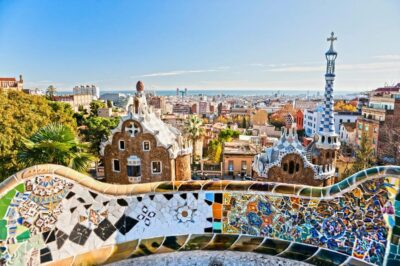
Park Güell and Gaudí House Museum Entry Ticket
Read our review →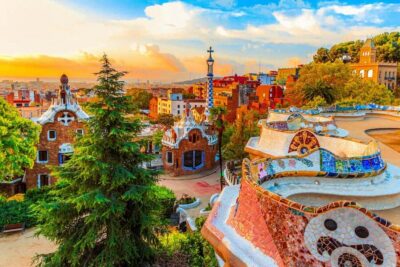
Gaudí’s Park Güell Tour with Fast-Track Ticket
Read our review →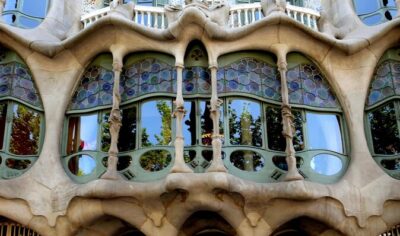
Complete Gaudi Tour: Casa Batllo, Park Guell & Sagrada Familia
Read our review →
Park Güell: Guided Tour with Optional Gaudí Experience Entry
Read our review →
Discover Gaudí, Sagrada Familia, and Park Güell
Read our review →
Fast Track Sagrada Familia & Park Guell the best of Gaudí
Read our review →
Sagrada Familia & Park Güell Optional: Small Group Tour
Read our review →Browse the lists this tour appears in