
Review · CHICAGO ARCHITECTURE TOURS
Marvels & Feats: An Engineer’s Tour of Chicago Architecture
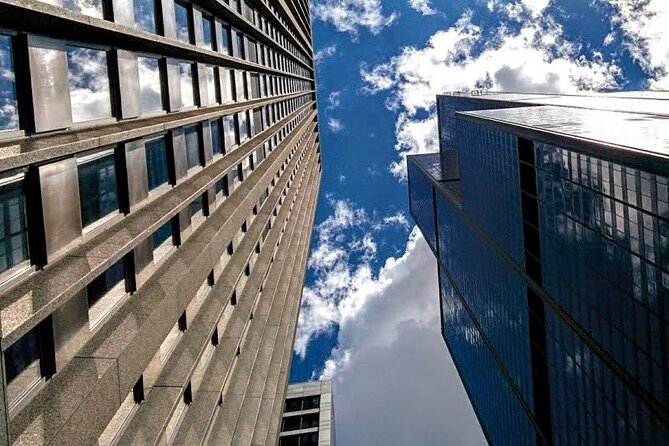
Chicago’s skyscrapers are not just tall buildings. They are answers to stubborn problems: how to build on soft ground, how to keep a tower upright in strong winds, and how to carry immense weight without crushing the city below. This two-hour walk turns those problems into the main attraction, with a real engineer explaining Chicago’s boldest solutions in plain language.
I like two things right away. You get an engineering-focused tour rather than a general architecture walk, and you enter several buildings instead of viewing every structure only from the sidewalk. I also like the route’s mix of old and new, from the early skyscraper era in the Loop to modern engineering along the Chicago River.
The main consideration is the pace. You’ll be walking for two hours, mostly in the open air, and the tour runs in all weather. At $35 per person, it offers good value for architecture fans, but you’ll get the most from it if you enjoy understanding how buildings work, not just photographing them.
Key points to know before booking
- Chicago engineering takes center stage: Learn how buildings handle gravity, wind, soft ground, and enormous structural loads.
- A real engineer leads the walk: The explanations are designed to be clear without reducing the subject to trivia. Hillary guides some departures.
- The Loop receives most of the attention: About 1 hour and 15 minutes are spent downtown, including visits inside notable buildings.
- The Chicago River provides a strong finish: The final 45 minutes cover newer engineering feats and end at Riverpoint Park.
- The group is limited to 20 people: That is small enough for a more personal walking-tour feel.
- Plan for weather and walking: The activity operates in all weather, requires moderate physical fitness, and begins at 2:30 pm.
Why Chicago is the right place for an engineering tour
Chicago’s claim as the birthplace of the skyscraper gives this walk a clear purpose. The city did not simply begin building taller because architects wanted dramatic skylines. Engineers had to work out how tall buildings could function on difficult ground and remain stable under forces you cannot see.
That is the useful difference here. You are not just told when a building was completed or who designed its facade. You learn why its structure mattered and what problem its builders were trying to solve.
The tour covers more than 150 years of engineering change. That long time span lets you compare early solutions with more recent work along the river. You can see how the city’s building methods developed instead of treating each tower as an isolated object.
The explanations are intended for ordinary curious people, not structural engineers. You do not need technical training to follow the subject. The guide’s job is to make ideas such as gravity, wind resistance, and foundation movement understandable without pretending the engineering is simple.
That balance matters. A general architecture tour can give you dates and styles, while a highly technical tour can lose you in formulas. This experience aims for the middle ground: enough substance to change how you look at Chicago, but presented in a way that remains usable during a walking tour.
A few more architecture walks in Chicago worth a look
- Chicago Architecture River Cruise
★ 5.0 · 15,756 reviews - Chicago River 90-Minute Architecture Tour
★ 4.5 · 9,629 reviews - Chicago River: 1.5-Hour Guided Architecture Cruise
★ 4.8 · 8,046 reviews
Starting at 430 South Michigan Avenue
The walk begins at 430 S Michigan Avenue at 2:30 pm. This location places you on the edge of the Loop, Chicago’s central business district, where most of the first part of the tour takes place.
You should arrive ready to walk and keep your phone available for the mobile ticket. Hotel pickup and drop-off are not included, so you will need to make your own way to the meeting point. The start is near public transportation, which makes it practical for visitors already exploring downtown.
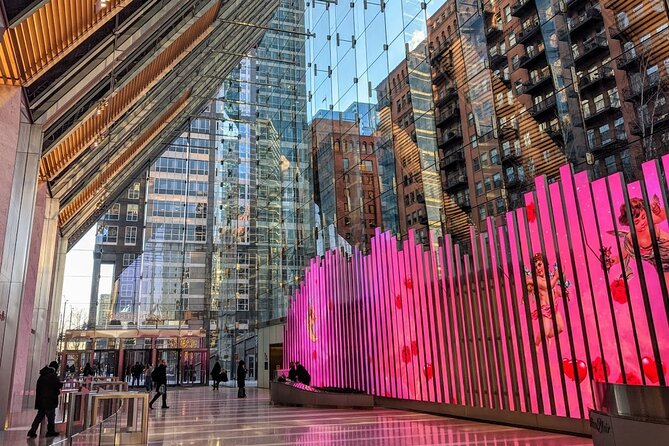
The first 75 minutes focus on the Loop. That is the longer section of the tour, and it is where you will spend the most time looking at Chicago’s early structural experiments. The route includes entry into a couple of buildings notable for their structural design, an important detail for anyone who wants more than exterior views.
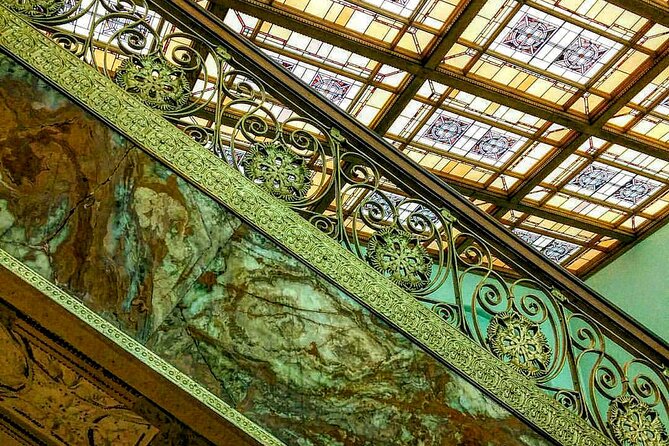
Seeing a building from inside changes the experience. From the street, you notice height, ornament, and the shape of the facade. Inside, you can pay attention to how spaces are supported, how the building feels at ground level, and how the structure relates to the people using it.
The exact buildings visited inside are not specified in advance, so you should not book this expecting a guaranteed list of interiors. Still, the chance to step into select buildings gives the walk more depth than a route that stays entirely outdoors.
Early skyscrapers and the engineer behind them
One of the tour’s memorable subjects is a building connected with the father of the skyscraper. The person behind that achievement was an engineer and a classmate of Gustav Eiffel, a detail that links Chicago’s building story with the wider world of nineteenth-century engineering.
That connection helps put the city’s early towers into perspective. Chicago’s tall buildings were not only local experiments. They belonged to a period when engineers were testing new ways to use metal, support greater height, and create practical urban buildings on tight downtown land.
You will hear how early designers approached the challenge of building upward. The point is not simply that Chicago made tall buildings possible. The more interesting question is how engineers separated the weight of a building from the walls that people saw, allowing new construction methods to change the shape of the city.
This is where a guide with engineering experience can add something useful. A history guide may tell you who created a building. An engineer can also explain what the design was trying to accomplish and why a structural change mattered.
Hillary is named as one of the guides, and the tour’s approach calls for technical ideas to be made clear and graspable. If Hillary leads your departure, expect an explanation that brings attention to early Chicago architecture and less obvious details rather than rushing from famous facade to famous facade.
The haunted building and its floating foundation
The tour also tackles a building known for a haunted reputation. Here, the explanation is grounded in engineering rather than ghost stories: the structure settled unevenly on a floating foundation.
That is exactly the kind of story that makes this experience different from a standard sightseeing walk. You get the local legend, but you also get a physical reason for the building’s reputation. Uneven settlement can create noticeable movement or strange sensations, giving a place an eerie character without requiring a supernatural explanation.
The phrase floating foundation describes a way of dealing with Chicago’s difficult ground conditions. The tour uses this example to show that a building can be carefully designed and still respond to the soil beneath it.
You will likely come away with a better sense of why foundations matter. A tall building is only as reliable as the ground and support system carrying it. Looking up at a tower tells only half the story. This walk keeps bringing your attention back down to the part of the building you usually cannot see.
The drawback is that some topics may be easier to understand when you can pause, ask questions, or inspect a diagram. The tour format keeps moving through the city, so you should expect spoken explanations and visual examples rather than a classroom presentation.
Same city, a different facade:
- Chicago Architecture Center River Cruise aboard First Lady
★ 5.0 · 5,536 reviews - Chicago: Architecture River Cruise Skip-the-Ticket Line
★ 4.8 · 4,325 reviews - Chicago River 45-Minute Architecture Tour from Magnificent Mile
★ 4.5 · 2,924 reviews - Chicago Lake and River Architecture Tour
★ 4.5 · 2,308 reviews
Gravity, wind, and the forces you cannot see
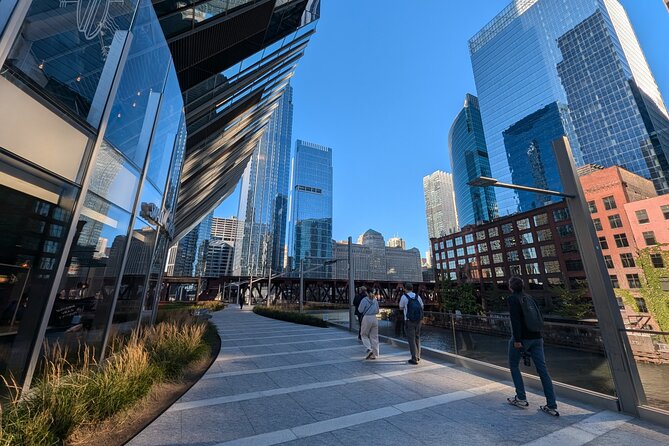
Gravity is obvious in daily life, but it becomes a serious design problem when a building rises many stories. The tour shows how Chicago’s buildings manage the downward force of their own weight and transfer that load safely toward the foundation.
Wind creates a different problem. A tower does not need to be in danger of falling for wind to matter. Movement, pressure, and the comfort of people inside all affect how engineers shape and support tall buildings.
These ideas can be hard to notice when you are simply walking downtown. A building may look perfectly still, while its structure is doing constant work. The guide helps you connect the visible form of a tower with the forces acting on it.
I like this focus because it gives you a practical way to look at the skyline after the tour. Instead of seeing only glass, steel, stone, and height, you start asking what each building is doing to resist gravity and wind.
The walk does not promise that every major structure will be covered. With only two hours and a maximum group size of 20, the route must make choices. That is a fair trade if you prefer a focused theme to a long list of disconnected landmarks.
From the Loop to the Chicago River
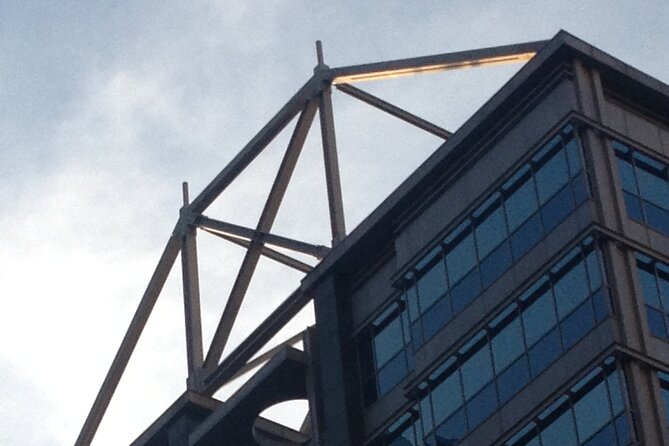
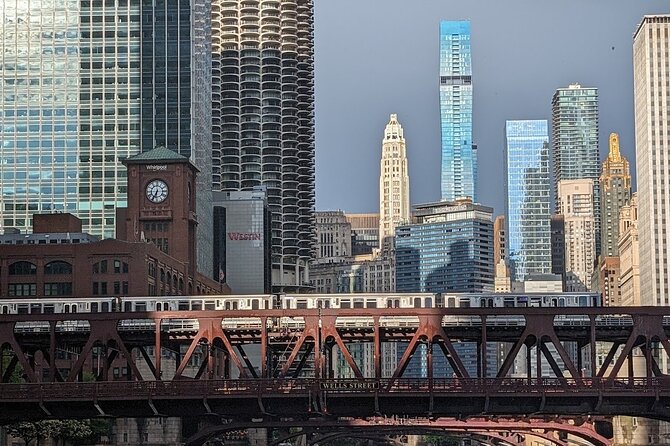
The final 45 minutes move toward the Chicago River. This section shifts attention to more recent engineering feats and gives you attractive river views while continuing the main subject.
The change in setting is useful. Downtown streets let you examine the city’s early vertical growth, while the river offers a different view of how modern buildings and infrastructure relate to open space, water, and one another.
You will not spend the entire tour inside buildings. The river section is outdoors, and the views are part of its appeal. Bring clothing suitable for the forecast, since the experience operates in all weather. Comfortable shoes are also sensible, given the two-hour walking format and the expectation of moderate physical fitness.
The route ends at Riverpoint Park, 150 N Riverside Plaza. The finish gives you a broad view of the Chicago River rather than returning you to the starting point. That matters when planning the rest of your afternoon. You will need to arrange your own transportation from the end point, though the tour operates near public transportation.
Ending at the river also gives the tour a natural visual finish. You begin with the historic core of Chicago’s skyscraper story and end with newer engineering work set against the water.
What the $35 price buys you
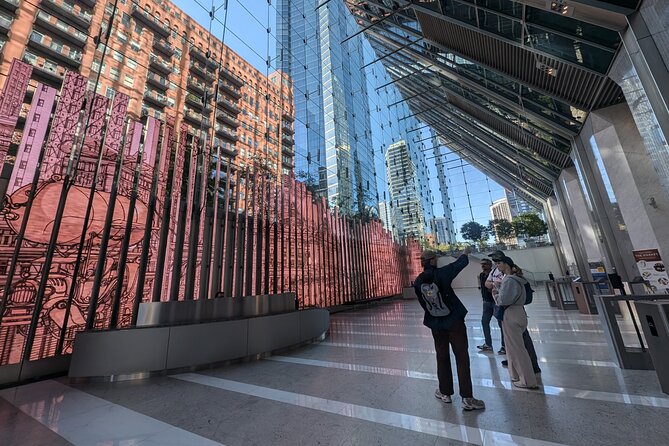
At $35, this is priced like a focused walking tour rather than a full-day attraction. The fee includes a local guide, access to the walking experience, and the opportunity to enter a few buildings during the route. There is no hotel pickup or drop-off, so the price does not include private transport.
The value depends on your interests. If you want a broad introduction to Chicago architecture with many famous buildings and lots of dates, another general city tour may suit you better. If you want to understand why buildings were designed the way they were, this narrower subject gives your two hours a clear purpose.
The guide is the key part of the value. A real engineer can connect the visible city to the structural problems behind it. The tour is especially worthwhile if you tend to leave architecture tours wishing someone had explained the practical side of construction.
The current rating is 5 out of 5 from 42 reviews, with 100 percent recommending the experience. One specific strength is the way Hillary makes early Chicago architecture and less obvious city details easier to notice. That matches the tour’s main promise: clear explanations that do not treat the audience as engineers, but also do not talk down to you.
A maximum of 20 people is another point in its favor. That is not a private tour, but it is more manageable than a large group. You have a better chance of hearing the guide clearly and asking a question without interrupting a crowd.
Who will enjoy this walk most
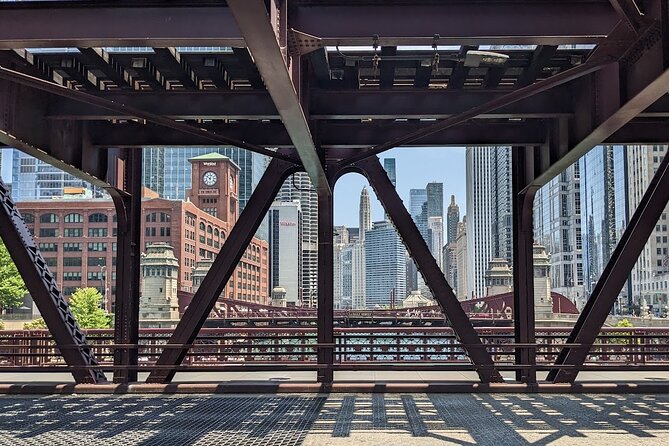
You should consider booking if you like architecture, engineering, city history, or unusual explanations for familiar places. It suits adults and older children who can manage a two-hour walk and stay interested in a subject that develops gradually.
It is also a good choice if you have already seen Chicago’s skyline and want a new way to read it. The tour does not rely only on the most famous views. It asks you to notice foundations, structure, movement, and the reasons a building works.
Architecture students, engineers, design-minded visitors, and curious first-time visitors can all get something from it. You do not need specialist knowledge, but you should be willing to listen and think while walking.
You may want to skip it if your priority is interior access to a long list of famous buildings, a seated presentation, or a tour that avoids bad weather. The route includes building interiors, but only a few, and the activity remains an outdoor walking experience for much of its length.
Service animals are allowed. The tour calls for moderate physical fitness, so consider your comfort with walking before booking.
Timing, weather, and cancellation details
The tour starts at 2:30 pm and lasts about two hours. That timing leaves your morning free and places the finish in the afternoon, but you should allow extra time to reach the starting point at 430 S Michigan Avenue.
Dress for the forecast because the walk operates in all weather. The river portion is especially exposed to conditions, and there is no promise of a weather-related cancellation.
Free cancellation is available if you cancel at least 24 hours before the local start time. Cancellations or changes made less than 24 hours ahead are not accepted for a refund.
Confirmation is sent within 48 hours of booking, subject to availability. The experience uses mobile tickets, so keep your ticket accessible on your phone.
Should you book Marvels & Feats?
Book this tour if you want Chicago’s buildings explained as working machines rather than skyline decorations. The combination of a real engineer, early skyscraper history, floating foundations, wind and gravity, select interiors, and a river finish gives the walk a clear identity.
At $35, it is a sensible buy for anyone who enjoys asking how things work. The main cautions are the two-hour walking commitment, outdoor conditions, moderate fitness requirement, and the fact that the tour focuses on engineering rather than covering every major Chicago landmark.
If those limits suit you, this is a strong way to see the Loop with fresher eyes. You may leave looking at the city’s tallest buildings less as monuments and more as solutions to very difficult problems.
FAQ
How long does Marvels & Feats last?
The tour lasts approximately two hours. About 1 hour and 15 minutes take place in the Loop, followed by about 45 minutes along the Chicago River.
Where does the tour begin?
It begins at 430 S Michigan Avenue, Chicago, Illinois 60605. The start time is 2:30 pm.
Where does the tour end?
The tour ends at Riverpoint Park, 150 N Riverside Plaza, Chicago, Illinois 60606, with a broad view of the Chicago River.
What is included in the price?
The price includes a local guide. Hotel pickup and drop-off are not included.
Does the tour operate in bad weather?
Yes. The tour operates in all weather conditions, so you should dress appropriately.
How far in advance can I cancel for a full refund?
You can cancel for a full refund if you do so at least 24 hours before the experience start time. Changes or cancellations made less than 24 hours before the start are not accepted for a refund.
Newly added in Chicago
- Chicago: Guided Tour with Architecture River Cruise★ 4.5 · 20 reviews
- Chicago: First Lady River Cruise & Architecture Center Combo★ 4.7 · 24 reviews
- Chicago River 90-Min Architecture Boat Tour★ 4.5 · 24 reviews
- Chicago: Historic Architecture Chicago River Small Boat Tour★ 4.6 · 26 reviews
- Chicago: Art Deco Skyscrapers Walking Tour★ 4.8 · 28 reviews
- Chicago River: 90-Min Architecture Boat Tour★ 4.9 · 29 reviews
- Chicago Art Deco Madness Walking Tour★ 5.0 · 31 reviews
- Chicago’s Original Dazzling Architectural Interiors Tour★ 4.9 · 39 reviews
Chicago Architecture Tours, compared.

Chicago River: 1.5-Hour Guided Architecture Cruise
Read our review →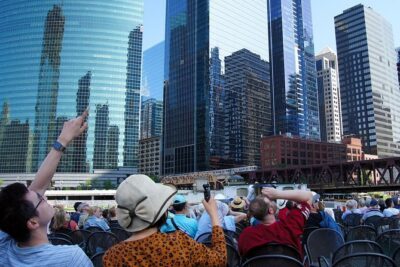
Chicago Architecture Center River Cruise aboard First Lady
Read our review →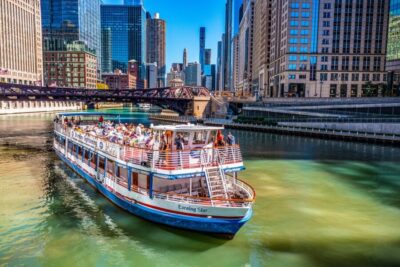
Architecture River Cruise Skip-the-Ticket Line
Read our review →
Chicago River 45-Minute Architecture Tour from Magnificent Mile
Read our review →
45-Minute Family-Friendly Architecture River Cruise
Read our review →Browse the lists this tour appears in