
Review · WALKING TOURS
New Orleans French Quarter Architecture Walking Tour
New Orleans reveals its past through balconies, shutters, courtyards, ironwork, and brick walls. This two-hour French Quarter walk connects those details to the city’s French, Spanish, Creole, and American periods, so you learn to read the streets instead of simply passing through them.
I like the small group size, capped at 14, and the mix of architecture with people’s stories, especially the accounts of strong Creole women who helped shape the city. The guides also leave time for questions and offer ideas for exploring on your own. The main drawback is that the tour stays outdoors, and one part of the route can be hard to hear when street noise picks up.
Key points to know before you book
- See the Quarter’s major civic buildings: St. Louis Cathedral, the Cabildo, the Presbytere, and the Pontalba Buildings all receive attention around Jackson Square.
- Learn to spot architectural influences: Your guide explains how French and Spanish traditions developed alongside American-era changes.
- Walk at an easy pace: The route lasts about two hours and includes less walking than some city tours.
- Expect a personal presentation: Caroline, Janet, Guy, Angela, Doug, and other local guides have been praised for storytelling, humor, and a strong connection to New Orleans.
- Book early at busy times: The tour averages 23 days of advance booking, and the group limit is 14 people.
- Plan for the weather: Bring sunscreen and an umbrella, and wear comfortable shoes.
Why architecture is the best way to read the French Quarter
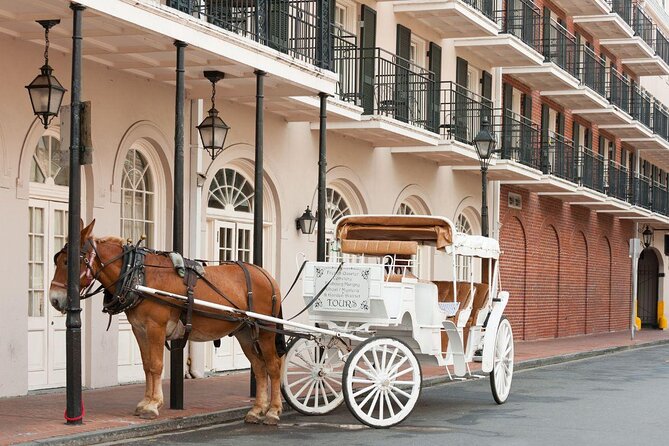
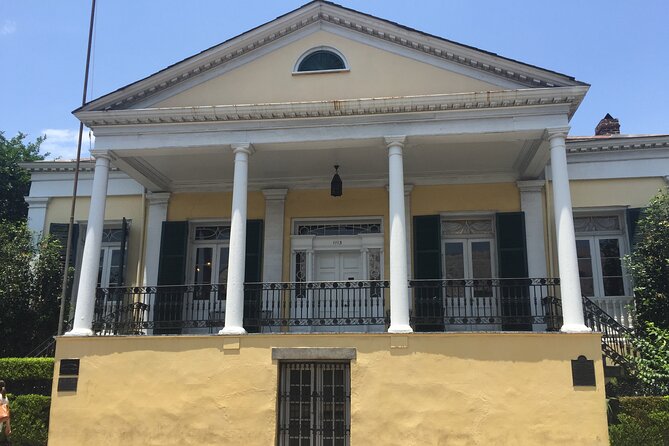
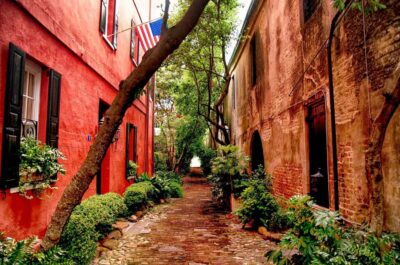
The French Quarter can feel like a theatrical set at first glance. Look closer and the buildings begin to explain the city. A wrought-iron balcony, a high shutter, a narrow lot, or a covered passage may point to climate, social customs, trade, fire, or a change in political control.
That is the useful idea behind this tour. You do not simply hear dates and names. You learn to connect a building’s shape and materials to the period that produced it. French and Spanish influences are part of the central story, but the route also reaches into the American period, showing how the Quarter changed without losing its older character.
I especially like that the tour is not limited to grand landmarks. The guide points out details that you can continue spotting after the walk. That makes the experience useful beyond two hours. Once someone explains what to look for, an ordinary doorway or balcony can become a clue to the city’s past.
The presentation also includes people, not only façades. Several guides have focused on the women who shaped New Orleans communities and buildings. Caroline, whose family has lived in the city for more than two centuries, is praised for connecting family stories and local history. Janet is known for sharing less obvious details and following the tour with notes and reading suggestions.
More Walking Tours in the USA
- The Official Art Deco Walking Tour by The Miami Design Preservation League
★ 5.0 · 1,580 reviews - Chicago in a Day: Food, History & Architecture Walking Tour
★ 5.0 · 1,153 reviews - Miami South Beach Art Deco Walking Tour
★ 5.0 · 1,039 reviews
Beginning on St. Ann Street
The meeting point is at 523 St. Ann St., near the center of the French Quarter. The opening introduction lasts about five minutes and sets the basic story of New Orleans before the route turns toward Jackson Square.
This is a short start, but it matters. The Quarter contains several layers of history, and the first explanation gives you a framework for understanding the buildings that follow. You will hear how different cultural and political periods affected the city, then use that background as you move through the streets.
The walk does not begin with a long lecture. That suits the setting. You are standing in an active neighborhood, not a museum hall, and the guide gets you moving quickly. If you arrive early, use the time to get settled and make sure you can hear before the group begins.
Jackson Square and the buildings around it
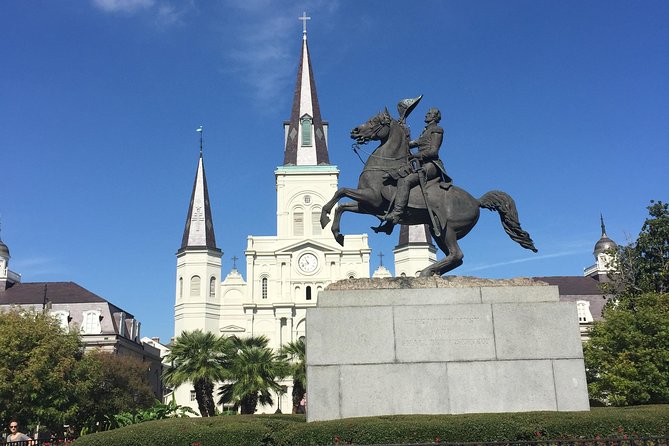
Jackson Square is the first major stop, with about 10 minutes devoted to the buildings around the park. The guide discusses St. Louis Cathedral, the Cabildo, the Presbytere, and the Pontalba Buildings.
This is one of the strongest sections because several important structures face the same open space. You can compare them as you listen, rather than trying to remember separate buildings seen at different points in the day. The square also gives the guide a natural place to explain how religion, government, civic life, and private wealth shaped the Quarter.
The Pontalba Buildings add an important human angle. They are not presented simply as attractive apartment buildings. Their story helps show how powerful individuals and changing ideas about urban living affected the city. The tour’s people-centered approach works well here, especially if you prefer history tied to real lives rather than a list of construction dates.
Because the square is open, sound can vary. One person specifically found it difficult to hear at times, so stand near the guide and avoid drifting toward the back of the group. The maximum of 14 people helps, but traffic, voices, and nearby activity can still interfere.
St. Louis Cathedral, from parish church to landmark
The stop at St. Louis Cathedral lasts about five minutes. That may sound brief, but the subject is focused: the guide traces the building from its early days as a wooden parish church to the cathedral you see today.
This is a good example of how the tour handles change. You learn that the building did not appear fully formed. Its development reflects the growth of New Orleans itself, along with the city’s religious and political importance.
The cathedral is also a useful anchor for the rest of the walk. After hearing its story, you can look at the surrounding buildings with a better sense of how the square developed. The guide explains rather than rushes, but this is not an interior church tour. The value comes from the outside view and the historical context.
Same city, a different facade:
- Chicago Architecture River Cruise
★ 5.0 · 15,756 reviews - Chicago River 90-Minute Architecture Tour
★ 4.5 · 9,629 reviews - Chicago River: 1.5-Hour Guided Architecture Cruise
★ 4.8 · 8,046 reviews - Chicago Architecture Center River Cruise aboard First Lady
★ 5.0 · 5,536 reviews
The Cabildo and Presbytere
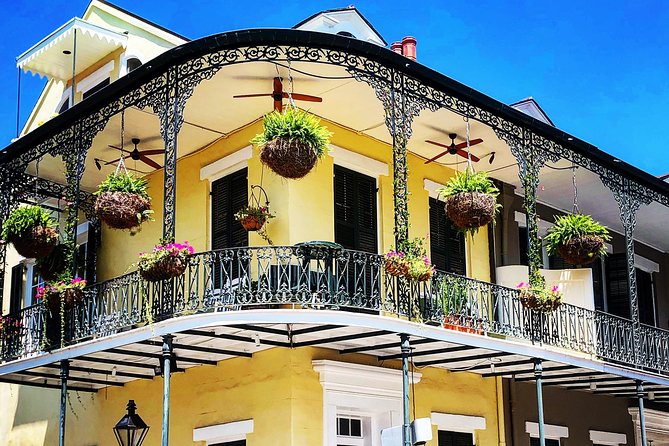
The Cabildo receives its own five-minute stop. Here the guide covers its historical role, period, and building style. The building helps make the Spanish influence visible, giving you a clear point of comparison with French and later American work.
The Presbytere follows, also for about five minutes. You hear its history and current status, which adds another piece to the story of how old buildings continue to serve new purposes.
These stops are compact, but they work as a pair. Instead of treating the Quarter as a collection of pretty façades, the guide shows how buildings reflected authority and public life. You also get a better feel for how architectural style and civic function can overlap.
If you want a detailed architectural survey of every cornice, roofline, and structural technique, the time at each building may feel short. This is an overview with selected examples, not a specialist inspection of one structure.
Chartres Street and the Spanish-era clues
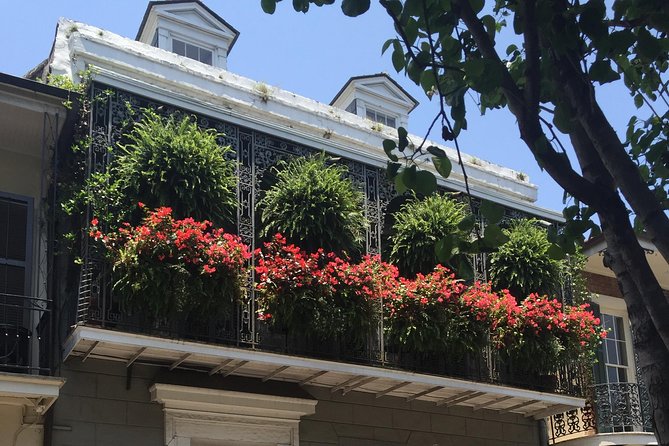
The Chartres Street section lasts about 20 minutes and covers buildings dating from the Spanish era into the American period. This is where the tour broadens beyond the best-known landmarks.
You will spend more time learning how to identify features across several buildings. The guide explains how architectural forms changed as the city’s culture and political control shifted. The point is not to memorize labels for their own sake. It is to see how materials, layout, and decoration reflect local needs and outside influence.
The street also gives the tour a pleasant change of scale. Jackson Square concentrates attention on landmark buildings. Chartres Street lets you examine the Quarter as a neighborhood, where different periods sit beside one another.
This portion will suit you if you enjoy learning by comparison. You can look at one building, then another, and test your eye as the guide points out differences. It may feel less satisfying if you want access inside buildings, since the tour is an outdoor walk and admission tickets are not included.
Royal Street, shopping, restaurants, and practical lessons
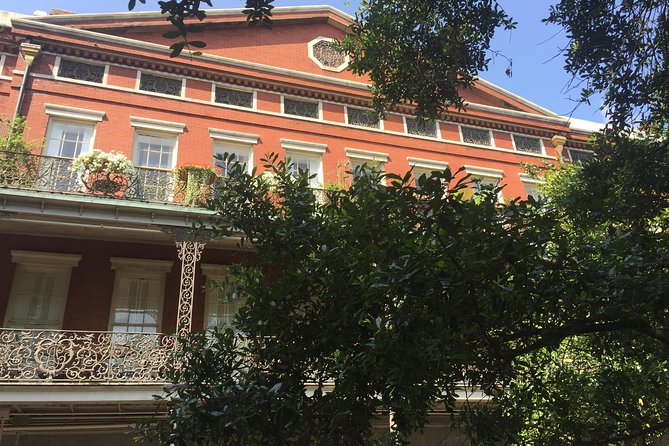
The final major section takes about 25 minutes on Royal Street. The street is known for shops and restaurants, but the real purpose here is to apply what you have learned.
Your guide shows you how to recognize different building types and styles. That turns Royal Street into a kind of open-air exercise. Instead of asking only what looks attractive, you can ask why a building has a certain arrangement, decoration, or material.
This is also the part that can help you most after the tour. Several guides offer suggestions for places to see and things to do during the rest of your stay. One guide pointed out an antique shop and gallery that a participant later visited, while other guides have shared useful local recommendations and post-tour reading ideas.
The tour returns to the starting point, so you can continue exploring the French Quarter on foot without arranging transport. There is no hotel pickup or drop-off, and you are responsible for getting to St. Ann Street.
The guide makes the difference
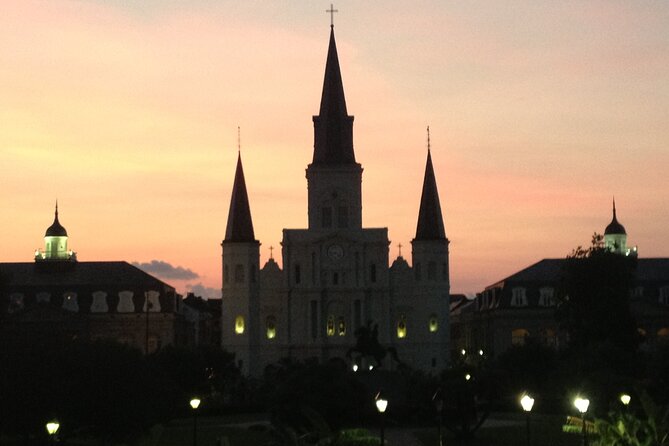
The strongest feature here is the guide’s personality and command of the subject. Caroline is repeatedly praised for making architecture and history lively, with particular skill in telling stories about influential New Orleans women. Janet is described as warm and relaxed, with a habit of sharing details that are easy to miss. Guy has used a binder with photographs and historical material to connect past events with present-day buildings.
Angela has been praised for turning the two-hour walk into an easy, entertaining lesson, complete with humor. Doug has been attentive to the heat and has tried to keep the group in the shade. On a cold day, Caroline adjusted the route to keep people in sunny spots.
These details matter because outdoor tours are shaped by conditions. A guide who watches the group can make heat, cold, or street noise less troublesome. Still, the experience can vary depending on who leads your departure, so you should book it for the subject and format rather than expecting one particular person unless the booking clearly names your guide.
The guides’ local ties also add character. Caroline’s family connection to New Orleans gives her stories a personal angle, while other guides bring their own research, humor, and favorite details. The result is more informal than a formal academic lecture, but the better guides still explain architectural terms and historical causes.
Is $40 a fair price?
At $40 per person, the tour sits in a reasonable range for a two-hour guided city walk. You are paying for a licensed, insured local guide, a small group, and a focused route through some of the most important parts of the French Quarter.
The value is strongest if you are new to New Orleans or want a clearer way to understand what you see. A self-guided walk costs less, of course, but you would need to research the buildings and decide how they fit together. Here, you get the explanation while standing in front of the subject, plus the chance to ask questions.
The price may feel less worthwhile if you already have a strong background in New Orleans architecture and want access to interiors or a highly technical study of building methods. One person found the material too basic and felt the tour leaned toward a general neighborhood walk. That is a fair caution. The experience balances architecture, history, culture, and personal stories rather than staying narrowly focused on structural analysis.
Timing, weather, and comfort
The walk lasts about two hours and is described as manageable rather than strenuous. One family found that it was not an especially demanding amount of walking, making it suitable for a wide range of ages. The minimum age is one year, and most people can participate.
Comfort still matters. Wear walking shoes, use sunscreen, and bring an umbrella. New Orleans weather can change the feel of the route quickly, and the tour requires good weather. If poor weather cancels the activity, you will be offered another date or a full refund.
The group limit of 14 is a real advantage. It gives you a better chance of hearing the guide and asking questions than you would have in a large sightseeing group. Even so, keep close to the guide in busy areas and speak up if street noise makes part of the explanation unclear.
Service animals are allowed, and the meeting point is near public transportation. Transportation to and from attractions is not included.
Who should take this walk?
I would put this near the start of a New Orleans visit. The tour gives you a visual vocabulary for the Quarter, so later walks become more rewarding. You will recognize styles, notice small details, and understand why certain buildings matter.
It is a good match for:
- First-time visitors who want a clear introduction to the French Quarter
- Families with older children or teenagers who prefer stories to a formal museum visit
- People interested in the link between architecture and social history
- Repeat visitors who want a more careful look at familiar streets
- Solo visitors who appreciate a small group and a chance to ask questions
- Anyone who wants practical suggestions for the rest of a New Orleans stay
It is less suited to someone seeking a long interior visit, an exhaustive building-by-building survey, or a purely technical architecture class. For that kind of experience, you may want a more specialized option.
Should you book the French Quarter Architecture Walking Tour?
Book it if you want to understand why the French Quarter looks the way it does, not just photograph it. The strongest reasons are the small group, the central route, and the guides’ ability to connect balconies and façades with the people and periods behind them.
I would book it early, especially since departures often fill around three weeks ahead. Choose a time when you can walk comfortably, arrive ready to listen near the guide, and keep the rest of the day open for following the suggestions you receive.
At $40, it offers solid value for a relaxed two-hour introduction. Just set your expectations correctly: this is an engaging architecture and history walk, not a technical preservation seminar. If that balance sounds right, it is a smart way to begin seeing New Orleans with sharper eyes.
FAQ
How long is the New Orleans French Quarter Architecture Walking Tour?
The tour lasts approximately two hours.
How much does the tour cost?
The price is $40 per person.
Where does the tour begin?
It begins at 523 St. Ann St., New Orleans, Louisiana 70116.
Where does the tour end?
The activity ends back at the meeting point.
How many people can join the tour?
The group has a maximum of 14 people.
What language is the tour offered in?
The tour is offered in English.
Which buildings are covered?
The route includes St. Louis Cathedral, the Cabildo, the Presbytere, the Pontalba Buildings, and other historic buildings on Chartres and Royal streets.
Is transportation included?
No. Transportation to and from attractions, along with hotel pickup and drop-off, is not included.
What should I bring?
Comfortable walking shoes, sunscreen, and an umbrella are recommended.
Can I cancel for a refund?
You can cancel at least 24 hours before the start time for a full refund. Cancellations or changes made less than 24 hours before the start time are not refunded or accepted. If poor weather cancels the tour, you will be offered another date or a full refund.
Newly added in the USA
- Art Deco Tour of South Beach in French★ 4.5 · 8 reviews
- Award-winning Art Deco & Neon Lights Walking Tour★ 5.0 · 5 reviews
- Miami Beach Art Deco Segway Tour★ 4.5 · 17 reviews
- Boston: Freedom Trail History and Architecture Walking Tour★ 4.8 · 18 reviews
- Boston: Harbor and Charles River Architecture Boat Tour★ 4.6 · 9 reviews
- Chicago: Guided Tour with Architecture River Cruise★ 4.5 · 20 reviews
- Iconic Capitol Hill Architectural Walking Tour★ 5.0 · 21 reviews
- South Beach Food Tour- Culinary & Art Deco & History★ 5.0 · 22 reviews
Walking Tours, compared.
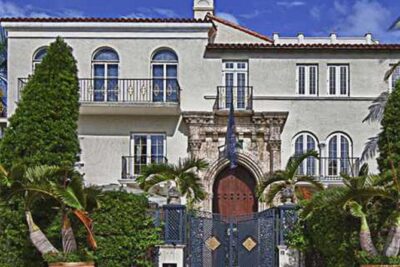
The Official Art Deco Walking Tour by The Miami Design Preservation League
Read our review →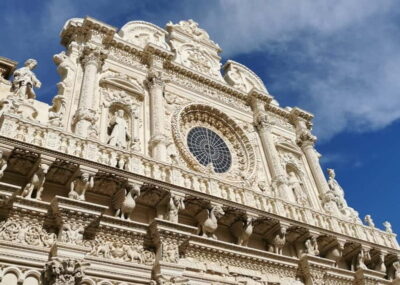
Baroque Architecture and Underground Walking Tour
Read our review →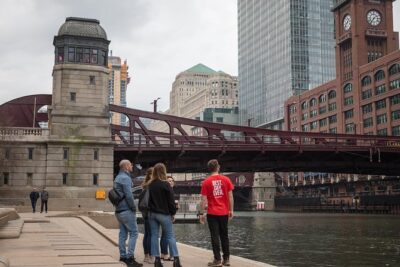
Chicago in a Day: Food, History & Architecture Walking Tour
Read our review →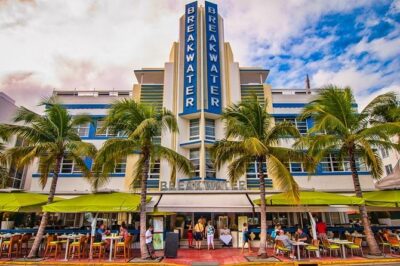

Ramblas, Old Town, Gothic and Gaudi Architecture Walking Tour
Read our review →
Chicago’s Secret Interiors Architectural Walking Tour
Read our review →
Browse the lists this tour appears in