
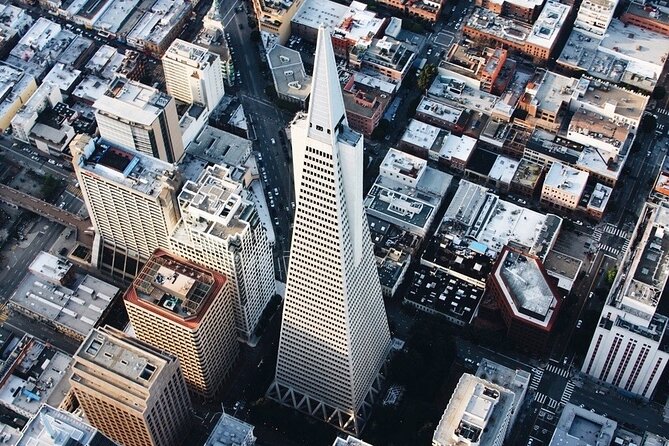
Review · WALKING TOURS
San Francisco Architecture Walking Tour
San Francisco’s Financial District can look like a wall of glass and stone until someone shows you how to read it. This 2.5-hour architecture walk focuses on classic and modern buildings, public spaces, and the city’s past and future plans, giving you a sharper view of an area many visitors simply cross on the way to somewhere else.
I like the small maximum of 10 people, which should make it easier to hear the guide and ask questions. I also like the practical handout and the promise of the best viewing angles, since architecture often makes more sense from across a street than from directly beneath it.
The main consideration is that this is a dedicated walking tour, not a general sightseeing loop. You need moderate physical fitness, transportation to the meeting point is on your own, and SFMOMA admission is not included.
Key points to know
- Starts at SFMOMA: Meet at the front entrance of the San Francisco Museum of Modern Art at 2:00 pm.
- Focuses on the Financial District: The route examines classic and modern buildings and urban spaces that other tours may skip.
- Led by Rick: The guide brings an architect’s and historian’s eye to the city, with plenty of local context.
- Small group size: The tour is limited to 10 people, a useful feature for questions and street-side explanations.
- Includes a building handout: You receive written material describing the buildings covered on the walk.
- Ends downtown: The listed end point is 264 Bush Street, with additional directions referring to 130 Bush Street near Market and First, so confirm the exact final location before setting out.
Why San Francisco’s Financial District Rewards a Closer Look
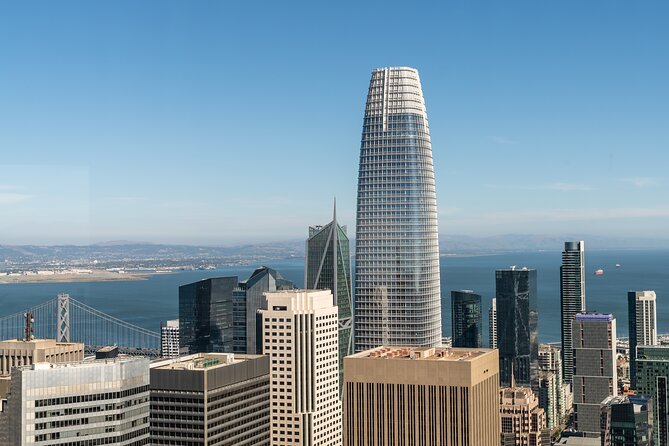
The Financial District is easy to treat as a place of work rather than a place to explore. Tall office buildings, steep streets, and fast-moving foot traffic can make it feel like a corridor between attractions.
An architecture tour changes the pace. Instead of asking only where to go next, you start looking up, across, and behind the main facades. A building’s shape, entrance, materials, and position beside its neighbors can reveal how San Francisco grew and how its planners have tried to guide that growth.
This walk is built around that change in viewpoint. You are not simply collecting famous buildings. You are learning how the city’s built form developed, how older and newer structures sit together, and how public spaces affect the experience of the streets.
That makes the tour a good choice for repeat visitors as well as first-time visitors. One of the strongest comments comes from a participant who had visited San Francisco many times and worked as an architect, yet still found the route full of fresh ideas. You do not need a professional background, though. Curiosity is enough.
More Walking Tours in the USA
- The Official Art Deco Walking Tour by The Miami Design Preservation League
★ 5.0 · 1,580 reviews - Chicago in a Day: Food, History & Architecture Walking Tour
★ 5.0 · 1,153 reviews - Miami South Beach Art Deco Walking Tour
★ 5.0 · 1,039 reviews
Meeting at SFMOMA at 2:00 pm
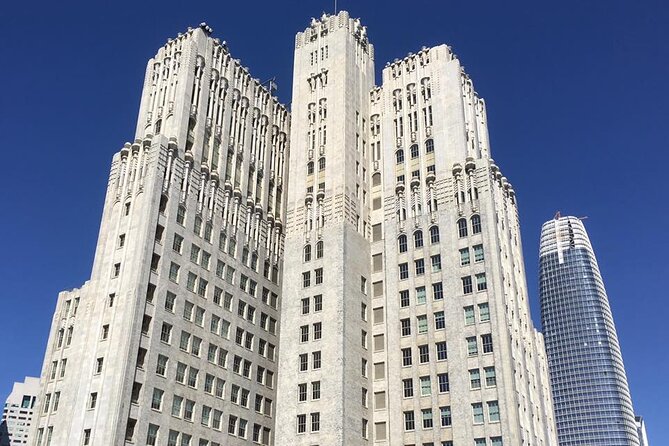
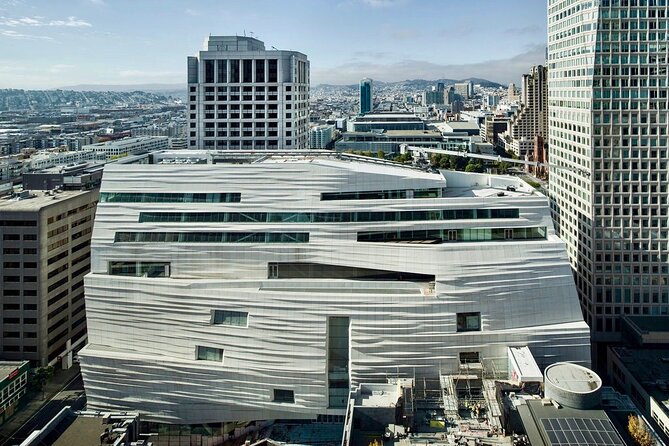
The tour begins at the front entrance of SFMOMA, at 151 Third Street. This is a practical starting point for an architecture walk because the museum itself provides an immediate reference point for modern design.
The tour information gives a meeting time of 2:00 pm and identifies the museum entrance as the place to meet the guide. Build in extra time to reach the area, especially if you are coming from another part of the city by public transportation.
SFMOMA admission is not part of the experience. You can visit the museum separately if you wish, but you should not assume that the walking tour includes entry or a guided museum visit.
That distinction matters when you plan your afternoon. If you want to see the museum as well, allow separate time and budget for it. If your main interest is the city outside, you can simply arrive for the meeting without purchasing a museum ticket.
Reading Classic and Modern Buildings Together
The most useful part of the tour is the chance to compare different periods of San Francisco architecture in one compact area. The route covers both classic and modern buildings, rather than treating the Financial District as a collection of glass towers alone.
Older buildings can show how the city expressed power, commerce, and civic ambition in earlier periods. Newer buildings raise different questions about density, technology, office space, and how much visual change a historic district can absorb.
The point is not only to identify styles. You are encouraged to notice proportion, street level design, entrances, setbacks, materials, and the way one building frames another. Small details that might pass unnoticed on a normal walk become part of the lesson.
The guide also helps you find better angles for viewing the buildings. That is a practical skill, not just a photographic extra. A facade can look flat from one position and carefully composed from another. A narrow street may hide the scale of a tower, while a wider public space can reveal how it meets the surrounding blocks.
The supplied handout adds value here. You receive a detailed description of the buildings on the route, giving you something to consult during the walk and keep for later reference. It also helps if you want to continue exploring San Francisco’s architecture after the tour ends.
Urban Spaces, Not Just Office Towers
A good city architecture tour pays attention to the spaces between buildings. This one specifically includes beautiful urban spaces, so the experience is not limited to standing in front of facades and listening to dates.
Look for the ways plazas, corners, sidewalks, and open areas shape your movement through the district. A building may be impressive on its own, but its public value also depends on how it meets the street and whether it creates a place where people can pause.
This is where the tour can offer a fresh view of familiar San Francisco. You may have walked through the Financial District before without considering why a particular open area feels welcoming, why another feels cramped, or how a line of buildings creates a view toward a taller landmark.
The route’s emphasis on vantage spots also helps connect architecture with ordinary sightseeing. You learn where to stand for the best view, how to frame a building, and why the architect may have expected people to see it from a particular approach.
Same city, a different facade:
- Chicago Architecture River Cruise
★ 5.0 · 15,756 reviews - Chicago River 90-Minute Architecture Tour
★ 4.5 · 9,629 reviews - Chicago River: 1.5-Hour Guided Architecture Cruise
★ 4.8 · 8,046 reviews - Chicago Architecture Center River Cruise aboard First Lady
★ 5.0 · 5,536 reviews
San Francisco’s Past and Future Plans
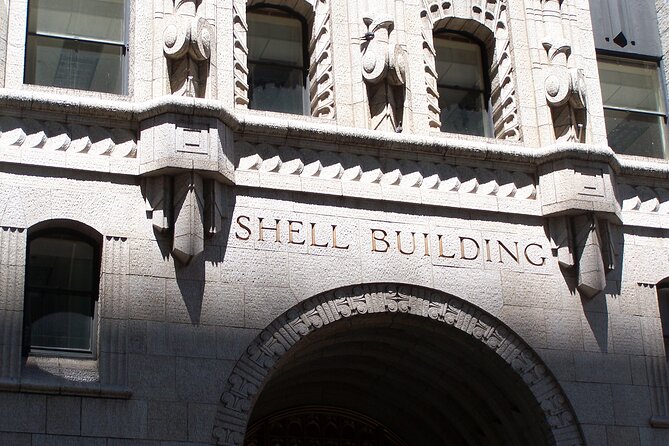
The walk also looks at the city’s urban plan, including both its past and its future. That broad scope gives the tour more purpose than a simple list of building facts.
San Francisco’s growth has never been only about individual structures. Decisions about height, density, streets, transportation, open space, and preservation all affect how the city feels. An architecture guide can connect those decisions to what you see in front of you.
You should expect the discussion to move beyond dates and names. The focus includes how the city has been shaped and how it may change. That is useful if you want to understand why certain parts of San Francisco feel compact and historic while others feel newer and more vertical.
The future-planning angle is especially helpful for visitors who have already seen the main sights. Cable cars, the Golden Gate Bridge, and the waterfront are obvious parts of the city story. The Financial District offers another chapter: how a major city organizes growth while retaining traces of earlier eras.
Rick’s Guide Style and Local Context
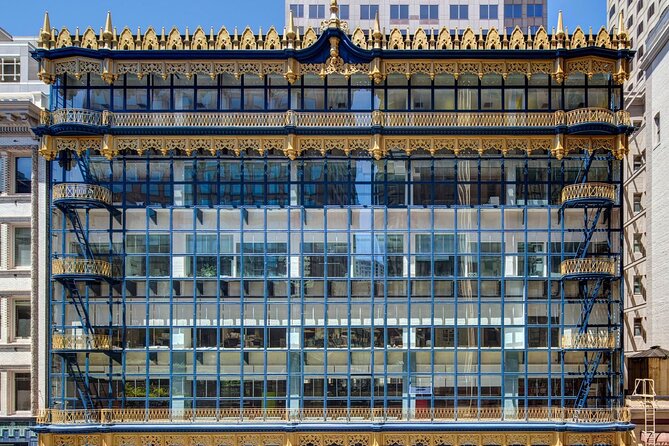
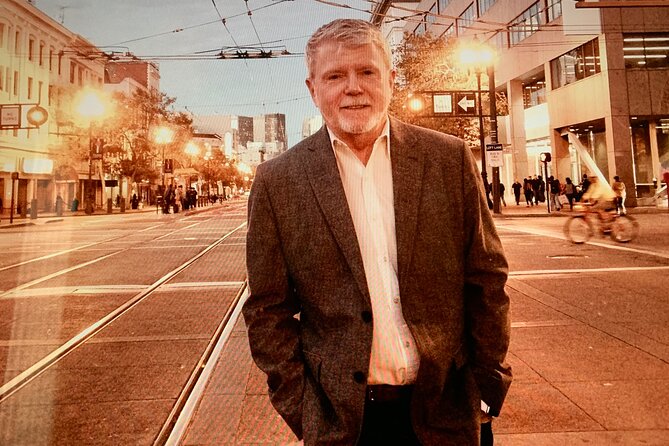
The listed guide is Rick, whose approach combines architecture, local history, and practical observation. The strongest praise centers on his enthusiasm for San Francisco and his ability to make buildings feel worth studying.
You can expect an educational walk rather than a theatrical performance. The appeal lies in explanation, context, and the chance to ask questions as the group moves through the district.
Rick is also described as having broad knowledge of San Francisco beyond architecture. That can be useful when a building leads into a question about the city’s development, neighborhoods, or planning choices.
The format should suit people who enjoy learning while walking. If you prefer a quick ride past major sights with short commentary, this may feel too focused. If you like stopping to examine details and understand why a place looks the way it does, the pace should be a good match.
The small group limit of 10 is important here. Architecture explanations work better when you can hear clearly and look at the same detail as everyone else. A compact group also gives you a better chance to ask about a building that catches your eye.
A Two-and-a-Half-Hour Walking Pace
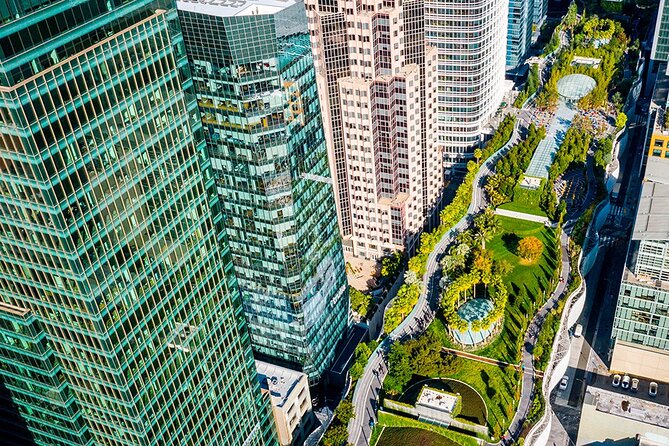
The tour lasts about two hours and 30 minutes. That is long enough to build a connected story across the district, but short enough to fit into a larger San Francisco day.
You should plan to be on your feet for the duration. The stated fitness requirement is moderate, so comfortable walking shoes are a sensible choice. The route is urban, and the experience requires moving between buildings and public spaces rather than staying in one indoor venue.
There is no transportation included. You must reach SFMOMA yourself and make your own way after the walk. This is easy to understand, but it affects your schedule if you are trying to connect the tour with an attraction across town.
Because the experience depends on being outdoors, weather matters. If poor weather causes cancellation, you are offered a different date or a full refund. The activity also requires a minimum number of participants, so a cancellation for that reason brings the same choice of another date or experience, or a full refund.
Group Size, Handout, and Overall Value
No price is provided in the tour details, so I cannot judge the exact cost against comparable San Francisco walks. I can still assess what you receive for the time.
The value rests on four things: a specialist focus, a small group, a guide with strong local and historical knowledge, and a detailed handout. You are paying for interpretation rather than transportation or admission to a major attraction.
That distinction is important. The tour will not save you transit fares, provide entry to SFMOMA, or carry you between neighborhoods. Its value is in showing you how to see the city, especially buildings and spaces that are easy to overlook without guidance.
For an architecture student, architect, history fan, urban planning enthusiast, or repeat visitor, that can be a very fair exchange. You are likely to leave with a method for looking at San Francisco, not just a set of snapshots.
For a visitor who wants the broadest possible introduction to the city, the value may be less clear. This is not a tour built around every famous landmark. It is a focused experience for a particular interest.
Practical Planning Before You Book
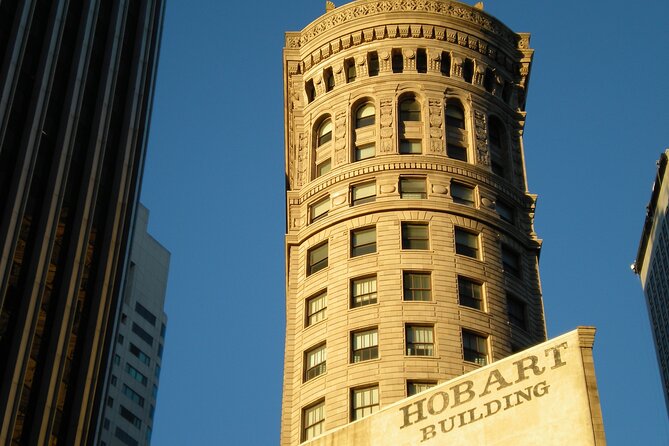
Set aside time to arrive at SFMOMA before 2:00 pm. The start address is 151 Third Street, San Francisco, and the tour begins at the museum’s front entrance.
The end information needs a quick check. The listed end point is 264 Bush Street, San Francisco, while additional directions refer to 130 Bush Street near the corner of Market and First Street. These locations may reflect different meeting or directional notes, so confirm the final endpoint with the provider before the day of the walk.
Public transportation is nearby, but no transport is supplied. That gives you flexibility, though you remain responsible for planning the route to the start and from the finish.
Dress for an outdoor city walk and keep your schedule flexible enough for weather. A small notebook or phone can be useful, but the handout provides the main written reference for the buildings covered.
Cancellation is free up to 24 hours before the start time for a full refund. Inside 24 hours, the payment is not refunded and changes are not accepted. The cutoff follows local San Francisco time.
Who Should Take This Architecture Walk?
I would choose this tour if you want to understand San Francisco through its buildings rather than simply photograph them. It is especially well suited to people who enjoy architectural history, city planning, design, or local stories that do not appear in a standard guidebook.
It also makes sense for repeat visitors. You may already know the main sights, yet still have little idea how the Financial District fits into the city’s larger story. The route gives you a reason to revisit downtown with more attention.
The tour is also suitable for people who think they are not architecture experts. The experience is educational, but the information is presented while walking through real streets and spaces. You do not need technical training to notice a striking entrance, a clever viewpoint, or an unusual relationship between buildings.
I would think twice if you want a relaxed indoor activity, have difficulty with a two-and-a-half-hour walk, or expect admission to SFMOMA. You should also check the weather and confirm the end point before booking.
Should You Book the San Francisco Architecture Walking Tour?
Book it if you want a focused, small-group look at downtown architecture and prefer local explanation to a checklist of famous sights. Rick’s enthusiasm, the building handout, and the attention to viewing angles give the walk useful substance.
Skip it if your San Francisco plans are already packed with major attractions and you want only a quick overview. But if you have even a passing interest in architecture or urban planning, this tour offers a smart way to see a familiar district with fresh eyes.
FAQ
Where does the San Francisco Architecture Walking Tour start?
The tour starts at the front entrance of the San Francisco Museum of Modern Art, located at 151 Third Street, San Francisco, California 94103.
What time does the tour begin?
The stated start time is 2:00 pm.
How long does the walking tour last?
The experience lasts approximately two hours and 30 minutes.
Is admission to SFMOMA included?
No. Admission to the San Francisco Museum of Modern Art is not included.
How many people can join the tour?
The activity has a maximum of 10 participants.
What happens if the weather is poor?
The experience may be canceled because it requires good weather. In that case, you are offered another date or a full refund.
Newly added in the USA
- Washington, DC: Georgetown Architecture Walking Tour★ 5.0 · 8 reviews
- New Orleans : Garden District Architecture Walking tour★ 4.8 · 5 reviews
- Wilmington History and Architecture Tour★ 4.8 · 18 reviews
- Washington DC: Dupont Circle & Embassy Row Architecture Tour★ 5.0 · 6 reviews
- Private Colonial Williamsburg Architectural Tour★ 5.0 · 5 reviews
- Castle to Capitol: Museums of the National Mall Architecture Tour★ 4.5 · 9 reviews
- Tulsa: Art Deco Walking Tour of Tulsa★ 5.0 · 8 reviews
- Monuments and Memorials Architectural Walking Tour★ 5.0 · 17 reviews
Walking Tours, compared.
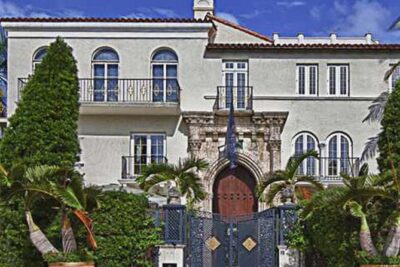
The Official Art Deco Walking Tour by The Miami Design Preservation League
Read our review →
Baroque Architecture and Underground Walking Tour
Read our review →
Chicago in a Day: Food, History & Architecture Walking Tour
Read our review →

Ramblas, Old Town, Gothic and Gaudi Architecture Walking Tour
Read our review →
Chicago’s Secret Interiors Architectural Walking Tour
Read our review →
Browse the lists this tour appears in