
Review · WALKING TOURS
Santa Fe Architectural Walking Tour
Santa Fe’s most revealing sights are often its walls, courtyards, rooflines, and shaded passageways. This three-hour walk explains how Pueblo, Spanish Territorial, and Northern New Mexican design grew from the area’s cultures and climate. I like the small group, limited to eight people, and the way guides such as Sandy, Ed, Mickey, and Mary adapt the walk to interests in art, food, gardens, or local history.
The finish at Gruet’s tasting room inside Hotel St. Francis is a smart touch. You get a relaxed place to talk over what you have seen, plus a sparkling wine tasting for adults 21 and older. The main drawback is the walking itself: Santa Fe sidewalks can be uneven, the high-desert sun can be intense, and the optional tasting may feel less appealing on a hot morning.
Key points to know before you book
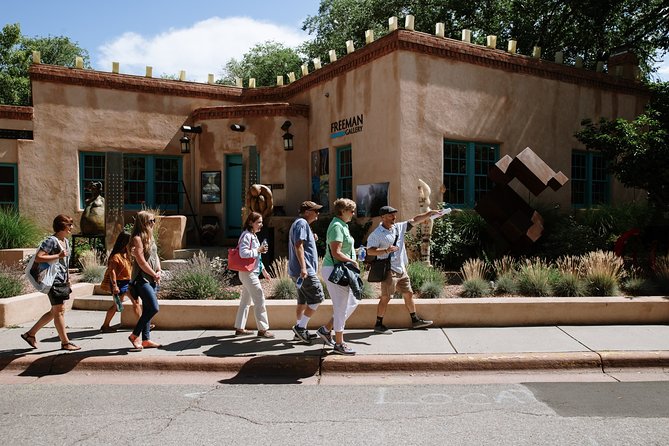
- Three architectural traditions in one walk: Learn how Pueblo, Spanish Territorial, and Northern New Mexican styles differ and overlap.
- A guide-led look at lesser-seen Santa Fe: The route includes a traditional courtyard and details you could easily miss on your own.
- A small group of no more than eight: That makes it easier to ask questions and request topics that match your interests.
- A Gruet tasting at Hotel St. Francis: The walk ends with a 30-minute tasting experience that can also be skipped or arranged for later.
- A 9:30 a.m. start: The morning timing leaves you time for lunch, galleries, museums, or independent exploring afterward.
- A real walking tour: Wear comfortable shoes, bring water, and use a hat and sunscreen for protection.
Why Santa Fe architecture deserves a guided walk
Santa Fe can look simple at first glance. Many buildings share earth-colored walls, rounded edges, wooden beams, and low profiles. Without context, you may see one adobe building after another and miss the clues that tell you when, why, and for whom each structure was built.
This tour gives those details a framework. You learn to separate three important local styles: Pueblo, Spanish Territorial, and Northern New Mexican. They are not just visual labels. They reflect different building traditions and the way Santa Fe developed through Indigenous, Spanish, Mexican, and American periods.
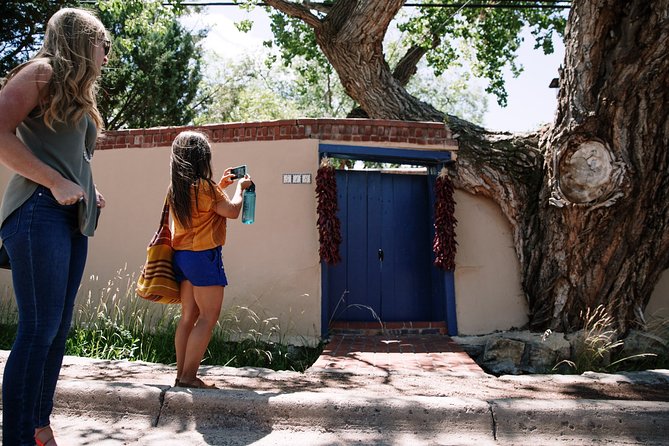
A guide can point out how a courtyard works as both a social space and a sheltered outdoor room. You may also learn why certain streets, homes, and public buildings look the way they do, rather than assuming every adobe wall represents the same tradition.
That is the real value here. The tour is less about checking off major sights and more about giving you a way to read the city. Afterward, a walk past a plain-looking doorway or covered passage can become much more interesting.
More Walking Tours in the USA
- The Official Art Deco Walking Tour by The Miami Design Preservation League
★ 5.0 · 1,580 reviews - Chicago in a Day: Food, History & Architecture Walking Tour
★ 5.0 · 1,153 reviews - Miami South Beach Art Deco Walking Tour
★ 5.0 · 1,039 reviews
Starting at 211 Old Santa Fe Trail
The tour begins at Heritage Inspirations Santa Fe Tours & E-Bike Rentals, at 211 Old Santa Fe Trail, with a 9:30 a.m. departure. Hotel pickup and drop-off are not included, so you need to reach the meeting point on your own.
The start time works well for most sightseeing plans. You can take the walk before the day becomes warmer, then have lunch and continue to galleries or other sights. One participant used the morning tour as a starting point before visiting Canyon Road galleries independently, which is a practical way to use the experience.
The mobile ticket is convenient, and confirmation arrives when you book. Since the tour is often reserved about four weeks ahead, I would not leave it until the last moment if your dates are fixed.
Expect a moderate amount of walking over roughly three hours. The route includes city streets and sidewalks, and Santa Fe’s surfaces are not always smooth. Comfortable walking shoes are essential. A hat, sunscreen, and bottled water are also sensible, especially in summer.
Learning the three Santa Fe styles
The central part of the experience is the comparison between three architectural traditions. You are not simply shown attractive buildings. You are given a set of visual markers to help you understand what you are seeing.
Pueblo architecture is tied to Indigenous building traditions and the use of earthen forms. The style is associated with rounded shapes, thick walls, and a close relationship between the building and its surroundings. A guide’s explanation helps keep this from becoming a shallow lesson in appearance alone.
Spanish Territorial architecture brings a different order and feel. You may notice more formal lines and features shaped by Spanish and later American influences. The contrast with Pueblo design is one of the most useful parts of the walk because it shows how Santa Fe’s built character developed through cultural contact.
Northern New Mexican architecture adds another layer to the city’s visual identity. The style reflects local adaptation and the continued blending of older traditions with later needs. Seeing all three during one walk makes it easier to notice small differences in windows, doors, rooflines, walls, and courtyards.
The tour also connects architecture with Santa Fe’s people and social development. Specific subjects brought up during past walks have included De Vargas Street, the divide between the north and south sides of the river, Indigenous communities, and the cultures that helped shape the city.
Courtyards, interiors, and details you might miss
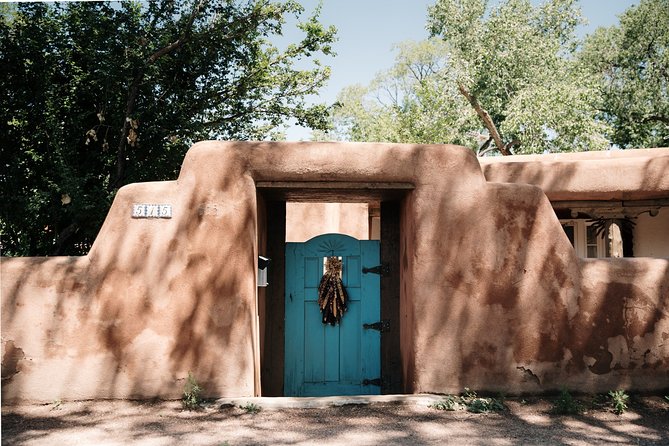
The traditional courtyard is one of the more appealing stops because it lets you experience architecture as a lived space rather than a facade. Courtyards can provide shelter, privacy, and a place for daily activity. They also help explain why Santa Fe buildings often feel inward-looking.
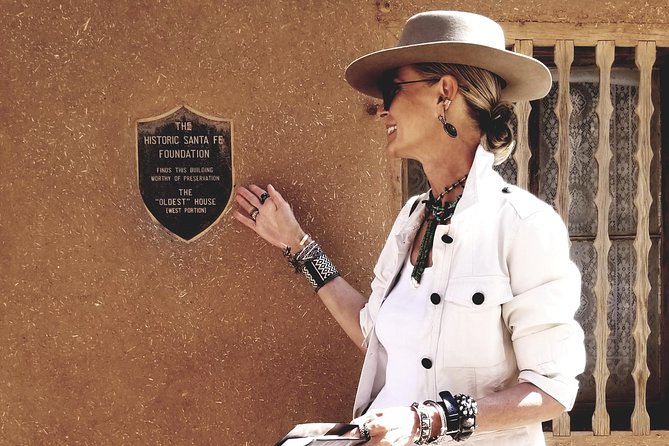
The experience may include interiors or interior details, depending on the route and access that day. The supplied tour information describes an architectural and interiors focus, while the route specifically includes a traditional courtyard and a visit to one of Santa Fe’s oldest hotels.
This is where a small group matters. With no more than eight people, you have a better chance of hearing the guide clearly and asking about a feature that catches your eye. Guides have also adjusted explanations to suit interests such as gardening, food, art, and local history.
Do not expect a museum-style presentation with every stop timed to the minute. The appeal is the conversation and the guide’s ability to connect one building to another. That also means the exact emphasis may vary depending on your guide and group.
Same city, a different facade:
- Chicago Architecture River Cruise
★ 5.0 · 15,756 reviews - Chicago River 90-Minute Architecture Tour
★ 4.5 · 9,629 reviews - Chicago River: 1.5-Hour Guided Architecture Cruise
★ 4.8 · 8,046 reviews - Chicago Architecture Center River Cruise aboard First Lady
★ 5.0 · 5,536 reviews
Meeting one of Santa Fe’s oldest hotels
The walk finishes at Hotel St. Francis, at 210 Don Gaspar Avenue. The hotel is one of Santa Fe’s oldest, so it is more than a convenient place for the tasting. It gives the final part of the tour another chance to connect architecture, hospitality, and the city’s past.
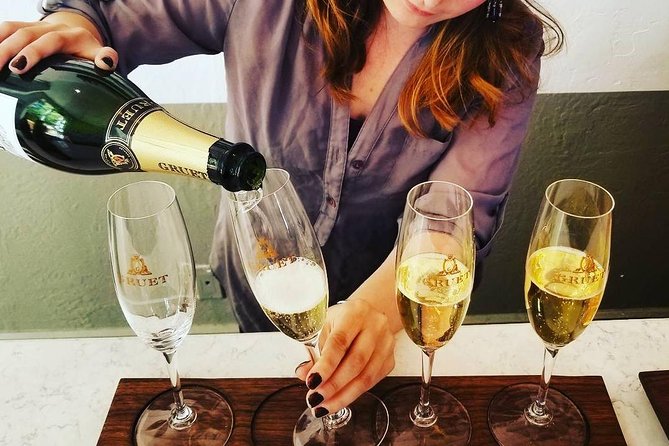
The hotel also contains the Gruet Winery Santa Fe Tasting Room. After the walking portion, you can settle in for a 30-minute Gruet tasting. Alcoholic beverages and taxes are included, and the tasting is designed as a signature finish rather than a separate outing you must organize yourself.
The tasting is optional. If you would rather stop after the walk, you do not have to take part. You may also arrange to do it later in the day, which is useful if you are not ready for wine at the end of a warm morning.
One point is worth making clear: the tour description refers to this as a champagne tasting, while the venue is a Gruet tasting room. In practical terms, you are visiting Gruet for a sparkling wine experience. The tasting adds a social close to the walk, but it should not be the main reason you book if architecture is not your interest.
The guides make the difference
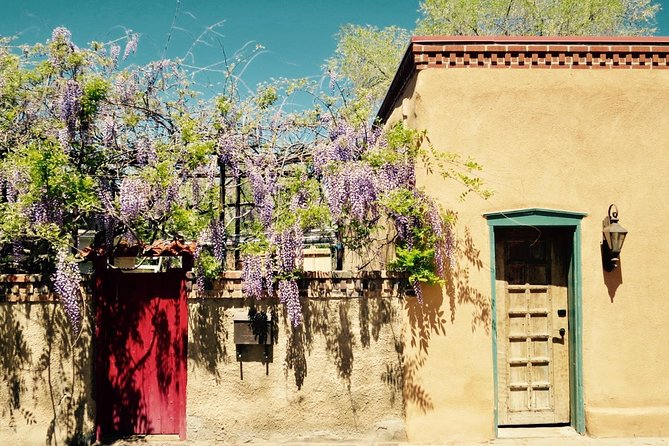
The strongest part of this experience is the guide-led storytelling. Sandy receives especially warm praise for her energy, local insight, and ability to make complicated subjects easy to follow. She has also continued answering questions after the formal tour ends, which is helpful when you want restaurant, gallery, or activity ideas.
Ed is another guide associated with the experience. His focus on how history informs architecture has helped people connect buildings with the communities and events that shaped them. He has also tailored routes around interests such as gardens, food, and history.
Mickey, Mary, Daniel, Doug, and other guides have led the walk as well. Their strengths vary, but the common thread is a strong art, architecture, and local-history background. Mickey is described as especially welcoming and engaging, while Doug is noted for storytelling and for pointing out details in places that could otherwise pass unnoticed.
Because the group is small, you can ask direct questions. That is useful if you have already spent time in Santa Fe or if you want something beyond a general introduction. Even long-time visitors can find new context in familiar streets.
Still, guide-led tours are personal experiences. You may not receive the exact same route or emphasis with every guide. The format gives you conversation and flexibility, but not the fixed script of a large museum tour.
Is $145 a fair price?
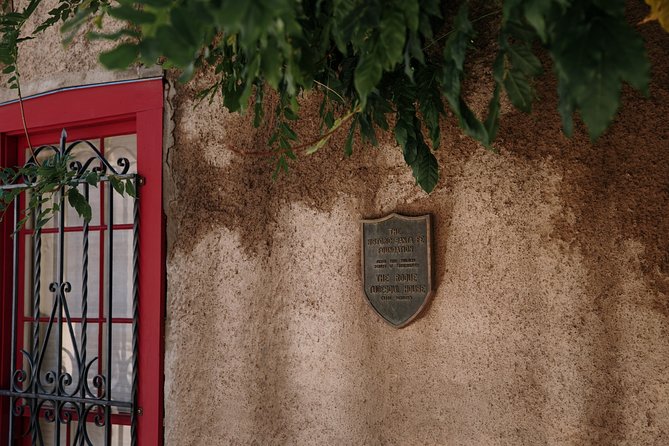
At $145 per person, this is not a cheap way to spend a morning. You are paying for a private-feeling small group, a local guide, bottled water, the Gruet tasting, and the convenience of combining architecture with a wine stop.
The value depends on how you like to travel. If you enjoy walking, asking questions, and understanding the places you see, the fee can make sense. A good guide saves you from wandering past important buildings without knowing what makes them significant.
The price is harder to justify if you mainly want landmark photos or a quick orientation. Santa Fe is walkable in the central area, and you can see plenty on your own. The tour earns its cost through interpretation, not transportation or admission to a major attraction.
The included tasting helps, but it should be viewed as a bonus. The real purchase is the guide’s time and the explanation of Santa Fe’s architecture, culture, and development.
Who will enjoy this walk most?
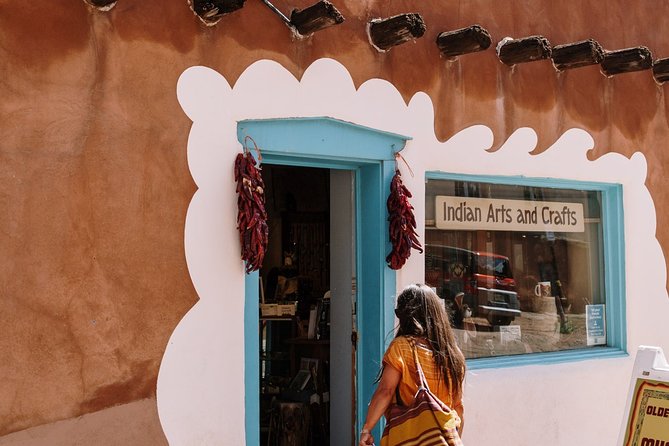
I would recommend this tour to first-time visitors who want to understand Santa Fe before exploring on their own. It is also a good fit for repeat visitors who have seen the central sights but want more context about homes, courtyards, streets, and design.
Art lovers should find it useful, especially if you plan to visit galleries afterward. The morning schedule leaves room for Canyon Road or other independent stops, and the guide may help you decide where to spend your time.
It also suits couples, solo visitors, families with adult children, and friends who enjoy a moderate walk. The minimum age is 21 because of the alcohol component, so this is not a suitable booking for younger children.
I would think twice if you have serious walking limitations. The tour calls for a moderate fitness level, and uneven streets and sidewalks can make the route difficult. Service animals are allowed, and the meeting area is near public transportation, but hotel transfers are not provided.
Practical tips for a better morning
Arrive ready to walk rather than dressed for a formal tasting. Comfortable shoes matter more than stylish ones during the first three hours.
Bring sun protection. Sunscreen and a hat are not supplied, and a hot day can make the final tasting feel less appealing. Bottled water is included, but you should still prepare for direct sun.
Tell the guide what interests you. If you care about gardens, food, art, Indigenous history, or architecture, say so early. The small group format gives the guide room to shape explanations around your questions.
Plan your day around the ending point at Hotel St. Francis. Since the tour does not return you to your hotel, you may want to continue sightseeing from there or arrange your own transport. The location also makes it easy to treat the tasting as the end of your morning rather than a separate appointment.
Free cancellation is available if you cancel at least 24 hours before the start time. Changes or cancellations made inside that window are not accepted for a refund, so check your plans before booking.
Should you book the Santa Fe Architectural Walking Tour?
Book it if you want Santa Fe to make more sense, not just look attractive. The best part is the connection between architecture and people, with guides such as Sandy and Ed adding stories that you would be unlikely to find by simply walking downtown.
The Gruet tasting is a pleasant extra, and you can skip it or move it later if the timing does not suit you. Just remember that the price reflects a small, guide-focused experience, not a hop-on, hop-off sightseeing loop.
I would choose this tour early in a Santa Fe visit. You will leave with a better eye for Pueblo, Spanish Territorial, and Northern New Mexican design, plus practical ideas for the rest of your stay. If three hours on foot sounds comfortable and you are at least 21, this is a strong choice for a thoughtful introduction to the City Different.
FAQ
Where does the Santa Fe Architectural Walking Tour begin?
It begins at Heritage Inspirations Santa Fe Tours & E-Bike Rentals, 211 Old Santa Fe Trail, Santa Fe, New Mexico 87501.
What time does the tour start?
The tour starts at 9:30 a.m.
How long does the experience last?
The walking tour lasts about three hours. The Gruet tasting portion is listed as 30 minutes.
Where does the tour end?
It ends at the Gruet Winery Santa Fe Tasting Room inside Hotel St. Francis, at 210 Don Gaspar Avenue.
What architectural styles will I learn about?
The tour covers Pueblo, Spanish Territorial, and Northern New Mexican architecture.
Is the Gruet tasting included?
Yes. The Gruet tasting and alcoholic beverages are included, but taking part in the tasting is optional.
What is the minimum age?
The minimum age is 21.
How large is the tour group?
The experience allows a maximum of eight travelers.
What should I bring or wear?
Wear comfortable walking shoes and bring sunscreen and a hat for sun protection. Bottled water is included.
Newly added in the USA
- Art Deco Tour of South Beach in French★ 4.5 · 8 reviews
- Award-winning Art Deco & Neon Lights Walking Tour★ 5.0 · 5 reviews
- Miami Beach Art Deco Segway Tour★ 4.5 · 17 reviews
- Boston: Freedom Trail History and Architecture Walking Tour★ 4.8 · 18 reviews
- Boston: Harbor and Charles River Architecture Boat Tour★ 4.6 · 9 reviews
- Chicago: Guided Tour with Architecture River Cruise★ 4.5 · 20 reviews
- Iconic Capitol Hill Architectural Walking Tour★ 5.0 · 21 reviews
- South Beach Food Tour- Culinary & Art Deco & History★ 5.0 · 22 reviews
Walking Tours, compared.
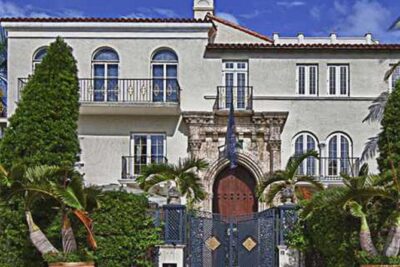
The Official Art Deco Walking Tour by The Miami Design Preservation League
Read our review →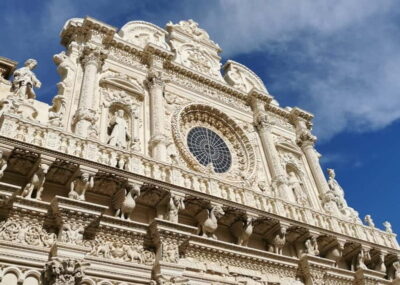
Baroque Architecture and Underground Walking Tour
Read our review →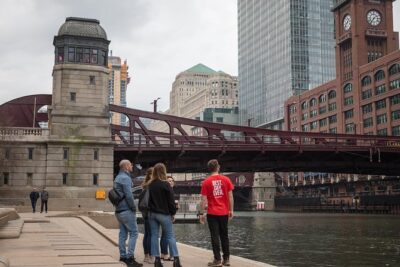
Chicago in a Day: Food, History & Architecture Walking Tour
Read our review →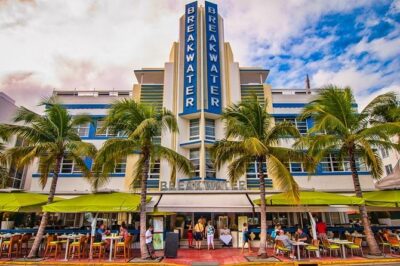

Ramblas, Old Town, Gothic and Gaudi Architecture Walking Tour
Read our review →
Chicago’s Secret Interiors Architectural Walking Tour
Read our review →
Browse the lists this tour appears in