Review · ARCHITECTURE TOURS
Scandinavian Art, Architecture and Design Tour in Stockholm
Stockholm’s design story comes alive on foot, from polished Östermalm showrooms and antique houses to a 19th-century food hall, an Art Nouveau theater, and the green paths of Kungsträdgården. The route links everyday Swedish style with grand public buildings and modern art institutions.
I like the small maximum group of 10, which should make it easier to ask questions, and I like the built-in time to browse design shops at your own pace. The main drawback is that three hours can only provide an introduction, so this is best for orientation rather than a full museum or interior tour.
Key points to know
- Östermalm sets the tone: Walk Stureplan, Linnégatan, Nybrogatan, and Strandvägen while learning about Swedish furniture, upholstery, and antique design.
- Saluhall adds a food stop: Spend about 30 minutes inside one of Stockholm’s finest historic market halls and see typically Swedish delicacies.
- Olesia brings personal energy: Her private tour received especially warm praise for its stories and balance between guidance and independent browsing.
- The route mixes grand and ordinary Stockholm: The Royal Dramatic Theater, Royal Opera, Kungsträdgården, and design shops all appear in one walk.
- The finish is scenic and cultural: The tour ends in front of the Nationalmuseum, with views toward Stockholm’s Old Town from Skeppsholmen along the way.
- Good weather matters: The experience requires suitable conditions, with a new date or full refund offered if weather causes cancellation.
Why this three-hour walk works as a Stockholm introduction
I like this tour because it treats design as part of daily life, not just something displayed behind glass. You move through streets where upholstery firms, furniture stores, antique dealers, public buildings, food sellers, theaters, and parks all tell different parts of the Swedish story.
The route also gives you useful bearings. It begins at Svampen in Stureplan, continues through Östermalm and central Stockholm, and finishes at the Nationalmuseum on Södra Blasieholmshamnen. You are not simply looking at one type of architecture for three hours. You are comparing commercial streets, civic spaces, cultural buildings, and a food market.
The price is $61.62 per person. For a three-hour English walk with a maximum of 10 people, access to design shops, and a guide who explains the historical links between places, that is a reasonable price if design and architecture are central to your trip. It is less appealing if you mainly want interiors, formal museum access, or a long food tasting.
The tour is generally recommended by 91 percent of people who booked it, with a 4.7 rating from 11 reviews. That is a small sample, so I would treat those figures as encouraging rather than definitive. The strongest praise focuses on the guide’s storytelling, the personal feel of the walk, and the freedom to browse shops without being rushed.
A few more architecture walks in the world worth a look
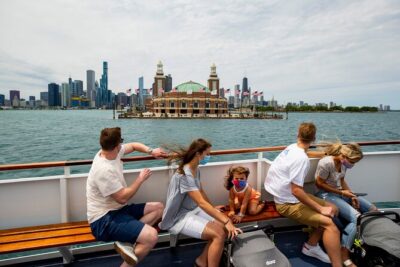
- Chicago Architecture River Cruise
★ 5.0 · 15,756 reviews - Chicago River 90-Minute Architecture Tour
★ 4.5 · 9,629 reviews - Chicago River: 1.5-Hour Guided Architecture Cruise
★ 4.8 · 8,046 reviews
Östermalm streets: Swedish style in its natural setting
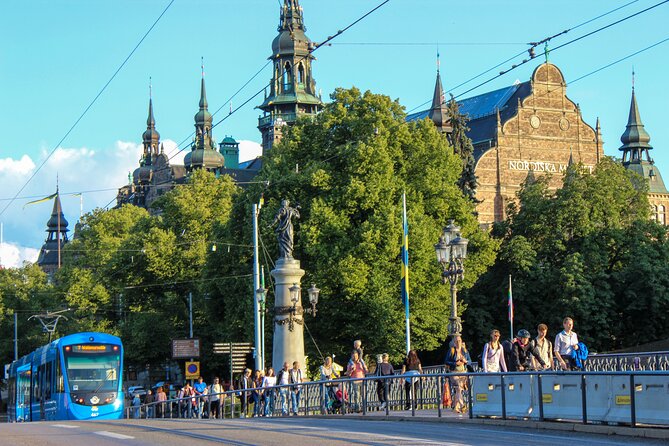
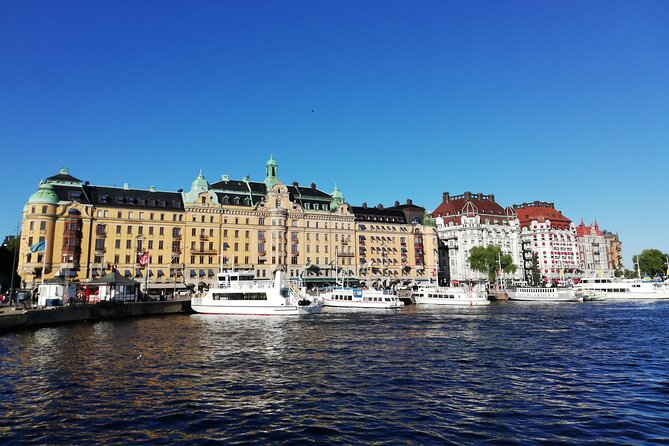
The first hour takes place in Östermalm, one of Stockholm’s polished central districts. The route includes Stureplan, Linnégatan, Nybrogatan, and Strandvägen, giving you a concentrated look at the area’s design and retail identity.
This is where the tour’s subject makes the most sense. Instead of starting with a lecture about Scandinavian design, you see the businesses and streets connected with it. The guide discusses famous Swedish names in design, upholstery, and antiques, along with the legacy and historical setting behind them.
The focus on upholstery is a useful detail. Swedish design is often reduced to clean furniture, pale wood, and simple lines. Upholstery adds another layer: the craftsmanship, fabrics, restoration work, and custom pieces that serve Stockholm’s well-to-do homes and public spaces.
You will also hear about a well-known Swedish upholstery name associated with the city’s VIP residents. The supplied route does not identify the company, so do not book this expecting a specific showroom visit by name. Think of it as a chance to understand how local design serves both everyday homes and high-end interiors.
The streets themselves are part of the lesson. Stureplan gives you a commercial and social center, while Strandvägen brings a more grand urban character. Linnégatan and Nybrogatan help connect the area’s shops and architectural details. The guide’s job is to point out what you might otherwise pass without noticing.
One useful feature is access to design shops. This does not mean that furniture or home accessories are included in the tour price. It means you have the opportunity to enter selected stores and browse. One of the clearest strengths of the experience is the balance between guided explanation and time to look at furniture, textiles, and home accessories at your own pace.
If you are shopping, remember that a walking tour is not the same as a buying service. Large pieces may be difficult to arrange for international delivery, while smaller textiles or accessories could be easier to take home. The practical value here is learning what you like and understanding the names and styles before you shop independently.
Östermalms Saluhall: design meets Swedish food
After the street walk, the group spends about 30 minutes at Östermalms Saluhall. This market hall is both a food stop and an architectural landmark dating from the 19th century.
The hall gives the tour a needed change of pace. After looking at furniture, facades, and design traditions, you get a more sensory picture of Swedish culture through food. The route takes you through the market so you can see typically Swedish delicacies and the way a historic public food space fits into modern Stockholm.
The stop is included, but the information provided does not promise a tasting or a meal. Plan to look, listen, and perhaps decide if you want to return later for something to eat. If you want a food tour with generous samples, this is not the right format.
Thirty minutes is enough for an introduction, though it is not long enough to study every counter. I would pay close attention to the building itself as well as the food. The market’s role in the tour is important because it shows that Swedish design is not limited to expensive showrooms. It also includes places built for public use and daily routines.
This stop may appeal to people who prefer a city tour with several subjects. If you want uninterrupted architecture commentary, the food hall briefly shifts the focus. That is a plus for most people, but design specialists seeking a dense architectural program may find the market portion less central.
The Royal Dramatic Theater and Stockholm’s stage tradition
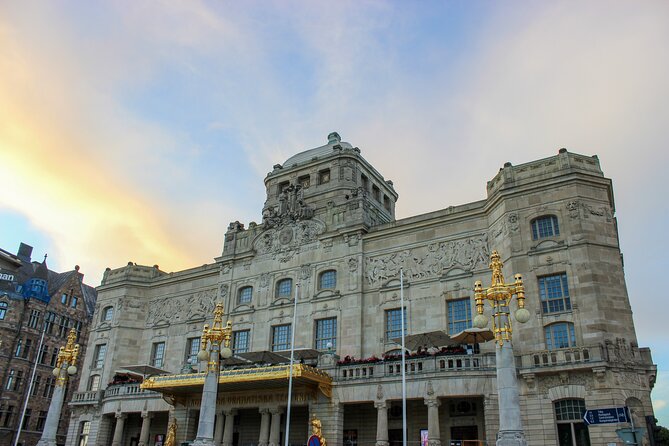
The Royal Dramatic Theater, or Kungliga Dramatiska Teatern, receives about 15 minutes. It is presented as an Art Nouveau landmark with connections to Sweden’s theater and film tradition.
The stop is short, but the building gives the guide a strong way to connect architecture with public life. You will hear about famous Swedish stars such as Greta Garbo and Ingrid Bergman, who had their start here. That connection gives the facade more meaning than a quick photograph alone.
Do not expect an extended theater visit or a performance. Admission is free, and the stop is an exterior-oriented part of the walk. Fifteen minutes is enough for an explanation and a look, but not for a full study of the building or its interiors.
I appreciate this kind of brief stop because it keeps the tour moving. Stockholm has many important cultural buildings, and the guide can show you several without turning the morning into a single-site visit. If theater is your main interest, you may want to return on your own with more time.
Same city, a different facade:
- Chicago Architecture Center River Cruise aboard First Lady
★ 5.0 · 5,536 reviews - Chicago: Architecture River Cruise Skip-the-Ticket Line
★ 4.8 · 4,325 reviews - Chicago River 45-Minute Architecture Tour from Magnificent Mile
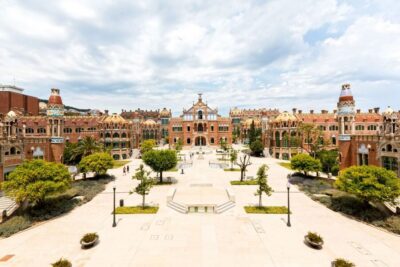
★ 4.5 · 2,924 reviews - Barcelona: Sant Pau Recinte Modernista Entry Ticket
★ 4.6 · 2,567 reviews
Kungsträdgården: a park with several centuries of change
The walk then reaches Kungsträdgården, or King’s Garden, where the focus shifts from buildings to public space. The park gives the guide room to explain why green areas matter in Stockholm’s urban planning and how the city’s architecture changed over time.
The discussion covers architectural phases from Gothic and Baroque influences to modern ideas. The garden’s origins reach back to the 15th century, followed by several reinventions. That long sequence makes the park useful for understanding Stockholm as a city that has repeatedly adapted old spaces to new needs.
You will also hear about the origin of Sweden’s iconic Falu red paint. This is the kind of small, specific detail that can make a walking tour memorable. It connects color, building tradition, and national identity in a way that a broad statement about Scandinavian style cannot.
The 45-minute stop is one of the longer parts of the route, and that seems sensible. A park allows the guide to slow down and explain the city around you. It also provides a break from close urban streets and shop windows.
The drawback is weather. This is an outdoor walking experience, and the tour requires good conditions. If poor weather leads to cancellation, you are offered another date or a full refund. Even on a suitable day, wear comfortable shoes and clothing that works for several hours outside.
The Royal Opera and Stockholm’s version of the Phantom
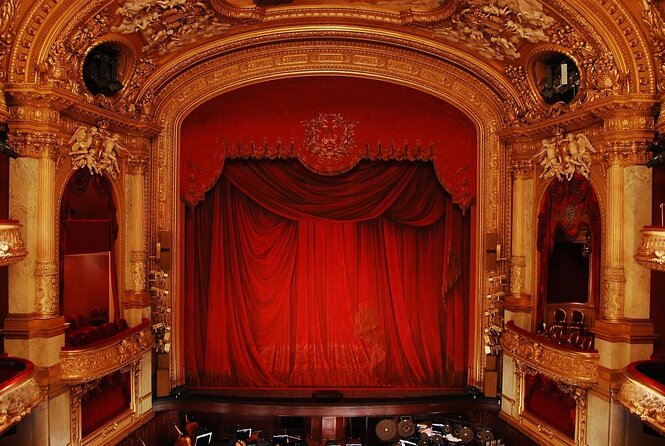
The Royal Swedish Opera is another short cultural stop. The building dates from the late 19th century and is described as a major architectural work. Here, the guide shares the story of Stockholm’s own Phantom of the Opera.
That phrase gives the stop a playful edge, but the building also strengthens the tour’s larger theme. Stockholm’s design identity includes performance spaces, not only domestic furniture and public parks. The opera house shows how architecture can signal ceremony, prestige, and artistic ambition.
The available details do not include interior admission or a performance. Treat this as an exterior explanation and photo stop. If you hope to attend an opera, you will need to make separate arrangements.
The value of the stop comes from the connection between the Royal Dramatic Theater and the Royal Opera. Seen on the same walk, they help you compare two major cultural institutions and understand how central Stockholm uses architecture to express its artistic life.
Skeppsholmen and the view toward the Old Town
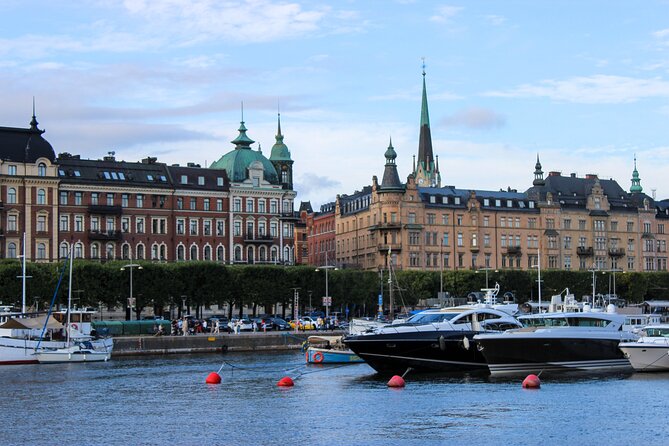
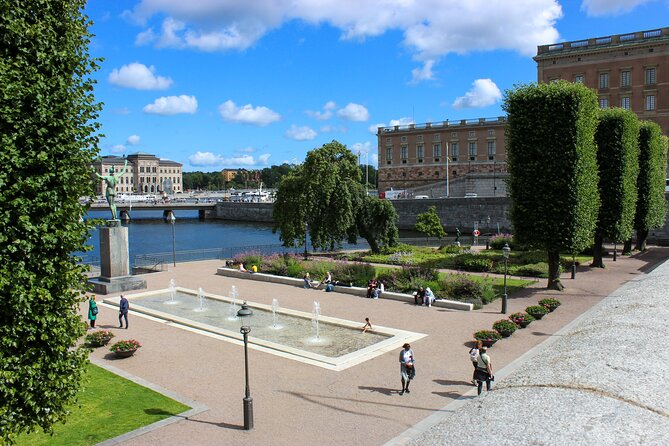
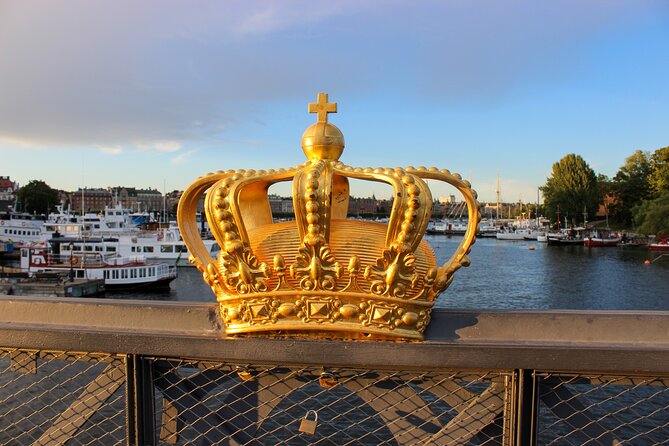
The final portion brings you toward Skeppsholmen, one of the prettiest islands in central Stockholm. The route offers views toward the city’s Old Town and discusses art, culture, and architecture.
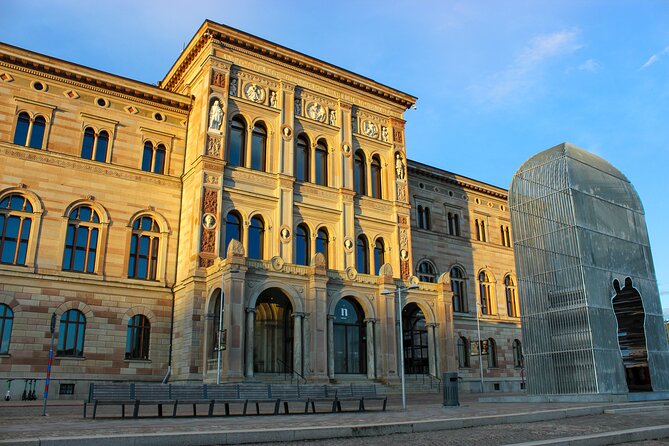
Skeppsholmen is also associated with important Swedish museums, including the Nationalmuseum, Moderna, and ArkDes. The tour ends in front of the Nationalmuseum at Södra Blasieholmshamnen 2, so this section works well for anyone planning to continue with a museum visit afterward.
The museum names matter because they show the range of Stockholm’s cultural offerings. Nationalmuseum covers the country’s major art and design tradition, Moderna focuses on modern art, and ArkDes is linked with architecture and design. The tour does not include admission to these museums, but it gives you useful context for deciding which one deserves your time.
The views are another reason this ending works. After spending much of the walk among streets and buildings, you get a wider look across the water toward the Old Town. The route does not turn into a sightseeing cruise or a long waterfront excursion, but this final setting gives the walk a satisfying change in scale.
Because the end point is in front of the Nationalmuseum, you can continue with your own plans. That makes the timing useful. You might visit the museum, walk toward the Old Town, or stop for a break nearby. The tour’s route has practical value beyond the three hours because it introduces places you may want to explore later.
What the guide adds to the experience
The strongest personal praise centers on Olesia, who led a private architectural and design walk with an engaging mix of stories and explanation. Her approach included time for independent browsing, rather than keeping every minute under close direction.
That balance is worth noting. Some design tours become a long list of names and dates. Others give you free time but little context. Here, the intended rhythm is explanation first, then room to look for yourself.
A small group maximum of 10 should support that format. You can ask about a shop, a building, a material, or a design tradition without trying to speak over a large crowd. The tour may feel especially personal if fewer people book on your date, though the experience is not guaranteed to be private.
The guide’s role matters because much of the route is viewed from the street. A strong explanation turns a shopfront, theater, or park into something worth your attention. If the guide is not your main reason for booking, the route still gives you a clear selection of places. If storytelling is important to you, Olesia’s reported style is a strong reason to consider this experience.
Timing, group size, and who should book
The tour lasts about three hours, and travel time between stops is included. That means the actual time at each place is limited, so you should not expect long visits at the theater, opera, or museums.
The experience is offered in English and uses a mobile ticket. The meeting point is Svampen at Stureplan in Östermalm, and the ending is at the Nationalmuseum. It is near public transportation, and most people can participate. Service animals are allowed.
I would book this if you are interested in Swedish design, architecture, urban parks, theater, or museums and want an organized introduction early in your stay. It is also a good choice if you like walking tours that mix explanation with time to browse.
I would choose something else if your priority is a full-day museum visit, extensive food sampling, interior access, or a relaxed pace with very few stops. The route covers a lot of ground, and the range of subjects means no single topic receives exhaustive treatment.
It also makes a useful first activity because it can help you decide how to spend the rest of your time. You may return to Östermalm for shopping, Saluhall for food, or the Nationalmuseum, Moderna, or ArkDes for a longer cultural visit.
Should you book the Scandinavian Art, Architecture and Design Tour?
Book it if you want to see how Swedish design fits into real Stockholm life. The best parts are the Östermalm streets, the chance to browse design shops, the historic Saluhall, and the connections between theaters, parks, museums, and public space.
At $61.62, the value depends on your interests. For a small English-language group and a guide-led introduction across several central districts, the price is fair. Just keep your expectations precise: this is a walking overview with strong storytelling, not a series of museum admissions or a tasting tour.
The combination of a maximum of 10 people, a flexible design-shop component, and a finish at the Nationalmuseum makes it particularly useful near the start of a Stockholm visit. Book it if you want context before exploring the city on your own, and keep the weather requirement in mind.
FAQ
How long does the tour last?
The tour lasts approximately three hours, including travel time between stops.
What language is the tour offered in?
The tour is offered in English.
How much does the tour cost?
The listed price is $61.62 per person.
Where does the tour begin?
The tour begins at Svampen, Stureplan, in Östermalm, Stockholm.
Where does the tour end?
The tour ends in front of the Nationalmuseum at Södra Blasieholmshamnen 2.
What places are included on the route?
The route includes Östermalm, Östermalms Saluhall, the Royal Dramatic Theater, Kungsträdgården, the Royal Swedish Opera, and Skeppsholmen.
Is admission to the museums included?
The tour finishes at the Nationalmuseum and discusses museums including the Nationalmuseum, Moderna, and ArkDes, but museum admission is not listed as included.
Does the tour include food tastings?
Food tastings are not listed as included. You visit Östermalms Saluhall to see typically Swedish delicacies and experience the historic market hall.
How many people can join the tour?
The maximum group size is 10 people.
Can I cancel for a full refund?
Yes. You can cancel at least 24 hours before the start time for a full refund. Cancellations or changes made less than 24 hours before the start time are not refunded or accepted.
What happens if the weather is poor?
The experience requires good weather. If it is canceled because of poor weather, you are offered a different date or a full refund.
Newly added in the world
- Washington, DC: Georgetown Architecture Walking Tour★ 5.0 · 8 reviews
- Washington DC: Dupont Circle & Embassy Row Architecture Tour★ 5.0 · 6 reviews
- New Orleans : Garden District Architecture Walking tour★ 4.8 · 5 reviews
- Wilmington History and Architecture Tour★ 4.8 · 18 reviews
- Unveiling Brno: History, Culture & Architectural Delights★ 5.0 · 2 reviews
- Vicenza: Palladian Architecture Private Walking Tour★ 3.3 · 3 reviews
- Walk & Discover KL’s Architectural and Heritage Gems★ 5.0 · 7 reviews
- Private Colonial Williamsburg Architectural Tour★ 5.0 · 5 reviews
Architecture Tours, compared.

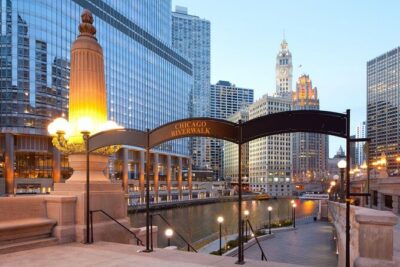

Chicago River: 1.5-Hour Guided Architecture Cruise
Read our review →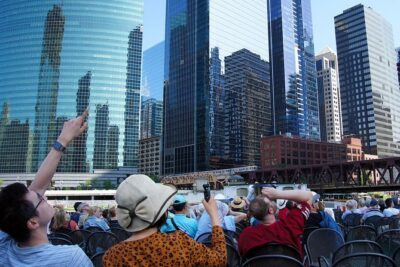
Chicago Architecture Center River Cruise aboard First Lady
Read our review →
Architecture River Cruise Skip-the-Ticket Line
Read our review →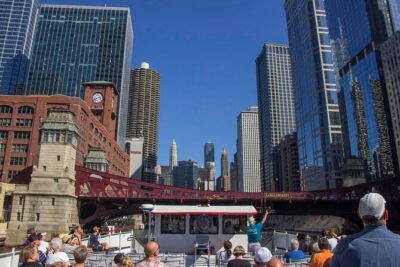
Chicago River 45-Minute Architecture Tour from Magnificent Mile
Read our review →