
Review · ARCHITECTURE TOURS
Brasov: Candlelight Tour of Medieval Architecture
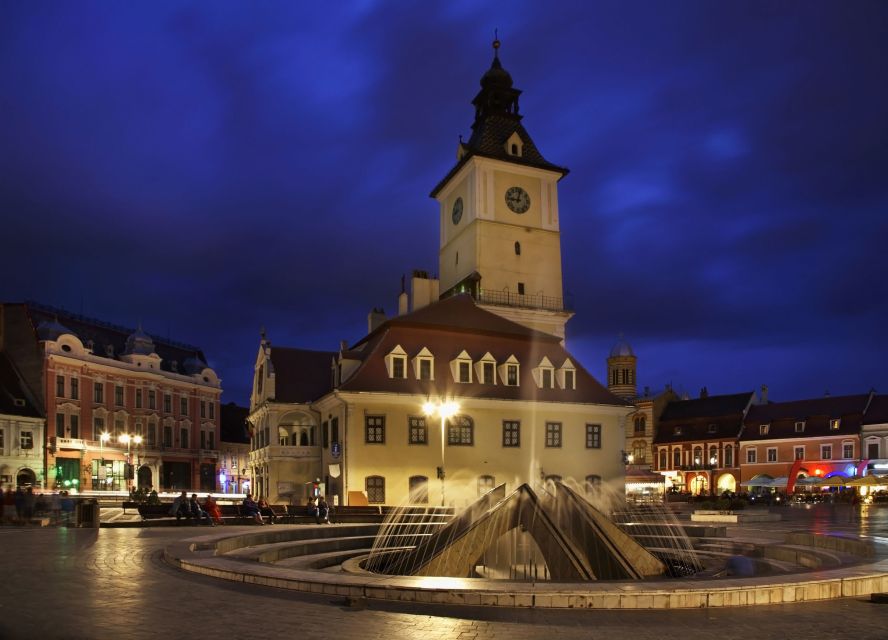
Brasov becomes a different city after sunset. Its old stone lanes, church towers, and fortified walls take on a softer mood, while stories of ghosts, vampires, and past rulers give the walk a playful edge. The tour begins in Council Square and follows a compact route through the medieval center.
I like the local perspective and the way the walk joins major sights with smaller details about daily life in Brasov. I also like the relaxed pace, which leaves room for questions and personal stories from guides such as Dan, a lifelong Brasov resident.
The main catch is the word candlelight. One guest found that there were no actual candles, just atmospheric evening lighting. Darkness also means you cannot see every architectural detail clearly, and some buildings may be closed.
Key points at a glance
- A local guide shapes the evening: Dan has lived in Brasov all his life, while other guides such as Tibi and Silvio have brought their own local stories and style.
- The route covers the city’s best-known medieval sights: Expect the Black Church, Catherine’s Gate, Schei Gate, St. Nicholas’ Cathedral, Weaver’s Bastion, the synagogue, and Rope Street.
- Evening lighting creates the mood: Illuminated facades and quiet lanes make the old town atmospheric, though the tour may not use hand-held candles.
- History comes with folklore: Ghost tales and vampire stories add color without replacing the city’s religious, architectural, and cultural background.
- The walk is good value at $47: For 1.5 hours, you get a live English-speaking guide and a useful introduction to Brasov’s central sights.
- Dress for the weather: The tour runs rain or shine, and Brasov can feel cold after dark, especially in winter.
Starting in Council Square with Brasov at your feet
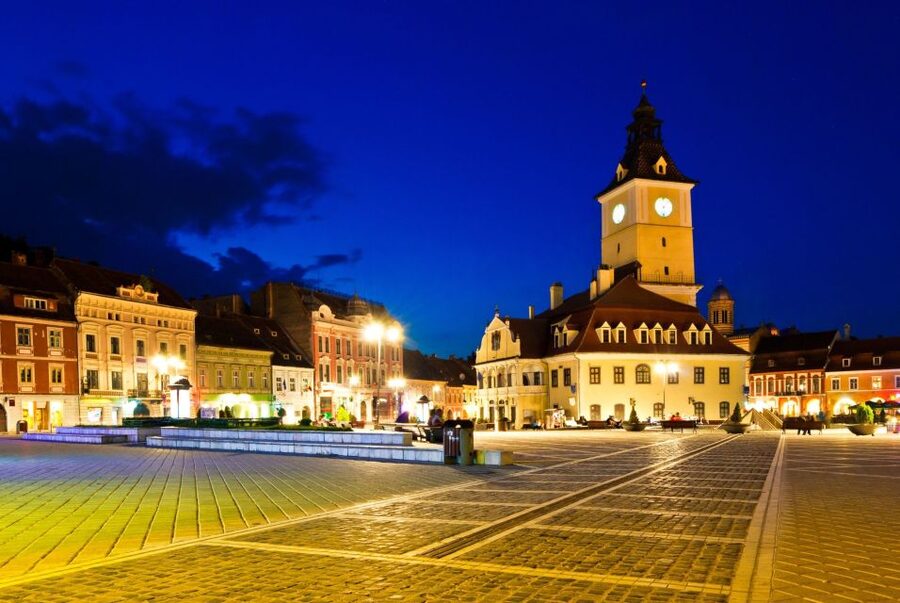
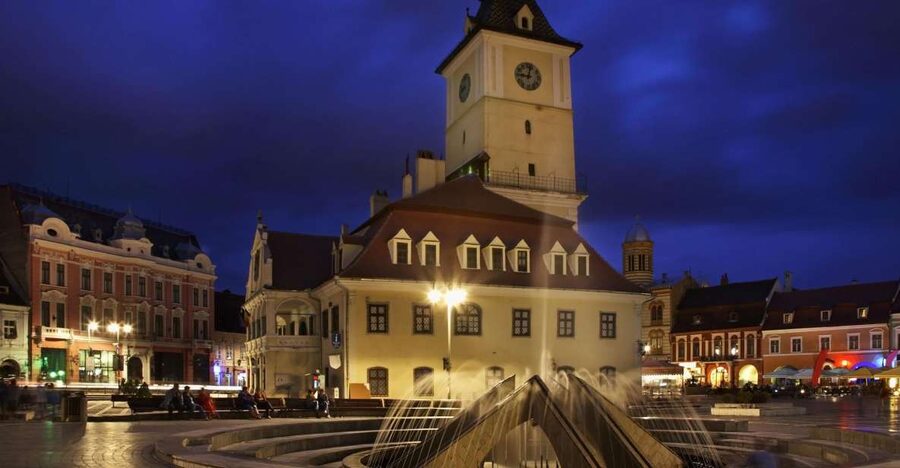
Meet at Piata Sfatului, in front of the History Museum at number 30. This is a practical starting point because Council Square puts you right in the middle of old Brasov, with the main streets and historic buildings close at hand.
The opening talk sets the city in context. You begin with Brasov’s past, then move into the streets where that past is still visible in stone, brick, and church towers. I would use this first part to ask your guide what to notice later, especially if you plan to explore the old town again during daylight.
The guide matters a great deal here. Dan has been especially effective for visitors who want more than dates and building names. He grew up in Brasov and has spoken about everything from the city’s historical changes to his family and school years. That sort of personal connection can make the streets feel like a lived-in place rather than an outdoor museum.
You may also meet Tibi or another English-speaking guide. The tone can vary with the person leading the walk, but the supplied information points to a tour built around conversation, questions, and local storytelling rather than a fixed speech delivered without pauses.
A few more architecture walks in the world worth a look
- Chicago Architecture River Cruise
★ 5.0 · 15,756 reviews - Chicago River 90-Minute Architecture Tour
★ 4.5 · 9,629 reviews - Chicago River: 1.5-Hour Guided Architecture Cruise
★ 4.8 · 8,046 reviews
The Black Church and Brasov’s Gothic heart
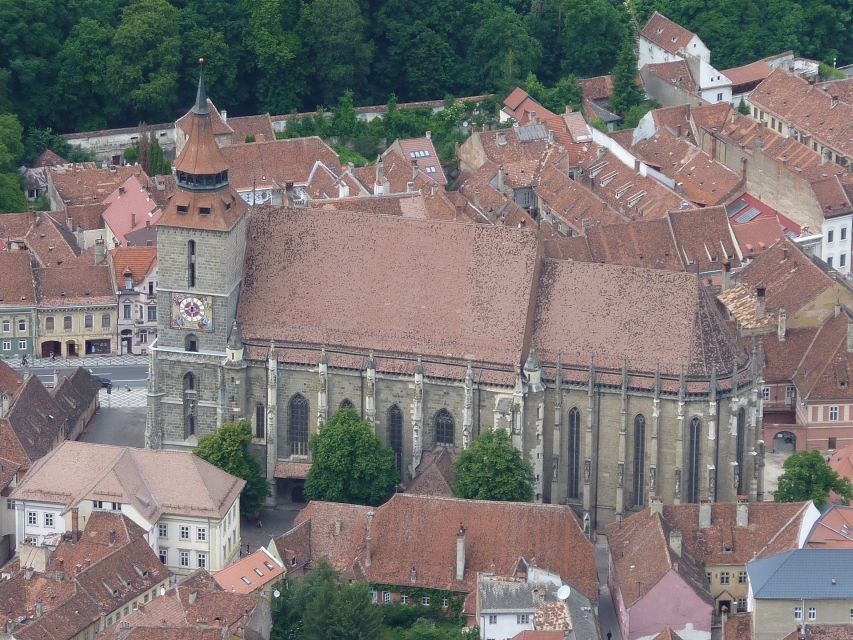
From Council Square, the route heads toward the Black Church. This is the largest Gothic church in Romania and one of Europe’s major Gothic-Baroque churches, so it is an important stop even if you are not especially interested in religious buildings.
At night, you will mainly appreciate the church’s exterior, scale, and position within the old town. The reduced light can make the building feel dramatic, but it also limits the fine detail you can pick out in the stonework. Do not expect a full interior visit as part of this evening walk.
The stop is useful because it gives you a clear sense of Brasov’s layered identity. The city is not simply a pretty medieval backdrop. Its buildings reflect different religious communities, periods of political change, and the long life of a trading center in Transylvania.
This is also where a good guide can keep the tour from becoming a parade of names. Dan has been praised for connecting different historical periods and explaining how the city changed over time. If you like asking why a building matters, rather than only when it was built, this part of the walk should suit you.
Catherine’s Gate and the old city boundaries
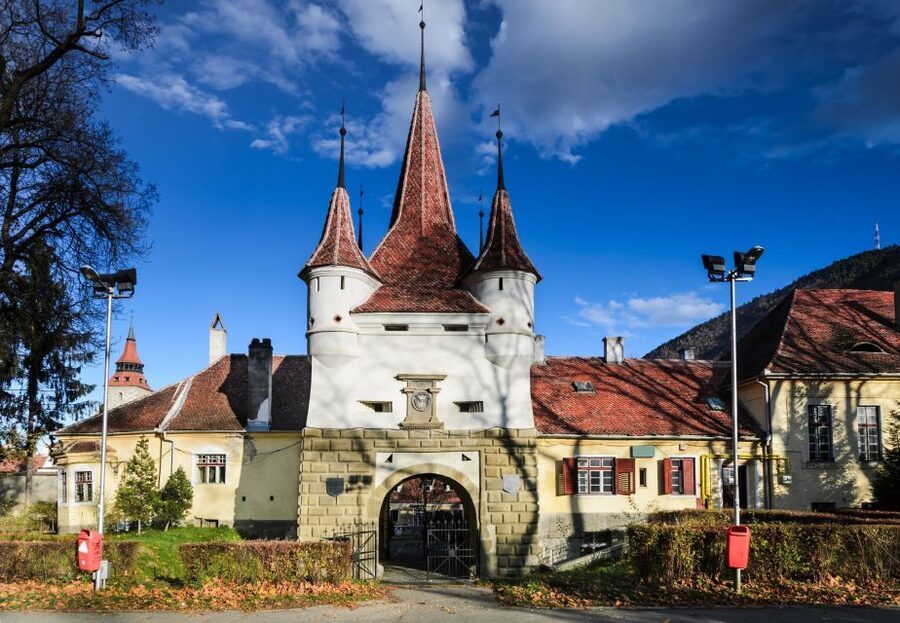
The route continues along narrow paths to Catherine’s Gate, built in the 14th century. The gate is one of the clearest reminders that Brasov was once a fortified town with controlled entrances and distinct communities inside and outside the walls.
Its age gives it weight, but the real value comes from hearing how the gate fitted into the city’s daily life. Fortifications were not just decorative. They regulated movement, protected residents, and helped define who belonged within the medieval town.
Night makes this stop atmospheric, though you should bring realistic expectations. You will see the shape and lighting of the gate, but a flashlight or phone light may be useful if you want to inspect small architectural details. Comfortable shoes are important because the route uses old streets and narrow pathways.
The walk then reaches Schei Gate, built almost 200 years ago. Its later date provides a useful contrast with Catherine’s Gate. Seeing both on one short route helps you understand that Brasov was repeatedly rebuilt and adapted, rather than frozen in one medieval moment.
St. Nicholas’ Cathedral and the Schei district
St. Nicholas’ Cathedral is described as Brasov’s most important Orthodox cathedral. This stop broadens the tour beyond the familiar Gothic image of the Black Church and shows another part of the city’s religious life.
That contrast is one of the tour’s strongest features. You move from a major Gothic church associated with the old fortified center to an Orthodox cathedral linked to the Schei area. The shift adds cultural depth without requiring a separate museum visit.
The evening setting can make the cathedral feel solemn and quiet. It can also mean that you will not enter or see every interior feature. Treat this as an exterior and storytelling stop unless your guide tells you otherwise.
I would pay attention to the guide’s explanation of religion and community here. One of the best parts of a walking tour is seeing how a city’s faiths and neighborhoods fit together. The route gives you that chance without turning the evening into a long academic lecture.
Same city, a different facade:
- Chicago Architecture Center River Cruise aboard First Lady
★ 5.0 · 5,536 reviews - Chicago: Architecture River Cruise Skip-the-Ticket Line
★ 4.8 · 4,325 reviews - Chicago River 45-Minute Architecture Tour from Magnificent Mile
★ 4.5 · 2,924 reviews - Barcelona: Sant Pau Recinte Modernista Entry Ticket
★ 4.6 · 2,567 reviews
Weaver’s Bastion and the working city
Weaver’s Bastion is one of the largest surviving buildings from the 14th century. Its name points to the craftspeople and guilds that helped support medieval Brasov, and the building gives the tour a welcome change of scale.
Churches and grand squares are easy to admire, but defensive structures often tell you more about how ordinary urban life worked. A bastion brings up questions about labor, protection, trade, and the organization of the old town. Your guide can connect the building to the wider story of Brasov’s walls and fortifications.
This is another place where daylight would reveal more texture. After dark, you are likely to focus on the outline, mass, and setting rather than small masonry details. That is not a flaw if you want mood and storytelling, but it matters if your main goal is architectural study.
The stop also helps explain why this tour is more than a ghost walk. Folklore is part of the evening, but the route includes serious historical landmarks and a broad look at the city’s development.
The synagogue and Brasov’s many communities
The 1901 Jewish Synagogue adds another important layer to the walk. It reminds you that Brasov’s story includes Jewish residents and institutions, not only the dominant churches and medieval defenses.
The building is a useful counterpoint to the older gates and bastion. Its date places it in a later period, showing that the city continued to grow and change long after the original walls were built.
Night lighting may make the synagogue particularly striking from the street, but you should not expect an interior visit unless your guide specifically arranges one. As with the other stops, the value here comes from the explanation and the connection between architecture and community life.
I appreciate that the itinerary includes this building. It keeps the tour from presenting Brasov as a single-period medieval stage set. You get a more honest picture of a city shaped by different faiths, eras, and residents.
Rope Street, where the route gets tight
Rope Street is one of Europe’s three narrowest streets. It is a short, memorable stop and an easy place for the guide to explain how older cities used every available strip of land.
The lane is visually striking because of its narrow proportions. It also makes a good photo stop, although evening conditions can make photography tricky. If you have a larger camera, use a fast lens or steady your phone against a wall rather than relying on a flash.
This is the kind of place you might miss if you simply wandered around Brasov without a plan. A guide gives the lane a reason to matter, not just a curious shape. It also helps you connect the small scale of Rope Street with the larger defensive and commercial system around it.
The street may feel less mysterious if the group is large or the route is busy. Past groups have sometimes been very small, even down to only a few people, which allows the guide to adjust the pace and answer more questions. Group size can vary, so do not count on a private tour, but the format can feel personal.
Ghosts, vampires, and the limits of the title
The supernatural side of the tour is meant to add atmosphere. You hear about ghost stories and vampire legends while walking through old streets after dark. That combination can be fun, especially if you have already spent the day visiting castles or learning about Transylvania’s popular image.
Keep your expectations balanced. The focus is not a theatrical haunted-house performance. At least one account of the experience found that the ghost stories did not feature much, while the guide’s personal anecdotes became the more memorable part.
That is not necessarily a weakness. Brasov is more interesting when you hear about real local life alongside folklore. A guide who grew up in the city can tell you how places feel to residents, not just repeat the same Dracula material found in souvenir shops.
If you want a highly dramatic vampire show, this may feel restrained. If you want a history walk with a little dark humor and local legend, the mix is more appealing.
What the evening lighting adds, and what it hides
The route lasts 1.5 hours, which is long enough to cover the main central sights without wearing you down. Evening light gives the old town a calmer, more theatrical look, especially around the churches, gates, and narrow lanes.
The tradeoff is visibility. One guest felt that darkness made it harder to see some things and that nighttime closures limited access. I agree that you should choose this tour for atmosphere and orientation, not as your only chance to study Brasov’s architecture.
The best plan is to use the walk as your first introduction, then return during daylight to places that catch your interest. You will know which streets deserve a closer look, and the guide’s explanations will help you see more when the sun is up.
The title also suggests candlelight, but you may not be carrying candles. The mood seems to come mainly from street lighting and illuminated buildings. Pack a warm layer, particularly from autumn through spring. Brasov can feel cold at night, and one past participant specifically advised bringing a jacket.
Price, pace, and who gets the best value
At $47 per person, this is not the cheapest way to walk around Brasov. You can see many central streets on your own for nothing. The price makes sense when you want a live English-speaking guide, a planned route, and local interpretation in a short window.
The value is strongest for a first evening in the city. You cover major landmarks, hear how they fit together, and leave with a clearer plan for the next day. The tour can also work well after a day trip to Bran Castle, when you want a slower introduction to Brasov rather than another long excursion.
You get more value if you ask questions. Guides such as Dan have been willing to discuss culture, religion, changes in the city, and their own experiences. A quiet group may also receive a more tailored walk.
The tour is wheelchair accessible, but the old town setting includes narrow routes and historic surfaces. If you use a wheelchair, confirm the practical route details before booking, since accessibility in a historic center can vary from one street to the next.
Practical advice for a better walk
Wear shoes with good grip. The route includes narrow pathways and old streets, and comfort matters more than style after an hour on foot.
Dress for rain or cold because the tour runs in all weather. An umbrella or waterproof layer is sensible, and a warm jacket is especially useful in winter.
Arrive at the History Museum in Council Square with a few minutes to spare. The meeting point is central, but a clear start makes it easier to settle into the walk.
Bring your questions. Ask about the city’s different religious communities, the walls, or places to revisit in daylight. The strongest guides appear to enjoy an exchange rather than a one-way talk.
Keep a little phone battery for photos and directions afterward. Rope Street and the illuminated churches are likely to tempt you, even if the darkness limits fine detail.
Should you book the Brasov Candlelight Tour?
Book it if you are visiting Brasov for the first time and want a compact evening orientation with local stories, medieval architecture, and a touch of folklore. It suits couples, families with older children, and anyone who prefers a personal walking tour to a large scripted group.
I would especially choose it early in your stay, then return to the Black Church, gates, synagogue, and other sights during daylight. The guide’s local knowledge is the main reason to pay $47, not the promise of literal candlelight.
Skip it if you need interior visits, bright architectural views, or a full theatrical vampire experience. If evening atmosphere, personal anecdotes, and a well-planned walk through Brasov sound right, this is a worthwhile introduction. Free cancellation up to 24 hours before the start and reserve now, pay later terms also make it easier to fit into a changing schedule.
FAQ
How long does the Brasov Candlelight Tour last?
The tour lasts 1.5 hours.
What is the tour price?
The listed price is $47 per person.
Where does the tour meet?
The meeting point is Piata Sfatului number 30, in front of the History Museum in Brasov.
What language is the tour conducted in?
The live tour is conducted in English.
Which major sights are included?
The route includes the Black Church, Catherine’s Gate, Schei Gate, St. Nicholas’ Cathedral, Weaver’s Bastion, the 1901 Jewish Synagogue, and Rope Street.
Does the tour include ghost and vampire stories?
Yes. The walk includes ghost stories and vampire legends connected with Brasov.
Are actual candles used during the walk?
The activity is presented as a candlelight tour, but one account specifically noted that there were no actual candles and that the atmosphere came from nighttime city lighting.
Is the tour wheelchair accessible?
The activity is listed as wheelchair accessible.
What should I wear?
Wear comfortable shoes and dress for the weather. The tour runs rain or shine, and Brasov can be cold at night.
Can I cancel for a full refund?
Yes. You can cancel up to 24 hours in advance for a full refund.
Newly added in the world
- Barcelona: Guided tour e-bike Barcelona historical and modernist Barcelona★ 4.5 · 5 reviews
- Barcelona Architecture Walking Tour With Casa Batlló Upgrade★ 4.8 · 11 reviews
- Astana: Old City Tour, Imperialistic and Soviet Architecture★ 5.0 · 4 reviews
- Barcelona Beyond Gaudí: Modernism, Rooftops, and Hidden Gems★ 5.0 · 2 reviews
- An Architect’s Tour of Downtown Santiago★ 5.0 · 7 reviews
- Architecture Tour: Old Historic Madrid with an architect★ 4.3 · 3 reviews
- Architectural Wonders of KAFD, An Iconic Destination★ 5.0 · 3 reviews
- London: Architecture Tour of Benjamin Franklin House★ 5.0 · 5 reviews
Architecture Tours, compared.
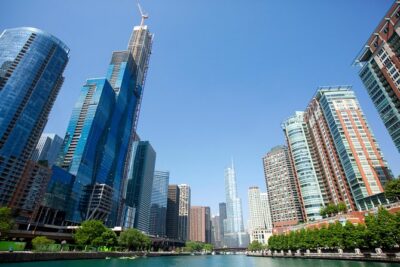
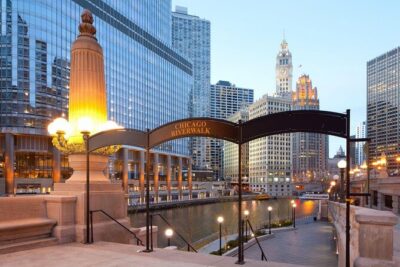

Chicago River: 1.5-Hour Guided Architecture Cruise
Read our review →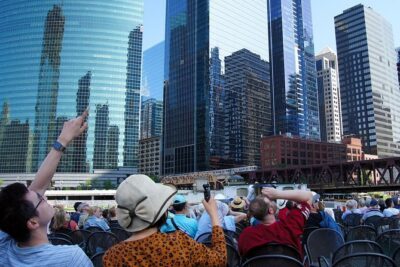
Chicago Architecture Center River Cruise aboard First Lady
Read our review →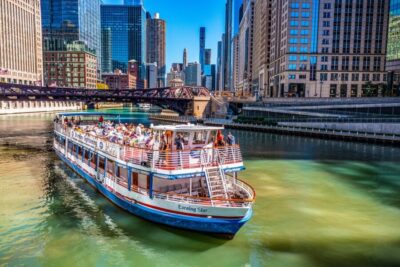
Architecture River Cruise Skip-the-Ticket Line
Read our review →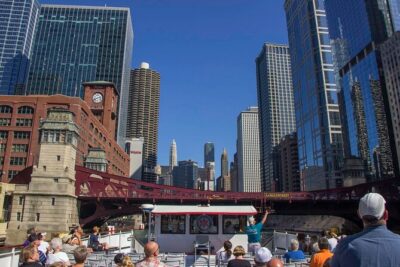
Chicago River 45-Minute Architecture Tour from Magnificent Mile
Read our review →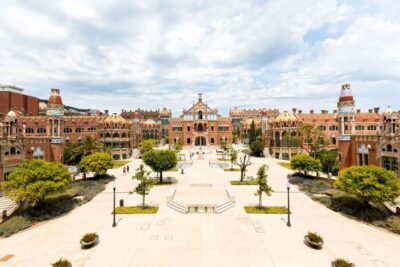
Browse the lists this tour appears in