
Review · ARCHITECTURE TOURS
Ancient Burana Tower (Architectural wonder of Central Asia)
The Burana Tower is more than a photo stop. It is the surviving piece of Balasagun, an old city that once played a major role in Central Asia before Mongol attacks and later decline. You can climb inside the tower, inspect stone figures and carvings, and look across the Chui Valley toward the Tien Shan.
I like the mix of Islamic architecture and older nomadic stone art, and I like that the drive gives you a clear look at northern Kyrgyzstan beyond Bishkek. The main drawback is the price: at $76, this is not a cheap half-day outing, especially if your booking operates like a private tour.
Key points to know before you go
- The tower is the last major remnant of Balasagun, about 70 kilometers from Bishkek and 12 kilometers from Tokmok.
- You can climb inside the narrow tower, but the dark, tight stairway may not suit anyone with claustrophobia.
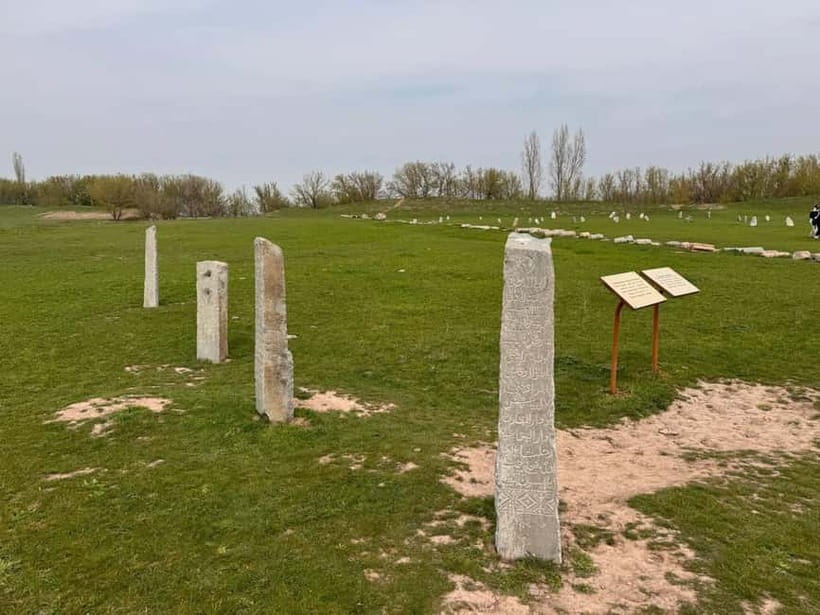
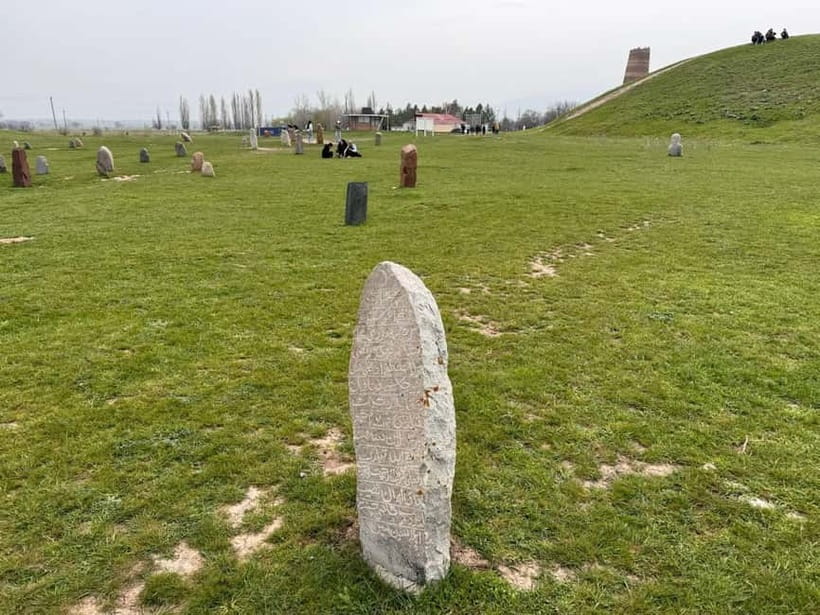
- The stone collection is a major part of the visit, with balbals, petroglyphs, grinding stones, and carved heads.
- The Tien Shan views add real value, especially when the mountains are clear behind the tower.
- Guides such as Tariel, Alex, Ernest, and Azamat have led this route, with English, Russian, and Urdu available.
- The $76 fee covers transport, guide service, and museum entry, but food, drinks, and insurance cost extra.
Why Burana Tower matters in Kyrgyzstan
The tower is the best-known surviving trace of Balasagun, a city linked with the political and religious changes that shaped Central Asia. The site dates to the 11th century, during the period when Islam was gaining ground in the region.
Balasagun had earlier connections with the Karakhanid era, which lasted across the 9th to 11th centuries. The city was attacked by the Mongols in 1218. By the 14th century, it had fallen into ruin, leaving the tower as its most visible reminder.
That background helps you read the site correctly. You are not visiting a complete medieval city with streets, homes, and grand halls. You are visiting the remains of one important building, along with a collection of stones that gives the wider area a human face.
The tower itself is the main architectural feature. Its brick form is simple but powerful, especially when seen with the open Chui Valley and the Tien Shan behind it. The setting does much of the work. From a distance, the tower rises above the trees as a lone marker of a city that no longer exists.
A few more architecture walks in the world worth a look
- Chicago Architecture River Cruise
★ 5.0 · 15,756 reviews - Chicago River 90-Minute Architecture Tour
★ 4.5 · 9,629 reviews - Chicago River: 1.5-Hour Guided Architecture Cruise
★ 4.8 · 8,046 reviews
The drive from Bishkek to the Chui Valley
The tour begins at the Paramount Kyrgyz Republic Flag in Bishkek. From there, transport takes you toward Burana Tower, roughly 70 kilometers away. The full activity lasts about 5.5 hours, so you should expect a substantial part of the outing to be spent on the road.
That is not wasted time. The route gives you a chance to see the northern part of Kyrgyzstan outside the capital. The views change as you leave Bishkek, and on a clear day the mountain range adds a strong visual finish to the trip.
One booking involved a drive of about 90 minutes each way. That makes the timing worth considering. The tower itself does not require a full day, but the distance means you should keep the rest of your schedule light.
You receive transport from Bishkek, which removes the need to arrange a taxi or manage the route yourself. That convenience matters here. The site is outside the capital, and the tour combines transport with explanations that help put the ruins and stone collection into context.
Seeing the 11th-century tower up close
At Burana, you get guided time, free time, a short break, sightseeing, and a chance to browse for souvenirs. The main visit lasts about 2.25 hours, giving you enough time to see the tower without rushing through the other parts of the site.
The tower is not a huge structure by modern standards, but its age and setting make it memorable. It is described as the largest minaret in the Chui Valley, and it points to the period when Islamic architecture was becoming an important part of the region.
You may climb the tower using its internal stairway. The route is narrow and can feel dark and enclosed. If you are claustrophobic, you may prefer to admire the outside and spend more time with the stones and museum. You do not need to climb to enjoy the site.
At the top, the reward is the view. You can look across the area around Balasagun and, in good weather, frame the tower with the Tien Shan. Bring a camera, but do not make the climb the sole reason for booking. The tower’s value is also in its age, its purpose, and what it tells you about the vanished city.
Balbals, petroglyphs, and the stone collection
The museum and outdoor stone displays are not side attractions. For many people, they are as interesting as the tower itself.
Balbals are carved stone figures associated with the peoples of Central Asia. Their shapes and worn features give you a direct link to the people who lived in this region long before the present-day borders and roads. They are not polished statues. Their rough surfaces and incomplete forms are part of their appeal.
You also see petroglyphs, or images carved into stone, along with grinding stones and ancient stone heads. These objects broaden the visit beyond one Islamic monument. They show different periods and ways of life in the same part of the Chui Valley.
I would give yourself time to look closely rather than treating the collection as a quick walk past. Ask your guide what the figures represent and how they relate to the region’s religious and cultural changes. The guides are there to explain the historical themes, and this is where that service matters most.
A small museum is included. It is not a large institution, so keep your expectations sensible. Its value is in helping you connect the objects outside with the story of Balasagun and the surrounding area.
Same city, a different facade:
- Chicago Architecture Center River Cruise aboard First Lady
★ 5.0 · 5,536 reviews - Chicago: Architecture River Cruise Skip-the-Ticket Line
★ 4.8 · 4,325 reviews - Chicago River 45-Minute Architecture Tour from Magnificent Mile
★ 4.5 · 2,924 reviews - Barcelona: Sant Pau Recinte Modernista Entry Ticket
★ 4.6 · 2,567 reviews
What the guides add to the visit
The tour offers English, Russian, and Urdu-speaking guides. Guide quality can shape this experience because the site itself is compact. A good explanation gives the tower, stones, and ruined city a clear connection.
Tariel has handled the route with practical care, including confirming the pickup time and place by WhatsApp the night before. He has also explained the tower and stones in detail, taken visitors to the museum and yurts, and provided souvenir stamps. His English was described as very good, which is useful when you want to ask specific questions.
Alex has also guided this trip. A morning departure may mean you need coffee, and Alex has been attentive to that small but useful detail. He has also brought an entertaining approach to the historical explanation.
Other guides named for the experience include Ernest and Azamat. Ernest has been described as friendly and informative, while Azamat has been singled out as a good guide. Since guide assignments can change, you should treat these names as examples rather than a guarantee.
The small-group limit is 12 people. That is a sensible size for walking around the stones and asking questions. At the same time, some bookings may turn into private tours. One person expected a group outing and instead had a hotel pickup and a private vehicle. That can be a pleasant surprise, but it also helps explain why the cost may feel high compared with a larger group excursion.
Is $76 good value?
The $76 price includes transport from Bishkek, an English, Urdu, or Russian-speaking guide, museum entry, and the historical interpretation. It does not include food, drinks, or insurance.
I see the value mainly in the transport and guide service. If you arrange a car on your own, you still need to find the site, pay for entry, and make sense of the tower and stone collection without the same level of explanation. The tour packages those pieces together in a half-day format.
The value is weaker if you are comparing it with a low-cost local taxi or if you expected a large group price. The site visit is not a full-day archaeological expedition. The tower and museum area can be covered in a few hours, while the drive takes a sizeable part of the schedule.
For a first visit to Kyrgyzstan, I think the price is reasonable if you want an organized historical outing and do not want to negotiate transport. It is less appealing if you are focused only on dramatic mountain scenery. A national park outing may suit that purpose better.
Timing, clothing, and practical comfort
The tour lasts about 5.5 hours, with starting times subject to availability. An early start may be part of the schedule, so bring water and plan for breakfast or coffee before leaving. Food and drinks are not included.
Wear clothing suited to the weather. The site includes outdoor walking and scenic stops, so conditions can affect your comfort. Sensible shoes will help around the tower and stone displays, even though the tour does not describe a demanding hike.
Bring your passport or an ID card. A copy is accepted. Alcohol and drugs are not allowed.
Wheelchair access is available, but the internal tower climb may not be suitable for every visitor using a wheelchair. The information confirms accessibility for the activity, but it does not describe every surface or the exact conditions inside the tower, so ask ahead if you need specific assistance.
The activity is listed as unsuitable for people over 95. That is an unusual restriction, but it is part of the stated booking information.
Who will enjoy this half-day outing?
You should consider Burana Tower if you like old buildings, archaeology, religious history, and objects that still carry traces of earlier cultures. It works especially well as a first historical trip from Bishkek because it combines a major monument with a manageable amount of walking.
Photographers will appreciate the contrast between the brick tower, open valley, trees, and Tien Shan mountains. The tower is particularly useful as a focal point in photographs, while the balbals and petroglyphs offer closer subjects.
Families and mixed-age groups may find the site easier than a long mountain excursion, though children may have limited patience for the museum and historical explanations. The small group size makes it easier to keep the visit personal.
You may want to skip it if you have little interest in ruins or if you expect a large, intact medieval city. You should also think twice if narrow stairways make you uncomfortable. The climb is optional, but it is one of the tower’s signature features.
My take on the Burana Tower experience
I like this outing because it gives you several layers in one trip. You see an 11th-century Islamic monument, learn about Balasagun, examine older carved stones, and get a strong view of the Tien Shan. Few half-day trips from Bishkek offer that particular mix.
The site is not vast, and the tower alone may not fill your imagination for hours. The stone collection and the guide’s explanation are what make the visit worthwhile. Plan to listen, ask questions, and look beyond the obvious photo stop.
I would book it if you want a convenient, history-focused trip from Bishkek and value having transport and interpretation arranged. I would not choose it as your only excursion in the area if your main goal is mountain scenery. At $76, it earns its price when the guide is strong and the vehicle arrangement saves you effort. If the tour operates privately, the cost becomes easier to justify for visitors who value flexibility.
FAQ
Where is Burana Tower located?
Burana Tower is in the Kyrgyz Republic, about 70 kilometers from Bishkek and 12 kilometers from Tokmok.
How long does the activity last?
The total duration is about 5.5 hours.
Where does the tour begin?
The starting point is the Paramount Kyrgyz Republic Flag in Bishkek.
What is included in the price?
The price includes transport from Bishkek, a live guide, entrance to the museum, and historical explanations.
Is food included?
No. Food and drinks are not included.
Can I climb Burana Tower?
Yes, you can climb inside the tower. The stairway is narrow, so it may not suit people with claustrophobia.
What else can I see at the site?
You can see the museum, petroglyphs, balbals, grinding stones, ancient stone heads, yurts, and scenic views toward the Tien Shan.
Which languages are available?
Guides may speak English, Urdu, or Russian.
How large is the group?
The activity is described as a small-group tour limited to 12 participants. Some bookings may operate as private tours.
Can I cancel the booking?
You can cancel up to 24 hours in advance for a full refund. You can also reserve now and pay later.
Newly added in the world
- Barcelona: Guided tour e-bike Barcelona historical and modernist Barcelona★ 4.5 · 5 reviews
- Barcelona Architecture Walking Tour With Casa Batlló Upgrade★ 4.8 · 11 reviews
- Astana: Old City Tour, Imperialistic and Soviet Architecture★ 5.0 · 4 reviews
- Barcelona Beyond Gaudí: Modernism, Rooftops, and Hidden Gems★ 5.0 · 2 reviews
- An Architect’s Tour of Downtown Santiago★ 5.0 · 7 reviews
- Architecture Tour: Old Historic Madrid with an architect★ 4.3 · 3 reviews
- London: Architecture Tour of Benjamin Franklin House★ 5.0 · 5 reviews
- Architectural Wonders of KAFD, An Iconic Destination★ 5.0 · 3 reviews
Architecture Tours, compared.
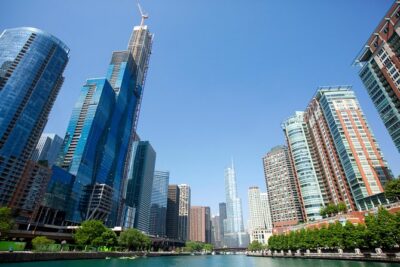
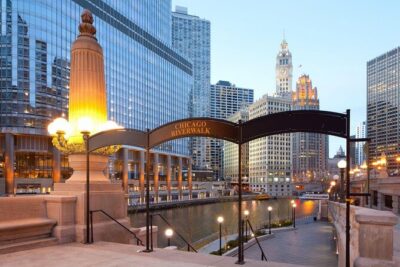

Chicago River: 1.5-Hour Guided Architecture Cruise
Read our review →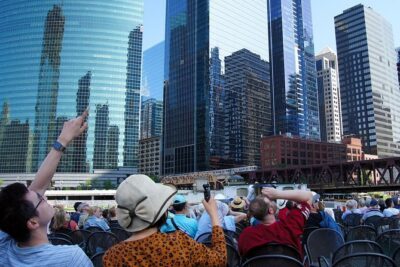
Chicago Architecture Center River Cruise aboard First Lady
Read our review →
Architecture River Cruise Skip-the-Ticket Line
Read our review →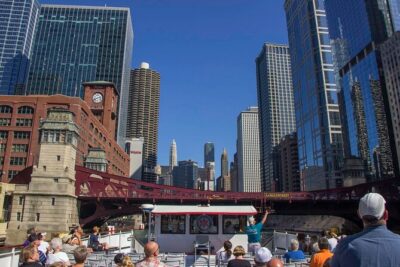
Chicago River 45-Minute Architecture Tour from Magnificent Mile
Read our review →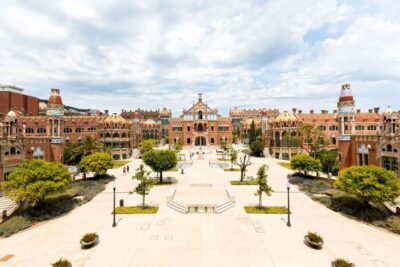

Browse the lists this tour appears in