

Review · WALKING TOURS
Chicago: Icons Guided Architecture Walking Tour
Chicago’s skyline reads like a history book written in stone, steel, glass, and concrete. This 90-minute walk gives you seven downtown stops, moving from 19th-century commercial buildings to modern work by Frank Gehry, Renzo Piano, and Adrian Smith. You get the useful part of architecture touring: not just names and dates, but a look at how old buildings connect with new ones.
I like the wide range of styles and the way the route ends in Millennium Park, where art and architecture share the same public space. I also like the human touch from guides such as Teresa and Ron. Teresa earned praise for her steady pace and thoughtful answers, while Ron used a notebook packed with extra facts.
The main drawback is the short length. Seven stops in 90 minutes means you will see exteriors and hear focused explanations, not tour every interior. The walk also takes place rain or shine, and there is no storage for luggage or strollers.
Key points at a glance
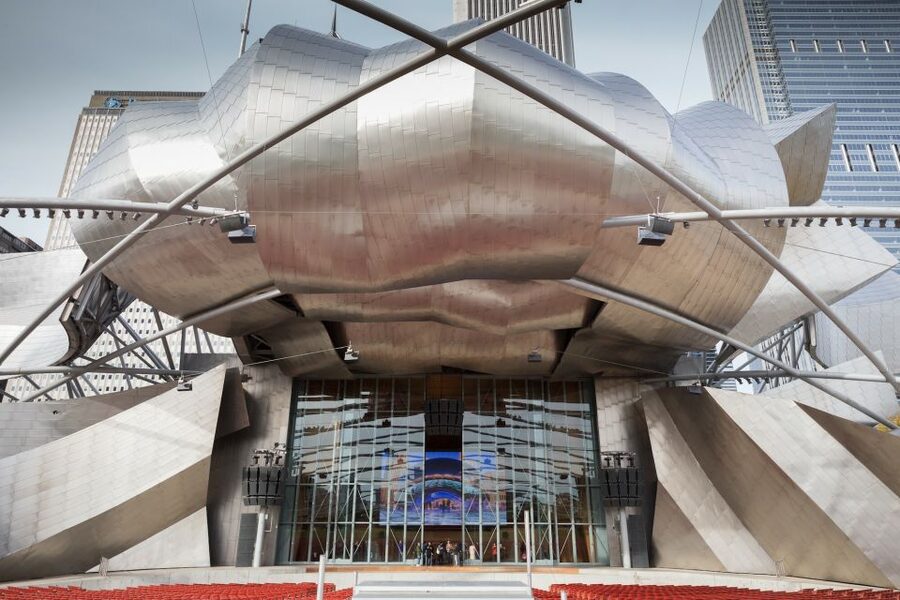
- Seven stops in 90 minutes: The compact route lets you compare several eras without giving up a full day.
- A true Chicago style sampler: Expect 19th-century Commercial, Beaux-Arts, Mid-Century Modern, and Postmodern design.
- Modern architects included: Frank Gehry, Renzo Piano, and Adrian Smith help bring the present-day skyline into the story.
- Millennium Park finale: The tour ends where public art and architecture meet in a memorable urban setting.
- Strong guide element: Teresa and Ron have both been praised for pacing, detail, and answers to questions.
- Your ticket supports local work: Chicago Architecture Center purchases help fund education and community programs.
Starting at 111 East Wacker Drive
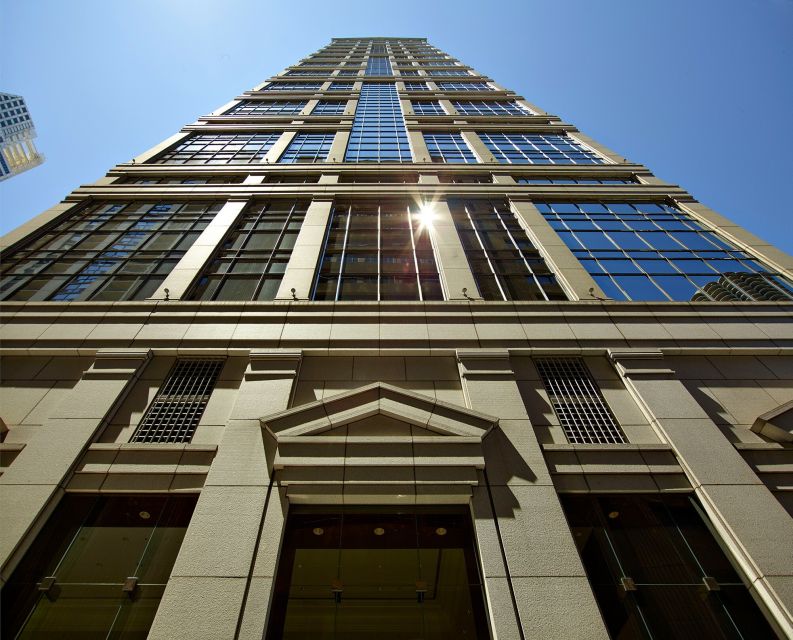
You meet at the Chicago Architecture Center, at 111 E Wacker Drive. Have your mobile or printed ticket ready, then allow a little time to get settled before the walk begins. The center is more than a meeting point: admission to its galleries is included, so you can add a look inside before or after the tour if your schedule allows.
The route is guided in English by a certified professional. That matters here. Chicago architecture can look impressive at a glance, but the useful details are easy to miss without someone pointing them out. A guide can direct your eyes to a change in materials, a decorative choice, or the way a newer building responds to older surroundings.
The experience is wheelchair accessible, which makes it a practical option for many visitors. It is still an outdoor walking tour, so wear comfortable shoes and dress for the weather. There is no luggage or stroller storage at the meeting point. If you are carrying a suitcase, make another plan before arriving.
More Walking Tours in Chicago
- Chicago in a Day: Food, History & Architecture Walking Tour
★ 5.0 · 1,153 reviews - Chicago’s Secret Interiors Architectural Walking Tour
★ 5.0 · 635 reviews - Chicago: Secret Interiors Architecture Walking Tour
★ 4.9 · 498 reviews
Seven stops, four major design eras
The walk covers buildings from the 1890s through the present. Instead of treating downtown as one giant collection of tall structures, the guide helps you compare the ideas behind them. That is the tour’s central value.
You will encounter the famous 19th-century Commercial style, Beaux-Arts buildings, Mid-Century Modern design, and Postmodern work. These labels can sound dry in a guidebook. On the street, though, they give you a simple way to sort what you are seeing.
The 1890s buildings show Chicago at a key moment, when commercial construction was changing the shape of the city. Beaux-Arts design brings a more formal sense of order and decoration. Mid-Century Modern buildings turn toward clean lines and practical forms, while Postmodern design plays with older references and visual surprises.
The tour does not ask you to memorize a stack of architects and dates. Instead, you compare one building with the next. That makes the information easier to retain, especially if you are new to architecture.
Reading the older commercial buildings
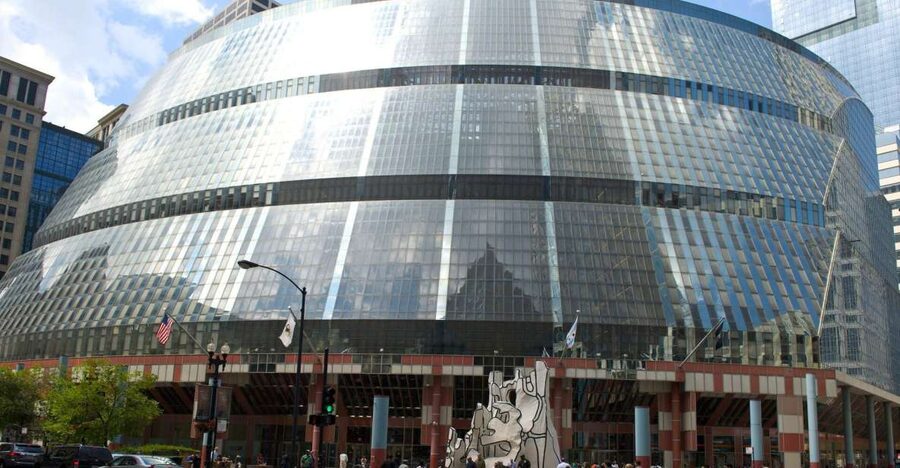
The early part of the route focuses on buildings from the 1890s and the 19th-century Commercial style. These structures are important because they show the city in transition. Chicago was not simply adding decoration to old building types. It was working out new ways to build, use, and present commercial space.
Your guide explains what makes the style recognizable and how those older structures relate to the downtown blocks around them. I find this kind of explanation more useful than a simple list of famous facades. You begin to see a building as a response to its time, not just as an attractive object.
This is also where a good guide earns the price of admission. Teresa’s tour, for example, was praised for giving long-time Chicago residents a fresh look at familiar buildings. That is a helpful sign for first-time visitors. You do not need to arrive with an architecture degree, and you do not need to be completely new to the city to learn something.
The limitation is that the tour cannot linger at every early building. With seven stops packed into an hour and a half, the explanations need to stay focused. If you want detailed interior history or a close study of every facade, choose a longer architecture program instead.
Comparing Beaux-Arts order with modern design
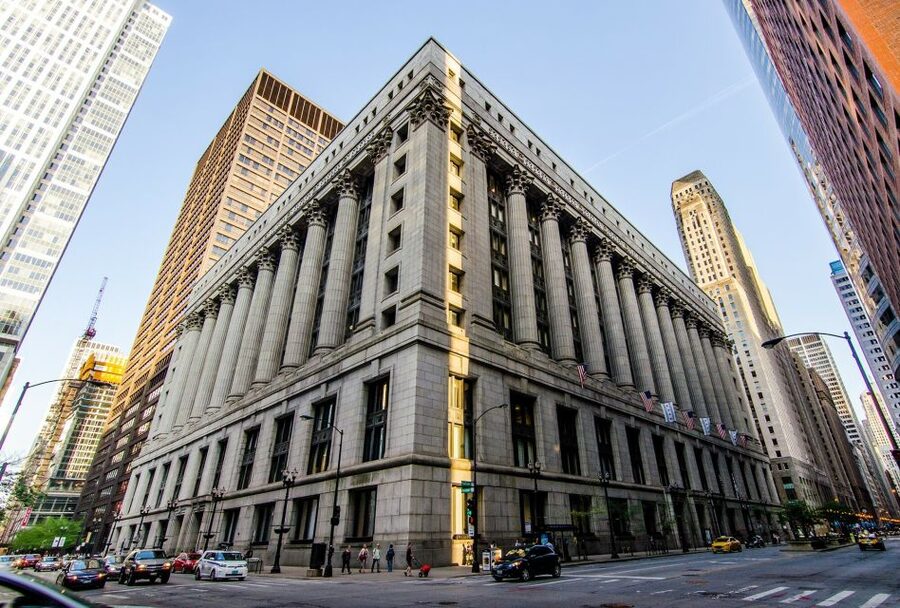
The Beaux-Arts portion gives you a useful contrast. This style is associated with formal planning, careful proportion, and decorative detail. Your guide connects those visual choices to the wider story of downtown, then sets them beside the cleaner shapes and different priorities of later buildings.
That compare-and-contrast method is the best reason to take the tour early in your Chicago visit. Once you learn a few visual clues, you can use them for the rest of your stay. A building with grand decoration tells a different story from one that depends on simple geometry or exposed structural ideas.
You will hear facts and stories at each stop, rather than receiving one long lecture. Ron’s tour was especially praised for historical detail and a notebook full of extra facts. That suggests the guide may bring small points that are easy to miss in a standard sightseeing walk.
Ask questions as you go. Teresa was praised for answering them carefully, and the tour is designed to connect the past with the present. If a particular building catches your eye, this is the moment to ask why it looks the way it does.
More Walking Tours in the USA
- Chicago Walking Tour: Art Deco Skyscrapers Loop
★ 5.0 · 138 reviews - Chicago Architecture Walking Tour: Incredible Art Deco Interiors
★ 5.0 · 85 reviews - Chicago Architecture Walking Tour: What’s New
★ 5.0 · 64 reviews - Chicago Walking Tour: Art Deco Skyscrapers Riverfront
★ 5.0 · 53 reviews
Modernism, Postmodernism, and today’s skyline
The middle and later sections turn toward Mid-Century Modern and Postmodern buildings. This is where the route shows that Chicago architecture did not stop with its early commercial landmarks.
Mid-Century Modern design gives you a chance to consider how buildings changed in response to newer ideas about function and appearance. Postmodern design offers another shift, with architects revisiting earlier forms in less predictable ways. The guide’s job is to make those changes clear without burying you in technical terms.
The tour also introduces current architecture through work associated with Frank Gehry, Renzo Piano, and Adrian Smith. These names help frame the city’s newer skyline additions, but the important point is how the new buildings sit beside older ones.
You will compare materials, shapes, scale, and purpose. That comparison makes the city feel less like a collection of unrelated projects. You start to see a conversation between generations of architects, with each period responding to what came before.
Do not expect a private look inside every modern building. The supplied details describe a walking route with outdoor stops, so the focus is on the city’s public face and the guide’s explanation. For many people, that is enough. The buildings are the main exhibit, and downtown provides the setting.
Ending in Millennium Park
The route finishes at Millennium Park, a fitting last stop because it brings architecture and public art together. The park gives the tour a change of pace after the denser downtown streets. It also shows how design can shape public space, not just private offices or commercial buildings.
The final stop helps tie the tour’s themes together. Older buildings show the city’s earlier ambitions. Newer work shows how architects continue to test materials, scale, and form. Millennium Park adds another question: how do art and architecture affect the way people use a city?
This is a useful place to continue exploring on your own. The tour does not promise a full park visit or a detailed explanation of every feature, so plan extra time if Millennium Park is high on your list. You can treat the guided walk as an introduction, then return later at your own pace.
What the 90-minute timing means
Ninety minutes is a good middle ground. You get enough time for a real introduction to Chicago’s architecture, but you do not spend half a day standing on sidewalks. It fits neatly into a morning or afternoon and leaves room for museums, meals, or a river cruise.
The short format also keeps the route focused. You will not receive every fact about every building, but you will leave with a framework for understanding downtown. For a first visit, that can be more useful than an overload of dates.
The pace has been a strong point for at least one guide experience. Teresa was specifically praised for keeping a comfortable pace while still making time for questions. That matters because a rushed walking tour can turn even good information into a blur.
The tradeoff is physical and practical. You are on foot for the full 90 minutes, and the tour runs rain or shine. Check the forecast, bring suitable outerwear, and do not plan to carry bulky bags or a stroller unless you have another storage arrangement.
Is the $35 price good value?
The listed price is $35 per group of up to one, which is an unusual way to display the cost. Before booking, check the current checkout details so you understand how the price applies to your party.
The value comes from more than the walk itself. You receive a professional guide, a structured route through seven stops, and admission to the Chicago Architecture Center galleries. A good guide turns a downtown stroll into a lesson you can keep using for the rest of your visit.
Your purchase also supports the Chicago Architecture Center’s nonprofit work. Ticket revenue helps fund programs such as Girls Build!, Teen Fellows, the Newhouse Architecture + Design Competition, and free Open House Chicago programming. If you care about local education and public access, that adds weight to the purchase.
Still, the price is not a bargain if you want extensive interior access or a long specialist lecture. This is best value for someone who wants a clear, lively introduction in a limited amount of time.
How the guide can shape the experience
The guide is not a minor detail on this tour. Architecture walks depend on pacing, storytelling, and the ability to explain technical ideas in plain language.
Teresa received especially strong praise for her pacing, context, and answers to questions. That combination suits a group with mixed interests. One person may want dates and historical background, while another wants to know why a building looks unusual.
Ron was praised for his historical knowledge and for using a notebook filled with additional facts. That kind of preparation can add small details that make a stop easier to remember.
The experience is in English only, so you should be comfortable following spoken English for the full 90 minutes. Assistance dogs are allowed, but other pets are not.
Booking, weather, and flexibility
You can cancel up to 24 hours before the start time for a full refund. The reserve-now, pay-later option also helps if your Chicago plans are still shifting.
One practical warning: a past booking problem meant that a scheduled tour did not take place and had to be rearranged. Staff at the center found a solution, but a tight itinerary leaves little room for that sort of trouble. Confirm your booking details before the day and avoid placing this tour immediately before a fixed-time reservation.
The tour operates rain or shine. Chicago weather can change quickly, so bring rain protection when needed and wear shoes suited to pavement. There is no food or drink included, and there is no hotel pickup or drop-off. Meet at the center yourself.
Who should book this walk?
I would choose this tour for a first-time visitor who wants context before exploring downtown alone. It also suits anyone who likes design, city planning, or short guided walks with a clear beginning and end.
It can work well for Chicago residents, too. The experience with Teresa shows that even people who have lived in the city for decades can find new meaning in familiar streets.
Families may appreciate the 90-minute length, though the lack of stroller storage is worth planning around. Visitors using wheelchairs can book with confidence based on the stated accessibility, while keeping in mind that the experience remains an outdoor walk.
I would skip it if your main goal is interior access, a private architectural consultation, or a full-day study of Chicago buildings. The tour gives you a smart overview, not an exhaustive catalog.
Should you book it?
Book this walk if you want seven well-chosen downtown stops, a professional English-speaking guide, and a simple way to understand how Chicago moved from 1890s commercial design to today’s skyline. The Millennium Park finish is a strong bonus, and the nonprofit purpose gives your ticket added value.
Think twice if rain, walking, or a tight schedule will make the experience stressful. Confirm the booking, leave your luggage behind, and allow extra time around the start and finish. For most visitors who want architecture explained without spending a whole day on it, this is a practical and worthwhile introduction.
FAQ
Where does the Chicago architecture walking tour meet?
The tour meets at the Chicago Architecture Center, 111 E Wacker Drive, Chicago, Illinois 60601. Have a mobile or printed ticket ready.
How long does the tour last?
The walking tour lasts 90 minutes.
What language is the tour conducted in?
The live tour guide speaks English, and English is the only listed tour language.
Is the tour wheelchair accessible?
Yes. The activity is listed as wheelchair accessible.
Does the tour operate in bad weather?
Yes. The tour takes place rain or shine.
Can I bring luggage, a stroller, or a pet?
There is no storage for luggage or strollers. Pets are not allowed, but assistance dogs are permitted.
Newly added in Chicago
- Private Frank Lloyd Wright Architectural Tour by Luxury Vehicle★ 3.5 · 7 reviews
- Private Chicago Architecture Tour★ 5.0 · 5 reviews
- Chicago Luxury Minibus City Tour and Architecture River Cruise★ 4.5 · 8 reviews
- Chicago History and Architecture Walking Tour with Boat Cruise★ 4.5 · 10 reviews
- Private Chicago Architecture Walking Tour★ 5.0 · 6 reviews
- Small Group History And Architecture Walking Tour of Chicago★ 4.5 · 8 reviews
- Chicago Walking Tour: See Inside Art Deco Masterpieces★ 4.9 · 8 reviews
- Chicago: History and Architecture Guided Kayak Tour★ 5.0 · 3 reviews
Walking Tours, compared.
The Official Art Deco Walking Tour by The Miami Design Preservation League
Read our review →
Baroque Architecture and Underground Walking Tour
Read our review →
Chicago in a Day: Food, History & Architecture Walking Tour
Read our review →

Ramblas, Old Town, Gothic and Gaudi Architecture Walking Tour
Read our review →
Chicago’s Secret Interiors Architectural Walking Tour
Read our review →
Browse the lists this tour appears in