
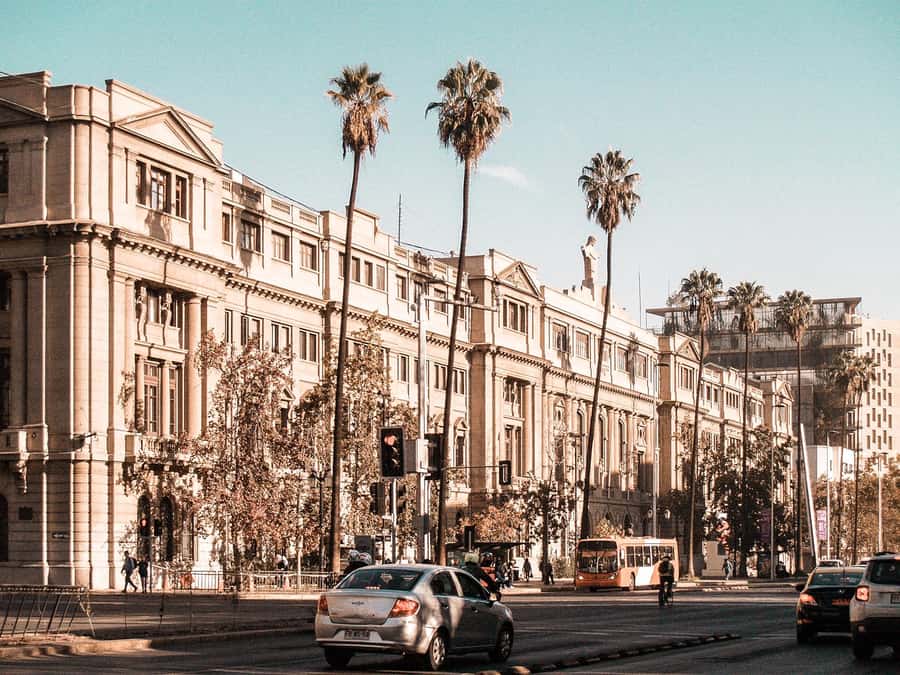
Review · ARCHITECTURE TOURS
An Architect’s Tour of Downtown Santiago
Santiago’s story reads clearly in its buildings, and this walk gives you an architect’s eye for the details. Diego Inzunza, a Chilean architect who also worked as a guide, links design with Chile’s political and social changes, rather than treating each landmark as an isolated photo stop.
I like the small group of eight, which leaves room for questions and extra time with your camera. I also like that the route includes places many first-time visitors might pass without understanding, from Barrio Paris-Londres to Iglesia San Francisco. The main consideration is simple: three hours on foot can feel long if you want a quick overview or are not wearing comfortable shoes.
Key points to know before you book
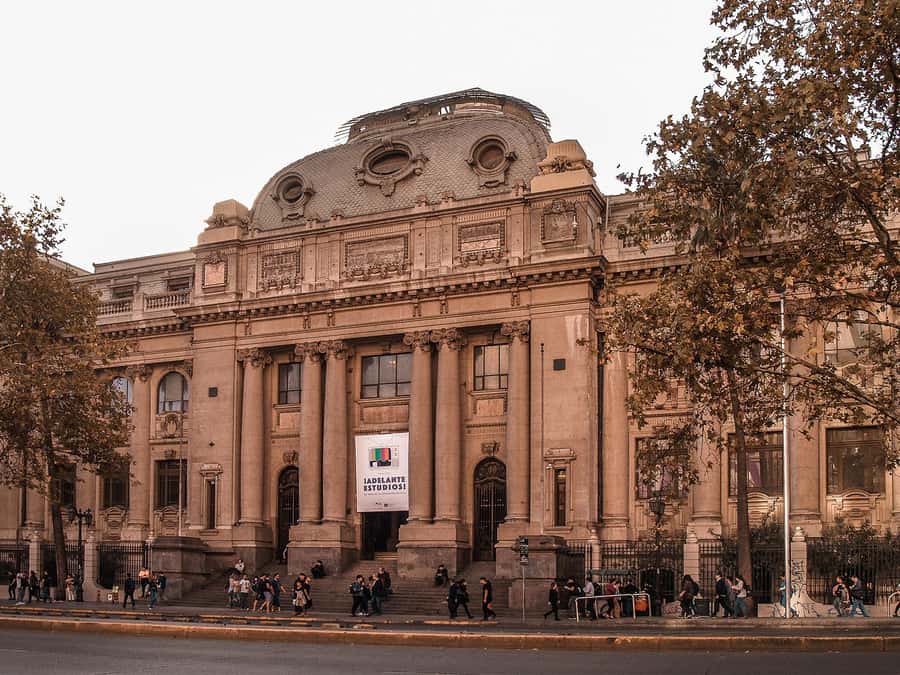
- Meet at Plaza Baquedano: The walk begins beside Teatro Universidad de Chile, at one of Santiago’s key city intersections.
- Led by Diego Inzunza: You’ll hear from a Chilean architect who graduated in 2016 and has worked in architecture and guiding for more than six years.
- A route through central Santiago: Expect Barrio Lastarria, Universidad Católica de Chile, Cerro Santa Lucia, Iglesia San Francisco, Barrio Paris-Londres, and La Moneda.
- History explained through buildings: Diego discusses architectural styles, design choices, and the events that shaped Santiago.
- Small and flexible: The group is limited to eight, and you can ask questions or spend longer photographing a place.
- Ends at La Moneda: Public and private transportation are close by, but a ride back to your hotel is not included.
Why an architect’s view changes Santiago
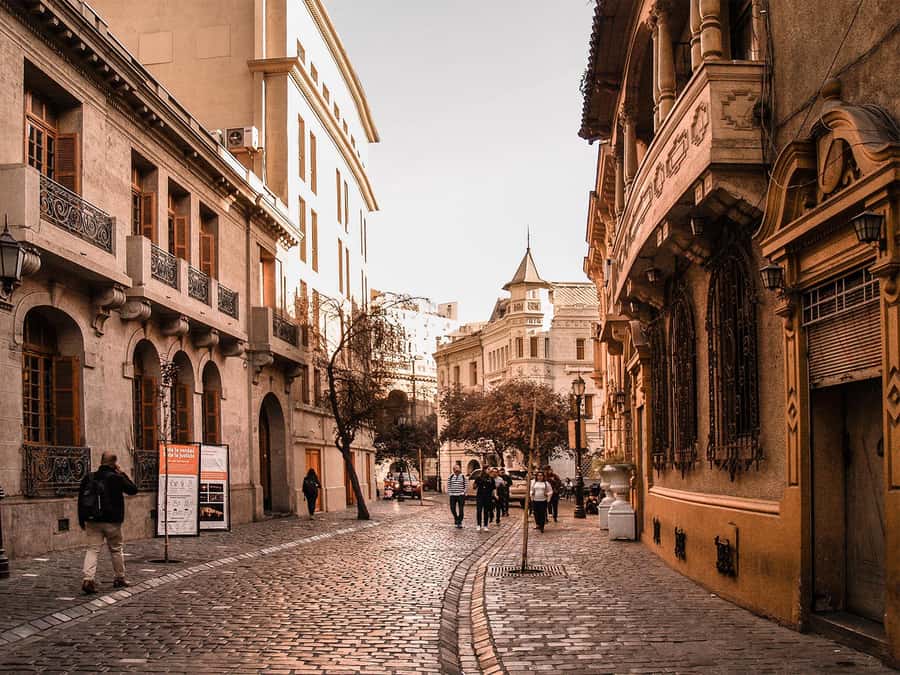
Many city walks give you dates, names, and a few dramatic stories. This one uses buildings as evidence. You look at a façade, a church, a university, or a neighborhood street and ask why it looks that way, what was happening in Chile at the time, and how the city changed around it.
That approach gives the tour a clear purpose. You are not simply moving from one landmark to the next. You are learning how Santiago’s architecture reflects periods of political and social change. Diego can explain the reasoning behind a building’s appearance and take questions about details you might otherwise overlook.
You do not need to know anything about architecture. The experience is designed as a conversation, not a technical lecture. If you are curious about politics, urban design, history, or the everyday character of Santiago, you will have plenty to discuss.
The guide’s background is a real advantage. Diego is a native-born Chilean architect, graduated in 2016, and has worked both as an architect and a guide for more than six years. He also lived in the United States for 10 years, so the English version is intended to handle ideas in depth, not just basic directions and names.
A few more architecture walks in the world worth a look
- Chicago Architecture River Cruise
★ 5.0 · 15,756 reviews - Chicago River 90-Minute Architecture Tour
★ 4.5 · 9,629 reviews - Chicago River: 1.5-Hour Guided Architecture Cruise
★ 4.8 · 8,046 reviews
Starting at Plaza Baquedano and Teatro Universidad de Chile
The meeting point is Plaza Baquedano, next to Teatro Universidad de Chile. The booking information also identifies Av. Providencia 43 as the starting location, so I would check the exact map pin and meeting instructions before setting out. Plaza Baquedano is the practical reference point.
Beginning here puts you at one of Santiago’s most important intersections. It is a fitting place to start a tour about how a city develops, since major roads, neighborhoods, public spaces, and cultural buildings meet in this part of central Santiago.
You should arrive ready to walk. The route lasts three hours and includes several stops, but it is still an urban walking experience rather than a vehicle tour. Comfortable shoes matter more than any special equipment. A camera is welcome, though the tour requires no architectural tools or previous study.
Barrio Lastarria and the city’s cultural side
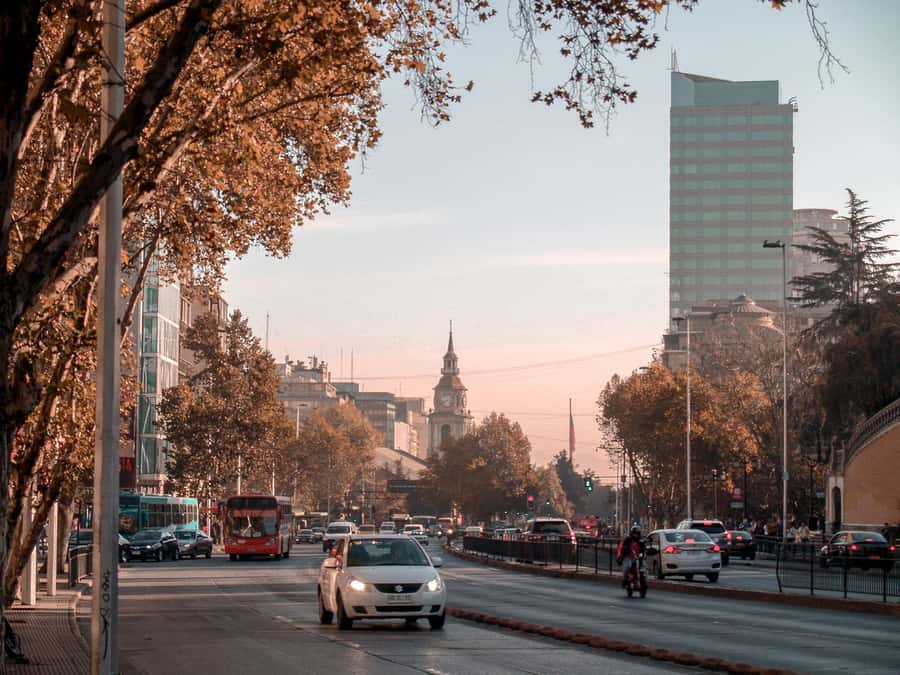
Barrio Lastarria is one of the early stops listed for the route. It gives the tour a useful change of scale. Instead of looking only at monumental buildings, you get to consider a neighborhood and how its streets, structures, and cultural identity fit together.
This is where an architect’s explanation can add value. You might notice a building’s proportions, street frontage, or decorative details, but Diego can place those features within Santiago’s wider development. The point is not to memorize style names. It is to understand why the neighborhood feels distinct and how its built form differs from the grand civic spaces later in the walk.
Lastarria is also a good place to slow down and photograph. The small group helps here. You are not being pushed through a large crowd while trying to frame a building, and you can ask about a detail that catches your eye.
Universidad Católica de Chile and the role of institutions
The tour includes Universidad Católica de Chile, another stop that broadens the story beyond churches and government buildings. Universities are not just architectural objects. They also reflect education, public life, and the development of Chilean institutions.
Diego’s explanations connect the appearance of a building with the forces around it. That gives you a way to read Santiago as a working city, shaped by institutions as well as by plazas and monuments.
This is also a useful stop for people who prefer context to a checklist of attractions. You may spend less time on a single famous view than on the reasons a site matters. If your interest is strictly in postcard landmarks, that may feel slower. If you like understanding how a city works, it is one of the tour’s strengths.
Same city, a different facade:
- Chicago Architecture Center River Cruise aboard First Lady
★ 5.0 · 5,536 reviews - Chicago: Architecture River Cruise Skip-the-Ticket Line
★ 4.8 · 4,325 reviews - Chicago River 45-Minute Architecture Tour from Magnificent Mile
★ 4.5 · 2,924 reviews - Barcelona: Sant Pau Recinte Modernista Entry Ticket
★ 4.6 · 2,567 reviews
Cerro Santa Lucia, with time to look up and around
Cerro Santa Lucia brings a different physical setting into the walk. It is a prominent stop within central Santiago, and the tour uses it as part of the architectural and historical story rather than treating it as a detached viewpoint.
You can expect time to look, photograph, and ask questions. The route is not presented as a race between stops. The host notes that the walk can allow extra time when you want to explore a place or take pictures, which is especially useful at a site where the surroundings matter as much as one building.
Do keep in mind that the tour is conducted on foot and includes several central Santiago locations. The experience is described as wheelchair accessible, but the exact ease of every section can depend on the route and conditions on the day. If accessibility is important for you, raise any specific needs when booking.
Iglesia San Francisco and older layers of Santiago
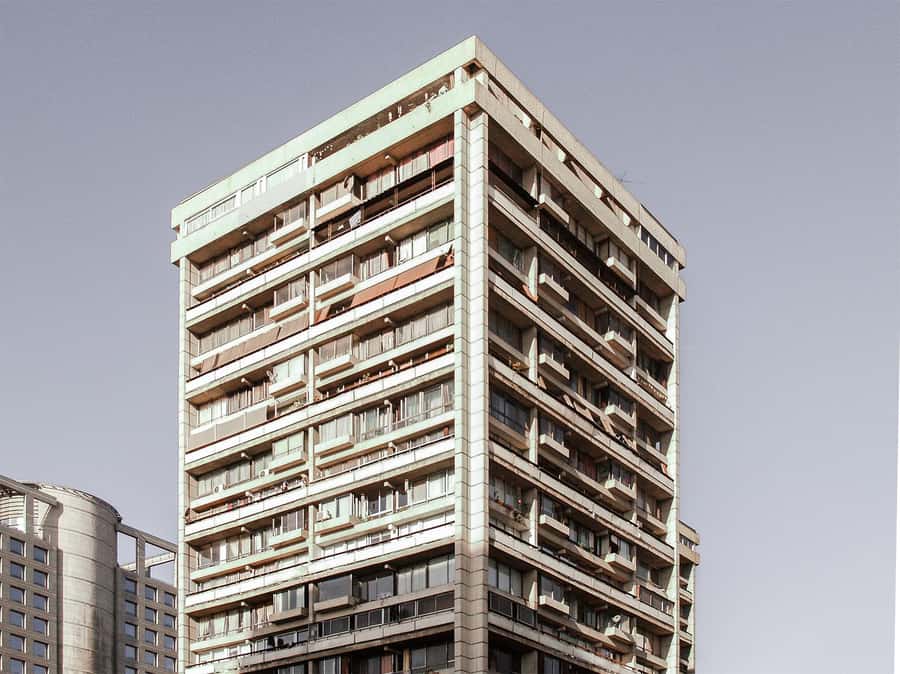
Iglesia San Francisco adds a religious and historic layer to the route. Here, the building itself becomes a way to discuss changing architectural styles and the events that shaped Santiago.
The value is in the explanation around the stop. You are not left to admire a façade without context. Diego can discuss why the design looks as it does and how the church fits into the city’s longer development.
This kind of stop suits people who want more than a quick photograph. Architecture can reveal what a society valued, how it used public space, and how earlier structures survived or changed as the city grew. You may find that the most memorable part is not a single decorative detail, but the connection between the building and the period that produced it.
Barrio Paris-Londres, a change of mood and scale
Barrio Paris-Londres is one of the most distinctive places named on the route. Its inclusion shows that the walk is not limited to the biggest civic monuments. A neighborhood can tell you plenty about Santiago through street layout, façades, and the way buildings relate to one another.
This is a good place to pay attention to the spaces between buildings. Look at the street edges, the scale of the blocks, and how the neighborhood feels compared with the wider avenues around it. Diego’s role is to explain those differences and show you details you might otherwise miss.
For me, stops like this are where the tour earns its price. You can find La Moneda and several major churches on a map. It takes a guide with architectural training to help you understand why a smaller district deserves a place in the story.
La Moneda and the final civic chapter
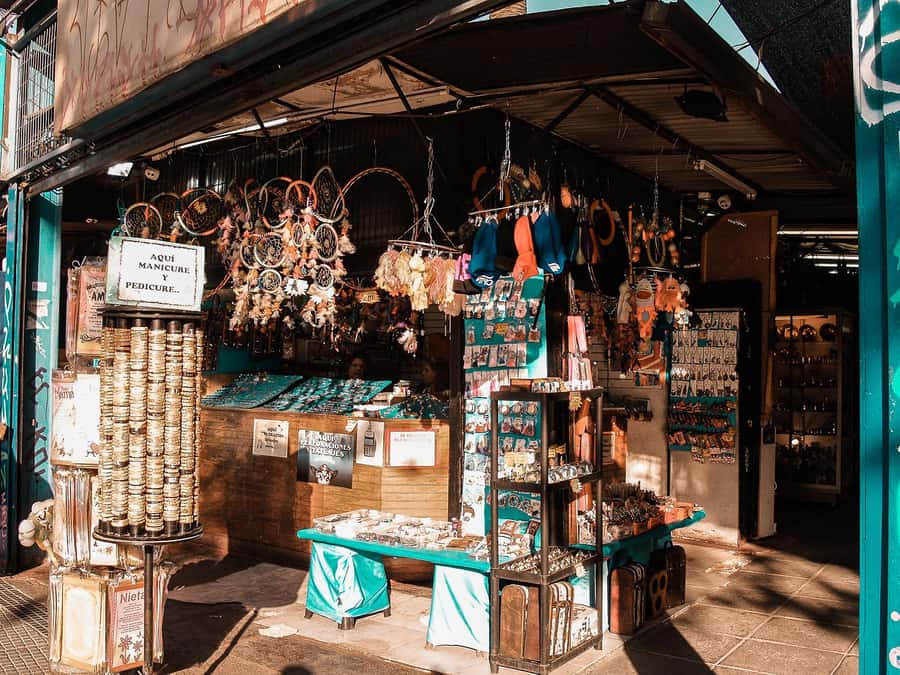
The walk ends at La Moneda, Chile’s presidential palace and the focal point of the country’s civic center. Finishing here gives the three-hour route a strong sense of direction. You begin at a major urban intersection and finish at the seat of national government.
The final stop is especially useful because the tour has already linked architecture with Chilean political and social change. By the time you reach La Moneda, the building is not just a presidential palace to photograph. It is part of the wider story Diego has been explaining through streets, neighborhoods, churches, universities, and public buildings.
There is no return ride included. That is not a major problem if you plan ahead. Public and private transportation are available just steps from the end point, so you can continue to another part of Santiago or return to your accommodation on your own.
What the three hours feel like
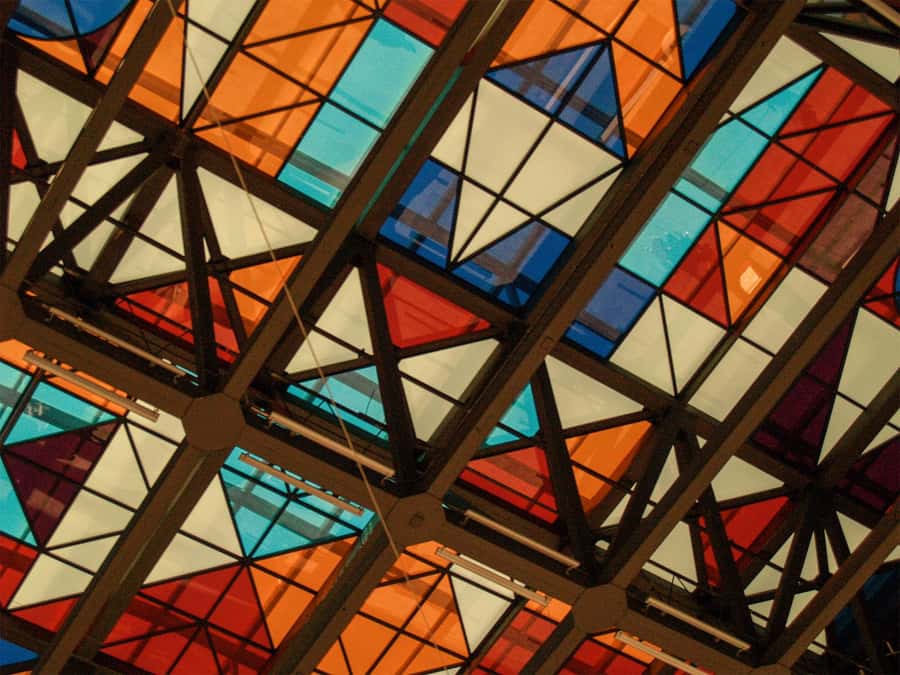
The tour is described as a guided conversation, and that wording matters. You can ask about a building that catches your attention, request more detail about a historical period, or spend extra time photographing a place. The experience is not built around a fixed script that leaves no room for curiosity.
Coffee and restroom stops can be included along the way. The route can also accommodate practical needs such as a bank or money exchange stop when necessary. These details may seem minor, but they make a three-hour walk easier to manage, especially early in a trip when you are still handling cash and finding your bearings.
The small group limit of eight is another practical advantage. You get a better chance to hear clearly, ask questions, and stay connected to the guide at busy intersections. It also makes it easier for Diego to adjust the pace or spend more time on a place that interests the group.
The tradeoff is that this is not a quick orientation walk. Three hours is enough time for a substantial look at central Santiago, but it can feel demanding if you have limited energy or prefer sightseeing by car. Wear comfortable shoes, carry what you need for a walk, and avoid jewelry, which is specifically listed as not allowed.
English and Spanish guiding
You can take the tour in English or Spanish. Diego’s 10 years living in the United States helped him develop fluent English, and his professional background gives him the vocabulary to explain architectural ideas clearly.
That is useful if you want to ask about design, politics, or historical context rather than just learn the names of buildings. In Spanish, the tour may also suit local-language speakers who prefer a more natural conversation.
Because this is a live guide experience, the quality of the tour depends partly on your willingness to participate. I would arrive with two or three questions in mind. You might ask how a particular style reached Santiago, why a building uses certain materials, or how political events affected the city’s design.
Is the $59 price good value?
At $59 per person, this costs more than a basic self-guided walk, but the comparison is not quite fair. You are paying for three hours with a trained Chilean architect, a route that connects several parts of central Santiago, and the chance to ask questions throughout.
The value is strongest if you would otherwise look at buildings without understanding them. A map can tell you where Barrio Lastarria, Iglesia San Francisco, and La Moneda are located. It cannot easily explain how their styles, uses, and historical settings relate to one another.
The small group improves the calculation. With a maximum of eight people, the experience is more personal than a large city walk. Seven verified bookings have given the tour a five-out-of-five rating, with particular praise for Diego’s passion, clear explanations, friendliness, and ability to bring Santiago’s history to life. Those comments point to the human side of the value, not only the list of stops.
I would consider $59 reasonable for visitors who enjoy history, architecture, politics, or thoughtful city walks. It is less appealing if you mainly want transport, quick photos, or a broad tour of distant parts of Santiago.
Who should book this walk?
You should consider it if you like learning how places work. The tour fits first-time visitors who want a strong introduction to central Santiago, as well as repeat visitors who want a more focused look at buildings and neighborhoods they may have already passed.
It also suits solo visitors and couples who appreciate a small group. The conversation format gives you a chance to shape the experience with questions, and the compact group makes it easier to stay engaged.
Families should note that children under 10 are not allowed. The activity is wheelchair accessible, though anyone with particular mobility requirements should confirm the route details in advance.
You may want to choose another activity if your priority is a short, relaxed stroll with little historical explanation. This walk asks you to pay attention. That is its benefit, but it also means the experience will be best for someone who wants to think, listen, and look closely.
Practical details before you go
The tour lasts three hours and is available in English and Spanish. Meet at Plaza Baquedano beside Teatro Universidad de Chile, while also checking the booking map because Av. Providencia 43 appears as the starting address.
Bring comfortable shoes. No special architecture equipment is needed, and jewelry is not allowed. You can purchase souvenirs at several points along the route if you wish.
The tour offers free cancellation up to 24 hours before the start time, and you can reserve now and pay later. Starting times vary, so check availability when choosing your date.
Should you book An Architect’s Tour of Downtown Santiago?
I would book this if you want Santiago explained through its buildings, not simply pointed out from a sidewalk. Diego’s training, Chilean background, fluent English, and experience as both an architect and guide make the subject accessible even if you know little about architecture.
The best reason to choose it is the connection between places. Lastarria, Universidad Católica de Chile, Santa Lucia, San Francisco, Paris-Londres, and La Moneda become parts of one city story. The main caution is the three-hour walking commitment and the lack of a return ride.
Book it early in your Santiago stay if you want context for later sightseeing. Skip it only if you prefer a faster overview, have difficulty with extended walking, or are mainly looking for transport and landmark photos.
FAQ
How long does An Architect’s Tour of Downtown Santiago last?
The tour lasts three hours.
Who leads the tour?
The guide is Diego Inzunza, a Chilean architect who graduated in 2016 and has worked as an architect and guide for more than six years.
Is the tour available in English?
Yes. The tour is offered in English and Spanish. Diego lived in the United States for 10 years and speaks fluent English.
Where does the tour meet and end?
The meeting point is Plaza Baquedano, next to Teatro Universidad de Chile. The walk ends at La Moneda, Chile’s presidential palace. Transportation back to your destination is not included, but public and private transport are close to the ending point.
What places are included?
The route includes Barrio Lastarria, Universidad Católica de Chile, Cerro Santa Lucia, Iglesia San Francisco, Barrio Paris-Londres, and La Moneda, among other central Santiago sites.
Is the tour suitable for children and wheelchair users?
The tour is wheelchair accessible, but it is not suitable for children under 10. Anyone with specific accessibility needs should confirm route details before booking.
Newly added in the world
- Barcelona: Guided tour e-bike Barcelona historical and modernist Barcelona★ 4.5 · 5 reviews
- Barcelona Architecture Walking Tour With Casa Batlló Upgrade★ 4.8 · 11 reviews
- Astana: Old City Tour, Imperialistic and Soviet Architecture★ 5.0 · 4 reviews
- Barcelona Beyond Gaudí: Modernism, Rooftops, and Hidden Gems★ 5.0 · 2 reviews
- Architecture Tour: Old Historic Madrid with an architect★ 4.3 · 3 reviews
- London: Architecture Tour of Benjamin Franklin House★ 5.0 · 5 reviews
- Architectural Wonders of KAFD, An Iconic Destination★ 5.0 · 3 reviews
- Alhambra Surroundings: History, Architecture and Legends★ 4.5 · 10 reviews
Architecture Tours, compared.
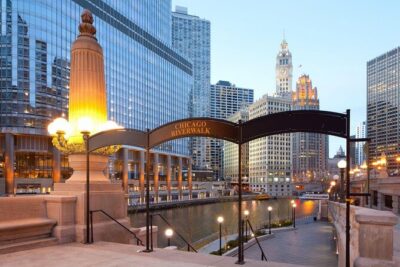

Chicago River: 1.5-Hour Guided Architecture Cruise
Read our review →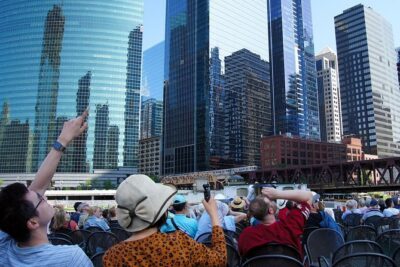
Chicago Architecture Center River Cruise aboard First Lady
Read our review →
Architecture River Cruise Skip-the-Ticket Line
Read our review →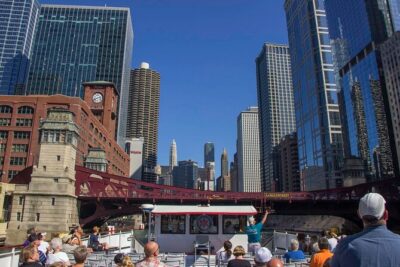
Chicago River 45-Minute Architecture Tour from Magnificent Mile
Read our review →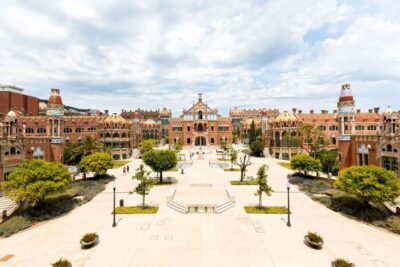
Browse the lists this tour appears in