
Review · ART DECO TOURS
Melilla: Modernist and Art Deco gems
Melilla keeps one of Spain’s best collections of Modernist architecture in an unexpected place: the North African coast. This two-hour walk follows the city’s early 20th-century expansion, where Enrique Nieto’s curved façades and natural motifs turn ordinary streets into an open-air architecture lesson. I like that the route begins and ends at Plaza de España, and I like that Patricia, an official local guide, gives the buildings their local setting rather than leaving you to admire them without context.
The main tradeoff is language. The tour is conducted in Spanish, and some material remains in its original language, so you’ll get the most from it if you understand Spanish. You should also contact Patricia by WhatsApp about 72 hours before the visit, since that simple step helps confirm the meeting details.
Key details before you book
- Enrique Nieto’s Modernist Melilla: Follow the work of the architect who helped shape the city’s early 20th-century expansion.
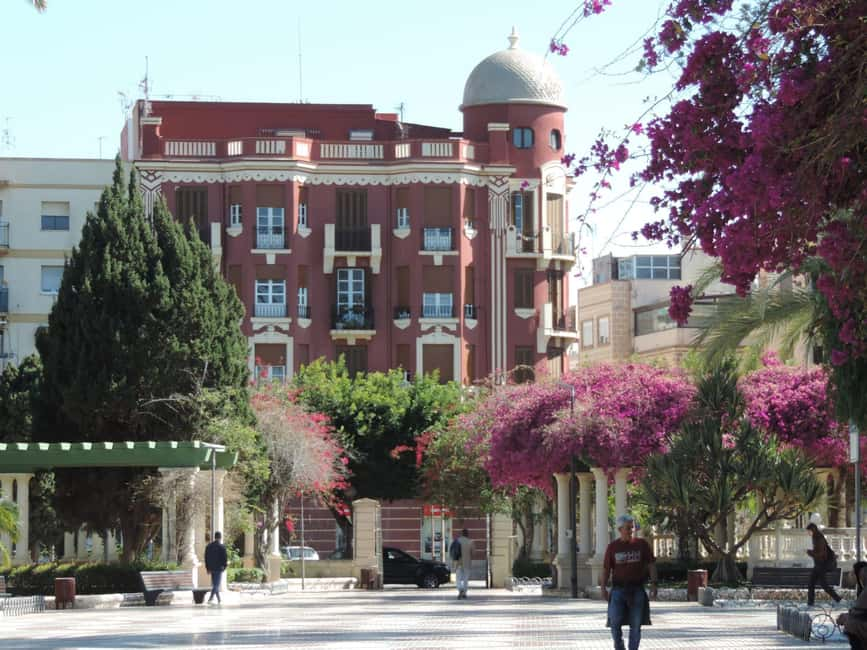
- A compact Golden Triangle route: The walk links Plaza de España with Calle Ejército Español, Avenida Cándido Lobera, Calle General Marina, and other central streets.
- Patricia leads the walk: She is an officially accredited Melilla guide and conducts the tour in Spanish.
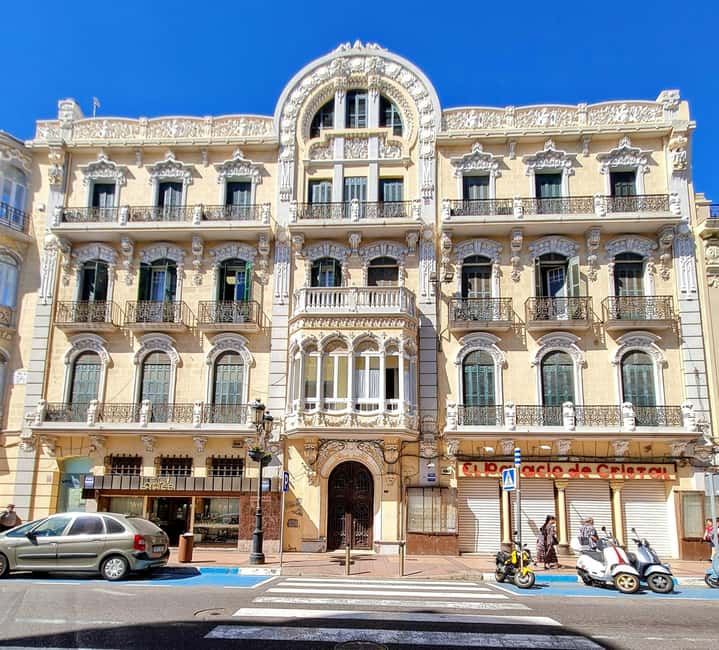
- Several named landmarks: Casa Melul, Casa de los Cristales, the Edificio del Acueducto, the Cámara de Comercio, and the former El Telegrama del Rif building feature along the route.
- Two hours for $17: The price is modest for a private-feeling introduction to a city district, though drinks, snacks, and accommodation transfers are not included.
- Accessible walking format: The tour is wheelchair accessible and returns to Plaza de España.
Why Melilla’s Modernist district is worth your time
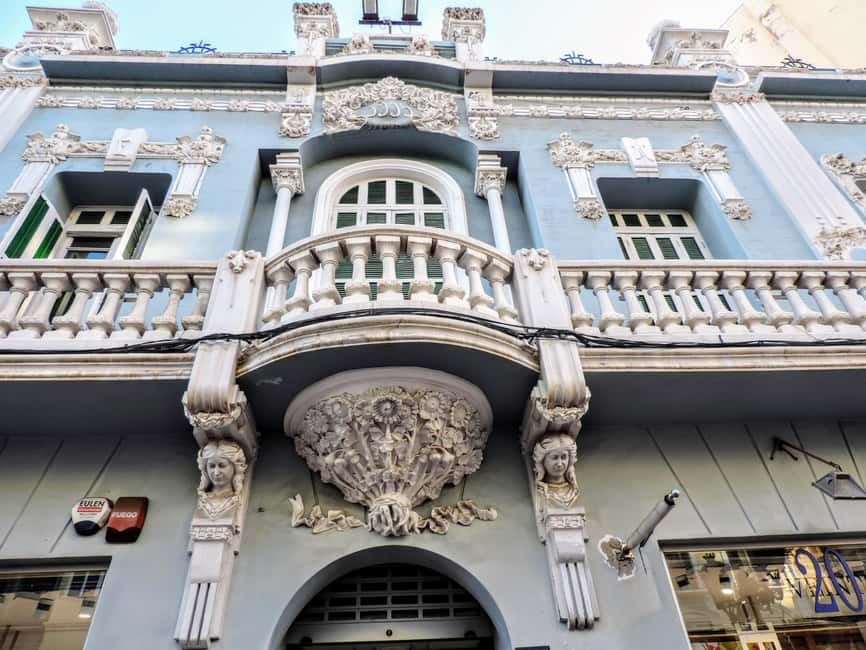
Melilla is Spanish territory on the Mediterranean coast of Africa, and its architecture reflects that unusual position. In the decades when the modern city expanded, architects used the fashionable styles of the period to give new commercial and residential buildings a strong visual identity.
The result is a city where Spanish Modernism and Art Deco appear in an African setting. You are not simply looking at one famous building. You are moving through a district in which balconies, windows, curves, decorative lines, and plant-inspired details work together from one street to the next.
Enrique Nieto is the central figure on this walk. He was a disciple of Lluís Domènech, one of the major Catalan Modernist architects, and his work helped define Melilla’s appearance. Patricia’s role matters here because the value of the tour lies in the links between buildings. A good guide can point out how the decorative language changes, where Art Nouveau gives way to Art Deco, and why this collection is called the Golden Triangle.
I would not book this as a general sightseeing tour of all Melilla. It has a clear focus: architecture in the central Modernist district. That focus is its strength. If you are curious about façades, urban design, and the way a city presents itself through buildings, two hours gives you a useful introduction without taking over your whole day.
More Art Deco Tours in Spain:
- The Official Art Deco Walking Tour by The Miami Design Preservation League
★ 5.0 · 1,580 reviews - Miami South Beach Art Deco Walking Tour
★ 5.0 · 1,039 reviews - Miami Beach Food and Art Deco Walking Tour
★ 4.5 · 245 reviews
Plaza de España and the Casino Militar meeting point
The tour begins at Plaza de España, at the door of the Casino Militar de Melilla. Patricia will have her official city guide accreditation, so you have a clear way to identify her at the meeting point.
Starting here makes practical sense. Plaza de España gives you a central reference point before the route heads into the Modernist Triangle. You can arrive, meet the guide, and begin on foot without arranging a transfer from your accommodation. Pickup and drop-off are not included, so plan your own way to the plaza.
I like the simplicity of the start and finish. You do not have to remember a second ending point in an unfamiliar city. The walk returns to Plaza de España after the final stop on Avenida Juan Carlos I, Rey.
Calle Ejército Español: the first architectural lesson
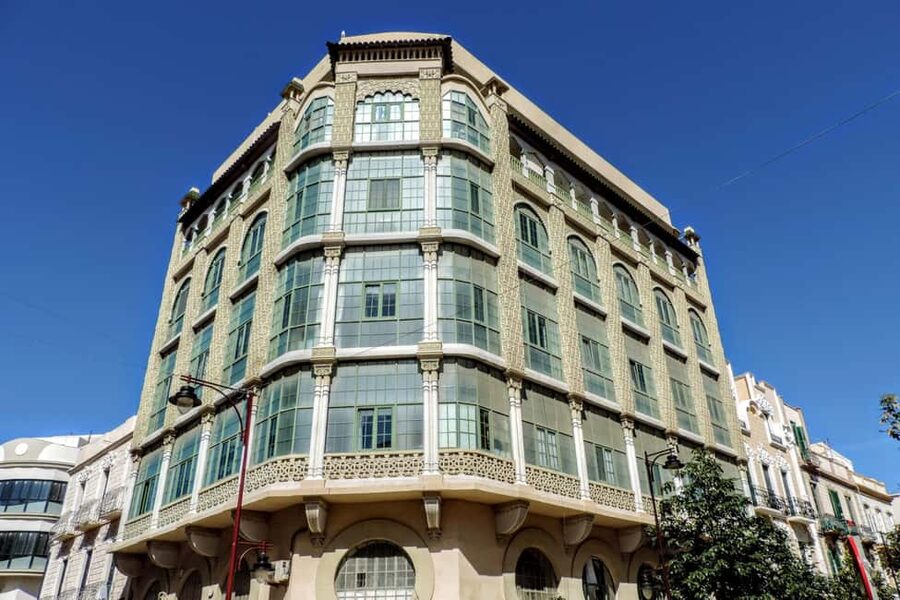
The first listed stop is Calle Ejército Español, where Patricia spends about 20 minutes guiding you through the district. This is the longest single stop early in the route, so expect an introduction to the main ideas rather than a quick glance at one façade.
This is where you can begin to read the city’s Modernist vocabulary. Look for curved lines, ornamental details, and façades designed to be noticed from the street. The point is not only to photograph attractive buildings. Patricia can help you understand how architecture changed the character of Melilla as the city expanded during the 20th century.
The 20-minute timing also gives you room to ask questions. If architecture is not usually your subject, this is useful. You can learn what makes Modernist decoration different from a plain practical building before the route grows more detailed.
Calle Miguel de Cervantes and Avenida Cándido Lobera
The walk continues to Calle Miguel de Cervantes for about 10 minutes, followed by roughly 15 minutes on Avenida Cándido Lobera. These shorter sections keep the tour moving through the district rather than turning it into a series of long indoor lectures.
I find this kind of pacing useful in a city architecture tour. You get a little explanation, then another street view, then a chance to compare one building with the next. The city itself supplies the visual material.
Avenida Cándido Lobera adds another part of the Modernist expansion to the route. Since the tour is conducted outside, the experience depends on the streets and façades being easy to see at the time of your visit. The supplied details do not promise entry into the buildings, so you should book this expecting exterior architecture and guided commentary rather than museum interiors.
A few more architecture walks in Spain worth a look
- Barcelona: Sant Pau Recinte Modernista Entry Ticket
★ 4.6 · 2,567 reviews - Barcelona: Sagrada Familia, Modernism, and Old Town Tour
★ 4.7 · 1,621 reviews - Ramblas, Old Town, Gothic and Gaudi Architecture Walking Tour
★ 5.0 · 723 reviews - Historical and Modernist Bike Tour Barcelona
★ 5.0 · 262 reviews
Plaza Menéndez Pelayo and Calle Abdelkader
The next two stops, Plaza Menéndez Pelayo and Calle Abdelkader, each receive about 15 minutes. By this point, you will have spent enough time with Patricia to understand the basic story: Melilla’s central district was transformed by architects whose work combined practical city buildings with decorative design.
These stops are valuable because the tour is not built around one isolated masterpiece. It shows you a group of streets and public façades. That broader view helps explain why the area is known as the Golden Triangle.
Patricia’s enthusiasm is an important part of the experience. Her approach is not just a list of dates and building names. She presents Melilla as a city with an architectural identity worth protecting. That local pride came through strongly in the comments available about the tour, and it is a good fit for anyone who prefers a guide who cares about the subject personally.
Calle General Marina and Calle General Chacel
The route then reaches Calle General Marina for around 10 minutes and Calle General Chacel for another 10. These are concise stops, but they add to the sense of an entire district shaped by related design choices.
At this stage, I would keep your camera ready, but do not spend the whole walk looking through it. The value of a guide-led architecture tour is in noticing things you might otherwise pass. A curved corner, an ornamental balcony, or a repeated natural motif can look like decoration until someone explains its place in the city’s design.
The route is also short enough to remain manageable. The full activity lasts about two hours, with no transport between stops. If you prefer a relaxed city walk to a packed sightseeing schedule, the timing should suit you. If you want long interior visits or extensive historical lectures, this may feel too brief.
The major buildings: Casa Melul and Casa de los Cristales
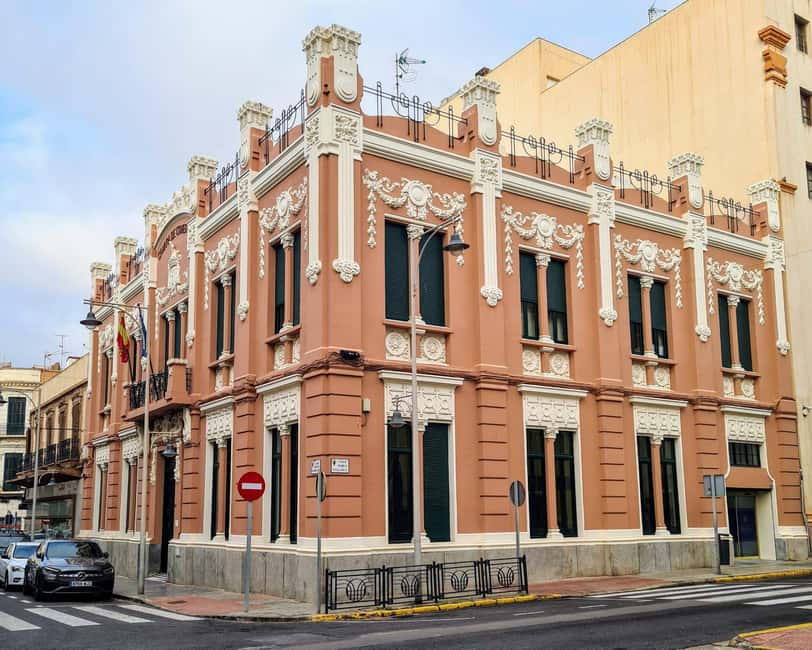
Among the buildings highlighted on the tour are Casa Melul and Casa de los Cristales. Their names alone suggest the kind of visual variety you can expect from Melilla’s central architecture.
Casa Melul is one of the notable Modernist works Patricia points out. Casa de los Cristales adds another recognizable landmark to the route. You will see these buildings as part of a wider group, which is important because the architectural effect comes from the relationship between individual façades and the surrounding streets.
I like that the tour gives you specific buildings to remember. Afterward, you are not left with only a vague impression that the city is attractive. You have names, streets, and a basic understanding of why these structures matter.
The Edificio del Acueducto, Cámara de Comercio, and El Telegrama del Rif
The Edificio del Acueducto, the Cámara de Comercio, and the former building of the newspaper El Telegrama del Rif add civic and commercial weight to the route. These are not merely decorative apartment façades. They show how Modernist design appeared across different types of city buildings.
The former El Telegrama del Rif building is especially useful for understanding the district as a working urban center. A newspaper office connects the architecture to public life and communication, while the Cámara de Comercio points to commerce and business. The Edificio del Acueducto adds another named piece to the architectural collection.
You should not expect to enter each building or spend equal time at all of them. The route gives you a guided outdoor look, and the available schedule divides attention among several streets. That is a fair exchange at this price, especially if your goal is to see the district as a whole.
Avenida Juan Carlos I, Rey and the return to Plaza de España
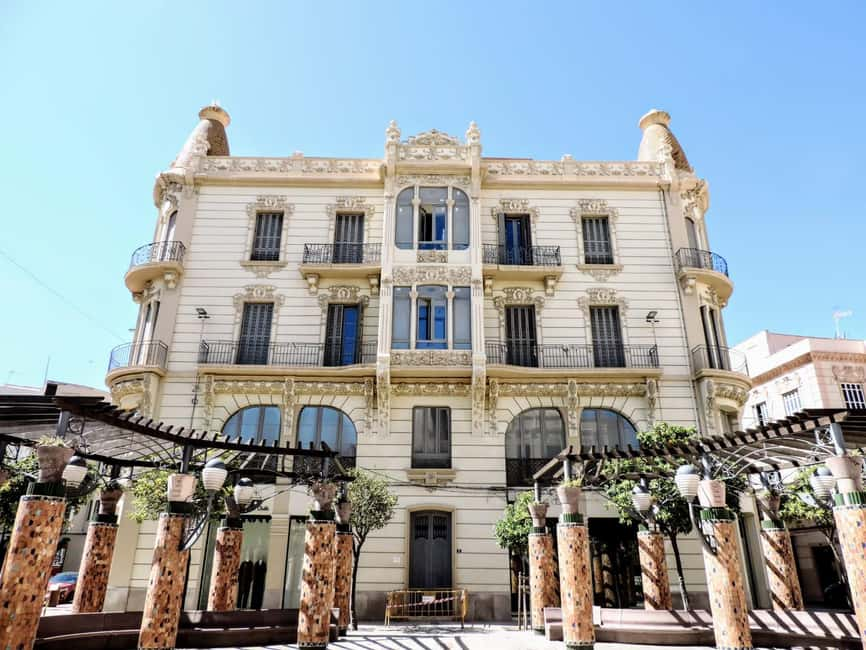
The final listed section is Avenida Juan Carlos I, Rey, where the guided visit lasts about 20 minutes. This gives Patricia time to draw the main threads together before you return to Plaza de España.
A final longer stop works well after the shorter street sections. By now, you can compare the forms and decorations you have seen and better understand how Nieto’s work helped shape the city. You return to the starting point with a clearer sense of Melilla’s Modernist Triangle, rather than simply ticking off buildings.
The route is described as wheelchair accessible, which is useful for anyone who needs an accessible walking activity. Still, the available information does not provide details about the exact surface or conditions on every street, so you may want to confirm any specific mobility needs with Patricia in advance.
What the $17 price really buys you
At $17 per person, this is a strong-value introduction to a specialized part of Melilla. You receive a two-hour walking tour, an official guide, and a route that covers several named landmarks linked to the city’s Modernist expansion.
The value is not in transport or included refreshments. There are no drinks or snacks, and you must reach Plaza de España on your own. You are paying for interpretation, route planning, and access to Patricia’s local understanding of the buildings.
I would compare the price with the alternative: walking through the district alone and trying to identify the architectural details yourself. You can certainly see the façades without a guide, but you may miss the connection between Nieto, Catalan Modernism, Art Nouveau, and Melilla’s Golden Triangle. At this price, the explanation is the main purchase.
The tour also offers free cancellation up to 24 hours before the start and a reserve-now, pay-later option. Those terms are useful if your Melilla schedule may change, but the core decision is still simple: book it if you want architecture explained in Spanish, not just photographed.
Who will enjoy this walk most
I would recommend this experience to:
- Architecture fans: You get a concentrated look at Modernist and Art Deco design, with Enrique Nieto as the main figure.
- First-time visitors to Melilla: The route introduces a major central district in two hours and gives you a fixed point to begin exploring on your own.
- Cultural travelers: The city’s Spanish and North African setting adds a distinctive context to the architecture.
- Spanish speakers: Patricia’s live commentary is in Spanish, which lets you get the full benefit of her explanations.
- Slow-paced sightseers: The walk has several short stops and returns to its starting point.
I would hesitate if you need an English-language tour, want to see the inside of buildings, or prefer a broad overview covering every side of Melilla. This is a focused outdoor walk, and it works best when you are happy to give two hours to façades, streets, and architectural details.
Practical tips for a smoother visit
Contact Patricia by WhatsApp about 72 hours before the tour. This is the clearest practical tip provided for the experience, and it helps confirm the time and meeting arrangements.
Meet at the door of the Casino Militar next to Plaza de España. Allow enough time to find the plaza, since accommodation pickup is not part of the tour.
The tour is in Spanish. Some content is presented in its original language, so consider your language comfort before booking. Audio recording is not allowed, and alcohol and drugs are prohibited during the activity.
Bring your own drink or snack if you need one, since neither is included. The tour lasts about two hours and returns to Plaza de España, making it easy to plan the next part of your day from the same central point.
Should you book Melilla’s Modernist Triangle tour?
I would book this for the chance to see a side of Melilla many people could easily miss. The combination of Enrique Nieto’s buildings, the Golden Triangle route, and Patricia’s personal connection to the city gives the walk a clear purpose.
The strongest reason to go is Patricia’s guiding. She brings local knowledge, warmth, and enthusiasm to a subject that could otherwise become a dry list of façades. The main caution is the Spanish-only format, along with the fact that this is an exterior walking tour rather than an interior museum visit.
At $17 for two hours, it is a sensible choice for Spanish-speaking visitors who enjoy architecture and want a focused introduction to central Melilla. If that sounds like your kind of afternoon, this small tour can change the way you look at the city.
FAQ
How long does the Melilla Modernist tour last?
The tour lasts about two hours.
Where does the tour start?
It starts at the door of the Casino Militar de Melilla, next to Plaza de España.
Where does the tour finish?
The route returns to Plaza de España, at the same general starting point.
Who leads the tour?
Patricia, an official Melilla guide, leads the walking tour.
What language is the tour conducted in?
The live tour guide speaks Spanish. Some content is shown in its original language.
Which buildings are included?
The route highlights Casa Melul, Casa de los Cristales, the Edificio del Acueducto, the Cámara de Comercio, and the former building of the newspaper El Telegrama del Rif.
Is the tour wheelchair accessible?
Yes, the activity is listed as wheelchair accessible.
Are food and drinks included?
No. Drinks and snacks are not included.
Can I cancel the booking?
Yes. You can cancel up to 24 hours before the tour for a full refund. You can also reserve now and pay later.
Newly added in Spain
- Gaudí and Modernist Art: Guided Tour in Palma de Mallorca★ 4.5 · 3 reviews
- Roman & Gotic & Gaudi in Barcelona: private walking tour★ 4.5 · 2 reviews
- Barcelona Gaudi Tour: Sagrada Familia, Casa Batllo & Casa Mila★ 5.0 · 4 reviews
- Visit to the Modernist houses of the Americans★ 5.0 · 2 reviews
- Self-Guided Audio Tour-The Surrealist Barcelona of Dalí and Gaudí★ 3.5 · 8 reviews
- Barcelona Street Escape: Gaudi and the Hidden Treasure★ 5.0 · 17 reviews
- Gaudí & Catalan Modernism Private Walking Tour★ 5.0 · 11 reviews
- Gaudí and Barcelona Legends – Private Tour★ 5.0 · 4 reviews
Art Deco Tours, compared.
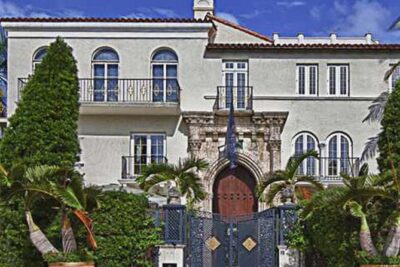
The Official Art Deco Walking Tour by The Miami Design Preservation League
Read our review →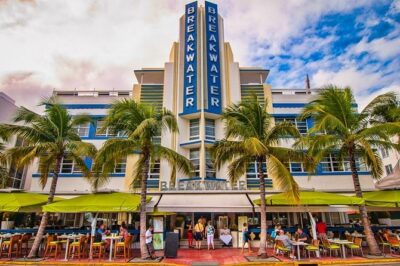
Guided 10am Morning Art Deco Walk From Napier Art Deco Trust
Read our review →
Award-winning Art Deco & Neon Lights Walking Tour in Miami Beach
Read our review →
Art Deco and Architecture Midtown Landmarks Tour
Read our review →Browse the lists this tour appears in