Review · ARCHITECTURE TOURS
Stockholm: Scandinavian Architecture & Design Ostermalm Tour
Stockholm’s Östermalm is where grand 19th-century buildings meet Swedish design shops, a famous food hall, polished boulevards, and the city’s creative edge. This three-hour walk connects those pieces without turning the subject into a dry lecture. Guides such as Franky, Olesia, and Ana have been praised for making art, architecture, and local life easy to follow.
I like the small group of up to 10, which should make it easier to ask questions and hear the guide on busy streets. I also like the mix of Östermalmshallen and design shops, since you get more than façades and photo stops. The main drawback is pace: many sights are packed into three hours, so some stops are brief and the National Museum portion is limited to its sculpture garden.
Key points to know before you book
- Stureplan begins the story: You start with Stockholm’s New City and the 19th-century growth of Östermalm.
- Östermalmshallen adds local flavor: The historic food market gives you a chance to see regional food and buy snacks.
- Two design shops are included: Nordiska Galleriet and Svenskt Tenn help explain why Swedish interiors have such a strong international profile.
- The route is broad rather than museum-heavy: You see the Royal Dramatic Theatre, Berns, churches, parks, the Opera, and the National Museum from the outside or in short visits.
- The guide matters: English-speaking guides such as Franky, Olesia, and Ana have earned praise for clear explanations and friendly help with the rest of a Stockholm stay.
- Plan for city walking: Wear comfortable shoes and arrive 5 to 10 minutes early at the mushroom-shaped Svampen meeting point.
Why this Östermalm walk works
This is not simply a tour of pretty buildings. It uses Östermalm to explain how Stockholm grew from an older city into a center of Swedish fashion, design, theater, food, and public culture.
You begin at Svampen, the mushroom-like rain cover at Stureplan. That makes the meeting point easy to identify, though you should still arrive 5 to 10 minutes early and look for the guide wearing a neon name-tag lanyard.
From there, the route moves through streets shaped by Stockholm’s expansion from the 1800s onward. The guide’s job is to connect the details: a façade, a shop window, a theater, a park, or a church can each show a different side of Swedish taste.
I like this approach for a first or second day in Stockholm. You get a useful sense of how the central districts fit together, then you can return later to places that catch your eye. The route finishes at the National Museum, a handy location for continuing your own sightseeing.
A few more architecture walks in the world worth a look
- Chicago Architecture River Cruise
★ 5.0 · 15,756 reviews - Chicago River 90-Minute Architecture Tour
★ 4.5 · 9,629 reviews - Chicago River: 1.5-Hour Guided Architecture Cruise
★ 4.8 · 8,046 reviews
Stureplan and the New City in 30 minutes
Stureplan is the first major stop, with about 30 minutes for a guided look, sightseeing, and photographs. The focus includes Danieluska Huset, one of the architectural details that helps set the tone for the area.
This is a good place to begin because Östermalm’s identity is not just about old buildings. It is also tied to fashion, shopping, dining, and modern city life. At Stureplan, you start to see why the district is associated with Swedish style and social polish.
Your guide can give the streets a time frame, taking you from the 1800s into later architectural and artistic influences. If you are interested in façades, this is one of the stops where you will want your phone ready.
The limitation is that a 30-minute introduction cannot cover every architectural detail. Think of Stureplan as the opening chapter, not a full architectural survey.
Östermalmshallen brings architecture down to earth
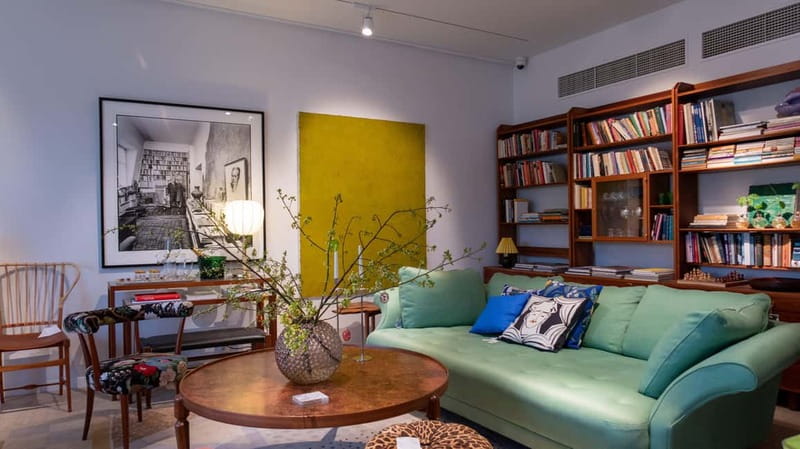
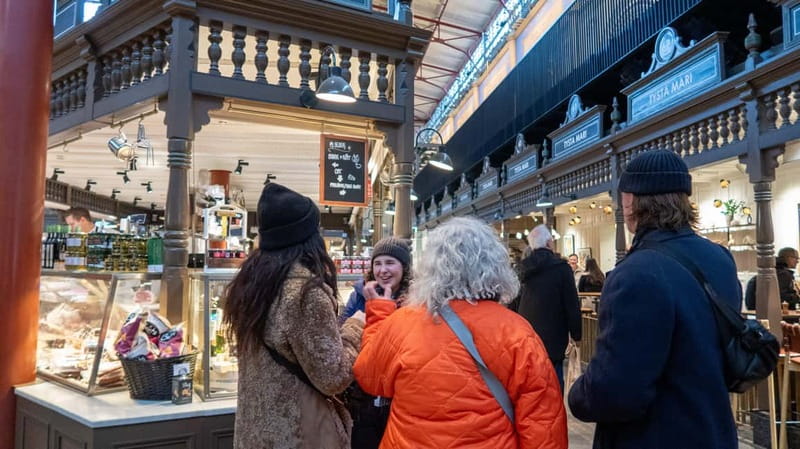
The walk then reaches Östermalmshallen, Stockholm’s food market hall, for another roughly 30 minutes. This is one of the most useful stops for anyone who likes to understand a city through everyday life.
You can see regional food, browse market stalls, and take a break from looking upward at stone façades. The visit includes local snacks, shopping, and time to look around. If you want a small taste of Swedish food culture without booking a full meal, this is the place to do it.
The food hall also balances the design-heavy parts of the tour. A city’s character is not only found in museums and grand public buildings. It is found in what people buy, eat, and display in a market.
Keep your expectations practical. The scheduled time is about 30 minutes, so you may need to choose between browsing carefully, buying food, and listening closely to the guide. If you see something you want to return for, note the location and come back after the tour.
Swedish design shops and the Östermalm district
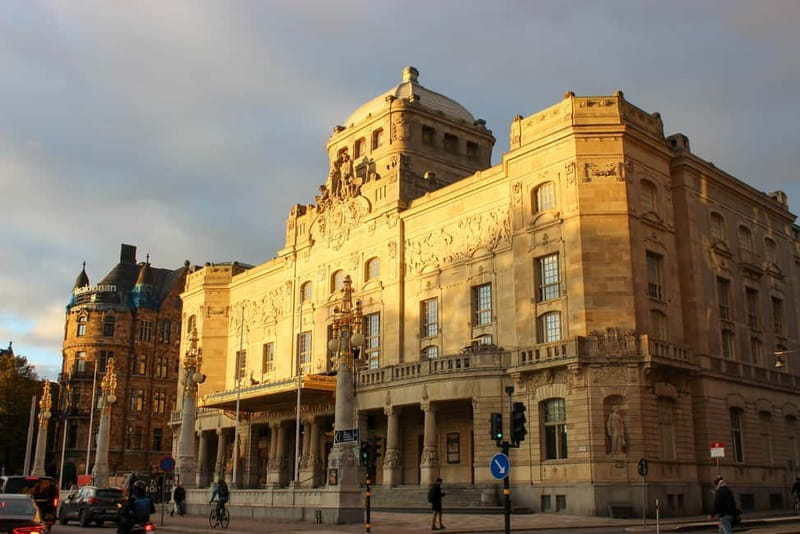
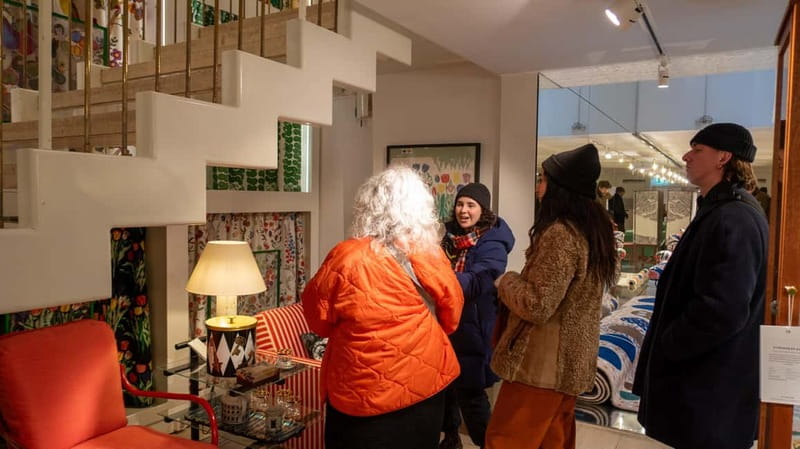
A further 30 minutes is assigned to Östermalm itself, with time to visit, pass through, and shop. Two design household names are included: Nordiska Galleriet and Svenskt Tenn.
These shops are valuable because they turn abstract talk about Swedish design into something you can see. Furniture, textiles, lighting, and home objects show how Scandinavian style can be practical without looking plain.
Svenskt Tenn is especially useful for understanding the decorative side of Swedish interiors, while Nordiska Galleriet represents a more design-focused retail setting. The guide can help you read the difference between a famous name, a design movement, and the objects on display.
You do not need to buy anything. I would treat these stops as working showrooms and visual reference points. They are also a pleasant change from a standard sightseeing route, since you get to see how design is presented to the public today.
The activity description also names IKEA and Subway Art among the Swedish design and art subjects. They are not assigned separate timed stops in the published route, so ask your guide how they fit into that day’s discussion. Do not assume you will have time for an IKEA visit or a full subway-art tour.
Same city, a different facade:
- Chicago Architecture Center River Cruise aboard First Lady
★ 5.0 · 5,536 reviews - Chicago: Architecture River Cruise Skip-the-Ticket Line
★ 4.8 · 4,325 reviews - Chicago River 45-Minute Architecture Tour from Magnificent Mile
★ 4.5 · 2,924 reviews - Barcelona: Sant Pau Recinte Modernista Entry Ticket
★ 4.6 · 2,567 reviews
Strandvägen and the Royal Dramatic Theatre
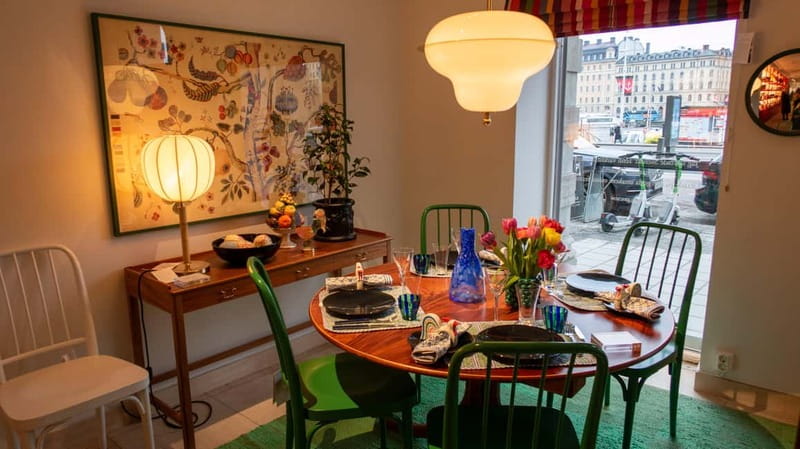
The route reaches Strandvägen for about 15 minutes of walking, photographs, scenery, and a short break. This is one of the city’s more polished waterfront stretches, and it gives you a change in rhythm after the denser Östermalm streets.
You will have time to take in the views rather than rush straight from one façade to another. Bring weather protection, since this part is outdoors and Stockholm’s conditions can change quickly.
The next stop is the Royal Dramatic Theatre, also known as Dramaten, with about 15 minutes for a guided look and photographs. The theater connects architecture with Swedish stage culture, and the tour links it to Ingmar Bergman.
That reference matters even if you are not a theater specialist. Bergman is one of Sweden’s best-known cultural figures, and the stop shows how architecture, performance, film, and national identity can overlap.
This is still a short exterior-focused visit. If you want a full theater tour or an extended discussion of Bergman’s work, this walk will not provide that level of detail.
Berns, Kungsträdgården, and St. Jacob’s Church
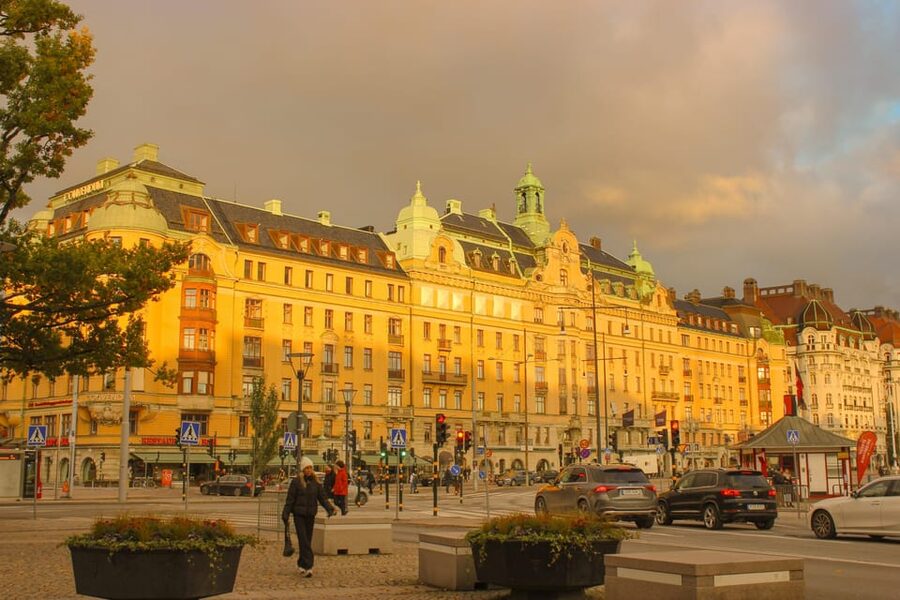
Berns Hotel is included among the architectural and design highlights. The route does not assign a separate long stop to it, so you should expect to see it as part of the walk rather than spend a full session inside.
That is typical of this experience. It is designed to show relationships between places. A hotel, theater, church, park, and shopping street can all sit within the same cultural story.
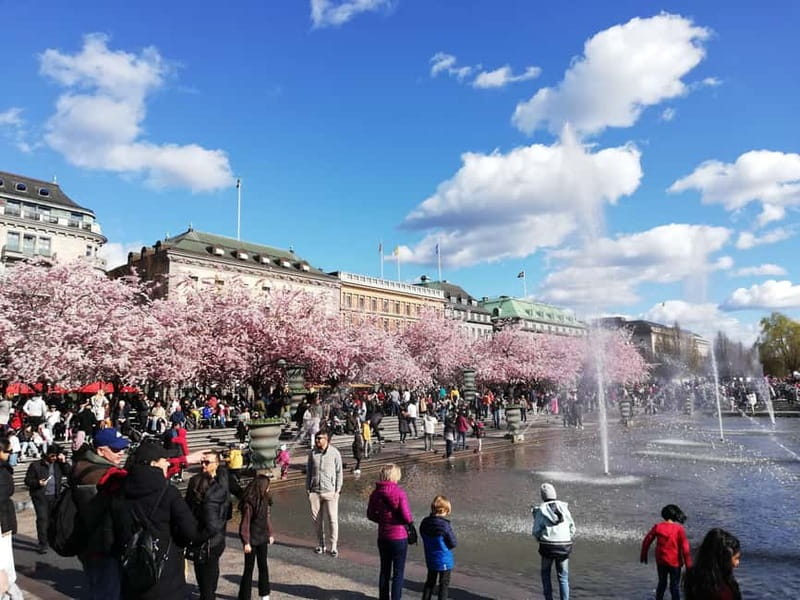
Kungsträdgården Park receives about 10 minutes for a visit, photographs, a guided look, and a short walk. This is a welcome open-air pause. It gives you space to reset and helps you understand how public parks fit into Stockholm’s central districts.
St. Jacob’s Church is also named among the sights. The available route information does not assign it a separate timed visit, so treat it as a passing point or exterior subject unless your guide says otherwise.
The short timing here is both useful and limiting. You get a broad view of the central city, but you will need another visit if one of these buildings becomes a personal favorite.
The Royal Swedish Opera and the final approach
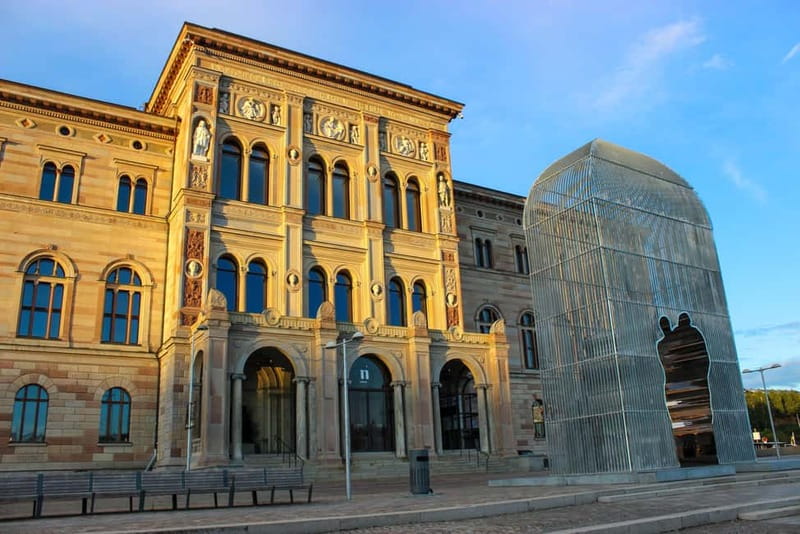
The Royal Swedish Opera is another sight along the walk, with about 15 minutes for sightseeing and walking. Like the theater, it adds performance culture to a tour that could otherwise become a parade of buildings.
The Opera also helps show the range of Stockholm’s public architecture. The route is not asking you to pick one design era as the best. Instead, it places different institutions within a compact urban setting and lets the guide explain how they relate.
This is where good guiding becomes important. Ana has been praised for being easy to talk to and for helping with plans for the rest of a Stockholm stay. That kind of practical local advice can be especially useful if you take the tour near the start of your visit.
The walk ends at the National Museum, which makes the route feel complete. You have moved from shopping, food, and theater toward a national art institution.
A brief National Museum finish
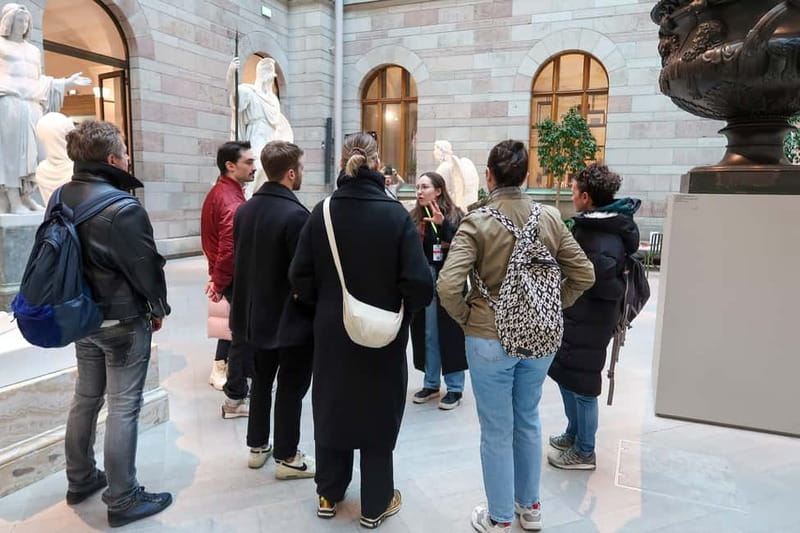
The National Museum stop is listed at about five minutes, with a visit, photographs, sightseeing, and access to the sculpture garden. That timing tells you exactly how to plan: this is an introduction, not a full museum visit.
The sculpture garden gives you a final artistic setting and a chance for scenic views, especially if the light is good near sunset. You can take photos and get your bearings before choosing to return for a longer museum visit on your own.
If your main goal is to spend hours with paintings, interiors, or sculpture, book a separate museum visit. If you want a well-placed endpoint and a quick art-focused finish, the garden works well.
What the three-hour format means
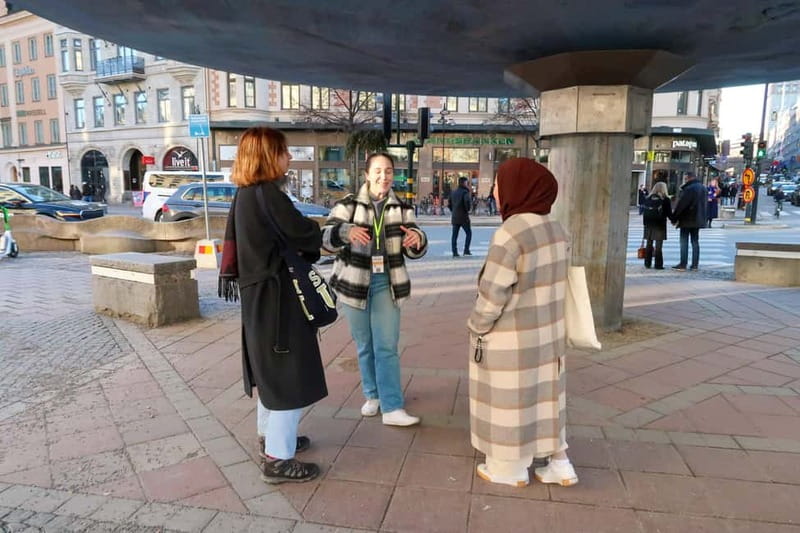
Three hours is long enough to connect a lot of Stockholm subjects, but not long enough for extended time at each one. You should expect a walking experience with frequent changes of focus: architecture here, food there, then shops, theater, park, and museum.
The group is limited to 10 people. That is a useful size for city walking because you can usually stay close to the guide without the feel of a large coach group. It also gives you a better chance to ask about a building, design object, or neighborhood detail.
The tour is conducted in English and includes a local guide focused on art history, architecture, and Swedish design. The strongest praise has gone to the guides’ explanations, warmth, and ability to make the subject approachable. Franky was singled out for explaining the different sides of Swedish art, design, and architecture especially well. Olesia was praised for her kindness, and Ana for both her easy conversation and practical Stockholm advice.
Weather matters. Bring comfortable clothes, rain gear or an umbrella, sunglasses, a sun hat, sunscreen, and a reusable water bottle. Comfortable shoes are essential. Sandals and flip-flops are not allowed, and large bags, luggage, tripods, flash photography, video recording, strong fragrances, alcohol, drugs, and sharp objects are also not allowed.
The activity is wheelchair accessible, but the route includes city walking and outdoor sections. If you need a specific accessibility arrangement, confirm the details before booking.
Is $44 a fair price?
At $44 per person, the value depends on how much you want interpretation rather than simple sightseeing. You are paying for three hours with a specialist guide, a small group, a food market visit, two design-shop visits, and a route that links several major cultural sights.
That is a fair price if you enjoy architecture, interiors, art, and city history but do not want to plan the connections yourself. It is less compelling if you mainly want to enter museums or spend a long time shopping, since the schedule gives most places only a short visit.
The included design shops and food hall help the price. They offer access to places you could visit independently, but the guide adds context and points out why they matter. The National Museum sculpture garden is another useful inclusion, though you should budget separate time if you want to see the full museum.
Free cancellation up to 24 hours before the start and reserve-now, pay-later booking make it easier to fit the walk into a changeable Stockholm schedule.
Who should book this Östermalm experience?
I would recommend it to you if you like:
- Architecture and historic city streets
- Swedish furniture, interiors, fashion, and design
- Food markets and local shopping
- Small-group walking tours
- Cultural context from an English-speaking guide
- A broad first look at central Stockholm
It is also a good choice for solo visitors who want an easy way to ask questions and get suggestions for the rest of a trip. The friendly style associated with guides such as Ana can make the experience feel useful beyond the three-hour route.
I would be more cautious if your priority is a full museum visit, a dedicated Bergman tour, detailed subway art, or a long meal at Östermalmshallen. The walk introduces those subjects but does not give each one a full session.
Should you book it?
Book this tour if you want Stockholm explained through its buildings, shops, food, theater, and public spaces. The route is broad, the group is small, and the guide can give you a useful framework for exploring the city on your own.
Skip it if you prefer to move slowly through one museum or spend an afternoon shopping without a schedule. For most art and design fans, though, $44 buys a well-planned introduction to Östermalm, with enough local flavor to keep the walk from feeling like a simple façade checklist.
FAQ
How long is the Stockholm architecture and design tour?
The tour lasts three hours.
Where does the tour begin?
It begins at Svampen in Stockholm, under the rain cover that looks like a mushroom.
Where does the tour finish?
The tour finishes at the National Museum in Stockholm.
What language is the tour conducted in?
The live tour guide speaks English.
How large is the group?
The group is limited to 10 participants.
Is the tour wheelchair accessible?
Yes, the activity is listed as wheelchair accessible.
Does the tour visit a Stockholm food market?
Yes. The route includes Östermalmshallen, with time for a food market visit, local snacks, regional food, shopping, and a guided visit.
Are design shops included?
Yes. The activity includes visits to two design household-name shops, identified as Nordiska Galleriet and Svenskt Tenn.
Is the National Museum included?
The route finishes at the National Museum and includes a visit to its sculpture garden. The listed stop is about five minutes, so a longer museum visit would require additional time.
Can I cancel for a full refund?
Yes. You can cancel up to 24 hours in advance for a full refund.
Newly added in the world
- Washington, DC: Georgetown Architecture Walking Tour★ 5.0 · 8 reviews
- Washington DC: Dupont Circle & Embassy Row Architecture Tour★ 5.0 · 6 reviews
- New Orleans : Garden District Architecture Walking tour★ 4.8 · 5 reviews
- Wilmington History and Architecture Tour★ 4.8 · 18 reviews
- Vicenza: Palladian Architecture Private Walking Tour★ 3.3 · 3 reviews
- Walk & Discover KL’s Architectural and Heritage Gems★ 5.0 · 7 reviews
- Unveiling Brno: History, Culture & Architectural Delights★ 5.0 · 2 reviews
- Private Colonial Williamsburg Architectural Tour★ 5.0 · 5 reviews
Architecture Tours, compared.

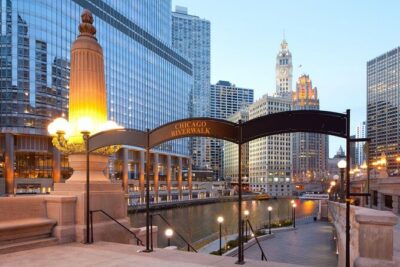

Chicago River: 1.5-Hour Guided Architecture Cruise
Read our review →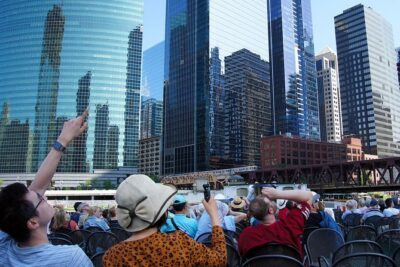
Chicago Architecture Center River Cruise aboard First Lady
Read our review →
Architecture River Cruise Skip-the-Ticket Line
Read our review →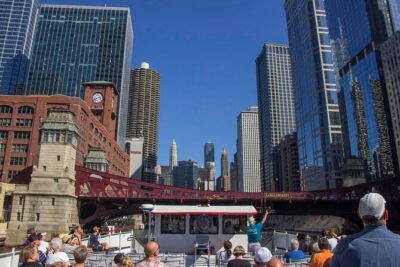
Chicago River 45-Minute Architecture Tour from Magnificent Mile
Read our review →