
Review · ARCHITECTURE TOURS
Cholet Tour – Andean Architecture and Culture – El Alto
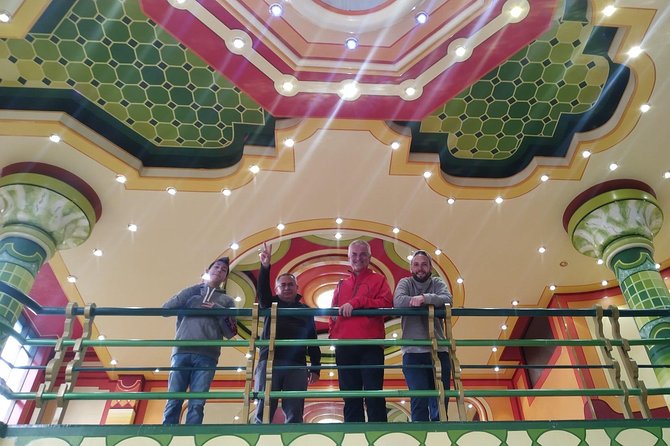
El Alto’s cholets are the star of this three-hour outing: bold, colorful buildings that turn Andean culture, family success, and modern design into public architecture. You ride La Paz’s cable cars uphill, then explore El Alto with a local guide who explains what you are seeing instead of leaving you to guess.
I like two things right away. First, the tour combines the Mi Teleférico ride with ordinary local transport, so you see how people actually move between La Paz and El Alto. Second, a small group of no more than 12 makes it easier to ask about Aymara traditions, the different types of cholets, and the meaning behind their design.
The main caution is pace. One unhappy guest found the walk too rushed, with too much hopping on and off buses and too little time to study the buildings. Your experience may depend heavily on the guide assigned that day. Denise, Max, and Dani have all received warm praise, while another guide was judged less prepared.
Key points to know before you book
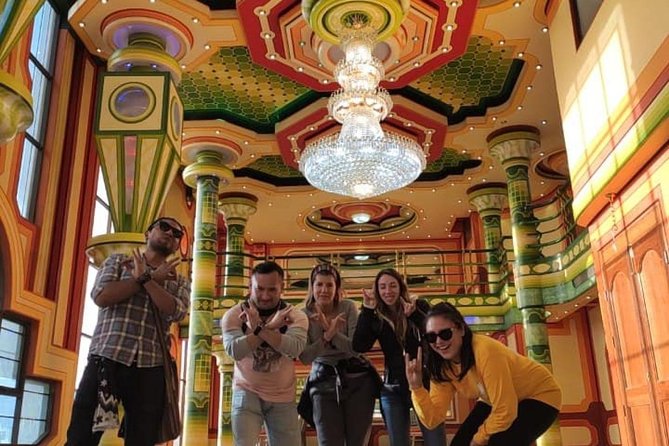
- Cholets are the focus: Learn what these colorful Andean buildings are, why they matter, and how their styles differ.
- The cable car is part of the experience: Ride Mi Teleférico from La Paz toward El Alto, with tickets included.
- You will use local transport: The outing is not only a walking tour, so expect some movement between sites.
- A traditional cholet may open its doors: The tour includes a chance to see inside one.
- The group stays small: A maximum of 12 people gives you a better chance to speak with the guide.
- The meeting point is central: Start at Mi Teleférico Línea Morada, Estación Obelisco, at 10:00 a.m., then return there.
Why El Alto’s cholets make this tour different
Many city tours stop at grand churches, old plazas, and museums. This one takes you to El Alto, a high city with a very different visual language. The colorful buildings called cholets are the main reason to go.
The tour explains the definition and purpose of a cholet, along with the traditions and Aymara culture connected to it. You are not simply being shown attractive façades. You are given a way to read them. That matters because the buildings can look confusing at first: bright colors, strong geometric forms, and decorative details compete for your attention.
I like the idea of seeing several types rather than one isolated example. The guide can point out differences that you might miss on your own, and can explain how these buildings fit into contemporary El Alto. You also have a chance to enter a traditional cholet, which gives the architecture more meaning than a quick photograph from the street.
This is still a short tour. Three hours is enough for an introduction, not a full study of El Alto’s architecture. If you want to photograph every façade or spend long stretches examining details, the schedule may feel tight.
A few more architecture walks in the world worth a look
- Chicago Architecture River Cruise
★ 5.0 · 15,756 reviews - Chicago River 90-Minute Architecture Tour
★ 4.5 · 9,629 reviews - Chicago River: 1.5-Hour Guided Architecture Cruise
★ 4.8 · 8,046 reviews
Starting at Mi Teleférico Línea Morada
The tour begins at Mi Teleférico Línea Morada, Estación Obelisco, in La Paz. The start time is 10:00 a.m., and the activity ends back at this same meeting point.
That arrangement is useful. You do not need to arrange a separate ride to El Alto, and the cable car tickets are included. The guide handles the transition from La Paz into El Alto while you look down over the city and get a sense of how the two urban areas connect.
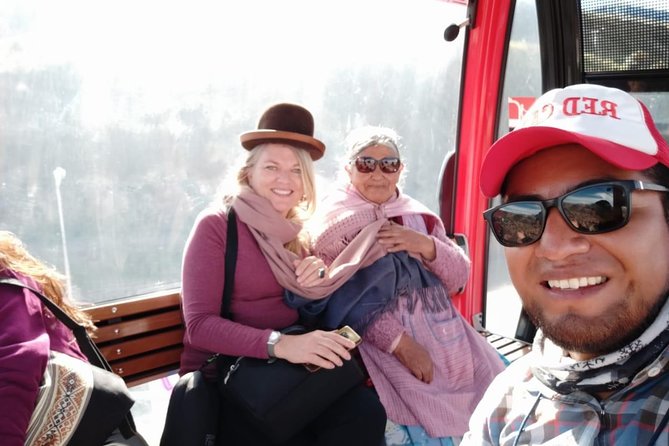
The cable car section lasts about 30 minutes and includes several cable car rides. Mi Teleférico is more than a sightseeing extra here. It is a practical form of transport and an important part of understanding the route between La Paz and El Alto.
You should still pay attention to the meeting details. The location is near public transportation, but the tour does not include hotel pickup in the information provided. One booking problem reported elsewhere involved a hotel appearing to be a pickup point when it was not, so I would confirm the exact station and arrival time before the morning begins.
The cable car ride gives you the right introduction
From the cable car, you get a broad view of La Paz and the surrounding urban setting as the route climbs toward El Alto. The ride helps you understand the geography before you begin walking.
I especially like this part because it avoids a common tour problem: talking about a city without showing how its districts connect. Here, the journey itself has a purpose. You leave the meeting point by one of La Paz’s most recognizable transport systems, then continue on foot and by local transport in El Alto.
Tickets are included, which keeps the morning simple. You do not need to calculate fares or worry about purchasing the correct ticket for this section.
The cable car ride is not the whole experience, though. If you are booking mainly for a long scenic ride, this is not the right choice. The cable cars are the opening chapter, followed by streets, buildings, explanations, and short transport connections.
Walking through El Alto with a local guide
Once in El Alto, the tour spends about two hours exploring the city. This is where the guide becomes most important.
A local guide can help you find cholets that would be difficult to identify during an independent visit. One person who had already visited the Sunday market still found that a guide was needed to navigate the area and understand what a cholet meant. That is a fair point. El Alto is not a tidy collection of sights arranged around one obvious visitor route.
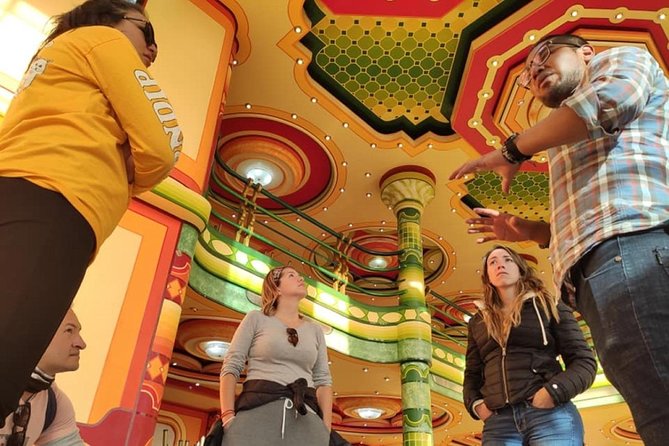
The walking portion lets you look closely at the colors and forms of the buildings. You can ask questions as you go, rather than trying to remember what you saw and search for an explanation later.
The group size helps. With a maximum of 12 people, the guide can usually keep the group together without making every stop feel like a lecture. The experience is more personal than a large bus tour, and the subject rewards questions.
Still, expect a moving tour rather than a slow architectural workshop. One critical account described a quick pace, with frequent bus rides and too little time to absorb El Alto’s colors and design. That warning is worth taking seriously if photography is your main goal. Tell the guide early that you would like a moment at important stops, if the schedule allows.
Same city, a different facade:
- Chicago Architecture Center River Cruise aboard First Lady
★ 5.0 · 5,536 reviews - Chicago: Architecture River Cruise Skip-the-Ticket Line
★ 4.8 · 4,325 reviews - Chicago River 45-Minute Architecture Tour from Magnificent Mile
★ 4.5 · 2,924 reviews - Barcelona: Sant Pau Recinte Modernista Entry Ticket
★ 4.6 · 2,567 reviews
Inside a traditional cholet
The chance to see inside a traditional cholet adds something that street viewing cannot provide. Exterior color tells only part of the story. Entering a building gives you a better sense of how the architecture works as a lived cultural expression.
The experience is described as a chance to visit inside a traditional cholet, rather than a guarantee of extended private access. Keep your expectations sensible. You should see this as a meaningful stop within a short city tour, not as a long home visit.
The guide’s explanation is the key benefit. The tour covers the history, purpose, and different types of cholets, along with the traditions connected to them. That context helps you look beyond the bright paint and large decorative shapes.
I would ask questions about what makes one cholet different from another, how Aymara identity appears in the design, and which details have a practical purpose. The supplied experience information specifically points to the cultural and indigenous background, so this is the part where an engaged guide can make the outing much more than a colorful walk.
Local transport keeps the tour grounded
The tour does not rely only on the cable car. You may also use local public transport to reach different cholets.
That is both a strength and a possible inconvenience. It is useful because you are not being kept in a private tourist bubble. You get a glimpse of the ordinary transport system used around El Alto, and it allows the guide to cover more ground within three hours.
On the other hand, buses and frequent changes can make the outing feel less relaxed. If you prefer a slow walk with long stops, this format may test your patience. The tour’s promise is access and context, not a leisurely stroll through one small district.
For me, the mix works best when you want to understand how the city functions. You are not just looking at buildings from one sidewalk. You are moving between parts of El Alto in the same broad way residents do, with a guide explaining the sights along the route.
What the guides can add
The guide makes or breaks a subject like this. Cholets are visually striking, but without explanation you may leave with photographs and only a vague idea of their cultural role.
Several guides associated with the experience have been praised by name. Denise was described as organized and strong on the history of cholets and the different types found around El Alto. Max was appreciated as good company while explaining local traditions and culture. Dani was also singled out for presenting the history of El Alto clearly.
Those details give you a useful booking expectation: the best version of this tour is conversational, well organized, and firmly connected to Aymara culture. You should expect interpretation, not just directions from one stop to the next.
There is also a clear reason to remain flexible. Another guide was criticized for limited understanding of indigenous and Aymara culture, and for rushing the group. I cannot promise which guide you will receive, so I would ask questions, speak up if a stop deserves more time, and contact the provider in advance if guide assignment matters to you.
Is $25.65 a fair price?
At $25.65 per person, the tour is priced as an affordable half-day introduction rather than a luxury excursion. The value comes from the combination of transport, guiding, cultural explanation, and access to a cholet.
Your price includes the cable car tickets and snacks. That matters because the outing uses more than one form of transport, and you are not left to sort out the cable car portion alone.
You are also paying for local orientation. El Alto may be easy to visit in a broad sense, but finding several cholets and understanding their purpose is harder without help. The guide’s explanations are the part that turns the trip into a cultural experience.
The value drops if you want a long, carefully paced architecture tour. A rushed guide could leave you feeling that you paid for movement rather than time at the sights. For the best return, book this because you want an introduction to El Alto and its cholets, not because you expect a private architectural study.
Who should book this El Alto experience?
I would recommend it to you if you:
- Want to see a part of greater La Paz beyond the usual central sights
- Are curious about Aymara culture and contemporary Andean identity
- Like seeing how local transport fits into daily city life
- Prefer a small group to a large coach
- Want a guide to explain cholets rather than simply photograph them
- Have about three hours available in the morning
It is also a good match if you have already visited the Sunday market but felt you lacked context. The tour adds a clearer explanation of the city and the architecture.
I would hesitate if you dislike public transport, need a slow photographic pace, or want a guaranteed long visit inside a cholet. The experience includes walking and local transport, and one account found the timing too rushed. It is practical and culturally focused, but it is not designed around sitting in one place.
Timing, comfort, and simple planning
The activity begins at 10:00 a.m. and lasts about three hours. It returns to the same Mi Teleférico meeting point, which makes it easier to plan the rest of your day.
The tour is near public transportation, and most people can participate. The information provided does not list special accessibility arrangements, so you should ask the provider directly if you have mobility concerns or need a slower pace.
Snacks are included, but no other meal is listed. Plan accordingly if you need a substantial breakfast or lunch around the tour.
The group maximum of 12 is one of the better features. It keeps the outing from feeling like a large city procession and gives you a reasonable chance to speak with the guide. Since the start is at a transit station rather than a hotel, arrive with enough time to locate the correct entrance and platform area.
Free cancellation is available up to 24 hours before the start time. Changes or cancellations made inside that window are not accepted for a refund, and the cut-off follows local time.
Should you book the Cholet Tour?
Book it if you want an affordable, guided introduction to El Alto’s cholet architecture and Aymara culture, with the cable car ride built into the route. The combination is hard to reproduce on your own in only three hours, especially if you want to understand what the buildings represent.
The strongest version of the tour depends on a good guide. Denise, Max, and Dani have demonstrated the kind of clear cultural explanation that this outing needs. Still, the mixed experience with another guide means you should contact the provider if you want to confirm the day’s guide or request a measured pace.
My advice is simple: choose this tour for access, context, and a look at everyday El Alto. Skip it if you want a slow, highly detailed architecture walk with long photography stops. At $25.65, it offers solid value when you treat it as a lively cultural introduction, not a complete study of the city.
FAQ
Where does the Cholet Tour begin?
It begins at Mi Teleférico Línea Morada, Estación Obelisco, in La Paz.
What time does the tour start?
The tour starts at 10:00 a.m.
How long does the experience last?
The tour lasts approximately three hours.
Are cable car tickets included?
Yes. Admission for the Mi Teleférico portion is included.
Does the tour visit the inside of a cholet?
You have a chance to visit inside a traditional cholet during the experience.
How many people can join the tour?
The group has a maximum of 12 people.
Where does the tour end?
The activity ends back at the original meeting point, Mi Teleférico Línea Morada, Estación Obelisco.
Newly added in the world
- Barcelona: Guided tour e-bike Barcelona historical and modernist Barcelona★ 4.5 · 5 reviews
- Barcelona Architecture Walking Tour With Casa Batlló Upgrade★ 4.8 · 11 reviews
- Astana: Old City Tour, Imperialistic and Soviet Architecture★ 5.0 · 4 reviews
- Barcelona Beyond Gaudí: Modernism, Rooftops, and Hidden Gems★ 5.0 · 2 reviews
- Architecture Tour: Old Historic Madrid with an architect★ 4.3 · 3 reviews
- An Architect’s Tour of Downtown Santiago★ 5.0 · 7 reviews
- London: Architecture Tour of Benjamin Franklin House★ 5.0 · 5 reviews
- Architectural Wonders of KAFD, An Iconic Destination★ 5.0 · 3 reviews
Architecture Tours, compared.

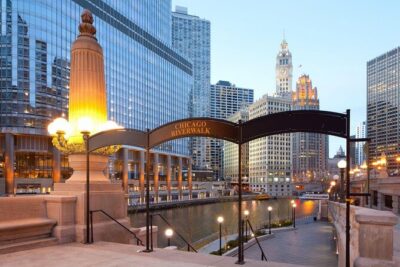

Chicago River: 1.5-Hour Guided Architecture Cruise
Read our review →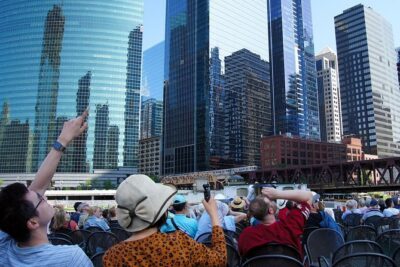
Chicago Architecture Center River Cruise aboard First Lady
Read our review →
Architecture River Cruise Skip-the-Ticket Line
Read our review →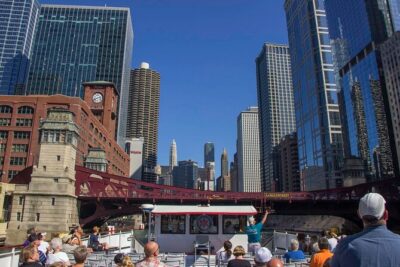
Chicago River 45-Minute Architecture Tour from Magnificent Mile
Read our review →

Browse the lists this tour appears in