
Review · WALKING TOURS
Downtown Los Angeles Architecture Walking Tour
Downtown Los Angeles reveals its best side at walking speed. In two hours, you move from the symbolic Central Library to Broadway’s old theaters, the Jewelry District, and some of the city’s finest Art Deco façades. Guide Phil brings the buildings to life with history, design details, and the kind of answers that are hard to get from a self-guided walk.
I like two things right away: the tour shows you a side of LA that is easy to miss from a car, and it covers several architectural styles in a compact route. You’ll see Beaux Arts, Renaissance Revival, Art Deco, and modernism without spending half a day on your feet.
The one caution is that much of the experience is viewed from the street. The Central Library receives about 20 minutes, but several other stops are exterior visits, and one past participant felt too much time went to the library while not enough was spent inside other buildings.
Key points at a glance
- Phil is the star guide: He is praised for clear explanations, humor, strong memory, and thoughtful answers to questions.
- A compact architectural survey: In roughly two hours, you see Beaux Arts, Renaissance Revival, Art Deco, and modernist work.
- The Central Library deserves attention: Its design includes strong architectural symbolism, making it one of the most rewarding stops.
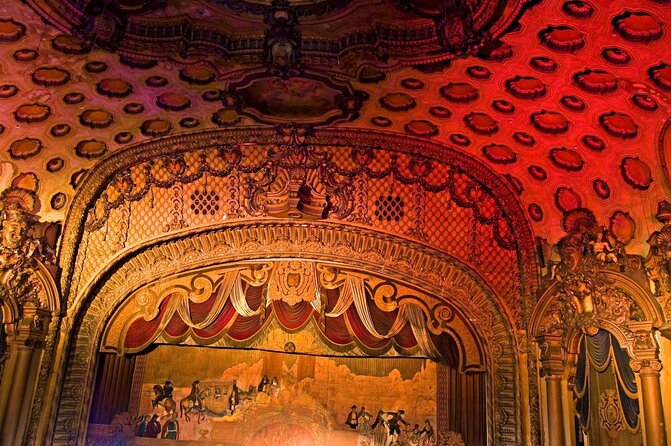
- Broadway adds old Los Angeles drama: The southern theater district brings grand façades and a look at the city’s entertainment past.
- The group stays manageable: The maximum is 20 people, with a 10:30 am start and a mobile ticket.
- The finish is not the start: The walk ends at the James Oviatt Building, about a 10-minute walk from the Central Library.
Why this two-hour walk changes your view of Downtown LA
Los Angeles is often treated as a city best seen by car, but that approach hides the details. From a vehicle, you may notice a grand façade for only a few seconds. On foot, you can look up, compare materials, spot decorative motifs, and understand how one building fits into the changing story of downtown.
This route is especially useful if you are new to Los Angeles. It gives you a quick orientation to the central business district while adding enough architectural context to make the streets more memorable. You are not simply checking off famous addresses. You are learning why an older building looks the way it does and how its purpose shaped its design.
The tour is also a good fit for returning visitors. One especially appealing feature is the way it reveals old LA to people who already know the city. The route may change your sense of downtown from a collection of office blocks into a place with layers of theater, banking, retail, art, and civic life.
The guide makes a major difference here. Phil is repeatedly praised for being personable, articulate, and able to answer questions without sounding tied to a script. That matters on an architecture walk. Buildings can blur together when a guide only lists dates and names. A good explanation helps you notice the details for yourself.
More Walking Tours in the USA
- The Official Art Deco Walking Tour by The Miami Design Preservation League
★ 5.0 · 1,580 reviews - Chicago in a Day: Food, History & Architecture Walking Tour
★ 5.0 · 1,153 reviews - Miami South Beach Art Deco Walking Tour
★ 5.0 · 1,039 reviews
Starting at the Central Library on West Fifth Street
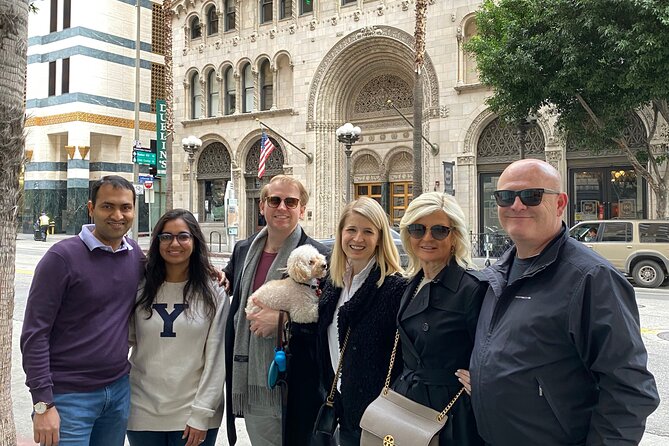
Meet at the Los Angeles Central Library, 630 West 5th Street, at 10:30 am. The building is more than a practical starting point. It is one of the tour’s central lessons in how architecture can express civic ambition and local identity.
You spend about 20 minutes here, learning about the library’s architectural symbolism. That time is well used if you enjoy design, public buildings, and the way decorative elements carry meaning. The library also provides an early example of the tour’s wider theme: Los Angeles has more architectural depth than its modern image suggests.
This is the longest single stop, and one person found it too long. I can understand that reaction if your main goal is to see as many façades as possible. Still, the library gives the guide room to explain architectural ideas before the group moves into the faster rhythm of downtown streets.
The Central Library stop is also useful for first-time visitors because it gives you a clear sense of place. You begin with a major civic landmark, then move toward commercial buildings, theaters, and former financial institutions. The route gradually shows how different parts of downtown served different roles.
The Fine Arts Building and LA’s artist colony
The Fine Arts Building is the next major stop, with about 10 minutes devoted to it. It is described as the original artist colony of Los Angeles, which gives the building a special role in the city’s cultural story.
Here, the value lies in connecting architecture with the people who used the building. A façade may look attractive, but its meaning grows when you know it once supported an artistic community. Phil’s style, based on the feedback available, should suit this kind of stop well because he connects physical details with stories about the city.
Ten minutes is enough for a focused explanation and some photographs, but it is not a long interior visit. Keep your expectations clear: this is a guided look at the building and its importance, not an extended private tour of every room.
The Jewelry District in five focused minutes
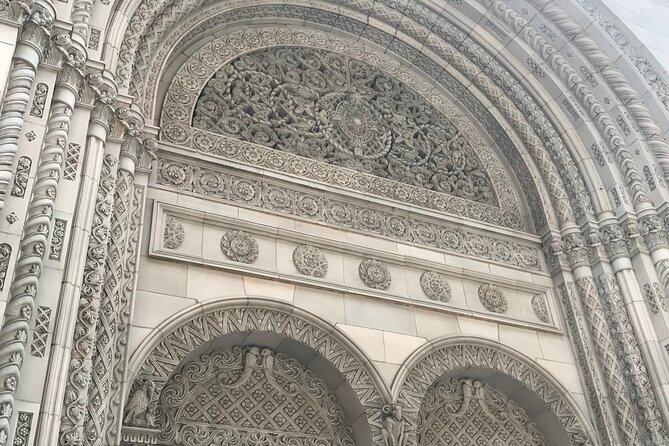
The route then reaches the Jewelry District, identified as America’s largest jewelry district. The stop lasts about five minutes, so this is a short orientation rather than a full shopping visit.
That brevity makes sense. The point is to place this commercial area within the downtown story and show how the district differs from the civic and cultural buildings you have just seen. You get another example of how a neighborhood’s purpose shapes its streets and structures.
If you hoped to browse jewelry or shop during the walk, you will need to plan separate time. The tour keeps moving, and the district is one part of a broader architectural route rather than a dedicated retail experience.
Same city, a different facade:
- Chicago Architecture River Cruise
★ 5.0 · 15,756 reviews - Chicago River 90-Minute Architecture Tour
★ 4.5 · 9,629 reviews - Chicago River: 1.5-Hour Guided Architecture Cruise
★ 4.8 · 8,046 reviews - Chicago Architecture Center River Cruise aboard First Lady
★ 5.0 · 5,536 reviews
Broadway’s historic theaters
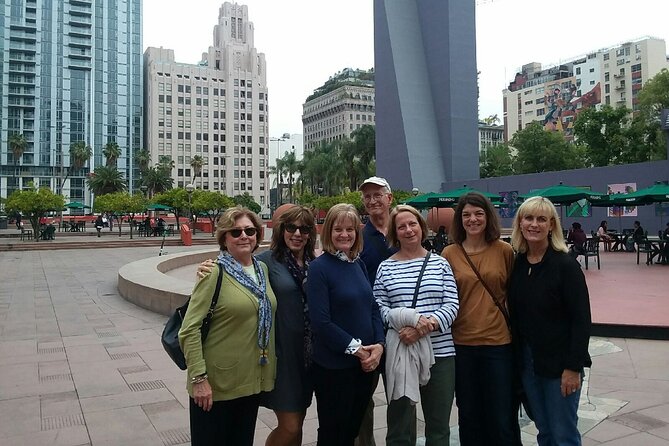
The southern section of the Historic Broadway Theater District receives about 25 minutes, making it one of the more substantial portions of the walk. This is where the route’s mix of architecture and history becomes especially clear.
Broadway’s theaters offer the kind of large-scale façades that are easy to appreciate from the sidewalk. Their decoration, proportions, and commercial purpose tell you something about the era when downtown entertainment was a major part of city life. The route helps you compare these buildings with the civic character of the Central Library and the artistic identity of the Fine Arts Building.
The theater district is also a good place to pay attention to restoration. Some of downtown’s older façades have been repaired and brought back into use, while others may show more wear. That contrast helps you understand that preservation is an ongoing process, not a finished backdrop.
The tour does not promise entry into multiple theaters, so you should think of this section as an exterior architecture and history lesson. If you want a longer inside look at a particular theater, you will need another activity or a separate visit.
Eastern Columbia Lofts, the Jewel of Art Deco
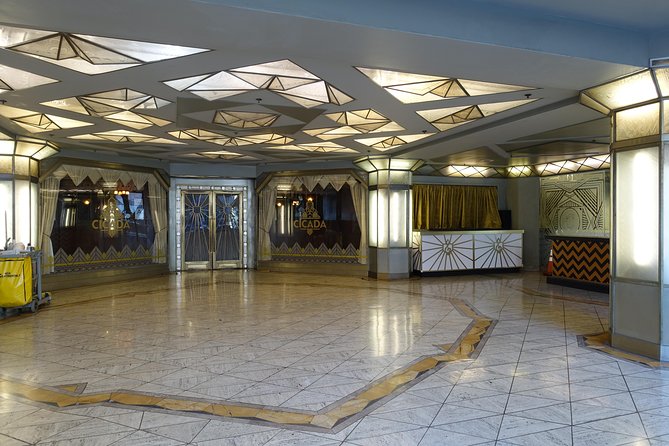
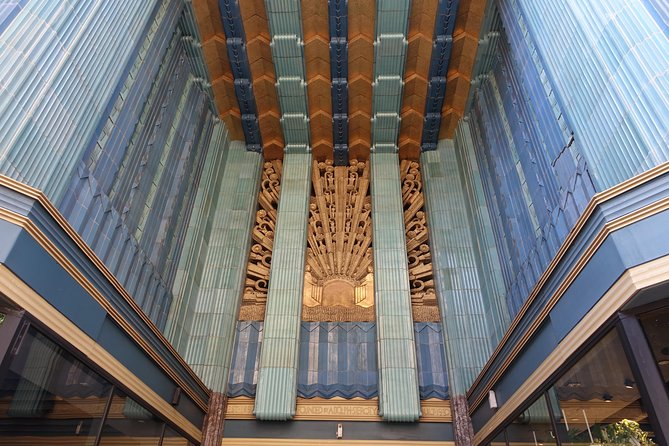
The Eastern Columbia Lofts is presented as the Jewel of Art Deco, and it is one of the route’s strongest visual stops. You spend about 10 minutes here, studying the exterior and hearing why the building matters.
This is the point where the tour’s style comparison becomes practical. Instead of hearing Art Deco described in general terms, you can look at a real downtown example and examine its decoration, geometry, and overall form. The guide’s role is to point out the details you might otherwise walk past.
Admission is not included at this stop, and the experience does not promise a full interior visit. That is worth noting for anyone who wants access beyond the street. The exterior alone can still make the stop worthwhile, especially for photographers and visitors who enjoy historic commercial architecture.
The NoMad Hotel and a former Bank of Italy
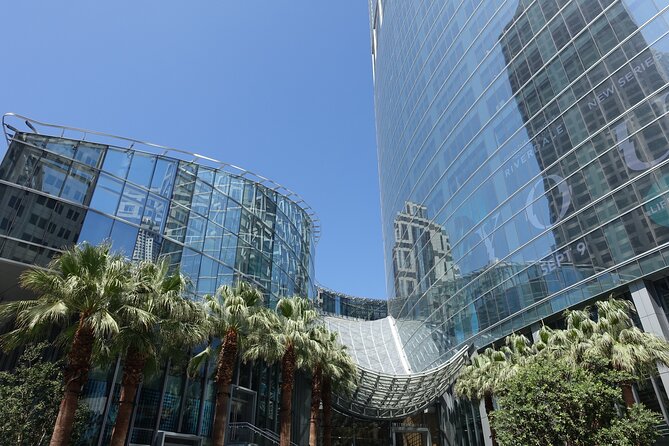
The NoMad Hotel occupies the former home of the Bank of Italy Los Angeles. This adds another useful layer to the route because the building connects architecture with finance and urban growth.
You spend around 10 minutes here. The stop helps explain how downtown buildings were designed to project stability, wealth, and importance. A former bank headquarters is not just another old building. Its original function shaped the way it presented itself to the street.
As with the Eastern Columbia Lofts, admission is not included. The tour focuses on the building from the outside, so you should not book this walk expecting hotel access or a long interior inspection. The architectural value comes from understanding the structure’s former purpose and seeing how it fits into the surrounding district.
The Oviatt Building finishes the walk
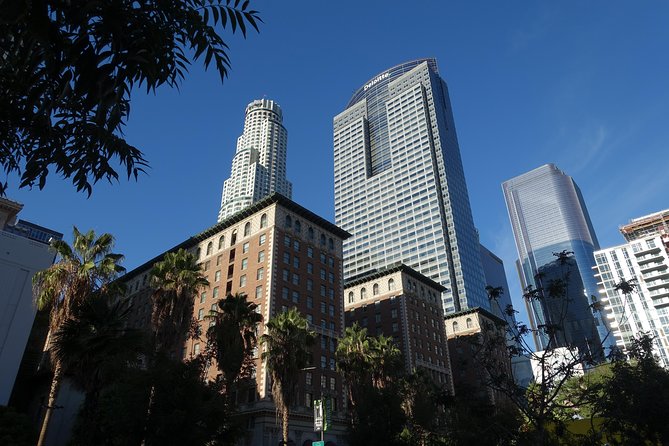
The final stop is the Oviatt Building at 617 South Olive Street, described as LA’s oldest standing Art Deco building. It is a fitting finish because it returns the focus to style, craftsmanship, and the city’s changing identity.
You spend about 10 minutes here. By this point, you have seen several architectural traditions, so the Oviatt Building gives you a chance to compare Art Deco with the Beaux Arts and Renaissance Revival examples earlier in the route.
The walk ends here rather than back at the Central Library. You are about a 10-minute walk from the starting point, and the guide can point you in the right direction. This is simple to manage, but it is worth knowing before you arrive, especially if you have another downtown appointment immediately afterward.
What Phil adds to the experience
The guide is one of the clearest strengths of this tour. Phil receives repeated praise for his architectural knowledge, friendly manner, humor, and ability to keep the conversation natural. He is also noted for answering questions instead of delivering only a fixed speech.
That flexibility is important on a city walk. You may want more detail about Art Deco, the theater district, the library, or the way downtown has changed. A guide who can follow questions makes the experience more useful for both specialists and complete beginners.
The strongest praise centers on the mix of architecture and history. You are not simply memorizing building names. You are getting a sense of how downtown developed and why its buildings look so different from one another.
There is one fair criticism to keep in mind. One person wanted more information about some of the buildings passed along the way and more chances to go inside. If you prefer a stop-by-stop survey of every structure, the two-hour format may feel selective. The tour works better as a guided introduction to key landmarks than as an exhaustive catalog.
Price, pace, and group size
At $38 per person, the tour offers reasonable value if you want a guide to organize the route and explain what you are seeing. You are paying for interpretation, not admission tickets to a series of interiors. Since most stops are free exterior visits, the value depends heavily on how much you enjoy the guide’s context and the walk itself.
The small maximum of 20 people helps. A group this size should make it easier to hear explanations and gather around a façade without losing the thread of the talk. The mobile ticket keeps arrival simple.
The pace covers a lot in two hours, but it is not a marathon. You move between several downtown districts, with stops ranging from five to 25 minutes. Wear comfortable shoes and allow room in your schedule after the tour if you want to revisit a building or return to the library.
The tour is scheduled in the morning, which gives you the rest of the day to explore downtown on your own. It is also near public transportation, making the starting point practical for visitors who do not want to drive.
Who should book this architecture walk
I would recommend this tour to first-time LA visitors who want a useful introduction to downtown, architecture fans, and returning residents who want to see familiar streets differently. It also suits anyone who likes a walking tour with real historical substance but does not want a full-day commitment.
You will get the most from it if you enjoy looking closely at façades and listening to explanations. The experience is less suitable if you need extensive interior access, want a shopping stop in the Jewelry District, or prefer a purely theatrical tour with little architectural detail.
Most people can participate, and service animals are allowed. The activity requires good weather and a minimum number of participants. Free cancellation is available up to 24 hours before the start time, but changes or cancellations inside that window are not refunded.
Should you book the Downtown LA Architecture Walking Tour?
Book it if you want to understand why Downtown Los Angeles looks the way it does. The route covers a strong group of landmarks, the price is fair for a guided two-hour walk, and Phil appears to be especially good at making architecture clear without making it dry.
Skip it if your priority is entering many buildings or spending long periods at each site. For most visitors, though, this is a smart way to get your bearings, see old LA beyond the usual tourist image, and learn how to recognize the difference between Beaux Arts, Renaissance Revival, Art Deco, and modernism.
FAQ
Where does the Downtown Los Angeles Architecture Walking Tour begin?
It begins at the Los Angeles Central Library, 630 West 5th Street, Los Angeles, California 90071.
What time does the tour start?
The tour starts at 10:30 am.
How long does the walking tour last?
The tour lasts approximately two hours.
Where does the tour finish?
It finishes at the James Oviatt Building, 617 South Olive Street, Los Angeles, California 90014.
How far is the finish from the starting point?
The end point is about a 10-minute walk from the Central Library. The guide can direct you back.
What buildings and districts are included?
The walk includes the Central Library, Fine Arts Building, Jewelry District, southern Historic Broadway Theater District, Eastern Columbia Lofts, NoMad Hotel, and Oviatt Building.
Is admission included?
The listed stops are free to visit from the route, but admission is not included for the Eastern Columbia Lofts, NoMad Hotel, and Oviatt Building.
How many people can join the tour?
The maximum group size is 20 people.
Is the tour available with a mobile ticket?
Yes. The experience uses a mobile ticket.
Can I cancel for a full refund?
Yes, if you cancel at least 24 hours before the experience start time. Cancellations made less than 24 hours in advance are not refunded. If poor weather or an insufficient number of participants causes cancellation, you can choose another date or receive a full refund.
Newly added in the USA
- Miami Beach Art Deco Segway Tour★ 4.5 · 17 reviews
- Boston: Freedom Trail History and Architecture Walking Tour★ 4.8 · 18 reviews
- Boston: Harbor and Charles River Architecture Boat Tour★ 4.6 · 9 reviews
- Iconic Capitol Hill Architectural Walking Tour★ 5.0 · 21 reviews
- Chicago: Guided Tour with Architecture River Cruise★ 4.5 · 20 reviews
- South Beach Food Tour- Culinary & Art Deco & History★ 5.0 · 22 reviews
- Chicago River 90-Min Architecture Boat Tour★ 4.5 · 24 reviews
- Manhattan Architecture Photography Tour★ 5.0 · 24 reviews
Walking Tours, compared.
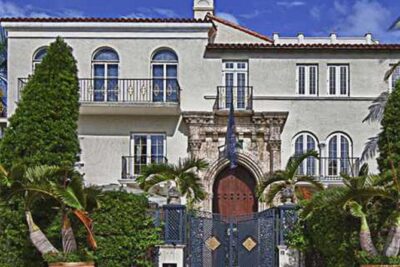
The Official Art Deco Walking Tour by The Miami Design Preservation League
Read our review →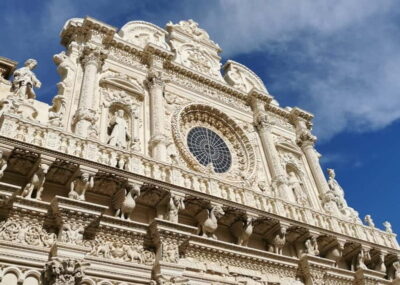
Baroque Architecture and Underground Walking Tour
Read our review →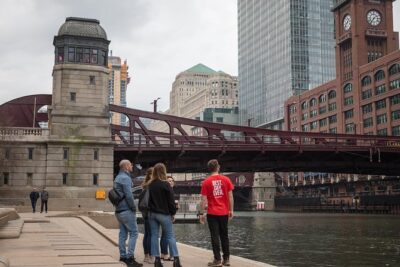
Chicago in a Day: Food, History & Architecture Walking Tour
Read our review →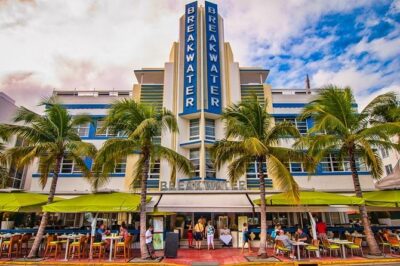

Ramblas, Old Town, Gothic and Gaudi Architecture Walking Tour
Read our review →
Chicago’s Secret Interiors Architectural Walking Tour
Read our review →
Browse the lists this tour appears in