
Review · ARCHITECTURE TOURS
Architecture Tour of Melbourne
Melbourne’s architectural story unfolds quickly on this two-hour CBD walk, from buildings dating to the 1850s to the sharp modern lines of Federation Square. You move through the city with a guide who explains not only what a building looks like, but why it matters and how it fits Melbourne’s past.
I like the small group of no more than 10 because it gives you room to ask questions. I also like the way the tour points out details you could easily miss from street level, including buildings and interiors you might not know you can enter. The main consideration is simple: this is a walking tour, and it is not wheelchair accessible.
Key points at a glance
- Federation Square and Flinders Street Station: See two very different ideas of public architecture side by side.
- Buildings from the 1850s onward: The route connects Melbourne’s early city growth with later architectural changes.
- Small groups of up to 10: Guides can adjust the discussion to your interests and questions.
- Guides with different strengths: San, John, and Kathy are named in the tour feedback, with a focus on clear history and architecture.
- Roughly two hours on foot: Wear comfortable shoes and expect a city walk rather than a seated presentation.
- Flexible weather policy: Poor weather may mean a new date or a full refund.
Melbourne’s architectural story begins at St Paul’s Cathedral
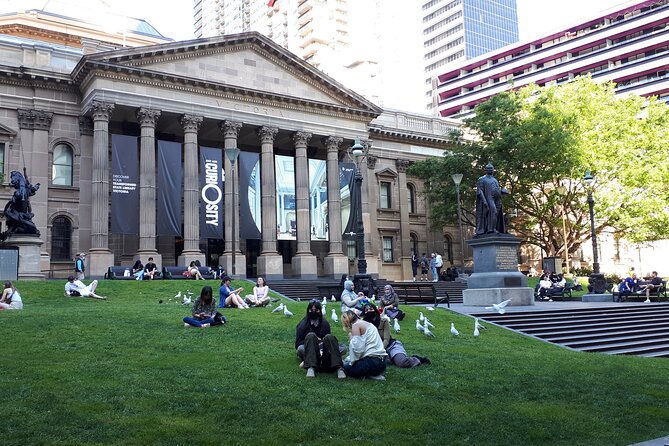
Meet at St Paul’s Cathedral, at 198 to 206 Flinders Street, a practical starting point in the heart of Melbourne. The meeting point is near public transport, so you can reach it without arranging a special transfer.
From here, the tour places you in the middle of Melbourne’s central city rather than taking you out to a distant district. That matters because the best part of this experience is the contrast between nearby buildings. You can look from one facade to another and see different periods, materials, and design choices within a short walk.
I like this kind of beginning because it gives you immediate context. You are not simply looking at isolated landmarks. You are learning how the city changed from the mid-19th century onward, and how older buildings continue to sit beside newer work.
The route is not presented as a rigid march from one stop to the next. The guide can tailor the discussion to the group’s interests and pace. If you have a particular interest in historic churches, banking buildings, civic design, or modern architecture, it is worth raising the subject early.
A few more architecture walks in the world worth a look
- Chicago Architecture River Cruise
★ 5.0 · 15,756 reviews - Chicago River 90-Minute Architecture Tour
★ 4.5 · 9,629 reviews - Chicago River: 1.5-Hour Guided Architecture Cruise
★ 4.8 · 8,046 reviews
Federation Square shows Melbourne taking a modern turn
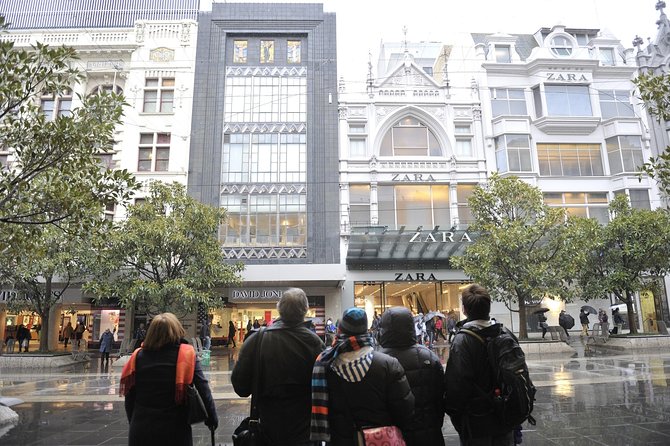
Federation Square is one of the clearest signs that Melbourne’s architectural story did not stop with its Victorian-era buildings. Its angular forms and unusual surfaces create a sharp contrast with the older structures around it.
This is a useful stop because it encourages you to think about architecture as more than age or decoration. A building can attract attention through its shape, materials, public use, and relationship to its surroundings. Federation Square also helps explain how a city with a strong 19th-century identity makes room for newer design.
The guide’s role is especially useful here. At a busy public site, it is easy to look at the overall shape and move on. A good explanation gives you a way to read the design rather than simply photograph it. Guides such as San, John, and Kathy have been praised for explaining buildings in a conversational way and for answering questions beyond a prepared script.
The stop may appeal most to you if you enjoy comparing old and new. If your ideal tour focuses only on grand historic buildings, Federation Square’s contemporary style may feel less familiar, but that contrast is part of the point.
Flinders Street Station connects transport with city identity
Flinders Street Station is one of Melbourne’s most recognizable buildings, and it offers a different lesson from Federation Square. Here, architecture is tied closely to daily life. The building is not only something to admire. It is also part of the city’s transport system and one of the key visual markers of central Melbourne.
On the tour, you can expect the guide to place the station within the wider story of Melbourne’s growth. The discussion is not limited to a facade. It links the building to movement, public use, and the changing needs of a growing city.
This is where a walking guide can add real value. You may have passed the station several times already, but a guide can direct your attention to features you would otherwise overlook. The experience is designed to help you see familiar places with more care.
Because the route is outdoors and continues through city streets, keep an eye on your footing and traffic. Comfortable shoes are not a minor suggestion here. Two hours of stopping, walking, and looking upward can be tiring in stiff footwear.
Scots Church adds a quieter, more historic pause
Scots Church gives the tour another change of pace. After the public scale of a major station and the modern geometry of Federation Square, a church setting allows the discussion to move toward religious architecture and the role of older institutions in Melbourne’s center.
You can expect the guide to explain the building’s architectural character and place it within the city’s 19th-century development. The value of this stop is not just the building itself. It helps you see how faith, civic life, and urban growth were tied together during Melbourne’s earlier years.
I like the balance created by stops such as this. An architecture tour can easily become a parade of famous facades. A church adds another layer, showing how buildings were shaped by the needs of communities as well as by fashion or commerce.
The tour information does not promise a full interior visit at every stop, so you should think of this as a guided look at the building and its place in the city. One useful feature of the experience is that the guide can point out which buildings you may be able to enter. Access can vary, so listen closely and ask if you want to investigate a particular interior.
Same city, a different facade:
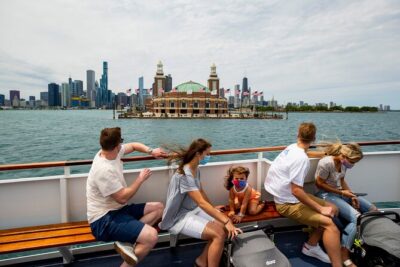
- Chicago Architecture Center River Cruise aboard First Lady
★ 5.0 · 5,536 reviews - Chicago: Architecture River Cruise Skip-the-Ticket Line
★ 4.8 · 4,325 reviews - Chicago River 45-Minute Architecture Tour from Magnificent Mile
★ 4.5 · 2,924 reviews - Barcelona: Sant Pau Recinte Modernista Entry Ticket
★ 4.6 · 2,567 reviews
The ANZ Bank Museum reveals the city’s commercial side
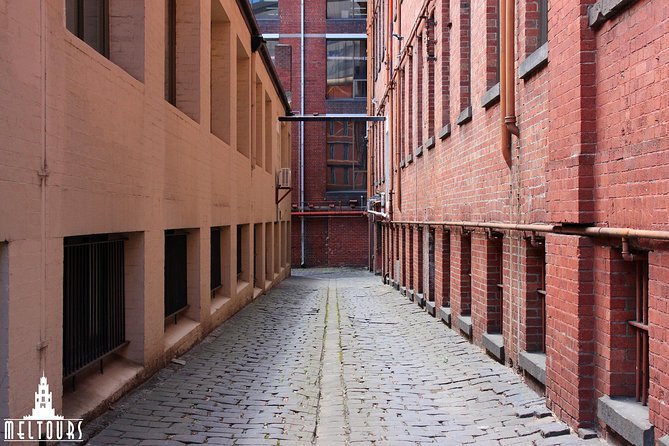
The ANZ Bank Museum brings banking and business into the story. Melbourne’s architecture is not only churches, stations, and public squares. Financial buildings also show how the city developed and how institutions wanted to present themselves.
This stop helps explain why commercial architecture can be worth your attention. A bank building often tells you something about confidence, money, public image, and the role of business in a growing city. The guide’s explanation gives you a better reason to look closely at the entrance, scale, and decorative details.
The museum also adds variety to the route. You are not simply walking past one exterior after another. Depending on access and the group’s pace, you may learn which buildings can be entered and what is inside. That kind of practical guidance is one of the tour’s strongest features, especially if you enjoy finding places you might otherwise pass without a second thought.
Do not expect a long museum visit to dominate the morning or afternoon. The experience lasts about two hours and remains a walking tour of central Melbourne. The bank is one part of a wider architectural route.
The guide makes the difference on a small-group walk
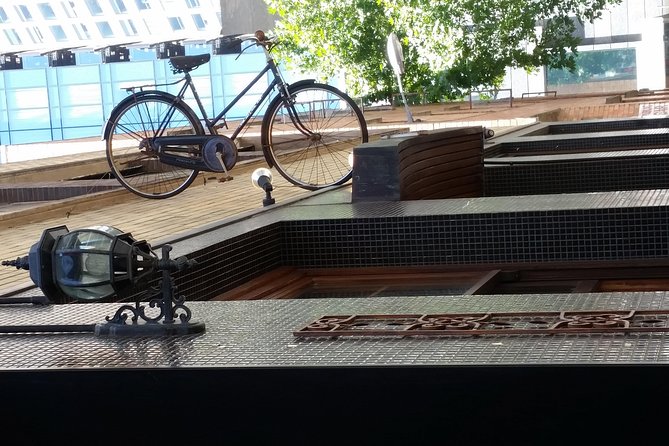
The strongest reason to choose this tour is the human explanation. The listed guides include San, John, and Kathy, and the feedback consistently highlights their ability to explain architecture and history in a friendly, interesting manner.
San is described as especially good at bringing out Melbourne’s varied buildings and their stories. John is noted for explaining 19th-century architecture and making the city’s past easy to follow. Kathy is praised for handling a wide range of questions without making the tour feel rehearsed.
That matters because architecture can become dry when it is reduced to dates and style names. The best moments come when the guide connects a design choice to the people who used the building, the period in which it was built, or the changes taking place around it.
A group of up to 10 also gives you a better chance to ask about a building that catches your eye. Larger city walks can make questions awkward, especially when the guide needs to keep moving. Here, the smaller format should feel more like a conversation, though the exact character will depend on the size and interests of your group.
The route can also be adjusted to some degree. The end point is not fixed, and the walk usually finishes roughly near Bourke Street Mall. The guide may alter the pace or emphasis based on the group, so do not plan around an exact final doorway.
What the two-hour format means for your day
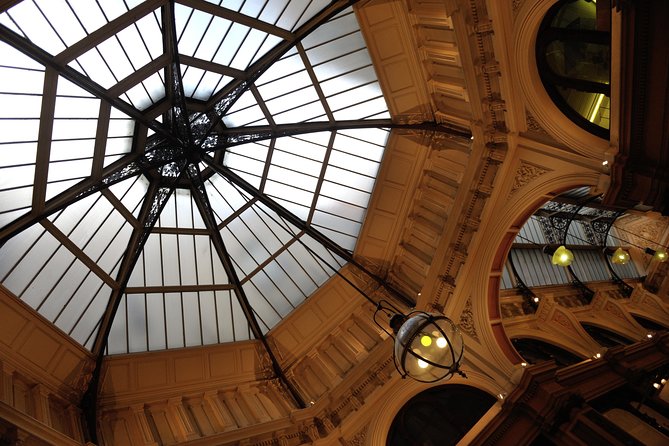
Two hours is long enough to build a useful picture of central Melbourne without taking over your entire day. You can schedule the tour soon after arriving in the city, then continue exploring around Bourke Street Mall and the central shopping area afterward.
I think this timing works particularly well at the start of a Melbourne visit. The tour gives you a sense of the CBD’s layout and helps you notice buildings as you walk around later. It can also be a good choice on a day when you want a focused activity rather than a full-day excursion.
The pace is likely to include regular stops for explanation, but you should still expect steady walking. Wear comfortable shoes, bring weather-appropriate clothing, and leave some flexibility in your schedule because the finish is approximate.
The meeting point is clear, but the end is intentionally less formal. That is useful if the guide wants to follow the group’s pace or interests. It also means you should not book a tightly timed activity immediately afterward.
Is the 64.55 dollar price good value?
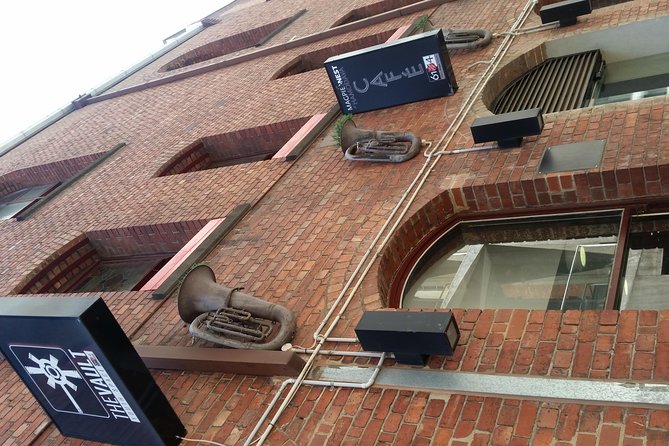
At $64.55 per person, this is not the cheapest way to spend two hours in Melbourne. You can walk through the CBD on your own for free. The question is what you receive in return for the fee.
The value comes from the interpretation. You are paying for a guide who can connect buildings across different periods, explain architectural details, answer questions, and identify places you might otherwise overlook. The small group also makes the price easier to justify than it would be for a large, impersonal walk.
I would see this as good value if you have a real interest in architecture, urban history, or the way cities change. It is also useful if you are new to Melbourne and want a clear introduction to the central city. If you prefer to wander without stopping or you only want the most famous landmarks, the price may feel high.
The 4.9 rating from 29 reviews and the 100 percent recommendation figure suggest a strong record, but I would still match the tour to your interests. The experience is focused. It is not a general sightseeing tour with cafes, shopping, or major attractions inside every stop.
Practical points before you book
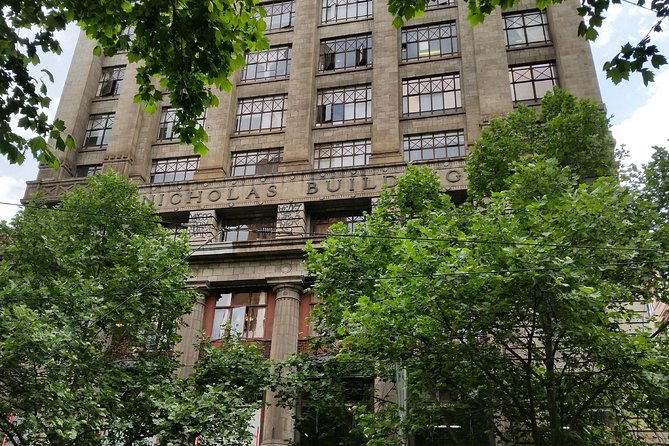
The tour is not wheelchair accessible, so it is not suitable if you need a wheelchair-accessible route. Most people can take part, but the activity involves walking through the city for about two hours.
The group maximum is 10 people. That is small enough for direct contact with the guide, while still allowing the tour to run as a shared experience.
You receive confirmation when you book, and a mobile ticket is provided. The meeting point is close to public transportation at St Paul’s Cathedral on Flinders Street.
Weather matters. If poor weather forces cancellation, you can choose another date or receive a full refund. You can also cancel for a full refund if you do so at least 24 hours before the start time. Cancellations or changes made within 24 hours are not accepted for a refund.
The tour also requires a minimum number of participants. If that minimum is not met, you will be offered another date or experience, or a full refund.
Who will enjoy this Melbourne architecture tour?
I would recommend it most to you if you enjoy looking closely at buildings and asking why they were designed the way they were. It suits first-time visitors who want city orientation, as well as repeat visitors who feel they have already seen Melbourne’s main sights.
It is also a good match for anyone who likes history presented through physical places. Instead of sitting through a long lecture, you move from station to church, bank, square, and other city buildings, seeing how each adds to the story.
Families with older children may find the format useful if the children can manage two hours of walking and listening. The small group makes questions easier, though the subject is best suited to people with some interest in buildings or city history.
I would skip it if you want a relaxed cafe stop, a bus tour, or a tour with a guaranteed indoor finish. The route depends on walking, weather, group pace, and the guide’s judgment.
Should you book it?
Book this tour if you want to understand Melbourne through its buildings rather than simply photograph them. The combination of Federation Square, Flinders Street Station, Scots Church, the ANZ Bank Museum, and lesser-noticed city details gives you a useful range in about two hours.
The strongest reasons to go are the small group, the flexible discussion, and guides such as San, John, and Kathy, who bring architecture and city history together in an approachable way. Wear good shoes, allow for an approximate finish near Bourke Street Mall, and check the forecast before setting out.
If that sounds like your kind of sightseeing, $64.55 is a fair price for a focused introduction to Melbourne’s built character. If you would rather explore independently, save the fee and use the same central streets as your own open-air classroom.
FAQ
Where does the Architecture Tour of Melbourne start?
The tour starts at St Paul’s Cathedral, at 198 to 206 Flinders Street, Melbourne VIC 3004, Australia.
Where does the tour finish?
There is no fixed end point. The tour finishes roughly near Bourke Street Mall, depending on the group’s size and walking speed.
How long does the tour last?
The walking tour lasts approximately two hours.
How large is the tour group?
The tour has a maximum of 10 participants.
Is the tour wheelchair accessible?
No. The tour is not wheelchair accessible.
What happens if the weather is poor?
If the tour is canceled because of poor weather, you can choose a different date or receive a full refund.
Can I cancel for a refund?
Yes. You can cancel at least 24 hours before the experience start time for a full refund. Cancellations or changes made less than 24 hours before the start time are not accepted for a refund.
Newly added in the world
- Venice Art and Architecture Private Walking Tour★ 4.5 · 11 reviews
- Basilica San Marco and the Pala d’Oro with Architect Guide★ 4.5 · 19 reviews
- Walking tour in Venice with an architect★ 5.0 · 16 reviews
- Faro Private Walking Tour: Uncovering its Architectural Legacy★ 5.0 · 8 reviews
- Private Walking Tour of Old Gdańsk with an architect-guide★ 5.0 · 7 reviews
- Sopot Private City Walking or Bike Tour with a local architect★ 5.0 · 19 reviews
- Lesser Poland Wooden Architecture Trail UNESCO Private Tour from Krakow★ 5.0 · 15 reviews
- Lisbon Contemporary Architecture★ 5.0 · 3 reviews
Architecture Tours, compared.
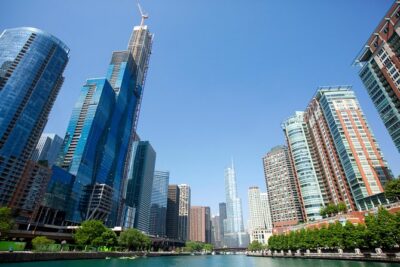
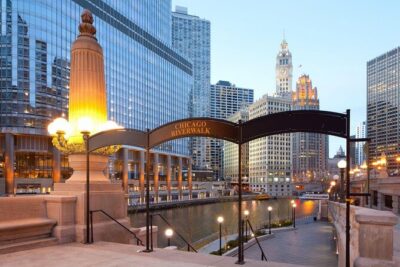

Chicago River: 1.5-Hour Guided Architecture Cruise
Read our review →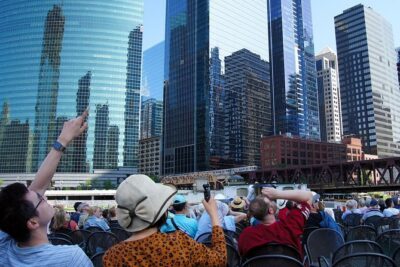
Chicago Architecture Center River Cruise aboard First Lady
Read our review →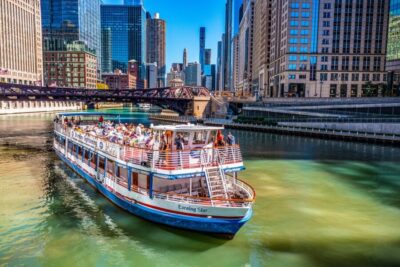
Architecture River Cruise Skip-the-Ticket Line
Read our review →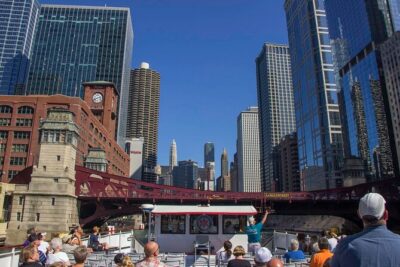
Chicago River 45-Minute Architecture Tour from Magnificent Mile
Read our review →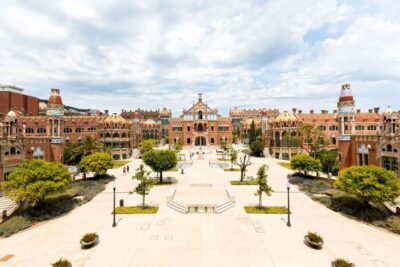
Browse the lists this tour appears in