
Review · GAUDí TOURS
Barcelona: Discover Gaudi Architectural Guided Tour
Barcelona’s architecture makes far more sense once you understand the city that shaped it. On this three-hour morning walk, a practicing architect connects Gaudí’s flowing forms with engineering, social change, urban planning, and the Modernisme movement. You see Casa Batlló, Casa Milà, and Casa Calvet, but the real prize is learning how to read them.
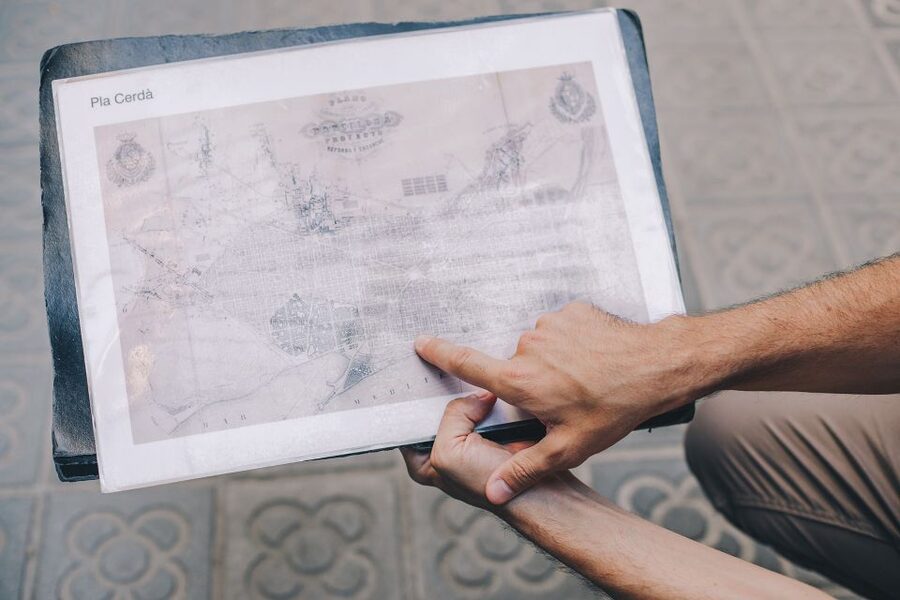
I like the way the tour places Gaudí beside his talented rivals, including Domènech i Montaner and Puig i Cadafalch. I also like the practical teaching style: guides such as Pía and Tomasz use sketches, notes, and visual aids to explain ideas without assuming you studied architecture. The main limitation is clear: you do not go inside the buildings, so this is an exterior architecture walk rather than a ticketed visit to Gaudí’s interiors.
Key points to know before you go
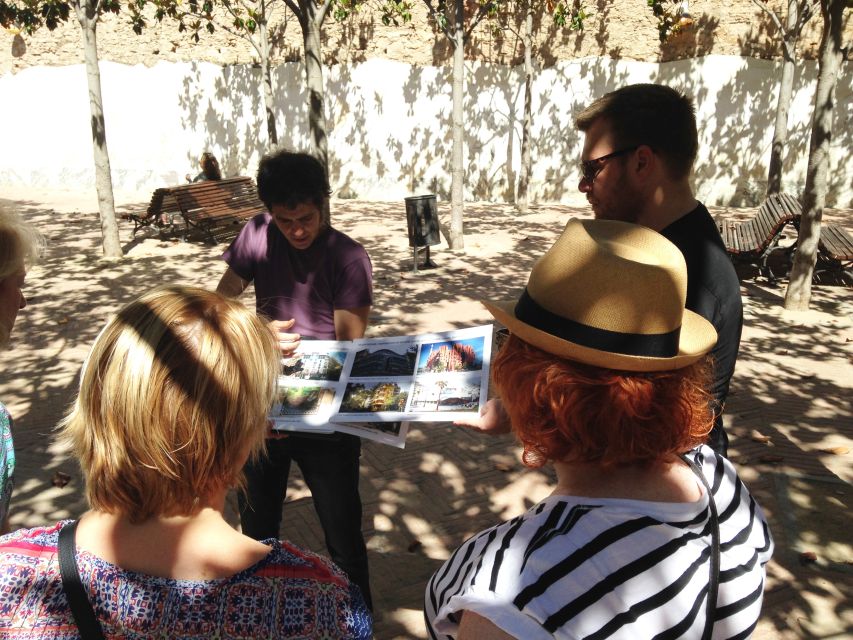
- Gaudí’s three major residential works: Study Casa Calvet, Casa Batlló, and Casa Milà from the street with an architect who can explain their structure and symbolism.
- A wider Modernisme lesson: Compare Gaudí with Casa Lleó Morera, Casa Amatller, and the Antoni Tàpies Foundation.
- Urban planning made readable: Learn how Barcelona’s expansion and social concerns shaped the streets, blocks, courtyards, and buildings around Passeig de Gràcia.
- Architects lead the walk: Guides are practicing architects, and many also teach architecture or work as critics.
- Hidden courtyards included: See how private interior spaces became public gardens and part of Barcelona’s urban life.
- Useful follow-up ideas: You receive a local architecture guide with suggestions for places to have a drink and more buildings to see.
Why this Gaudí walk is more than a building checklist

A standard Gaudí walk can turn into a parade of famous façades. You stop, take a picture, hear a few facts, and move on. This experience aims at something more useful: it teaches you how Barcelona was built and how Gaudí fit into that story.
The tour begins near the sculpture by Joan Brossa, in front of the Comedia Cinema at the meeting of Passeig de Gràcia and Gran Via. That location puts you in the middle of one of Barcelona’s best areas for comparing architecture. You are not looking at Gaudí in isolation. Within a short walk, you can see how several leading architects answered the same cultural and urban challenges in different ways.
I especially like that the route does not treat Gaudí as a lone genius floating above his time. You learn about the city’s changing social conditions, the beginnings of modern urbanism, and the ambitions of Barcelona’s wealthy patrons. Those details make the buildings easier to understand. Ornament is no longer just decoration. It becomes part of a larger argument about identity, comfort, technology, faith, and status.
The rating is 4.9 from 40 reviews, and the strongest pattern is the guides’ ability to explain difficult ideas in plain English. Pía receives especially strong praise for linking architecture with the history and layout of Barcelona. Daniela and Tomasz are also named for their energy, clarity, and command of the subject.
More Gaudi Tours in Barcelona:
- Barcelona: Park Güell and Gaudí House Museum Entry Ticket
★ 4.5 · 6,326 reviews - Barcelona: Gaudí’s Park Güell Tour with Fast-Track Ticket
★ 4.8 · 4,512 reviews - Sagrada Familia & Gaudi Tour Private or Small Group with Tickets
★ 4.5 · 1,188 reviews
Passeig de Gràcia, where Barcelona’s architectural competition begins
Passeig de Gràcia gives the tour a perfect setting. It is a grand city avenue filled with ambitious residential buildings, but the lesson is not simply about wealthy homes. It is about how Barcelona’s expanding middle and upper classes used architecture to announce taste, modernity, and social position.
Your guide introduces the Modernisme period, the Catalan answer to the wider European movement often associated with Art Nouveau. You will see that Modernisme was not one fixed style. Architects shared an appetite for new materials, skilled craft, unusual shapes, and historical references, but each developed a distinct visual language.
The walk includes Casa Lleó Morera by Domènech i Montaner and Casa Amatller by Puig i Cadafalch. These buildings help you compare Gaudí with two important contemporaries.
Casa Lleó Morera gives the group a chance to examine Domènech i Montaner’s approach. Casa Amatller, with its distinctive façade, offers another contrast. Side by side with Gaudí’s work, these buildings show that Barcelona’s architectural story is much larger than one famous name.
This is one of the tour’s strongest features. If you only visit Casa Batlló and Casa Milà, you may leave thinking every unusual building belongs to Gaudí. Here, you learn to tell the difference.
Casa Calvet and Gaudí’s practical early work
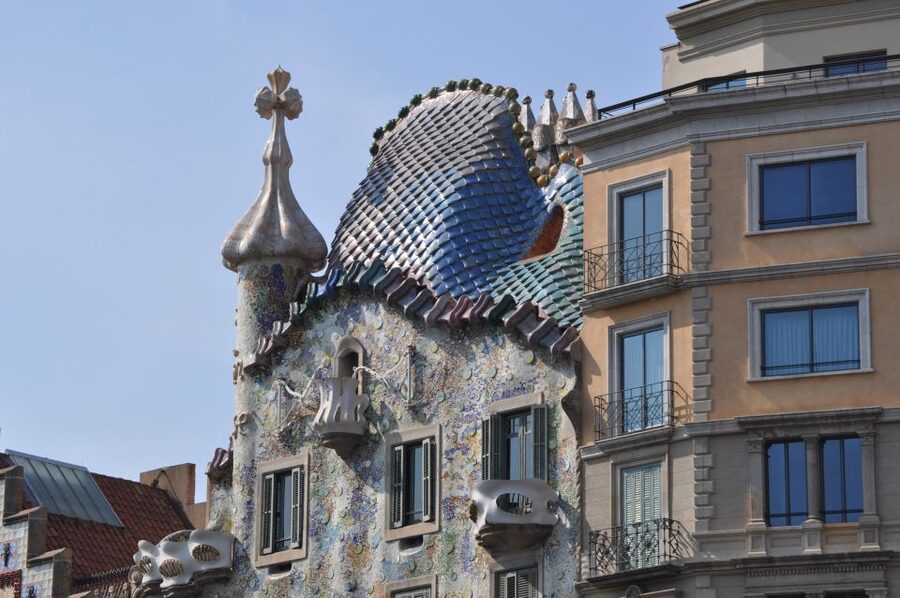
Casa Calvet marks an important point in Gaudí’s development. It is one of the three main residential buildings included on the route, and it helps your guide explain how his work changed over time.
The tour traces Gaudí’s path from social concerns toward a stronger religious and spiritual focus. Casa Calvet belongs to a stage when practical urban architecture and inventive design still sit close together. You can look at the building as a working residence rather than only as an artistic statement.
This part of the walk is useful because it prevents the familiar mistake of treating Gaudí’s career as fully formed from the start. His ideas developed through different commissions and pressures. His work responds to clients, city conditions, available technology, and his own changing convictions.
Your guide also discusses the first architectural steps connected with the Sagrada Família. The point is not to replace a dedicated Sagrada Família visit. Instead, you gain a clearer sense of where that project fits into Gaudí’s career and how his interests gradually shifted.
Casa Batlló, where engineering becomes visual drama
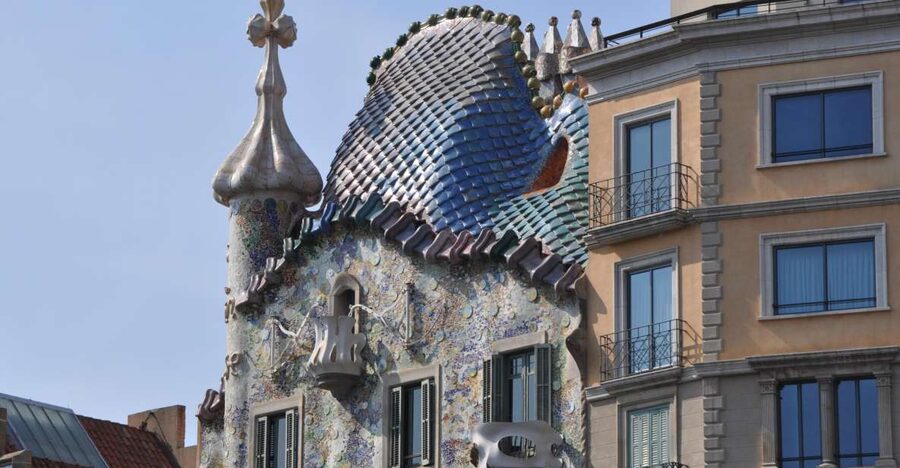
Casa Batlló is one of the tour’s major stops. Even from outside, the building gives your guide plenty to explain: structure, surface, color, light, craft, and Gaudí’s ability to make a city residence feel almost organic.
The guide’s job here is not simply to tell you that the façade looks like bones, masks, scales, or waves. You learn to ask how those visual effects were made and why they matter. That practical angle is one reason an architect-led tour can be more useful than a basic sightseeing walk.
Pía, one of the guides, is especially praised for explaining Gaudí’s technological innovations. This is a key part of the experience. Gaudí’s buildings are not merely pretty surfaces. Their unusual forms depend on structural thinking and inventive responses to the problems of light, ventilation, movement, and space.
You should also expect the guide to keep the discussion at a level that suits the group. One person may want to talk about engineering, while another may be more interested in Catalan history or the daily life of the buildings. The best guides on this route have shown an ability to answer technical questions without turning the walk into a lecture for specialists.
The drawback remains the same: you view Casa Batlló from outside. If your main goal is to see its interior rooms, roof terrace, and detailed tile work up close, you need a separate admission. This tour helps you understand the building before or after that visit, but it does not replace it.
More Guided Tours in Barcelona:
- Park Güell: Guided Tour with Optional Gaudí Experience Entry
★ 4.1 · 832 reviews - Barcelona: Casa Vicens, Pedrera, and Casa Batlló Guided Tour
★ 4.6 · 260 reviews - Guided Gaudí’s Trencadís Mosaic Workshop in Barcelona
★ 4.8 · 259 reviews - Gaudi´s Casa Vicens Guided Tour
★ 5.0 · 235 reviews
Casa Milà and Gaudí’s move toward total design
Casa Milà, often called La Pedrera, gives the walk another chance to examine Gaudí’s mature ideas. The building’s broad, irregular stone façade is very different from the more colorful effect of Casa Batlló. That contrast lets you see how Gaudí could change his approach while keeping his interest in movement, structure, and nature.
Your guide explains Gaudí’s visual power and his influence on the Surrealists. You do not need to know the history of modern art to follow the point. Gaudí’s work unsettles ordinary expectations about what a city apartment building should look like. Walls seem to flow. Roof forms become sculptural. Practical architecture turns into something more imaginative and strange.
The tour also follows Gaudí’s increasing absorption with the divine. This is not presented as a sudden switch. Instead, you trace a series of turning points, from concerns about society and urban life to a more complete religious vision.
That progression gives Casa Milà a useful place in the story. You see it not just as a landmark, but as part of a career moving toward an architecture that aimed to join structure, nature, symbolism, and faith.
Again, you remain outside. The guide can explain the building’s shape and intention, but you will not walk through its courtyards or climb to its famous roof during this experience. Treat the stop as an architectural reading lesson, not an interior tour.
Courtyards that turn private space into public life
The hidden courtyards are one of the most distinctive parts of the route. They add a different scale to the walk. Instead of looking only at grand façades, you see how Barcelona has used enclosed spaces within its urban blocks.
The guide explains how some courtyards became public gardens. This matters because Barcelona’s planning is not only about broad avenues and striking buildings. It is also about how people find air, light, greenery, and shared space inside a dense city.
I like this section because it makes the urbanism lesson concrete. You are no longer studying city planning as an abstract idea. You can see how a private or enclosed area can change its role and serve the wider public.
The exact feel of a courtyard can depend on the day and the route, but the supplied information confirms that the full walk is wheelchair accessible. That is useful for anyone who wants to explore Barcelona’s architecture without dealing with a route built around stairs or rough access.
Gaudí’s patrons, projects, and unfinished ambitions
The tour reaches beyond the most famous buildings to explain the people and projects that shaped Gaudí’s career. You learn about his last commission from his patron Eusebi Güell, as well as a project connected with Manhattan.
These episodes help you see Gaudí as an architect responding to opportunities, patrons, and changing ambitions. They also keep the story from becoming a simple list of completed buildings. Some of the most revealing ideas in an architect’s career appear in projects that were planned, proposed, or left unfinished.
The discussion of Güell is particularly helpful because patronage was central to Gaudí’s work. A building does not emerge from inspiration alone. It depends on a client’s money, aims, confidence, and willingness to support unusual ideas.
The Manhattan project adds another angle. It shows that Gaudí’s reputation and imagination reached beyond Barcelona, even though the city remains the place where his work is most closely tied to daily life.
Why an architect guide changes the experience
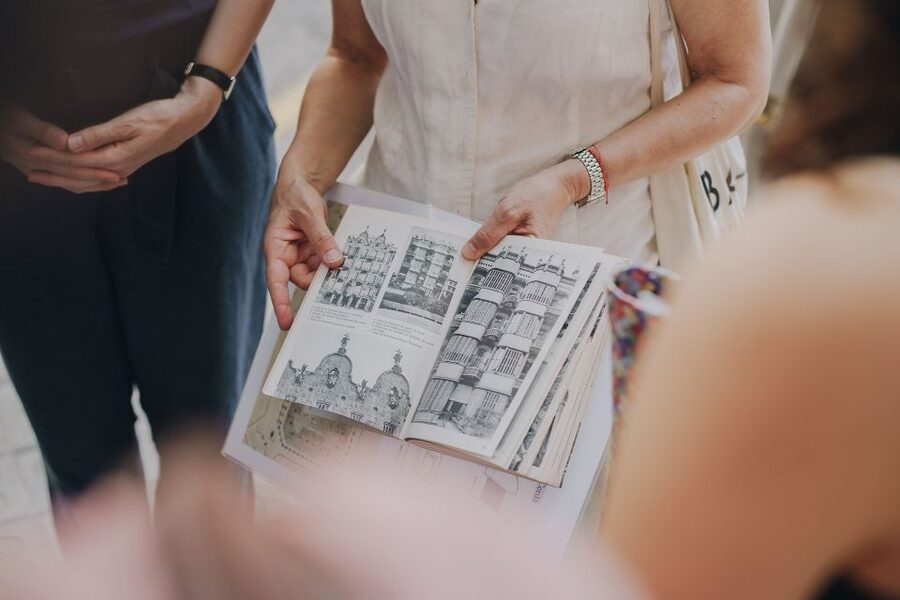
All guides on this walk are practicing architects, and many are also architecture professors or critics. That does not mean you need technical training. It means you can ask questions about the buildings and receive answers grounded in professional experience.
Several guides receive especially strong praise. Pía is described as engaging, clear, and able to connect architecture with political, social, and environmental subjects without letting the discussion become personal or unfocused. Tomasz is praised for using visual aids and handling a large group with energy. Daniela is noted for her passion and command of the subject.
You should still expect some variation in style. An architect may spend more time on structure than a general city guide would. If you have little interest in buildings, three hours can feel like a long time. But the route also covers history, city planning, culture, and social change, so it is not limited to technical terms.
The strongest benefit is that the guide teaches you a method. After the walk, you can look at other Barcelona buildings with more confidence. You may notice entrances, façades, courtyards, materials, and street patterns that would otherwise pass by as attractive decoration.
The $53 price and what you receive
At $53 per person, this is not the cheapest way to see Barcelona from the street. The price makes more sense if you value interpretation and want a focused architectural lesson rather than a general orientation walk.
You receive three hours with a live English-speaking guide and an architectural city guide to take with you. The guide includes suggestions for places to have a drink and other architecture to see, which gives the experience some value beyond the morning itself.
The tour is also a good way to prepare for separate visits to Gaudí’s interiors. After learning how to compare Gaudí, Domènech i Montaner, and Puig i Cadafalch, you will get more from Casa Batlló, Casa Milà, or the Sagrada Família.
If you are mainly looking for entry tickets, this is not good value because none of the buildings are entered. If you are interested in understanding what you see, the price is easier to justify.
Practical details for your three-hour walk
The tour is in English and lasts three hours. Starting times vary, so check availability when booking. The meeting point is by the Joan Brossa sculpture in front of the Comedia Cinema, at Passeig de Gràcia and Gran Via.
Wear clothing suitable for the weather. Barcelona is often pleasant, but conditions can change, and the walk is cancelled only when weather creates a safety risk. Comfortable shoes are sensible for any three-hour city walk.
The entire route is wheelchair accessible. That is an important advantage, though it remains wise to confirm the current meeting details and route arrangements when you book.
You can cancel up to 24 hours before the start for a full refund, and you can reserve now while paying later. Those policies are useful if your Barcelona schedule is still shifting.
Who should book this tour?
I would choose this walk if you want to understand Gaudí rather than simply photograph him. It suits readers who enjoy architecture, city planning, design, engineering, or the way social forces shape a city.
It is also a smart choice early in your Barcelona stay. The route gives you a working vocabulary for the rest of your sightseeing. You may look at a façade differently after learning what to compare and where to look.
Families and mixed-interest groups can enjoy it if everyone is willing to walk and listen for three hours. The guide’s ability to explain technical ideas at different levels helps, but a person who has no interest in architecture may find the pace demanding.
I would not book it as a substitute for visiting Gaudí’s interiors. Choose it for context, comparison, and access to an architect’s way of thinking. Then add admission visits separately if you want to see the rooms and rooftops from inside.
Should you book the Gaudí Architectural Guided Tour?
Book it if you want the famous buildings to make sense. The combination of Casa Calvet, Casa Batlló, Casa Milà, Casa Lleó Morera, Casa Amatller, courtyards, and urban planning gives you a fuller picture than a Gaudí-only route.
The best reason to go is the guide quality. Pía, Tomasz, and Daniela are singled out for clear explanations, energy, and an ability to connect difficult ideas with the city around you.
Skip it if you want interior access, a short photo stop, or a tour focused only on Gaudí’s biography. For everyone else, this is a thoughtful three-hour introduction to Barcelona’s architecture, with enough detail to change how you see the city afterward.
FAQ
How long does the Barcelona Gaudí architecture tour last?
The tour lasts three hours.
What language is the tour conducted in?
The live guided tour is conducted in English.
Where is the meeting point?
Meet by the sculpture by Joan Brossa, in front of the Comedia Cinema at the intersection of Passeig de Gràcia and Gran Via.
Do you go inside Gaudí’s buildings?
No. The tour visits the buildings from the outside, and you do not go inside them.
Which Gaudí buildings are included?
The route includes Casa Calvet, Casa Batlló, and Casa Milà.
Is the tour wheelchair accessible?
Yes. The entire tour is wheelchair accessible.
What is included in the price?
The price includes the guided tour and an architectural city guide with suggestions for places to have a drink and other architecture to see.
Newly added in Barcelona
- Barcelona Private Walking Tour through the City of Gaudi★ 4.5 · 20 reviews
- Offer: Be Gaudí mosaic class Barcelona for families (max 4 pax)★ 5.0 · 20 reviews
- Private Montserrat, Gaudi and Modernism Day Trip from Barcelona★ 4.5 · 20 reviews
- Barcelona: The Genuis of Gaudi & Modernist Architects Tour★ 5.0 · 20 reviews
- Barcelona: Gaudí Segway Tour★ 4.6 · 21 reviews
- Barcelona: Wonders of Gaudi Bike Tour★ 5.0 · 22 reviews
- Gaudi Guided Tour: Casa Batllo, La Pedrera & Casa Vicens★ 3.5 · 24 reviews
- Gaudi and La Sagrada Familia Exterior Self-Guided Audio Tour★ 3.5 · 25 reviews
Gaudí Tours, compared.
Park Güell and Gaudí House Museum Entry Ticket
Read our review →
Gaudi’s Casa Vicens Skip-the-Line Entrance Ticket
Read our review →
Gaudí’s Park Güell Tour with Fast-Track Ticket
Read our review →
Sagrada Familia & Gaudi Tour Private or Small Group with Tickets
Read our review →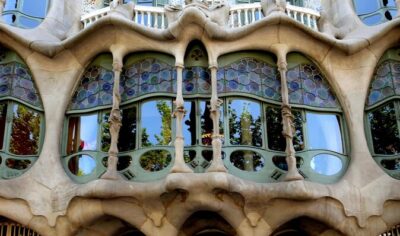
Complete Gaudi Tour: Casa Batllo, Park Guell & Sagrada Familia
Read our review →
Park Güell: Guided Tour with Optional Gaudí Experience Entry
Read our review →
Barcelona e-Bike Tour: Gaudí & Old Town Small Group
Read our review →
Ramblas, Old Town, Gothic and Gaudi Architecture Walking Tour
Read our review →Browse the lists this tour appears in