Review · GAUDí TOURS
Barcelona Highlights: The Best of Gaudi On Segway
Barcelona’s Gaudi story makes more sense when you see it across the city, not just from one crowded pavement. This private three-hour Segway tour links the old Gothic Quarter with the broad avenues of L’Eixample, the waterfront, Parc de la Ciutadella, and the grand towers of Sagrada Familia.
I like the personal route, which can be adjusted to your interests, and the mix of famous sights with less obvious stops such as the Roman wall, Port Vell, and Baluard de Migdia. I also like the careful introduction to the Segway. The main drawback is that this is an outside viewing tour, so it is best for city orientation and architecture rather than interior visits.
Key points at a glance
- Private route with room to adapt: Your guide can adjust the pace and focus to suit your plans and interests.
- A full cross-section of Barcelona: Ride from the medieval Gothic Quarter through the waterfront, Ciutadella, and L’Eixample.
- Gaudi without a long walking day: See Casa Batlló, Casa Milà, and Sagrada Familia while covering a lot of ground.
- A useful first-day tour: The route gives you a clear map of central Barcelona before you explore individual sights on foot.
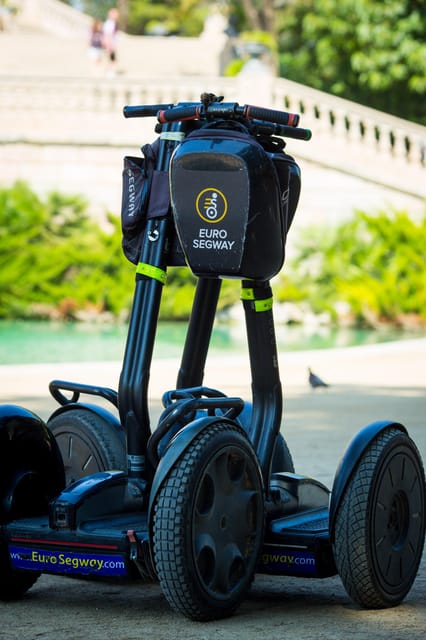
- Safety training is included: You receive a lesson, test ride, helmet, and raincoat if needed.
- Adults and older teenagers only: The tour is not suitable for children under 16, pregnant women, or riders outside the stated weight limits.
Why this Segway route works well for Barcelona
Barcelona is spread across several very different city areas. The Gothic Quarter is tight and irregular, the waterfront opens toward the sea, Parc de la Ciutadella provides a leafy break, and L’Eixample uses long, orderly blocks that make the Modernisme buildings easier to appreciate.
A Segway is useful here because you can cover these districts without spending three hours on foot. You are not simply moving between two Gaudi buildings. You are seeing how Barcelona changed from Roman settlement to medieval port city, then to the grand planned city of the 19th century and the modern capital it is today.
The tour begins at Carrer del Correu Vell, 6, in the old Gothic Quarter. Allow time to find the meeting point and bring your passport or identity card. Before setting off, your guide provides basic instruction and a test ride at Plaça dels Traginers.
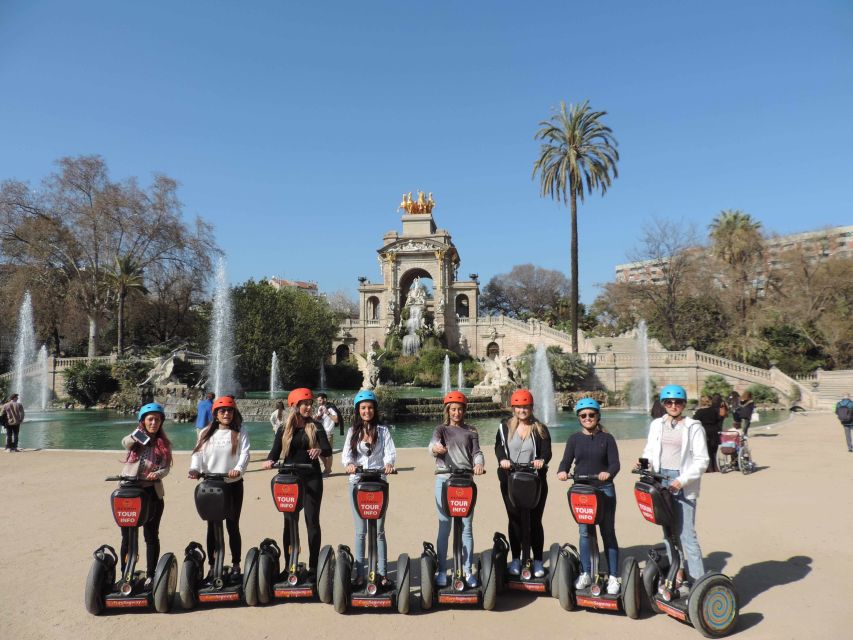
That training matters. A Segway is easy to control once you understand the balance and steering, but the first few minutes can feel strange. One group with no previous experience became comfortable in about five minutes under guide David’s instruction. You should still expect to spend part of the opening session learning how to stop, turn, and manage your speed.
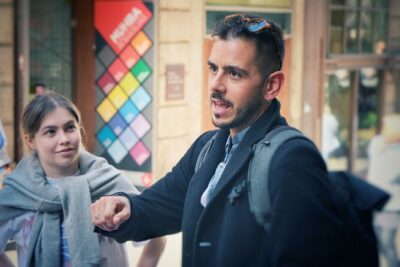
The private format is a real advantage. Guides can adjust the route and pace, rather than keeping every group to the same script. Pablo, one of the guides, was praised for changing the focus around a guest’s plans for the following day, keeping the speed comfortable, and pointing out good places for photographs and local food.
More Architecture Tours by Bike and Segway in Barcelona
- Barcelona e-Bike Tour: Gaudí & Old Town Small Group
★ 5.0 · 769 reviews - Historical and Modernist Bike Tour Barcelona
★ 5.0 · 262 reviews - Barcelona Bike tour, Gaudí houses or beach bike or eBike tour
★ 5.0 · 140 reviews
From Barcino to the waterfront
Once you are ready, the route starts in the Gothic Quarter. This is one of the best places in Barcelona to begin because the old city is not presented as a single monument. You move through narrow streets and learn about the Roman wall built in the 4th century, when the settlement was known as Barcino.
The Gothic Quarter is also the part of the tour where the Segway requires the most care. Its streets are narrow, and you will need to follow your guide closely. The reward is a quick introduction to Barcelona’s oldest central streets without committing to a long walking circuit.
The first photo stops include Plaça dels Traginers and El Cap de Barcelona. The giant head at the harbor is an unusual landmark, and it gives the route a lighter, more contemporary note after the Roman and medieval material.
From there, you head toward the Columbus Monument and Port Vell. The monument marks the lower end of La Rambla, while Port Vell shows how the waterfront has been reshaped for public use. The guide also points out Baluard de Migdia and the Muralla de Mar, useful reminders that Barcelona was once a fortified port city.
You will stop for photographs and short explanations rather than long lectures. That suits the vehicle and the three-hour limit. If you want detailed architectural study at every stop, a walking tour or specialist Gaudi visit would give you more time. Here, the goal is to connect the parts.
Parc de la Ciutadella and the 1888 Expo
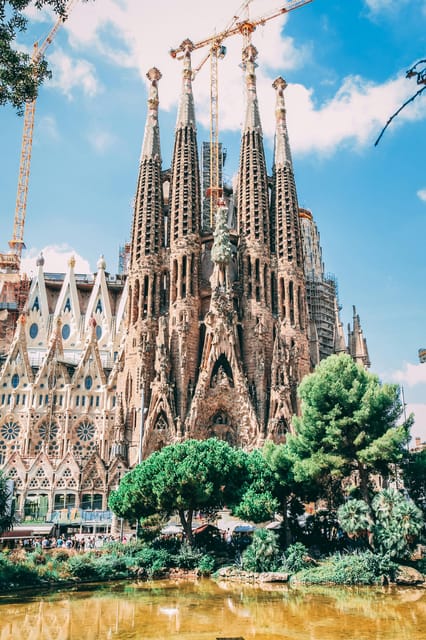
The route continues past Estació de França toward Vila Olímpica and Parc de la Ciutadella. Estació de França is one of Barcelona’s notable railway stations, while Vila Olímpica brings you into the city’s newer relationship with the sea.
Parc de la Ciutadella gives you breathing room after the tighter streets and busy waterfront. The park includes the Parliament of Catalonia and the Neptú area, and it offers a change of pace before the route heads back toward the central avenues.
The park also connects with Barcelona’s 19th-century ambitions. The route leads to Arc de Triomf, built for the 1888 World Expo. Unlike many triumphal arches, this one was designed as a welcoming gateway to an exhibition rather than as a military monument. It is a worthwhile stop because it helps explain the city’s shift toward grand public spaces and international events.
You then pass Plaça de Tetuan before entering the broad streets of L’Eixample. This is where the Segway becomes especially practical. The avenues are spacious, and bicycle lanes and open streets make the ride feel less confined than in the old quarter.
Gaudi on Passeig de Gràcia
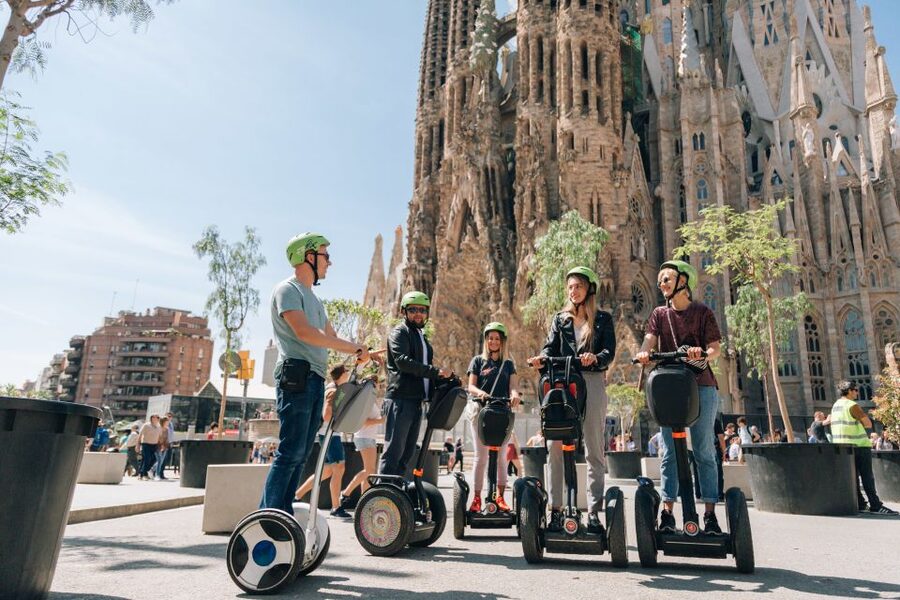
Passeig de Gràcia is the architectural heart of the tour. The avenue is a strong contrast to the Gothic Quarter, with wider blocks, formal planning, and some of the most famous buildings associated with Barcelona’s Modernisme movement.
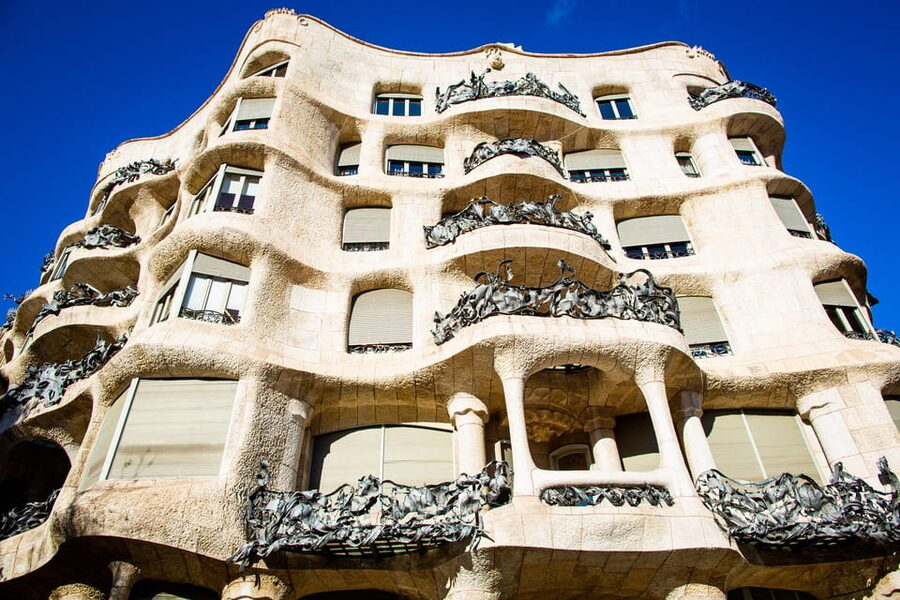
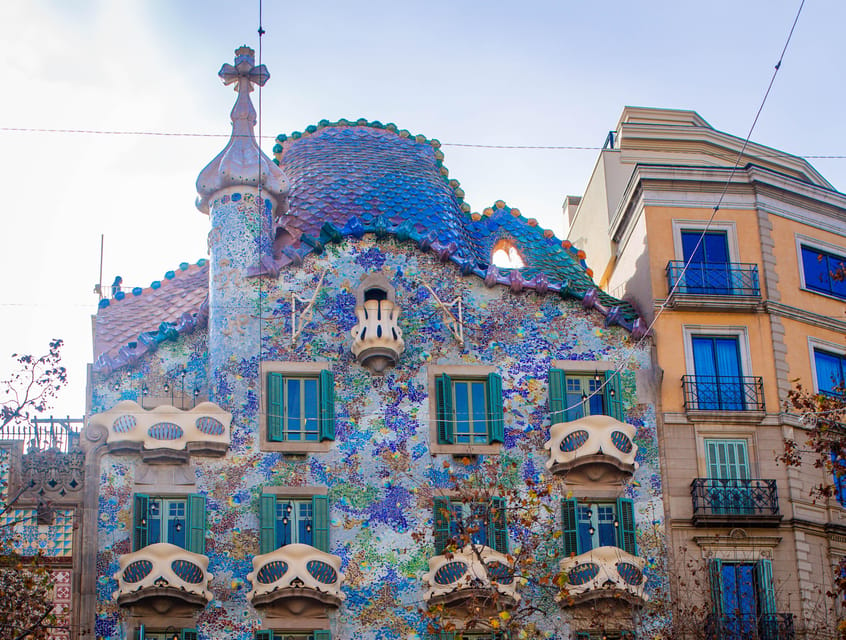
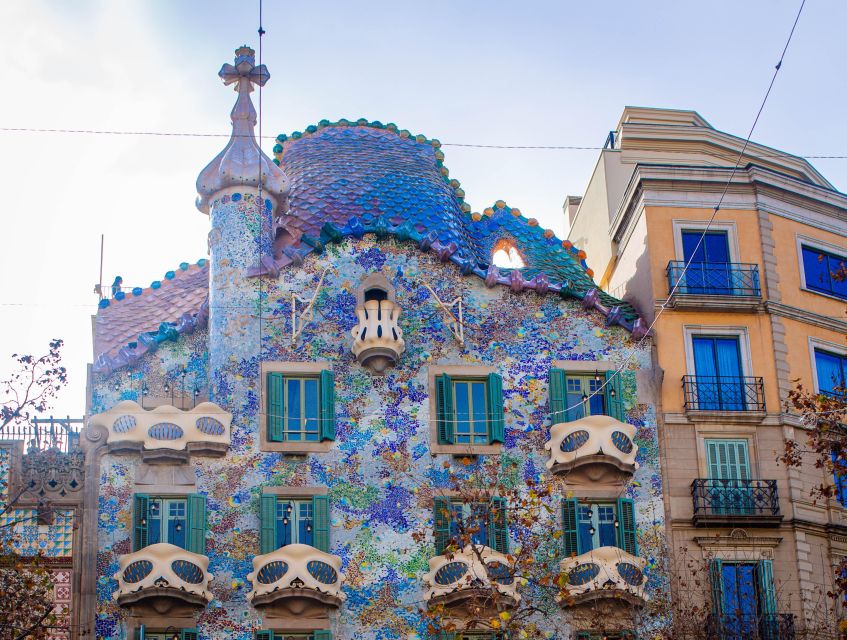
You pass Casa Milà, also known as La Pedrera, and Casa Batlló. The stops are short, generally around five minutes each, so you should think of them as guided exterior visits and photo opportunities. The guide can explain what to look for in the facades, but there is no indication that entrance to either building is included.
Casa Milà is known for its unusual stone exterior and sculptural roofline. Casa Batlló has a more colorful, fluid appearance, with details that make the building look almost alive. Seeing both in sequence makes the contrast clearer. Gaudi was not repeating one formula. He was testing different ways to shape balconies, windows, roofs, and ornament.
I would not book this tour as your only Gaudi experience if you want to see the interiors. Casa Batlló and Casa Milà reward dedicated visits, and Sagrada Familia needs still more time if you want to go inside. The value here is that you see the buildings in their city setting and learn how they relate to Passeig de Gràcia.
The route also introduces the wider Modernisme period, not just Gaudi himself. That broader context is useful because Barcelona’s architectural character was created by several designers and by a period of major urban change.
More Architecture Tours by Bike and Segway in Spain
- Barcelona: 2.5-Hour Gaudí Segway Tour
★ 4.8 · 114 reviews - Gaudi’s Barcelona 2-Hour Segway Tour with a Live Guide
★ 4.9 · 67 reviews - Barcelona Gaudí Segway Tour
★ 5.0 · 58 reviews - Barcelona Gaudi Guided Small Group E Bike Tour
★ 5.0 · 53 reviews
Sagrada Familia from the street
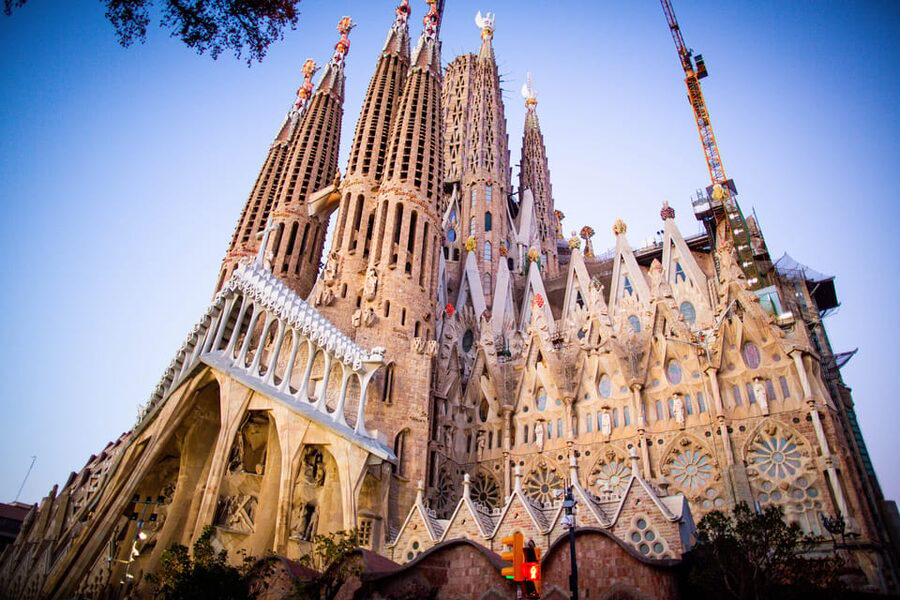
The most anticipated stop is Sagrada Familia. You approach the unfinished basilica after seeing the city’s older districts and the formal avenues of L’Eixample, which makes the building feel even more dramatic.
You can stop for photographs and hear about Gaudi’s work and the continuing changes to the building. The soaring towers are the visual high point of the route, but the tour does not include interior admission. You should plan a separate visit if you want to examine the interior, museum, and detailed facades at length.
This outside view still has value. Sagrada Familia is large enough that a quick photograph cannot capture its full character, and a guide can help you notice the different facades and the way the building dominates its surrounding streets. The short stop also keeps the tour moving, which matters because several more sights are included.
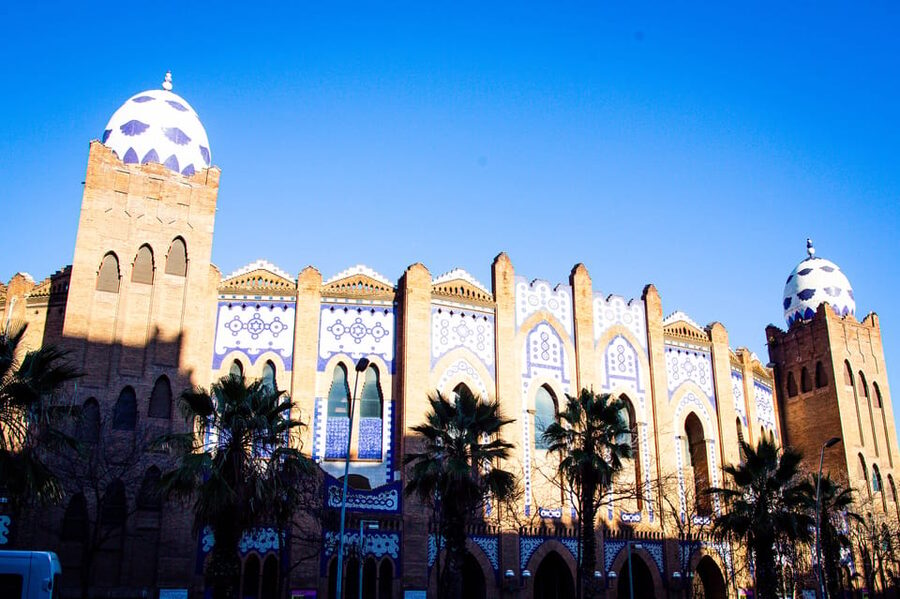
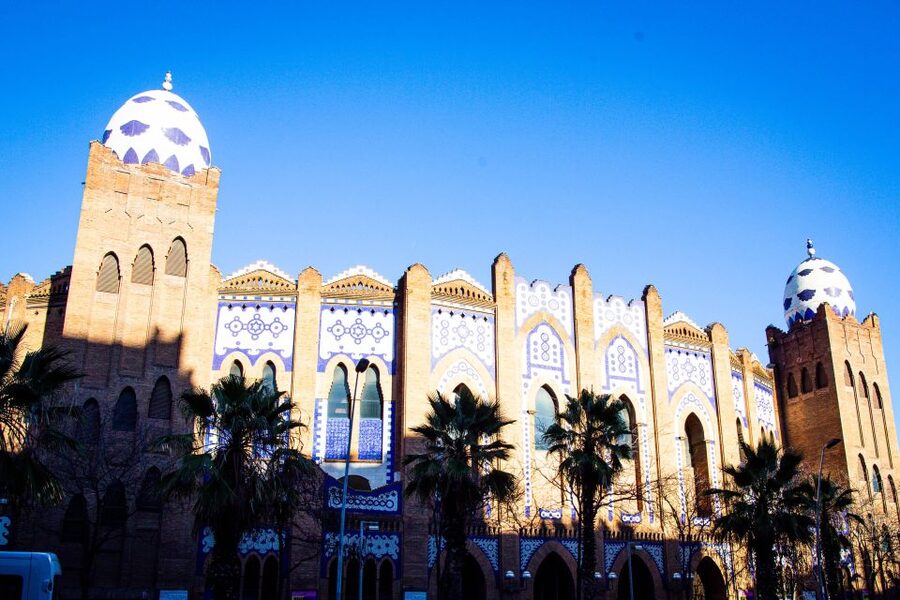
After Sagrada Familia, the route passes La Monumental, Barcelona’s former bullring. The brief stop adds another layer to the city’s public architecture and changing traditions. It also shows how quickly the city’s mood shifts from sacred architecture to a large civic building on the Eixample grid.
How good is the $117 price?
At $117 per person, this is not a budget sightseeing ride. The price makes more sense if you value a private guide, a flexible route, and the ability to see distant parts of central Barcelona in one outing.
You are paying for more than the Segway itself. The fee includes instruction, a test ride, a guide, a helmet, and a raincoat. The private setup also means the guide can adjust the pace. Pablo slowed down for one guest who needed more time, while another guide altered the focus to fit the guest’s plans.
The value is strongest for a couple, family group with older teenagers, or small party that wants a private introduction to the city. It is less compelling if you are mainly looking for entry tickets to Gaudi buildings, since those are not included.
A three-hour private tour can also save energy. Barcelona’s central sights are not all close together, and combining the Gothic Quarter, port, Ciutadella, Passeig de Gràcia, and Sagrada Familia on foot would take more time and effort. The Segway gives you a broad first look, then you can return to the places that deserve a slower visit.
What the guides add
The guide is central to this experience. A good Segway tour is not just a moving list of landmarks. You need someone who can explain the city while watching traffic, pedestrians, road conditions, and the group’s confidence.
Several named guides received strong praise for being friendly, enthusiastic, professional, and attentive to safety. David helped a group of six beginners feel comfortable quickly and shared detailed information with enthusiasm. Edgar and Dani were also described as friendly and enjoyable company, while Dennis added new details even for someone who already knew Barcelona.
Language choices are English, Spanish, French, and Russian. You should select the language that lets you ask questions comfortably, since the route moves quickly and many stops are short.
The food advice is another useful touch. Pablo pointed out places where locals eat, and following his suggestion led one guest to a satisfying supper. Since that kind of recommendation depends on the guide and the day, treat it as a possible benefit rather than a guaranteed part of the program.
Who should book it?
This tour suits you if you want to get your bearings quickly, enjoy architecture, and prefer a private experience to a large group. It is especially useful early in a Barcelona stay because it introduces many districts and helps you decide where to return.
It also suits first-time Segway riders. The included lesson and test drive remove much of the worry, and the guide can adjust the speed. Still, you need reasonable balance, attention, and comfort around city streets.
The tour is not suitable for children under 16, pregnant women, people with heart problems, anyone under 35 kilograms, or anyone over 135 kilograms. These limits are important, not minor booking notes. Bring your passport or ID card, and wear clothing that lets you move comfortably.
You should choose another format if you want long museum visits, interior access, or a slow architectural study. The stops are designed to give you a useful overview, with time for photographs and brief explanations rather than extended time inside each site.
Final verdict: a smart first look at Barcelona
I would book this tour if I wanted a private, active introduction to Barcelona and planned to return later to Sagrada Familia, Casa Batlló, or Casa Milà. The route is broad, the guide can respond to your interests, and the Segway saves your feet while connecting parts of the city that feel far apart on foot.
I would skip it if your main goal is entering Gaudi’s buildings or spending an hour at each facade. For everyone else, the combination of Gothic streets, Roman remains, waterfront history, Ciutadella, Modernisme architecture, and Sagrada Familia gives you a useful three-hour framework for the city.
The strongest reason to book is the personal guidance. The ride is fun, but the flexible pacing, practical safety help, photo stops, and local suggestions are what make the $117 price easier to justify.
FAQ
How long is the Barcelona Segway tour?
The tour lasts three hours.
Where does the tour meet?
The meeting point is Carrer del Correu Vell, 6, 08002 Barcelona.
Is this a private tour?
Yes. The activity is arranged for a private group.
What languages are available?
The live guide can conduct the tour in English, Spanish, French, or Russian.
Is Segway training included?
Yes. The experience includes a Segway driving lesson and test ride, along with a helmet.
Is a raincoat provided?
Yes. Raincoats are included.
Does the tour enter Sagrada Familia, Casa Batlló, or Casa Milà?
The route provides guided stops and sightseeing at these buildings, but interior admission is not listed as included.
What identification should I bring?
Bring your passport or ID card.
Who cannot take this tour?
The tour is not suitable for children under 16, pregnant women, people with heart problems, people under 35 kilograms, or people over 135 kilograms.
More Gaudi Tours in Barcelona
- Barcelona: Park Güell and Gaudí House Museum Entry Ticket
★ 4.5 · 6,326 reviews - Barcelona: Gaudí’s Park Güell Tour with Fast-Track Ticket
★ 4.8 · 4,512 reviews - Sagrada Familia & Gaudi Tour Private or Small Group with Tickets
★ 4.5 · 1,188 reviews - Complete Gaudi Tour: Casa Batllo, Park Guell & Sagrada Familia
★ 5.0 · 1,152 reviews
Newly added in Barcelona
- Barcelona Private Walking Tour through the City of Gaudi★ 4.5 · 20 reviews
- Offer: Be Gaudí mosaic class Barcelona for families (max 4 pax)★ 5.0 · 20 reviews
- Private Montserrat, Gaudi and Modernism Day Trip from Barcelona★ 4.5 · 20 reviews
- Barcelona: The Genuis of Gaudi & Modernist Architects Tour★ 5.0 · 20 reviews
- Barcelona: Wonders of Gaudi Bike Tour★ 5.0 · 22 reviews
- Barcelona: Gaudí Segway Tour★ 4.6 · 21 reviews
- Gaudi Guided Tour: Casa Batllo, La Pedrera & Casa Vicens★ 3.5 · 24 reviews
- Gaudi and La Sagrada Familia Exterior Self-Guided Audio Tour★ 3.5 · 25 reviews
Gaudí Tours, compared.
Park Güell and Gaudí House Museum Entry Ticket
Read our review →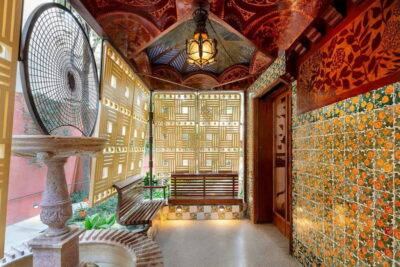
Gaudi’s Casa Vicens Skip-the-Line Entrance Ticket
Read our review →
Gaudí’s Park Güell Tour with Fast-Track Ticket
Read our review →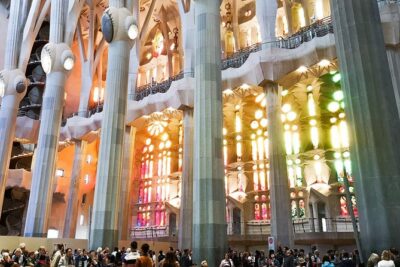
Sagrada Familia & Gaudi Tour Private or Small Group with Tickets
Read our review →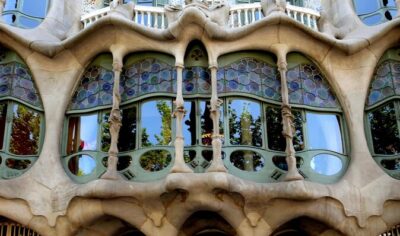
Complete Gaudi Tour: Casa Batllo, Park Guell & Sagrada Familia
Read our review →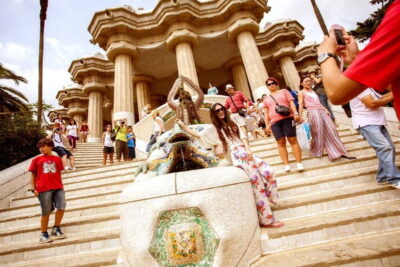
Park Güell: Guided Tour with Optional Gaudí Experience Entry
Read our review →
Barcelona e-Bike Tour: Gaudí & Old Town Small Group
Read our review →