
Review · WALKING TOURS
Chicago Walking Tour: Modern Architecture
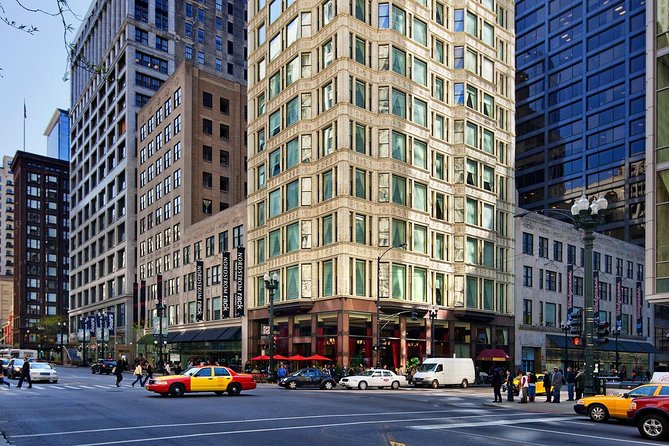
Chicago’s modern architecture is not just a collection of tall buildings. It is a record of changing ideas about city life, from Mies van der Rohe’s clean steel-and-glass work to Bertrand Goldberg’s bold plan for bringing middle-class residents back downtown. This 90-minute walking tour puts those ideas in front of you, one block at a time.
I like the small group, capped at 15 people, and the chance to begin at the Chicago Architecture Center, where you can see a 4,000-building model of the city. I also like the guides’ personal teaching style. Marcia, Kathleen, Donna, and Ollie have each earned praise for clear, friendly, engaging commentary.
The main drawback is focus. If you are only mildly curious about architecture, the steady discussion of materials, architects, and design ideas can feel monotonous. Also, Kathleen was reported to walk fast, so wear good shoes and keep up with the group.
Key points to know before you go
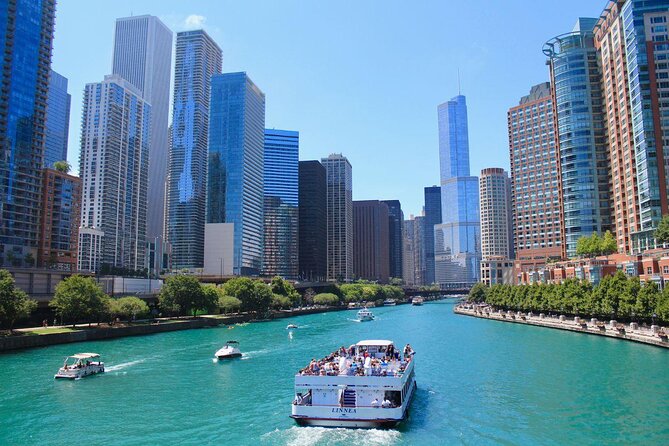
- The tour covers modern Chicago, not the city’s entire architectural story: You will focus on newer buildings, especially modern and postmodern work.
- The route begins at the Chicago Architecture Center: Gallery admission is included, along with access to its remarkable city model.
- Marina City is a major stop: Bertrand Goldberg’s twin cylindrical towers reveal an ambitious attempt to reshape urban living.
- The group stays small: A maximum of 15 people makes it easier to hear the guide and ask questions.
- The price is reasonable for a guided city walk: At $35 per person, you receive a professional guide and CAC gallery admission.
- Weather matters: This is an outdoor walking tour, and one past group found it enjoyable but cold. Dress for the season.
Why Chicago’s modern buildings are worth your time
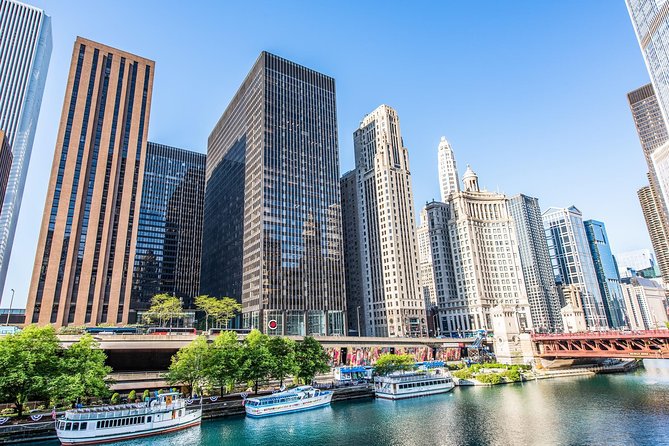
Chicago is famous for its early skyscrapers, but this tour shifts attention to the city’s later architectural experiments. You will look at buildings from the modern and postmodern periods, along with newer work that can be easy to pass without a second thought.
That is the real value here. A guide helps you notice why a plain steel facade matters, how a building changed the use of its block, or why a residential tower was designed in a shape that seems almost playful. Without that context, several stops could look like office buildings and nothing more.
I like the way this route connects architecture to city life. You are not simply counting famous names. You are considering office work, suburban migration, public art, retail, housing, and the changing image of downtown Chicago.
The tour is also compact. In about an hour and a half, you get a guided introduction without giving up half a day. That makes it easy to pair with other plans in the Loop or along Michigan Avenue.
More Walking Tours in Chicago
- Chicago in a Day: Food, History & Architecture Walking Tour
★ 5.0 · 1,153 reviews - Chicago’s Secret Interiors Architectural Walking Tour
★ 5.0 · 635 reviews - Chicago: Secret Interiors Architecture Walking Tour
★ 4.9 · 498 reviews
Starting at the Chicago Architecture Center
Meet at the Chicago Architecture Center, 111 E Wacker Drive. The tour begins with about 10 minutes at the center, and admission to its galleries is included.
The highlight inside is the 4,000-building scale model of Chicago. This is more than a quick museum bonus. It gives you a useful sense of how the city fits together, how dense the central area is, and how individual buildings relate to the broader urban plan.
You can also browse the center’s award-winning store. The information provided does not specify how much time the group spends shopping, so treat it as a quick chance to look rather than a planned retail stop.
Beginning here is smart for another reason: you get your bearings before walking into the Loop. If you arrive early, the center gives you a useful architectural introduction before the outdoor portion starts.
Early stops: Prudential, Aon, and Inland Steel
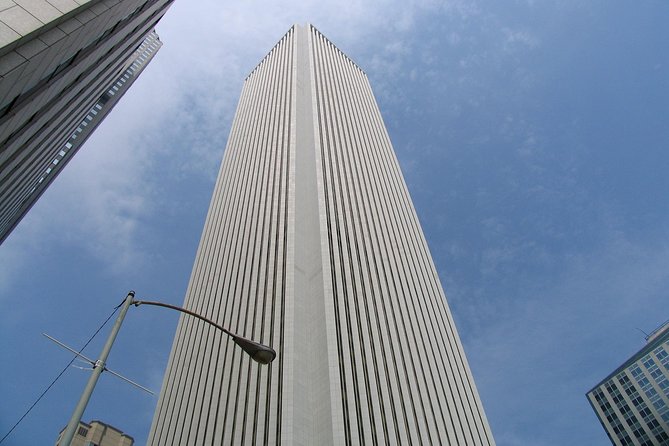
The route then moves past the Prudential Building, the Aon Center, and the Inland Steel Building. These are viewing stops rather than interior visits, so the guide’s explanation matters.
The Prudential Building received special praise from one participant, who found it the most memorable part of the tour. That makes sense as an early stop because it gives you a chance to consider how Chicago’s newer skyscrapers fit into the city’s earlier high-rise tradition.
At the Aon Center, you will view one of the Loop’s major modern office towers. The supplied details do not identify a specific interior visit or extended stop here, so expect an exterior discussion.
The Inland Steel Building adds another piece to the modern story. Together, these three buildings show how the tour moves beyond a single architect or design school. You will hear about several approaches to office towers rather than following only one famous name.
This part may feel less dramatic if you prefer buildings you can enter. It is also where an architecture-focused guide earns the $35 fee by pointing out details that are easy to miss from street level.
The Daley Center and Chicago Picasso
The tour pauses for about 15 minutes at the Richard J. Daley Center. This is one of the route’s strongest stops because it combines structure, materials, public space, and art.
The guide discusses the building’s use of unpainted Cor-Ten steel. The material gives the building a distinctive weathered appearance and helps explain why it looks different from a conventional glass or painted-steel office tower.
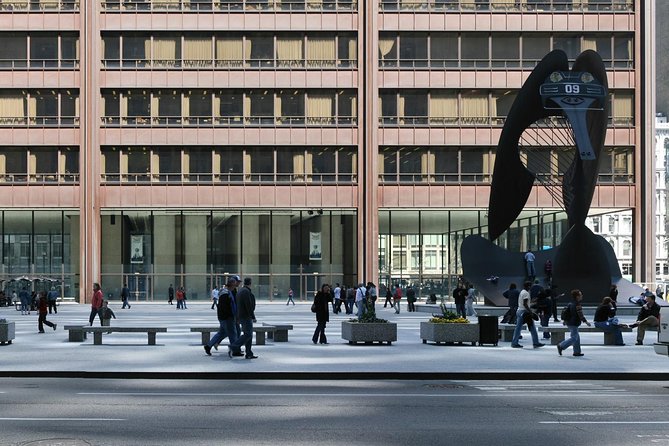
The plaza also contains the famous Chicago Picasso. The sculpture brings a different kind of modernism into the conversation. You are not just looking upward at a building. You are also considering how large-scale public art changes the way people use a civic space.
I appreciate this pairing because it keeps the tour from becoming a march past office facades. A good guide can connect the center’s architecture with the art in the plaza and explain why both belong to the same era of experimentation.
The Daley Center stop is also a practical pause in the walk. Fifteen minutes is enough time for the explanation and a closer look, but not so long that the tour loses its pace.
More Walking Tours in the USA
- Chicago Walking Tour: Art Deco Skyscrapers Loop
★ 5.0 · 138 reviews - Chicago Architecture Walking Tour: Incredible Art Deco Interiors
★ 5.0 · 85 reviews - Chicago Architecture Walking Tour: What’s New
★ 5.0 · 64 reviews - Chicago Walking Tour: Art Deco Skyscrapers Riverfront
★ 5.0 · 53 reviews
AMA Plaza and the Mies van der Rohe connection
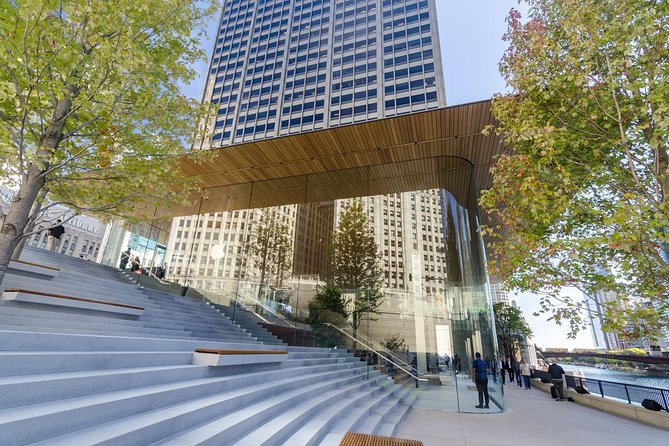
Another stop covers AMA Plaza, formerly home to the office of Mies van der Rohe. The building’s importance is tied not only to its appearance but also to the architect’s presence and influence in Chicago.
Mies is one of the central names in modern architecture, and this stop gives the guide a chance to discuss his work in a direct Chicago setting. You will hear about the relationship between the building and the architect’s former office, rather than receiving only a broad biography.
This is the kind of detail I want from a walking tour. It links a physical place to the people who shaped the city’s architectural direction. It also helps explain why Chicago is such a useful classroom for modern design.
The tour does not promise an interior visit to the former office, so you should expect to study AMA Plaza from outside. Still, its place on the route gives the discussion a clear human connection.
Marina City and Bertrand Goldberg’s urban experiment
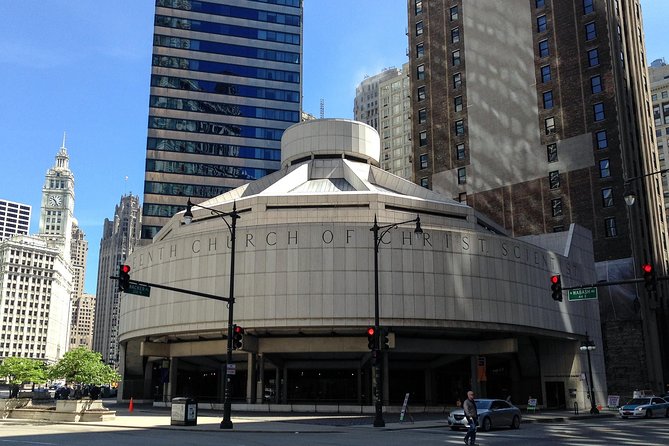
Marina City receives about 15 minutes and is likely to be the most visually unusual stop. Designed by Bertrand Goldberg, this mixed-use residential and commercial complex was imagined as an urban experiment.
Its purpose was not simply to create striking towers. Goldberg wanted to help draw middle-class Chicagoans back to the city after more than a decade of suburban migration. That goal gives the building real social meaning.
You will look at Marina City as a response to a major urban problem: how to make downtown living attractive at a time when many people were moving outward. The design reflects an attempt to combine housing and commercial uses in one complex.
I like this stop because it makes architecture feel practical. The question is not only what the towers look like. It is also what kind of daily life the architect hoped they would support.
The information provided does not promise access inside Marina City. You should plan on an exterior explanation and viewing stop. That is enough for many architecture fans, though visitors hoping to see apartments or interior spaces should adjust expectations.
The Apple Store on Michigan Avenue
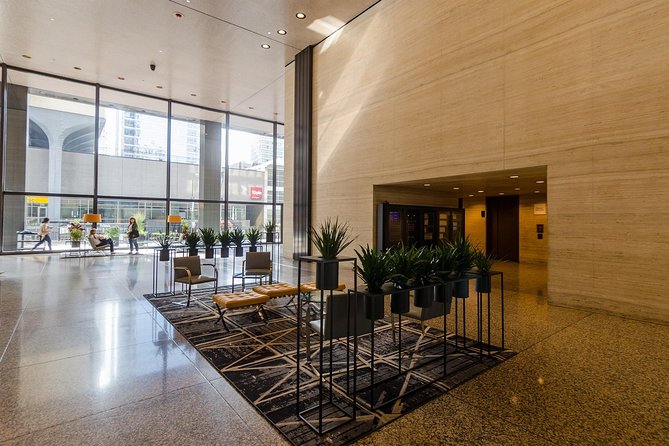
The route also includes a view of the Apple Store on Michigan Avenue. This brings the discussion into a newer retail setting and shows that the tour is not limited to classic mid-century towers.
The stop is brief in the supplied schedule, with no interior visit listed. Think of it as part of the larger conversation about how modern design is used to shape a public-facing brand and a major shopping street.
Placed near buildings such as Marina City and the AMA Plaza, the Apple Store helps broaden the timeline. You can compare different ideas about how architecture presents a company, welcomes the public, and occupies valuable city space.
If your main interest is Mies or Goldberg, this may feel less essential than the earlier stops. If you enjoy seeing how architectural ideas continue into newer commercial design, it adds useful range.
What the guides add to the walk
The guide is the key variable on any architecture tour. The experience includes narration by a professional, certified guide, and the strongest feedback centers on clear explanations, warmth, and the ability to answer questions.
Marcia is described as extremely friendly and well informed. Donna received praise for presenting the material in an architectural chronology, which can make the tour easier to follow. Ollie was remembered as fun and interesting, while another guide, leading in cold weather, kept the group engaged despite uncomfortable conditions.
Those details suggest that the experience depends on more than memorized dates. You want a guide who can explain why a building matters in plain language, then respond when you ask a follow-up question.
The tour has a maximum of 15 people. That is not the same as a private walk, but it is small enough for the guide to keep the group together and take questions. During an earlier period of health restrictions, the provider reduced groups to six plus the guide and required masks, but current group rules should be confirmed when booking.
Pace, weather, and comfort
This is a city walk, so your comfort depends on shoes and clothing. One past participant found the tour cold but still worthwhile, and another noted that Kathleen walked fast.
I would dress in layers and choose walking shoes with good support. Chicago weather can change quickly, and the tour has several outdoor viewing points. There is no coat check, and luggage or stroller storage is not provided.
The 90-minute duration is manageable for most people, but you should be ready to remain with the group as it moves between stops. Most people can participate, and the tour is near public transportation. Service animals are allowed, while pets are not.
The itinerary can change without notice. That matters in a city tour, where street conditions, building access, or operating needs may affect the order or selection of stops.
Is $35 a fair price?
At $35 per person, this is a sensible price for a guided introduction to modern Chicago architecture. You receive a 90-minute walk, a certified guide, and admission to the Chicago Architecture Center galleries.
The value is strongest if you would otherwise pass these buildings without understanding them. The guide’s stories turn the route into a lesson about materials, city planning, architects, housing, public art, and retail design.
The value is weaker if you want extensive interior access. Most of the named stops are exterior viewing points, and the tour does not include hotel pickup, transportation, luggage storage, or a coat check.
The small group also helps justify the cost. With no more than 15 people, the experience should feel more personal than a large bus tour or a self-guided walk. The advertised average booking point is five days ahead, so booking a few days early is sensible if your schedule is fixed.
Who should book this walking tour?
I would choose this tour if you like architecture, urban planning, design, or Chicago history. It is especially useful if you want to understand modern buildings instead of simply photographing them.
History lovers should also find plenty to enjoy. Marina City’s response to suburban migration and the Daley Center’s combination of civic architecture and public art give the walk a wider purpose.
I would hesitate if your main goal is a relaxed stroll with little commentary. The tour moves at a steady pace, and one guide was described as walking fast. I would also think twice if cold or wet weather would spoil your day, since much of the experience takes place outdoors.
Free cancellation is available up to 24 hours before the start time. Cancellations within 24 hours are not refunded, and changes inside that window are not accepted.
FAQ
How long does the Chicago Modern Architecture Walking Tour last?
The tour lasts approximately 1 hour and 30 minutes.
How much does the tour cost?
The price is $35 per person.
Where does the tour begin?
The meeting point is the Chicago Architecture Center at 111 E Wacker Drive, Chicago, Illinois 60601.
Is admission to the Chicago Architecture Center included?
Yes. Admission to the Chicago Architecture Center galleries is included.
How large is the tour group?
The maximum group size is 15 people.
Which architects are discussed?
The tour includes work connected with Mies van der Rohe and Bertrand Goldberg, along with other modern, postmodern, and newer Chicago buildings.
Does the tour include hotel pickup?
No. Hotel pickup and drop-off are not included.
Are service animals allowed?
Yes, service animals are allowed. Pets are not allowed.
What is the cancellation policy?
You can cancel at least 24 hours before the start time for a full refund. Cancellations or changes made less than 24 hours before the start time are not accepted and are not refunded.
Should you book it?
Book this walk if you want a focused, affordable introduction to Chicago’s modern architecture and prefer learning from a guide rather than reading plaques on your own. The strongest reasons are the small group, the CAC model and galleries, the Daley Center and Picasso discussion, and the thoughtful treatment of Marina City.
Skip it if you want a broad survey of all Chicago architecture, extensive interior access, or an easygoing walk with few technical details. For the right audience, $35 buys a useful slice of the city, with enough context to make familiar buildings look much more interesting.
Newly added in Chicago
- Chicago: Guided Tour with Architecture River Cruise★ 4.5 · 20 reviews
- Chicago: First Lady River Cruise & Architecture Center Combo★ 4.7 · 24 reviews
- Chicago River 90-Min Architecture Boat Tour★ 4.5 · 24 reviews
- Chicago: Historic Architecture Chicago River Small Boat Tour★ 4.6 · 26 reviews
- Chicago River: 90-Min Architecture Boat Tour★ 4.9 · 29 reviews
- Chicago: Art Deco Skyscrapers Walking Tour★ 4.8 · 28 reviews
- Chicago Art Deco Madness Walking Tour★ 5.0 · 31 reviews
- Chicago River Architecture Tour and Big Bus Hop-on Hop-off Tour★ 4.0 · 38 reviews
Walking Tours, compared.
The Official Art Deco Walking Tour by The Miami Design Preservation League
Read our review →
Baroque Architecture and Underground Walking Tour
Read our review →
Chicago in a Day: Food, History & Architecture Walking Tour
Read our review →

Ramblas, Old Town, Gothic and Gaudi Architecture Walking Tour
Read our review →
Chicago’s Secret Interiors Architectural Walking Tour
Read our review →
Browse the lists this tour appears in