
Review · ARCHITECTURE TOURS
La Paz: Andean Architecture Tour in El Alto
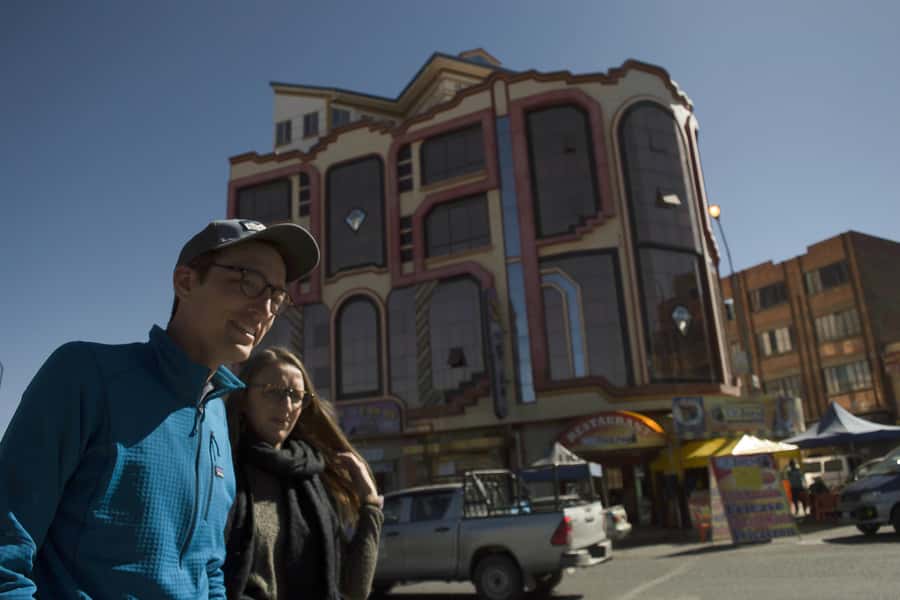
El Alto’s cholets are among Bolivia’s most surprising sights: tall, colorful mansions that mix Andean symbols, geometric patterns, and spaces for lavish family parties. This three-hour outing takes you beyond La Paz’s usual circuit and into a city most visitors only see from a cable-car window.
I like the purple cable-car ride because it turns the journey into part of the tour, with broad views across La Paz and El Alto. I also like entering a cholet rather than stopping for photos outside. The main catch is the high altitude and amount of walking, and the $25 price can feel less attractive if you end up as the only person in the group.
Key points
- Cholet interiors: Go inside one of these Andean mansions and see how the bold exterior style continues through the rooms.
- Cable-car access: Ride the traditional teleférico from central La Paz toward El Alto instead of relying only on road transport.
- Local interpretation: Guides such as Denise, Amara, Jose, Chris, and Remberto have explained the buildings, city life, and local customs in clear detail.
- Freddy Mamani’s influence: Learn about the architect associated with the early development of the cholet style.
- Three hours at altitude: Expect walking, changing weather, and a pace that requires patience if you are still adjusting to La Paz.
- Useful meeting point: Meet at the doors of Michelline cafe beside the entrance to the purple cable-car station, with your guide wearing a red cap.
Why El Alto’s cholets are worth your time
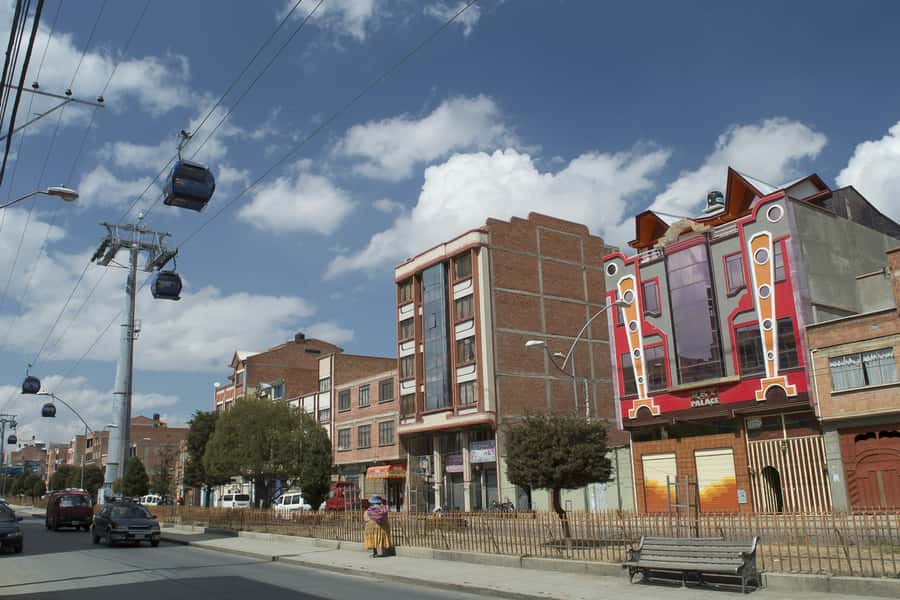
The word cholet combines chalet with cholo, a term tied to Indigenous and mixed Andean identity. Here, it refers to a large, highly decorated building that may combine a family home, rental apartments, business space, and a ballroom under one roof.
That mixed use matters. These buildings are not simply oversized houses or odd pieces of street art. They show how successful Andean business owners express family pride, cultural identity, and economic success. A cholet can serve as both a private residence and a place for major celebrations.
The style is easy to spot. Facades may use strong colors, sharp angles, mirrors, metallic details, and references to Andean culture. The result is theatrical and very different from the restrained colonial buildings associated with central La Paz.
You do not need to be an architecture specialist to enjoy this tour. The buildings are visually striking on their own. But the guide’s explanation helps you see why they were built and what they say about El Alto’s changing society.
A few more architecture walks in the world worth a look
- Chicago Architecture River Cruise
★ 5.0 · 15,756 reviews - Chicago River 90-Minute Architecture Tour
★ 4.5 · 9,629 reviews - Chicago River: 1.5-Hour Guided Architecture Cruise
★ 4.8 · 8,046 reviews
Starting at the purple cable-car station
The meeting point is practical but easy to miss if you are not paying attention. Go to the doors of Michelline cafe, beside the entrance to the purple cable-car station in central La Paz. Your guide should be wearing a red cap.
There is no hotel pickup or drop-off, so you need to reach this point yourself. Arrive with time to spare, especially if you are still learning your way around La Paz. The cable-car station is a useful landmark, but the cafe entrance is the precise meeting spot.
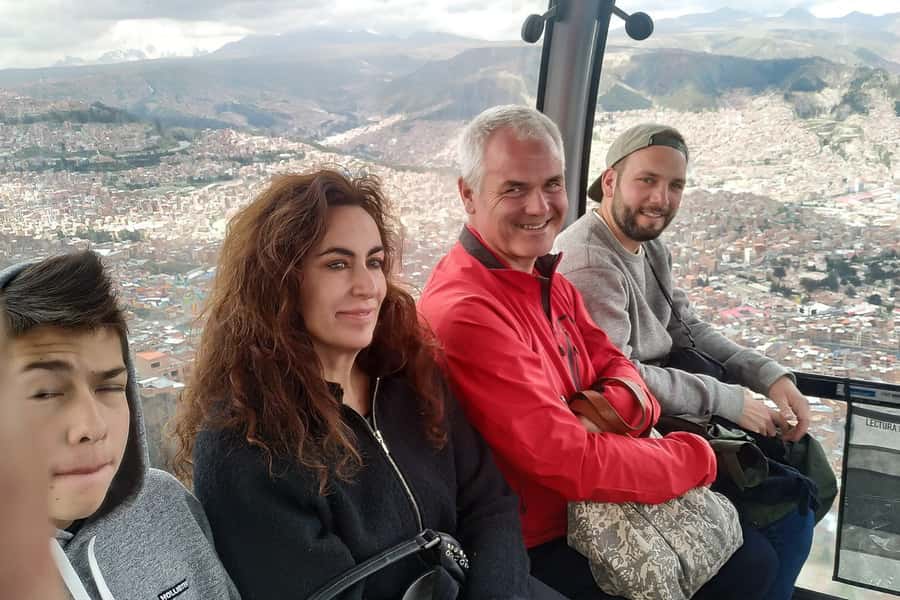
The teleférico is more than a ride between two locations. It gives you a quick visual introduction to the city’s dramatic setting. La Paz and El Alto sit at very high elevation, and the cable car lets you move above roads, neighborhoods, and steep urban slopes.
The route also helps explain the relationship between the two cities. La Paz occupies a deep valley, while El Alto spreads across the high plain above it. From the cabins, you can see how quickly the built-up areas change as you move upward.
This part of the tour is especially helpful if you have not yet used the cable-car system. Your guide can help you understand how to ride it, something Leah specifically valued when learning the teleférico during the outing.
Seeing El Alto beyond the usual stops
El Alto is not a standard sightseeing destination for most visitors to Bolivia. It is a large working city with its own identity, traditions, and growing urban culture. The tour takes you into an area that many independent visitors would have difficulty finding and interpreting on their own.
That does not mean every minute is a photo stop. You are seeing an active neighborhood, not an open-air museum. Streets, buildings, and daily routines form the setting, and the cholets appear as part of that urban fabric.
I like this approach because it places the architecture in context. A row of unusual facades can look like a collection of curiosities if you only stop for pictures. With an explanation of the owners, parties, business activity, and local customs, the buildings become a window into modern Andean life.
You should also keep your expectations grounded. The tour is only three hours, so it cannot provide a full study of El Alto’s history, politics, or architecture. Its focus is narrower: cholets, their meaning, the surrounding city, and the cable-car connection between La Paz and El Alto.
Entering a cholet instead of viewing it from the street
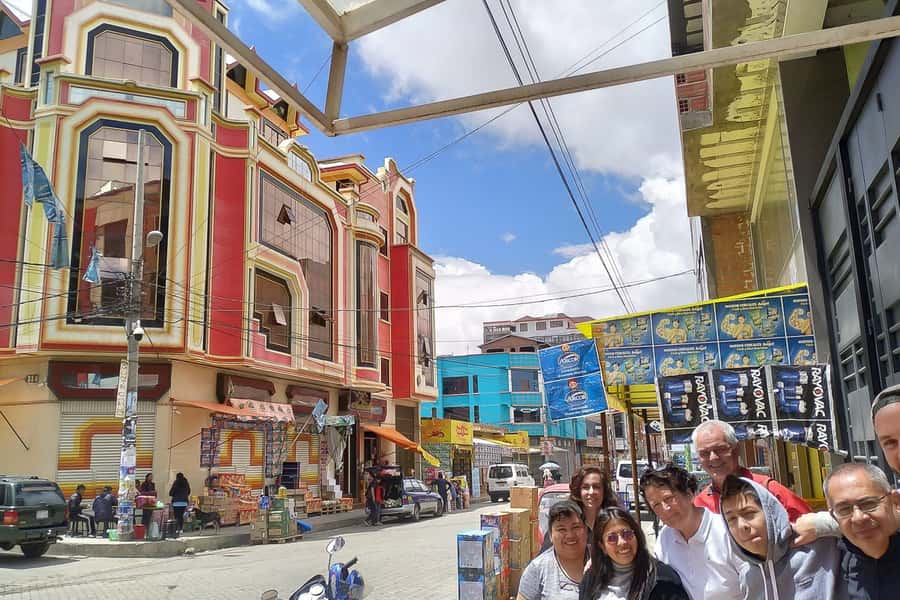
The strongest part of the experience is the chance to enter one of the mansions. From outside, the architecture can look like a colorful facade designed for public display. Inside, you get a better sense of how the design continues through the building.
The interior visit helps connect the exterior patterns with the building’s social purpose. You can see how decorative ideas are carried into the rooms and party spaces. The exact building and rooms available may vary, but the important point is that you are not limited to a street-side explanation.
This visit also gives the guide something concrete to explain. Rather than discussing cholets as an abstract architectural trend, you can look at actual interior details while learning about the people who commission and use these buildings.
The tour presents the style as both extravagant and meaningful. Some visitors will find the colors and decoration exciting. Others may see the look as excessive or kitsch. Both reactions are fair. The value is in understanding why the style exists, not in deciding that every building fits conventional ideas of beauty.
If architecture and urban planning interest you, this part should be especially rewarding. Maria found that the explanations went well beyond a quick introduction and covered the cholets and El Alto in useful detail. That level of depth depends partly on your guide, but the tour has room for serious questions.
Same city, a different facade:
- Chicago Architecture Center River Cruise aboard First Lady
★ 5.0 · 5,536 reviews - Chicago: Architecture River Cruise Skip-the-Ticket Line
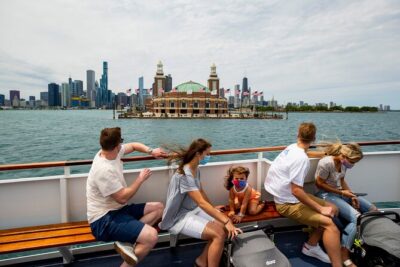
★ 4.8 · 4,325 reviews - Chicago River 45-Minute Architecture Tour from Magnificent Mile
★ 4.5 · 2,924 reviews - Barcelona: Sant Pau Recinte Modernista Entry Ticket
★ 4.6 · 2,567 reviews
Learning about Freddy Mamani and the people behind the buildings
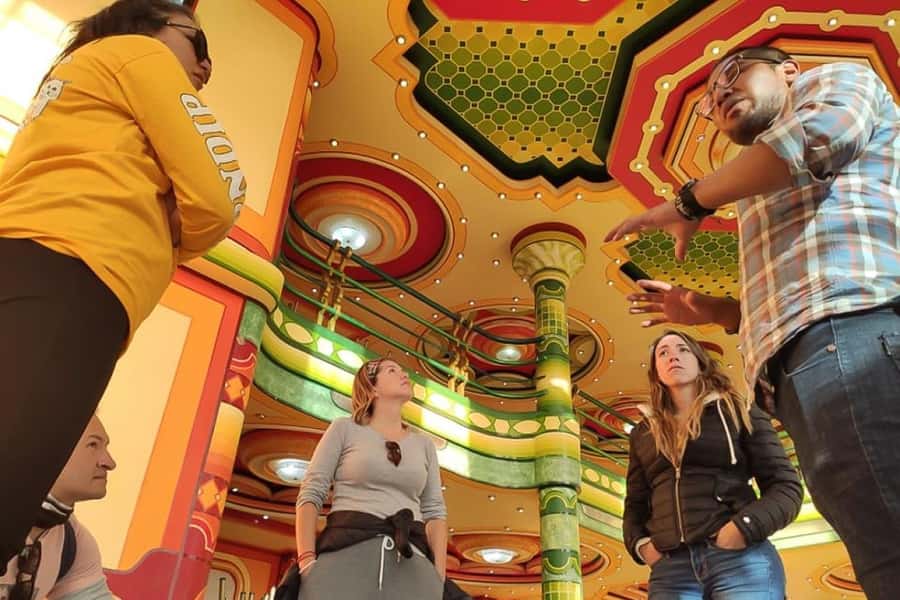
One name that may come up is Freddy Mamani, the architect often associated with the early development and spread of the cholet style. Leah found learning about his role an important part of the day.
The tour also looks at the owners and residents who pay for these buildings. Their wealth is not presented only as private comfort. It is displayed through architecture, large gatherings, and spaces designed for important celebrations.
That cultural angle keeps the outing from becoming a simple hunt for colorful buildings. You learn how architecture can communicate status, ancestry, ambition, and community ties.
Your guide is central here. Denise has been praised for giving detailed explanations and answering questions clearly in English. Amara was described as strong on the history and traditions of the area, while Jose has offered wider context about La Paz and El Alto. Chris, Daniel, and Remberto have also led outings, with Remberto especially appreciated for sharing facts about his city.
Guides change, so you cannot book a particular person unless the operator confirms it. Still, the repeated pattern is useful: this tour works best when you ask questions. If you are curious about building use, family celebrations, architecture, or the difference between La Paz and El Alto, speak up.
What the three-hour pace feels like
Three hours is enough time to make the cable-car ride, walk through the area, see several cholets, enter one building, and have a snack without turning the outing into a full-day commitment.
It is not a passive bus tour. You will walk at high altitude, and the pace may feel harder than the same distance at sea level. Take your time, breathe steadily, and tell the guide if you need a rest. The tour is not recommended for people with limited mobility.
Comfortable walking shoes are essential. El Alto’s weather can change quickly, so bring a rainjacket and dress for shifting conditions. Sun, wind, cold, and rain can all affect how pleasant the walk feels.
Leave luggage and large bags behind. They are not allowed on the tour. A small day bag for weather protection and personal essentials is the sensible choice, provided it does not count as oversized luggage.
The local snack is a small but welcome inclusion. It gives the outing a taste of everyday Bolivia rather than making the entire experience about sightseeing. The exact snack is not specified, so do not book this expecting a full meal.
English and Spanish guiding
The tour is offered in English and Spanish. That makes it accessible to visitors who want more than a quick visual visit but do not speak Spanish comfortably.
Clear communication matters here because the buildings need explanation. A facade can be photographed in seconds, but its meaning involves local customs, class, identity, and the way space is used. Olivia found Denise’s English easy to follow, and several guides have been singled out for clear, friendly explanations.
The tone also seems suited to questions. One useful benefit of a walking tour is the chance to talk about subjects outside the narrow route, including wider issues in La Paz and Bolivia. That flexibility can make the afternoon more memorable, although the amount of discussion will depend on your guide and group.
Is $25 good value?
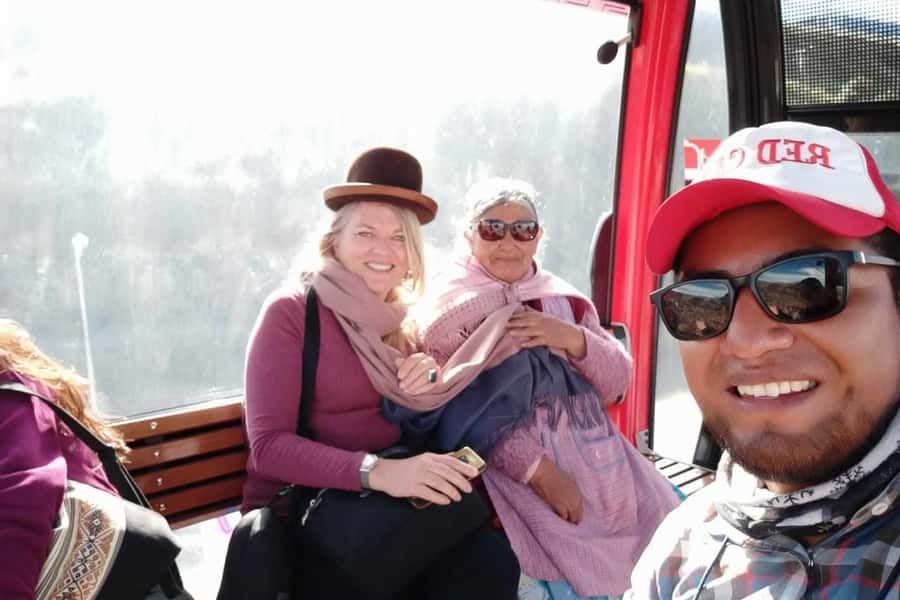
At $25 per person, the tour includes transportation, the cable-car journey, a bilingual guide, entry to a cholet, and a local snack. You are paying for access and interpretation, not just a ride through town.
For a first visit to La Paz, I consider that a fair price if you want a structured introduction to El Alto and do not feel ready to explore the area alone. The cable car gives you a practical transport experience, and the guide adds context that would be difficult to gather from photographs.
The value is less clear if you are mainly interested in taking exterior pictures. You could spend less using public transport independently, but you would lose the organized route, interior access, and explanations about the buildings.
Group size also affects the calculation. Peter felt the price was high on a day when he was the only tourist. A private-feeling outing can bring more time for questions, but the cost may seem steep when spread over one person.
Free cancellation up to 24 hours before the start and reserve-now, pay-later booking make it easier to fit the experience into a changing Bolivia itinerary. The duration is short enough to pair with other La Paz plans, but do not schedule something immediately afterward if you need recovery time from the altitude.
Who should book this El Alto tour?
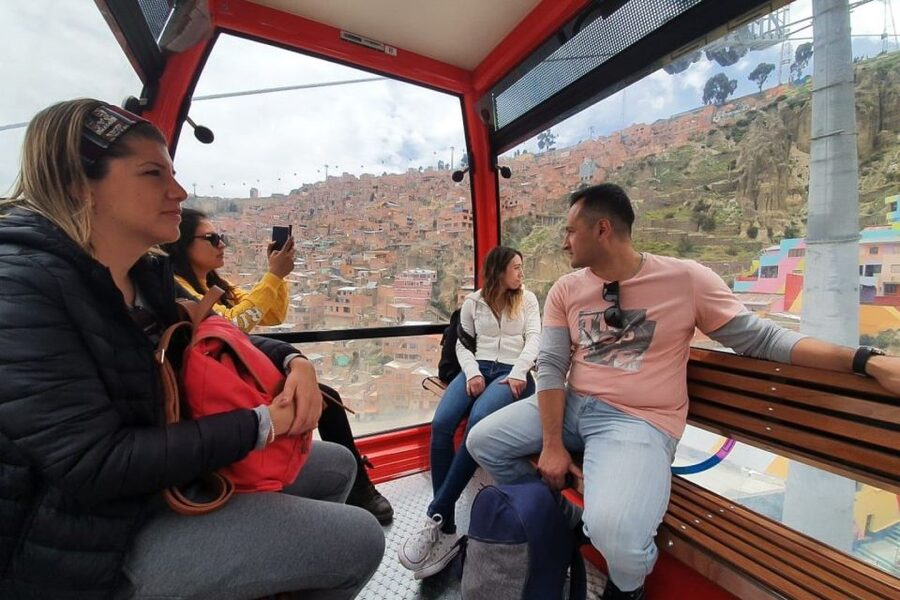
I would choose this outing if you like architecture, urban culture, or seeing how local identity appears in daily life. It is also a good fit if you have already seen La Paz’s central sights and want a different side of the city.
You will get the most from it if you are willing to walk, ask questions, and look beyond the bright colors. The best moments are not only the photo stops. They are the explanations of why families build these mansions and how the buildings combine home, business, and celebration.
I would be cautious if you have mobility limitations, dislike high-altitude walking, or want a relaxed ride with very little time on foot. This is an active half-day outing, and the weather can turn quickly.
Bring comfortable shoes, a rainjacket, and patience. Keep your bag small. Meet by Michelline cafe at the purple station, look for the red cap, and give yourself time to adjust to the elevation.
Should you book it?
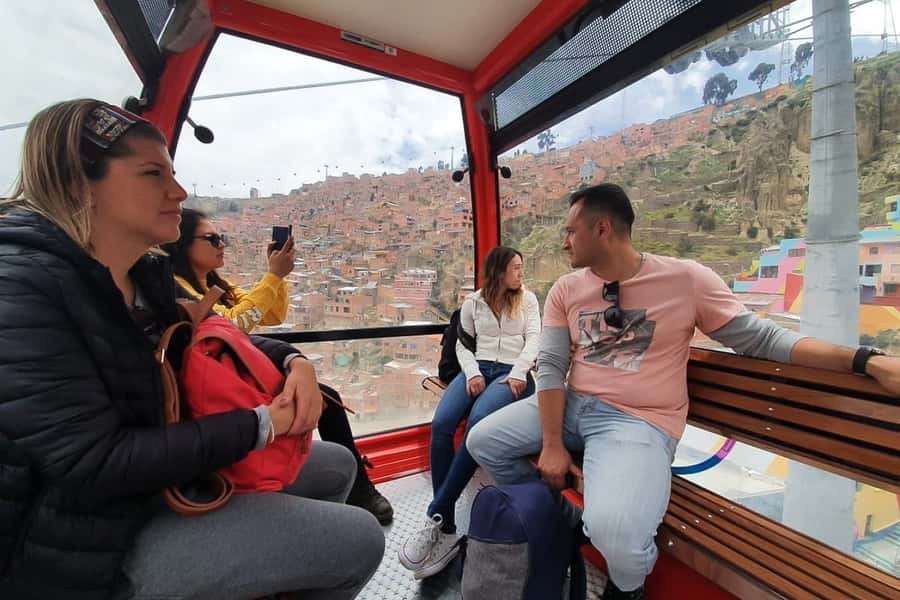
Book this tour if you want to understand the cholets rather than simply photograph them. The cable-car ride, interior visit, and local guide make it more useful than a quick exterior sightseeing stop.
Skip it if your main priority is a low-cost independent ride or if altitude and walking will limit you. For most visitors who want an unusual, culturally focused afternoon in La Paz, $25 is reasonable, especially when the guide provides the kind of clear explanation offered by Denise, Amara, Jose, Chris, or Remberto.
FAQ
Where does the tour meet?
Meet at the doors of Michelline cafe, next to the entrance to the purple cable-car station in central La Paz, called Estacion Teleferico Morado. Your guide will be wearing a red cap.
How long does the Andean architecture tour last?
The tour lasts three hours and runs daily. Starting times depend on availability.
What languages are available?
The live tour guide is available in English or Spanish.
Does the tour include hotel pickup?
No. Hotel pickup and drop-off are not included. You must reach the meeting point at the purple cable-car station.
Is transportation included?
Yes. Transportation is included, including a ride on a traditional cable car as part of the route.
Can I enter one of the cholets?
Yes. The experience includes the opportunity to enter one cholet and see how its decorative style continues inside.
What should I bring?
Bring comfortable shoes and clothing suitable for changing weather. A rainjacket is recommended. Large bags and luggage are not allowed.
Newly added in the world
- Venice Art and Architecture Private Walking Tour★ 4.5 · 11 reviews
- Basilica San Marco and the Pala d’Oro with Architect Guide★ 4.5 · 19 reviews
- Walking tour in Venice with an architect★ 5.0 · 16 reviews
- Paris: Discover the hidden architecture gems of Le Marais★ 3.8 · 4 reviews
- Porto Tour: Street Art & Architecture Experience 3h★ 5.0 · 4 reviews
- Faro Private Walking Tour: Uncovering its Architectural Legacy★ 5.0 · 8 reviews
- Private Walking Tour of Old Gdańsk with an architect-guide★ 5.0 · 7 reviews
- Sopot Private City Walking or Bike Tour with a local architect★ 5.0 · 19 reviews
Architecture Tours, compared.
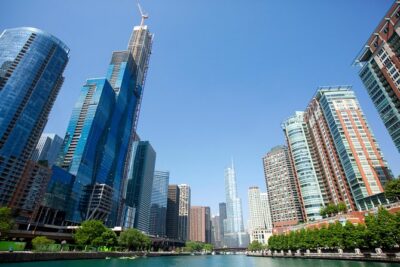
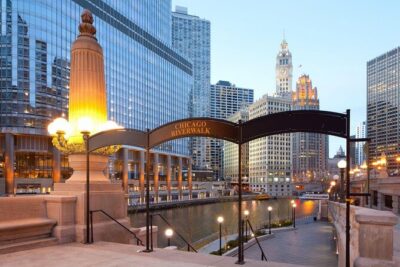

Chicago River: 1.5-Hour Guided Architecture Cruise
Read our review →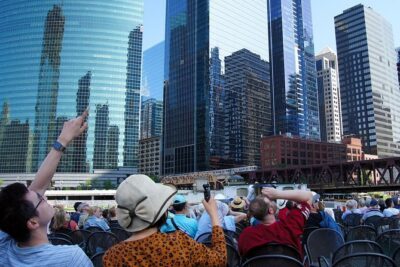
Chicago Architecture Center River Cruise aboard First Lady
Read our review →
Architecture River Cruise Skip-the-Ticket Line
Read our review →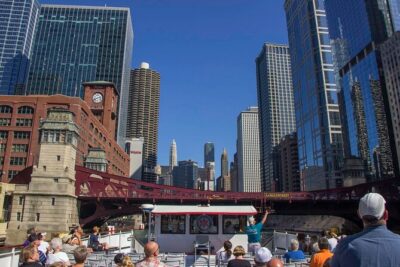
Chicago River 45-Minute Architecture Tour from Magnificent Mile
Read our review →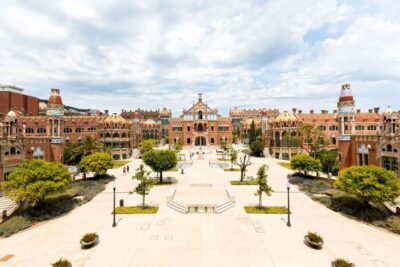
Browse the lists this tour appears in