
Review · WALKING TOURS
Salem Merchants and Mansions Guided Architecture Walking Tour
Salem’s best stories are often built into its houses. This walking tour uses Georgian doorways, First Period additions, grand mansions, churches, and old harbor sites to explain how a port town grew wealthy, changed with fashion, and eventually turned its past into a visitor attraction. Witch lore gets a nod, but architecture and civic history get the main stage.
I like two things right away. First, the route gives you a useful introduction to Salem instead of trapping you in one narrow theme. Second, guides such as Topher, Seán, and Henry bring an easy storytelling style to the walk, with enough detail for history fans and enough wit to keep the pace lively. The main drawback is practical: you stay outdoors for up to two hours, with long periods of standing and no public restrooms along the route.
Key things to know before you book
- A broader view of Salem: The walk links sea trade, merchant wealth, religion, architecture, and popular culture.
- A useful first-day tour: Starting at 11:00 a.m. in Derby Square, it helps you get your bearings before exploring on your own.
- Strong architectural focus: You will discuss Georgian, First Period, Greek Revival, and Second Empire design.
- Witch lore kept in proportion: The Witch House and a Hocus Pocus location appear in the story, but the tour does not rely on spooky tales.
- Outdoor and rain-or-shine: Wear comfortable shoes and dress for the forecast. Buildings and cemeteries are not entered.
- Good value for a walking tour: At $36 per person, the price covers a licensed guide and an architectural guide of Salem, with free cancellation up to 24 hours before the start.
Why this walk shows you a fuller Salem
Salem can be easy to misread. The city is famous for the 1692 witch trials, Halloween crowds, and movie references, yet its streets also tell the story of shipbuilding, spice trading, religious change, and merchant fortunes. This tour gives those subjects room.
You begin at Salem Old Town Hall in Derby Square, then move through the waterfront district, residential streets, Salem Common, and the city center. That variety matters. You are not simply looking at attractive old houses. You are learning why they appeared where they did, who could afford them, and how Salem’s fortunes shifted over several centuries.
The walk lasts about one hour and 30 minutes to two hours. That is long enough to build a clear picture of the city, but short enough to fit beside a museum visit or an afternoon of independent exploring. I would book it near the start of your Salem stay, since the route can help you decide which buildings and districts deserve a closer look later.
The tour is offered in English and may include up to 40 people. A group that size can feel less personal than a small private walk, especially during busy periods, but the set route and outdoor format make it manageable. If you want a quiet, intimate conversation at every stop, this may not be the right format. If you want a clear overview with a guide leading the way, it makes sense.
More Walking Tours in the USA
- The Official Art Deco Walking Tour by The Miami Design Preservation League
★ 5.0 · 1,580 reviews - Chicago in a Day: Food, History & Architecture Walking Tour
★ 5.0 · 1,153 reviews - Miami South Beach Art Deco Walking Tour
★ 5.0 · 1,039 reviews
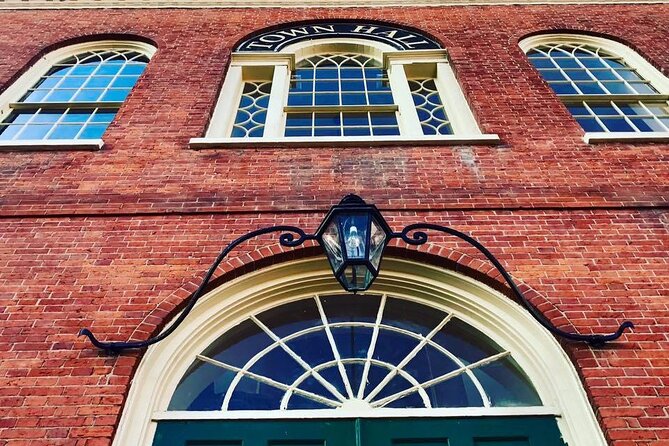
Starting at Old Town Hall and Derby Square
The meeting point is 32 Derby Square, near Salem Old Town Hall, with an 11:00 a.m. start. The first stop is brief, but it places you in a useful part of the city. From here, the guide begins connecting Salem’s public spaces with the private homes and businesses that shaped them.
You should arrive ready to walk rather than expecting a formal building visit. The first stop does not include admission, and the tour as a whole does not take you inside historic buildings. That is important if you want interior rooms, museum displays, or access to the Witch House. This experience is about reading the city from its sidewalks.
The early part of the route offers a quick orientation to Salem itself. The guide explains how the city’s buildings fit together, then shifts toward the waterfront and the people who made money from the sea.
The Custom House and Salem’s trading wealth
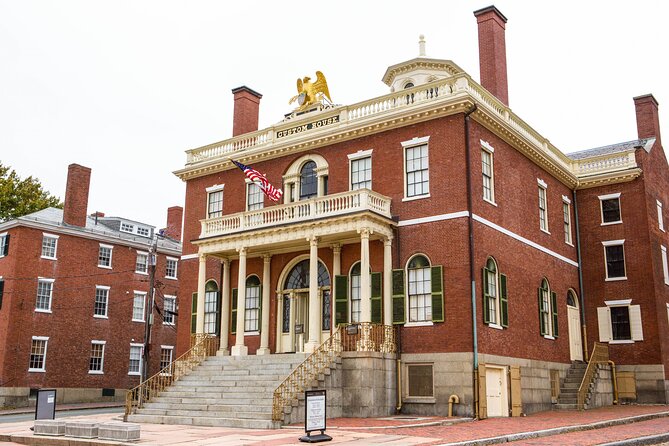
At the Custom House, the guide discusses Salem’s spice trade, the city motto, and the former shipbuilding yard near the open space and Adirondack chairs at the far end. From this spot, you also look toward mansions near Derby Wharf.
This is one of the tour’s most useful transitions. A mansion can seem like a fine old house until you understand the business behind it. Salem’s merchant wealth was tied to maritime trade, and the Custom House area helps connect grand homes with ships, cargo, and port activity.
The stop lasts about 10 minutes. You do not receive admission to the Custom House, so plan on an exterior discussion rather than an interior tour. The guide’s job here is to make the waterfront readable. That context can change the way you see later houses, since their size and design reflect business success rather than simple taste.
Derby House and the language of Georgian design
The Derby House provides a clear lesson in Georgian architecture. The guide explains how a relatively simple building can reflect the growing power and wealth of Salem and New England merchants.
This is where the tour moves beyond spotting old houses. You learn to connect architectural choices with social status. Proportion, layout, and restrained design helped successful merchants present themselves as respectable and established. The building becomes evidence of a changing town, not just a preserved object.
The stop is about 10 minutes, which gives you enough time to grasp the main idea without turning the walk into a technical lecture. If you enjoy architecture but do not know the styles well, that balance should work. You get a useful vocabulary while standing in front of real examples.
Same city, a different facade:
- Chicago Architecture River Cruise
★ 5.0 · 15,756 reviews - Chicago River 90-Minute Architecture Tour
★ 4.5 · 9,629 reviews - Chicago River: 1.5-Hour Guided Architecture Cruise
★ 4.8 · 8,046 reviews - Chicago Architecture Center River Cruise aboard First Lady
★ 5.0 · 5,536 reviews
Narbonne House and the way old homes changed
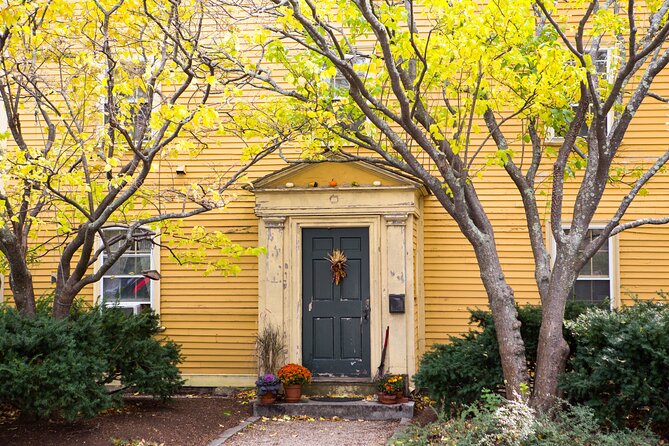
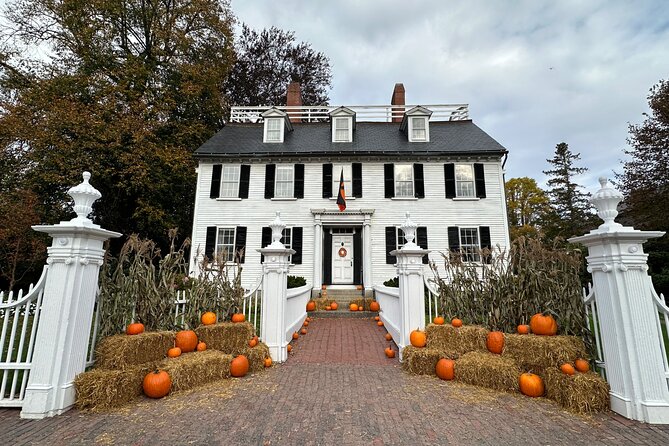
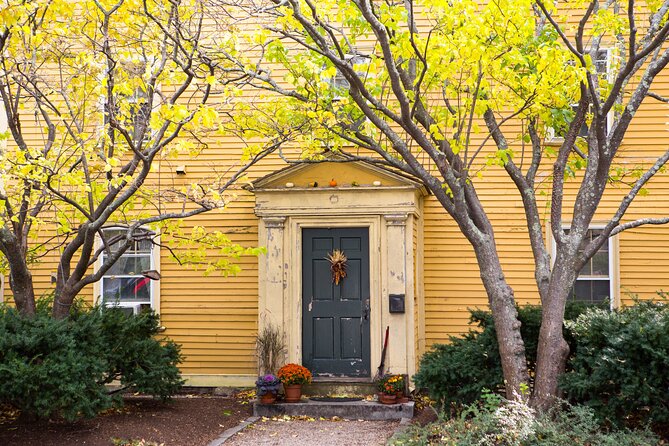
Narbonne House shows how First Period architecture could be expanded and altered. Rather than treating an old building as frozen in its first form, the guide uses it to explain how owners added to homes as families, needs, and fortunes changed.
That is a valuable point for anyone interested in historic buildings. Many houses are the result of several periods of work. A compact early structure could grow over time, revealing changes in household life and economic circumstances.
The discussion lasts about 10 minutes. Again, the building is viewed from outside. You should not book this tour expecting to walk through rooms or examine interior finishes. Its strength is interpretation from the street, with the guide helping you notice changes that might otherwise pass unseen.
Daniels House and the city’s early domestic life
The Daniels House Historic Site receives a shorter discussion of about five minutes. It adds another piece to the early architectural story and helps keep the route from focusing only on the largest merchant homes.
That variety is useful. Salem’s past was not made only by wealthy ship captains. Smaller or earlier houses show how the city developed before later prosperity changed its streets. The stop is brief, so think of it as one link in the chain rather than a full property visit.
If your main interest is grand mansions, this part may feel less dramatic. I still value it because it gives the tour a wider social range and reinforces the idea that Salem’s streets contain several layers of building history.
Salem Common, from marshy ground to fashionable district
Salem Common is one of the strongest stops because it explains urban change over a long period. The guide describes how the area began as marshy pools and unusable ground in the 17th and early 18th centuries, then became a manicured pleasure park in the 19th century.
As the Common improved, the surrounding area became fashionable. By the mid to late 19th century, it was home to some of Salem’s last major wave of wealth and mansions. The guide points out Greek Revival and Second Empire buildings, showing how style shifted along with taste and prosperity.
This stop also includes a Hocus Pocus filming location, the old school. The reference gives movie fans something familiar, but it does not take over the discussion. I like that balance. You get a pop-culture connection without losing the larger story of marshland, public space, real estate, and architectural fashion.
Admission to Salem Common is included because it is a public outdoor space. The area also gives you a chance to reset during the walk, though the tour still involves standing and listening rather than a formal rest break.
Hawthorne Hotel and Salem’s later image
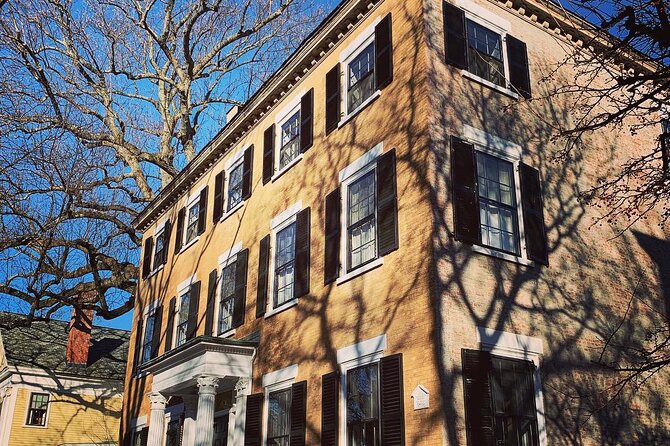
The Hawthorne Hotel receives about five minutes of architectural discussion. The stop helps extend the story into a later period, when Salem’s public identity was shaped not only by old homes and port buildings but also by prominent civic and hospitality spaces.
You will not enter the hotel as part of the tour. Instead, the guide uses its exterior to continue the discussion of Salem’s architectural character. This is another example of the tour’s method: short stops, clear explanations, and a steady walk through several parts of the city.
Peabody Essex Museum and the McIntire-era homes
Near the Peabody Essex Museum, the guide discusses the variety of collection homes associated with the area. The museum itself is not included as an admission stop, so you should treat this as an introduction rather than a museum visit.
This section is useful if you plan to return later with a ticket. The tour gives you a sense of how museum properties, historic homes, and surrounding streets fit into Salem’s architectural story. You may also hear more about the city’s grand mansions and the McIntire district, including the kind of buildings that made Salem’s reputation as a place of refined merchant architecture.
The tour does not enter the museum or historic homes. That limitation keeps the walk moving, but it also means you may want to schedule a separate indoor visit if furniture, decorative arts, and preserved rooms are important to you.
Church Street and St. Peter’s Episcopal Church
Church Street provides another short architecture stop, followed by St. Peter’s Episcopal Church. Here the guide touches on Salem’s unusual religious heritage.
This is an important counterweight to the merchant story. Buildings also reveal belief, conflict, and community divisions. A church can tell you something different from a house or harbor office, especially in a city with a complicated religious past.
The stop at St. Peter’s lasts about 10 minutes, and admission is not included. Expect an exterior discussion, not a service visit or interior tour. If you want to see inside, you will need to make separate plans and follow the church’s own access rules.
Witch City Mall and the Bewitched statue
The final stretch passes Witch City Mall and the Bewitched statue of Elizabeth Montgomery. These stops acknowledge the Salem most people recognize from popular culture.
The statue is the endpoint at Bewitched Sculpture Salem, Massachusetts. It gives the walk a light finish after the more serious discussions of trade, religion, housing, and urban growth. The connection to Bewitched and the Hocus Pocus location also shows how Salem’s public image has expanded beyond its original history.
Do not expect the final stops to provide a full treatment of witch-trial history. The tour mentions famous landmarks, but its purpose is to explain architecture and the forces that shaped the city. If you want a tour centered on witchcraft, hauntings, or the 1692 trials, choose a different experience.
Guides, group size, and the feel of the walk
The tour is led by a licensed guide, and named guides connected with this experience include Topher, Seán, and Henry. The guide makes a real difference here because the buildings themselves do not come with much explanation from the sidewalk.
Topher is associated with a friendly, educational approach that moves away from spooky folklore. Seán is especially suited to the architecture and property stories, while Henry brings an entertaining overview of Salem. Guide assignments can vary, so you should not assume a particular person will lead your date.
The group may contain up to 40 people. That is a reasonable maximum for a city walk, but you may need to stay close to hear every stop. The experience is dog friendly, and service animals are allowed. Children must be accompanied by a ticketed adult.
Most people can participate, but the tour is not recommended if you cannot stand for long periods. The route is outdoors, runs in rain or shine, and requires comfortable shoes. Dress for the weather rather than relying on the idea that the walk will be canceled if conditions turn poor.
Is $36 a fair price?
At $36 per person, the tour is priced above a casual free neighborhood walk but below many longer sightseeing experiences. The value rests on the guide’s interpretation. You are paying for a structured route, architectural background, local stories, and connections between sites that can be hard to make on your own.
The price is easier to justify if this is your first time in Salem or if you want more than witch-themed attractions. It is also useful if you like old houses but need help understanding styles such as Georgian, First Period, Greek Revival, and Second Empire.
The value is weaker if you mainly want building interiors. No admission tickets are included, and the tour does not enter buildings or cemeteries. Think of it as a citywide introduction that can help you choose later visits, not as a replacement for the Peabody Essex Museum or a historic house tour.
Free cancellation is available if you cancel at least 24 hours before the 11:00 a.m. start. Changes or cancellations made later are not refunded. Gratuity is not included.
Who should book this Salem walk?
I would recommend it to first-time visitors, architecture fans, families with older children, and anyone tired of seeing Salem reduced to witches and ghost stories. The route gives you a strong base for further exploring, and the movie references add a little fun without taking over.
It also suits visitors who prefer a guided introduction before tackling museums and historic homes on their own. You will leave with a better sense of why the waterfront, Salem Common, merchant houses, churches, and central streets belong in the same story.
I would think twice if you need frequent seating, restrooms along the way, or indoor shelter. The route is not suited to someone who cannot stand for long periods, and rain-or-shine operation means weather is part of the deal. A group of up to 40 may also feel large if you prefer a private walk.
Should you book it?
Book this tour if you want Salem’s architecture to explain the city’s past. The strongest parts are the Custom House, Derby House, Narbonne House, and Salem Common, where trade, wealth, house design, and urban change come together.
Skip it if your priority is interior access or a tour devoted almost entirely to the witch trials. For everyone else, $36 buys a practical, well-shaped introduction to Salem, with enough detail to make the rest of your visit more rewarding.
FAQ
Where does the tour start?
The tour starts at Salem Old Town Hall, 32 Derby Square, Salem, Massachusetts 01970.
What time does the tour begin?
The tour starts at 11:00 a.m.
Where does the tour end?
The tour ends at the Bewitched Sculpture of Elizabeth Montgomery in Salem, Massachusetts.
How long does the tour last?
The walk lasts approximately one hour and 30 minutes to two hours.
Is the tour offered in English?
Yes. The tour is offered in English.
Does the tour enter buildings or cemeteries?
No. This is an outdoor activity, and the tour does not enter buildings or cemeteries.
Is the tour suitable for children?
Children may participate, but they must be accompanied by a ticketed adult.
What happens if it rains?
The tour runs rain or shine and does not cancel for weather. Wear comfortable shoes and dress appropriately for the forecast.
Newly added in the USA
- Washington, DC: Georgetown Architecture Walking Tour★ 5.0 · 8 reviews
- Washington DC: Dupont Circle & Embassy Row Architecture Tour★ 5.0 · 6 reviews
- New Orleans : Garden District Architecture Walking tour★ 4.8 · 5 reviews
- Wilmington History and Architecture Tour★ 4.8 · 18 reviews
- Private Colonial Williamsburg Architectural Tour★ 5.0 · 5 reviews
- Castle to Capitol: Museums of the National Mall Architecture Tour★ 4.5 · 9 reviews
- Tulsa: Art Deco Walking Tour of Tulsa★ 5.0 · 8 reviews
- Monuments and Memorials Architectural Walking Tour★ 5.0 · 17 reviews
Walking Tours, compared.
The Official Art Deco Walking Tour by The Miami Design Preservation League
Read our review →
Baroque Architecture and Underground Walking Tour
Read our review →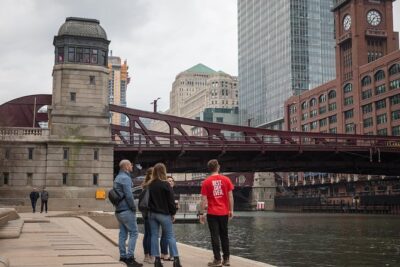
Chicago in a Day: Food, History & Architecture Walking Tour
Read our review →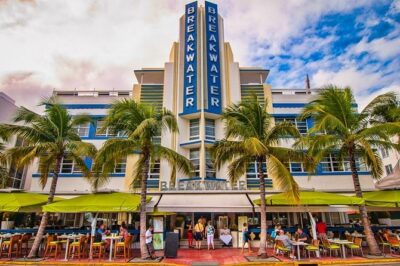

Ramblas, Old Town, Gothic and Gaudi Architecture Walking Tour
Read our review →
Chicago’s Secret Interiors Architectural Walking Tour
Read our review →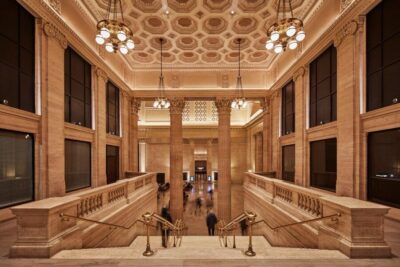
Browse the lists this tour appears in