
Review · ART DECO TOURS
Tulsa Art Deco and Architecture with Expert Guide Walking Tour
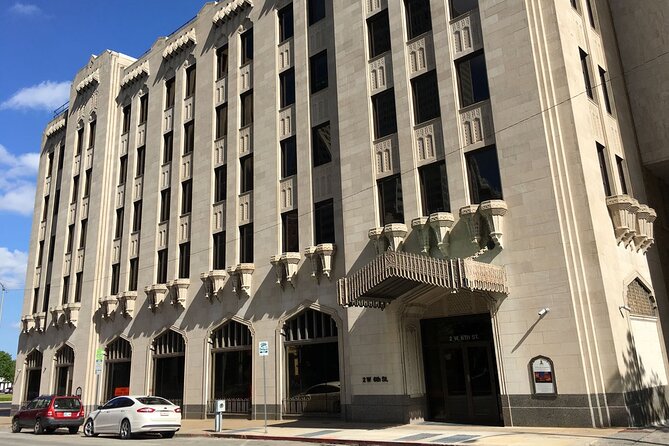
Tulsa’s downtown is a history book in stone, terra-cotta, marble, and metal. On this two-hour walk through the Deco District, you trace the city’s oil-boom years through buildings such as the Philtower, Philcade, Atlas Life, and Tulsa Club. The route also brings in Neo-Gothic and other styles, so you get more than a parade of similar facades.
I like the chronological approach, which helps you see how Tulsa changed as its fortunes grew. I also like the chance to step inside some locked buildings, a detail that can turn a good architecture walk into a far more memorable one. Guides including Becky, Jeff, and Jeffrey are praised for clear explanations, humor, and strong local knowledge.
The main consideration is simple: this is a walking tour, with some stairs and a need to cope with the weather. Two hours is an easy length for most people, but summer sun or poor conditions can affect the experience. Wear sensible shoes and check the forecast before you go.
Key Points About Tulsa’s Art Deco Walk
- Nine major buildings in one compact district: The route discusses Atlas Life, Philtower, Tulsa Club, Southwestern Bell, ARCO, PSO, Pythian, Sinclair, and Philcade.
- More than Art Deco: You’ll also examine Neo-Gothic design and the changes that came as Tulsa expanded.
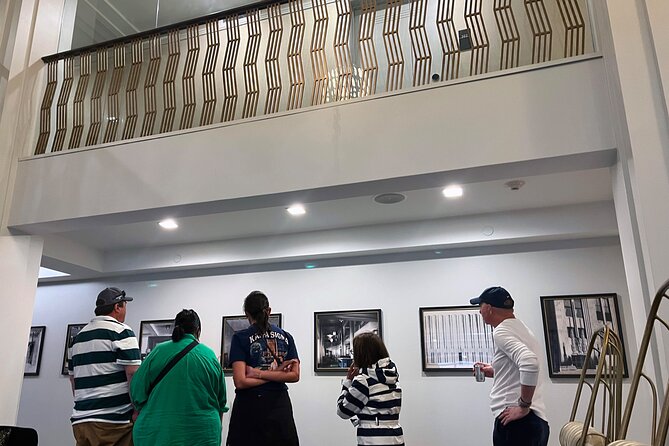
- Possible interior access: A guide may take you inside buildings that are normally locked to casual passersby.
- A clear two-hour format: The pace is easy enough for an afternoon activity, with time for questions and conversation.
- Small-group feel: The maximum group size is 25 people, which should make it easier to hear the guide than on a large city walk.
- Strong guide-led experience: Becky, Jeff, and Jeffrey have each been praised for clear speaking, good stories, and enthusiasm for Tulsa architecture.
Why Tulsa Has So Much Art Deco
Tulsa can surprise you. It is not the first American city many people associate with Art Deco, yet its downtown contains a remarkable concentration of early twentieth-century design. The reason is closely tied to the oil boom and the city’s rapid growth.
As money poured into Tulsa, new office towers, banks, hotels, and commercial buildings rose in the center. Owners wanted modern buildings that showed confidence and progress. Art Deco answered that need with bold geometry, stepped forms, decorative panels, and a sense of speed.
This tour gives you the useful background instead of asking you to admire details without context. You learn how the style developed and why it appeared so strongly in a city of Tulsa’s size. That context matters. Once you understand the link between oil wealth, civic ambition, and new building design, the downtown blocks begin to make more sense.
I especially like that the tour does not treat every historic building as Art Deco. Neo-Gothic architecture and other styles are part of the story. Comparing those forms helps you notice what changed from one period to the next.
More Art Deco Tours in the USA
- The Official Art Deco Walking Tour by The Miami Design Preservation League
★ 5.0 · 1,580 reviews - Miami South Beach Art Deco Walking Tour
★ 5.0 · 1,039 reviews - Miami Beach Food and Art Deco Walking Tour
★ 4.5 · 245 reviews
Starting at 511 South Boston Avenue
The tour begins at 511 S Boston Ave, in the center of the historic district. It ends at the same meeting point, so you do not need to arrange a separate pickup or figure out where to go afterward.
That start and finish point makes the walk easy to fit into a day in Tulsa. You could schedule it before a meal, after another downtown activity, or as a way to get your bearings early in your visit. The two-hour length is long enough to give the buildings proper attention but short enough to leave room in your schedule.
The group can include up to 25 people. That is not a private tour, but it is still a manageable size for a city walk. One especially useful detail from the feedback is that the guide was easy to hear, with little sound pollution during the outing. That matters more than it may sound. Architecture tours lose much of their value when you miss the names, dates, and small stories.
Atlas Life and the First Glimpse of Downtown Tulsa
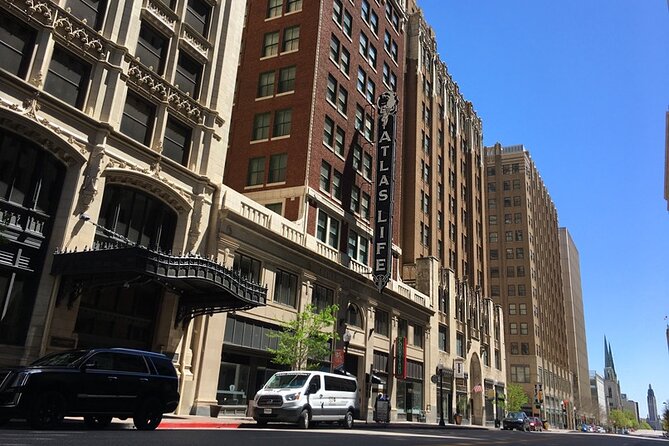
Atlas Life is one of the buildings included in the discussion. Here, the guide begins to show how commercial architecture reflected Tulsa’s growing wealth and confidence.
Expect the tour to focus on visible design elements, the building’s place in downtown development, and the people or businesses connected with the city’s oil years. The point is not only to photograph the facade. It is to understand why a building looked the way it did and what it meant to the city when it was built.
This is where a live guide earns the $52 price. A self-guided walk can show you the same exterior, but it cannot answer a follow-up question or connect one building to the next. Guides such as Jeff and Becky are praised for allowing back-and-forth conversation, so you should feel free to ask about details that catch your eye.
Philtower and Tulsa’s Vertical Ambition
The Philtower is one of the major highlights on the route. Its inclusion helps show how Tulsa reached upward as the oil industry turned the city into a serious regional center.
The guide explains the architectural choices rather than simply pointing out the tower. You can expect discussion of the building’s style, decorative treatment, and role in Tulsa’s development. Looking up at a tower is one thing. Hearing why it was designed with such confidence gives it a sharper meaning.
The Philtower also helps break up the walking route. Instead of seeing one low building after another, you get a sense of scale and ambition. If you enjoy city architecture, this is the type of stop that rewards taking your time with the upper stories, trim, and overall shape.
More Walking Tours in the USA
- Chicago in a Day: Food, History & Architecture Walking Tour
★ 5.0 · 1,153 reviews - Chicago’s Secret Interiors Architectural Walking Tour
★ 5.0 · 635 reviews - Chicago: Secret Interiors Architecture Walking Tour
★ 4.9 · 498 reviews - Charleston: History and Architecture Guided Walking Tour
★ 4.8 · 349 reviews
Tulsa Club and the Value of Going Inside
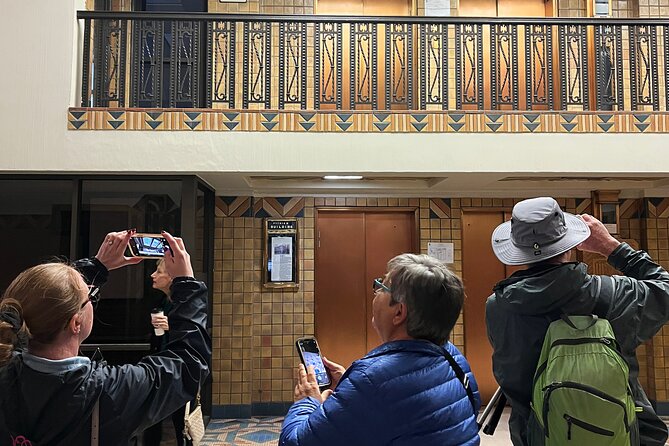
The Tulsa Club is another important stop, and interior access may be one of the best reasons to book a guided walk instead of exploring on your own. Some buildings are locked, and a guide can sometimes bring the group inside.
That access is not presented as a guarantee for every departure, so keep expectations sensible. Still, entering a historic building changes the experience. You can see how the design works beyond the street facade, including interior decoration and the relationship between public spaces and the building’s original purpose.
Several comments specifically praise being taken inside buildings that would otherwise be unavailable. For me, this is a major value point. The exterior stops give you a good city walk, but the interior visits make the tour feel more personal and less like a simple list of landmarks.
The Tulsa Club is also a good place to think about the social side of Tulsa’s past. The tour connects buildings with the city’s wealthy oil leaders and the institutions they created. The stories add human scale to all that stone and ornament.
Southwestern Bell, ARCO, and PSO
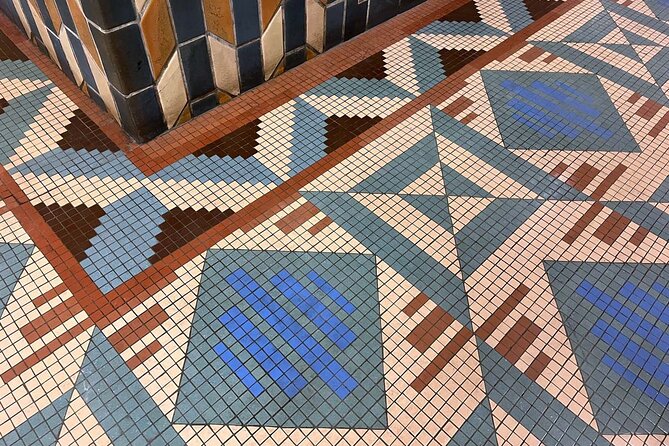
The route continues through Southwestern Bell, ARCO, and PSO. These stops help you see how different businesses used architecture to project stability, modernity, and importance.
You will likely spend time comparing materials, lines, decorative patterns, and overall mood. Art Deco can be easy to reduce to zigzags and shiny surfaces, but a good explanation shows how many variations the style allows. A communications company, energy company, and other major business might each express modern progress in a different way.
These buildings also reinforce the connection between Tulsa’s architecture and its working economy. The downtown core was not built only for show. It served banks, energy companies, communications firms, and civic life. The guide’s job is to connect those uses to what you see overhead and at street level.
If you like photography, these stops offer plenty to notice. The tour is not described as a dedicated photo walk, so you should balance picture taking with listening. You will get more from the outing if you keep your eyes moving and let the guide point out details you might miss from across the street.
Pythian and Sinclair: Details Worth Slowing Down For
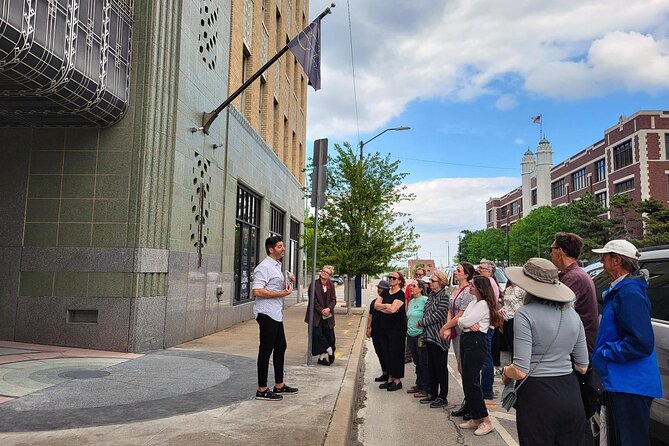
Pythian and Sinclair add more variety to the route. These buildings help demonstrate that downtown Tulsa was shaped by several design periods and competing ideas about what a modern city should look like.
The tour’s chronological method is useful here. Rather than seeing isolated buildings, you can follow the changes as Tulsa expanded and developed. One structure may feel formal and vertical, while another uses stronger geometric decoration or a different kind of ornament.
This is also the sort of stop where a well-spoken guide makes a difference. Jeffrey, Jeff, and Becky have each received praise for explaining complex information in an approachable way. You do not need a background in architecture to follow the tour.
The walking pace is described as easy, and the route lasts about two hours. That gives the guide room to explain details without turning the outing into a tiring march. Still, there are some stairs, so anyone with mobility concerns should take that into account before booking.
Philcade and the Finish of the Architectural Story
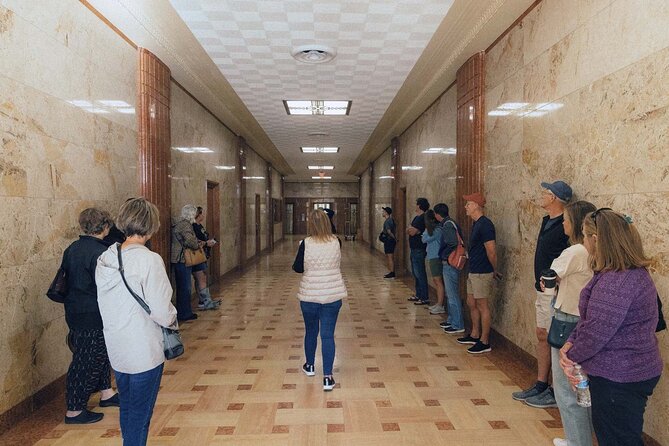
Philcade is one of the final named buildings on the route. By this point, you have seen enough examples to compare styles with confidence rather than simply accept the guide’s descriptions.
A strong final stop should tie the experience together, and Philcade helps reinforce the link between design, commerce, and the city’s oil-era wealth. The building is part of the larger story of how Tulsa wanted to present itself: prosperous, modern, and ready for the future.
This is also a good point to ask questions. The guides are described as open to conversation, and the walk is not built around a rigid lecture alone. You can clarify a design term, ask about a building’s purpose, or return to a detail you noticed earlier.
The route ends back at the starting point. That is practical if you want to continue exploring downtown on foot, but the tour itself does not include a separate attraction admission. The architecture walk is the product, and the value comes from access, interpretation, and the guide’s storytelling.
What the Two-Hour Format Feels Like
Two hours is a sensible length for this experience. It gives you time to cover the district without the fatigue that can set in on a half-day architecture tour.
The walk includes some stops where you listen, some time moving between buildings, and possibly interior visits. The pace has been described as comfortable rather than rushed. You should still wear supportive shoes because even an easy city walk can feel tiring on hard sidewalks.
Weather is the biggest practical variable. The tour requires good weather, and poor conditions can lead to a new date or a full refund. On hot days, shade matters. One guide was praised for keeping the group in the shade, but that may depend on the route, time, and guide.
Bring water, dress for the forecast, and keep sun protection in mind. These are basic steps, but they can make the difference between enjoying the ornament overhead and wishing the tour would end.
Is $52 a Fair Price?
At $52 per person, this is not the cheapest way to spend two hours in downtown Tulsa. You can walk past many of the buildings for free. The question is what you want from the outing.
If you only want exterior photographs, a free self-guided stroll may be enough. If you want the story behind the buildings, help spotting design details, a chance to ask questions, and possible access to interiors, the price is easier to justify.
The group limit of 25 also matters. You are paying for a guided experience rather than an audio recording or printed map. Clear sound, a good pace, and a guide who can respond to the group add real value.
The tour also saves you research time. You do not have to build your own route, work out which buildings matter, or read up on the differences between Art Deco and Neo-Gothic design before arriving. For someone with only a short stay in Tulsa, that efficiency is worth considering.
Who Will Enjoy This Tulsa Walking Tour?
I would recommend this experience to:
- Architecture fans who want more than quick exterior views.
- First-time visitors looking for a useful introduction to downtown Tulsa.
- History-minded couples and families.
- Solo visitors who enjoy asking questions and learning at an easy pace.
- Anyone curious about the connection between oil money and city design.
- Repeat visitors who want access to interiors and details they missed before.
It suits people who like a guide-led experience and do not mind walking between stops. It may be less suitable if you want a private tour, dislike stairs, or prefer to move at your own pace without commentary.
Families can manage the two-hour format, especially if children have some interest in buildings or local stories. The tour is not described as a children’s program, so younger children may need help staying engaged during the longer explanations.
The activity is offered in English. Confirmation arrives at booking, service animals are allowed, and most people can participate. Those details make it fairly easy to plan, but anyone with mobility concerns should consider the stairs and walking surface.
Booking, Cancellation, and Guide Expectations
The tour is usually booked about 17 days ahead, so I would reserve early if your Tulsa dates are fixed. That lead time does not mean every date sells out, but it suggests that advance planning is wise.
Free cancellation is available up to 24 hours before the start time for a full refund. Changes or cancellations inside that window are not accepted for a refund. If bad weather cancels the tour, you are offered another date or a full refund.
The guide may be Becky, Jeff, Jeffrey, or another member of the Tulsa Tours team. The strongest guide qualities reported across the experience are clear speaking, strong preparation, humor, and enthusiasm for Tulsa. Those traits matter because architecture tours depend heavily on the person leading them.
Should You Book the Tulsa Art Deco Tour?
Book it if you want to understand Tulsa rather than simply pass through it. The route covers a strong set of downtown buildings, places Art Deco in the context of other styles, and connects grand design with the city’s oil-era growth.
The best reason to go is the combination of interior access and clear local storytelling. The main caution is that you need to walk, manage stairs, and accept the limits of a weather-dependent outdoor activity.
At $52, I see this as a good-value choice for architecture fans, first-time visitors, and anyone with two free hours in downtown Tulsa. If you prefer independent sightseeing and only want quick photos, save the money and take your own walk. If you want the details to come alive, book the guide.
FAQ
Where does the Tulsa Art Deco tour begin?
The tour begins at 511 S Boston Ave, Tulsa, Oklahoma 74103.
Where does the tour end?
The activity ends back at the meeting point.
How long does the tour last?
The tour lasts approximately two hours.
What buildings are included?
The tour discusses Atlas Life, Philtower, Tulsa Club, Southwestern Bell, ARCO, PSO, Pythian, Sinclair, and Philcade.
Does the tour cover styles besides Art Deco?
Yes. The guide discusses Art Deco, Neo-Gothic, and other building styles found in Tulsa’s historic district.
Is admission to the buildings included?
The guided walking tour is included, and the listed admission for the itinerary is free. A guide may also provide access to some locked building interiors, but interior access is not stated as guaranteed for every departure.
How many people can join the tour?
The maximum group size is 25 people.
Is the tour offered in English?
Yes, the tour is offered in English.
Can I cancel for a full refund?
Yes. You can cancel at least 24 hours before the experience start time for a full refund. Cancellations or changes made less than 24 hours before the start time are not accepted for a refund.
Newly added in the USA
- Miami Beach Art Deco Segway Tour★ 4.5 · 17 reviews
- Boston: Freedom Trail History and Architecture Walking Tour★ 4.8 · 18 reviews
- Boston: Harbor and Charles River Architecture Boat Tour★ 4.6 · 9 reviews
- Chicago: Guided Tour with Architecture River Cruise★ 4.5 · 20 reviews
- Iconic Capitol Hill Architectural Walking Tour★ 5.0 · 21 reviews
- South Beach Food Tour- Culinary & Art Deco & History★ 5.0 · 22 reviews
- Chicago: First Lady River Cruise & Architecture Center Combo★ 4.7 · 24 reviews
- Chicago River 90-Min Architecture Boat Tour★ 4.5 · 24 reviews
Art Deco Tours, compared.
The Official Art Deco Walking Tour by The Miami Design Preservation League
Read our review →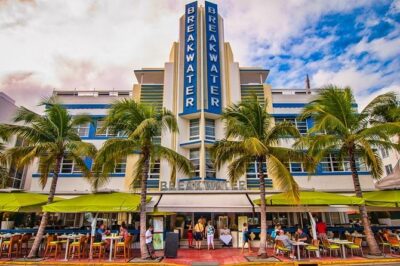

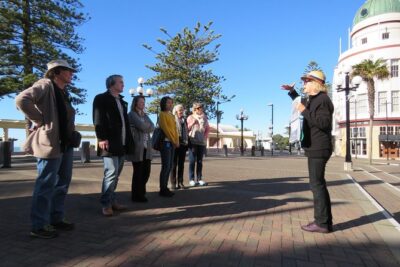
Guided 10am Morning Art Deco Walk From Napier Art Deco Trust
Read our review →
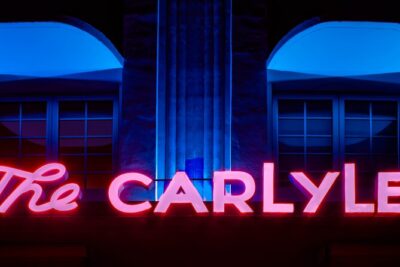
Award-winning Art Deco & Neon Lights Walking Tour in Miami Beach
Read our review →
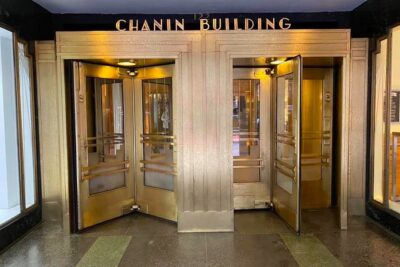
Art Deco and Architecture Midtown Landmarks Tour
Read our review →Browse the lists this tour appears in