Review · HIDDEN GEMS ARCHITECTURE TOURS
Chicago: Secret Interiors Architecture Walking Tour
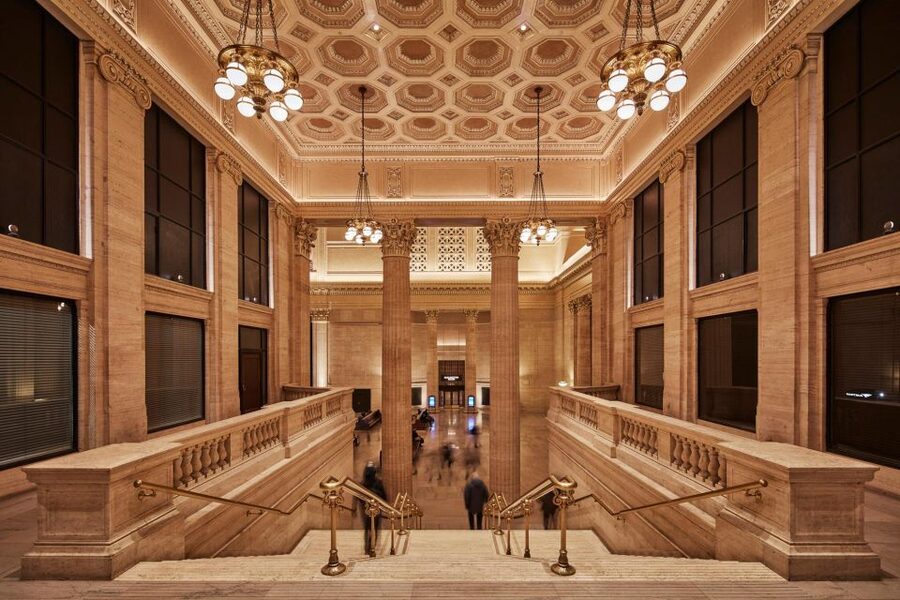
Chicago keeps some of its finest architecture behind ordinary doors. This two-hour walk takes you from Union Station into the Loop, where domes, mosaics, grand stairways, and ornate details appear inside buildings you might otherwise pass without a glance. The interiors are the main event, not just the famous street facades.
I like the mix of architectural detail and human stories, from industrial wealth to Roaring Twenties glamour. I also like the way guides such as Grant, Talia, Annie, and Angel turn a short walk into a readable lesson about Chicago’s rise as a world architecture center. The main drawback is practical: much of the tour is outdoors, and the pace can feel brisk if you have trouble walking or encounter stairs inside the buildings.
Key points to know before you book
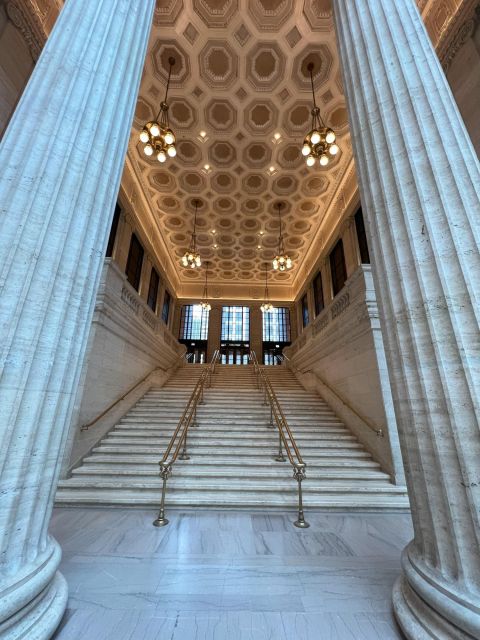
- Look inside buildings you might never enter alone: The route includes the Rookery, Field Building, Marquette Building, Palmer House, Chicago Cultural Center, and former Marshall Field store.
- Expect architecture with a human story: The guide connects design choices to ambition, fame, business, and Chicago’s Gilded Age and Roaring Twenties.
- Plan for outdoor walking: One recent participant estimated that about 90 percent of the experience was outside, so weather matters.
- The guides make a big difference: Grant, Talia, Annie, Angel, Matthew, and Avery are among the guides praised for clear explanations, warmth, humor, and enthusiasm.
- Sunday changes the route: The Rookery is closed on Sundays, so an alternative stop is used.
- Good value at $35: You get two hours of guided architecture, interior access, and context that is difficult to gather on your own.
Why Chicago’s interiors matter more than the skyline
Chicago is famous for its skyscrapers, but the street view only tells half the story. The real surprise is often inside: a ceiling treatment above a lobby, a mosaic that disappears into shadow, or a doorway that looks plain until someone explains its place in the building’s design.
That is what makes this tour useful. You are not simply pointed toward old buildings and handed a list of dates. You are shown how architects and engineers dealt with difficult problems of light, weight, structure, and urban ambition. The result is a better understanding of why Chicago became such an important architectural city.
I especially like this approach for first-time visitors who want more than a quick photo of a skyscraper. It also works for locals. Several people who had lived in the Chicago area for years found themselves entering buildings they had passed many times without seeing properly.
The tour also adds a social layer. These corridors were used by industrial leaders, famous personalities, and less admirable figures during Chicago’s Gilded Age and the Roaring Twenties. Architecture becomes easier to remember when it is tied to money, status, competition, and the people who wanted to make a mark on the city.
More Walking Tours in Chicago
- Chicago in a Day: Food, History & Architecture Walking Tour
★ 5.0 · 1,153 reviews - Chicago’s Secret Interiors Architectural Walking Tour
★ 5.0 · 635 reviews - Chicago Walking Tour: Art Deco Skyscrapers Loop
★ 5.0 · 138 reviews
Starting inside Union Station’s Great Hall
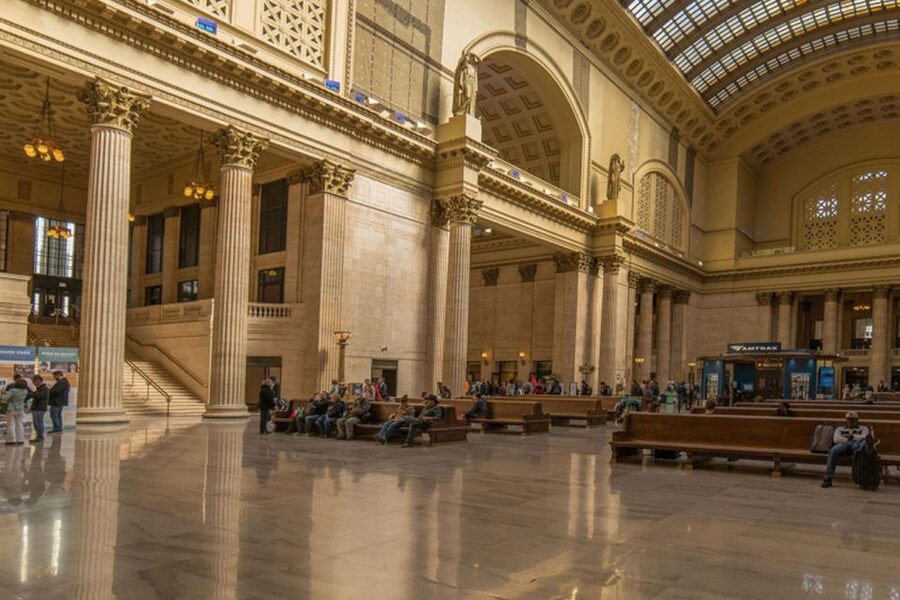
Meet your guide inside Union Station, in the Great Hall, under the Clinton Street sign. This is a sensible starting place because the station itself gives you an immediate lesson in the scale and confidence of historic Chicago.
Arrive with comfortable shoes and a few minutes to find the meeting point. Union Station can be busy, and the Great Hall is large enough that a precise landmark matters. The walk then moves into the Chicago Loop, with stops both inside buildings and on the streets between them.
The route finishes at the former Marshall Field and Company Building. That makes the tour useful as part of a day in the Loop rather than an isolated activity. You can continue exploring downtown from there, though the tour does not include transportation back to Union Station.
South LaSalle Street and the Loop’s grand stage
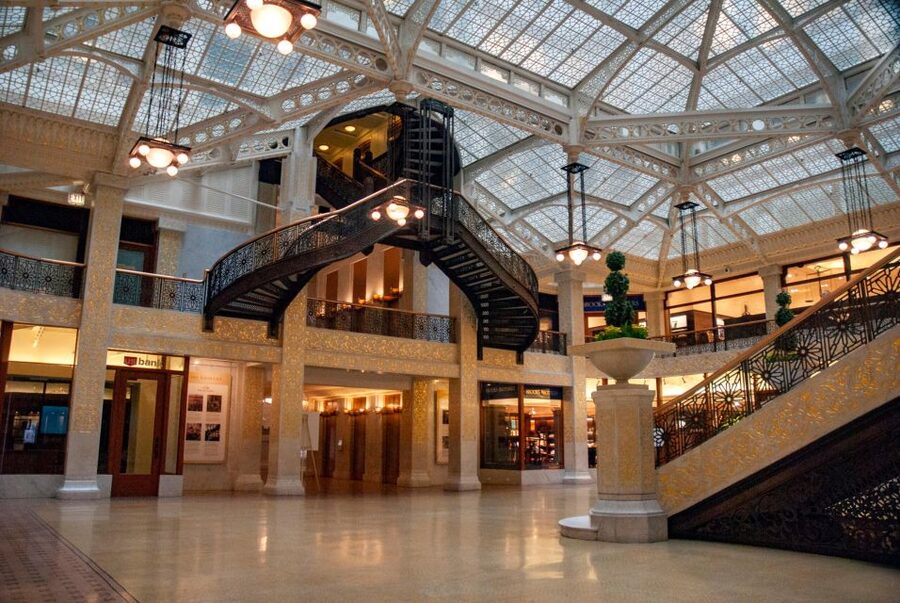
The early part of the route introduces South LaSalle Street and the wider Loop. Here, the guide sets up the story of Chicago’s architectural growth, moving from the city’s early skyscraper era toward later styles and more elaborate commercial buildings.
This portion is partly about learning how to look. Instead of seeing a wall of downtown facades, you begin noticing proportions, materials, entrances, upper stories, and the way buildings announce their purpose. A guide can also point out how the city’s architecture reflects changing ideas about technology and modern life.
Expect some outdoor commentary here, so this is where Chicago weather begins to matter. Summer may bring sun and heat, while winter can make the same route feel much more demanding. The walk is not described as strenuous, but one participant found the pace fast for their legs, so I would not treat it as a slow stroll.
The Rookery Building and the value of looking up
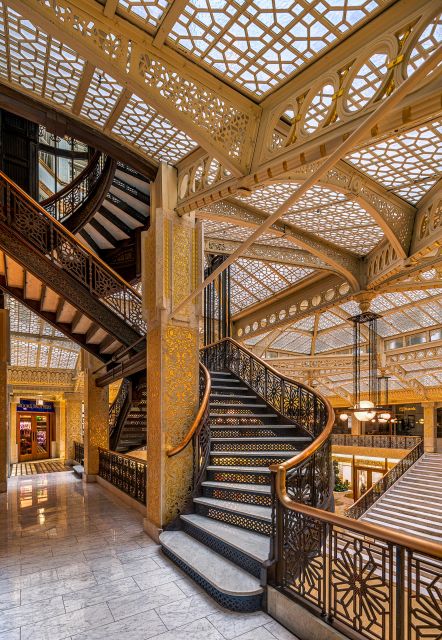
The Rookery is one of the most important stops because its interior captures the tour’s whole purpose: a celebrated building with details that are easy to miss from the sidewalk.
Inside, your guide may direct your attention toward the dome, light, decorative surfaces, and the way the building handles the relationship between open space and structure. The point is not just that the interior is beautiful. It is that the design reflects a period when architects were testing new ways to bring daylight into large commercial buildings while creating an impressive public entrance.
The Rookery is closed on Sundays. If you book for that day, the tour includes an alternative stop instead. That is a small but important planning detail, especially if this is the one building you most want to see.
More Walking Tours in the USA
- Chicago Architecture Walking Tour: Incredible Art Deco Interiors
★ 5.0 · 85 reviews - Chicago Architecture Walking Tour: What’s New
★ 5.0 · 64 reviews - Chicago Walking Tour: Art Deco Skyscrapers Riverfront
★ 5.0 · 53 reviews - Chicago in a Day: Food and Architecture Private Walking Tour
★ 5.0 · 53 reviews
Field Building and Marquette Building
The Field Building and Marquette Building continue the tour’s look at commercial Chicago. Each stop gives you another chance to compare materials, decoration, entryways, and the way business buildings presented themselves to the public.
I like this part of the route because comparison makes the details clearer. A single building can seem impressive, but several in sequence show how styles and priorities changed. Your guide explains what makes each one distinct and points out design elements that you might otherwise walk past.
The route is not only about exterior architecture. You visit interiors where access is possible, and that shift from street to lobby is often the payoff. A building that seems solid and formal from outside can reveal a much more decorative interior.
Keep your camera ready, but listen before photographing. The guide’s explanation of a mosaic, doorway, ceiling, or structural feature can matter more than the image itself. One participant wished for more unprompted discussion of passing decorations and doorways, but also found the guide happy to answer questions. If you are curious, ask.
Palmer House and the architecture of public life
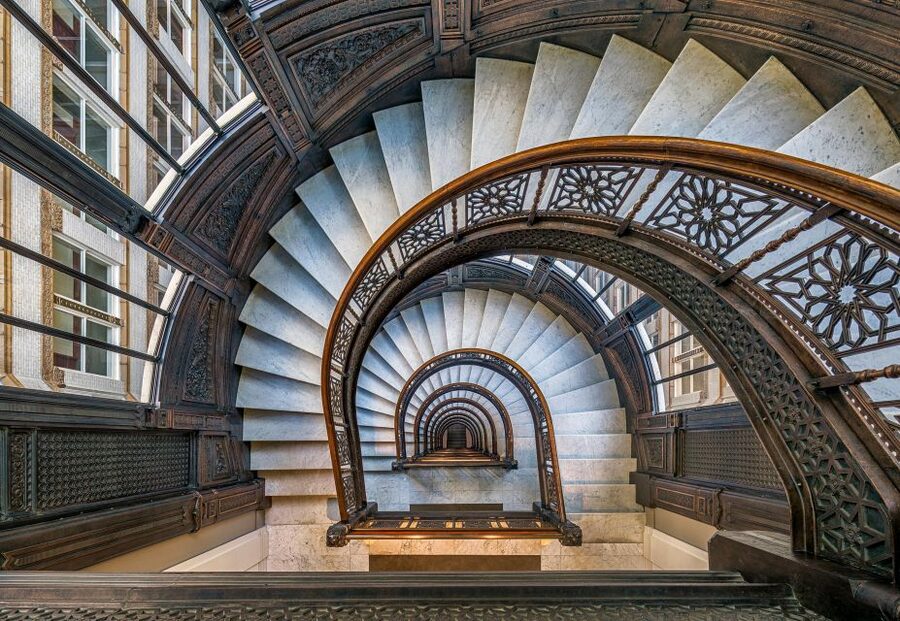
The Palmer House adds another kind of setting to the walk. A grand hotel is not simply a place to sleep. Its public spaces were designed to impress, receive important people, and display the money and taste of its era.
Here, the tour connects decorative design with the social world of Chicago’s elite. You get a sense of how architecture shaped public life, not just how buildings solved technical problems. The guide may also help you notice how a hotel differs from a commercial office building in mood, movement, and decorative purpose.
This is one reason I would choose the tour over wandering alone. You can enter a building, admire a lobby, and leave without understanding what you saw. A good guide gives you the vocabulary to notice why one interior feels formal, theatrical, intimate, or imposing.
Chicago Cultural Center and the pleasure of a grand interior
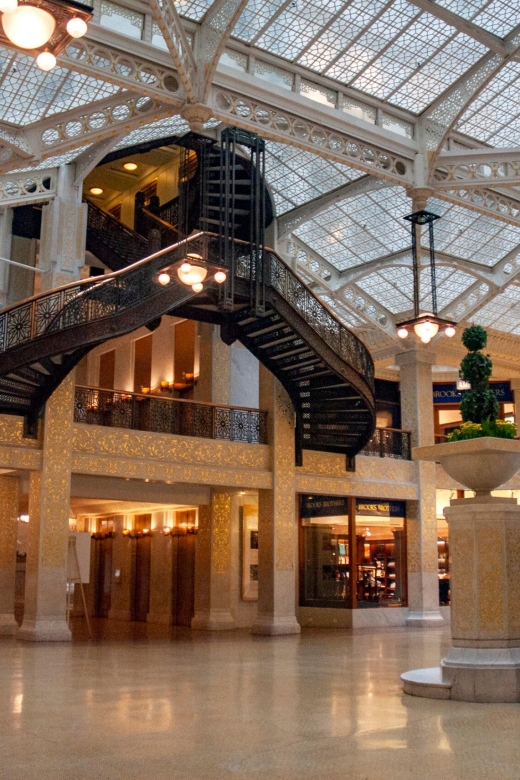
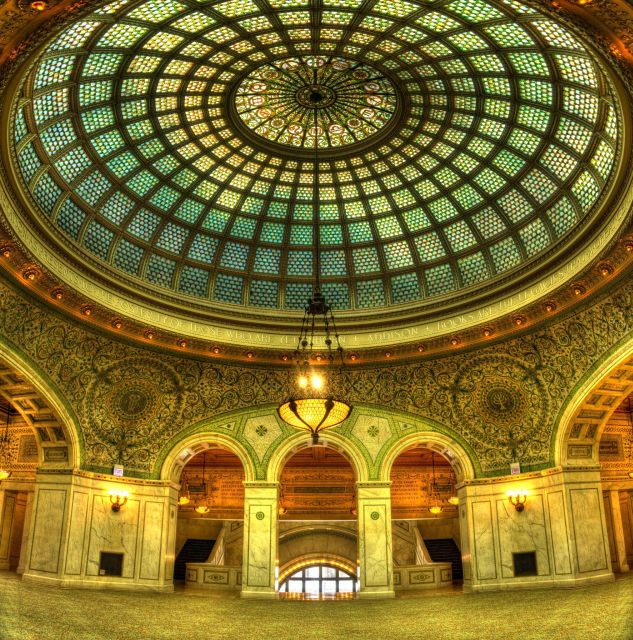
The Chicago Cultural Center is among the most visually rewarding stops. Its elaborate interior surfaces and dome provide the sort of spectacle that makes a short walking tour feel worthwhile.
This is also a good place to pause and absorb the variety of the route. Earlier buildings may focus your attention on commercial power, engineering, or historic business life. The Cultural Center turns the eye toward craftsmanship, ornament, light, and civic display.
Do not rush this stop. Look upward, then across the walls and floors. The tour is designed to explain the meaning of design elements, not merely point out that they are old or attractive. You will get more from the visit if you allow yourself a moment to see how the decorative parts work together.
Marshall Field and Company Building, the final stop
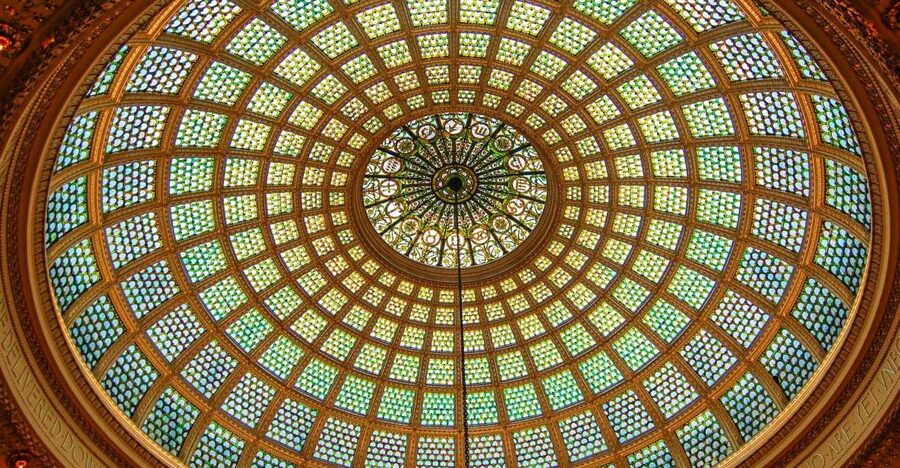
The tour ends at the former Marshall Field and Company Building, a fitting conclusion because it brings architecture and commerce together. Department stores were built to draw people inside, encourage browsing, and make shopping feel like a grand public occasion.
The building gives the guide another chance to discuss craftsmanship, scale, and the relationship between business and design. It also leaves you in a useful part of downtown for further sightseeing, dining, or a return walk toward the river.
Because the route ends here, think about your plans afterward. The finish is not at the original meeting point. That is convenient if you want to continue through the Loop, but less so if you have a train to catch immediately.
What the guides add to the experience
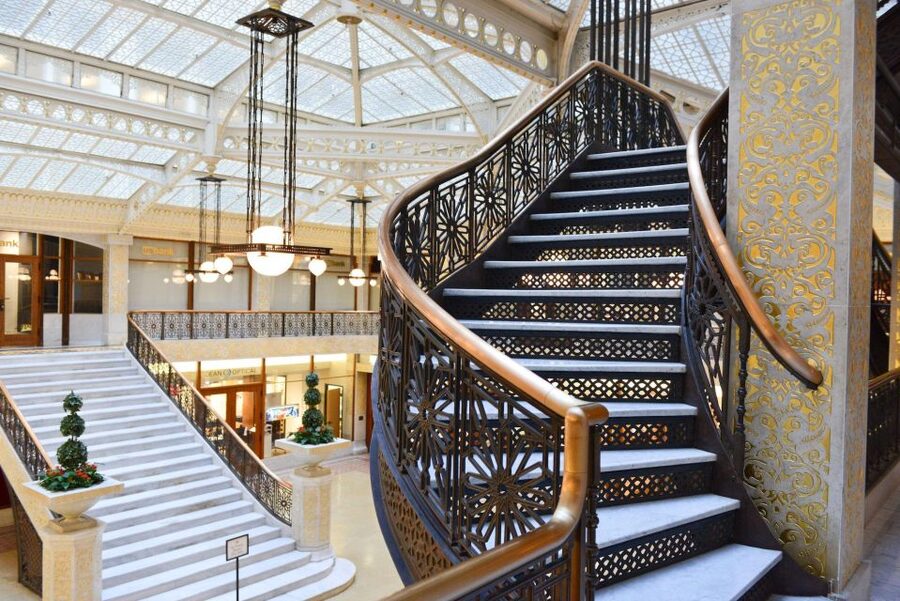
The strongest part of this tour is the human delivery. Grant is repeatedly praised for clear explanations, historical depth, and an ability to make complicated subjects easy to follow. He has also offered dining suggestions after tours, which is a useful extra if you are still finding your way around the Loop.
Talia brings energy, humor, and care for the group. She has been especially good at keeping a small group engaged and adjusting to questions and comfort levels. Annie is described as friendly, conversational, and full of practical Chicago suggestions, while Angel is praised for enthusiasm and a strong grasp of design and city history.
Matthew and Avery are also named as engaging guides. The exact style will depend on who leads your departure, but the pattern is clear: this is a guide-led experience, and the quality comes from explanation rather than audio equipment or a printed route.
Small groups can make a difference. One person had a private-feeling experience with only two people, while another group of four had plenty of time with the guide. Group size can vary, so do not book expecting a private tour, but ask questions when the chance comes.
Walking pace, stairs, weather, and access
The advertised duration is two hours, and the route covers a fair amount of the Loop. Most people describe the walking as manageable, but not everyone finds the pace equally easy. You move between buildings, stop on sidewalks, and enter and leave interiors.
Wear comfortable shoes. That is not a throwaway suggestion here. You may be standing while listening, walking briskly between stops, and dealing with stairs in some buildings. One participant specifically noted several stairs and found the pace challenging for their legs.
The activity is listed as wheelchair accessible, but the reports of stairs make it sensible to confirm current access arrangements before booking if you use a wheelchair or have limited mobility. Building access can vary by entrance and day.
Winter requires serious clothing. One January participant estimated that about 90 percent of the tour took place outdoors, and others found the experience worthwhile even in cold weather because the interiors offered welcome relief. I would bring warm layers, gloves, and a hat in winter. In wet weather, shoes with good grip are useful.
Holiday closures can also affect what you see. A Labor Day outing encountered several closed locations, although the guide adapted. The Sunday closure of the Rookery is the one regular exception clearly noted, with an alternative stop provided.
Is $35 a fair price?
At $35 per person, this is a reasonable price for a two-hour guided walk in central Chicago. You are paying for access to interiors, a planned route, live commentary, and the guide’s ability to connect buildings that would otherwise feel unrelated.
The value is strongest if you care about architecture, design, urban history, or photography. It is also good for anyone who likes to see places that are not obvious from the sidewalk. The price is less compelling if you mainly want exterior skyline views, since another type of Chicago architecture outing may suit you better.
I would treat this as a companion to a river architecture cruise rather than a replacement. A boat route gives you a broad view of the city’s facades and riverfront development. This walk gives you the smaller details, interior spaces, and stories at street level. One person who had taken both preferred the boat tour overall but still considered this walk a strong companion.
The booking terms are flexible: you can reserve now and pay later, and cancel up to 24 hours before the start for a full refund. Those terms help if your Chicago schedule depends on weather or changing plans.
Who should book this Chicago architecture walk?
I would recommend it to first-time visitors who want context, architecture fans who care about interiors, and Chicago residents who have never looked inside the Loop’s older buildings. It is also a good family afternoon activity if everyone can manage two hours of walking and standing.
I would be more cautious if you dislike cold weather, need a very slow pace, or want a tour devoted only to famous exterior landmarks. The route mixes outdoor walking with interior visits, and the exact balance can shift with opening hours and closures.
Reserve it early in your stay if you can. The guide’s explanations may change how you see the rest of Chicago, and you can return to buildings or areas that catch your interest. Book it later if your schedule is tight, but leave time afterward to continue exploring around the final stop.
Final verdict: a smart way to see Chicago from the inside
I would book this tour if I wanted to understand why Chicago architecture matters rather than simply photograph it. The best moments come from entering buildings you might ignore, then learning how light, structure, decoration, business, and personal ambition shaped what you see.
The $35 price is fair, the two-hour length fits neatly into a city day, and the guides have shown strong command of the subject. Just dress for the forecast, wear reliable shoes, expect plenty of outdoor time, and remember that the Rookery is replaced on Sundays. If you want Chicago’s architecture at eye level, with the doors open and the stories attached, this is a solid choice.
FAQ
How long does the Chicago Secret Interiors Architecture Walking Tour last?
The tour lasts two hours. It includes walking between several buildings in the Chicago Loop, along with guided visits and commentary at the stops.
Where does the tour meet?
Meet your guide inside Union Station’s Great Hall, under the Clinton Street sign.
Where does the tour finish?
The tour finishes at the former Marshall Field and Company Building.
Which buildings are included?
The route includes South LaSalle Street, the Rookery Building, Field Building, Marquette Building, Palmer House, Chicago Cultural Center, and the former Marshall Field and Company Building. The Rookery is replaced by an alternative stop on Sundays.
Is the tour available in languages other than English?
The live tour guide and commentary are provided in English.
What should I bring?
Wear comfortable shoes. Since much of the route is outdoors, dress for the weather, especially during winter.
Is the tour wheelchair accessible?
The activity is listed as wheelchair accessible. However, some participants have encountered stairs inside buildings, so confirm current access details before booking if you have limited mobility.
More Hidden Gem Architecture Tours in Chicago
- Delhi Hidden Gems: Mehrauli, Lodhi Art & Sunder Nursery
★ 5.0 · 108 reviews - Miami Beach Art Deco & Hidden Gems Bike Tour with Local Historian
★ 5.0 · 78 reviews - Barcelona: Exploring Gaudí’s Hidden Gem, Bellesguard Tower
★ 4.7 · 37 reviews - Detroit: Architectural Beauty and Hidden Gems Walking Tour
★ 4.9 · 33 reviews
Newly added in Chicago
- Chicago: Guided Tour with Architecture River Cruise★ 4.5 · 20 reviews
- Chicago River 90-Min Architecture Boat Tour★ 4.5 · 24 reviews
- Chicago: First Lady River Cruise & Architecture Center Combo★ 4.7 · 24 reviews
- Chicago: Historic Architecture Chicago River Small Boat Tour★ 4.6 · 26 reviews
- Chicago: Art Deco Skyscrapers Walking Tour★ 4.8 · 28 reviews
- Chicago River: 90-Min Architecture Boat Tour★ 4.9 · 29 reviews
- Chicago Art Deco Madness Walking Tour★ 5.0 · 31 reviews
- Chicago River Architecture Tour and Big Bus Hop-on Hop-off Tour★ 4.0 · 38 reviews
Hidden Gems Architecture Tours, compared.
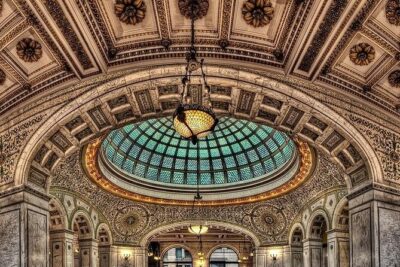
Chicago’s Secret Interiors Architectural Walking Tour
Read our review →
Delhi Hidden Gems: Mehrauli, Lodhi Art & Sunder Nursery
Read our review →
Miami Beach Art Deco & Hidden Gems Bike Tour with Local Historian
Read our review →
Detroit: Architectural Beauty and Hidden Gems Walking Tour
Read our review →