
Review · TICKETS
Copenhagen: Danish Architecture Center Entrance Ticket
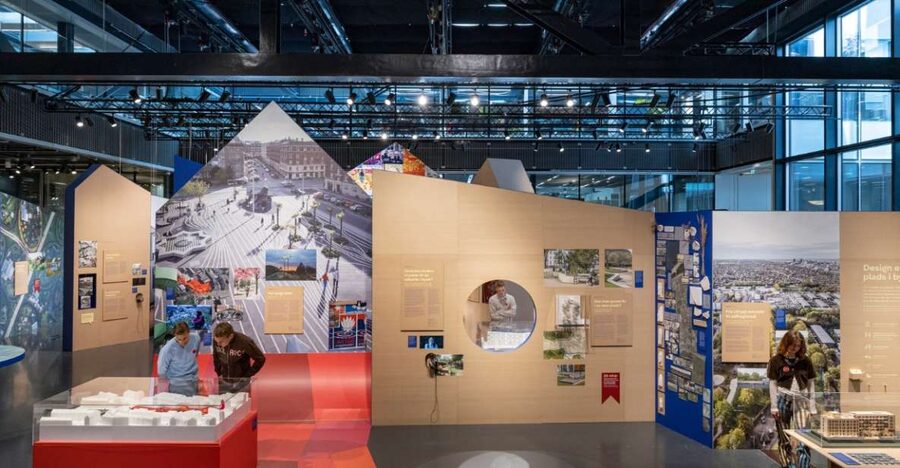
The Danish Architecture Center, set inside the striking BLOX building on Copenhagen’s harbour, makes architecture feel practical rather than dusty. You can trace Danish building ideas from the Viking age to today, then send yourself down a 40-meter slide. That is a fine way to keep children interested while adults study the exhibits.
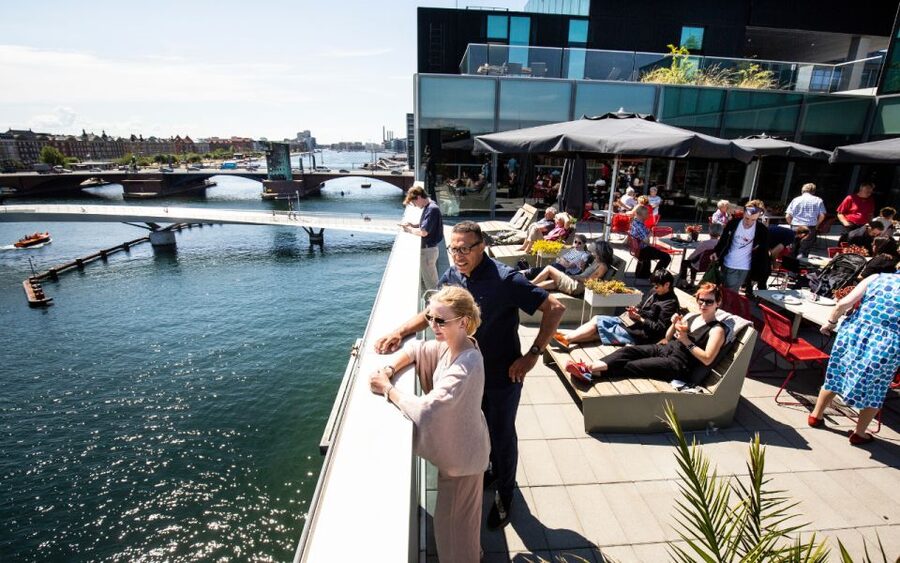
I like the way the center links buildings to Danish society and daily life, not just to famous architects. I also like the rooftop terrace, where the harbor, cycle bridges, historic city, and harbor baths give the displays a real-world setting. The main consideration is that this is a self-guided cultural visit, so it may feel less satisfying if you want a formal tour or a tightly planned route.
Key points to know

- BLOX location: The center sits below street level in the BLOX building beside Copenhagen’s harbor.
- Changing exhibitions: Displays focus on architecture, design, city life, function, and art, so the exact content can change.
- A 40-meter slide: DAC Slide adds a playful element, especially for families and younger visitors.
- Rooftop views: Your ticket includes access to the rooftop café area and its view across the harbor and city.
- Wide historical range: The center presents Danish architecture from the Viking age through the present day.
- Practical visit: The ticket is valid for one day, and the center is wheelchair accessible with Danish and English support.
Why the BLOX building is part of the experience

You begin at Bryghuspladsen, where the entrance is below ground. Take the stairs or escalators down into the Danish Architecture Center. That entrance matters because the building does not greet you like a traditional museum with a grand doorway and a long ceremonial hall. The center is tied closely to the modern BLOX complex and the public life around it.
The setting beside the harbor gives the visit useful context. From the area around the center, you can look toward historic Copenhagen, cycle bridges, and harbor baths. The city is not just scenery here. It becomes an example of how architecture shapes movement, recreation, public space, and everyday routines.
I like that connection. You are not looking at building models in isolation. You can step outside and see how paths, water, bridges, public buildings, and open spaces work together. The center’s location makes the subject easier to understand, even if you know little about architecture.
The central Copenhagen location also makes DAC easy to fit into a day of sightseeing. The information provided does not give a fixed visit length, so plan around your own pace. You can make a shorter stop between other sights, or spend more time with the exhibitions and rooftop café.
More Entry Tickets in the world:
- Chicago: Architecture River Cruise Skip-the-Ticket Line
★ 4.8 · 4,325 reviews - Barcelona: Sant Pau Recinte Modernista Entry Ticket
★ 4.6 · 2,567 reviews - Valencia: Art & Architecture Guided Tour with Monuments Tickets
★ 5.0 · 255 reviews
A walk through Danish architecture from the Viking age to today
The broad historical span is one of the strongest reasons to visit. The center presents Danish architecture from the Viking age until the present, giving you a way to see change over a very long period rather than only studying modern Copenhagen.
The value is not simply the number of centuries covered. It is the chance to think about why buildings look and function as they do. Architecture reflects what a society needs, how people live, what materials and technology allow, and how public priorities shift over time.
The center places attention on function, art, and design. That balance is useful. A building can be beautiful, but it also needs to support work, homes, movement, public life, or social services. The displays invite you to consider those practical questions instead of treating architecture as decoration.
The supplied information specifically points to welfare architecture, where function, art, and design are closely linked. That theme gives the visit a distinctly Danish angle. You are not only seeing buildings as monuments. You are looking at the built framework around ordinary life and public needs.
I would give the historical displays time if you want insight into Danish society. One of the strongest visitor impressions is the feeling that the center explains Denmark through architecture. That makes the visit useful early in a Copenhagen trip, since it can help you notice design choices in the streets afterward.
The exact exhibitions change, so do not expect the same presentation on every visit. That is good news for returning visitors, but it also means the experience depends partly on which displays are open on your date.
Rotating exhibitions with a practical focus

DAC’s exhibitions change over time and highlight different parts of architecture. You may encounter displays that focus on buildings, design, city development, welfare architecture, or the way spaces affect daily behavior. The ticket includes all open exhibitions, so you do not have to choose one area at an added cost.
For me, the best way to approach the galleries is to ask simple questions. Who uses this space? What problem does the design solve? How does the building affect the people around it? What choices make it attractive, useful, or welcoming?
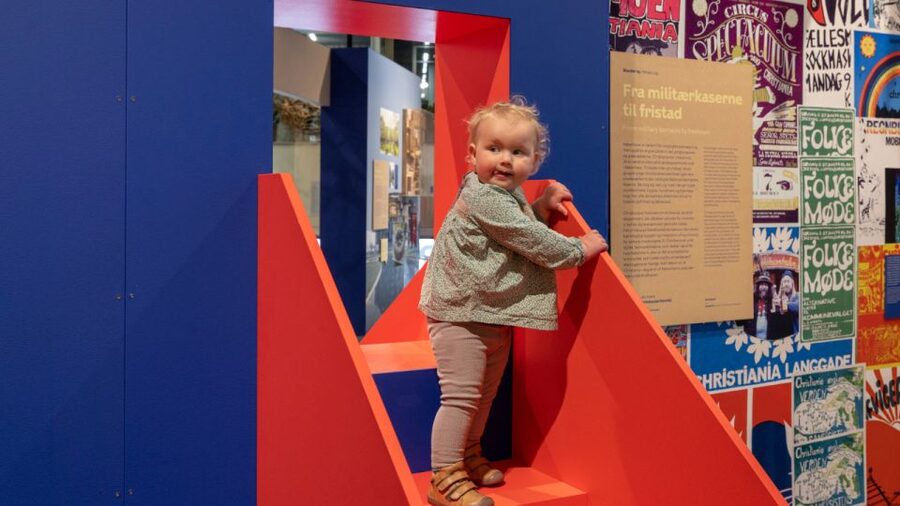
That approach keeps the visit accessible if you are not an architecture specialist. You do not need to know the names of Danish designers before arriving. The subject is presented for children, adults, architecture fans, and anyone curious about the city.
The center also works well for mixed-age groups. An adult can spend time with social and historical themes while a child gets a more active break. The DAC Slide is especially helpful here. It turns part of the architecture center into a physical experience rather than a purely visual one.
There is a small tradeoff. A changing-exhibition center cannot guarantee that a particular topic will be on display during your visit. If one specific exhibition is the main reason you want to go, check the current program before booking. The supplied ticket information confirms changing exhibitions but does not name a permanent lineup.
The 40-meter DAC Slide
The slide is the most unusual feature of the visit. At 40 meters, it gives the center a playful edge that many architecture venues lack. Entry to DAC Slide is included with the ticket when it is open.
This is more than a gimmick for families. It shows how design can shape mood and behavior. A building can teach, explain, and also invite people to move through it in a memorable way. The slide gives younger visitors something concrete to look forward to, while adults can enjoy the odd contrast of a serious cultural center with a giant indoor ride.
You should treat the slide as one part of the visit, not the whole reason to buy the ticket. The center’s main value comes from the exhibitions and the link between architecture and Danish life. The slide simply adds energy and makes it easier to keep a mixed group engaged.
The supplied details do not specify age, height, or operating restrictions for the slide. If those rules matter to your group, check with DAC before visiting. Do not assume that every visitor can use it simply because it is included in admission.
A few more architecture walks in the world worth a look
- Chicago Architecture River Cruise
★ 5.0 · 15,756 reviews - Chicago River 90-Minute Architecture Tour
★ 4.5 · 9,629 reviews - Chicago River: 1.5-Hour Guided Architecture Cruise
★ 4.8 · 8,046 reviews - Chicago Architecture Center River Cruise aboard First Lady
★ 5.0 · 5,536 reviews
The rooftop café and Copenhagen views
Your ticket includes access to the rooftop café area. Food and drinks are not included, so budget separately if you want to sit down with something to eat or drink.
The rooftop is worth treating as part of the visit even if you do not buy anything. The view reaches across the harbor toward the historic city, cycle bridges, and harbor baths. That outlook helps connect the indoor material to the city outside.
I especially like the timing of a rooftop stop after the exhibitions. Once you have spent time thinking about how buildings and public spaces work, the view becomes more than a photo opportunity. You can look at Copenhagen as a collection of connections: water, streets, bridges, public areas, and buildings serving different roles.
The café also gives the visit a natural pause. Architecture exhibits can require more concentration than a quick sightseeing stop. A short break upstairs lets you rest before returning to the galleries or moving on to another part of Copenhagen.
Do not expect a full meal to be covered by the admission price. The center provides access to the café, but all purchases there are extra. That is standard for a museum-style ticket, and it keeps the base price at a reasonable level for visitors who only want the exhibitions and view.
Is $19 a fair price?
At $19 per person, the ticket offers good value if you plan to use more than one part of the center. You get entry to the Danish Architecture Center, all open exhibitions, DAC Slide, and access to the rooftop café area.
The price makes most sense for three kinds of visitors. First, it suits anyone who wants a clearer understanding of Copenhagen and Danish society through buildings and design. Second, it works for families who need an activity with both educational displays and a physical feature. Third, it suits architecture and design fans who want a dedicated center rather than only noticing buildings from the street.
The value is weaker if you only want a rooftop view. Since the café is accessible as part of the center but food and drink cost extra, admission should be judged mainly by the exhibitions and slide. It is also not the best choice if you prefer a guided tour with a named expert leading you from room to room. The available information identifies Danish and English hosts or greeters, but no individual guide is named and no guided route is promised.
The one-day validity gives you flexibility. You do not have to rush through every display in a narrow time slot. Check the available starting times when booking, then allow enough room for the exhibits, slide, and rooftop area.
Who will enjoy DAC most?
I would recommend this experience to first-time Copenhagen visitors who want a broader explanation of the city. The architecture center can help you see why Copenhagen feels the way it does, especially when you connect the displays with the harbor and public spaces outside.
It is also a good pick for families. The material is intended for children and adults, and the slide gives younger visitors a clear reason to stay engaged. Still, families should confirm any slide rules before arrival because age and height details are not provided.
Architecture students, design fans, and visitors interested in urban planning will find the subject especially useful. The historical range from the Viking age to today gives you plenty to consider, while the changing exhibitions keep the focus from becoming too narrow.
You might also like it on a rainy day. The center offers an indoor cultural activity with a view and café break, though the ticket is not simply a weather backup if architecture does not interest you.
People looking for a guided historical tour may find it less satisfying. The center offers Danish and English support, but the experience described here is built around exploring the exhibitions yourself. That freedom is a plus for independent visitors and a limitation for anyone who wants constant commentary.
Access, language, and planning details
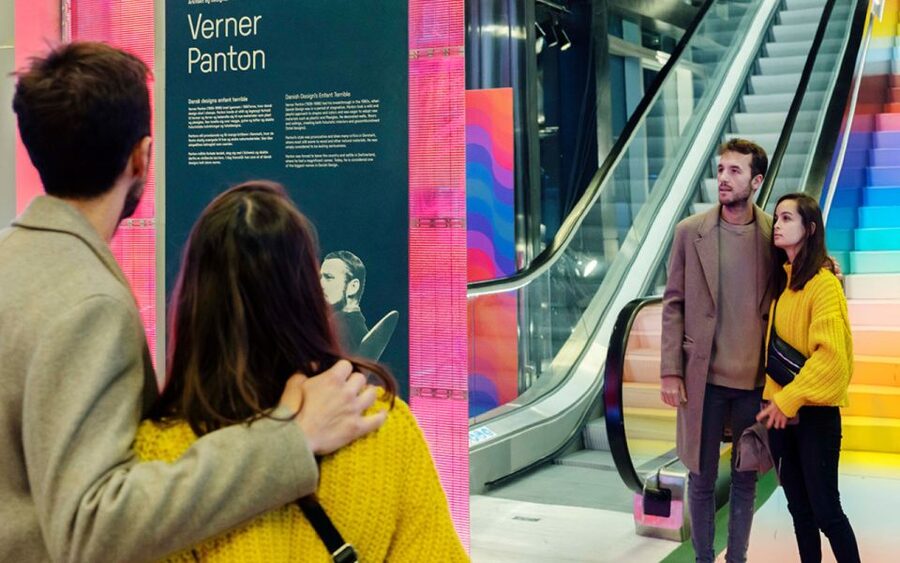
The center is wheelchair accessible. The entrance is below ground at Bryghuspladsen, reached by stairs or escalators, so use the available accessible route if needed and confirm details with DAC before arrival.
Danish and English are the listed languages. That makes the center practical for international visitors, though the provided information does not specify the exact format of translations in every exhibition.
The ticket is valid for one day. Starting times depend on availability, so check the booking calendar before you set your Copenhagen schedule. You can cancel up to 24 hours ahead for a full refund, and the reserve-now, pay-later option can help if your plans are still shifting.
Allow time for the harbor setting. Even if your main aim is the exhibitions, the nearby views are part of what gives DAC its sense of place. Arriving with enough time for the rooftop and a look at the surrounding public spaces will make the $19 ticket feel more worthwhile.
My verdict: book it for context, design, and a good view
I would book the Danish Architecture Center if you want more than a quick look at Copenhagen’s prettiest buildings. Its strongest feature is the link between architecture and everyday Danish life, supported by historical displays, changing exhibitions, and a real city view outside.
The rooftop terrace and 40-meter slide make the visit more varied than a standard museum stop. The $19 price is fair when you use the exhibitions, slide, and rooftop access together.
Skip it if you want a guided tour, a guaranteed single exhibition topic, or a ticket that includes food and drink. For families, first-time visitors, and anyone curious about how Copenhagen is shaped, DAC is a practical and worthwhile addition to your itinerary.
FAQ
Where is the Danish Architecture Center located?
The center is inside the BLOX building in central Copenhagen, directly beside the harbor. The entrance is below ground and reached from Bryghuspladsen by stairs or escalators.
What does the ticket include?
The ticket includes entry to the Danish Architecture Center, all open exhibitions, DAC Slide, and access to the rooftop café area.
Is food or drink included?
No. You can access the rooftop café, but any food and drink purchases cost extra.
How long is the ticket valid?
The ticket is valid for one day. Available starting times are shown when you check availability.
Is the Danish Architecture Center wheelchair accessible?
Yes, the center is listed as wheelchair accessible.
What languages are available?
Danish and English are the listed languages. Host or greeter support is also listed in Danish and English.
Can I cancel my booking?
Yes. You can cancel up to 24 hours in advance for a full refund. A reserve-now, pay-later option is also available.
Newly added in the world
- Barcelona: Guided tour e-bike Barcelona historical and modernist Barcelona★ 4.5 · 5 reviews
- Barcelona Architecture Walking Tour With Casa Batlló Upgrade★ 4.8 · 11 reviews
- Barcelona Beyond Gaudí: Modernism, Rooftops, and Hidden Gems★ 5.0 · 2 reviews
- Astana: Old City Tour, Imperialistic and Soviet Architecture★ 5.0 · 4 reviews
- An Architect’s Tour of Downtown Santiago★ 5.0 · 7 reviews
- Architecture Tour: Old Historic Madrid with an architect★ 4.3 · 3 reviews
- London: Architecture Tour of Benjamin Franklin House★ 5.0 · 5 reviews
- Architectural Wonders of KAFD, An Iconic Destination★ 5.0 · 3 reviews
Tickets, compared.

Park Güell and Gaudí House Museum Entry Ticket
Read our review →
Gaudi’s Casa Vicens Skip-the-Line Entrance Ticket
Read our review →
Gaudí’s Park Güell Tour with Fast-Track Ticket
Read our review →
Architecture River Cruise Skip-the-Ticket Line
Read our review →
Sagrada Familia & Gaudi Tour Private or Small Group with Tickets
Read our review →
Gaudi´s Casa Vicens Skip the Line Ticket with Audioguide
Read our review →
Browse the lists this tour appears in