
Review · WALKING TOURS
Helsinki: Architecture Walking Tour with Expert
Helsinki packs an unusual range of architecture into a compact city center. On this three-hour walk, you move from Neoclassical grandeur to Art Nouveau, Functionalism, and bold contemporary design, with expert guide Emek explaining why each period looks the way it does. I especially like the small group of up to six and the way the tour connects buildings with Finnish politics, climate, and daily life.
I also like that the route includes both famous sights and less obvious interiors, including the National Library and buildings linked to Alvar Aalto. The main drawback is simple: you will walk 3 to 4 miles, or 5 to 6 km, and the tour runs rain or shine. Cold, wet weather can make an outdoor architecture walk demanding.
Key points to know before you book
- A compact tour with a wide architectural range: See Neoclassical, Gothic Revival, Art Nouveau, Jugendstil, Nordic Classicism, Modernism, Functionalism, and contemporary design in one city-center walk.
- A genuinely small group: The tour is limited to six people, which allows the guide to adjust explanations to the group.
- A guide who links buildings to Finnish life: Emek discusses architecture alongside history, culture, politics, climate, and the Finnish way of life.
- Important interiors are part of the experience: The National Library, Central Railway Station, and other buildings may be visited from inside.
- A useful first activity in Helsinki: The tour gives you a framework for understanding the city before you explore on your own.
- Plan for Nordic weather: Comfortable shoes and weather-appropriate clothing are essential in every season.
Why Helsinki works so well for an architecture walk

Helsinki is unusually rewarding if you like buildings. The city center brings together several major design periods without requiring long rides between them. A single walk can show you the formal order of Neoclassicism, the decorative detail of Art Nouveau, the clean lines of Functionalism, and the practical warmth of newer Finnish design.
I like tours that explain not only what a building looks like, but why it looks that way. Here, architecture becomes a way to understand Finland itself. Climate matters. National identity matters. Political change matters. So do ideas about public space, education, commerce, and everyday comfort.
That makes this more useful than a simple photo walk. You are not just collecting façades. You are learning how Helsinki developed and how Finnish architects responded to changing needs.
The three-hour length is long enough to create a clear story, but not so long that the subject becomes exhausting for most people. Still, this is an active tour. You should be ready to walk several miles and spend time outside, sometimes standing while the guide explains a building.
More Walking Tours in the world:
- Lecce: Baroque Architecture and Underground Walking Tour
★ 4.6 · 1,248 reviews - Chicago in a Day: Food, History & Architecture Walking Tour
★ 5.0 · 1,153 reviews - Ramblas, Old Town, Gothic and Gaudi Architecture Walking Tour
★ 5.0 · 723 reviews
Starting at Aleksanterinkatu and Kluuvikatu
The meeting point is at the corner of Aleksanterinkatu and Kluuvikatu, outside the Nanso Clothing Store at Aleksanterinkatu 9B. The guide waits there, so you should arrive knowing the exact street corner rather than looking for a separate office or visitor center.
This central location is a practical starting point. The route begins among Helsinki’s main streets and quickly places you in the city’s architectural core. It also makes the tour convenient if you are staying in central Helsinki or arriving for a short visit.
The group limit of six is one of the strongest features. A small party makes it easier to hear explanations in busy areas and easier for the guide to respond to your interests. It also suits visitors who prefer conversation over a set speech delivered to a large crowd.
The guide is Emek, who leads the tour in English. The strongest part of his approach is the range of subjects he brings together. He covers architecture, Finnish history, art, politics, culture, and local life without treating the buildings as isolated objects.
Senate Square and Helsinki’s Neoclassical face
Senate Square is one of the essential stops because it gives you the clearest introduction to Helsinki’s formal city center. The square presents the ordered, monumental look associated with Neoclassical design, a style that favors balance, symmetry, and classical references.
The important point is not just that the square is attractive. It shows how architecture can express authority and civic ambition. A guide can help you read the placement of the buildings, the scale of the square, and the visual order that makes the area feel official and deliberate.
This is also where you begin to see how Helsinki’s past remains part of daily life. The square is not simply a preserved backdrop. It is part of the working center of the city, and the tour uses it to connect architecture with the country’s development.
The National Library and the value of going inside

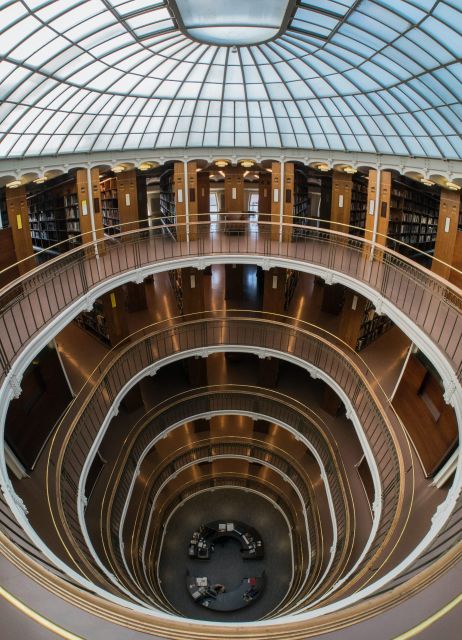
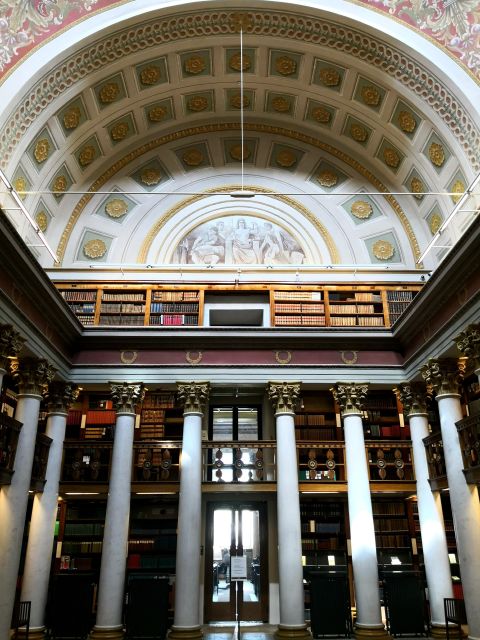
The National Library of Finland is especially worthwhile because an interior view adds something a street walk cannot. Exterior façades show proportion, materials, and decoration. Inside, you can better understand the building’s atmosphere, purpose, and relationship to learning.
The tour includes the National Library among its architectural highlights, and the guide may take the group into several buildings along the way. That is a meaningful advantage. Many city walks point at notable structures from the pavement, while this experience gives you a chance to see selected public interiors.
The library also fits the larger theme of Finnish society. A national library is not only an architectural object. It represents education, public knowledge, and the importance of civic institutions. Emek’s explanations connect those ideas to the building rather than stopping at dates and names.
Keep in mind that the exact amount of indoor time can depend on conditions and access on the day. The tour description identifies interiors as part of the experience, but it does not promise a fixed interior schedule for every building.
A few more architecture walks in the world worth a look
- Chicago Architecture River Cruise
★ 5.0 · 15,756 reviews - Chicago River 90-Minute Architecture Tour
★ 4.5 · 9,629 reviews - Chicago River: 1.5-Hour Guided Architecture Cruise
★ 4.8 · 8,046 reviews - Chicago Architecture Center River Cruise aboard First Lady
★ 5.0 · 5,536 reviews
Central Railway Station and Eliel Saarinen
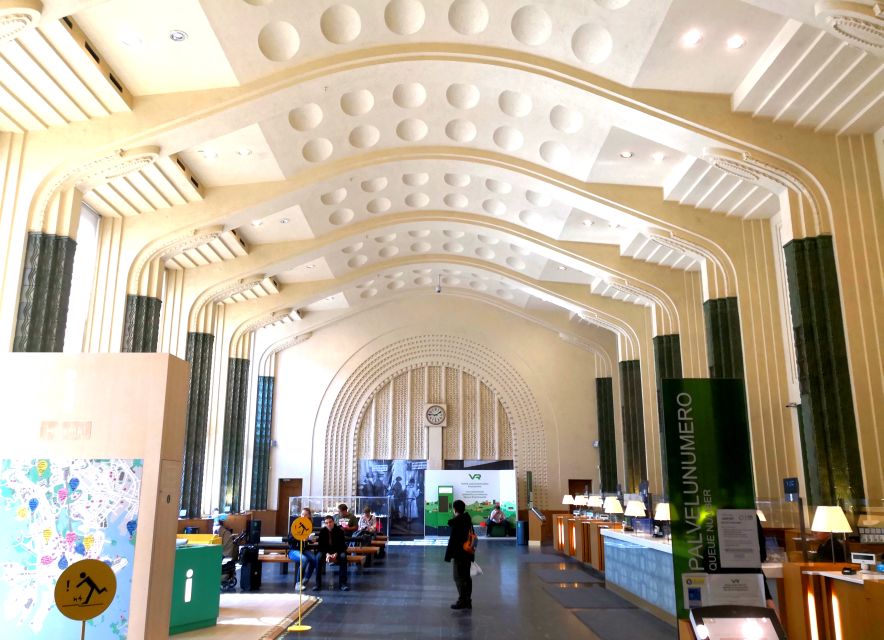
The Central Railway Station introduces another important chapter in Helsinki’s design story. It is associated with Eliel Saarinen, one of the architects named in the tour, and it gives you a chance to see how a major transport building can become a city symbol.
Railway stations need to work. They must move people, handle practical demands, and remain legible. Yet they can also express national style and civic pride. That tension makes the station a useful stop for understanding how architecture serves both function and public identity.
The station also provides a clear bridge between grand earlier styles and newer ideas about movement, structure, and public life. Emek’s role is important here because the building can be read in several ways. You may notice its exterior massing first, then its details, then the way people use it as part of everyday Helsinki.
JugendHall and the Art Nouveau chapter
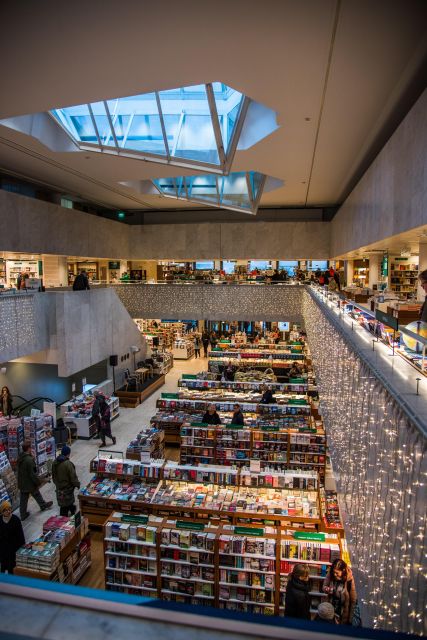
Helsinki is well known for its Art Nouveau and Jugendstil buildings, and JugendHall is one of the stops that brings this period into the walk. This style often rewards close looking. Curved forms, decorative details, natural motifs, and strong materials can be easy to miss if you hurry past.
A guide adds value by pointing out what your eye should look for. Rather than simply calling a building beautiful, you can learn how its design differs from the formal Neoclassical buildings around Senate Square.
The tour’s wider architectural range is important here. Jugendstil is not presented as the whole story of Helsinki. It is one chapter in a city that also includes Nordic Classicism, Modernism, Functionalism, and current design. That comparison helps you see the changes between periods instead of treating every old building as part of one general style.
Pohjola Insurance Building and Finnish identity
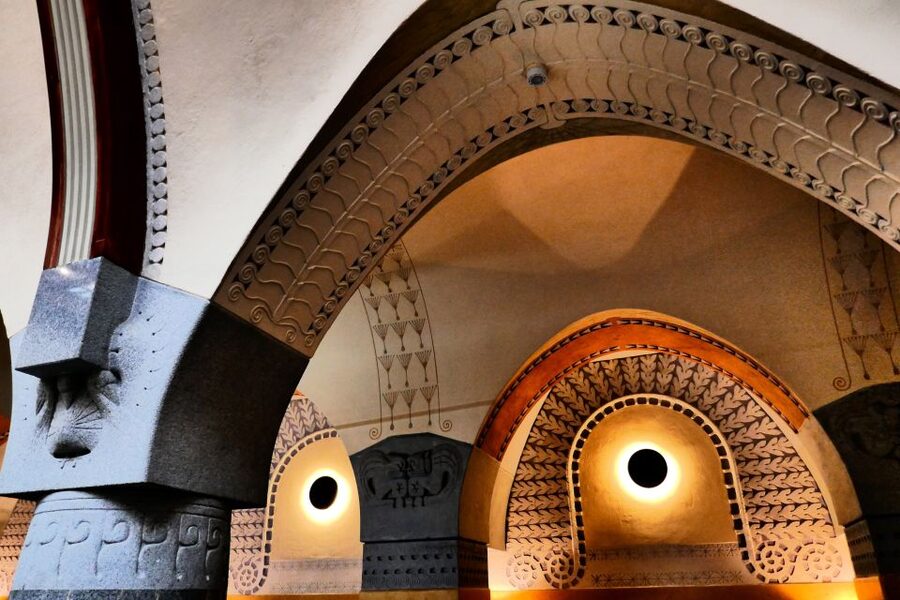
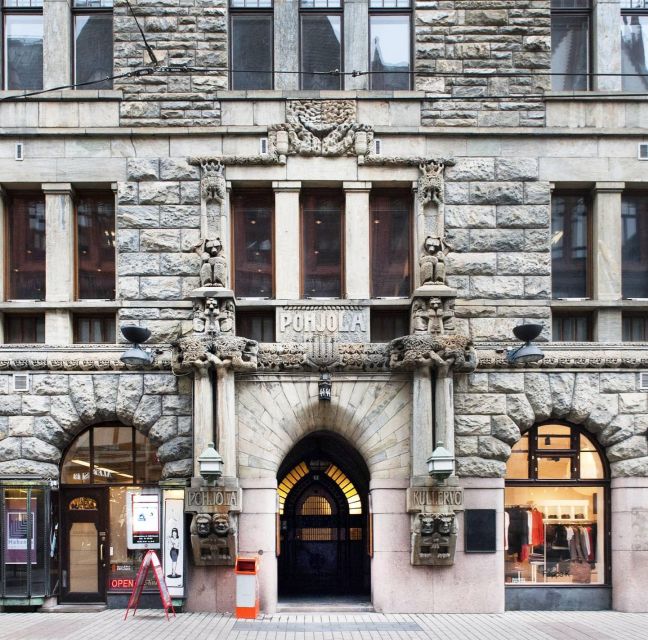
The Pohjola Insurance Building is another distinctive stop. It belongs to the Art Nouveau tradition and is especially useful for discussing how architecture can express local identity through decoration and subject matter.
This is the kind of building you might notice but not fully understand on your own. Its appearance carries more than a simple preference for ornament. It reflects a period when Finnish artists and architects were looking for ways to express national character.
That is one reason the tour works well for people who enjoy cultural context. You are encouraged to consider why a building looks Finnish, not just whether it looks old or elaborate. The guide connects architectural choices to social and political influences, a link that one participant specifically praised.
Academic Bookstore and Alvar Aalto’s practical modernism
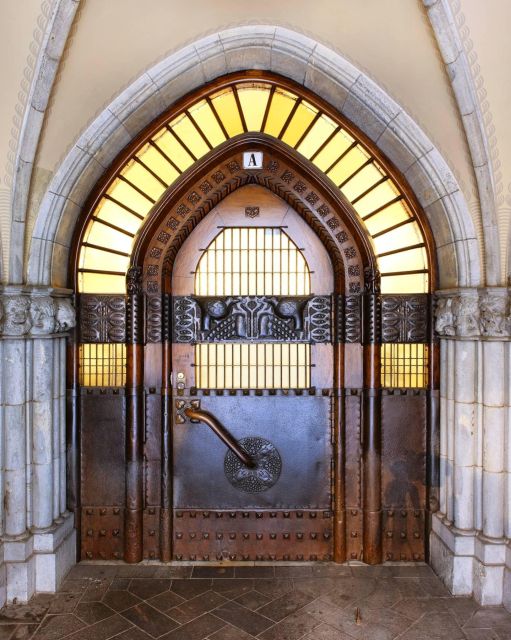
The Academic Bookstore brings Alvar Aalto into the route. Aalto is one of Finland’s best-known architects, and the stop helps explain his place in modern Finnish design.
Aalto’s work is often associated with a softer, more human approach to Modernism. Clean lines and practical planning can still feel warm and inviting. The Academic Bookstore offers a useful setting for discussing how a commercial building can serve people comfortably while maintaining a strong architectural idea.
The tour also includes other buildings connected with Aalto, so this is not a single-name mention with no context. The guide explains how architects designed their buildings and why particular choices were made. That makes the experience more rewarding than simply ticking off a famous architect’s work.
If you are interested in design, this part may be one of the tour’s strongest sections. If you mainly want dramatic medieval or royal architecture, Helsinki may not match your expectations. Its appeal lies in the way modern public and commercial buildings shape the city.
Oodi and Helsinki’s contemporary public design
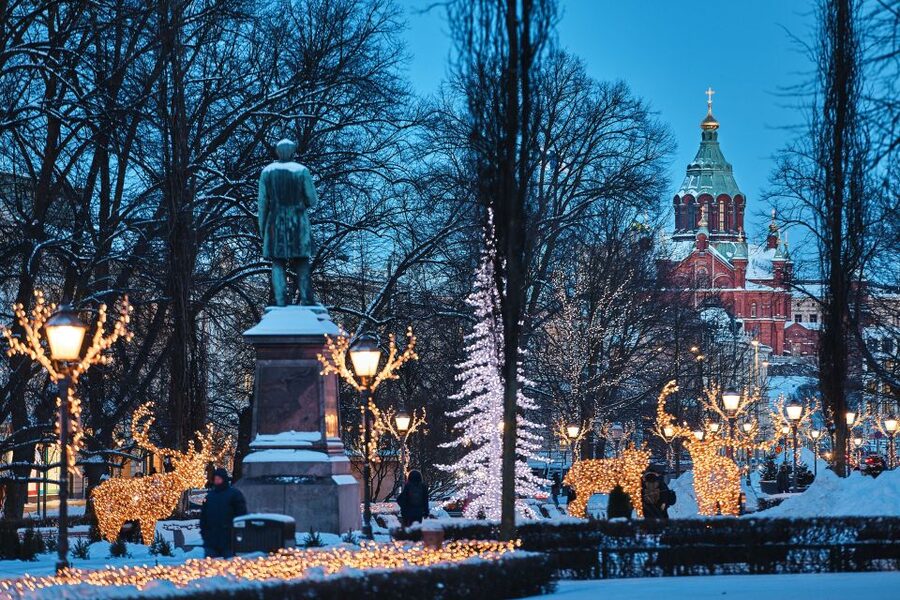
The new public library Oodi gives the walk a present-day finish. Its modern design shows that Helsinki’s architectural story did not end with the historic center or the early twentieth century.
Oodi is especially valuable because it is a public building with a civic purpose. The tour can use it to discuss how current Finnish architecture responds to public needs, social change, and ideas about shared urban space.
This stop also helps balance the older buildings. Without a contemporary example, you might leave thinking Helsinki’s architecture belongs only to the past. Oodi shows a city still making choices about how people gather, study, work, and spend time in public buildings.
The contrast with Senate Square, the station, and older Jugendstil structures gives the tour its shape. You can compare different ideas about beauty, utility, decoration, and public life within one afternoon.
How the guide shapes the experience
Emek’s strength is not limited to naming architects. He explains buildings in relation to Finnish life, and that broader approach is repeatedly reflected in the praise for the tour. His explanations are described as engaging, well paced, and tailored to the group’s interests and level of knowledge.
That flexibility matters in a group of six. If everyone is new to architecture, the guide can keep the language clear. If you already know something about design, you can ask more detailed questions. The experience is designed to be informative without becoming a lecture.
The tour also appears to adapt to difficult weather. During a very cold outing, explanations were conducted indoors as much as possible. That cannot remove the discomfort of winter, but it shows a sensible effort to make the route workable.
The tour operates all year, including rain, snow, and very cold conditions. One January outing took place at minus 20 degrees Celsius, so do not treat winter clothing as a minor detail. Warm layers, gloves, and sturdy shoes can make the difference between enjoying the architecture and simply wishing the tour would end.
Is $70 a fair price?
At $70 per person, this is not the cheapest way to walk around Helsinki. You could see many of the buildings from the outside without paying for a guide.
The value comes from the interpretation, small group, and access to selected interiors. A good architecture guide changes what you notice. Instead of seeing the Central Railway Station as a landmark, you learn how it works, what it represents, and how it fits into Helsinki’s broader development.
The price also makes more sense if you use the tour early in your stay. It can give you a framework for the city, making later walks and museum visits easier to understand. Several people used it as an introduction to Helsinki, and that is how I would use it too.
It is less suitable if you want a quick overview with minimal walking. Three hours and 5 to 6 km require a real time commitment. You are paying for a focused architectural experience, not a bus ride past the sights.
Free cancellation up to 24 hours before the start and the option to reserve now and pay later add useful flexibility. These are practical benefits, especially when Finnish weather can change your plans.
Who should book this Helsinki architecture tour?
I would recommend it most strongly to:
- Architecture and design enthusiasts
- Visitors who want context instead of a quick photo stop
- People interested in Finnish culture, politics, and public life
- First-time visitors who want a useful introduction to central Helsinki
- Small groups and solo visitors who prefer conversation
- Anyone curious about Engel, Saarinen, Aalto, and the city’s changing design styles
You should think twice if you dislike walking, struggle with several hours outdoors, or want a tour focused mainly on food, shopping, or broad sightseeing. The subject here is specific, and the experience is best when you are willing to look closely and ask questions.
Should you book it?
Book this tour if you want to understand why Helsinki looks the way it does. The mix of Senate Square, the National Library, Central Railway Station, JugendHall, the Pohjola Insurance Building, Academic Bookstore, Oodi, and other stops gives you a strong architectural cross-section of the city.
The best reason to go is Emek’s wide approach. He links buildings with Finnish history, social life, politics, climate, and design, while keeping the group small and the pace manageable. I would schedule it near the beginning of your Helsinki visit, wear comfortable shoes, and dress for the forecast.
Skip it if you want a short, low-effort sightseeing outing. For everyone else, $70 is a reasonable price for three hours of focused guidance and access to parts of Helsinki you could easily walk past without understanding.
FAQ
How long is the Helsinki architecture tour?
The tour lasts three hours.
How far will I walk?
You should be prepared to walk 3 to 4 miles, or approximately 5 to 6 km.
What language is the tour conducted in?
The live tour guide speaks English.
How large is the group?
The group is limited to six participants.
Where does the tour meet?
The meeting point is outside the Nanso Clothing Store at Aleksanterinkatu 9B, on the corner of Aleksanterikatu and Kluuvikatu.
Which architectural styles can I see?
The tour covers Neoclassical, Gothic Revival, Art Nouveau, Jugendstil, Nordic Classicism, Modernism, Functionalism, and contemporary architecture.
Which buildings are included?
The route includes Senate Square, the National Library of Finland, Central Railway Station, Oodi, JugendHall, the Pohjola Insurance Building, Academic Bookstore, and additional architectural sights.
What should I bring?
Bring comfortable shoes and clothing suitable for the weather. Tours operate throughout the year in rain or shine.
Newly added in the world
- Barcelona: Guided tour e-bike Barcelona historical and modernist Barcelona★ 4.5 · 5 reviews
- Barcelona Architecture Walking Tour With Casa Batlló Upgrade★ 4.8 · 11 reviews
- Astana: Old City Tour, Imperialistic and Soviet Architecture★ 5.0 · 4 reviews
- Barcelona Beyond Gaudí: Modernism, Rooftops, and Hidden Gems★ 5.0 · 2 reviews
- An Architect’s Tour of Downtown Santiago★ 5.0 · 7 reviews
- Architecture Tour: Old Historic Madrid with an architect★ 4.3 · 3 reviews
- London: Architecture Tour of Benjamin Franklin House★ 5.0 · 5 reviews
- Architectural Wonders of KAFD, An Iconic Destination★ 5.0 · 3 reviews
Walking Tours, compared.

The Official Art Deco Walking Tour by The Miami Design Preservation League
Read our review →
Baroque Architecture and Underground Walking Tour
Read our review →
Chicago in a Day: Food, History & Architecture Walking Tour
Read our review →

Ramblas, Old Town, Gothic and Gaudi Architecture Walking Tour
Read our review →
Chicago’s Secret Interiors Architectural Walking Tour
Read our review →

Browse the lists this tour appears in