
Review · WALKING TOURS
Johannesburg: Architectural Walking Tour
Johannesburg makes more sense when you read its buildings from the pavement. This walking tour links the city’s gold rush beginnings with grand mining offices, old market spaces, creative Newtown, and the Carlton Centre, using architecture as the main guide.
I like the unusual point of view and the way the walk connects buildings to everyday city life. I also like that guide Mo can answer detailed questions about style, design, and changing uses. The main drawback is that this is a walking tour through the old center, so it is not a good fit for people with mobility impairments, and the route and timing need a quick check because the published finish points differ.
Key points at a glance
- Architecture tells the story: You follow Johannesburg from its gold rush origins through later changes in work, trade, culture, and city life.
- Guide Mo brings detail: Expect attention to building design, architectural style, original purpose, and later uses.
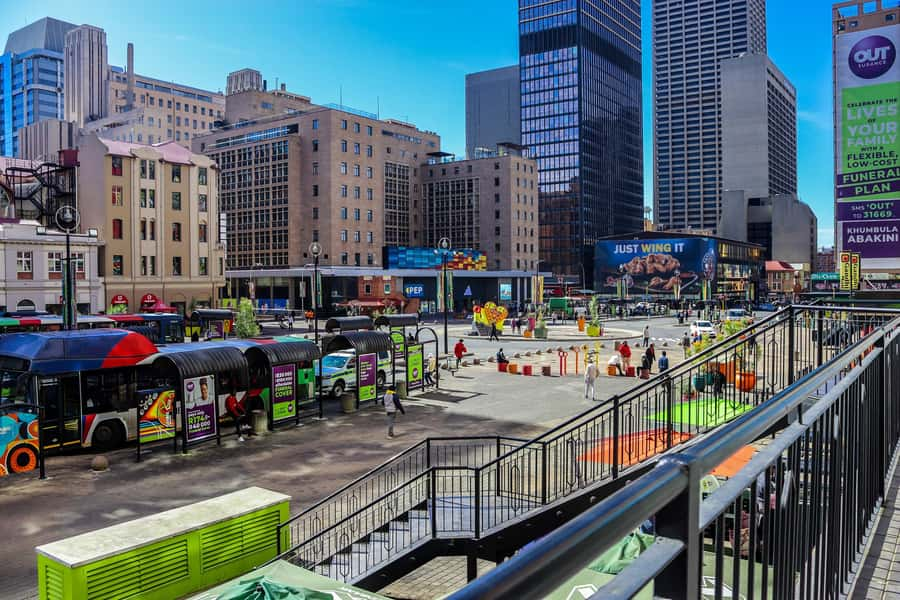
- Newtown is the starting scene: Mary Fitzgerald Square and the Market Theatre introduce the city’s creative side.
- The old center fills out the story: Library Gardens, Turbine Hall, mining offices, and Gandhi Square show how Joburg grew around gold.
- The Carlton Centre is the finale: The walk ends at the base of Africa’s former tallest building, since the Top of Africa is currently closed.
- Good value for architecture fans: At $25 per person, the tour includes entry to buildings visited and offers a focused two-hour look at central Johannesburg.
Why architecture is the right way to read Johannesburg
Johannesburg can feel like a city of separate chapters. Newtown has an arts and culture identity. Marshalltown carries the marks of mining and finance. Gandhi Square reflects the old commercial center. The Carlton Centre points toward the era of big modern towers.
This tour ties those chapters together without treating architecture as a parade of façades. You look at buildings as records of money, work, ambition, and changing public life. That is useful in Johannesburg, where a building’s first purpose may tell only half the story.
A former market space can point to the city’s beginning. A mining office can explain who controlled wealth. A public square can reveal how people moved through the center. A tower can show the moment when Johannesburg wanted to announce its importance to the world.
I like this approach because it gives you questions to ask as you walk. Why was this building placed here? Who used it? What changed? Which materials and forms were chosen, and what did they say about the people who paid for them?
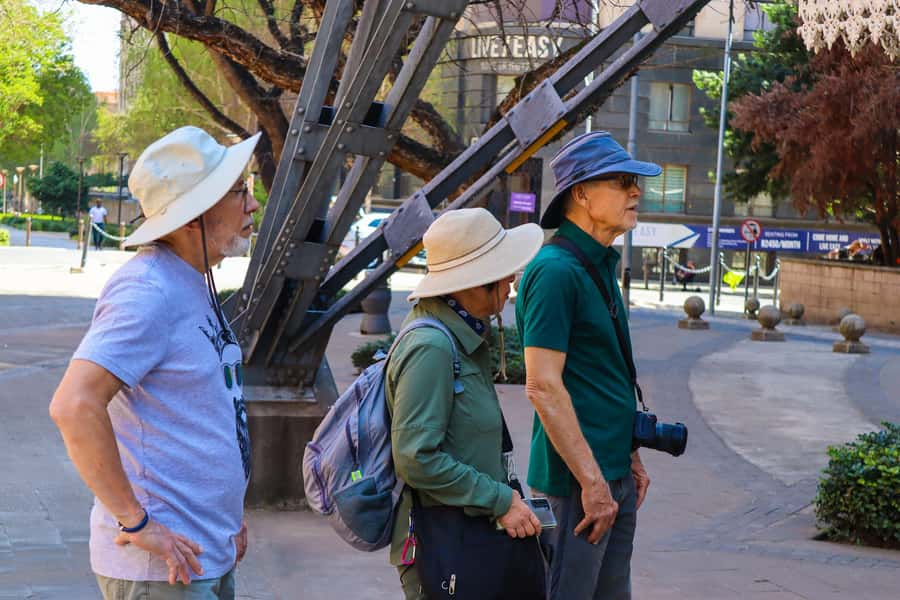
The tour is also interactive and informal. You are not simply handed a list of dates. The guide builds an image of the city with you, using the streets and buildings in front of you as evidence.
More Walking Tours in the world:
- Lecce: Baroque Architecture and Underground Walking Tour
★ 4.6 · 1,248 reviews - Chicago in a Day: Food, History & Architecture Walking Tour
★ 5.0 · 1,153 reviews - Ramblas, Old Town, Gothic and Gaudi Architecture Walking Tour
★ 5.0 · 723 reviews
Starting at McDonald’s near 100 Carr Street
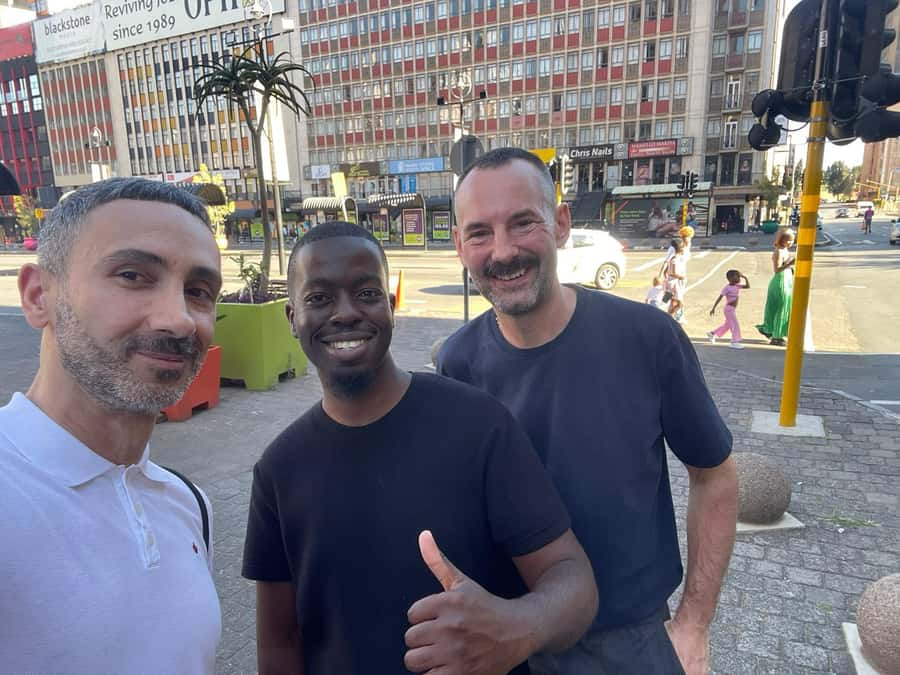
The meeting point is at the door of McDonald’s, with the starting location listed as 100 Carr Street. That is a practical detail worth taking seriously. Give yourself enough time to find the correct entrance and meet the English-speaking guide before the group moves off.
The tour begins in or near Newtown, a district linked with art and creativity. This is a strong opening because it avoids presenting Johannesburg as only a mining city. You start with a part of central Joburg that shows how culture and public space continue to shape the city.
The walk covers several stops in two hours, so the pace is purposeful. You will spend roughly five to ten minutes at many of the named locations, with the guide using those pauses to explain what you are seeing. The route is more about connected interpretation than long visits inside each place.
Market Theatre and Mary Fitzgerald Square
The Market Theatre is one of the first named stops, with about five minutes set aside for guided sightseeing. Its role here is not just to be another building on the route. It helps establish Newtown as a place where art and public life matter.
From there, the tour moves to Mary Fitzgerald Square for about ten minutes. The square offers room to consider the district as a whole. Instead of looking at one façade at a time, you can begin to see how buildings, open space, and public movement work together.
This is also where the tour’s everyday focus becomes clear. The guide connects architecture with the way people use the city. That makes the experience more grounded than a lecture about famous structures. You are encouraged to look at how a place functions, not just how it appears in photographs.
The short timing is both a strength and a limitation. You get a broad reading of Newtown without spending the entire morning in one location. But if you want long photo stops or a detailed interior visit, this tour may feel quick.
Library Gardens and the city’s first chapter
The route continues along Albertina Sisulu Street, formerly known as Market Street. This is described as the birthplace of the city, making it one of the most important parts of the walk.
A pause at the Library Gardens gives the guide a place to explain how Johannesburg began and how the area changed over time. This is the point where the gold rush story becomes tied to actual streets and public spaces rather than remaining a general background tale.
I particularly like the use of change as a theme. You are not asked to imagine the city as frozen in its earliest form. Instead, you look at the layers built over time and consider how the same spaces acquired new roles.
The guide shows historical spaces while explaining their changes across the years. That combination matters. A building can be attractive, but its meaning becomes clearer when you know what it was built to do and how people later adapted it.
A few more architecture walks in the world worth a look
- Chicago Architecture River Cruise
★ 5.0 · 15,756 reviews - Chicago River 90-Minute Architecture Tour
★ 4.5 · 9,629 reviews - Chicago River: 1.5-Hour Guided Architecture Cruise
★ 4.8 · 8,046 reviews - Chicago Architecture Center River Cruise aboard First Lady
★ 5.0 · 5,536 reviews
Turbine Hall and the power behind the city
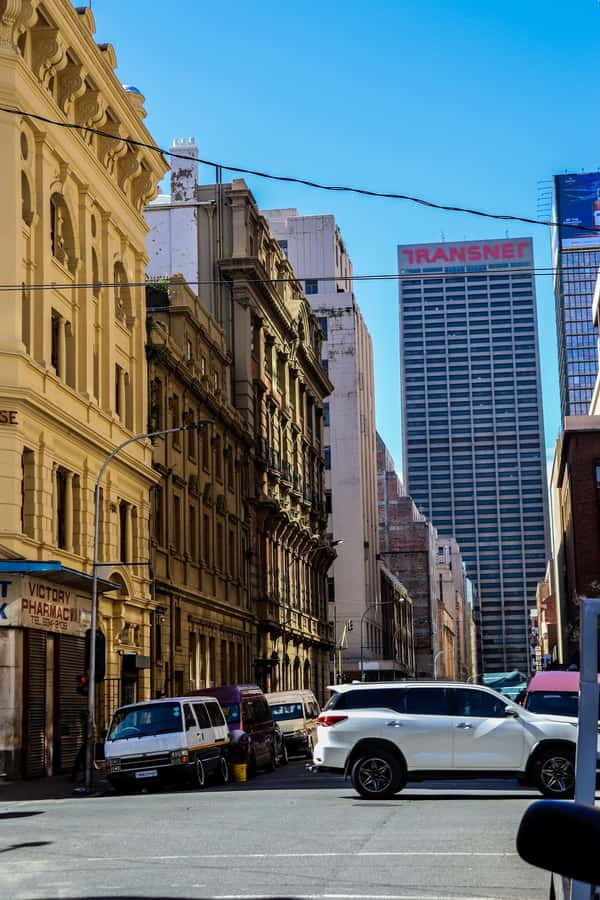
Turbine Hall receives about five minutes of sightseeing. Even with a short stop, it adds an important idea to the route: Johannesburg was shaped not only by offices and markets, but also by infrastructure and industrial power.
The building helps broaden the architectural story beyond decorative façades. You begin to see how the city required systems, energy, and large working structures to support its growth.
This is one reason the tour suits people who like urban design rather than only landmark photography. The focus is on how the city worked. You might find yourself paying closer attention to scale, materials, function, and the relationship between practical buildings and grand commercial ones.
The tour includes entry to buildings visited, though the available information does not specify exactly how long you spend inside each one. Expect the guide to decide how much time each stop needs within the two-hour route.
Anglo American and Marshalltown’s mining offices
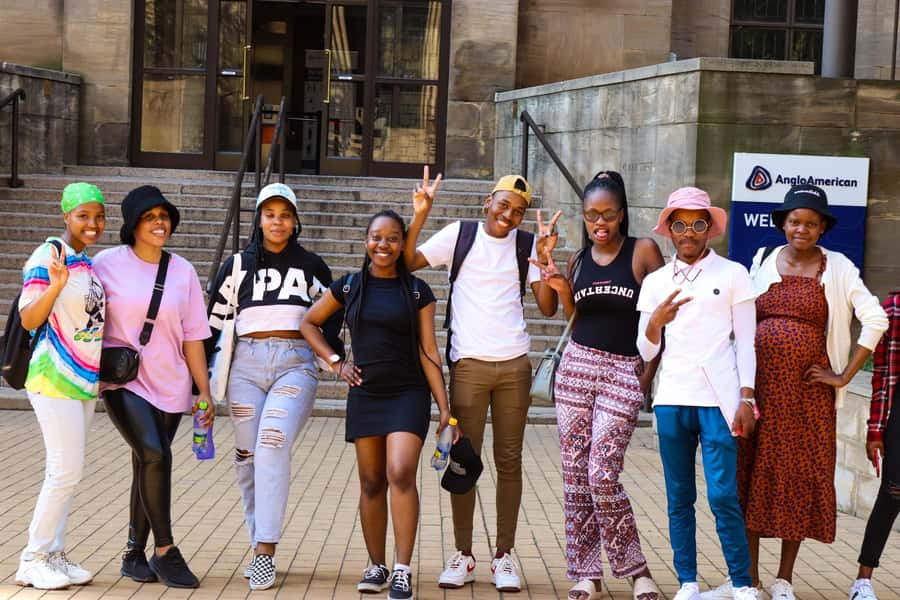
The walk then reaches the mining offices of Marshalltown, including Anglo American. This is a central part of the city’s gold story.
Marshalltown carries the physical record of the companies and institutions that helped shape Johannesburg. Here, architecture becomes a way to discuss power and wealth. The buildings are not simply attractive examples of office design. They represent the organizations that made the mining economy possible and directed much of the city’s growth.
The Anglo American stop is listed for about ten minutes. That gives you enough time for an explanation of the building’s role and design, though not a full architectural seminar.
A good guide can make a short stop count by pointing out the details that matter most. Mo’s strength, based on the information available, is his ability to discuss architectural history, style, design, and changing uses while responding to questions. If you are curious about why a building looks the way it does, this is likely one of the most rewarding parts of the walk.
The emphasis on changing uses is especially helpful. Cities do not remain fixed after the original occupants leave. A building can pass from one role to another, and those shifts help explain present-day Johannesburg better than a simple list of construction dates.
Gandhi Square and the old commercial center
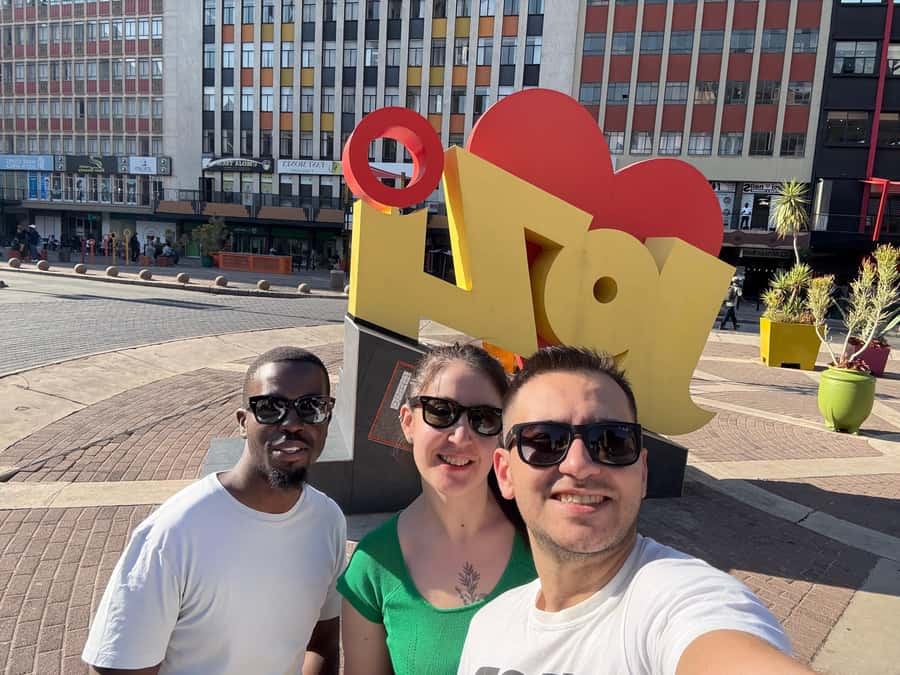
Gandhi Square receives another ten-minute stop. The square helps bring the tour back to public urban life after the focus on corporate and mining offices.
Its place in the route lets you compare several kinds of city space. Mary Fitzgerald Square introduces Newtown’s creative character. Library Gardens anchors the early city story. Marshalltown explains mining and office power. Gandhi Square offers another view of how people, transport, commerce, and architecture meet in the center.
The itinerary names Gandhi Square as both a stop and the finish point. Elsewhere, the route is described as ending at the bottom of the Carlton Centre. Since both details appear in the tour information, I would confirm the final meeting location before booking or on the day itself.
That small uncertainty does not change the main experience, but it matters if you are arranging a pickup or planning another activity afterward. A walking route through the center is easier when you know exactly where you will be released at the end.
Carlton Centre and the closed Top of Africa
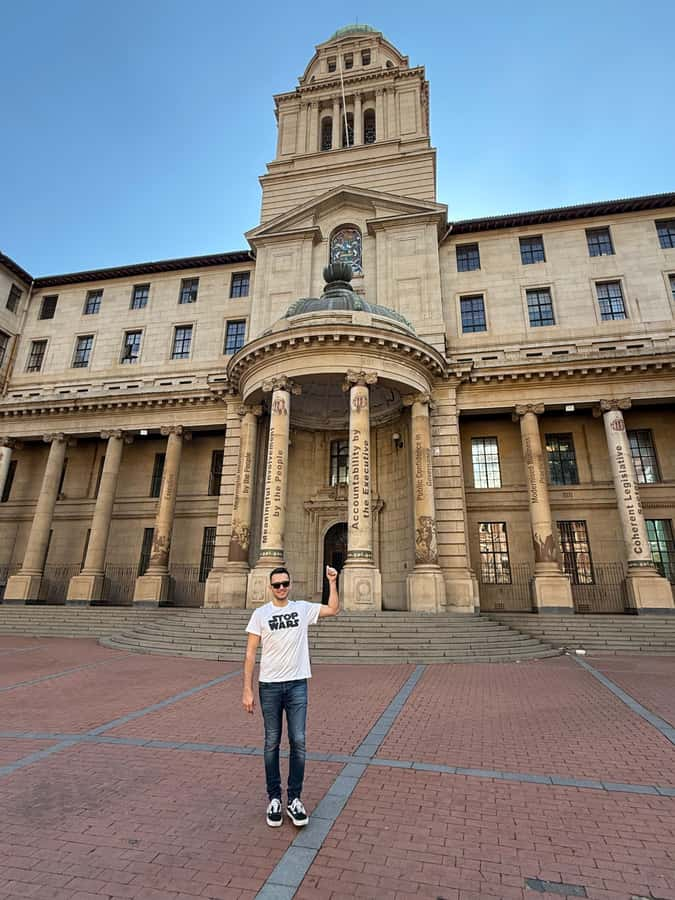
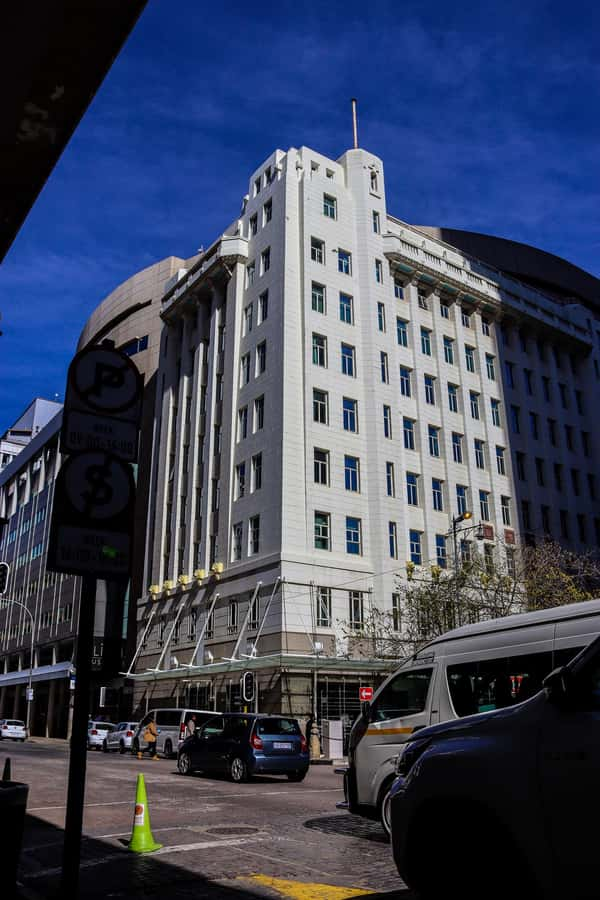
The Carlton Centre is the final major landmark. It was once the highest point in Africa, and its height gives the tour a strong closing image.
The Top of Africa is currently closed, so you will not be going up for the famous view. The walk ends at the bottom of the Carlton Centre instead. This is the clearest limitation for anyone choosing the tour mainly for a skyline experience.
Still, the building works well as a final stop because it marks a later stage in Johannesburg’s development. You have moved from early market origins to mining offices and then to a large modern tower. The sequence shows how the city’s ambitions changed as its economy and skyline grew.
The Carlton Centre stop is listed at about ten minutes. Treat it as an architectural conclusion, not a tower visit. You will learn why the building matters, but the current closure means you should not book this tour expecting access to the Top of Africa.
What the two-hour format feels like
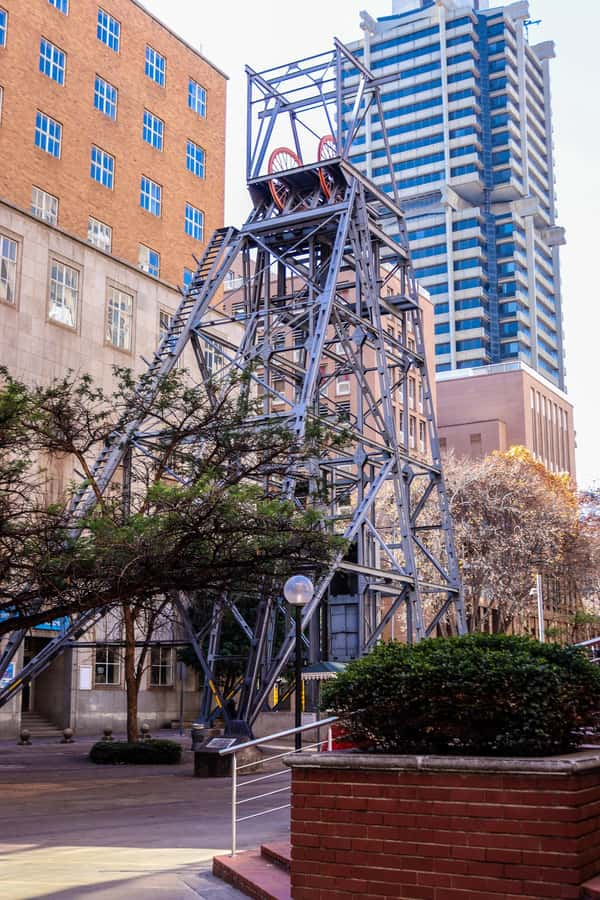
The advertised duration is two hours, while one detailed account describes the walk as taking about two and a half hours. That difference may reflect questions, walking speed, or the way the route was conducted on that day.
I would plan for a little flexibility rather than scheduling something immediately afterward. The formal route includes several short stops, and a guide who answers questions may need extra time.
The format suits you if you prefer a concentrated introduction. You cover Newtown, Market Street, Library Gardens, Turbine Hall, Marshalltown, Gandhi Square, and the Carlton Centre without committing to a full-day program.
It is less suitable if you want long interior visits, extensive photography, or a slow architectural survey. The experience is a guided city walk, not a museum tour or a specialist building inspection.
Wear comfortable walking shoes and bring what you normally need for a two-hour urban walk. The information does not give a precise distance, group size, or weather plan, so ask the operator if those details affect your decision.
What $25 buys you
At $25 per person, the price is reasonable if you care about context. You are paying for a guide-led interpretation of several central districts, not just a route between landmarks.
Entry to buildings visited is included. That adds value, though the exact buildings and length of interior access are not specified. The strongest return comes from the guide’s architectural reading of the city, especially if you ask questions about design, original functions, and later changes.
Mo is identified as the guide who designed the tour and led the detailed experience described in the available information. His ability to respond to questions and preferences is a useful sign for anyone who wants a conversation rather than a fixed speech.
I would choose this over a standard sightseeing loop if you want to understand why Johannesburg developed as it did. If you only want famous views or a quick list of attractions, the price may feel less compelling, especially with the Top of Africa closed.
The tour also offers free cancellation up to 24 hours before departure and a reserve-now, pay-later option. Those policies make it easier to fit into a changing South Africa itinerary.
Who should book this walk
I would recommend it most strongly to:
- Architecture and urban design fans who enjoy style, materials, purpose, and reuse.
- First-time Johannesburg visitors who want a clear framework for the old center.
- History-minded walkers who prefer streets and buildings to a closed museum.
- Curious repeat visitors who want a new way to read places they may already know.
- People who like questions and discussion, since the guide can respond to different interests.
The tour is not suitable for people with mobility impairments, according to the activity information. It is also not suitable for people over 95. The route’s walking nature and short stop pattern make comfortable mobility important.
English is the listed tour language. If you need another language, this experience is not presented as a multilingual option.
Should you book the Johannesburg Architectural Walking Tour?
Book it if you want Johannesburg explained through its buildings rather than viewed from a vehicle. The route gives you a useful arc: creative Newtown, the city’s beginnings around Market Street and Library Gardens, mining-era offices in Marshalltown, Gandhi Square, and the Carlton Centre.
Its best feature is the architectural point of view. Mo’s focus on style, design, original purpose, and changing use gives the walk more substance than a simple landmark checklist. The two available ratings are both five out of five, and the strongest praise centers on the guide’s architectural expertise, clear answers, and friendly teaching style.
Skip it if you need step-free access, want a long visit inside each building, or mainly want the view from the Top of Africa. That observation deck is currently closed. Also confirm whether the walk ends at Gandhi Square or at the bottom of the Carlton Centre, since both locations are given.
For $25, this is a smart introduction to central Johannesburg for an independent-minded visitor who wants the city to make sense.
FAQ
Where does the tour meet?
The meeting point is at the door of McDonald’s. The starting location is listed as 100 Carr Street.
What language is the tour conducted in?
The tour is conducted in English.
How long does the tour last?
The advertised duration is two hours. One detailed account describes the walk as lasting about two and a half hours, so allow some extra flexibility.
What areas does the walk cover?
The route includes Newtown, Albertina Sisulu Street, the area around Library Gardens, Marshalltown, Gandhi Square, and the Carlton Centre.
Does the tour visit the Market Theatre?
Yes. The Market Theatre is included as a guided sightseeing stop, with about five minutes listed for the visit.
Is entry to buildings included?
Yes. Entry to any buildings visited during the tour is included.
Can I visit the Top of Africa?
No. The Top of Africa is currently closed. The tour ends at the bottom of the Carlton Centre instead.
Where does the tour finish?
The information gives two finish details: Gandhi Square and the bottom of the Carlton Centre. Confirm the final location when booking or with the guide.
Is the tour suitable for people with mobility impairments?
No. The activity is listed as unsuitable for people with mobility impairments.
Can I cancel and receive a refund?
Yes. You can cancel up to 24 hours in advance for a full refund. You can also reserve now and pay later.
Newly added in the world
- Washington, DC: Georgetown Architecture Walking Tour★ 5.0 · 8 reviews
- Washington DC: Dupont Circle & Embassy Row Architecture Tour★ 5.0 · 6 reviews
- New Orleans : Garden District Architecture Walking tour★ 4.8 · 5 reviews
- Wilmington History and Architecture Tour★ 4.8 · 18 reviews
- Vicenza: Palladian Architecture Private Walking Tour★ 3.3 · 3 reviews
- Walk & Discover KL’s Architectural and Heritage Gems★ 5.0 · 7 reviews
- Unveiling Brno: History, Culture & Architectural Delights★ 5.0 · 2 reviews
- Private Colonial Williamsburg Architectural Tour★ 5.0 · 5 reviews
Walking Tours, compared.
The Official Art Deco Walking Tour by The Miami Design Preservation League
Read our review →
Baroque Architecture and Underground Walking Tour
Read our review →
Chicago in a Day: Food, History & Architecture Walking Tour
Read our review →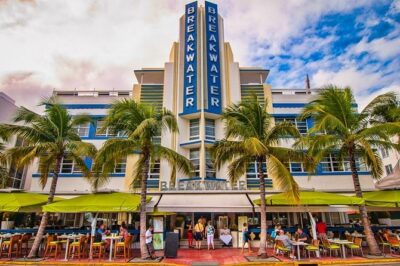

Ramblas, Old Town, Gothic and Gaudi Architecture Walking Tour
Read our review →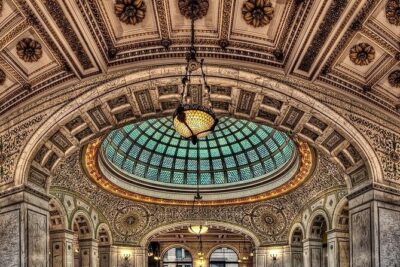
Chicago’s Secret Interiors Architectural Walking Tour
Read our review →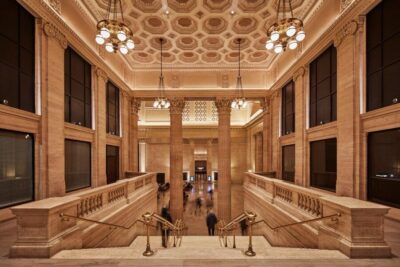
Browse the lists this tour appears in