
Review · WALKING TOURS
Mexico City: 1960s &1970s Mexican Architecture Walking Tour
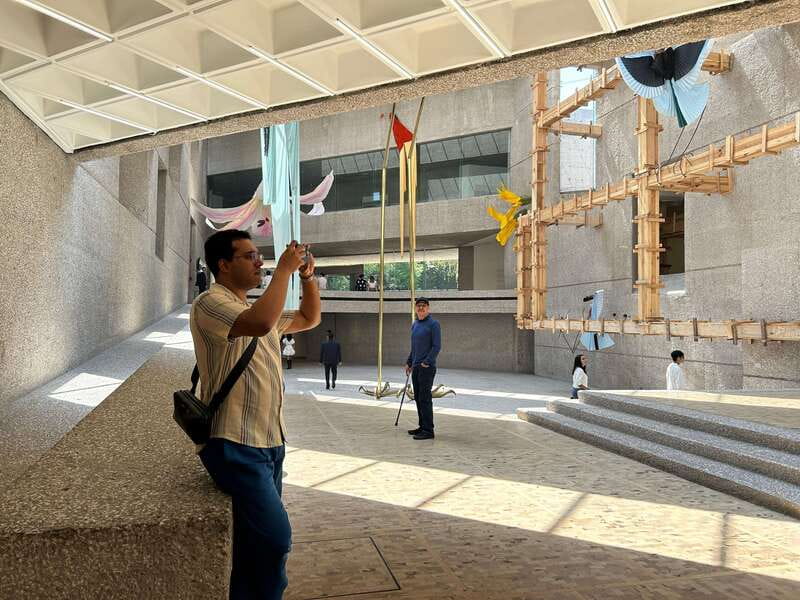
Mexico City’s modern architecture makes the most sense when you see it as a conversation between ancient Mexico and the modern world. This three-hour walk through Chapultepec Park links the National Museum of Anthropology, Tamayo Museum, Modern Art Museum, and Hotel Camino Real, showing how the country’s architects responded to Indigenous traditions, politics, technology, and the 1968 Olympics.
I like the small group size, capped at 10, and the chance to ask real questions rather than trail behind a large crowd. I also like the guide-led reading of the buildings, especially the connection between pre-Hispanic ideas and the Anthropology Museum’s design. Natalia, one of the guides associated with this tour, has a gift for tailoring the discussion to a group’s interests.
The main drawback is the price: $192 per person is a serious outlay for three hours, even with three museum tickets included. You should also know that the experience leans toward cultural and political history as much as formal architecture, which will please some people and disappoint anyone expecting a technical architecture lecture.
Key points to know before you book
- The Anthropology Museum is the tour’s main anchor: You’ll learn how its form and artwork express pre-Hispanic ideas, not simply admire a grand museum building.
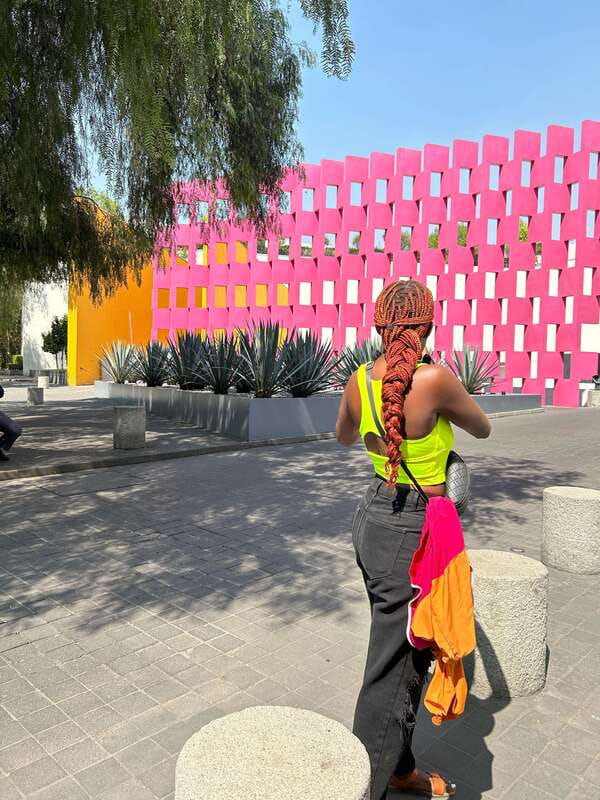
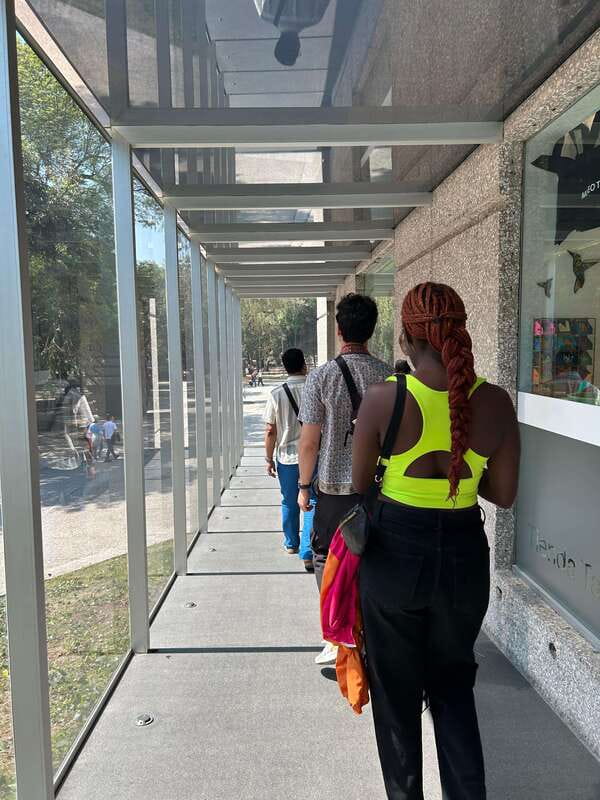
- Chapultepec Park keeps the route pleasant: The tour takes place in a green setting and involves less walking than the itinerary might suggest.
- You visit four distinct architectural moments: The route moves from 1960s modernism to early 1980s design, Space Age optimism, and the 1968 Olympic period.
- Your guide matters: English and Spanish tours are led by an art historian, historian, or architect, with Natalia receiving especially strong praise for her personal approach.
- The final stop is Hotel Camino Real: Its collection of modern Mexican art gives the tour an unusual finish inside a working hotel.
- The price suits serious culture fans: Included admission helps, but casual sightseers may find the cost hard to justify.
Why Mexico City’s modern architecture deserves a closer look
Many people come to Mexico City for colonial streets, Aztec remains, Frida Kahlo, or the city’s food. Those are good reasons. Yet the decades after the Mexican Revolution also produced bold public buildings that tried to define what modern Mexico could be.
This tour focuses on the 1960s through the early 1980s, a period when Mexico was presenting itself as modern, international, and proud of its Indigenous roots. The buildings are not just exercises in concrete and geometry. They reflect government ambition, artistic debate, national identity, and the optimism of the Space Age.
That context is what makes this experience different from a standard museum visit. You are not simply shown four buildings and handed a list of architects. You are encouraged to ask why these structures look the way they do, what messages they send, and how artists and architects worked together.
I would choose this tour if you like understanding the ideas behind a place. If you mainly want to take photographs of dramatic buildings with little explanation, you may find the historical discussion longer than expected.
More Walking Tours in the world:
- Lecce: Baroque Architecture and Underground Walking Tour
★ 4.6 · 1,248 reviews - Chicago in a Day: Food, History & Architecture Walking Tour
★ 5.0 · 1,153 reviews - Ramblas, Old Town, Gothic and Gaudi Architecture Walking Tour
★ 5.0 · 723 reviews
Starting at the Porrua Bookstore in Chapultepec Park
The meeting point is the Porrua Bookstore in Chapultepec Park, near the ticket booth. This detail matters because Mexico City has several Porrua bookstores. Go to the branch inside Chapultepec, and look for the guide inside with the Walk Mexico project logo.
Chapultepec Park is a fitting place to begin. It gives you a little breathing room before the architecture starts, and the route is not a hard urban march. Comfortable shoes still make sense, but the tour notes say you will not have to walk much. That makes it more approachable than many architecture walks.
The tour runs for three hours, with starting times varying by date. Groups are limited to 10 people, and headsets are provided for larger groups so you can hear the guide clearly. The experience is offered in English or Spanish.
Bring sunscreen and rain gear. The tour runs rain or shine, so a light rain jacket is more useful than hoping the forecast changes. Large bags and luggage are not allowed, which is worth remembering if you are moving between hotels or arriving straight from the airport.
The National Museum of Anthropology and a modern Mexican identity
The National Museum of Anthropology is the strongest opening stop. Its scale can feel overwhelming when you first arrive, but the guide helps you read the building as a deliberate statement about Mexico’s past and present.
The focus is not only on the museum’s collections. You’ll look at how the building embodies elements of pre-Hispanic cosmogony, or ideas about how the universe is ordered. The architecture was designed in the 1960s by one of Mexico’s leading architects of the period, with artists helping bring Indigenous ideas into the building through sculpture and design.
That collaboration is important. In Mexico, architecture and public art often work together rather than sitting in separate boxes. The museum gives you a clear example of a building intended to teach, shape national pride, and create a modern public image at the same time.
This is also where the tour’s history element becomes most noticeable. You’ll hear about Mesoamerican ideas and the way they appear in modern forms. If you are an amateur architecture fan, this connection may be the highlight of the morning. If you want only floor plans, construction dates, and materials, you may wish for more technical detail.
Allow yourself to look up and around. The museum’s design is best understood as a whole, with structure, open space, sculpture, and movement working together. A good guide will help you notice things that are easy to miss when you visit independently and head straight for the famous exhibits.
The Tamayo Museum and architecture in conversation with nature
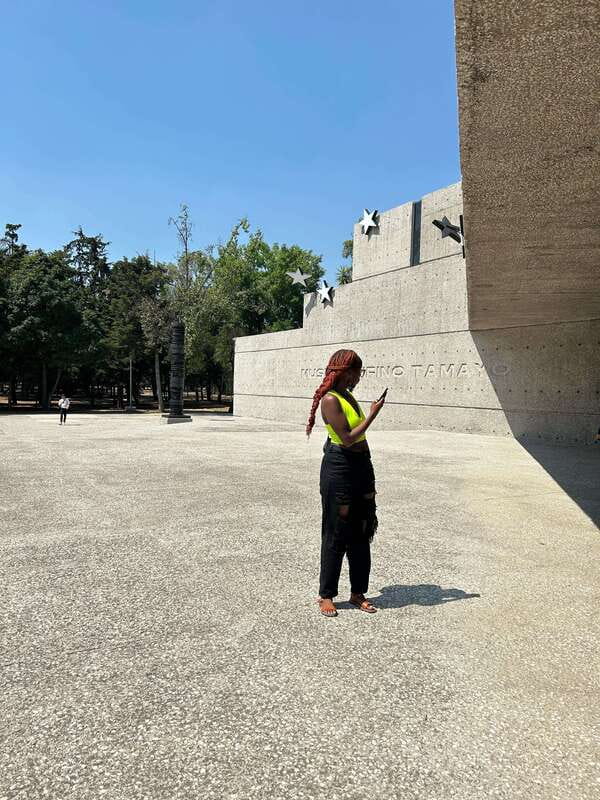
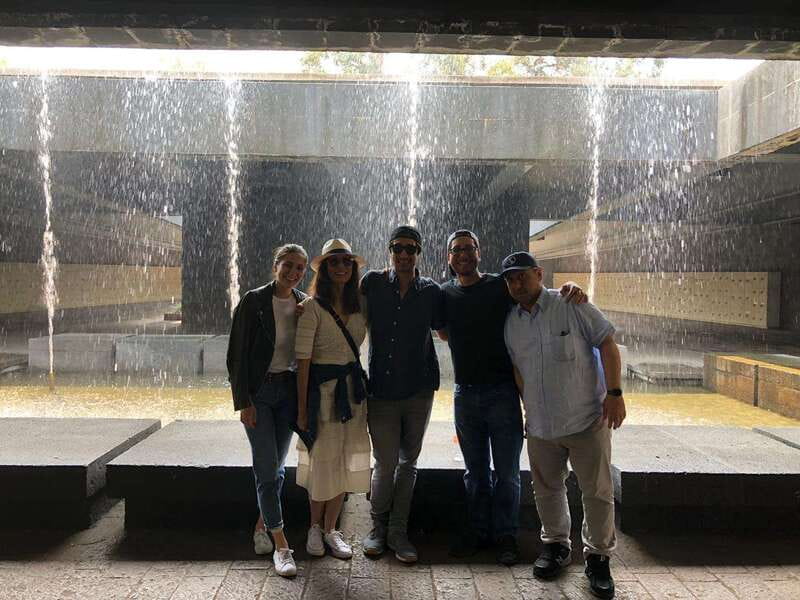
The next stop is the Tamayo Museum of Contemporary Art, dedicated to Rufino Tamayo. The building was conceived by two influential architects in the early 1980s and takes a different approach from the Anthropology Museum.
Here, the modernist language is more restrained and more closely tied to its setting. The design works with the surrounding park rather than trying to dominate it. You’ll consider how the museum honors Mexico’s artistic tradition while presenting itself as a contemporary institution.
The contrast between the two museums is useful. The Anthropology Museum makes a direct connection to pre-Hispanic ideas and national identity. The Tamayo Museum points toward international modern art while remaining tied to a Mexican artist and a Mexican cultural setting.
That contrast helps you see that modern Mexican architecture was not one fixed style. Architects were testing different ways to be modern. Some looked backward to Indigenous forms and symbols. Others used spare geometry and careful relationships with nature.
The museum ticket is included, which adds value if you already planned to visit the collection. If your main interest is the exterior and architectural discussion, the tour still gives you more than an ordinary walk-by, but keep in mind that three hours must cover several stops. This is not a long, unhurried museum visit.
A few more architecture walks in the world worth a look
- Chicago Architecture River Cruise
★ 5.0 · 15,756 reviews - Chicago River 90-Minute Architecture Tour
★ 4.5 · 9,629 reviews - Chicago River: 1.5-Hour Guided Architecture Cruise
★ 4.8 · 8,046 reviews - Chicago Architecture Center River Cruise aboard First Lady
★ 5.0 · 5,536 reviews
A Space Age building full of 1960s optimism
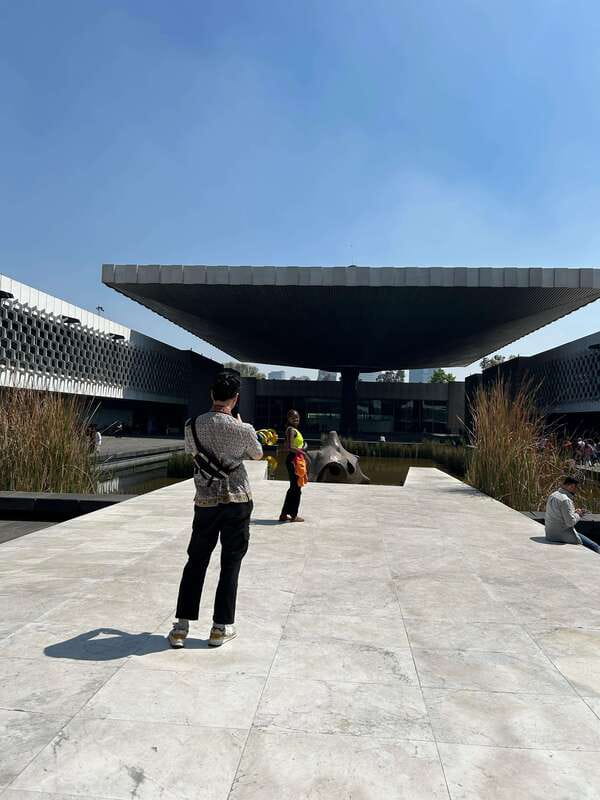
A short walk from the Tamayo Museum brings you to a striking example of 1960s design inspired by the Space Age. The structure reflects the period’s belief in technology, progress, and a future that seemed close at hand.
This stop gives the route a change of mood. At the Anthropology Museum, the emphasis is on cultural memory. At Tamayo, the design balances modern art with the park. Here, the architecture looks forward, using form and function to express futuristic confidence.
The building is especially useful for showing how international trends reached Mexico without simply erasing local concerns. You’ll look at the structure as a product of its time, shaped by the same fascination with space travel and new technology that influenced design around the world.
This is a good place to bring a camera. Photography is encouraged throughout the route, and the tour takes place in safe, enjoyable settings for taking pictures. Still, the guide’s explanation is the main reason to stop. Without context, Space Age architecture can look like an unusual object. With context, it becomes a record of a particular moment in Mexican public life.
Hotel Camino Real and the art hotel idea
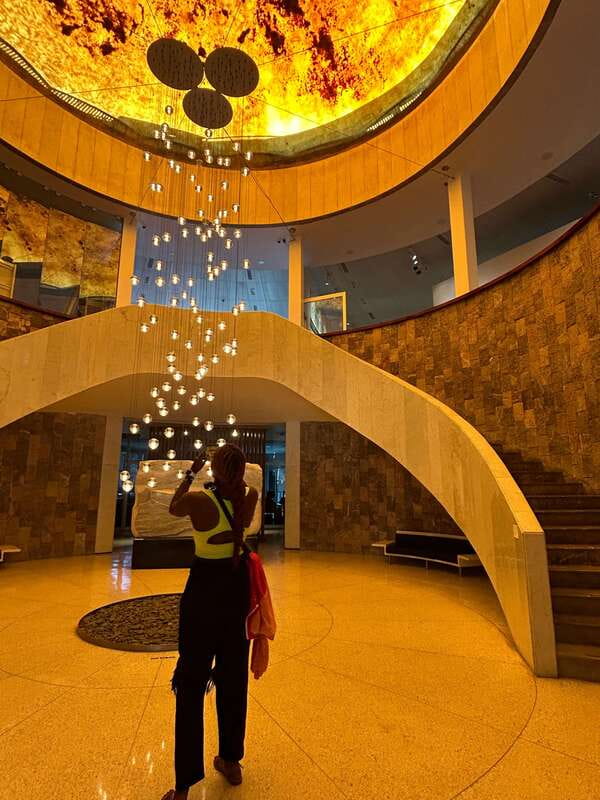
The tour ends at Hotel Camino Real, a hotel built to host VIP guests during the 1968 Olympic Games. It is an unusual final stop because it shifts the setting from public museum to private hospitality.
Behind the hotel’s walls is a substantial collection of modern Mexican art. That turns the property into something more than a place to sleep. It becomes an art hotel, where architecture, design, and public image work together.
The Olympic connection adds political and social context. Mexico City was presenting itself to the world in 1968, and buildings connected to the Games carried extra weight. The hotel had to welcome important visitors, but it also helped express the city’s modern identity.
Ending here gives the tour a satisfying change in scale. You move from a national museum to an art museum, then to a futuristic structure, and finally to a hotel designed for an international event. The route shows how modern architecture appeared in different parts of daily life, not only in government buildings or cultural institutions.
The hotel may be the most surprising stop for people who normally think of museums as the only places to see important art. It also gives you a useful reminder that architecture shapes the experience of hospitality, status, and public presentation.
What the guide adds to a three-hour walk
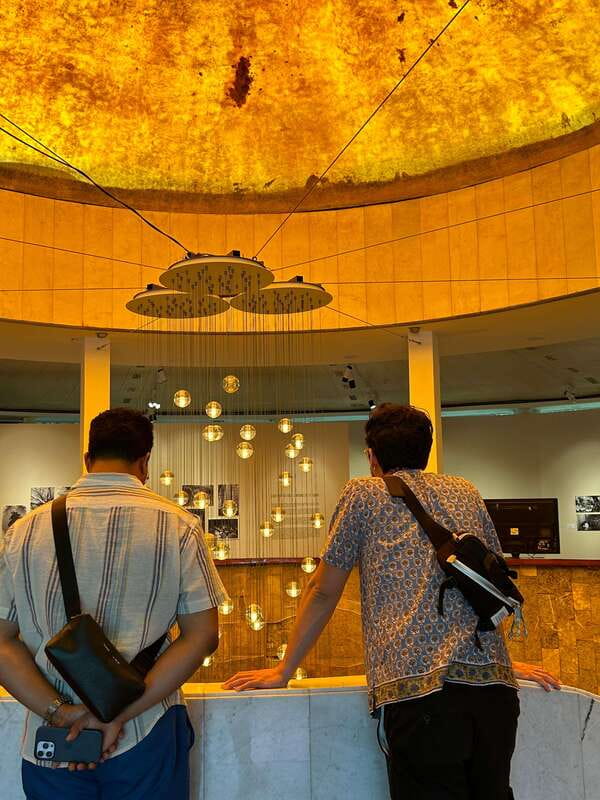
This tour depends heavily on the person leading it. The included guide has a graduate degree in art history, history, or architecture, so you should expect more than basic sightseeing commentary.
Natalia has been particularly effective at adjusting the discussion to a group’s interests. If you ask about art history, Mesoamerican ideas, modern design, or Mexico City, the conversation can move in that direction. Her approach also includes practical local suggestions, which can help you build a list of places to see after the tour.
The strong guide focus is a real advantage for a small group. With only 10 participants, you can ask why a building uses a certain form, how art fits into the design, or what was happening in Mexico during the 1960s and 1970s. A larger group would make that kind of exchange harder.
The tradeoff is that the experience may feel closer to an architectural history seminar held outdoors than a fast-paced sightseeing walk. One person could come away wishing for more architectural analysis, while another may appreciate the added political and cultural background.
Is $192 a fair price?
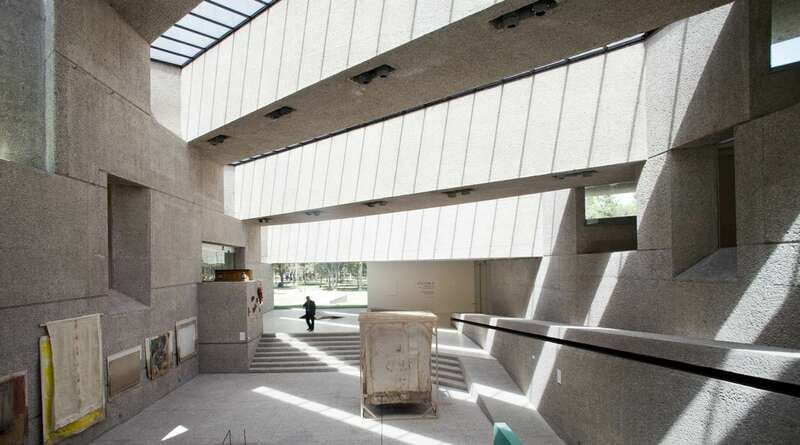
At $192 per person, this is not a bargain tour. The price includes admission to the National Museum of Anthropology, Tamayo Museum, and Modern Art Museum, along with a three-hour guided experience. That softens the cost, especially if you intended to visit all three museums anyway.
Still, admission tickets alone do not make the price low. You are paying for a specialist guide, a small group, and an interpretation that connects places many visitors see separately. The value rises if you care about architecture, modern Mexican art, or the social meaning of public buildings.
The value falls if you are looking for a general introduction to Mexico City or a simple park walk. You may get more from a less expensive museum visit if you are not interested in the period from the 1960s to the 1980s.
I would consider the tour a special-interest purchase. It makes sense for architecture students, art fans, repeat visitors to Mexico City, and anyone who likes seeing how politics and design affect one another. For a first-time visitor with only a day or two, there may be more essential sights to place first.
Who should book this architecture walk?
You should book if you want:
- A clear explanation of modern Mexican architecture
- A small group with room for questions
- A guide who can connect buildings to Indigenous ideas and national identity
- Museum admission built into the experience
- A calm route through Chapultepec Park
- A closer look at the 1968 Olympic period and Mexico’s international image
You may want to skip it if you dislike museum visits, need a very low-cost activity, or want a tour focused only on architectural technique. The route is wheelchair accessible according to the activity details, but it is listed as not suitable for people with mobility impairments, so ask for clarification before booking if mobility is a concern.
Free cancellation is available up to 24 hours before the start, and you can reserve now while paying later. Those policies are useful if your Mexico City schedule is still shifting, but they do not change the basic question: will you use three hours of your trip to study modern design?
Should you book the 1960s and 1970s architecture tour?
Book this tour if you want Mexico City’s modern buildings explained rather than simply photographed. The National Museum of Anthropology is the main reason to go, while the Tamayo Museum, Space Age structure, and Hotel Camino Real give the route variety.
The $192 price requires a real interest in art, architecture, and history. For that audience, the small group, included museum tickets, and expert guidance can make the cost worthwhile. Natalia’s ability to answer questions and shape the discussion is another reason to choose this experience when she is leading it.
I would not book it as a general city orientation. I would book it as a focused cultural session, especially if you have already seen Mexico City’s better-known historic sights and now want to understand the bold modern period that followed.
FAQ
How long does the Mexico City architecture tour last?
The tour lasts three hours.
Where does the tour meet?
You meet your guide inside the Porrua Bookstore in Chapultepec Park, near the ticket booth. Be sure to use the Chapultepec branch, since Mexico City has several Porrua bookstores.
What languages are available?
The tour is offered in English and Spanish.
How many people are in the group?
The tour is limited to 10 participants. Headsets are provided for larger groups so you can hear the guide clearly.
Which museums are included?
Admission to the National Museum of Anthropology, Tamayo Museum, and Modern Art Museum is included.
Is the tour wheelchair accessible?
The activity information lists the tour as wheelchair accessible, but it also says it is not suitable for people with mobility impairments. If this affects you, confirm the route details before booking.
What should I bring?
Bring comfortable shoes, sunscreen, rain gear, and a camera. The tour takes place rain or shine.
Can I bring luggage or a large bag?
No. Luggage and large bags are not allowed.
Can I cancel the tour?
You can cancel up to 24 hours in advance for a full refund. You can also reserve now and pay later.
Newly added in the world
- Venice Art and Architecture Private Walking Tour★ 4.5 · 11 reviews
- Basilica San Marco and the Pala d’Oro with Architect Guide★ 4.5 · 19 reviews
- Walking tour in Venice with an architect★ 5.0 · 16 reviews
- Lesser Poland Wooden Architecture Trail UNESCO Private Tour from Krakow★ 5.0 · 15 reviews
- Lisbon Contemporary Architecture★ 5.0 · 3 reviews
- Private Munich Tour for History Buffs with Architectural Gems and WWII sites★ 5.0 · 3 reviews
- Neoclassical Paris Architecture 2-Hour Private Walking Tour★ 5.0 · 7 reviews
- Street Art and Architecture:Porto Speaks Through Its Streets★ 3.0 · 2 reviews
Walking Tours, compared.
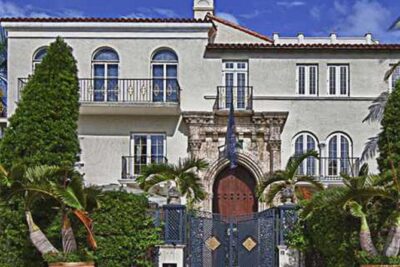
The Official Art Deco Walking Tour by The Miami Design Preservation League
Read our review →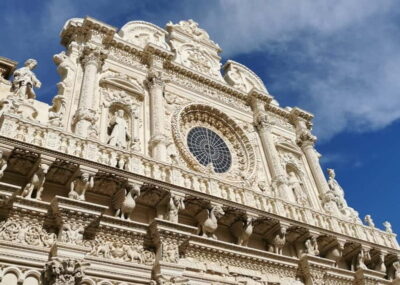
Baroque Architecture and Underground Walking Tour
Read our review →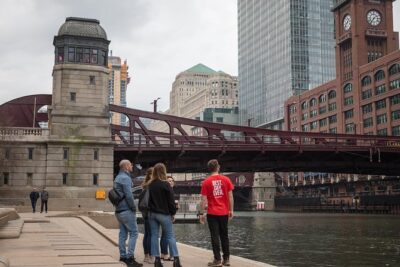
Chicago in a Day: Food, History & Architecture Walking Tour
Read our review →

Ramblas, Old Town, Gothic and Gaudi Architecture Walking Tour
Read our review →
Chicago’s Secret Interiors Architectural Walking Tour
Read our review →
Browse the lists this tour appears in