

Review · HISTORICAL TOURS
Pittsburgh: Best of the Burgh History and Architecture Tour
Pittsburgh’s downtown is best understood on foot, where grand towers, small alleyways, public art, and old commercial streets come together. This two-mile walking tour connects the city’s industrial past with buildings still used today, while guides such as Ken, Dave, Doug, Marisa, and Allan add personal stories and local wit.
I like the chance to step inside selected buildings, not just admire facades from the sidewalk, and I like the mix of major avenues and easy-to-miss corners. The main consideration is weather: rain can slow the route and limit what you see, and two miles of city walking calls for comfortable shoes.
What makes this downtown walk worth your time
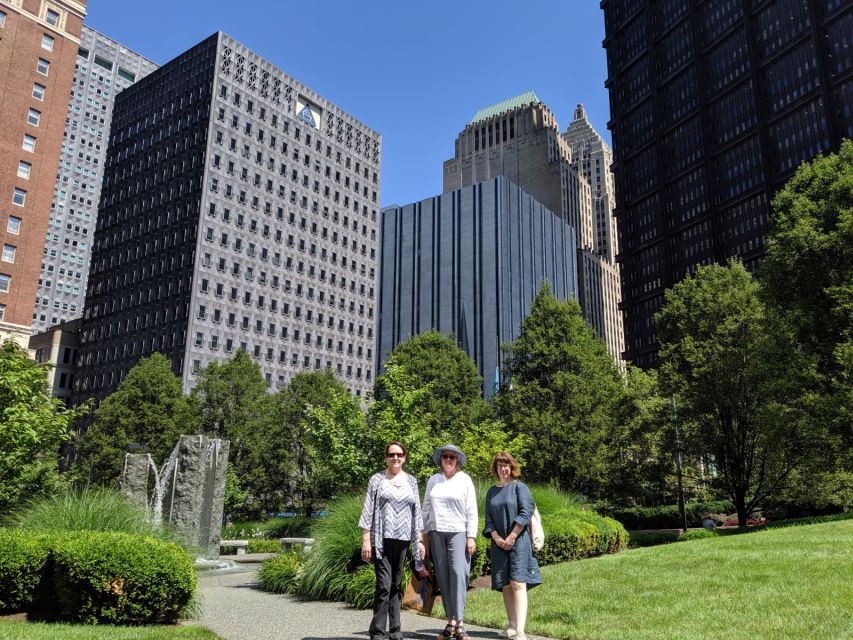
- Industrial fortunes in stone and steel: Learn how Pittsburgh’s business leaders shaped the downtown skyline with grand towers and civic buildings.
- Interiors as well as exteriors: The route can include visits inside notable buildings, giving you details that are easy to miss from the street.
- A guide-led introduction: Guides such as Ken, Dave, Doug, Marisa, and Allan explain architecture, local history, culture, food, and city life.
- Major streets and quieter corners: You’ll move from broad avenues into small alleyways, squares, and less obvious details.
- Good value at $32: Two hours of live commentary, a small group, local tips, and restaurant coupons make this a useful first look at the city.
- A manageable but active pace: The route covers about 2 miles, with occasional chances to pause, though it is still a proper walking tour.
Pittsburgh’s downtown story begins with the skyline
This tour works because downtown Pittsburgh is not simply a collection of old buildings. The streets tell the story of a city shaped by industry, money, immigration, commerce, and civic ambition. As you walk, your guide explains how the people who made fortunes in steel and other industries helped create an urban center filled with imposing towers.
You can expect plenty of attention on the people behind the buildings, not only their dates and architectural labels. Guides explain how powerful families influenced Pittsburgh and how their choices still shape the city you see today. That human angle keeps the walk from becoming a dry parade of facades.
Architecture is a major part of the experience, but it is not the only subject. The tour also touches on Pittsburgh’s culture, food, sports, and current character. This wider view helps you understand downtown as a living part of the city rather than a museum district.
If you are new to Pittsburgh, the tour gives you useful orientation early in your visit. You’ll get a sense of the downtown street pattern, see important landmarks, and leave with ideas for what to explore later. If you already know the city, the stories and interior visits may help you notice familiar places in a new way.
More History Walks in the USA:
- Chicago in a Day: Food, History & Architecture Walking Tour
★ 5.0 · 1,153 reviews - Charleston’s Best Highlights: History, Culture & Architecture
★ 5.0 · 422 reviews - Palm Springs Modernism Architecture & History Bike Tour
★ 5.0 · 359 reviews
From grand avenues to small alleyways
The route moves through the heart of downtown, using major avenues as well as narrower side streets. That change of scale is one of the walk’s best features. Broad streets show off the city’s formal face, while smaller passages reveal details you could easily miss while moving between attractions.
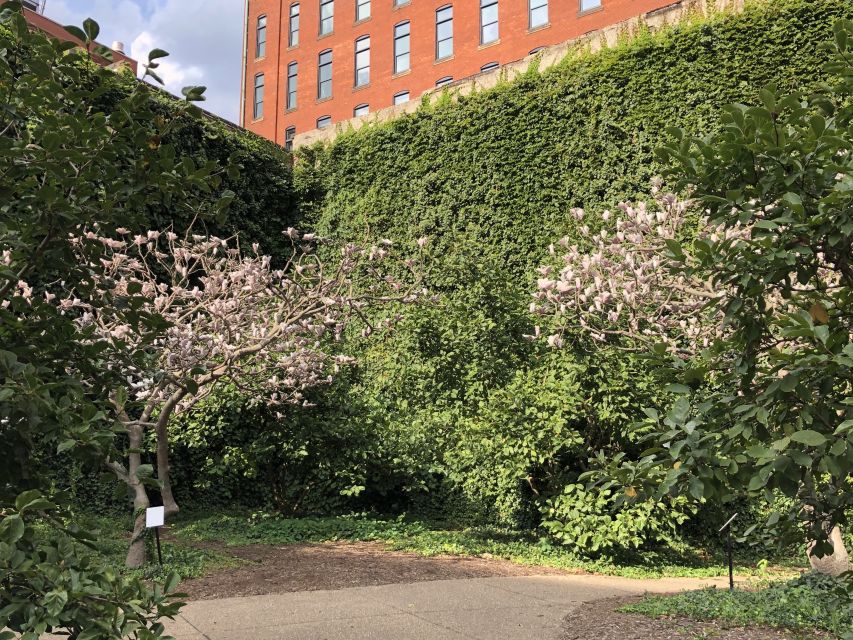
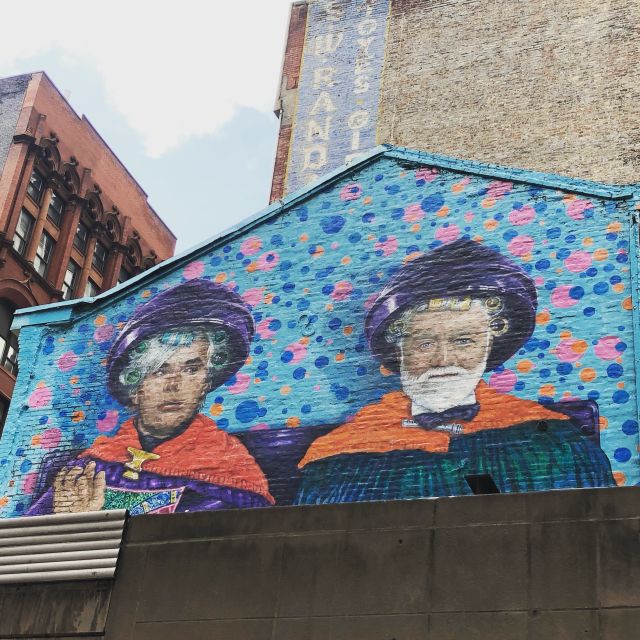
Your guide points out public art, architectural features, beautiful squares, and historical markers along the way. Some details may be small, such as a decorative element high above street level or a piece of urban history tied to a particular building. Having someone direct your attention saves you from spending the whole walk looking upward and missing the pavement.
The route is designed as an introduction rather than a deep study of one building. You will see many different parts of the downtown core and hear how they connect. That variety suits you if you want a broad first impression, though an architecture specialist hoping for a long technical discussion of every facade may find the coverage less detailed than expected.
One person specifically wanted more architecture information, so keep your expectations sensible. The guides focus on architecture within a larger story that includes people, events, culture, and daily city life. That balance is likely to please most first-time visitors, but it is not a dedicated architectural survey.
Why going inside matters
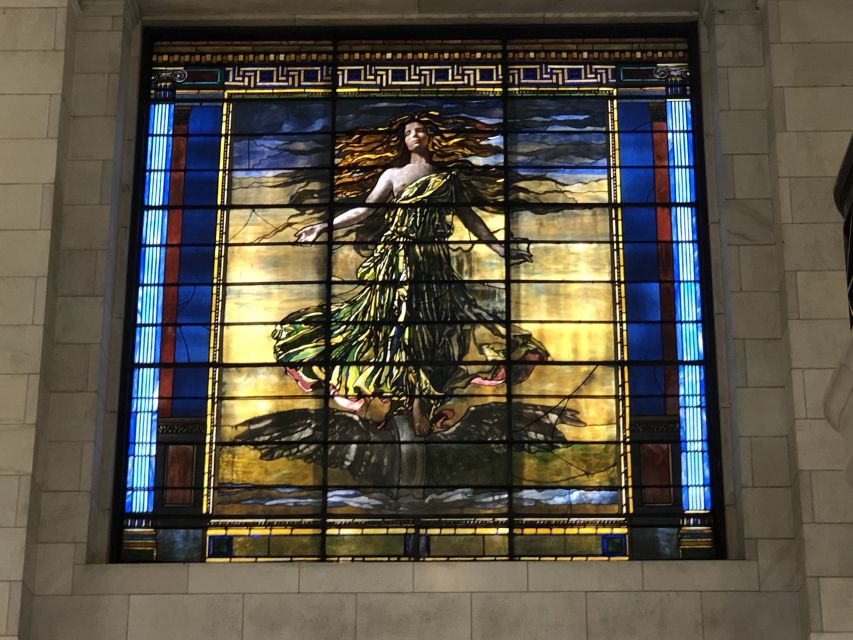
A strong feature of this experience is the chance to enter some of the buildings along the route. From the sidewalk, you can admire a tower’s exterior, but an interior lobby or public space often reveals the building’s scale, materials, and original purpose more clearly.
These visits also give the guide a better setting for explaining how a building was used and why it mattered. You may notice details that would otherwise pass in a blur during a street-only walk. The interior stops add variety, too, giving you a break from continuous pavement and traffic noise.
Access can vary by building and by conditions on the day, so you should not expect a guaranteed visit to every interior mentioned in the tour description. Still, the ability to go inside selected landmarks is a meaningful advantage over simply following a self-guided map.
The route has been described as generally accessible and wheelchair accessible. If you have additional mobility needs, contact the company before the tour so the guide can discuss what may be accommodated. That is especially sensible in a city route where building entrances and sidewalks can differ.
Guides who make the difference
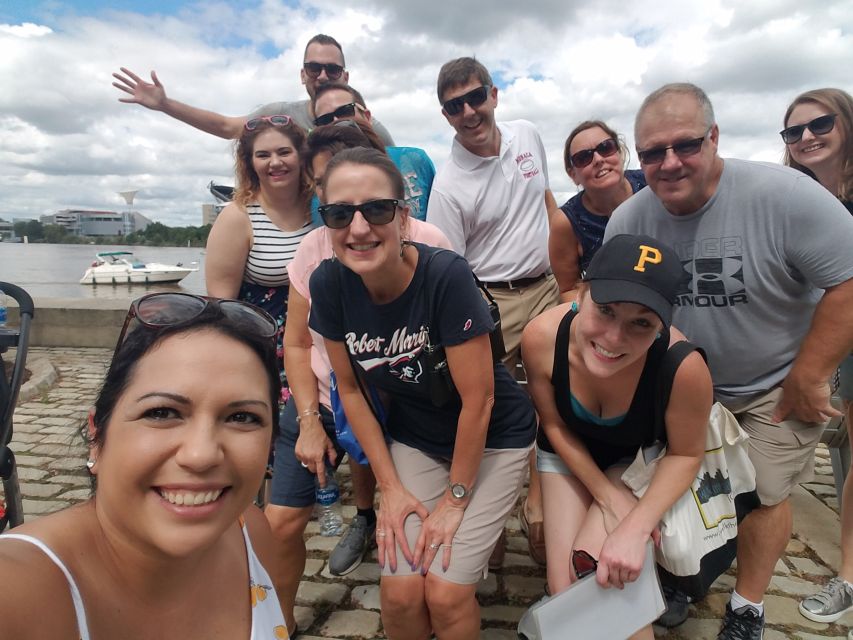
The tour’s strongest quality is its live guiding. Ken is frequently singled out for his storytelling, humor, patience, and command of Pittsburgh’s past and architecture. He is also described as someone who answers questions easily and adjusts to the group without losing the planned route.
Dave has led tours with a clear voice, useful when city noise rises around you. He is also praised for answering questions and making local history feel immediate. Doug is described as both entertaining and well informed, with a steady pace that works for a two-hour walk.
Marisa brings fun facts and a friendly approach, while Allan has been praised for explaining the city’s architectural past in detail. Other guides, including Kane, have been appreciated for their local knowledge, good humor, and ability to let a small group shape the conversation.
The guide you receive will affect the exact flavor of the experience. One guide may lean more toward architecture, another toward family stories or local anecdotes. That is part of the appeal of a small-group walk, though it also means the emphasis may not be identical every time.
A practical point: one group found that a guide’s microphone and small speaker required people to stay fairly close. Keep within earshot, especially on busy streets. The guides generally invite questions, and several tours have included extra time or flexible detours when the group size and schedule allowed.
A few more architecture walks in the USA worth a look
- Chicago Architecture River Cruise
★ 5.0 · 15,756 reviews - Chicago River 90-Minute Architecture Tour
★ 4.5 · 9,629 reviews - Chicago River: 1.5-Hour Guided Architecture Cruise
★ 4.8 · 8,046 reviews - Chicago Architecture Center River Cruise aboard First Lady
★ 5.0 · 5,536 reviews
How the two hours feel on foot
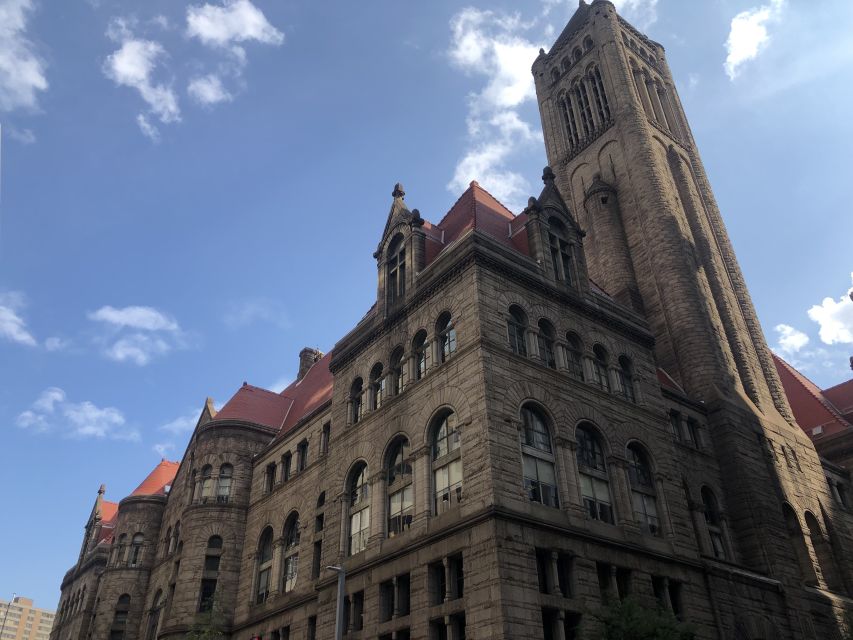
The tour covers about 2 miles, or 3.5 kilometers, in two hours. That is not an extreme distance, but it is enough that you should wear comfortable shoes and be ready to remain outdoors for much of the time.
The pace is generally described as comfortable, with some opportunities to sit briefly. That matters if you want information without racing from one stop to the next. At the same time, this is not a slow, stationary lecture. You will cross downtown streets, move between buildings, and keep up with the group.
Weather can shape the experience. Rain has slowed one tour and limited some areas, although guides have taken groups under cover when possible. A sunny day makes the architecture easier to appreciate, but you should still bring weather-appropriate clothing and leave a working mobile number for weather updates.
The meeting point is Walk the Burgh Tours at 1049 Penn Avenue, Downtown Pittsburgh, on the side of the David Lawrence Convention Center. Look for the white bike in the window, and arrive 15 minutes early. That extra time is useful for finding the exact entrance and settling in before the group heads out.
What you get for $32
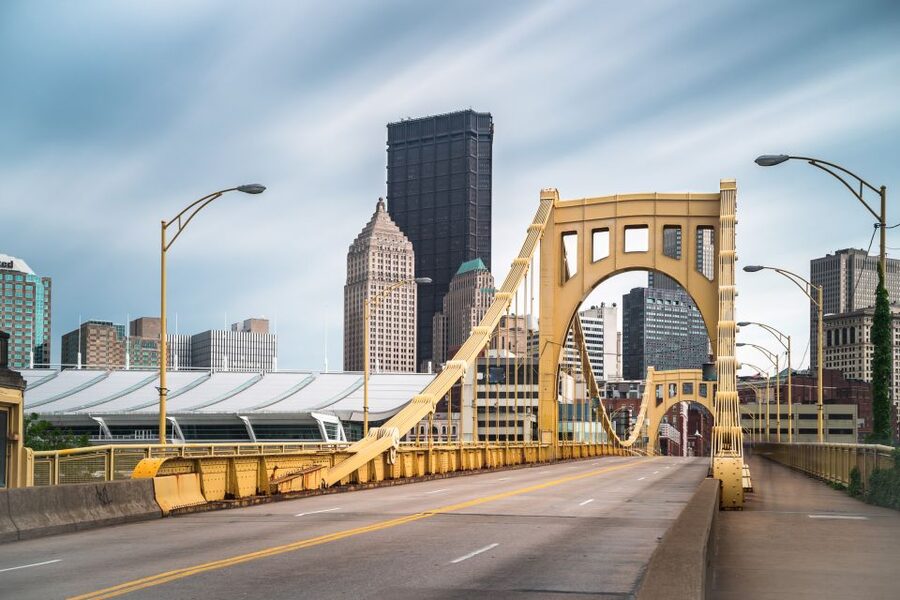
At $32 per person, this is a good-value introduction to Pittsburgh’s center. You are paying for two hours with a local guide, a small-group setting, access to selected landmarks, and the time saved by having someone organize the route and explain what you are seeing.
The value is strongest if you are visiting Pittsburgh for the first time or have only a short stay. A guide can quickly connect buildings, people, and events that would otherwise remain separate facts. You also receive coupons from local restaurant partners, which may help offset part of the cost if you use them.
Food and drinks are not included, so plan to eat before or after the walk. The tour itself is focused on sightseeing and commentary rather than a food tasting. That keeps the price reasonable, but you should not book it expecting snacks or restaurant stops built into the route.
The reserve-now-and-pay-later option is useful if your plans are still shifting. You can hold a place without paying immediately, and cancellation is free up to 24 hours before the start time. Check the available starting times when booking, since the schedule can vary.
Who will enjoy this tour most
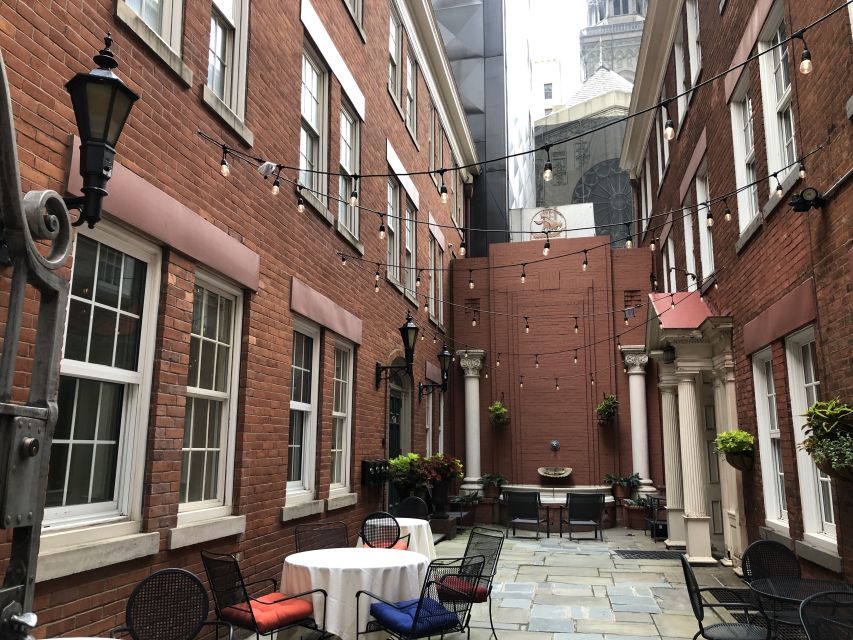
I would choose this walk for a first visit, especially if you want context before exploring Pittsburgh on your own. It gives you a practical map of downtown and helps you decide which buildings, squares, public art, restaurants, and cultural sites deserve more time later.
It also suits people who enjoy stories as much as sights. The guides do not simply identify a building and move on. They explain the people and events connected with it, add local anecdotes, and make room for questions.
The tour can work well for Pittsburgh residents, too. Familiar streets often look different when someone explains the history behind them. One local participant found that the walk revealed the city in a new way, despite already knowing Pittsburgh.
You might choose something else if you dislike walking, want a food-focused experience, or mainly want waterfront views. The tour stays centered on downtown, and one person wished the route included a river site. The organizers do not promise a waterfront visit, so treat that as a possible omission rather than a flaw in the stated route.
Families, older adults, and people with mobility concerns should consider the 2-mile distance and ask about specific needs before booking. The route is generally accessible, but advance contact is the best way to discuss accommodations.
Small details that improve the experience
Stay close enough to hear the guide, particularly near traffic and crowded downtown streets. If your guide uses a microphone and speaker, the sound may be clearest near the front of the group.
Arrive early at the white bike meeting point, wear supportive shoes, and check the forecast. You should also provide a working mobile number so the company can reach you about weather-related changes.
Bring questions. The guides have handled questions about architecture, family influence, food, culture, and present-day Pittsburgh, and the conversation can add a personal touch to the route. If you have already seen some downtown sights, mention that early. A small group may allow the guide to adjust the emphasis.
Do not judge the tour only by how many buildings you see. Its real value comes from learning why downtown developed as it did and how the old buildings fit into Pittsburgh today. The walk is most rewarding when you pay attention to the connections between streets, buildings, people, and public spaces.
Should you book the Best of the Burgh walk?
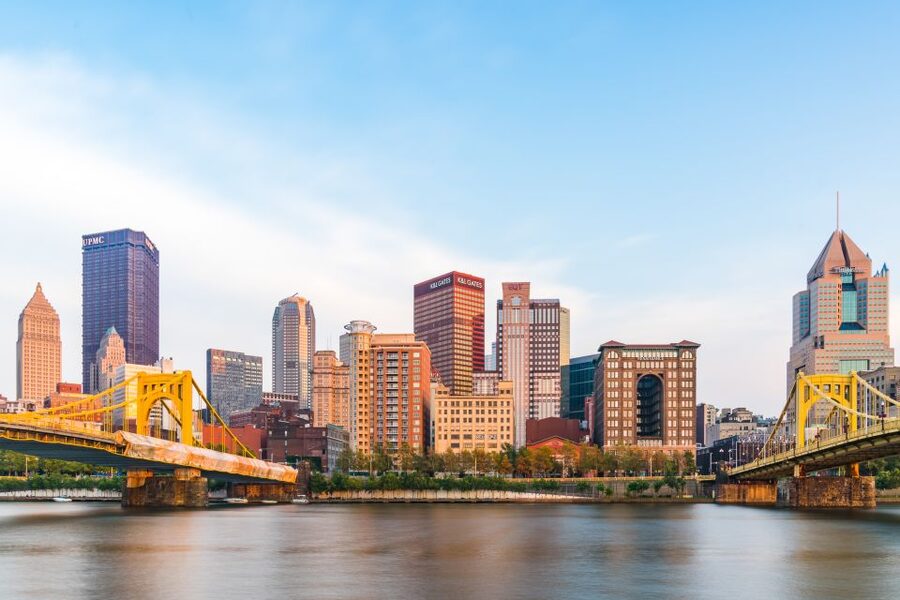
Book it if you want a friendly, story-driven introduction to downtown Pittsburgh, especially on your first day in the city. The price is fair, the distance is manageable for most active walkers, and the mix of exteriors, interiors, public art, squares, and local history gives you plenty to take away.
I would be cautious only if you need a strictly technical architecture tour, guaranteed waterfront time, or a food experience. For everyone else, this is a useful way to get your bearings, hear the stories behind the skyline, and find details you might walk past on your own.
FAQ
How long is the Best of the Burgh History and Architecture Tour?
The tour lasts two hours and covers about 2 miles, or 3.5 kilometers, on foot.
Where does the tour meet?
Meet at Walk the Burgh Tours, 1049 Penn Avenue, Downtown Pittsburgh, Pennsylvania 15222, on the side of the David Lawrence Convention Center. Look for the white bike in the window.
How early should I arrive?
Arrive 15 minutes before the scheduled start time.
Is the tour wheelchair accessible?
The route is generally accessible and the tour is described as wheelchair accessible. If you have additional mobility needs, contact the company before the tour to discuss what can be accommodated.
What should I bring?
Wear comfortable shoes. You should also provide a working mobile number so you can receive weather-related updates.
Is food included in the price?
No. Food and drinks are not included, though you receive coupons from local restaurant partners.
Newly added in the USA
- Art Deco Tour of South Beach in French★ 4.5 · 8 reviews
- Award-winning Art Deco & Neon Lights Walking Tour★ 5.0 · 5 reviews
- Miami Beach Art Deco Segway Tour★ 4.5 · 17 reviews
- Boston: Freedom Trail History and Architecture Walking Tour★ 4.8 · 18 reviews
- Boston: Harbor and Charles River Architecture Boat Tour★ 4.6 · 9 reviews
- Iconic Capitol Hill Architectural Walking Tour★ 5.0 · 21 reviews
- Chicago: Guided Tour with Architecture River Cruise★ 4.5 · 20 reviews
- South Beach Food Tour- Culinary & Art Deco & History★ 5.0 · 22 reviews
Historical Tours, compared.
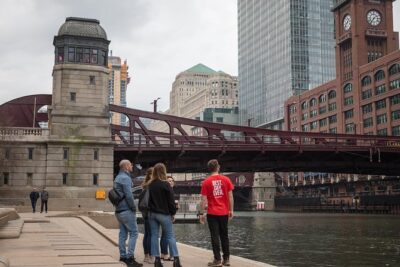
Chicago in a Day: Food, History & Architecture Walking Tour
Read our review →
Charleston’s Best Highlights: History, Culture & Architecture
Read our review →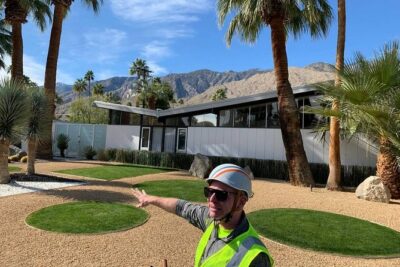
Palm Springs Modernism Architecture & History Bike Tour
Read our review →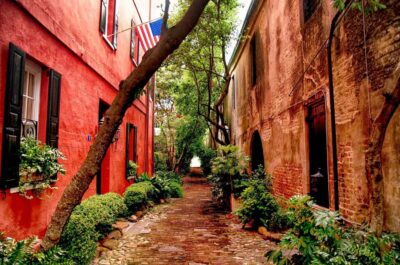
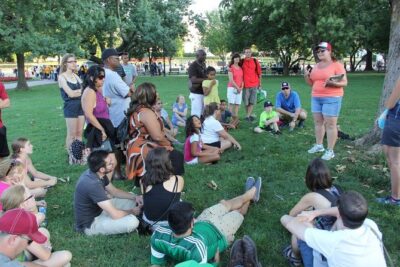
Historic Georgetown: History, Gossip, & Architecture Walking Tour
Read our review →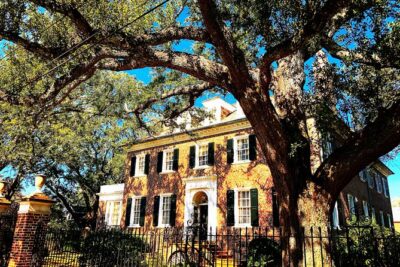
Charleston History, Homes, and Architecture Guided Walking Tour
Read our review →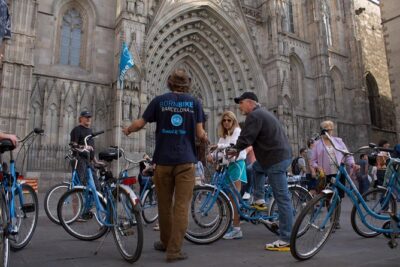

Historical and Architectural Chicago Fireboat River & Lake Cruise
Read our review →Browse the lists this tour appears in