
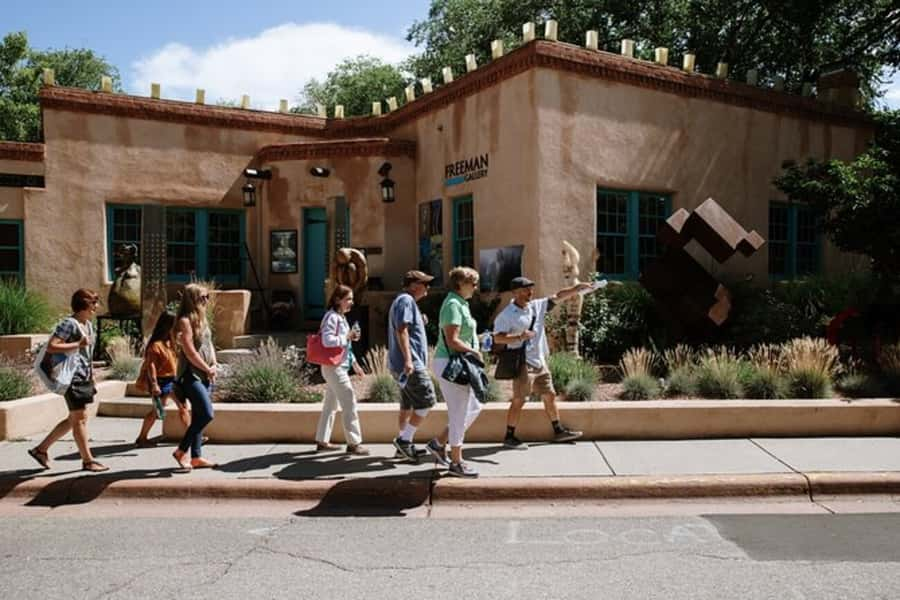
Review · WALKING TOURS
Santa Fe: Architectural Walking Tour & Wine Tasting
Santa Fe’s architecture tells the story of its people, climate, water, and changing traditions. This three-hour walk takes you through the Canyon Road gallery district, where small residential lanes reveal Pueblo forms, Spanish Territorial details, and the pitched roofs associated with Northern New Mexico.
I like the small group of eight because it gives you room to ask questions, and I like the acequia lesson because it connects Santa Fe’s buildings to the practical business of getting water to gardens. The closing tasting at Gruet adds a pleasant local finish.
The main consideration is pace. This is a walking tour built around close architectural observation, not a quick list of Santa Fe landmarks. If wine is your only interest, the tasting comes late and is one part of a larger history and design tour.
Key Points
- Three New Mexican styles in one walk: Compare Pueblo, Spanish Territorial, and Northern New Mexico architecture.
- Canyon Road from a residential angle: Explore winding backroads near Santa Fe’s well-known gallery district.
- An acequia with a working purpose: Learn how controlled water flow still supports private gardens.
- Sandy’s personal guidance: Sandy is praised for making local history engaging, clear, and easy to connect with.
- A Gruet tasting to finish: Sample local wine after the walking portion of the tour.
- A compact English-language group: The tour lasts three hours and is limited to eight participants.
Starting at Loretto and Reading Santa Fe’s Buildings
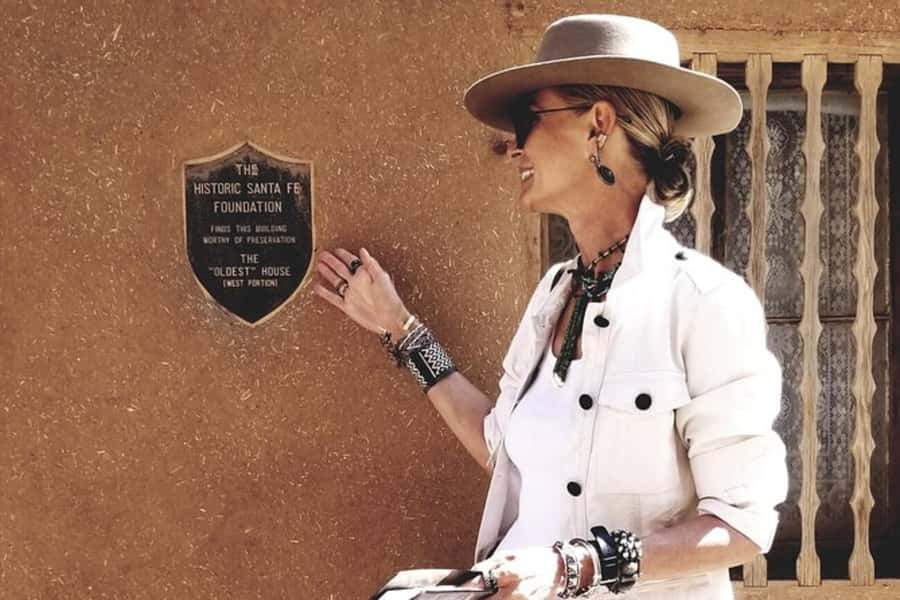
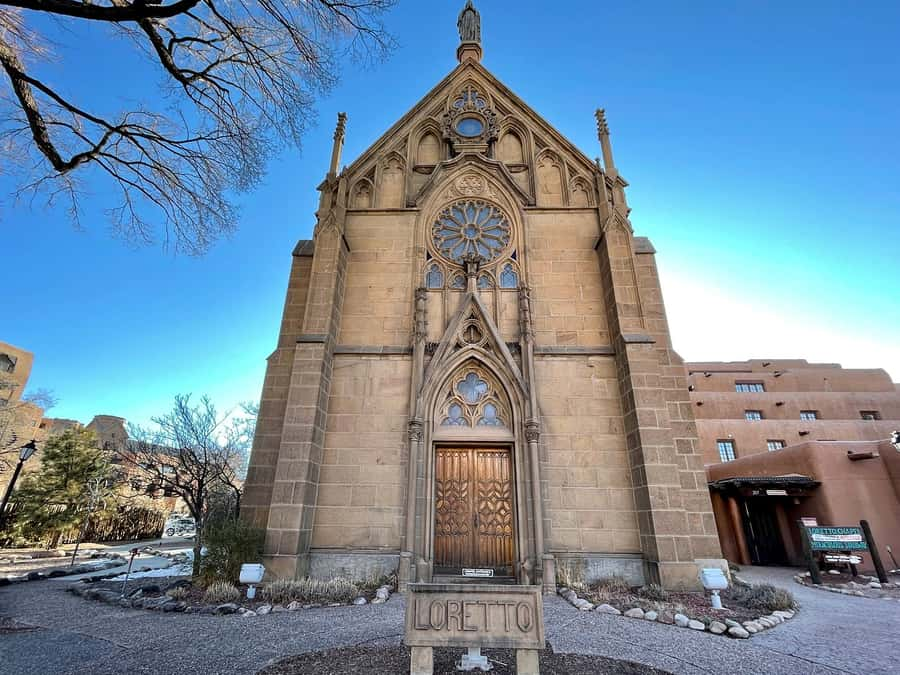
You meet at the Heritage Inspirations Travel Hub and E-Bike Shop, located in the Inn & Spa at Loretto. That gives you a clear starting point in central Santa Fe, but the real value begins once the guide shifts your attention from individual sights to the city’s built character.
Santa Fe can look uniform at first glance. Adobe walls, earth colors, enclosed courtyards, and wooden details appear again and again. The useful part of this tour is learning that these features do not all mean the same thing. The guide explains how social and cultural changes shaped the city’s buildings and how several architectural traditions developed side by side.
I would approach this as a lesson in reading a place. Instead of simply admiring a facade, you learn to ask why it looks that way, what materials suit the climate, and how older customs were retained or adapted. That makes the rest of your time in Santa Fe more rewarding, since you start noticing details on your own.
The tour is conducted in English, with a live guide. Its eight-person limit matters here. Architecture tours work best when the guide can pause, point out a roofline or wall treatment, and respond to questions without trying to manage a large crowd.
More Walking Tours in the USA
- The Official Art Deco Walking Tour by The Miami Design Preservation League
★ 5.0 · 1,580 reviews - Chicago in a Day: Food, History & Architecture Walking Tour
★ 5.0 · 1,153 reviews - Miami South Beach Art Deco Walking Tour
★ 5.0 · 1,039 reviews
Pueblo Style Along Canyon Road’s Winding Lanes
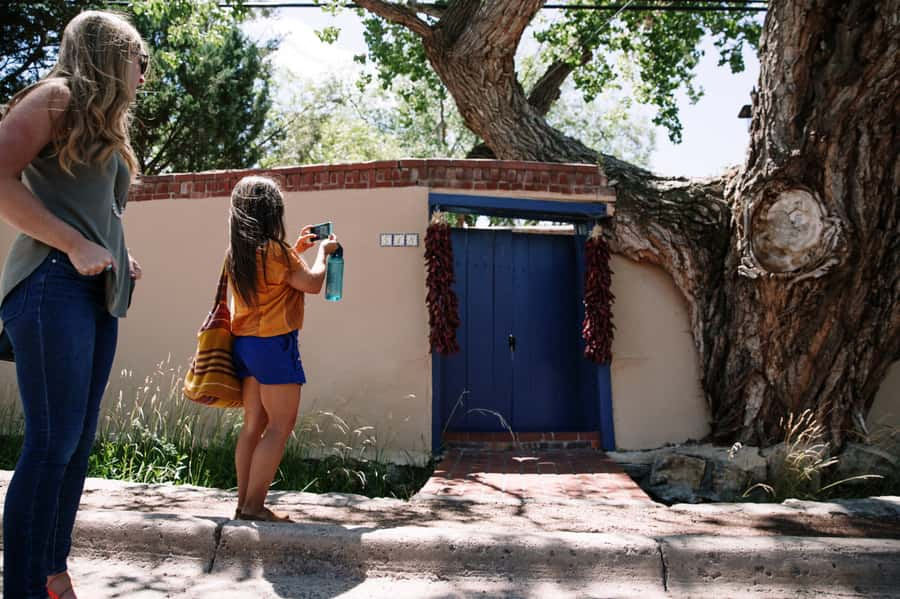
The first major architectural theme is the traditional New Mexican Pueblo style. You encounter it while walking through smaller residential backroads around Canyon Road, an area also known for galleries.
Pueblo architecture is closely tied to the region’s identity. On this walk, the guide helps you recognize its traditional appeal rather than treating adobe as a simple visual trademark. The point is not only that the walls look soft and earthy. It is also that the style reflects local building traditions and a strong connection to place.
The residential setting makes this section especially useful. Gallery facades can be polished and carefully presented, while quieter lanes let you see how architectural ideas work in ordinary surroundings. You may find that the smaller streets offer a more relaxed way to study shapes, walls, and roof forms than a busy commercial route.
Canyon Road also gives the tour a pleasant mix of art and residential character. You are not locked into a museum room or a formal lecture. You walk, look closely, and hear the historical background as the buildings appear around you.
The drawback is that the tour’s focus is visual and interpretive. If you want entry into many buildings, interior collections, or a long stop at individual galleries, this may not be the right format. The supplied details describe an exterior walking route through the district, with attention to architecture and history.
Spanish Territorial Details and Northern New Mexico Rooflines
The walk moves beyond Pueblo style to two other important forms: Spanish Territorial and Northern New Mexico architecture. Seeing all three in one outing helps you compare them instead of trying to remember isolated facts from separate visits.
Spanish Territorial architecture brings a more formal, classic quality to the discussion. The guide places it within the wider social and cultural movements that influenced Santa Fe. You are encouraged to notice how it differs from the softer, more traditional Pueblo look.
Northern New Mexico style is identified by its tall, narrow pitched roofs. That detail gives you a practical visual clue. Once the guide points it out, you have a feature to watch for as you continue walking through Santa Fe.
I like this comparative approach because it keeps the tour grounded. You are not asked to memorize a long list of dates or obscure names. You get three broad styles, clear physical features, and the chance to see how they relate within one historic town.
Sandy received especially strong praise for her way of handling this material. She is described as engaging, charming, relatable, and deeply interested in connecting with each person on the walk. That matters on a subject that could become dry if presented as a string of architectural labels. A good guide makes the details useful, and Sandy’s reported style suggests that she does so through conversation rather than a stiff lecture.
Following the Acequia Beside the Walkway
One of the most distinctive parts of the experience is the discussion of the acequia, the watercourse that parallels the walking route. This is more than a historical footnote. The acequia continues to irrigate private residential gardens through controlled water flow.
That living function gives the lesson weight. You are not only hearing about an old system that disappeared long ago. You are seeing how a traditional method still supports daily life in Santa Fe.
The acequia also helps explain the relationship between architecture and the environment. Buildings are one part of a settlement. Water management, gardens, and shared infrastructure are another. Together, they show how residents adapted to local conditions and maintained community practices over time.
I find this kind of stop more valuable than another quick photo opportunity. It gives you a working detail that can be easy to miss while strolling through a beautiful neighborhood. You might pass the channel without realizing what it is or why it matters. With the guide’s explanation, it becomes part of the town’s story.
You should also expect the watercourse discussion to be observational rather than hands-on. The tour teaches its history and importance, but the information provided does not promise access to private gardens or a demonstration of water control. Think of it as a close look at an enduring local system during a broader architecture walk.
Same city, a different facade:
- Chicago Architecture River Cruise
★ 5.0 · 15,756 reviews - Chicago River 90-Minute Architecture Tour
★ 4.5 · 9,629 reviews - Chicago River: 1.5-Hour Guided Architecture Cruise
★ 4.8 · 8,046 reviews - Chicago Architecture Center River Cruise aboard First Lady
★ 5.0 · 5,536 reviews
Canyon Road as a Gallery District and Residential Neighborhood
Canyon Road gives the outing its strongest sense of place. It is known as a gallery district, but the route also uses small winding residential backroads. That combination keeps the experience from being only an art stop or only a history lecture.
The street pattern matters. Winding lanes slow you down and encourage you to study the buildings around you. Instead of rushing between major landmarks, you spend time with the details that make Santa Fe recognizable: building mass, roof shape, wall treatment, and the relationship between homes, gardens, and the roadway.
The route may suit you particularly well if you prefer a human-scale introduction to Santa Fe. You get a local guide, a small group, and a walk that connects design with history. It is less useful for anyone who needs a broad city tour covering many distant sights, since the experience centers on the Canyon Road area and its nearby backroads.
Wear what you normally use for a three-hour walk and bring the supplied bottled water. The tour does not list transportation between stops, so plan on walking for the full sightseeing portion. Starting at the Inn & Spa at Loretto also means you should arrive ready to begin on foot rather than expecting a motor coach or shuttle.
Finishing with Gruet New Mexico Wine
The tour ends with a wine tasting at the Gruet Tasting Room. This changes the mood nicely after the walking and discussion. You finish by sampling local wine rather than simply stopping at the final building.
The tasting is included, along with the walking tour, guide, and bottled water. That makes the experience feel like a complete half-day outing rather than a basic neighborhood walk with an optional extra afterward.
Still, keep the balance in mind. The tasting is one part of a three-hour program, not the central event. If you are selecting the tour mainly for wine, check the current details before booking so you know exactly what the tasting includes. The supplied information confirms the Gruet stop and local wines, but it does not specify the number of pours, varietals, or food pairings.
For many people, that restraint is a plus. You get a reason to linger over local wine after learning about Santa Fe’s architecture and water traditions. The tasting also gives the tour a clear ending, rather than leaving you at the last street corner with no transition.
Small Group Value, Timing, and Flexibility
The group is limited to eight participants, and the tour runs for three hours. Those details shape the experience more than a long list of inclusions.
A small group is useful when a tour depends on looking closely at buildings. You can hear the guide more easily, ask about a feature that catches your eye, and avoid the stop-and-start feel that often comes with a large party. The two available comments about Sandy also point to a guide who puts real effort into personal connection, which fits this format well.
Three hours gives enough time to cover the three architectural styles, the acequia, the Canyon Road area, and the wine tasting without turning the outing into an all-day commitment. You still need to give the walk your full attention. This is not a drop-in activity that you can squeeze between several major attractions.
No tour price is provided here, so I cannot judge the exact dollar value. I would assess it this way: the experience offers stronger value if you want context, a personal guide, a small group, and a tasting in one booking. It offers less value if you only want a quick look at Canyon Road or a standalone wine flight.
The booking terms are traveler-friendly. You can cancel up to 24 hours before the activity for a full refund, and you can reserve now and pay later. Starting times vary, so check availability when choosing a date. Those policies are useful if your Santa Fe plans are still shifting.
Who Will Get the Most From This Santa Fe Walk
I would recommend this tour to you if you enjoy architecture, local history, and walking at a measured pace. It is also a good fit if you want an introduction to Santa Fe that explains how the city works, not just what it looks like.
The tour should suit first-time visitors who want a framework for exploring the city afterward. Once you understand the three styles, you can look at other buildings with more confidence. It also suits repeat visitors who have already seen the central sights and want a more focused neighborhood experience.
Sandy’s praised qualities make the tour appealing for anyone who values a guide’s personality. The written feedback describes her as engaging, charming, relatable, and strongly connected to the subject. Those traits can make a major difference during a three-hour walk.
I would be more cautious if you have limited walking time, want extensive interior access, or care mainly about wine. The route is built around exterior architecture, residential lanes, local water history, and a final tasting. That mix is the reason to book it, but it also means the tour will not satisfy every type of Santa Fe visitor.
Should You Book the Architectural Walking Tour?
Book it if you want Santa Fe explained through its buildings, neighborhood lanes, and old water system. The combination of three architectural styles, an acequia still used for garden irrigation, a small English-speaking group, and a Gruet tasting gives you more substance than a simple photo walk.
The strongest reason to choose it is Sandy’s guide style, backed by praise for her ability to make the subject personal and engaging. The main caution is that the experience requires three hours of walking and gives the wine tasting a supporting role.
If those priorities match your plans, this is a smart way to get your bearings in Santa Fe without rushing through it.
FAQ
How long does the Santa Fe Architectural Walking Tour and Wine Tasting last?
The experience lasts three hours.
Where does the tour meet?
The meeting point is Heritage Inspirations Travel Hub & E-Bike Shop at the Inn & Spa at Loretto.
What architectural styles are covered?
The tour covers New Mexican Pueblo style, Spanish Territorial architecture, and Northern New Mexico architecture, including its tall, narrow pitched roofs.
Does the tour discuss Santa Fe’s acequia?
Yes. You learn about the history and importance of the acequia watercourse that parallels the walkway and still irrigates private residential gardens.
Is wine tasting included?
Yes. The tour includes a wine tasting at the Gruet Tasting Room, featuring local wines from the area.
How large is the tour group?
The group is limited to eight participants.
What language is the tour offered in?
The live tour is offered in English.
More Food and Drink Tours in the USA
- Miami Beach Food and Art Deco Walking Tour
★ 4.5 · 245 reviews - South Beach Food & Fun Art Deco Miami Food Tour
★ 5.0 · 138 reviews - Chicago: Food, History and Architecture Tour
★ 4.8 · 104 reviews - Chicago in a Day: Food and Architecture Private Walking Tour
★ 5.0 · 53 reviews
More Wine Tastings in the USA
- Architectural Rioja Small Group Wine Tour with Lunch from Bilbao
★ 5.0 · 128 reviews - Alicante: Old Winery with Tastings & Gaudí’s style of Church
★ 4.9 · 91 reviews - From Bilbao: Rioja Architecture and Wine Tour
★ 4.9 · 58 reviews - Alicante: Old Winery with Tastings & Gaudí’s style of Church
★ 5.0 · 37 reviews
Newly added in the USA
- Washington, DC: Georgetown Architecture Walking Tour★ 5.0 · 8 reviews
- Washington DC: Dupont Circle & Embassy Row Architecture Tour★ 5.0 · 6 reviews
- New Orleans : Garden District Architecture Walking tour★ 4.8 · 5 reviews
- Wilmington History and Architecture Tour★ 4.8 · 18 reviews
- Private Colonial Williamsburg Architectural Tour★ 5.0 · 5 reviews
- Castle to Capitol: Museums of the National Mall Architecture Tour★ 4.5 · 9 reviews
- Tulsa: Art Deco Walking Tour of Tulsa★ 5.0 · 8 reviews
- Monuments and Memorials Architectural Walking Tour★ 5.0 · 17 reviews
Walking Tours, compared.
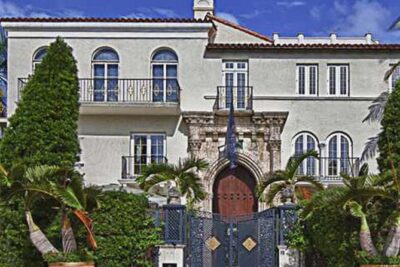
The Official Art Deco Walking Tour by The Miami Design Preservation League
Read our review →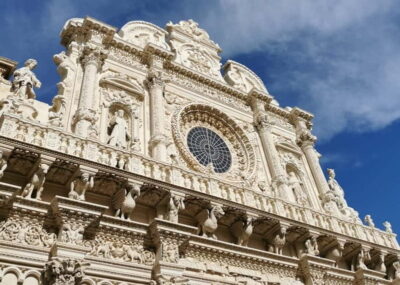
Baroque Architecture and Underground Walking Tour
Read our review →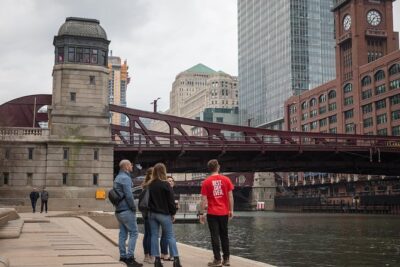
Chicago in a Day: Food, History & Architecture Walking Tour
Read our review →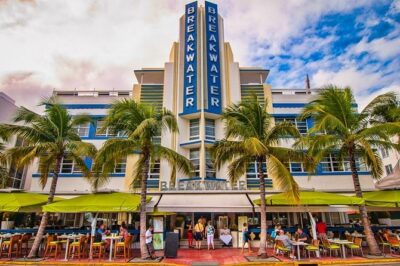

Ramblas, Old Town, Gothic and Gaudi Architecture Walking Tour
Read our review →
Chicago’s Secret Interiors Architectural Walking Tour
Read our review →
Browse the lists this tour appears in