
Review · HISTORICAL TOURS
Chicago: Food, History and Architecture Tour
Chicago’s story is easiest to grasp on foot, and this tour ties the pieces together nicely. You move from the underground Pedway to famous downtown buildings, along the Chicago River, and finally to the Bean in Millennium Park, with local food woven into the route.
I like two things here: the small group, which lets guides such as Chicago Dave, Dash, Rich, and Daniel adjust the pace and answer questions, and the mix of indoor and outdoor stops. You get more than a sidewalk lecture, with time to enter buildings and see details from inside. The main tradeoff is the walking: 4.8 to 6.4 kilometers over 4.5 hours, in weather that may be rainy, snowy, or cold.
Key points at a glance
- Classic Chicago food in one outing: Try a Chicago-style hot dog, deep-dish pizza, Italian beef, and Chicago-style popcorn.
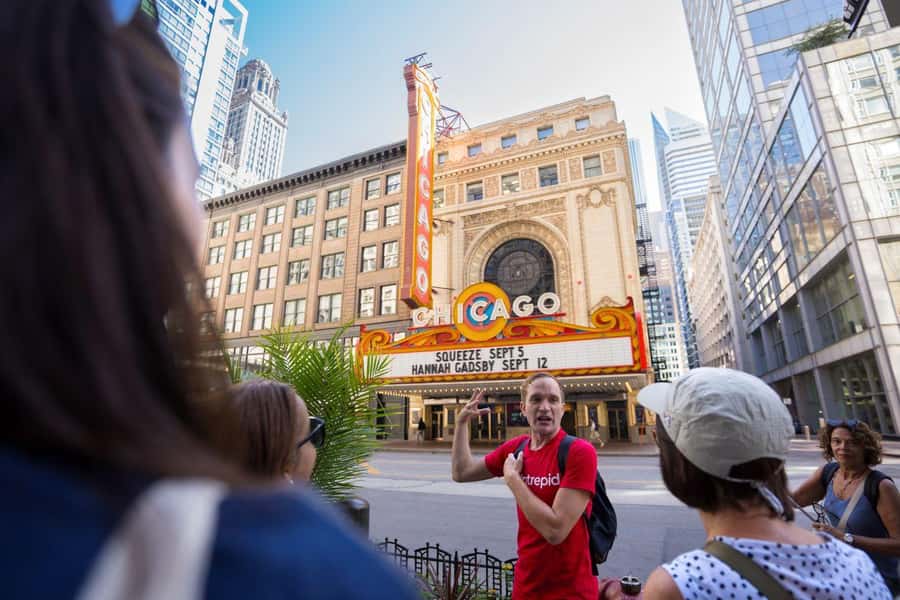
- A useful first look at downtown: See the Chicago Theatre, Willis Tower, Wrigley Building, London House, Chicago Cultural Center, Riverwalk, and Millennium Park.
- A small group capped at 12: You can hear the guide without the microphones and headsets used on large city tours.
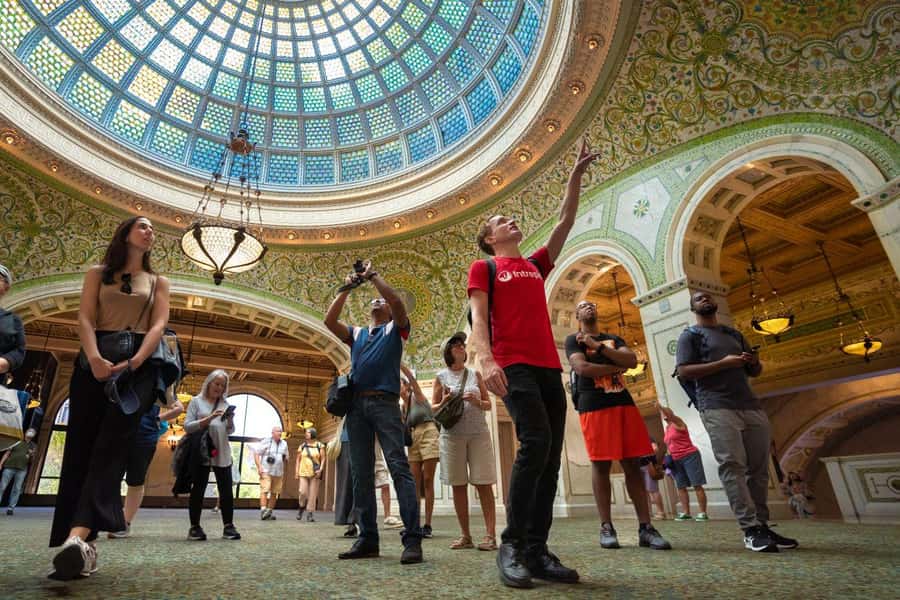
- Indoor stops add real value: The route may take you inside notable buildings, including the Chicago Cultural Center and Macy’s.
- Good for first-time visitors and repeat visitors: The city’s history, architecture, food, and public transport all get a place in the day.
- Plan for a full walking day: Comfortable shoes and weather-ready clothing matter more here than fancy lunch plans.
Chicago in one long, well-paced walk
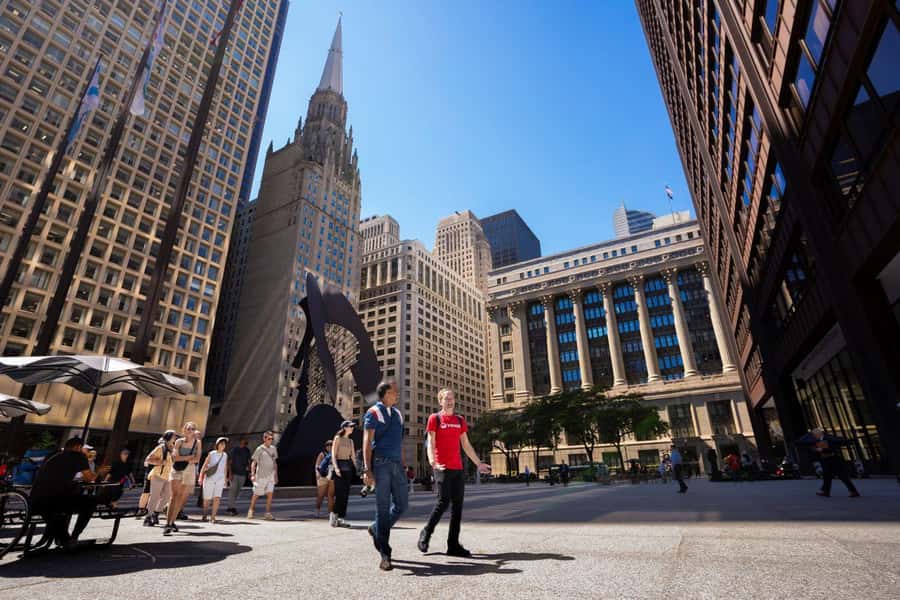
This is not a single-subject tour. It is a broad introduction to central Chicago, built around the way the city is actually experienced: by looking up at its buildings, walking beside the river, ducking indoors, and stopping to eat.
The tour lasts about 4.5 hours and usually runs in the morning or afternoon. The exact meeting point can change with the option you book, so check those details closely before setting out. Once underway, expect a route of roughly 3 to 4 miles, with stops for stories, photographs, food, and short breaks.
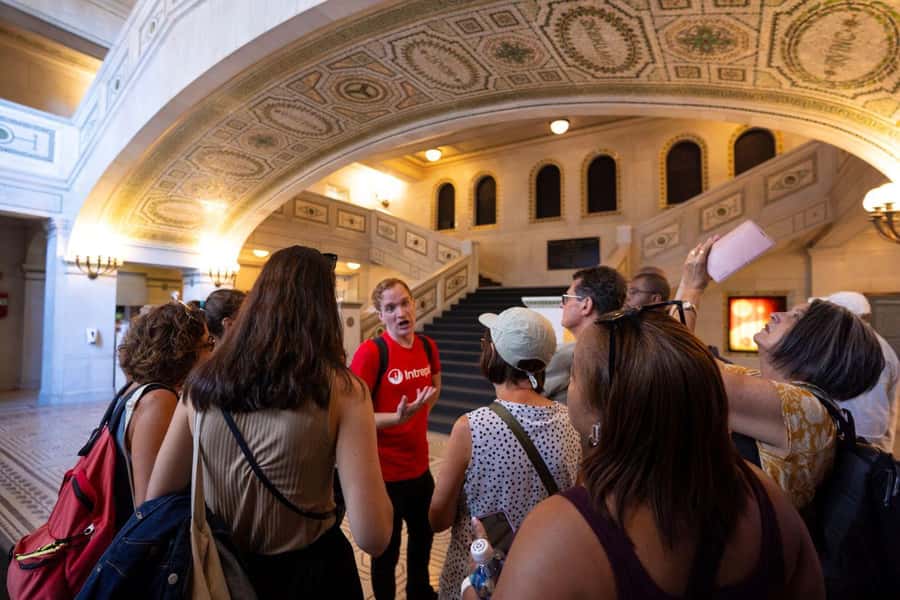
The small size is important. With no more than 12 people, the guide can keep an eye on the group and change the pace when needed. Daniel was praised for making sure nobody had to run to keep up, while another guide, Wallach, adapted the route when a small group showed interest in other places. That kind of flexibility is hard to manage with a coachload of people.
More Food and Drink Tours in Chicago:
- Chicago in a Day: Food, History & Architecture Walking Tour
★ 5.0 · 1,153 reviews - Chicago in a Day: Food and Architecture Private Walking Tour
★ 5.0 · 53 reviews - Miami Beach Food and Art Deco Walking Tour
★ 4.5 · 245 reviews
The Pedway and Chicago’s indoor side
The Chicago Pedway is one of the most unusual parts of the route. These underground passages are used by people moving around downtown, but many first-time visitors never realize they are there.
The Pedway gives you a different view of Chicago. Above ground, the city presents its grand facades and tall towers. Below ground, you see the practical network that helps people move through the center of town. It is also a useful reminder that Chicago is not only a collection of postcard buildings. It is a working city, and locals use these tunnels as part of daily life.
The indoor portions also help break up the walking. Several people appreciated being taken inside buildings rather than simply hearing about them from the pavement. The Chicago Cultural Center is a key stop, and the route may also include places such as Macy’s. One visitor returned to Macy’s later to look again at its ceiling and buy Frangos, a small example of how an indoor stop can turn into a useful extra visit.
The itinerary can include a short ride on the El. That is handy if you want a quick introduction to Chicago’s elevated rail system without having to work out the system on your own. It also breaks up the route before the food portion.
Chicago’s architecture, from the Theatre to the Riverwalk
The outdoor route brings together several of the city’s best-known landmarks. You may see the Chicago Theatre, Willis Tower, the Art Deco London House, and the Wrigley Building, among other downtown sights.
The value is not just the number of buildings. A good guide gives you a reason to pay attention to details you might otherwise walk past. Guides such as Dave and Daniel are known for connecting buildings to Chicago’s past, including the city’s Prohibition-era story. That history adds a human layer to the architecture, turning a row of impressive exteriors into part of a larger city story.
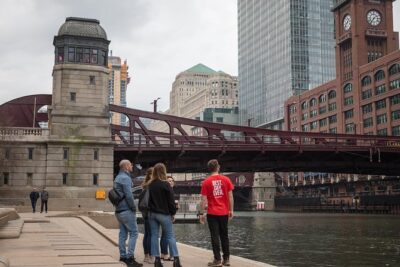
The Wrigley Building is especially useful as a point of reference because it appears both in the downtown route and along the river views. The Riverwalk section lets you see how the city’s towers relate to the water, with Marina Towers and the Wrigley Building among the landmarks along the way.
You should have time for photographs, but this is not a dedicated architecture photography tour. The guide controls the pace, and the goal is to give you a broad understanding of the city rather than linger at every facade. If you want long, uninterrupted architecture commentary, a dedicated river cruise may suit you better. If you want architecture combined with food and history, this walking format is more varied.
Prohibition stories give the route a theme
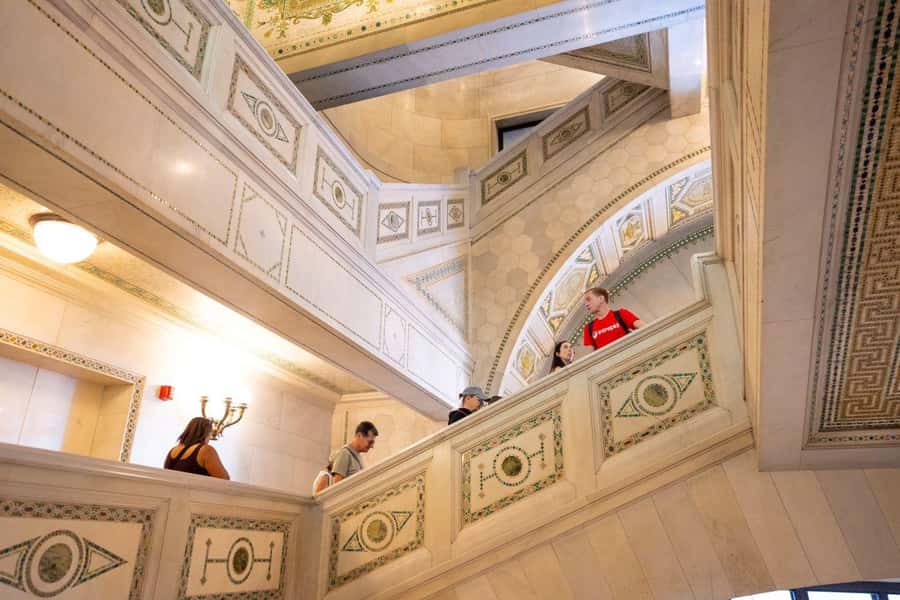
Chicago’s Prohibition legacy is one of the tour’s strongest story lines. The subject fits the city well, but the experience does not appear to be a specialized gangsters-only tour. Instead, Prohibition is part of a wider look at Chicago’s buildings, neighborhoods, public spaces, and food culture.
That balance works for me. You get a sense of the period without spending the whole afternoon on crime stories. The guide can use the city itself as the setting, pointing out landmarks and explaining how Chicago’s past shaped the places you are seeing.
The quality of this section depends heavily on your guide. The reviews supplied for this experience repeatedly praise Chicago Dave’s local knowledge and enthusiasm, along with the storytelling skills of Dash, Rich, Kevin, and Wallach. Guides are not assigned by name in the booking details, so you should treat these names as examples of the people who may lead the tour, not a guarantee that one particular guide will be present.
More Food Tours in Chicago:
- South Beach Food & Fun Art Deco Miami Food Tour
★ 5.0 · 138 reviews - New York City: Flatiron Food, History, and Architecture Tour
★ 4.8 · 43 reviews - Best of Bologna in one day : Food, architecture, art and history
★ 5.0 · 27 reviews - South Beach Food Tour- Culinary & Art Deco & History
★ 5.0 · 22 reviews
Popcorn, hot dogs, pizza, and Italian beef
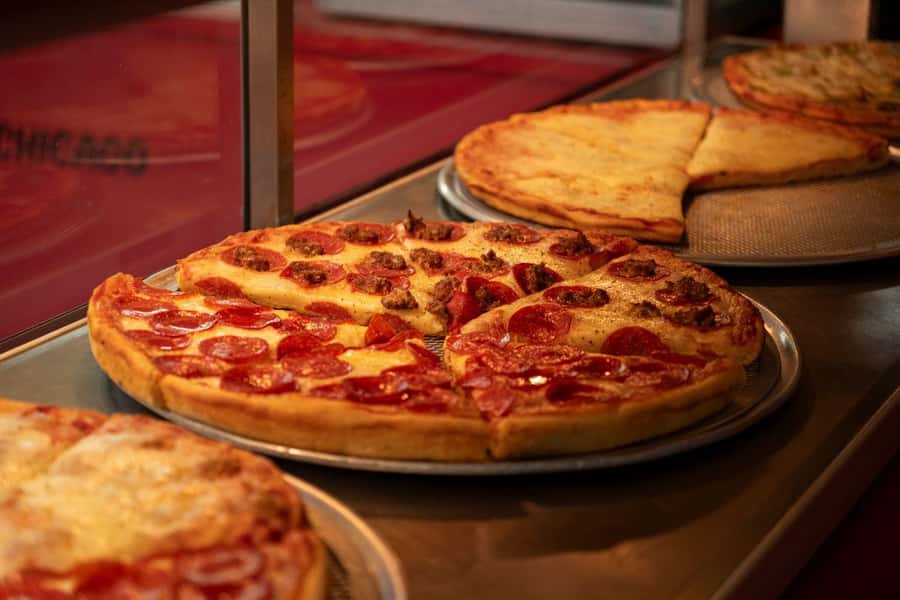
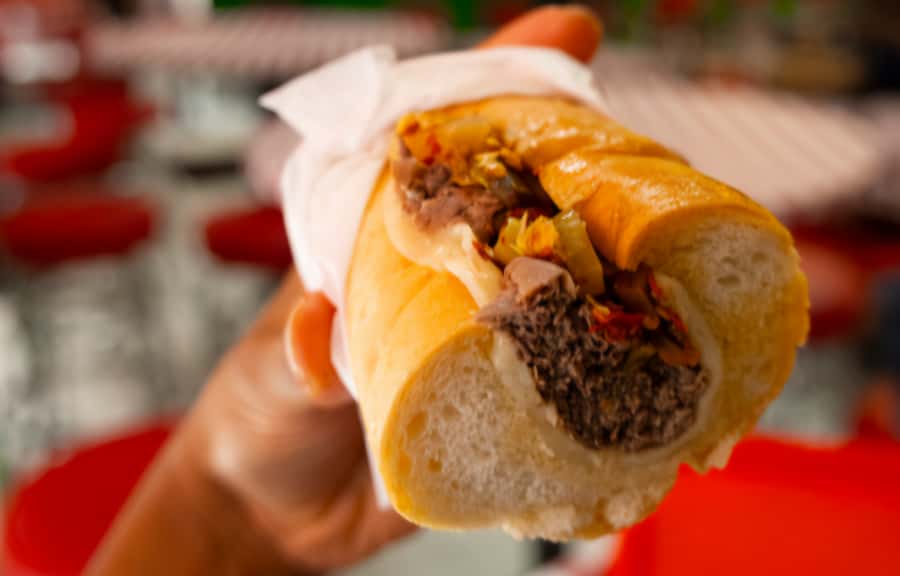
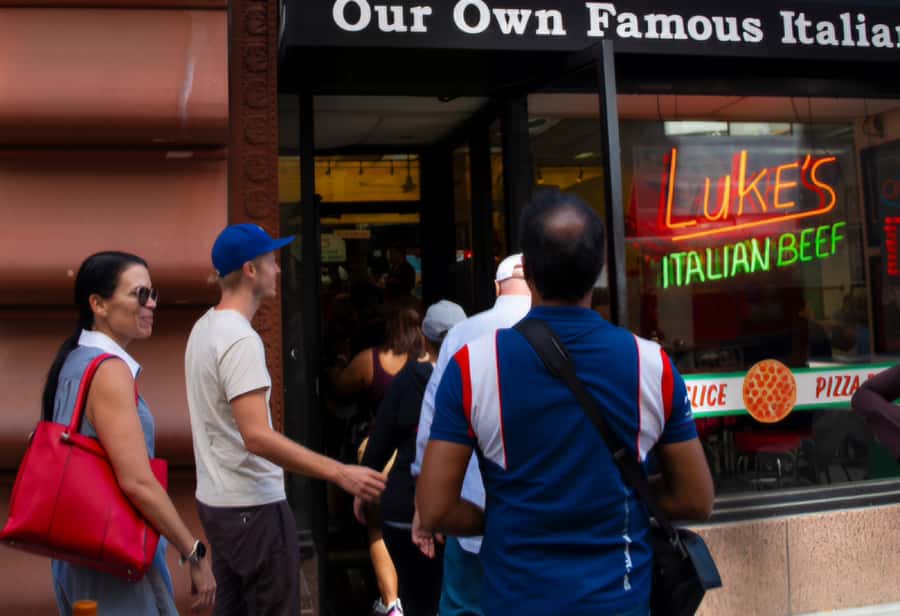
The food stops are meant to add up to a full meal, though the exact portions and places can change by season and by the route that day. You receive three food samples, usually including a Chicago-style hot dog, deep-dish pizza, and an Italian beef sandwich, plus a Chicago-style popcorn tasting.
These dishes make a useful food lesson because they show different sides of Chicago eating. The hot dog is quick and familiar but distinctly local in its Chicago style. Deep-dish pizza is heavier and more filling, while Italian beef gives you a sandwich closely tied to the city’s food identity. The samples are not just snacks to keep you moving. Together, they provide a proper meal’s worth of food.
The order can vary. Some departures may handle food earlier, while others place the main food portion later in the tour. If you book a 1 PM start, consider eating something small beforehand. One person found the food came late for an afternoon departure, though the total included food was still substantial. This is worth planning around, especially with children or anyone who gets hungry quickly.
Do not expect to choose extra dishes at each stop. Additional food and drinks are not included, and the included portions are set by the day’s stops. Vegetarian options can be arranged, but other allergies and dietary preferences cannot be accommodated according to the tour information. Send any vegetarian request ahead of time.
Millennium Park and the Bean
The route finishes at Millennium Park, with the Bean as the familiar final landmark. Ending here makes sense because it gives you a clear central point from which to continue exploring on your own.
By this stage, you will have seen Chicago from several angles: below street level in the Pedway, among downtown buildings, beside the river, and through the lens of local food. The Bean is a simple finish, but it works as a shared reference point and a good place for final photos.
The guide’s closing advice is another useful feature. Guides may suggest where to go next and explain how to reach other places. That matters most if you have only a day or two in Chicago. A short list of next stops can save you from spending the evening reading generic attraction lists.
What the small group changes
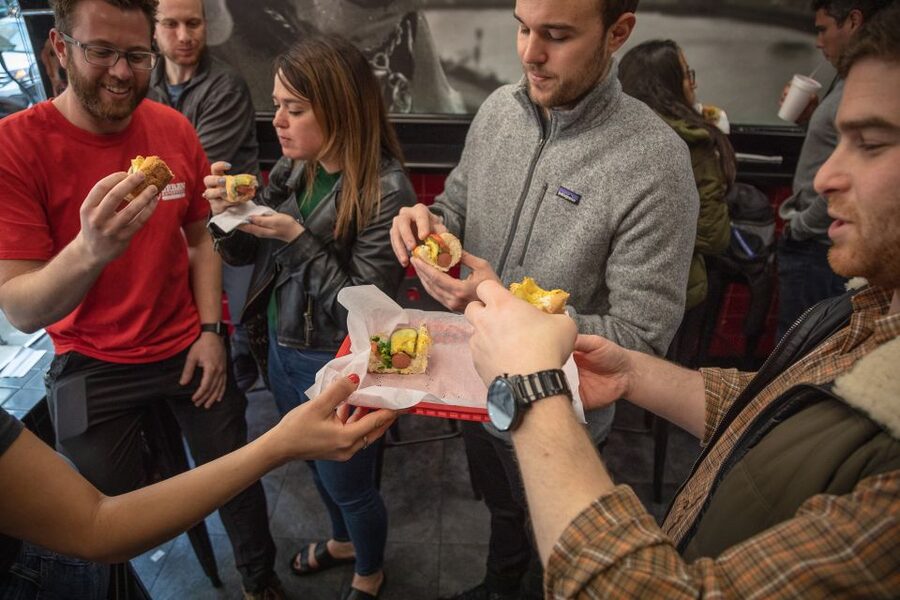
A maximum of 12 people makes a real difference on a walking route. You can usually stay close enough to hear the guide, ask questions, and move into buildings without the slow shuffle of a large group.
The small size also supports a more personal style. Dave has been described as interactive and passionate about his hometown, while guides such as Rich and Kevin were praised for being attentive and willing to add places beyond the basic plan. That does not guarantee the same personality every day, but the format gives a good guide room to respond to the group.
There are limits. A group of 12 is small, but it is not private. If you want the guide to shape the entire route around your family or interests, choose the private-group option if available. The public tour is better value for most people who want a friendly overview without paying for one-on-one service.
Is $99 a fair price?
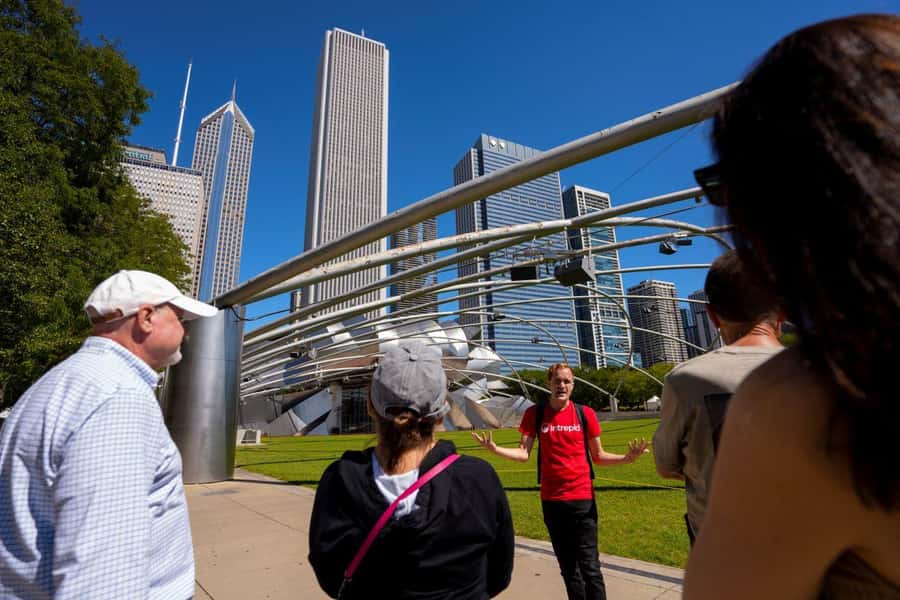
At $99 per person, the tour is not a cheap way to grab lunch. It is priced as a half-day city orientation that includes a guide, three food samples, popcorn, and a planned route through major downtown sights.
The value improves if you are new to Chicago. You get a useful map of the center, an introduction to local dishes, background on Prohibition, and practical suggestions for the rest of your stay. Buying the same food separately would not give you the building access, route planning, or local explanations.
Repeat visitors can also get their money’s worth. One repeat Chicago visitor said the tour taught them plenty despite many previous trips. That is possible because the route includes places you might not enter on your own, including the Pedway, the Cultural Center, and Macy’s.
The price is less attractive if you already know downtown well, have limited walking ability, or want a focused architecture cruise. A river cruise covers more buildings with less physical effort. A food-only tour may offer more tastings. This experience earns its price by combining several subjects in one outing.
Walking, weather, and family planning
The tour is described as suitable for all ages and fitness levels, but the distance is real. Wear comfortable shoes, and do not treat this as a gentle stroll with a few photo stops. You will spend hours on your feet, with indoor and outdoor sections.
The tour runs in rain, snow, and cold weather. Chicago conditions can change quickly, so bring clothing that matches the forecast rather than relying on a last-minute indoor escape. The Riverwalk and outdoor landmarks are central to the experience, and bad weather may affect comfort even when the tour continues as planned.
Children under six can join free of charge. Families should still think about the distance and the food timing. The small group and guide attention help, but this is a long city walk, not a short attraction visit.
Who should book this Chicago tour?
I would choose this tour for a first visit, especially if you want to understand the city before exploring on your own. It is also a strong pick for a short stay because it combines several costly and time-consuming tasks: finding the right buildings, learning the downtown layout, sampling local food, and getting restaurant suggestions.
It suits visitors who like stories as much as photographs. Guides such as Chicago Dave bring a strong local connection, while Dash, Rich, Daniel, and others have been praised for clear explanations, humor, and care with the group’s pace.
I would think twice if you have difficulty walking several miles, need to avoid all but carefully controlled foods, or prefer a single focused subject. The tour cannot accommodate food allergies beyond the stated vegetarian option, and the route continues in poor weather.
Final decision: a strong all-round introduction
Book this tour if you want one well-planned half-day that combines Chicago architecture, Prohibition stories, downtown orientation, and the city’s best-known comfort foods. The small group, indoor stops, El ride, Riverwalk views, and final stop at the Bean give the experience more shape than a simple restaurant crawl.
Skip it in favor of a dedicated architecture cruise if buildings are your only priority, or choose another option if you cannot manage 3 to 4 miles of walking. For most visitors who want a friendly, practical introduction to Chicago, $99 is a fair price for the amount of ground covered and food included.
FAQ
How long does the Chicago Food, History and Architecture Tour last?
The tour lasts 4.5 hours and is usually available in the morning and afternoon.
How much walking is involved?
You should expect to walk between 4.8 and 6.4 kilometers, or about 3 to 4 miles.
What food is included?
The tour includes three food samples, such as a Chicago-style hot dog, deep-dish pizza, and an Italian beef sandwich. It also includes a Chicago-style popcorn tasting.
Are drinks or extra food included?
No. Additional food and drinks are not included in the tour price.
Can vegetarian diets be accommodated?
Yes, vegetarian options can be arranged if you notify the provider in advance. Other food allergies and dietary preferences cannot be accommodated.
How many people are in the group?
The tour has a maximum of 12 participants. A private-group option is also available.
Does the tour operate in bad weather?
Yes. The tour operates in rain, snow, and other weather conditions, so bring comfortable shoes and clothing suited to the forecast.
More History Walks in Chicago
- Historical and Architectural Chicago Fireboat River & Lake Cruise
★ 5.0 · 246 reviews - Chicago River Architecture Tour Aboard a Historic Yacht
★ 5.0 · 45 reviews - Chicago: Historic Architecture Chicago River Small Boat Tour
★ 4.6 · 26 reviews - Charleston’s Best Highlights: History, Culture & Architecture
★ 5.0 · 422 reviews
Newly added in Chicago
- Chicago: Guided Tour with Architecture River Cruise★ 4.5 · 20 reviews
- Chicago: First Lady River Cruise & Architecture Center Combo★ 4.7 · 24 reviews
- Chicago River 90-Min Architecture Boat Tour★ 4.5 · 24 reviews
- Chicago: Historic Architecture Chicago River Small Boat Tour★ 4.6 · 26 reviews
- Chicago: Art Deco Skyscrapers Walking Tour★ 4.8 · 28 reviews
- Chicago River: 90-Min Architecture Boat Tour★ 4.9 · 29 reviews
- Chicago Art Deco Madness Walking Tour★ 5.0 · 31 reviews
- Chicago River Architecture Tour and Big Bus Hop-on Hop-off Tour★ 4.0 · 38 reviews
Historical Tours, compared.
Chicago in a Day: Food, History & Architecture Walking Tour
Read our review →
Charleston’s Best Highlights: History, Culture & Architecture
Read our review →
Palm Springs Modernism Architecture & History Bike Tour
Read our review →
Historic Georgetown: History, Gossip, & Architecture Walking Tour
Read our review →
Charleston History, Homes, and Architecture Guided Walking Tour
Read our review →
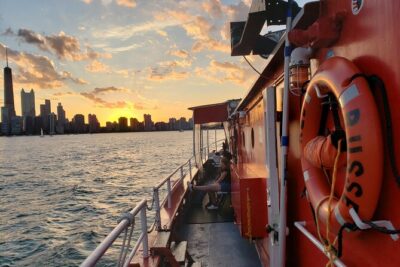
Historical and Architectural Chicago Fireboat River & Lake Cruise
Read our review →Browse the lists this tour appears in