
Review · ART DECO TOURS
Melbourne Art Deco Architecture Tour
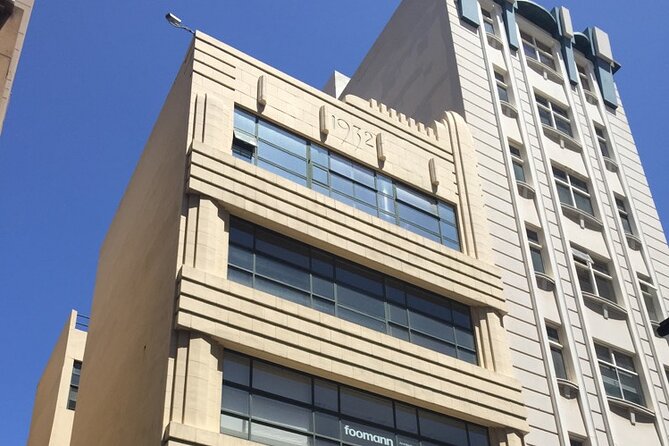
Melbourne’s Art Deco story comes alive when you look above the shopfronts and office signs. This two-hour walk takes you from the Manchester Unity Building to the Majorca Building and other city-centre examples, explaining how the 1934 Centenary of Melbourne helped spark a major building boom. I like the way the tour turns details such as terracotta tiles and geometric patterns into clues you can keep spotting for the rest of your stay.
I also like the small group of no more than 10, which gives you a fair chance to ask questions. The 10am start leaves your afternoon open, and guides such as San, John, and Catherine have been praised for answering questions and adapting the conversation to the group. The main consideration is the walking: you need moderate fitness, and the tour does not include food, drinks, or hotel pickup.
Key points to know before you book
- See Melbourne’s 1934 building boom up close: The city’s centenary helped drive a wave of construction that shaped the central business district.
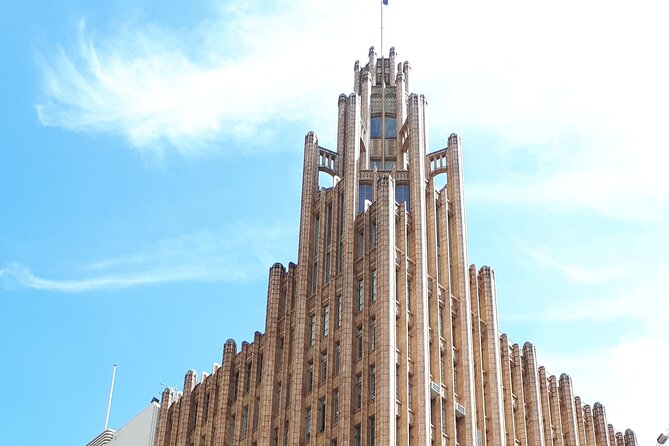
- Start at a genuine Art Deco landmark: The Manchester Unity Building at 220 Collins Street is both the meeting point and an important part of the story.
- Learn a practical way to read buildings: Your guide points out terracotta self-cleaning tiles, patterning, and design details that are easy to miss alone.
- Trace global influences in one city centre: Spanish, Egyptian, Mayan, and other design traditions all found a place in Melbourne’s Art Deco style.
- Keep your afternoon free: The walk begins at 10am and lasts about two hours.
- Ask questions without shouting across a crowd: The group is capped at 10 people, though minimum numbers apply.
Why Melbourne’s Art Deco deserves a closer look
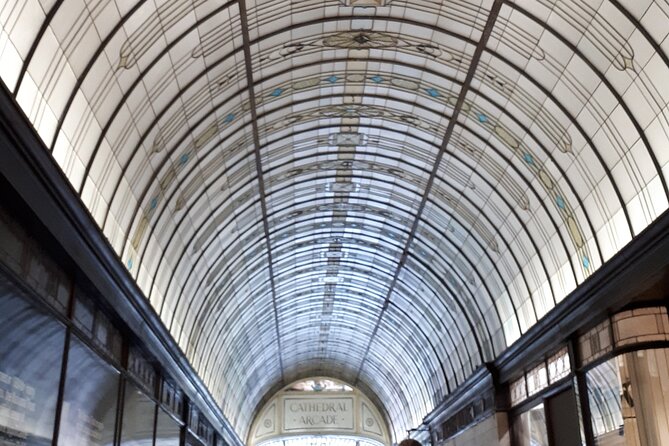
Melbourne is often introduced through its lanes, cafés, galleries, and Victorian architecture. Those are good reasons to explore the city, but the central business district has another story written in polished stone, patterned façades, decorative tiles, and strong geometric lines.
Art Deco belongs to the period between the two world wars, though Melbourne’s examples are tied especially closely to the city’s 1934 centenary. That anniversary helped create the energy and confidence for a building boom. New offices and commercial buildings changed the city centre, giving Melbourne a collection of designs shaped by modern ideas and references from around the world.
This tour helps you read that period rather than simply photograph it. You learn why a façade looks the way it does, what materials to notice, and how international design influences were adapted for Melbourne. Once you understand the clues, a walk through Collins Street and the surrounding central streets becomes a kind of architectural scavenger hunt.
I find that useful even if you are not an Art Deco specialist. You do not need to arrive with a background in architecture. The guide’s job is to point out the details that most people pass without seeing, then connect them to the city’s past.
More Art Deco Tours in the world:
- Art Deco and Architecture Midtown Landmarks Tour
★ 5.0 · 142 reviews - Chicago Architecture Walking Tour: Incredible Art Deco Interiors
★ 5.0 · 85 reviews - Tulsa Art Deco and Architecture with Expert Guide Walking Tour
★ 5.0 · 77 reviews
Meeting at the Manchester Unity Building
The tour begins at 10am outside the Manchester Unity Building, at 220 Collins Street. This is a practical starting point because you begin with a major example rather than spending the first part of the morning walking toward the subject.
The building also gives the guide a strong opening lesson. You can start looking for the features that define the period, including decorative patterning, stylized forms, and the use of terracotta tiles. The guide explains how some of these tiles were designed to be self-cleaning, a small but memorable detail that shows how Art Deco was not only about decoration. Materials and modern ideas mattered too.
The meeting point is in Melbourne’s central business district and is near public transportation. Hotel pickup is not provided, so you need to make your own way there. A mobile ticket is accepted, which keeps the arrival process simple, but you should still allow enough time to locate the Manchester Unity Building before the 10am start.
The Manchester Unity and Majorca buildings
The Manchester Unity Building and Majorca Building are the clearest named highlights of the walk. They give you two substantial chances to study Melbourne’s Art Deco vocabulary, with your guide explaining what to notice rather than leaving you to guess at the meaning of each ornament.
The Manchester Unity Building serves as both the starting point and an anchor for the tour. It helps place the city’s 1930s construction in context. You can expect attention to the building’s decorative details and the way its design reflects the period’s taste for strong forms and carefully planned surfaces.
The Majorca Building adds another important example to the route. The value here is not just seeing one more attractive façade. By comparing buildings, you begin to notice that Art Deco is not one rigid look. Different designers used different combinations of pattern, materials, color, and cultural references.
The available information does not promise entry to every building, and access may depend on the day. Still, going inside some buildings can be part of the experience when access is possible. That matters because interiors can reveal details that are hidden from the street, though you should not book on the assumption that every interior will be open.
Learning to spot terracotta, pattern, and shape
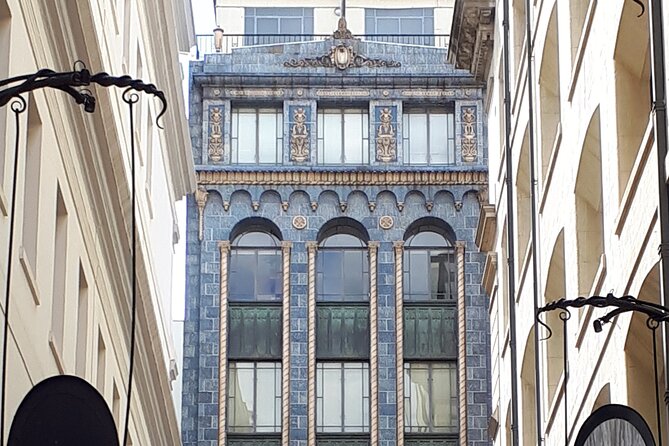
The best part of an architecture walk is usually the skill you take away. Instead of being told that a building is Art Deco, you learn how to recognize the style yourself.
Your guide points out terracotta tiles, including tiles designed to clean themselves. You also look for distinctive patterning and other design details linked to the period. These may be high above street level, so remember to look up often. One visitor described the tour as a useful reminder to see the city from a fresh angle, and that is good advice for the rest of your Melbourne visit.
The guide also explains how Spanish, Egyptian, Mayan, and other cultural influences shaped the city’s architecture. This gives the walk more depth than a simple parade of pretty façades. You begin to see how designers borrowed or reworked ideas from different parts of the world, then fitted them into Melbourne’s commercial centre.
That global mix is one reason the tour suits both Art Deco enthusiasts and people who simply enjoy cities. You can focus on the fine points of design, or you can use the buildings as a way to understand Melbourne’s changing ambitions during the 1930s.
A few more architecture walks in the world worth a look
- Chicago Architecture River Cruise
★ 5.0 · 15,756 reviews - Chicago River 90-Minute Architecture Tour
★ 4.5 · 9,629 reviews - Chicago River: 1.5-Hour Guided Architecture Cruise
★ 4.8 · 8,046 reviews - Chicago Architecture Center River Cruise aboard First Lady
★ 5.0 · 5,536 reviews
A small group changes the feel of the walk
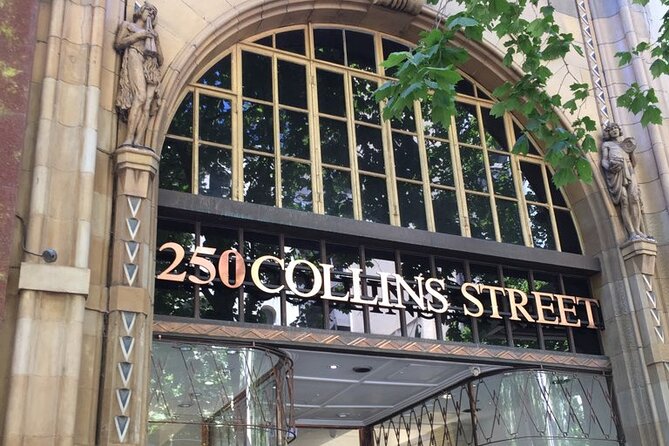
The maximum group size is 10. That is small enough for a more conversational tour, and it gives you a better chance to hear the guide on a busy city street. You can ask about a detail on a building, request clarification, or steer the discussion toward the parts of architecture that interest you most.
San has been praised for enthusiasm and for bringing the buildings’ stories to life. John has been described as careful and well informed, leading a slower walk through the central city. Catherine has also received praise for explaining how many Melbourne buildings use Art Deco features. These different guide styles mean the exact tone may vary, but the common thread is personal attention.
A small group does not guarantee a private tour. Minimum numbers apply, and the activity may be canceled if too few people book. If that happens, you are offered an alternative or a full refund. It is a minor practical risk, but it is worth knowing before you build a tightly timed day around the walk.
What the two-hour pace feels like

The tour lasts about two hours and involves walking through the city centre. It is a useful middle ground: long enough to explore a serious subject, but short enough to fit around other plans.
You should wear comfortable shoes and be ready to spend the morning on foot. The stated fitness requirement is moderate. No special athletic ability is suggested, but this is not a seated lecture or a coach tour. You will be moving between buildings and pausing to examine façades and details.
The morning timing is particularly helpful. Once the tour ends, you still have most of the day for museums, shopping, the MCG, galleries, or a separate city walk. One guide even helped a participant find the tram needed for the next activity, which shows the practical value of asking for local advice at the end.
The route finishes back at the meeting point. That makes it easier to plan your next move, since you are not left on the other side of the city trying to work out where the tour ended.
The guides add more than dates and styles

The guide makes a major difference on a tour like this. Buildings do not always explain themselves, and a dry list of construction dates would not be enough to make a two-hour walk memorable.
San has been singled out for enthusiasm and an infectious interest in Melbourne. John has been praised for taking time to describe the architectural details carefully. Catherine has been valued for showing how widespread the Art Deco style is across the city. The guides have also adapted the conversation to the interests and questions of the group.
That flexibility is important. If you already know a little about Art Deco, you can ask about materials, cultural references, or particular design elements. If you are new to the style, you can ask basic questions without feeling out of place.
The tour is also suitable for people who live in Melbourne. A local participant used it as a way to play tourist in the city and noticed details that had previously gone unseen. That is a good sign for the quality of the route: it is not only aimed at first-time visitors.
Price and what you get for $64.55
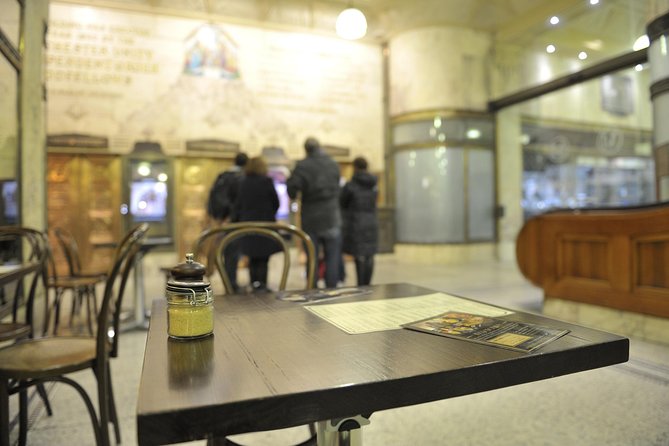
At $64.55 per person, this is not a free city walk, so value depends on how much you want interpretation rather than just access to the buildings. The fee includes a local guide, and the small group gives you a more personal setting than a large sightseeing group.
I think the price makes the most sense if you care about architecture, design, or Melbourne’s development. You are paying for the guide’s preparation and ability to connect scattered details into one story. Without that context, you can still see the façades, but you may miss why the terracotta, patterning, and international references matter.
The value is less clear if you prefer to move quickly, dislike stopping to study buildings, or want a general introduction to all of Melbourne. This is a focused tour. It does not cover food, drinks, hotel pickup, or a broad list of unrelated attractions.
The average booking lead time is 33 days, which suggests that planning ahead is sensible. You do not need to book that far in advance every time, but an Art Deco enthusiast visiting during a busy period should avoid leaving it until the last morning.
Who will get the most from this tour
I would recommend this walk to:
- Art Deco fans who want to see important examples in person
- Design students and architecture enthusiasts
- First-time visitors who want a different view of Melbourne’s centre
- Local residents looking at familiar streets with new eyes
- Active visitors who prefer a guided walk to a bus tour
- Anyone with a free morning and interest in city history
It is less suitable if you have limited mobility, need frequent seated breaks, or want hotel-to-hotel transportation. The experience requires moderate fitness and does not include pickup.
The minimum age is 13, so it is aimed more at teenagers and adults than young children. A teenager interested in buildings could enjoy it, but children who need constant movement or entertainment may find the close study of façades slow.
Practical details that matter
Bring your mobile ticket and arrive at the Manchester Unity Building before the 10am start. The central location is near public transportation, but no hotel pickup is included.
Wear shoes suitable for two hours of city walking. You may spend time looking up, so keep your hands free when possible and pay attention to the pavement while moving between stops.
Food and drinks are not included. Since the tour ends back at the starting point, you can easily arrange breakfast before the walk or find lunch afterward.
Free cancellation is available if you cancel at least 24 hours before the local start time. Cancellations or changes made less than 24 hours ahead are not refunded or accepted. The operator can also cancel if minimum numbers are not reached, in which case you receive an alternative or a full refund.
Should you book the Melbourne Art Deco Architecture Tour?
Book it if you want to understand why Melbourne’s central buildings look the way they do, not just take a few photographs. The Manchester Unity Building, Majorca Building, 1934 centenary, terracotta tiles, and international design influences give the walk a clear focus, while the small group keeps it personal.
I would be especially keen to book this early in a Melbourne visit. The skills you learn, such as spotting patterning and looking above street level, can improve every later walk through the city. Just plan for two hours on foot, make your own way to Collins Street, and choose another activity if architecture is not a strong interest.
FAQ
Where does the Melbourne Art Deco Architecture Tour start?
It starts at the Manchester Unity Building, 220 Collins Street, Melbourne VIC 3000, Australia.
What time does the tour begin?
The tour starts at 10:00am.
How long does the tour last?
It lasts approximately two hours.
What buildings will I see?
The tour includes the Manchester Unity Building and the Majorca Building, along with other Art Deco examples in Melbourne’s city centre.
How large is the group?
The activity has a maximum of 10 participants. Minimum numbers also apply.
Is hotel pickup included?
No. Hotel pickup is not included, and food and drinks are also not provided.
Newly added in the world
- Barcelona: Guided tour e-bike Barcelona historical and modernist Barcelona★ 4.5 · 5 reviews
- Barcelona Architecture Walking Tour With Casa Batlló Upgrade★ 4.8 · 11 reviews
- Astana: Old City Tour, Imperialistic and Soviet Architecture★ 5.0 · 4 reviews
- Barcelona Beyond Gaudí: Modernism, Rooftops, and Hidden Gems★ 5.0 · 2 reviews
- An Architect’s Tour of Downtown Santiago★ 5.0 · 7 reviews
- Architecture Tour: Old Historic Madrid with an architect★ 4.3 · 3 reviews
- London: Architecture Tour of Benjamin Franklin House★ 5.0 · 5 reviews
- Architectural Wonders of KAFD, An Iconic Destination★ 5.0 · 3 reviews
Art Deco Tours, compared.
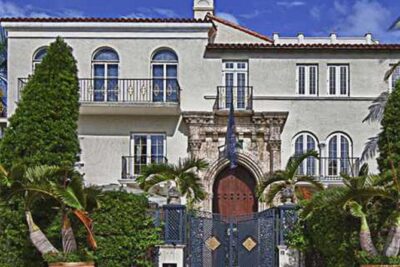
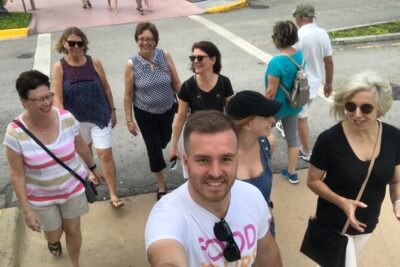
The Official Art Deco Walking Tour by The Miami Design Preservation League
Read our review →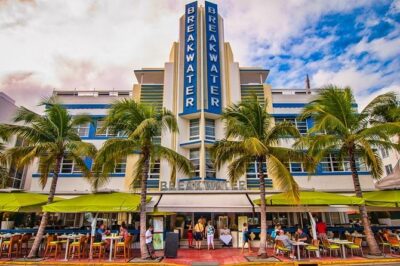
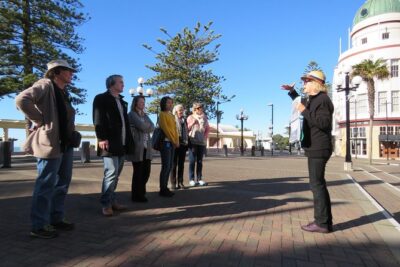
Guided 10am Morning Art Deco Walk From Napier Art Deco Trust
Read our review →
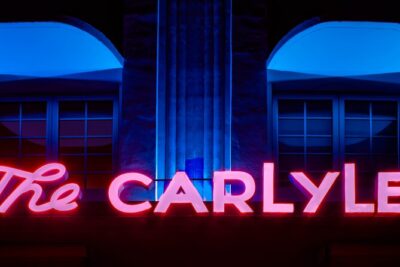
Award-winning Art Deco & Neon Lights Walking Tour in Miami Beach
Read our review →
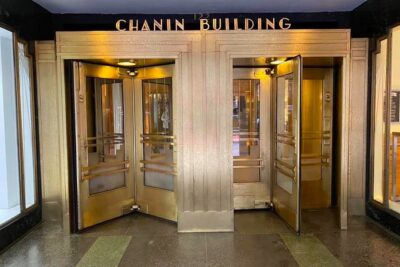
Art Deco and Architecture Midtown Landmarks Tour
Read our review →Browse the lists this tour appears in