
Review · FRANCE ARCHITECTURE TOURS
Architectural Strasbourg: Private Tour with a Local Expert
Strasbourg’s story is written in stone, timber, canals, and border changes. This private walk links the Gothic cathedral, the medieval lanes of Petite France, the views from Barrage Vauban, and the grand buildings around Place de la République in one compact outing. I like the private format, which gives you room to ask questions, and the local guide’s flexible pace, especially for a first look at the city.
I also like that the route crosses several very different parts of Strasbourg instead of staying near one monument. The main drawback is price: at $565.35 for up to two people, this is a costly short tour, and entry fees, food, public transport, and personal expenses are not included.
Key points to know
- A private walk for up to two people: You get an exclusive guide rather than joining a large group.
- Four major Strasbourg settings: The route covers the cathedral, Petite France, Barrage Vauban, and Place de la République.
- A flexible local perspective: Your guide can adapt the route to your interests and walking pace.
- A compact introduction: The core walk lasts about 90 minutes, with the full experience listed at roughly two hours.
- Two guide names connected with the experience: Atreyu and Rebecca have led walks featuring the old district, Petite France, and the cathedral.
- A premium price: The cost makes the most sense for a couple or pair seeking privacy and personal attention.
A fast way to read Strasbourg’s changing character
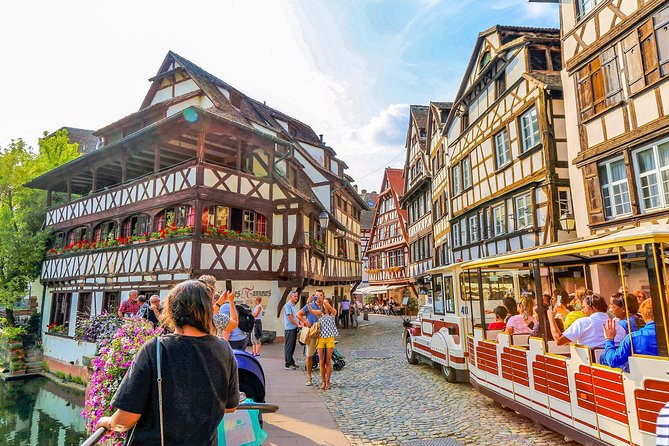
Strasbourg is not one neat architectural period. It is a French city with strong German influences, a place shaped by shifting borders and centuries of political change. In a short walk, you move from medieval streets and timber-framed houses to Gothic stonework, 19th-century imperial buildings, and restored canal districts.
That range is the main reason to book this experience. You are not simply ticking off monuments. You are comparing how the city built, rebuilt, and presented itself over time.
The tour begins at Saint Aurelia’s Church on Rue Martin Bucer and ends at Place de la République. That direction matters. You begin away from the most famous cathedral square, then work toward the historic center and finish in a broad civic district. The route gives you a useful sense of how Strasbourg expands from older quarters into more formal public spaces.
The timing is short enough to fit beside other plans. The experience is advertised at about two hours, while the main guided walk is described as 90 minutes. I would allow the full two hours, since pauses for photographs, questions, and changes in pace can add time.
More Private Tours in the world:
- Best of Chicago: Architecture & Highlights City Private Tour
★ 5.0 · 94 reviews - Private Harajuku Omotesando Architecture Walking Tour
★ 5.0 · 67 reviews - Private Santa Barbara History and Architecture Walking Tour
★ 5.0 · 56 reviews
Strasbourg Cathedral, where the city’s story comes into focus
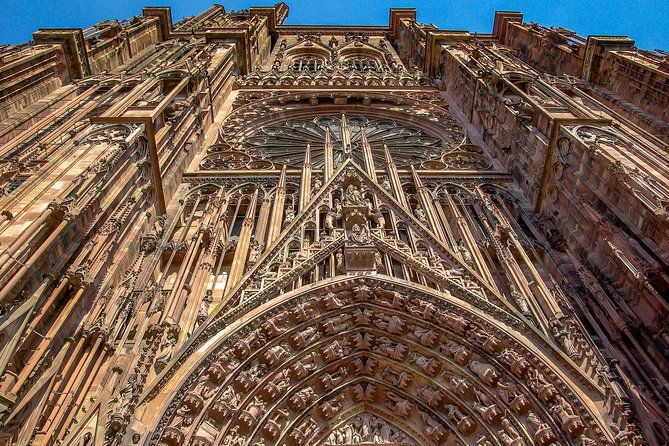
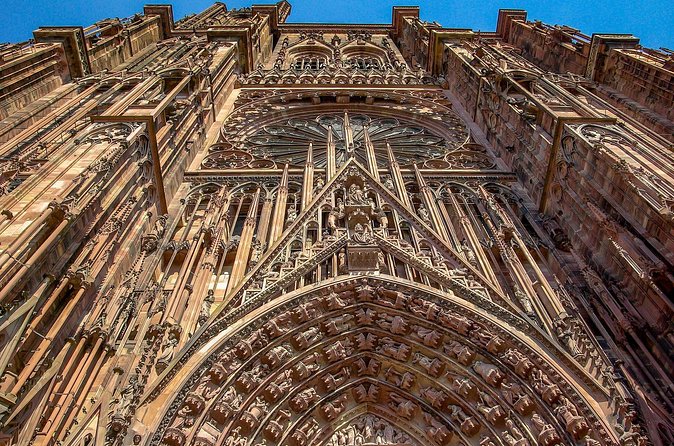
The cathedral is the natural centerpiece of this walk. Its Gothic design is easy to recognize, but a good guide can help you read the details rather than merely admire the height and color of the stone.
The Astronomical Clock is one of the key features highlighted on the route. It gives the cathedral visit a mechanical and scientific angle, not just a religious or architectural one. Your guide can place the clock within the broader story of the building and the city, helping you see why this stop matters beyond its fame.
This part of the walk is likely to be the most crowded and visually demanding. You may want time to look up, step back, and take in the facade rather than hurry through a list of dates. A private guide helps here because you can stop on details that catch your eye and move on from points that matter less to you.
Do not assume that admission to the cathedral or clock is included. Monument tickets are separate from the tour price, and the included services are the local guide, private format, and tailored route. If entering matters to you, ask about access when planning your day and keep your schedule flexible.
The cathedral also sits close to Haus Kammerzell, another important architectural stop. That makes this part of the route efficient: two very different buildings can be understood together, one monumental and Gothic, the other domestic and richly decorated.
Haus Kammerzell and the pleasures of looking closely
Haus Kammerzell is known for its intricate carved facade and its location beside the cathedral. It is a useful reminder that Strasbourg’s architecture is not only about churches and public institutions. Private houses can tell just as much about wealth, craft, trade, and daily life.
The route includes the building as a place connected with traditional Alsatian food. The restaurant serves regional dishes, but dining is not included in the tour price. Treat it as an optional meal stop or a visual highlight, and budget separately if you choose to eat there.
I like this kind of stop because it gives the walk a human scale. A large cathedral can dominate your attention, while a decorated house lets you focus on windows, carvings, structure, and the way a building meets the street. If you are interested in architecture, ask your guide to compare the facade with the timber-framed buildings in Petite France.
Since the tour is private, you have a better chance of steering the conversation toward food, construction, local customs, or street design. That personal exchange is one of the strongest arguments for the price.
Petite France, canals and timber-framed streets
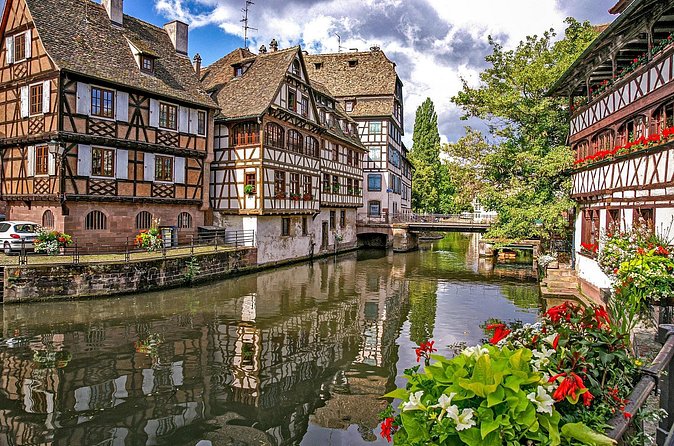
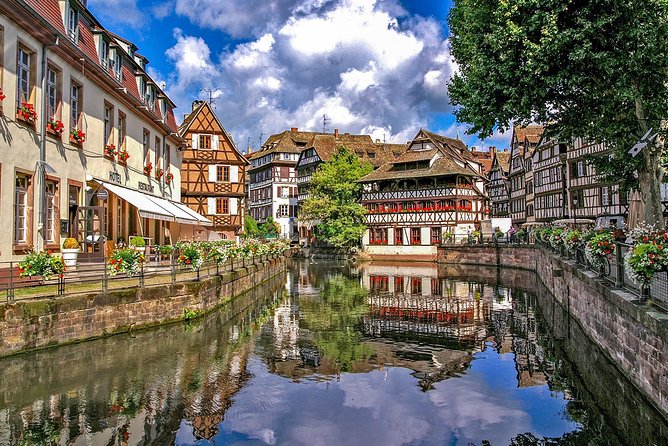
Petite France is the most picturesque section of the route. Its waterways and timber-framed houses create the Strasbourg image that appears on many postcards, but the area is more useful than a photo stop. It shows how the city’s canals and buildings worked together in an older neighborhood.
The narrow streets and traditional Alsatian eateries give this section a different feel from the cathedral square. Here, you can look at the relationship between water, bridges, house fronts, and lanes. The stop is especially helpful if you want to understand why Strasbourg feels both French and Central European in its architecture.
Your guide can adjust the pace here. You may want to linger for photographs, ask about the old district, or simply enjoy the change in scale. One private walk led by Rebecca included Petite France, the old district, and the cathedral, with time for questions throughout. That combination is a good model for what this tour does best: it creates a conversation around the city rather than delivering a fixed speech.
Petite France can also be the busiest and most crowded portion of the walk. The route is not a quiet architectural survey at every moment. If you prefer details over photographs, tell your guide early. If you want a relaxed stroll, the private format lets you spend more time in this quarter.
Food is part of the atmosphere here, but your meal is not covered. Traditional Alsatian restaurants and personal spending remain your responsibility.
A few more architecture walks in the world worth a look
- Chicago Architecture River Cruise
★ 5.0 · 15,756 reviews - Chicago River 90-Minute Architecture Tour
★ 4.5 · 9,629 reviews - Chicago River: 1.5-Hour Guided Architecture Cruise
★ 4.8 · 8,046 reviews - Chicago Architecture Center River Cruise aboard First Lady
★ 5.0 · 5,536 reviews
Barrage Vauban and Strasbourg from above
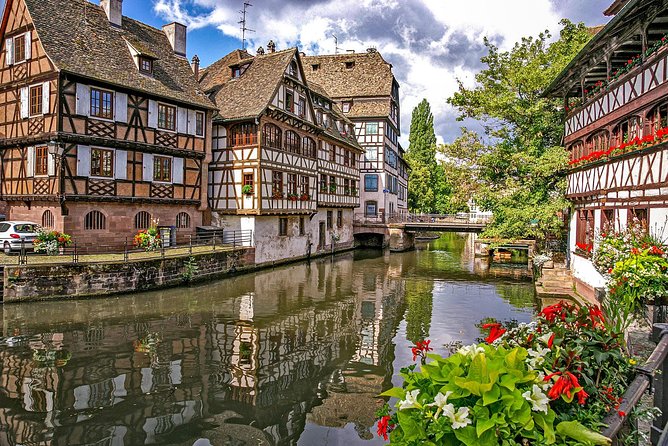
Barrage Vauban gives the walk a welcome change in viewpoint. This historic dam offers panoramic views toward Petite France and its timber-framed houses, allowing you to see the district as a connected urban area rather than a set of pretty lanes.
This is one of the most useful stops for understanding Strasbourg’s waterways and defenses. From above, the canals and roofs make more sense. You can compare the tight old quarter with the larger lines of the city beyond it.
The view is also a good reason to bring a phone or camera with enough battery. The tour includes a mobile ticket, but that refers to the booking format, not a promise of included transport or monument admission. Public transportation tickets are separate, and the itinerary is primarily a walking experience.
Weather can affect the route. The itinerary may change depending on conditions, and an exposed viewpoint is naturally more comfortable on a dry, calm day. Wear shoes suitable for city walking, and do not plan the tour as if every stop will take place indoors.
For many people, Barrage Vauban will be the point that ties the day together. The cathedral shows the city’s vertical ambition. Petite France shows its older domestic side. The dam shows how water and defense shaped the city’s form.
Place de la République and the city’s later face
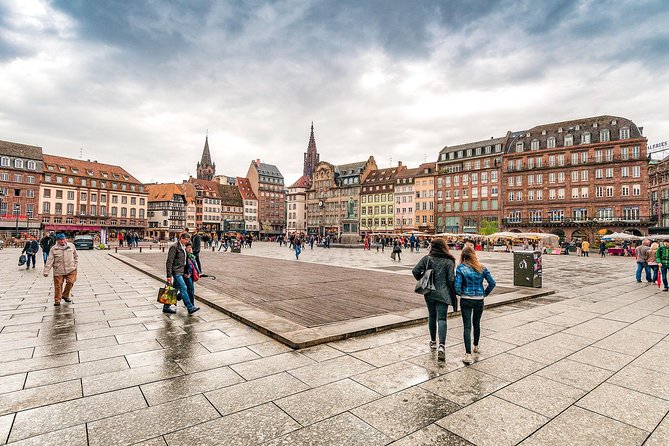
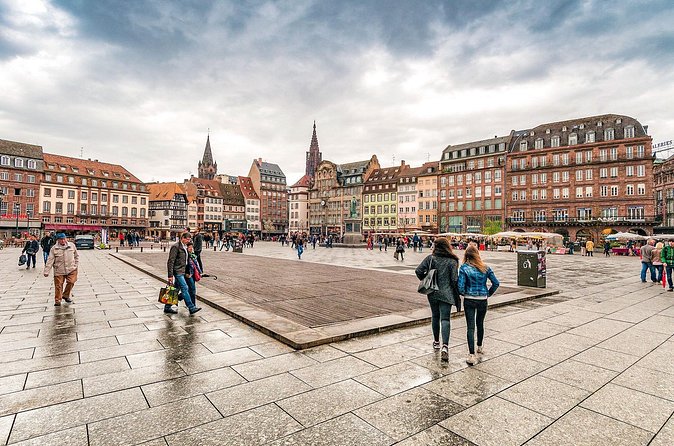
The walk ends at Place de la République, a large public square surrounded by neoclassical buildings. This is a sharp visual shift from the medieval lanes and timber houses.
The Palais du Rhin is among the important buildings here. The square helps you see Strasbourg as a civic and administrative center, not only as a picturesque old town. Its scale, formal buildings, and planned setting offer a useful contrast with the irregular streets near the cathedral.
Ending here also leaves you well placed for the rest of your day. The formal square becomes a natural point for continuing your own exploration, though the experience does not include a return transfer. The stated ending is Place de la République, with the city available for your next stop.
I appreciate this final contrast because it prevents the tour from presenting Strasbourg as frozen in the Middle Ages. The city’s appeal comes from the way different periods sit beside one another. A short walk cannot explain everything, but it can give you a clear framework for exploring on your own.
What the private format really adds
The tour is for your group alone, up to two people. That is a major difference from a standard city walk. You can ask why a building looks the way it does, stop for a photograph, or change the emphasis toward architecture, political history, food, or daily life.
The itinerary is tailored to your interests and walking pace. That does not mean every possible sight is covered. It means the guide can respond to what you care about within the available time. If you want a brisk overview, say so. If you would rather spend longer at the cathedral or Petite France, mention that at the start.
The local guide is central to the experience. Atreyu has been described as friendly, adaptable, and able to explain Strasbourg’s difficult past. Rebecca has led a walk that covered Kleber Square, Petite France, the old district, and the cathedral, with plenty of chances for questions. Guide assignments can change, so do not book expecting one specific person unless the provider confirms it.
This personal contact is where the tour earns part of its premium. A private guide can make a short visit feel focused rather than rushed. Still, the price is high for a walk of about 90 minutes to two hours, so the value depends on how much you want personal attention.
Price, timing, and practical value
The listed price is $565.35 per group of up to two people, not per person. For a couple, that works out to about $282.68 each. It is a significant cost for a compact city introduction, especially since tickets, meals, public transportation, and personal expenses are extra.
The price makes more sense in a few situations. You may value a private guide because you dislike large groups, have limited time, or want to shape the conversation around architecture. You may also prefer to pay for a focused introduction at the start of a longer Strasbourg stay, then explore alone with a better understanding of the city.
It makes less sense if you mainly want a basic orientation or plan to spend several days reading and walking independently. Strasbourg’s main historic areas are compact enough to explore on your own, and this tour does not include admission to museums or monuments.
Booking demand is also worth noting. The experience is booked an average of 88 days in advance, so late planners may find fewer available times. The confirmation arrives at booking, and free cancellation applies if you cancel at least 24 hours before the start time. Within 24 hours, you cannot receive a refund or make changes.
The meeting point is Saint Aurelia’s Church on Rue Martin Bucer. The endpoint is Place de la République. Public transport is nearby, but its cost is not included. Service animals are allowed, and most people can participate, though the route and stops can change with weather or mobility needs.
Who should book this Strasbourg walk?
I would recommend it most strongly to a couple who wants a private introduction and is willing to pay for a guide’s time. It also suits first-time visitors with only a short window in Strasbourg, especially those who want the cathedral, Petite France, and the city’s major architectural contrasts in one sitting.
Architecture fans will get the most from the route if they ask questions and use the guide to compare styles. History-minded visitors should also enjoy the movement from medieval Strasbourg to the later formal buildings around Place de la République.
Families or groups larger than two should check the booking details carefully, since the stated price covers up to two people. The walk may suit people with impaired mobility, but the provider says the route can adapt rather than promising a fully step-free experience. Ask about your specific needs before booking.
I would skip it if you are looking for a long museum visit, a meal, included monument admission, or a low-cost group excursion. This is a guided walking introduction, not an all-inclusive sightseeing package.
Should you book it?
Book this tour if privacy, flexibility, and a local conversation matter more to you than low cost. The route gives you a smart first look at Strasbourg, from the cathedral and Astronomical Clock to Petite France, Barrage Vauban, Haus Kammerzell, and Place de la République.
Before paying, confirm the meeting time, ask which guide is assigned, and decide how you want to use the short visit. If you arrive with a few questions and accept that tickets and food cost extra, the private format can make this a useful and personal start to your Strasbourg stay. If price is your main concern, explore the old center independently and spend the money on a longer meal or museum visit instead.
FAQ
How long does the tour last?
The experience lasts approximately two hours, while the main guided walk is described as 90 minutes. Allow the full two hours for pauses, questions, and changes in pace.
How many people can join the private tour?
The listed price covers one private group of up to two people. Only your group participates in the activity.
What sights are included?
The route includes Strasbourg Cathedral and its Astronomical Clock, Barrage Vauban, Place de la République, Petite France, and Haus Kammerzell.
Where does the tour begin?
The meeting point is Saint Aurelia’s Church on Rue Martin Bucer in Strasbourg.
Where does the tour end?
The experience ends at Place de la République in Strasbourg.
Are admission tickets included?
No. Entry tickets for public transportation, museums, and monuments are not included. Personal expenses are also separate.
Is the itinerary fixed?
No. The guide can tailor the itinerary to your interests and walking pace. Stops may also change because of weather conditions.
Can I cancel for a refund?
Yes, if you cancel at least 24 hours before the experience begins. Cancellations or changes made within 24 hours are not accepted for a refund.
Newly added in the world
- Washington, DC: Georgetown Architecture Walking Tour★ 5.0 · 8 reviews
- Washington DC: Dupont Circle & Embassy Row Architecture Tour★ 5.0 · 6 reviews
- New Orleans : Garden District Architecture Walking tour★ 4.8 · 5 reviews
- Wilmington History and Architecture Tour★ 4.8 · 18 reviews
- Unveiling Brno: History, Culture & Architectural Delights★ 5.0 · 2 reviews
- Vicenza: Palladian Architecture Private Walking Tour★ 3.3 · 3 reviews
- Walk & Discover KL’s Architectural and Heritage Gems★ 5.0 · 7 reviews
- Private Colonial Williamsburg Architectural Tour★ 5.0 · 5 reviews
France Architecture Tours, compared.
Bastille’s Architecture & Artisans Self-Guided Walking Tour
Read our review →
Private Art Nouveau and Art Deco tour near Opera
Read our review →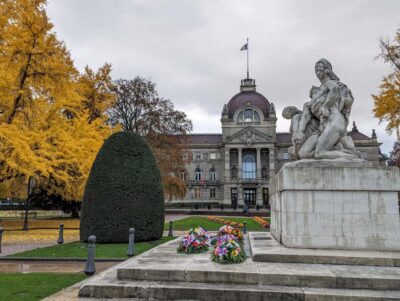
Neoclassical Paris Architecture 2-Hour Private Walking Tour
Read our review →
Discover the hidden architecture gems of Le Marais
Read our review →
Marseille Belvedere: The city through architecture
Read our review →Browse the lists this tour appears in