Review · ART DECO TOURS
Chicago: Art Deco Skyscrapers Walking Tour
Chicago’s best Art Deco is not only high above the street. Some of the finest work is at eye level, tucked inside five grand skyscraper lobbies near the Chicago River. This 90-minute walk explains the zigzags, octagons, sunbursts, flowers, and lavish materials that made the style a perfect match for the optimistic Roaring ’20s.
I like the tour’s small limit of 10 people, which makes it easier to hear the docent and ask questions. I also like the focus on interiors, since many Chicago architecture walks spend more time looking up at facades than stepping inside. The main drawback is that the tour runs rain or shine, and you cannot bring luggage or a large bag.
Key points at a glance

- Five Art Deco interiors: Enter the lobbies of five notable skyscrapers, including the Carbide and Carbon Building and the Chicago Motor Club Building.
- A trained local docent: Your English-speaking guide is a Chicago Architecture Center certified volunteer with hundreds of hours of training in architecture and city history.
- A compact 90-minute route: The walk begins at 30 N LaSalle Street and finishes at the Merchandise Mart.
- Small group size: The tour is limited to 10 participants, a useful advantage in busy lobbies.
- Architecture with a social purpose: Ticket income supports Chicago Architecture Center education and community programs.
- Exhibit admission included: Your ticket also provides admission to the Chicago Architecture Center exhibits.
Why Chicago is such a good place for Art Deco
Art Deco arrived in Chicago during the 1920s, after the style appeared at an international art exposition in Paris. It found an eager audience in a city already known for tall commercial buildings, bold engineering, and a taste for new ideas.
The style also appeared prominently at Chicago’s 1933 to 1934 Century of Progress Exposition. That fair helped present Art Deco as modern, cheerful, and forward-looking rather than merely decorative.
Your docent will help you read the style instead of simply labeling buildings as pretty. Cubism and ancient Middle Eastern art influenced the sharp geometry, repeated patterns, and stylized forms. Look for zigzags, octagons, sunbursts, and floral shapes. These motifs can appear in stone, metal, glass, plaster, and lighting details.
That matters because Art Deco is easy to reduce to a few glamorous surfaces. The better lesson is how the style joins structure and decoration. A skyscraper can look powerful from outside, then become surprisingly intimate once you enter a lobby filled with polished materials and carefully ordered patterns.
More Art Deco Tours in Chicago
- Chicago Walking Tour: Art Deco Skyscrapers Loop
★ 5.0 · 138 reviews - Chicago Architecture Walking Tour: Incredible Art Deco Interiors
★ 5.0 · 85 reviews - Chicago Walking Tour: Art Deco Skyscrapers Riverfront
★ 5.0 · 53 reviews
Starting at 30 N LaSalle Street
Arrive 10 minutes early at 30 N LaSalle Street with your confirmation ready. The docent checks your name against the attendance list, so this is not a tour where you should casually wander in at the last second.
The meeting point is practical for a downtown walking route, though the tour does not provide hotel pickup. You need to reach the starting point on your own, and you should plan around downtown traffic, weather, and any delay getting there.
The group limit of 10 is one of the tour’s strongest practical features. Architecture tours can lose some of their pleasure when a crowd blocks a doorway or gathers too far from the guide. Here, you have a better chance of hearing the explanation and seeing smaller decorative details.
The tour is given in English. No individual docent name is provided in the available information, but the Chicago Architecture Center trains its volunteer docents for hundreds of hours. That training is important here because the route depends on stories, comparisons, and visual clues rather than a simple list of construction dates.
The Carbide and Carbon Building, now the St. Jane Hotel
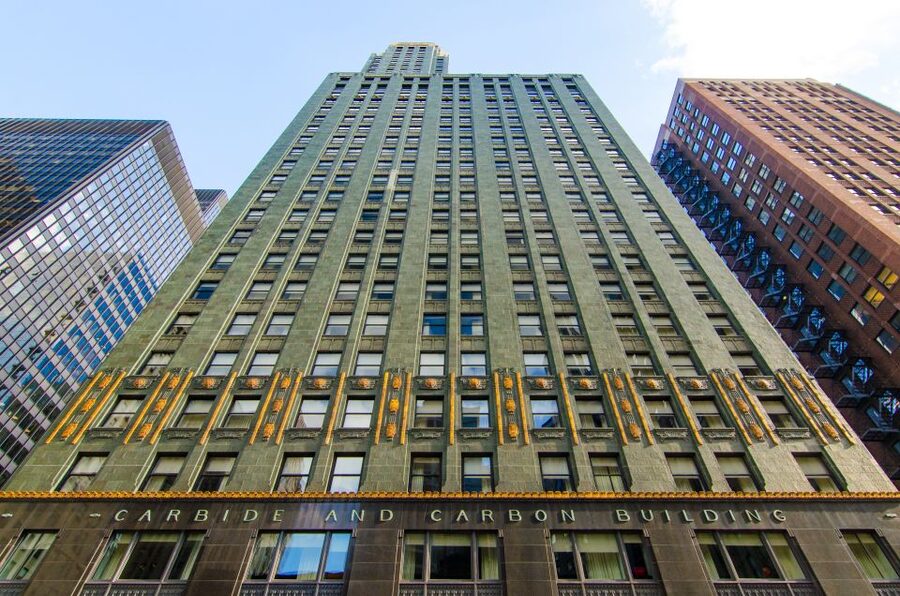
One of the featured stops is the former Carbide and Carbon Building, now home to the St. Jane Hotel. It is designated a Chicago landmark, and it gives the tour a strong example of Art Deco’s taste for ceremony and display.
The building is useful for understanding how the style worked at two levels. From outside, the skyscraper contributes to Chicago’s vertical drama. Inside, the lobby gives visitors a closer look at the materials and patterns that are easy to miss from the sidewalk.
You can expect the docent to connect the building’s design with the era’s appetite for luxury and modern business. Art Deco was not shy. It used geometric ornament to make commercial buildings feel important, polished, and full of promise.
For you, the value is simple: this is a chance to see how a landmark feels from within, not just how it appears in a photograph. The tour’s emphasis on interiors helps turn a familiar downtown building into a more detailed architectural lesson.
The Chicago Motor Club Building, now the Hampton Inn
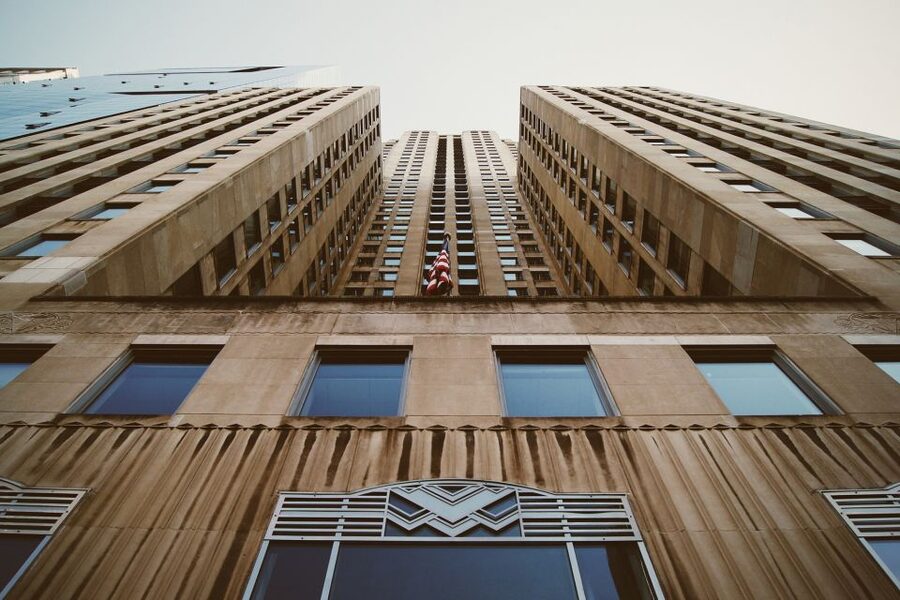
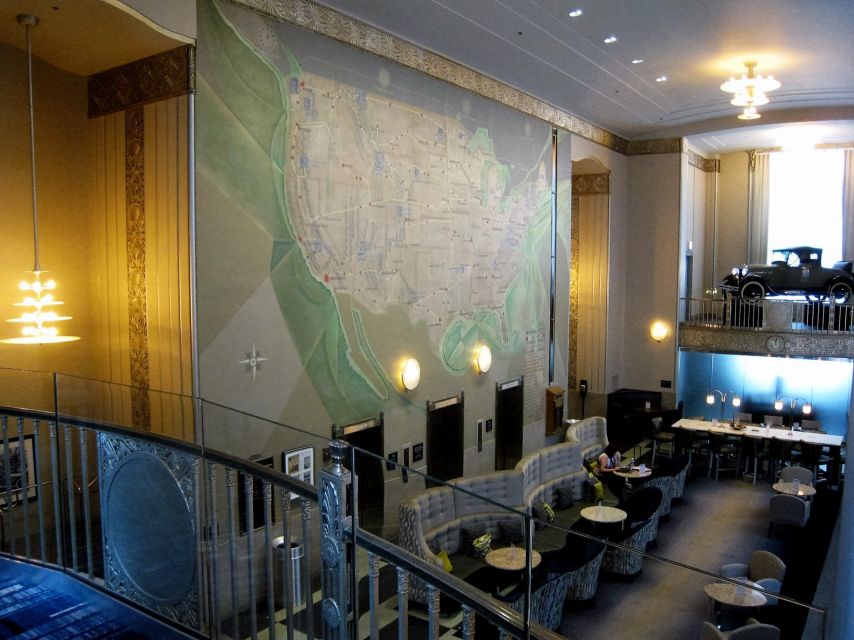
The Chicago Motor Club Building, now a Hampton Inn, is another landmark on the route. Its original identity points to the close relationship between transportation, business, and modern city life in the 1920s.
The name alone gives the docent a useful opening. Art Deco was closely tied to speed, travel, machinery, and the excitement of a changing world. You will be looking at a building that reflects that mood while also functioning as a practical commercial property.
The current hotel use may mean the setting feels different from its original purpose. That is not a flaw, but it is worth understanding. You are seeing historic architectural work inside a building that has been adapted for contemporary use.
I like this stop because it connects style with everyday history. Art Deco was not created only for museums or private mansions. It shaped buildings connected to business, transport, lodging, and public life.
More Art Deco Tours in the USA
- Chicago Art Deco Madness Walking Tour
★ 5.0 · 31 reviews - The Official Art Deco Walking Tour by The Miami Design Preservation League
★ 5.0 · 1,580 reviews - Miami South Beach Art Deco Walking Tour
★ 5.0 · 1,039 reviews - Miami Beach Food and Art Deco Walking Tour
★ 4.5 · 245 reviews
The Trustees System Service Building, now Century Tower
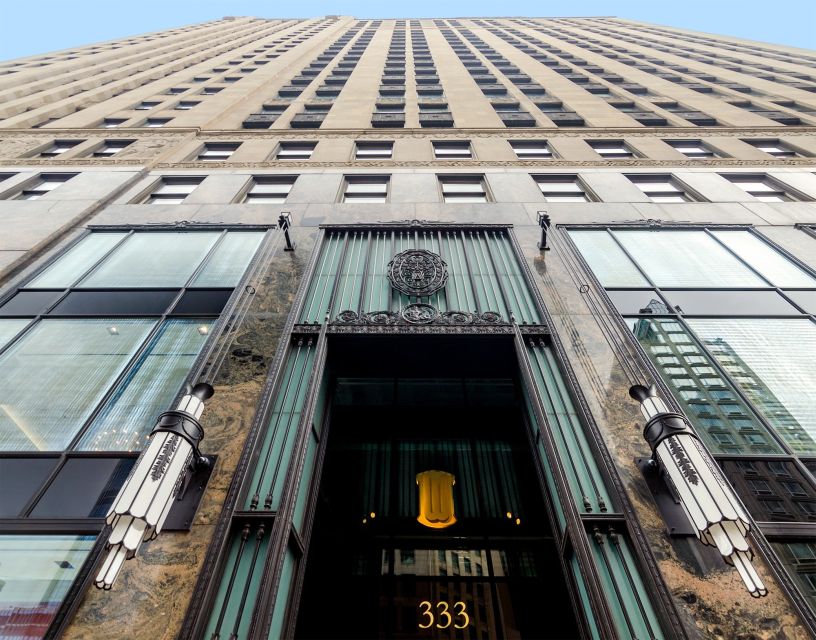
The Trustees System Service Building, now known as Century Tower, is described as colorful and often overlooked. That makes it one of the more appealing stops for anyone who wants more than Chicago’s most famous landmarks.
Its inclusion broadens the tour. You are not simply moving from one celebrated skyscraper to another. You are also learning how Art Deco appears in buildings that can be easy to pass without a second look.
The word colorful is useful here because Art Deco is often pictured only in black, silver, gold, and gray. Chicago’s examples can be more varied, and the Century Tower gives the docent a chance to show how color and geometric ornament work together.
This stop may be especially rewarding if you enjoy finding details that are easy to miss on your own. A self-guided walk might get you to the front door, but a trained docent can point out why the building deserves attention and how it fits into the larger design story.
The Engineering Building and the remaining landmark interior
The Engineering Building is also part of the route and is designated a Chicago landmark. Its name makes it a natural reminder that Art Deco was not just surface decoration. The style arrived during a period when engineering, construction, and commercial ambition were tightly linked.
The tour also includes entry into a fifth iconic Art Deco building. The available details do not identify that building by name, so you should treat the route as a five-interior visit rather than plan around a particular fifth stop.
That uncertainty does not weaken the basic appeal. The main benefit is the comparison. Once you have seen several lobbies in one outing, you can begin to notice repeated design ideas and the ways each architect used them differently.
One lobby might feel formal and symmetrical. Another might use stronger color or sharper geometry. A third might make its impression through polished materials and controlled lighting. The docent’s job is to help you see those differences rather than lumping every 1920s building into one category.
Finishing at the Merchandise Mart
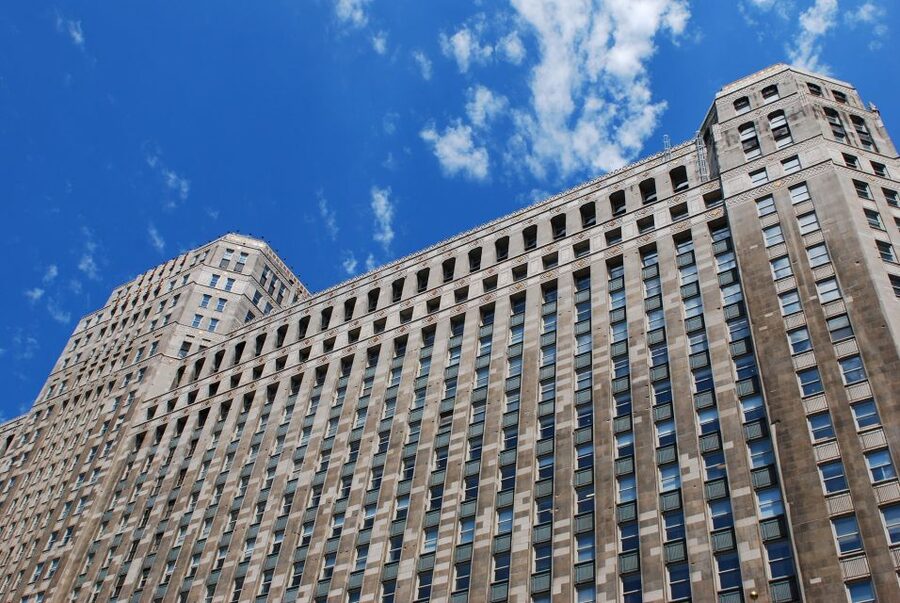
The walk ends at the Merchandise Mart, a fitting place for a tour about commercial architecture and the energy of Chicago’s business boom. The ending point also gives you a useful downtown location for continuing your day.
Because the tour ends there rather than returning to the starting point, plan your next stop in advance. You will need to arrange your own way back to a hotel or another attraction. The route is a walking tour, not a loop with transportation included.
The Merchandise Mart finish also gives the tour a clear sense of direction. You begin near LaSalle Street, visit buildings associated with Chicago’s 1920s growth, and end at one of the city’s major commercial architectural destinations.
What the 90-minute pace feels like
Ninety minutes is enough time to cover a focused architectural subject without turning the outing into an all-day commitment. You will spend the time walking between buildings, entering lobbies, and listening to explanations of design and history.
The pace has received particularly strong praise. A rating of 4.8 from 28 reviews is a solid sign, and the most consistent compliments focus on the guide’s clear explanations, friendly manner, and well-managed pace. One recent participant described the guide as funny and well informed about the subject, while another praised the detail and an easy-to-follow rhythm.
That combination matters. A docent can know a great deal and still make a walking tour tiring if the talk is too dense or the route too rushed. Here, the available feedback points to a balance that suits a 90-minute outing.
You should still wear comfortable shoes. The distance is not given, but you will be on foot between several downtown buildings. Since tours depart in all weather and there are no weather refunds, bring suitable clothing for the forecast.
What is included, and what is not
Your ticket includes the 90-minute walking tour, entry into five Art Deco buildings, and a Chicago Architecture Center certified docent. It also includes admission to the Chicago Architecture Center exhibits, which adds value if you have time to visit them as part of the same outing.
The advertised price is $35 for a group size of one. Because the pricing description is specific to one person, check the booking screen carefully if you are reserving for more than one participant. The value is strongest for anyone who would otherwise pay separately for architecture information or struggle to gain access to several historic interiors.
The ticket also supports Chicago Architecture Center education programs and community work. Those programs include Girls Build!, Teen Fellows, the Newhouse Architecture + Design Competition, and efforts that help keep Open House Chicago free. If you like the idea of pairing a downtown activity with support for local education, that gives the price an added benefit.
Hotel pickup and drop-off are not included. There is also no storage for luggage or strollers, and no coat check. Leave large bags elsewhere before arriving, since pets are not allowed either. Service animals are welcome.
Who should book this tour
I would recommend this walk to anyone who enjoys architecture but wants a manageable introduction rather than a full-day lecture. It is also a good choice if you have already seen Chicago’s famous exteriors and now want to understand what is inside them.
The tour suits solo visitors and couples particularly well because the group is capped at 10. It can also work for families with older children who can manage a 90-minute walk and appreciate patterns, buildings, and city stories.
You may want to skip it if you dislike guided walks, need a flexible schedule, or are carrying luggage. The weather policy is firm: tours leave rain or shine, and weather does not qualify for a refund.
The route is wheelchair accessible, which makes it available to more visitors, although large bags and strollers still cannot be stored by the tour. If accessibility is important for your plans, confirm any personal needs when booking.
Final verdict: is the Art Deco walk worth $35?
Yes, this is a strong pick if your interest is in Chicago’s architecture rather than general sightseeing. The five interiors are the key reason to book. You get a closer look at details that are easy to miss from the street, plus a guide who can explain why the patterns, materials, and forms matter.
I especially like the mix of famous landmarks and a less noticed building such as Century Tower. The small group, trained docent, clear pace, and Chicago Architecture Center exhibit admission add practical value.
Book it if you can arrive without luggage, accept a rain-or-shine departure, and have 90 minutes to focus on one design movement. Skip it if you want rooftop views, transportation between sights, or a broad survey of all Chicago architecture. For a compact, detail-focused look at five Art Deco skyscraper interiors, it is money well spent.
FAQ
How long is the Chicago Art Deco skyscrapers tour?
The walking tour lasts 90 minutes.
Where does the tour begin?
Meet at 30 N LaSalle Street in Chicago. Arrive 10 minutes before departure with your confirmation ready.
Where does the tour end?
The tour ends at the Merchandise Mart.
How many buildings can I enter?
The tour includes entry into five iconic Art Deco buildings.
Which named buildings are included?
The route includes the Carbide and Carbon Building, now the St. Jane Hotel; the Chicago Motor Club Building, now the Hampton Inn; the Trustees System Service Building, now Century Tower; and the Engineering Building. A fifth building is also included, but its name is not specified.
What language is the tour given in?
The live tour is given in English.
How large is the group?
The tour is limited to 10 participants.
Is the tour wheelchair accessible?
Yes, the activity is listed as wheelchair accessible.
Can I bring luggage, a large bag, or a stroller?
No. The tour does not provide secure storage for luggage or strollers, and large bags are not allowed.
What happens if it rains?
Tours depart rain or shine, and there are no refunds due to weather. Free cancellation is available up to 24 hours before departure, and you can reserve now and pay later.
More Walking Tours in the USA
- Chicago in a Day: Food and Architecture Private Walking Tour
★ 5.0 · 53 reviews - Chicago Walking Tour: Modern Architecture
★ 5.0 · 50 reviews - Charleston: History and Architecture Guided Walking Tour
★ 4.8 · 349 reviews - Historic Georgetown: History, Gossip, & Architecture Walking Tour
★ 5.0 · 321 reviews
More Walking Tours in Chicago
- Chicago in a Day: Food, History & Architecture Walking Tour
★ 5.0 · 1,153 reviews - Chicago’s Secret Interiors Architectural Walking Tour
★ 5.0 · 635 reviews - Chicago: Secret Interiors Architecture Walking Tour
★ 4.9 · 498 reviews - Chicago Architecture Walking Tour: What’s New
★ 5.0 · 64 reviews
Newly added in Chicago
- Chicago: Guided Tour with Architecture River Cruise★ 4.5 · 20 reviews
- Chicago: First Lady River Cruise & Architecture Center Combo★ 4.7 · 24 reviews
- Chicago River 90-Min Architecture Boat Tour★ 4.5 · 24 reviews
- Chicago: Historic Architecture Chicago River Small Boat Tour★ 4.6 · 26 reviews
- Chicago River: 90-Min Architecture Boat Tour★ 4.9 · 29 reviews
- Chicago Art Deco Madness Walking Tour★ 5.0 · 31 reviews
- Chicago’s Original Dazzling Architectural Interiors Tour★ 4.9 · 39 reviews
- Chicago River Architecture Tour and Big Bus Hop-on Hop-off Tour★ 4.0 · 38 reviews
Art Deco Tours, compared.
The Official Art Deco Walking Tour by The Miami Design Preservation League
Read our review →

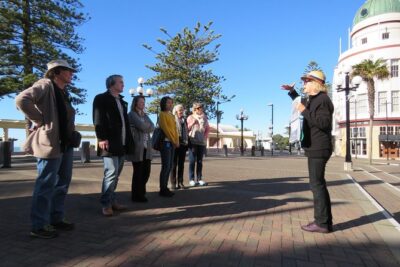
Guided 10am Morning Art Deco Walk From Napier Art Deco Trust
Read our review →
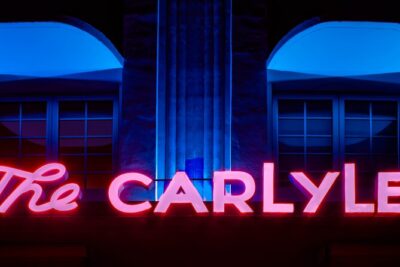
Award-winning Art Deco & Neon Lights Walking Tour in Miami Beach
Read our review →