
Review · WALKING TOURS
Denver: History and Architecture Walking Tours
Denver’s story changes block by block. A few streets take you from Union Station and railroad-era ambition to old mansions, political power, and the city’s first protected historic district. These tours put that change in front of you, where the buildings themselves do the talking.
I like the small groups of up to 10 and the way the guides connect architecture with the people who built and lived in these places. I also like the 90-minute length and $20 price, which make this an easy addition to a day in Denver.
The main caution is that the tour is listed as wheelchair accessible but also not suitable for people with mobility impairments. Since these are walking tours on city streets, ask for current route details before booking if accessibility matters to you.
Key points at a glance

- Four distinct neighborhood routes: Choose LoDo, Capitol Hill, Quality Hill, or Larimer Square, depending on the side of Denver you want to understand.
- Union Station is the LoDo starting point: The tour traces Denver’s shift from a tent settlement to a railroad center, skid row, and urban district.
- Molly Brown House Museum begins Capitol Hill: From there, you explore grand late-19th-century homes and the families tied to them.
- Quality Hill focuses on prominent residences: The Governor’s Mansion, Malo Mansion, and Zang Mansion anchor this route.
- Larimer Square tells a preservation story: You learn how local citizens saved Denver’s oldest block from decay and made it the city’s first historic district.
- Strong guide-led storytelling: Lois earned praise for linking buildings with their era, while another guide was praised for making the material engaging and easy to relate to.
Four ways to read Denver’s past on foot

Historic Denver offers four separate 90-minute walks rather than one catch-all city tour. That is useful because Denver’s story is not concentrated in a single monument or museum. Each neighborhood gives you a different angle on how the city grew, made money, lost its way, and tried to save parts of its past.
You pay $20 per person for a guided walk. Food and drinks are not included, but you do not need them for a 90-minute route. For the amount of local context you receive, the price is fair, especially if you want more than a quick look at old facades.
The tours are in English, led by a live guide, and limited to 10 people. That size matters. You can usually hear the explanation, ask a question, and keep the group focused on the building in front of you instead of waiting for a large crowd to gather.
More Walking Tours in the USA
- The Official Art Deco Walking Tour by The Miami Design Preservation League
★ 5.0 · 1,580 reviews - Chicago in a Day: Food, History & Architecture Walking Tour
★ 5.0 · 1,153 reviews - Miami South Beach Art Deco Walking Tour
★ 5.0 · 1,039 reviews
LoDo: from tents to railroad power
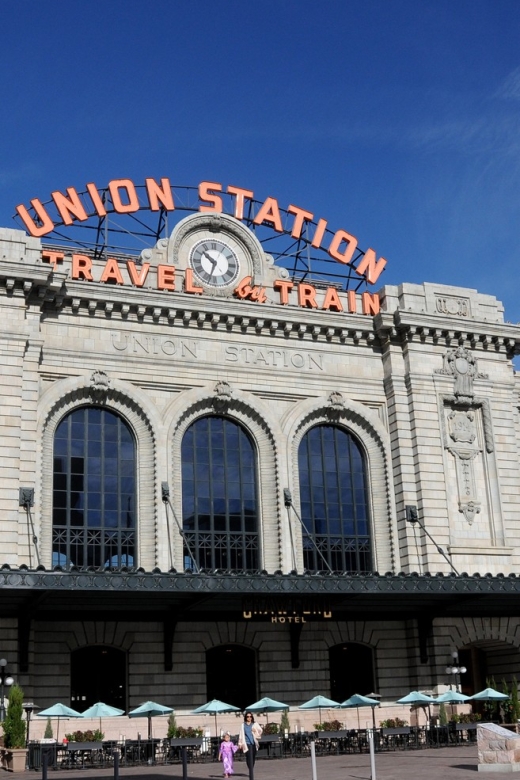
The Lower Downtown route begins at the flagpole in front of Union Station. This gives the walk a useful starting point because the station represents one of the forces that turned Denver from a small grouping of tents into a major city.
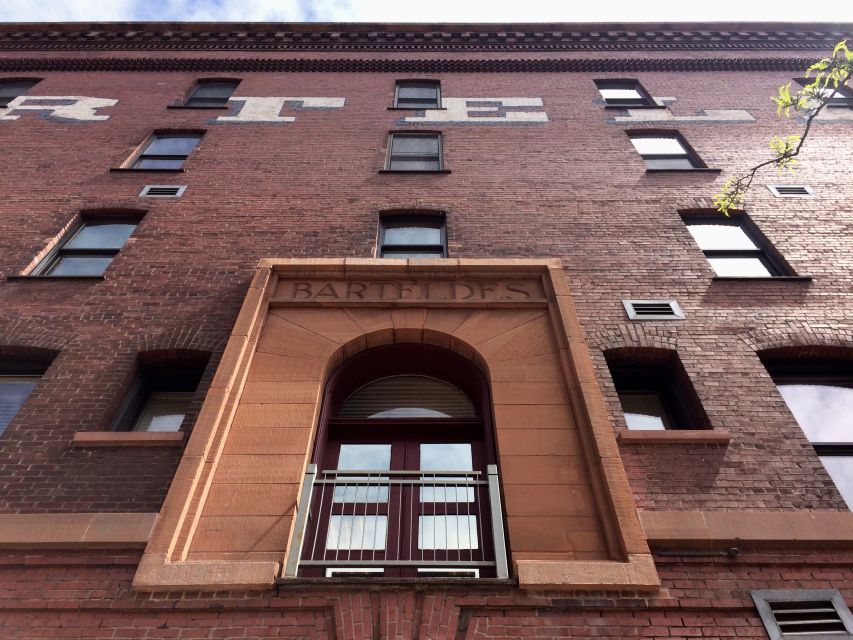
From there, the focus is on LoDo’s architecture and changing fortunes. You learn how the district became a railroad hub, later fell into a rougher period described as skid row, and eventually became an urban hot spot. That sequence gives the old buildings more meaning than a simple list of construction dates.
I like this route for readers who want to understand change over time. A brick building is not just an old building here. Its setting connects to transportation, commerce, decline, and renewal. The tour helps you see why the district looks the way it does today.
The tradeoff is that this route is about the broad story of LoDo rather than one grand residence or a single famous family. If you care most about domestic architecture and personal stories, Capitol Hill or Quality Hill may suit you better.
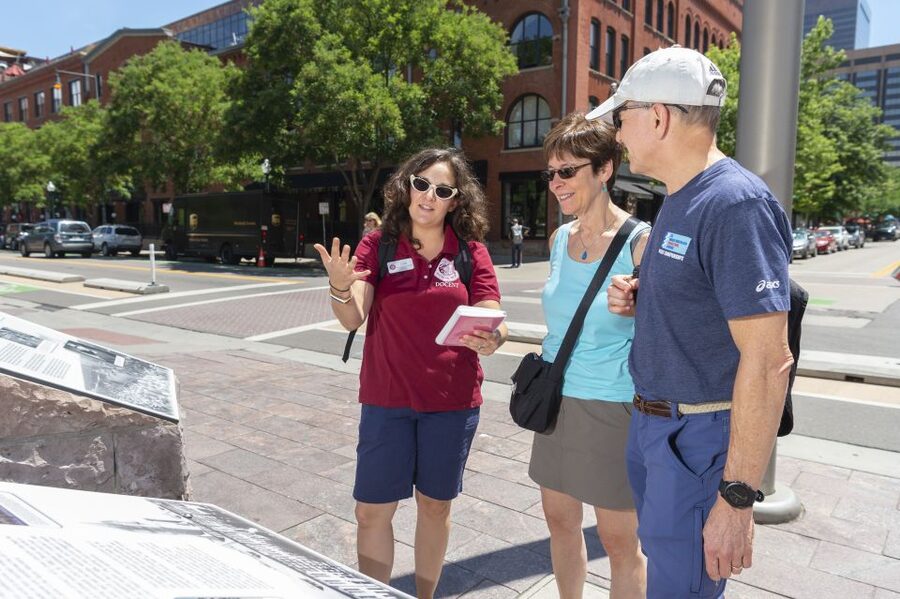
Arrive 10 minutes early at the Union Station meeting point. Look for the guide in a maroon polo shirt marked Historic Denver. That detail should make the group easier to find in a busy station area.
Capitol Hill: mansions and the families behind them
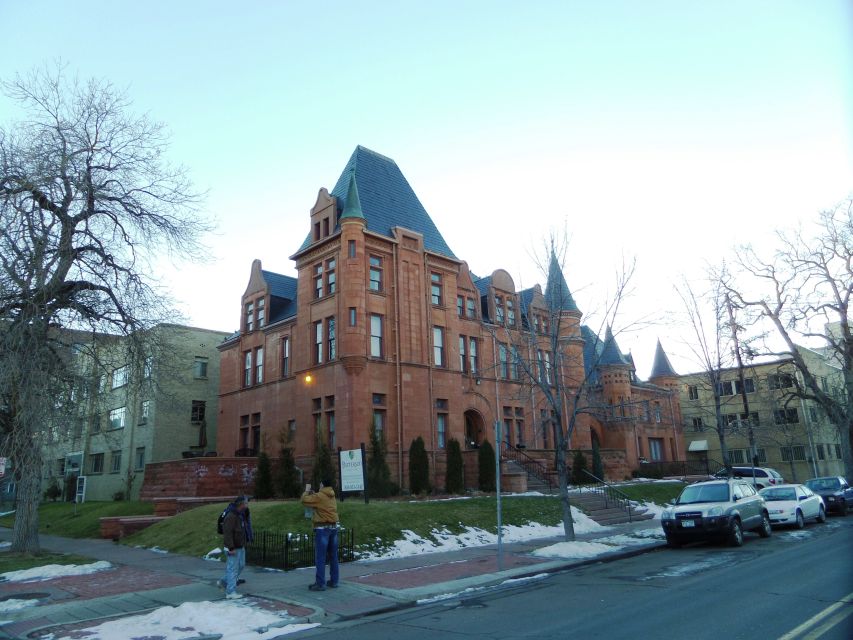
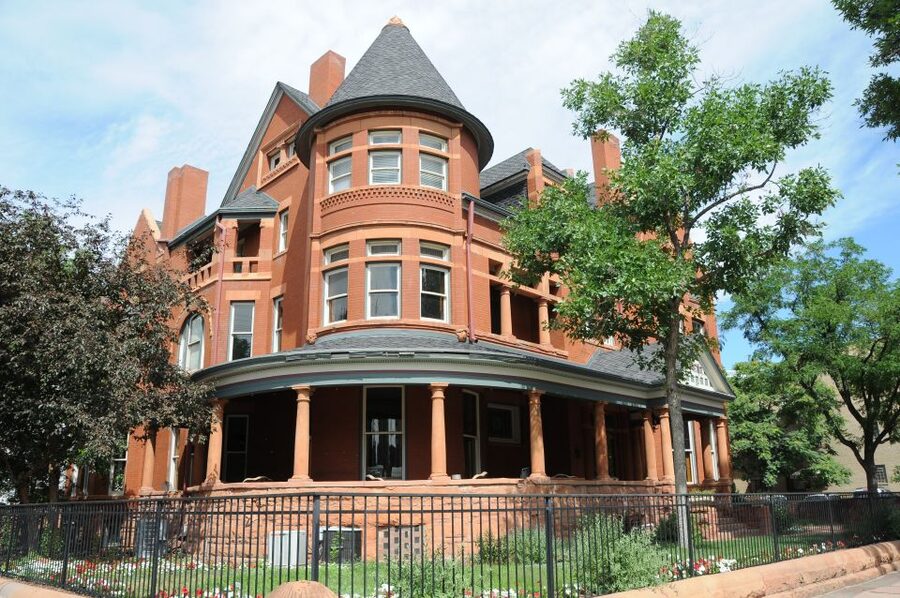
The Capitol Hill tour starts outside the Molly Brown House Museum. You then move through the neighborhood’s historic mansions and learn about the families who lived in these large homes at the end of the 19th century.
This is the route for you if architecture feels more interesting when tied to people. The homes are not treated as anonymous displays. The guide explains who commissioned them, who lived in them, and what those families tell you about Denver during its early growth.
The Molly Brown House starting point also gives the walk a clear sense of place. You are not beginning with a general city overview. You are entering one of Denver’s best-known historic residential areas and using its houses to examine wealth, status, and local ambition.
A strong guide makes a real difference on this route. Lois was praised for adding details about both the buildings and the period in which they were built. That combination is important. Architecture makes more sense when you know what was happening around it.
Do not expect a tour focused on interior visits. The experience described here is a walking tour of notable buildings and their stories. You should be prepared to appreciate exterior details and listen closely to the guide.
Quality Hill: Denver’s grand residences

The Mansion of Quality Hill Tour centers on several prominent homes, including the Governor’s Mansion, Malo Mansion, and Zang Mansion. The route focuses on the people behind these residences and the mark they left on Denver.
This is likely the best pick if you enjoy grand houses and the personalities attached to them. The point is not only to admire large facades. You learn about the individuals who built these homes and how their choices became part of Denver’s civic story.
The route also offers a more concentrated look at status and influence than the LoDo walk. In LoDo, the main subject is the changing role of a district. In Quality Hill, the emphasis falls more heavily on important residents, their homes, and their legacy.
Because the tour lasts 90 minutes, the guide has to select what matters most. You should expect a focused introduction rather than an exhaustive account of every mansion or owner. That can be a strength if you prefer a clear route with a manageable amount of information.
Take comfortable shoes, water, sunscreen, and clothing suited to the weather. All tours operate in rain or shine, and Quality Hill is still a walking tour first, not a sheltered indoor program.
Same city, a different facade:
- Chicago Architecture River Cruise
★ 5.0 · 15,756 reviews - Chicago River 90-Minute Architecture Tour
★ 4.5 · 9,629 reviews - Chicago River: 1.5-Hour Guided Architecture Cruise
★ 4.8 · 8,046 reviews - Chicago Architecture Center River Cruise aboard First Lady
★ 5.0 · 5,536 reviews
Larimer Square: saving Denver’s oldest block
Larimer Square gives you a compact lesson in preservation. The tour explores Denver’s oldest block and explains how local citizens saved it from ruin and turned it into the city’s first historic district.
That makes this route different from the others. You are not only learning about old buildings. You are also learning about the decision to protect them. The story raises a practical question that applies to cities everywhere: what happens when historic structures lose their original purpose or fall into disrepair?
I like this option for visitors who want to understand how Denver’s past remains visible today. The buildings survived because people chose to act, and the route explains that process in local terms.
It is also a good choice if you want a focused neighborhood experience rather than a tour that tries to cover several parts of the city. Larimer Square gives the guide one historic block and one preservation story to develop.
As with the other routes, the value comes from the explanation. Without context, a preserved block can look simply attractive. With the guide’s account of decline and rescue, you can see the choices behind its survival.
What makes the guiding worthwhile
The strongest part of this experience is the connection between place and time. A building can be beautiful, but the explanation of what happened around it gives you a reason to care.
A good guide also helps you separate architectural detail from local legend. One guide, Lois, was praised for supplying plenty of information about buildings and the era around them. Another guide was praised for using pictures, answering questions, and making early Denver history easier to understand.
That is the level of guiding you should hope for. The tour works best when the guide explains what you are looking at, gives it a human connection, and leaves room for questions.
The experience is not perfectly consistent every time. One guest found a guide too dependent on a notebook and felt the presentation became boring. Another person wanted more facts. Those comments point to a fair limitation: your experience may depend heavily on the individual guide and your preferred style of learning.
If you want a tightly scripted lecture packed with dates, say so through your questions. If you prefer stories and conversation, take part in the discussion. The format allows for both, but the balance may vary.
Choosing the right neighborhood
Use the route as your main booking decision.
- Choose LoDo if you want Denver’s broad urban story, especially the role of Union Station, railroads, decline, and renewal.
- Choose Capitol Hill if grand residential architecture and the families who occupied those homes interest you most.
- Choose Quality Hill if you want prominent mansions and the people connected with Denver’s civic and social life.
- Choose Larimer Square if preservation and the survival of Denver’s oldest block appeal to you.
You do not need to know much about Denver before joining. The routes are designed to explain the setting as you walk. Still, it helps to choose based on your interests rather than booking the first available time.
If you have only one free morning or afternoon, LoDo may provide the widest city overview because it covers several stages of Denver’s growth. If you already plan to visit Union Station, the route also gives that familiar landmark a larger role in the city’s story.
Timing, comfort, and group size
Each tour lasts 90 minutes. That is enough time to develop a theme without taking over your day. You can fit the walk between meals, museum visits, or other plans, but allow extra time before the start so you are not searching for the group at the last second.
The meeting instructions are especially clear for the LoDo route: meet at the flagpole in front of Union Station 10 minutes before departure. Guides wear maroon Historic Denver polo shirts.
Wear comfortable shoes. Bring water and sunscreen, and dress for the forecast. The tours run in rain or shine, so do not treat bad weather as an automatic cancellation. A light rain layer may make the difference between enjoying the walk and spending 90 minutes wishing you had stayed indoors.
The group limit of 10 is one of the best practical features. Large walking tours can turn a detailed explanation into a distant voice. Here, you have a better chance to hear the guide and ask about a building that catches your eye.
The activity is listed as wheelchair accessible, but it is also marked not suitable for people with mobility impairments. Those statements do not fully explain the route conditions. If you use a wheelchair, walker, or need frequent rest, contact the provider before booking and ask about the specific neighborhood route.
What the $20 price buys you
At $20, you are paying for local interpretation rather than transportation, food, or admission to an interior attraction. That distinction matters. The value is in the guide’s ability to point out buildings, explain their owners, and connect separate parts of Denver’s past.
I consider the price good if you enjoy learning while walking. You receive 90 minutes of structured local context, and the small group helps keep the experience personal. It is less compelling if you only want to photograph old buildings or move at your own pace.
The price also compares well with the time commitment. You are not giving up half a day, and you do not need to plan around a meal included in the activity. Bring your own water and arrange food separately.
Free cancellation up to 24 hours before the start and the option to reserve now and pay later add flexibility. Those terms are useful if your Denver schedule may shift, though you should still check the available starting times before building the rest of your day around the walk.
Who will enjoy this walk most
I would recommend this experience to first-time Denver visitors who want a quick grasp of the city’s early growth. It also suits repeat visitors who have seen the main sights but want to understand the old neighborhoods behind them.
History fans, architecture fans, and people who enjoy personal stories will get the most from it. The tour is also a good fit for a business-trip extension, since one attendee used it as a way to finish time in Denver and found the mix of history, architecture, and conversation worthwhile.
You may want to skip it if you dislike walking in uncertain weather, need a highly predictable pace, or prefer independent sightseeing. The tour is also not the right choice if you expect food, drinks, or access to mansion interiors as part of the $20 fee.
Should you book it?
Book this Historic Denver walk if you want the city explained through real streets, old buildings, and the people tied to them. Choose the neighborhood carefully, arrive early, wear sensible shoes, and take part in the questions.
I would pick LoDo for the broadest story, Capitol Hill for mansions and family history, Quality Hill for prominent residences, and Larimer Square for preservation. The guide can make or break the presentation, but the small group, modest price, and focused 90-minute format make this a sensible way to add substance to a Denver visit.
FAQ
How long is the Denver history and architecture tour?
Each tour lasts 90 minutes.
How much does the tour cost?
The price is $20 per person.
Which neighborhoods can I choose from?
You can choose the Lower Downtown Walking Tour in LoDo, the Capitol Hill Walking Tour, the Mansion of Quality Hill Tour, or the Larimer Square Tour.
Where does the LoDo tour meet?
The guide meets you at the flagpole in front of Union Station.
How do I identify the guide?
Guides wear maroon polo shirts with Historic Denver printed on them.
How early should I arrive?
Arrive at the meeting point 10 minutes before the activity starts.
What language is the tour in?
The tour is conducted in English with a live guide.
Are food and drinks included?
No. Food and drinks are not included.
Does the tour operate in bad weather?
Yes. All tours operate in rain or shine.
Can I cancel for a refund?
Yes. You can cancel up to 24 hours in advance for a full refund.
More History Walks in the USA
- Charleston’s Best Highlights: History, Culture & Architecture
★ 5.0 · 422 reviews - Palm Springs Modernism Architecture & History Bike Tour
★ 5.0 · 359 reviews - Charleston: History and Architecture Guided Walking Tour
★ 4.8 · 349 reviews - Historic Georgetown: History, Gossip, & Architecture Walking Tour
★ 5.0 · 321 reviews
Newly added in the USA
- Miami Beach Art Deco Segway Tour★ 4.5 · 17 reviews
- Boston: Freedom Trail History and Architecture Walking Tour★ 4.8 · 18 reviews
- Boston: Harbor and Charles River Architecture Boat Tour★ 4.6 · 9 reviews
- Iconic Capitol Hill Architectural Walking Tour★ 5.0 · 21 reviews
- Chicago: Guided Tour with Architecture River Cruise★ 4.5 · 20 reviews
- South Beach Food Tour- Culinary & Art Deco & History★ 5.0 · 22 reviews
- Chicago River 90-Min Architecture Boat Tour★ 4.5 · 24 reviews
- Manhattan Architecture Photography Tour★ 5.0 · 24 reviews
Walking Tours, compared.

The Official Art Deco Walking Tour by The Miami Design Preservation League
Read our review →
Baroque Architecture and Underground Walking Tour
Read our review →
Chicago in a Day: Food, History & Architecture Walking Tour
Read our review →

Ramblas, Old Town, Gothic and Gaudi Architecture Walking Tour
Read our review →
Chicago’s Secret Interiors Architectural Walking Tour
Read our review →
Browse the lists this tour appears in