

Review · WALKING TOURS
History and Architecture Walking Tour
Wilmington’s past is written on its streets, from Civil War stories to grand homes dressed in Greek Revival columns and Italianate trim. This 90-minute walk gives you a close look at the historic downtown district, with stops near the Bellamy Mansion and Burgwin-Wright House and Gardens. You’ll also pass through residential, church, and commercial areas, so the tour is not just a parade of pretty houses.
I like the small group limit of 10 people, which gives the guide room to answer questions and adjust the pace. I also like the way the tour connects architecture to Wilmington’s growth, families, and coastal trade rather than treating each building as a stand-alone postcard.
The main caution is sound. Traffic, aircraft, and street noise can make the guide hard to hear, and some guides use a microphone more consistently than others. The tour is also more focused on architecture than some people expect, so history fans wanting a long Civil War lecture may find the balance a little light.
Key points at a glance
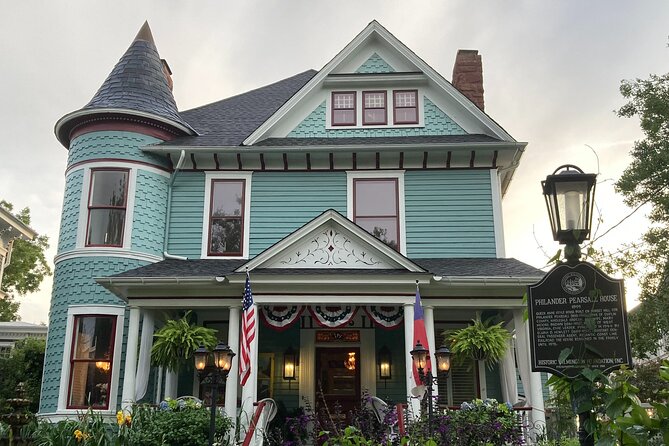
- See Wilmington’s architectural mix: Look for Greek Revival, Italianate, and other period details on homes and commercial buildings.
- Connect buildings to history: The walk covers Civil War-era Wilmington, local families, preservation, and the city’s growth.
- Visit major landmarks from the street: You’ll see the Bellamy Mansion and Burgwin-Wright House and Gardens, but home interiors are not included.
- Walk about 1.5 miles: The pace is generally easy, with regular stops, though summer heat and hard pavement still matter.
- Expect a personal guide: Amanda Leese often leads the walk and brings clear enthusiasm to local stories and architecture.
- Pay $25 for a focused introduction: That is fair value if you want orientation and context before exploring Wilmington on your own.
A close look at Wilmington’s historic core
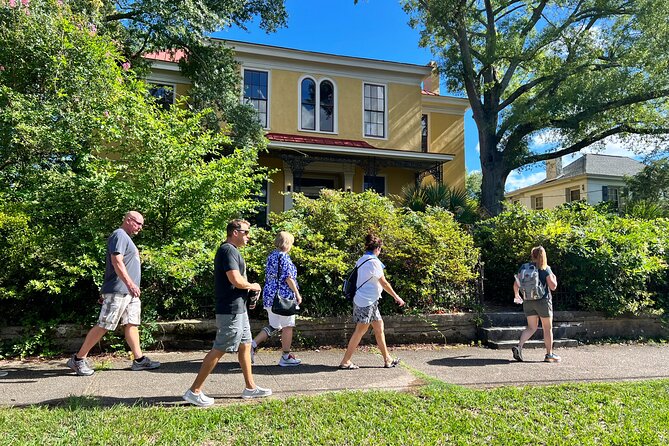
This is a street-level tour, not a museum visit. You begin at the Front Street Inn at 215 South Front Street, then set off through a compact historic area before returning to the same point.
That starting location matters. You are already near the old downtown grid, so the walk can spend its time on buildings and stories instead of using half the tour to reach the historic district. The route covers about 1.5 miles, with the guide stopping to point out architectural features and explain how Wilmington changed over time.
I would think of this as a strong orientation walk for your first day in town. It helps you notice details you might otherwise pass without a second glance: rooflines, columns, window patterns, porches, brickwork, and the ways later owners altered older buildings.
The route is not presented as a list of empty façades. It moves through residential, church, and commercial districts, giving you a wider picture of how Wilmington worked as a city. That mix is useful because architecture makes more sense when you see homes beside civic and business buildings.
More Walking Tours in the USA
- The Official Art Deco Walking Tour by The Miami Design Preservation League
★ 5.0 · 1,580 reviews - Chicago in a Day: Food, History & Architecture Walking Tour
★ 5.0 · 1,153 reviews - Miami South Beach Art Deco Walking Tour
★ 5.0 · 1,039 reviews
The Bellamy Mansion and Burgwin-Wright House
Two of the route’s main visual anchors are the Bellamy Mansion and Burgwin-Wright House and Gardens. Both help explain the scale and ambition of Wilmington’s historic architecture, even though this activity does not include entry into their interiors.
You should be prepared to view these properties from outside. The guide’s role is to explain the buildings, their period details, and their place in Wilmington’s story. If you want an interior visit, you will need to arrange that separately.
That limitation is worth noting before you book. Anyone expecting a house tour may feel shortchanged, while anyone mainly interested in street architecture will likely find the exterior focus exactly right. I like the fact that the walk keeps moving through the city rather than spending the whole 90 minutes inside one property.
The Bellamy Mansion gives you an especially useful reference point for spotting decorative features elsewhere. Burgwin-Wright House and Gardens adds another layer, helping you compare different periods and styles within a small area. The precise route can vary, so the guide may spend more time at one property depending on questions, weather, and the group’s pace.
Greek Revival, Italianate, and the details above eye level
You do not need a background in architecture to enjoy this walk. The guide explains what to look for and gives the styles a practical setting.
Greek Revival buildings often catch your eye through their formal fronts, columns, and balanced proportions. Italianate examples can feel more decorative, with tall windows, bracketed rooflines, and elaborate trim. The pleasure comes from seeing these features on real city blocks rather than studying them in a textbook.
The tour also shows how styles overlap. Wilmington was not built in one burst, and buildings were altered as tastes and fortunes changed. A house can carry an older structural form with later decorative work, or a commercial building can reveal a different set of priorities than a private home.
Amanda Leese is often the guide, and her strongest quality is her ability to tie design to people and events. She explains when styles appeared, why they mattered, and how Wilmington’s past shaped the buildings you see. She also answers questions well, which helps keep the walk from becoming a one-way lecture.
You may not get the same delivery every time. Some guides are smooth, lively, and easy to follow. At other times, the presentation can feel less polished, and a microphone may not be used steadily. Stand close to the guide, especially near traffic, and ask for a repeat if you miss a point.
Civil War stories and the city behind the façades
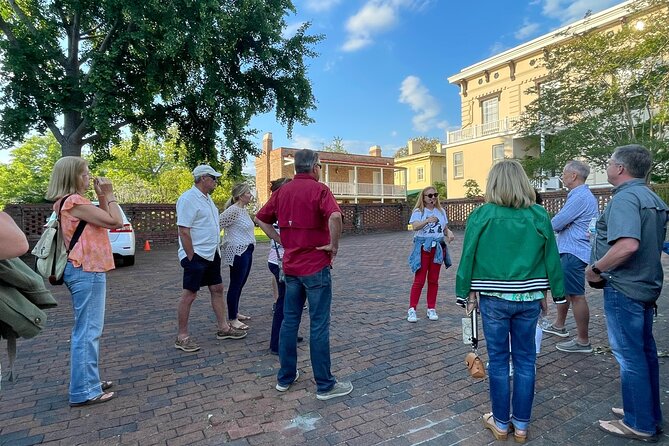
The tour includes Wilmington’s Civil War history, but it is not solely a military history walk. The best parts connect wartime events and coastal-city life to the people who lived in these homes and worked in these districts.
That broader approach is useful. Buildings are not just decorative survivors. Their owners, businesses, churches, and neighborhoods reflect the city’s changing fortunes. You get a sense of Wilmington over more than one period, including the forces that shaped its architecture and preservation.
If your main interest is the Civil War, ask questions early. The experience gives the subject a place in the larger story, but much of the time is devoted to design and the historic district. The balance is better suited to someone who wants history and architecture together than to someone seeking a detailed campaign account.
I appreciate that the discussion includes preservation. Looking at an old house is one thing. Learning why its details matter, and why keeping them in place takes effort, gives the city a stronger sense of place. You leave with a better eye for what is original, what may have changed, and why the district feels distinct.
Same city, a different facade:
- Chicago Architecture River Cruise
★ 5.0 · 15,756 reviews - Chicago River 90-Minute Architecture Tour
★ 4.5 · 9,629 reviews - Chicago River: 1.5-Hour Guided Architecture Cruise
★ 4.8 · 8,046 reviews - Chicago Architecture Center River Cruise aboard First Lady
★ 5.0 · 5,536 reviews
How the 90 minutes feel on foot
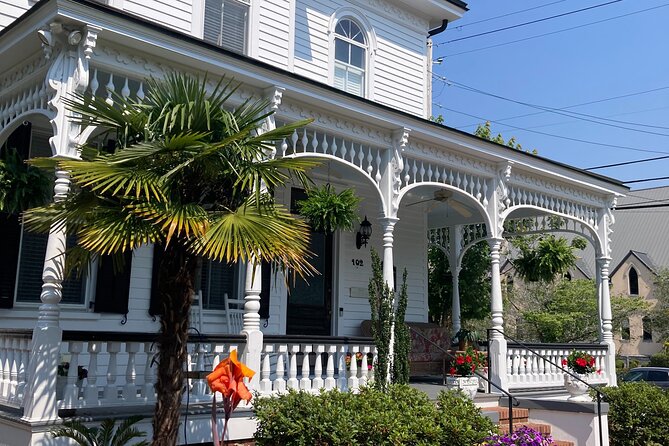
The walk is about 1.5 miles and usually takes around an hour and a half, though one outing lasted closer to two hours. Build in a little extra time if you have a dinner reservation or another timed activity afterward.
The pace is generally manageable. There are frequent stops, and the guide can adjust the speed to the group. This is not a power walk, but you will be standing and walking on city streets for the full experience.
Heat is the bigger concern. Wilmington’s summer sun can make an easy route feel tiring, especially on a very hot day. Wear comfortable shoes, bring water, use sunscreen, and choose a cooler time if your schedule allows. Some guides look for shade when talking, which helps, but you should not count on every stop being cool.
Street noise is the other practical issue. Traffic and air traffic can interrupt the narration. If hearing is important to you, stay near the guide and mention the problem right away. A small group helps, but it cannot eliminate noise from the surrounding city.
Most people who can walk 1.5 miles should manage the physical side of the tour. Still, the route is outdoors and has no interior breaks built into the experience, so plan for ordinary walking-tour demands.
What the small group adds

A maximum of 10 people is one of the better features here. You are less likely to lose the guide in a crowd, and questions can shape the conversation instead of waiting for a large group to move along.
Small groups also make it easier to match the pace to the people present. If the group is curious about a particular house or family, the guide can spend a little more time there. If everyone is eager to keep moving, the walk can stay brisk.
Amanda’s style is often described as friendly, clear, and enthusiastic. She brings personality to architectural facts, which matters because a long run of house styles can become dry without stories attached. Her explanations also help first-time architecture fans feel included.
The experience can be less satisfying with a quieter or less practiced guide. A fragmented explanation, a weak microphone, or low energy can make the same route feel ordinary. This is not a reason to avoid the tour, but it is a reason to keep your expectations realistic: the guide is central to the value.
Is $25 a fair price?
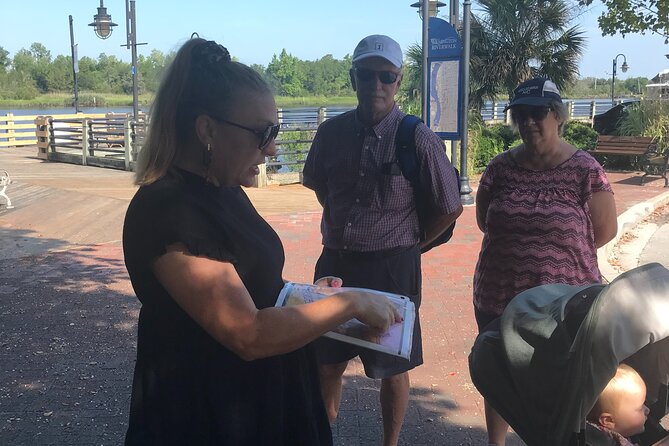
At $25 per person, this is reasonably priced for a 90-minute guided walk in a compact historic district. You are paying for local interpretation, not admission to a mansion or a long list of paid attractions.
I see the best value in the context. You can walk Wilmington’s streets on your own for free, but you will not automatically understand the difference between Greek Revival and Italianate design, know which families shaped the area, or connect the buildings to Civil War-era events.
The price works especially well if you are new to Wilmington and want a useful introduction before exploring independently. After the tour, you can return to the buildings that caught your eye or seek out a separate interior visit.
The value is weaker if you expect a detailed house-by-house history, indoor access, or a highly theatrical presentation. The tour is educational and direct. It is not built around special access or elaborate staging.
Booking about 11 days ahead is the average pattern, so I would reserve in advance if your dates are fixed. The small group cap can limit last-minute availability, particularly during busy periods.
Who should book this Wilmington walk?
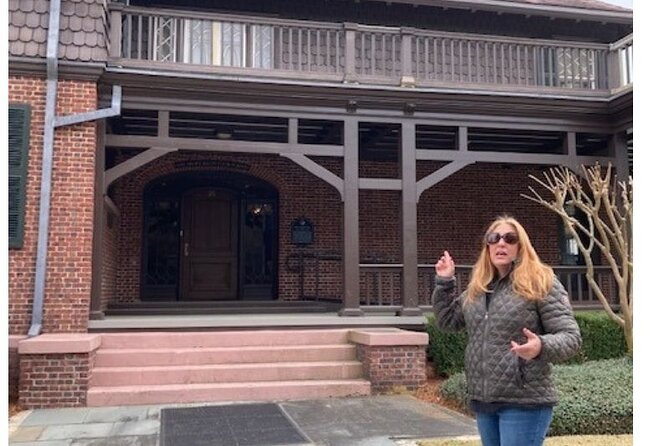
I would recommend it to you if you enjoy old buildings, local history, slow walking, and the small details that make a city feel specific. It works well for couples, solo visitors, and friends who want a low-key activity that does not take half a day.
It is also a good choice for people who do not normally seek out history tours. The route keeps the subject visible and practical. You are looking at homes, streets, and commercial buildings while hearing why they look the way they do.
Families with older children may enjoy it if everyone is comfortable walking and listening. The activity is not described as a children’s tour, so very young children may find the pace slow.
You may want another option if you dislike outdoor walking, have trouble hearing speech near traffic, or want to enter historic homes. You should also choose a different experience if your main goal is an extensive Civil War study. This tour gives you that subject in context, with architecture taking a large share of the time.
Useful details before you reserve
The tour is offered in English and uses a mobile ticket. It starts and ends at the Front Street Inn, 215 South Front Street, Wilmington, North Carolina.
Confirmation is provided when you book. Free cancellation is available up to 24 hours before the start time. Changes or cancellations inside that window are not accepted for a refund, and the experience depends on good weather. If poor weather cancels the tour, you can receive a different date or a full refund.
Wear comfortable shoes and bring water and sunscreen. I would also arrive a little early so you are ready when the group gathers and can position yourself near the guide.
My verdict: a smart first look at Wilmington
I would book this tour if I had a first visit to Wilmington and wanted a compact introduction to its historic center. The combination of Civil War context, local families, and architectural clues gives you more than a basic sightseeing walk.
The strongest version of the experience comes with Amanda Leese, whose clear explanations and enthusiasm make the buildings easier to read. The main risks are uneven guide delivery, traffic noise, hot weather, and the lack of interior access.
Book it for street-level history and architecture, not for a mansion tour. If that sounds like the right balance, $25 buys a useful 90-minute start to exploring Wilmington on your own.
FAQ
Where does the tour begin?
The tour begins at the Front Street Inn, located at 215 South Front Street, Wilmington, North Carolina 28401.
Where does the tour end?
The activity ends back at the meeting point at the Front Street Inn.
How long does the tour last?
The tour lasts approximately 1 hour and 30 minutes. One outing took closer to two hours, so leave some flexibility in your schedule.
How far do I need to walk?
You must be able to walk about 1.5 miles. Comfortable shoes are recommended.
Does the tour include the interiors of historic homes?
No. The tour passes through residential, church, and commercial districts, but it does not include home interiors.
Which historic sites can I see?
The walk includes views of the Bellamy Mansion and Burgwin-Wright House and Gardens.
How many people can join the tour?
The tour has a maximum of 10 people.
What happens if bad weather cancels the tour?
If poor weather causes a cancellation, you will be offered a different date or a full refund. For other cancellations, you must cancel at least 24 hours before the start time to receive a full refund.
More History Walks in the USA
- Charleston’s Best Highlights: History, Culture & Architecture
★ 5.0 · 422 reviews - Palm Springs Modernism Architecture & History Bike Tour
★ 5.0 · 359 reviews - Charleston: History and Architecture Guided Walking Tour
★ 4.8 · 349 reviews - Historic Georgetown: History, Gossip, & Architecture Walking Tour
★ 5.0 · 321 reviews
Newly added in the USA
- Miami Beach Art Deco Segway Tour★ 4.5 · 17 reviews
- Boston: Freedom Trail History and Architecture Walking Tour★ 4.8 · 18 reviews
- Boston: Harbor and Charles River Architecture Boat Tour★ 4.6 · 9 reviews
- Chicago: Guided Tour with Architecture River Cruise★ 4.5 · 20 reviews
- Iconic Capitol Hill Architectural Walking Tour★ 5.0 · 21 reviews
- South Beach Food Tour- Culinary & Art Deco & History★ 5.0 · 22 reviews
- Chicago: First Lady River Cruise & Architecture Center Combo★ 4.7 · 24 reviews
- Chicago River 90-Min Architecture Boat Tour★ 4.5 · 24 reviews
Walking Tours, compared.

The Official Art Deco Walking Tour by The Miami Design Preservation League
Read our review →
Baroque Architecture and Underground Walking Tour
Read our review →
Chicago in a Day: Food, History & Architecture Walking Tour
Read our review →

Ramblas, Old Town, Gothic and Gaudi Architecture Walking Tour
Read our review →
Chicago’s Secret Interiors Architectural Walking Tour
Read our review →

Browse the lists this tour appears in