
Review · TOKYO ARCHITECTURE TOURS
Private Ueno Park Architecture Tour
Ueno Park is more than a green break from Tokyo’s crowds. It is a walk through Japan’s modern architectural story, beginning with Le Corbusier’s National Museum of Western Art and ending with four very different museum buildings at the Tokyo National Museum. This private tour gives you a guide to help connect the concrete, angles, and renovations to the people and periods behind them.
I like the way the route puts Le Corbusier and his Japanese student Kunio Maekawa almost face to face. I also like the private format, which gives you room to ask questions instead of following a fixed script. The main drawback is time: 3.5 hours can feel short when Ueno Park contains so much to see, and much of the value depends on how deeply your guide explains each building.
Key points to know before booking
- Le Corbusier’s museum begins the tour: The National Museum of Western Art is the architectural headline and a UNESCO World Cultural Heritage Site.
- Maekawa’s work sits across from his mentor’s: Tokyo Bunka Kaikan offers a useful comparison between European modernism and its Japanese interpretation.
- The route covers several architectural eras: The Tokyo National Museum buildings range from 1908 to 1999.
- A private guide changes the pace: You can ask about design choices, Japanese architecture, preservation, and renovation as you walk.
- Mari may be your guide: She is described as warm, funny, enthusiastic, and able to explain the subject in excellent English.
- Night tours offer a different view: Evening light can change how you see the buildings, though you should confirm available starting times before booking.
Why Ueno Park makes a good architecture classroom
You do not need to be an architecture specialist to enjoy this walk. Ueno Park gathers museums and cultural buildings from different periods in one compact area, so you can compare them without spending the day crossing Tokyo by train.
That comparison is the real point. Tokyo is often sold through shopping districts, neon streets, and polished modern towers. Ueno offers another side of the city: public buildings made for art, education, research, and national culture. The result is less about spotting pretty façades and more about seeing how Japan expressed changing ideas through architecture.
Your guide helps you notice what a casual walk might miss. A building’s shape, materials, entrance, and position across from another museum can all carry meaning. With a private group, you can pause for an explanation or ask how a Japanese architect responded to a European influence.
The tour lasts 3.5 hours, and the route includes a break with drinks. That matters because this is a walking and museum-based experience, not a quick series of photo stops. Still, one part of the route deserves careful time planning. Ueno Park has enough cultural sights to fill a full day, so you may want to return afterward for a slower visit.
More Private Tours in the world:
- Best of Chicago: Architecture & Highlights City Private Tour
★ 5.0 · 94 reviews - Private Harajuku Omotesando Architecture Walking Tour
★ 5.0 · 67 reviews - Private Santa Barbara History and Architecture Walking Tour
★ 5.0 · 56 reviews
Starting with Le Corbusier at the National Museum of Western Art
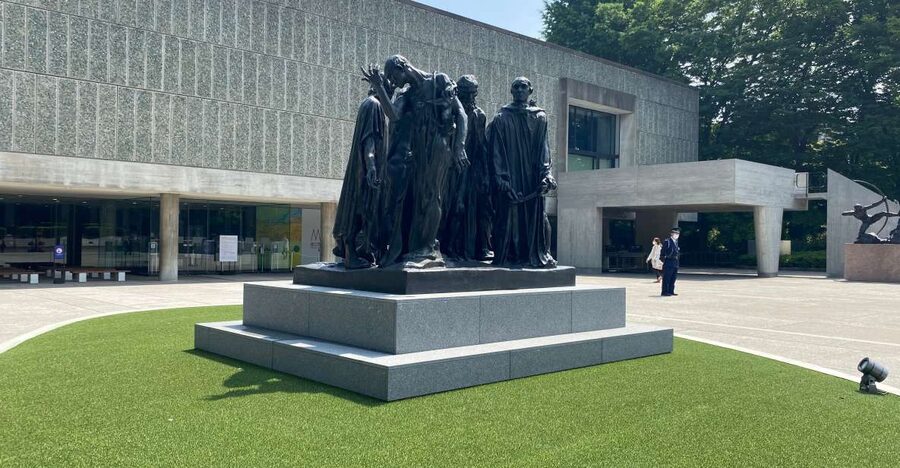
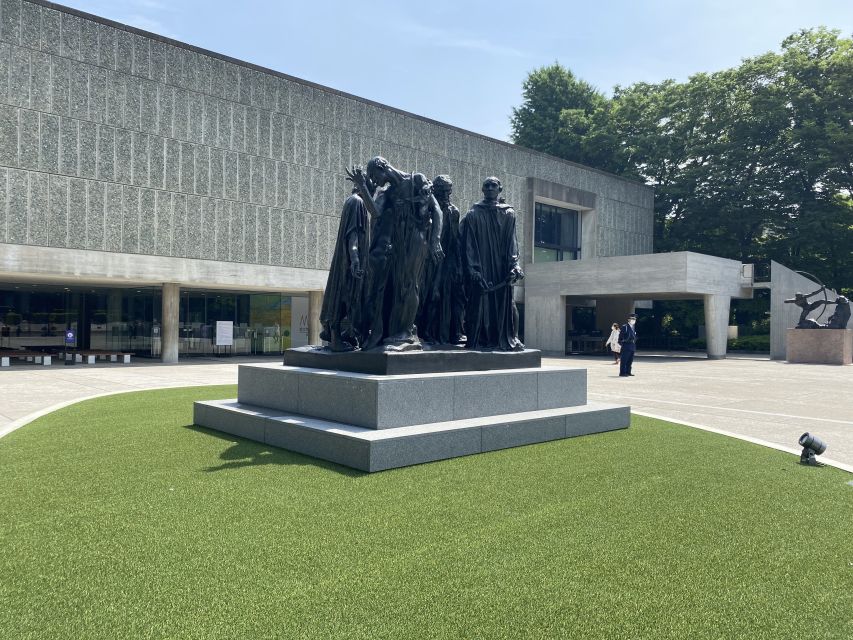
The meeting point is in front of the National Museum of Western Art at Uenokōen 7-7. This is a sensible starting place because the building itself is the tour’s central reference point.
Le Corbusier designed the museum, and its modern architectural value earned UNESCO World Cultural Heritage status in 2016. You begin by looking at the work of one of the major figures in modern architecture, then use it as a starting point for understanding the buildings that follow.
I like this opening because it gives the tour a clear focus right away. You are not simply told that Ueno has important museums. You are placed in front of a building with international significance and asked to consider how its design fits into Tokyo.
The supplied information does not spell out every room or interior feature you will see, so you should treat the guide’s explanation as the main part of this stop. The museum is also subject to closure dates and operating changes. During the stated closure period from January 23 to February 28, 2023, the tour could not enter the building, though the guide still provided an explanation outside. Check current conditions if seeing the interior is important to you.
This is also a useful stop for visitors who think modern architecture means only glass towers. Le Corbusier’s museum gives you a more focused example, one connected to art and public culture rather than offices or shopping.
Comparing mentor and student at Tokyo Bunka Kaikan
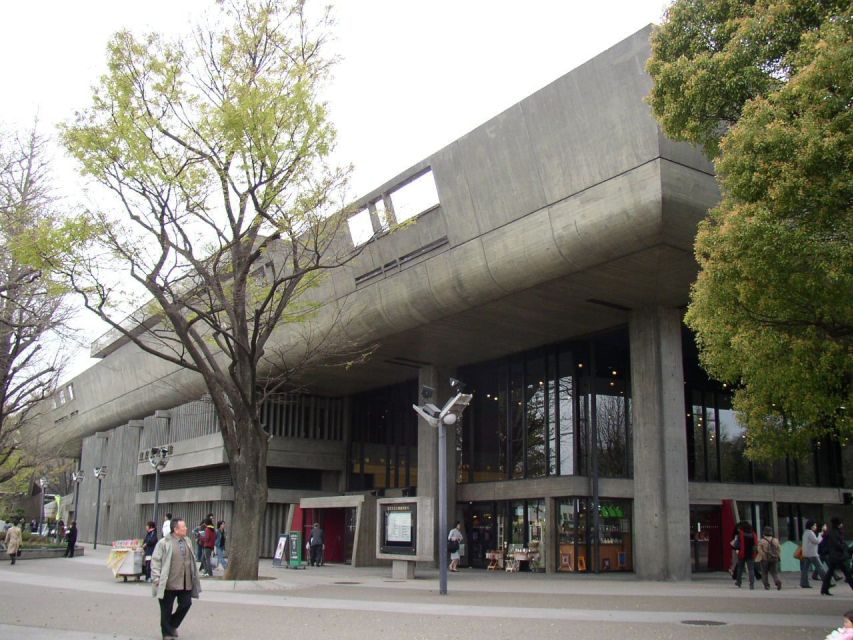
Next, you visit Tokyo Bunka Kaikan, directly across from the National Museum of Western Art. Its position makes the comparison easy. You can look from one building to the other and consider the relationship between Le Corbusier and Kunio Maekawa.
Maekawa was one of three local apprentices of Le Corbusier. The tour presents Tokyo Bunka Kaikan as an expression of respect toward his mentor, while also showing Maekawa’s own architectural voice. That relationship gives the stop more substance than a simple architect-name checklist.
I find this pairing especially useful for first-time students of Japanese architecture. You do not need to remember a long list of dates. You can focus on the idea of influence: what happens when an architect trained under a major European modernist returns to work in Japan?
The two buildings are close enough for a direct visual comparison, and that saves time. It also makes the explanation concrete. Instead of hearing about an abstract connection between teacher and student, you can stand between their works and see how the tour frames that connection.
This stop may appeal most to people who enjoy ideas and design details rather than only historic decoration. If your main interest is traditional Japanese temples, gardens, or old wooden houses, this portion of the tour may feel less familiar. That is also its value. It shows a side of Japanese culture that differs sharply from the country’s famous boutique shopping areas and older tourist routes.
Seeing preservation work at the Children’s Literature Library
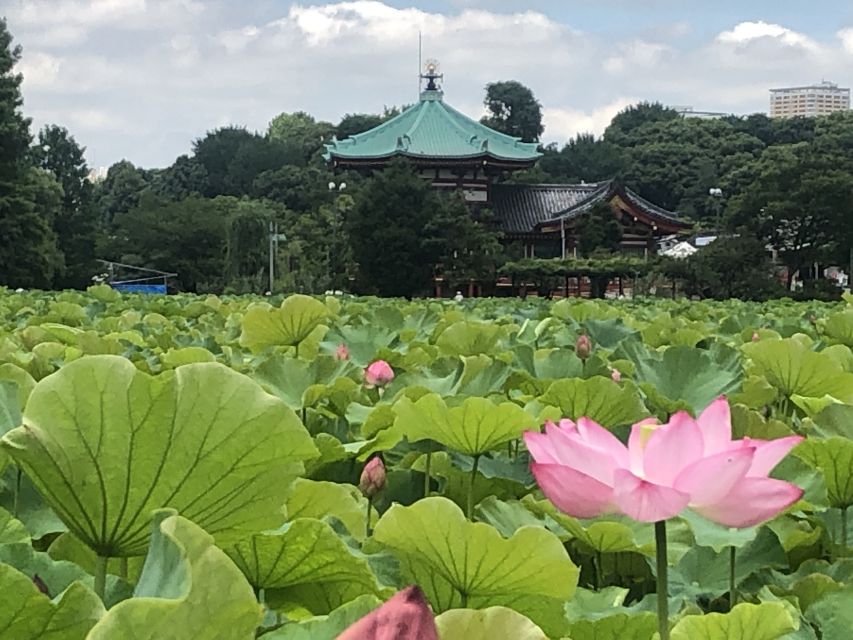
The International Library of Children’s Literature adds another layer to the walk. Here, the focus turns to preservation, renovation, and a new arch-shaped annex building.
That combination is worth your attention. Historic architecture is not only about protecting an old structure exactly as it was. It is also about deciding how a building can keep serving the public while new needs are added. The library lets you consider that practical problem through its preservation and renovation work.
The new annex gives the guide a chance to explain how old and new construction can share one site. The supplied information does not provide the building’s full architectural background or the exact design date, so your guide’s commentary will shape how much detail you receive here.
I like having this stop between the two major museums and the Tokyo National Museum. It breaks up the tour’s focus on famous architects and brings in a working cultural institution. You are not only looking at celebrated design. You are also seeing how public buildings change over time.
This is one reason a private tour can be more useful than a self-guided walk. Without explanation, you might notice the arch-shaped annex but miss the larger question of why renovation and preservation matter. You can ask your guide to focus on the construction choices that interest you most.
A few more architecture walks in the world worth a look
- Chicago Architecture River Cruise
★ 5.0 · 15,756 reviews - Chicago River 90-Minute Architecture Tour
★ 4.5 · 9,629 reviews - Chicago River: 1.5-Hour Guided Architecture Cruise
★ 4.8 · 8,046 reviews - Chicago Architecture Center River Cruise aboard First Lady
★ 5.0 · 5,536 reviews
Four eras at the Tokyo National Museum
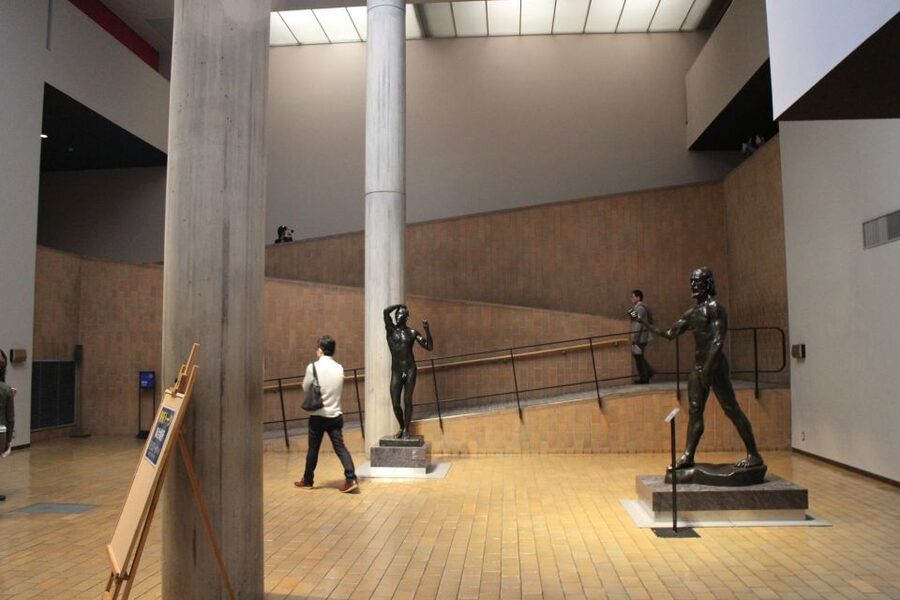
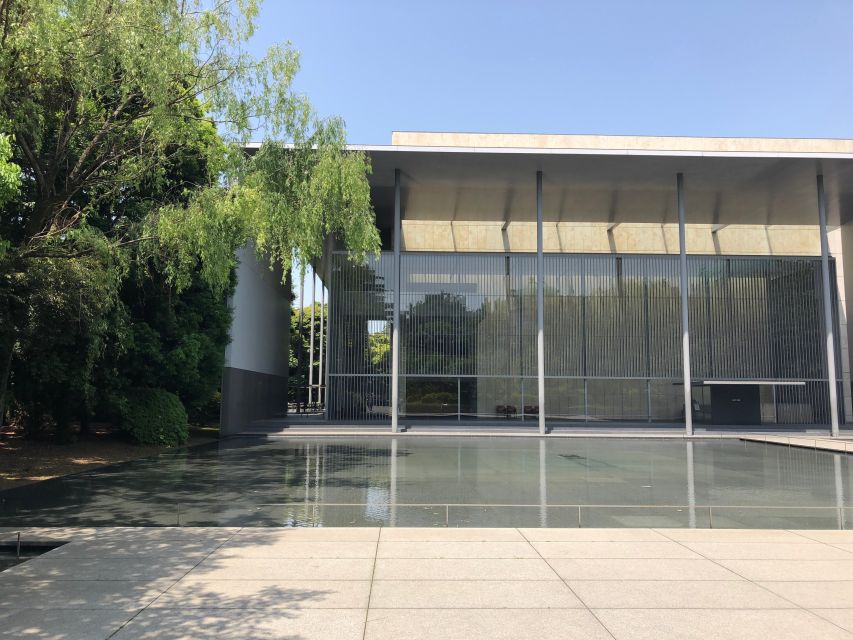
The final major stop is the Tokyo National Museum. The tour includes admission, and you finish by looking at four architectural works:
- Hyokei-kan
- Hon-kan
- Toyo-kan
- Gallery of Horyuji Treasure
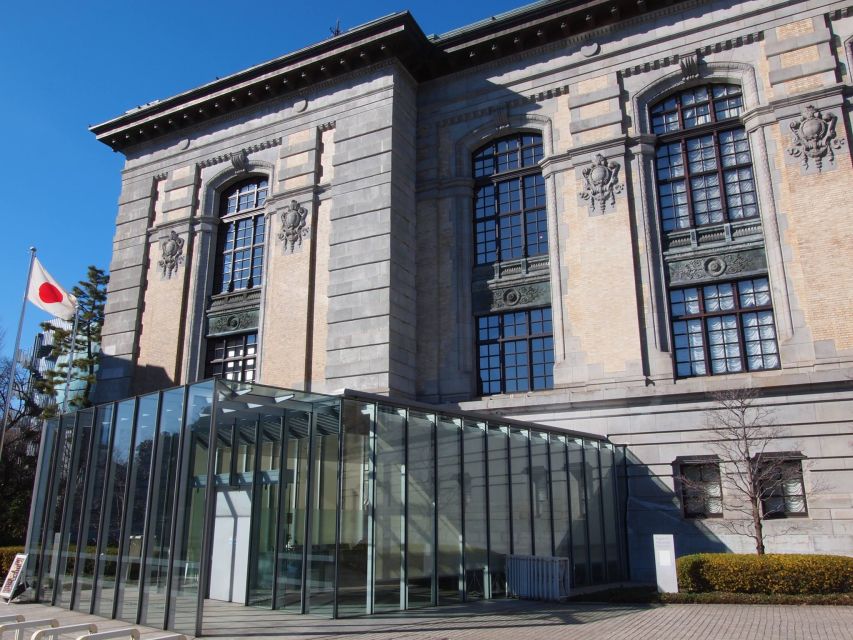
Together, these buildings reflect architectural changes from 1908 to 1999. That date range gives the tour a strong closing section. You have already seen Le Corbusier’s international modernism, Maekawa’s connection to him, and a library site balancing preservation with new construction. At the museum, you can compare four buildings shaped by different eras and purposes.
The tour does not treat the Tokyo National Museum as one single building. That is important. Each named structure can contribute a different view of how Japan presented art and culture at different points in its modern history.
You should expect an exterior-focused architectural explanation during the walking portion, followed by the chance to explore the collections at your own pace at the end. This arrangement is practical. You receive guidance on the buildings, then you can choose how to spend your remaining museum time instead of being rushed through every gallery.
The admission fee is included, which strengthens the value of the $158 per-person price. You are paying not only for entry but also for a private English-speaking guide, a planned route, and interpretation across several sites. The price will make more sense to people who would otherwise need to research the buildings independently or arrange several separate museum visits.
It is less compelling if you only want a general Ueno Park stroll. For that, you can walk through the park on your own at no admission cost. The fee is buying context, comparisons, and personal attention.
What the private format adds
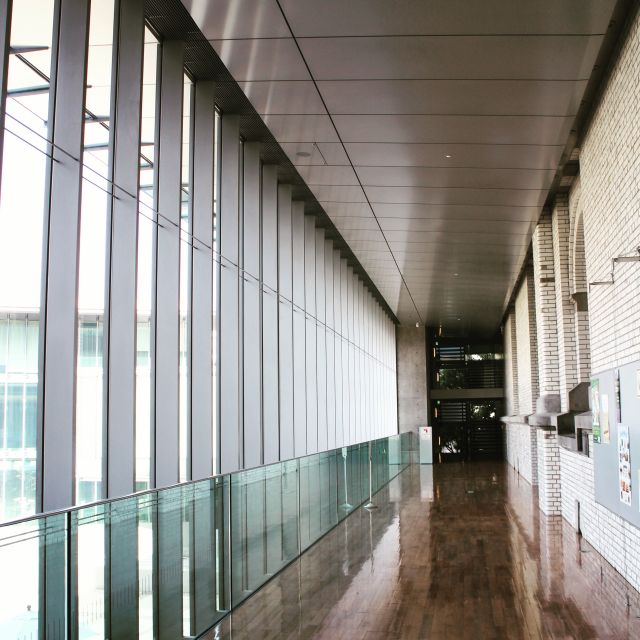
Private groups are the best fit for this kind of subject. Architecture tours work better when you can stop to ask why a building looks the way it does, request more detail about an architect, or move on when a point is clear.
The guide languages are Japanese and English. If you book in English, ask about the guide assigned to your date. Mari is described as warm, funny, experienced, and enthusiastic about Ueno’s architecture. Her ability to answer questions in clear English is a particular advantage for visitors who want more than memorized facts.
Do not assume every departure will be led by Mari, so confirm if that matters to you. The important point is that the experience is designed around a live guide rather than an audio recording or printed route.
The private format also helps with different interests within one group. One person may care about Le Corbusier, another about preservation, and another about the museum collections. A guide can adjust the balance more easily than a large group tour.
Choosing a daytime or evening departure
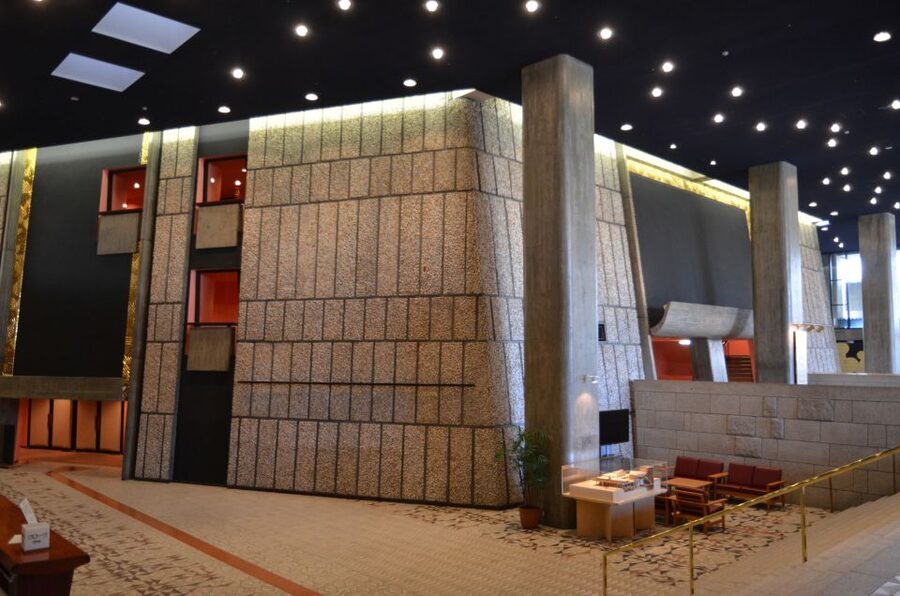
Starting times vary, so check availability when you book. The tour can be taken at night, and evening viewing gives the buildings a different character.
A nighttime departure may suit you if you have already spent the day sightseeing or want to see the architecture under a different light. It can also make the route feel less like a standard museum visit. On the other hand, daytime may be better if you want to study exterior details clearly or make the most of the Tokyo National Museum afterward.
The tour ends back at the starting point, in front of the National Museum of Western Art. There is no hotel pickup or drop-off, so you need to make your own way to Ueno Park and arrange your onward transport.
Because the tour includes a break with drinks, you do not need to treat it as a race from building to building. Still, wear comfortable shoes and allow time for walking between stops. The route is centered on Ueno Park, but three and a half hours will pass quickly if you ask detailed questions.
Who will get the most from this tour
I would choose this experience if you:
- Want a guided introduction to modern Japanese architecture
- Prefer a private group to a large scheduled tour
- Enjoy comparing buildings from different decades
- Want to connect Le Corbusier’s work with Kunio Maekawa’s
- Have already seen Tokyo’s shopping districts and want a quieter cultural angle
- Value explanation more than simply collecting photographs
- Plan to visit the Tokyo National Museum and want help understanding its buildings
You may want to skip it if you have only a short stop in Ueno and care mainly about the museum collections. You may also find the pace too limited if you want to inspect every building in detail. One visitor felt that three hours was too short for everything in the park, and that is a fair warning even with the 3.5-hour schedule.
The tour is also a better fit for adults and older children who can stay engaged with design, public buildings, and architectural history. The title points clearly to the subject, so you should book it for the architecture rather than expecting a general sightseeing tour.
Is the $158 price worthwhile?
At $158 per person, this is not a budget walk. The value depends on how much you want a specialist-style explanation and how many people share the private booking.
The fee includes admission to the Tokyo National Museum, an English-speaking guide, and a drinks break. It does not include transport to Ueno Park, hotel pickup, or drop-off. The biggest part of the cost is the private attention and the route’s interpretation.
I think the price is reasonable for a small group with a serious interest in architecture. You are covering several major buildings and multiple periods rather than paying for one museum entrance alone. The direct comparison between Le Corbusier and Maekawa would also be difficult to recreate without preparation.
For a solo visitor or a pair focused mainly on sightseeing, the cost may feel high. For a family, group of friends, or architecture student sharing the private experience, the format becomes easier to justify.
You can cancel up to 24 hours in advance for a full refund, and the reserve-now, pay-later option keeps your plans flexible. Those terms are useful in Tokyo, where weather, museum hours, and a busy itinerary can change your plans.
My call: book it if the buildings matter to you
Book the Private Ueno Park Architecture Tour if you want to understand why these buildings matter, not just photograph them. The route links Le Corbusier, Maekawa, preservation work, and four Tokyo National Museum structures in a clear three-and-a-half-hour walk.
I would especially recommend it for anyone who has seen Tokyo’s popular shopping areas and wants a more thoughtful cultural outing. Just keep your expectations realistic: Ueno contains more than one tour can cover, and the experience is strongest when you treat the guide’s explanations as the main attraction.
If possible, ask whether Mari is leading your departure, choose a start time that fits your museum plans, and return to the Tokyo National Museum afterward if you want more time with the collections. For architecture-minded visitors, this is a focused and useful way to read Tokyo through its public buildings.
FAQ
Where does the tour start?
The tour starts in front of the National Museum of Western Art at Uenokōen 7-7, Taitō-ku, Tokyo 110-0007, Japan.
Where does the tour end?
The activity ends back at the meeting point in front of the National Museum of Western Art.
How long does the tour last?
The tour lasts 3.5 hours. Starting times vary, so check availability for the date you want.
What languages are available?
Live guiding is available in Japanese and English.
Is this a private tour?
Yes. The activity is offered for a private group.
Is admission to the Tokyo National Museum included?
Yes. Admission to the Tokyo National Museum is included in the tour price.
Is hotel pickup included?
No. Hotel pickup and drop-off are not included. You need to reach the meeting point yourself.
Can I cancel the tour for a refund?
You can cancel up to 24 hours in advance for a full refund. The reserve-now, pay-later option allows you to book without paying immediately.
Newly added in the world
- Washington, DC: Georgetown Architecture Walking Tour★ 5.0 · 8 reviews
- Washington DC: Dupont Circle & Embassy Row Architecture Tour★ 5.0 · 6 reviews
- New Orleans : Garden District Architecture Walking tour★ 4.8 · 5 reviews
- Wilmington History and Architecture Tour★ 4.8 · 18 reviews
- Unveiling Brno: History, Culture & Architectural Delights★ 5.0 · 2 reviews
- Vicenza: Palladian Architecture Private Walking Tour★ 3.3 · 3 reviews
- Walk & Discover KL’s Architectural and Heritage Gems★ 5.0 · 7 reviews
- Private Colonial Williamsburg Architectural Tour★ 5.0 · 5 reviews
Tokyo Architecture Tours, compared.
Private Harajuku Omotesando Architecture Walking Tour
Read our review →
Private Edo-Tokyo Open Air Architectural Museum Tour
Read our review →
Tokyo Architecture and Contemporary Art Walking Tour with a local guide
Read our review →
Japanese Garden & Western Architecture: Akasaka exploration tour
Read our review →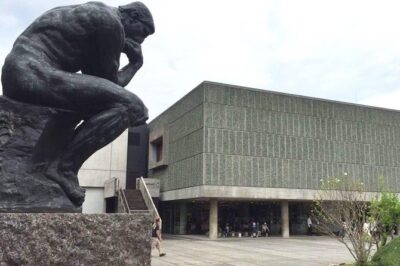
Browse the lists this tour appears in