
Review · INDIA ARCHITECTURE TOURS
South India Tour- Temple Architecture and Backwaters
South India changes character every few hours on this 13-day journey. You move from stone-carved temples and grand Hindu shrines in Tamil Nadu to Kerala’s tea country, wildlife reserve, and palm-lined backwaters. The route gives you a useful first look at two neighboring states with very different moods.
I like the careful progression from Chennai’s coast to Madurai’s temple streets, then west into the hills. I also like having a private, air-conditioned vehicle and meals included, which matters on long road days. The main drawback is the pace: several drives take three to five hours, and some sightseeing stops are brief.
Key points to know
- Mahabalipuram opens the tour with UNESCO-listed rock architecture, including Arjuna’s Penance and the Shore Temple.
- Tamil Nadu’s temple circuit is the heart of the trip, with Thanjavur, Srirangam, the Rock Fort, and Madurai’s Meenakshi Temple.
- Chettinad adds a different kind of architecture, with elaborate mansions, Burma teak, marble, and broad courtyards.
- Munnar gives you two full days in Kerala’s tea hills, including plantations, a tea museum, waterfalls, and a floriculture center.
- The Alleppey houseboat includes meals and an overnight stay, with the boat anchored near a village at night.
- The private format suits families and small groups, but the non-refundable booking rule calls for firm plans.
What this South India route does well
At $1,750 per person, this tour is not simply a hotel-and-transport package. The price covers 12 nights in 3-star accommodation, an air-conditioned private vehicle, an English-speaking guide for sightseeing, breakfast, lunch, dinner, airport transfers at both ends, and a houseboat night with all meals. That can be good value if you want one company to handle a complicated one-way route.
You begin in Chennai and finish at Kochi airport, so the itinerary moves in one direction rather than sending you back to your starting point. That saves time, though the road journeys still require patience. The longest listed transfers are to Munnar and Thekkady, and the vehicle is your main link between towns.
The private setup is useful here. You are not tied to a large group, and only your own party takes part. That makes the route more manageable for families or groups with different walking speeds. It also gives you someone to help explain temples, local customs, and architectural details that can be easy to miss.
The arrangement is not all-inclusive in the strict sense. Monument charges, Periyar National Park entry, insurance, tips, laundry, telephone calls, alcohol, optional activities, and personal purchases are extra. The boat ride at Thekkady is subject to access, while houseboat cruising depends on weather.
A few more architecture walks in India worth a look
- British Architecture Walk, an immersive walking tour in Chennai
★ 5.0 · 60 reviews - The Hipster Chandigarh Architecture History Tour
★ 5.0 · 54 reviews - Mumbai heritage walk- Story of Gothic and Art Deco buildings
★ 5.0 · 33 reviews
Mahabalipuram puts stone before sightseeing
After your first night in Chennai, you drive to Mahabalipuram, also called Mamallapuram. This coastal UNESCO World Heritage Site is the first major cultural stop, and the three-hour visit gives you a focused introduction to Tamil Nadu’s remarkable stone work.
The main sights are the rock-cut temples, Arjuna’s Penance, and the Shore Temple. Arjuna’s Penance is a large sculpted rock panel, while the Shore Temple is an instantly recognizable structure beside the coast. The appeal here is visual and architectural rather than museum-based: you walk among carved stone monuments and see how builders shaped temples directly from rock.
Three hours is enough for a first visit, but it is not an exhaustive study of the site. Wear practical shoes and expect sun. The tour includes the sightseeing transfer and guide, but monument fees are not included, so keep cash or a payment method available for required entries.
Pondicherry adds French streets and Indian shrines
The next morning takes you to Pondicherry, whose character comes from the contrast between its French White City and Indian quarter, sometimes called Black City. This is a welcome change after the stone monuments of Mahabalipuram.
The schedule includes Sri Aurobindo Ashram, Auroville, Sri Ganesha Temple, and Manakula Lord Vinayagar Temple. You get a mixture of spiritual centers, planned-community ideals, and active Hindu worship. The two neighborhood styles also make Pondicherry more than a quick photo stop. Look at the change in street design, buildings, and religious atmosphere as you move between areas.
The listed sightseeing time is three hours, so expect an overview rather than long, unhurried visits. The day is also another transfer day, which means you should save your energy for the next stops rather than plan a late evening on your own.
Thanjavur shows Tamil Nadu at full scale
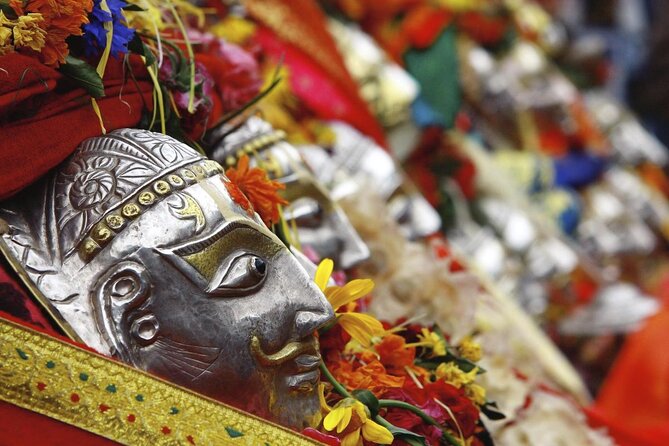
Thanjavur, or Tanjore, is known for its temple tradition, Tanjore paintings, silk weaving, and Bharatanatyam dance. The itinerary allows three hours for arrival and sightseeing, with the rest of the day at your hotel.
This stop matters because Tamil Nadu’s religious buildings are not isolated monuments. They connect to painting, dance, craft, and court culture. If you enjoy architecture, this is one of the places where the tour’s theme becomes clearest.
The short visit is the limitation. Thanjavur deserves attention, and the schedule may feel compressed if you want detailed time for the temple and local arts. Still, the stop gives the route a strong cultural center before the journey continues to Tiruchirappalli.
Same city, a different facade:
- Delhi Hidden Gems: Mehrauli, Lodhi Art & Sunder Nursery
★ 5.0 · 108 reviews - Jaipur City Heritage and Architecture Tour
★ 5.0 · 32 reviews - Le Corbusier’s Chandigarh : A Complete Architecture Tour
★ 4.7 · 25 reviews - Day trip from Bangalore to Lepakshi for Temple architecture & paintings
★ 5.0 · 15 reviews
Trichy combines a hilltop shrine with Srirangam
Tiruchirappalli, usually shortened to Trichy, brings a different setting. You visit the Rock Fort Temple and Srirangam Temple, then walk through China Bazaar, Grand Bazaar, and side streets.
The Rock Fort Temple gives you a raised view and a physical change from the flat temple compounds earlier in the trip. Srirangam offers a large sacred complex with a different scale and rhythm. The markets then return you to everyday city life, with shopping streets and local movement rather than carefully preserved monuments.
Again, the sightseeing window is about three hours. Temple visits may involve steps, crowds, and rules about footwear or clothing, although exact requirements are not specified. Listen closely to your guide, and keep valuables secure during the market walk.
Chettinad reveals a quieter architectural style
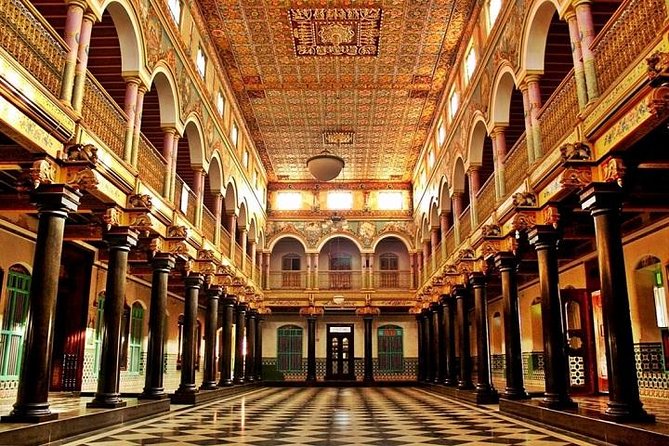
Chettinad is one of the most distinctive stops on the route. The area is known for Chettiar mansions with marble, Burma teak, wide courtyards, and generous rooms. Local tradition says some walls were polished with a paste made from egg white to create a smooth finish.
This is not another temple stop. Instead, you see the homes built by a prosperous merchant community and gain a sense of domestic architecture, status, and craftsmanship. The mansions can make the stop feel more personal than a grand public shrine.
Admission to the Chettinad museum is not included, unlike several other listed sightseeing stops. The schedule allows three hours, and you stay overnight in the area. That overnight stay helps break up the long road section before Madurai.
Madurai brings the temple circuit to its peak
Madurai is likely to be the emotional center of the Tamil Nadu portion. You visit Meenakshi Temple, Vandiyur Mariamman Teppakulam, and Thirumalai Nayak Palace, then return to the temple in the evening for the Aarti ceremony.
Meenakshi Temple is not a quick monument viewed from outside. It is an active place of worship, and the evening ceremony gives you a chance to see its religious life rather than only its architecture. The schedule allows four hours, longer than at several earlier stops, though the visit still combines multiple sights.
Vandiyur Mariamman Teppakulam is a large temple tank, while Thirumalai Nayak Palace adds a royal architectural note. Together, these stops show Madurai from three angles: sacred space, public water structure, and palace design.
Plan for an early start and a full day. Temple visits can involve walking and waiting, and the evening Aarti means the day may extend beyond a simple daytime sightseeing block. The entry policy and any photography restrictions should be confirmed locally with the guide.
Munnar changes stone for tea hills
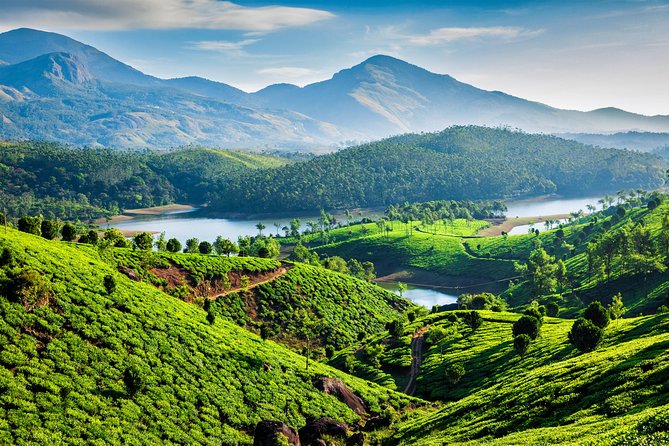
After Madurai, the road turns toward Munnar. The transfer is listed at about five hours, making this one of the tour’s longer driving days. Munnar takes its name from three rivers, Madhurapuzha, Nallathanni, and Kundaly, and the setting shifts sharply from temple towns to tea-covered hills.
The drive itself is part of the transition, but it can also be tiring. You should treat this as a scenic travel day with a later arrival, not as a morning excursion followed by a full afternoon of activities.
The following day gives you more time in Munnar. The plan includes Atukkad Cascades, Chithirapuram tea plantations, a floriculture center, and a tea museum. I like this two-day structure because it avoids reducing the hill station to a single roadside viewpoint.
The tea museum helps explain the crop that shapes the area, while the plantation visit puts you among the working hills rather than only looking at them from a vehicle. Atukkad Cascades adds water and walking, and the floriculture center offers a softer contrast to the industrial and agricultural side of tea production.
The tour does not specify the length or difficulty of walks, so ask your guide before setting out if you have mobility concerns. Weather can also affect hill roads and outdoor visits.
Thekkady adds wildlife, but the boat is not guaranteed
From Munnar, you drive about three hours to Thekkady for Periyar Wildlife Sanctuary. After checking in, you take a boat ride on Periyar Lake.
The boat gives you a way to see the reserve from the water without arranging a separate walking program. You might spot wildlife along the shoreline, but sightings are never promised by the schedule. The boat and park ride depend on availability, and entry to Periyar National Park is not included in the tour price.
This is an important budget detail. The advertised price covers the planned boat experience, but you should expect extra charges for park admission. If the ride is unavailable, the itinerary may need to change, and the terms also note that weather can affect access.
Kumarakom offers a pause before the houseboat
The next drive takes you to Kumarakom, with about four hours listed for the transfer. After checking in, the rest of the day is free.
This open time is useful after several consecutive sightseeing days. You can rest at the hotel rather than rush into another formal visit. The tradeoff is that the itinerary does not specify an included activity in Kumarakom, and vehicle services are not provided on leisure time or after scheduled sightseeing.
If you want to use the day for extra touring, arrange it separately and confirm the added cost. If your priority is a slower pace, Kumarakom is the place to take it.
Alleppey delivers the classic Kerala houseboat night
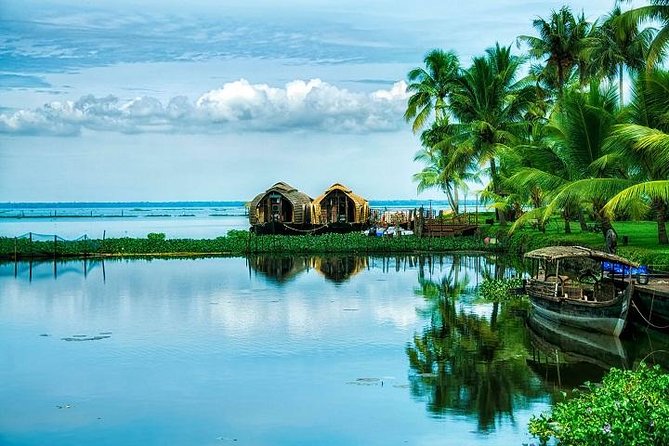
The final major experience begins in Alleppey, also known as Alappuzha. You board the houseboat after breakfast and spend the night onboard with all meals included.
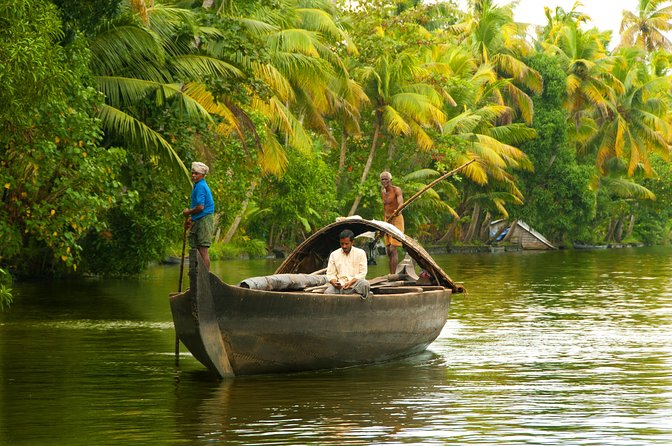
The cruising pattern is practical and worth understanding. The boat anchors near rice paddies for lunch, then continues. In the evening, tea, coffee, and snacks are served. At night, the boat anchors near a village because cruising is not possible after dark, when local fishermen put out their nets. Dinner is served onboard.
That schedule gives you a closer look at life along the backwaters, but do not expect constant movement. Much of the experience comes from sitting outside, watching the water and settlements pass, and accepting the slower pace. Cruising is subject to weather conditions.
The houseboat is one of the strongest reasons to choose this route. It is not just a hotel transfer. You spend the night on the water, with meals included, and the timing reflects local fishing activity rather than a show staged for visitors.
Transport, meals, and hotel value
The package includes 12 nights in 3-star hotels on a single, twin, or triple-sharing basis. Room arrangements matter, so confirm the setup at booking, especially if you are traveling as a couple or family.
An air-conditioned private vehicle handles sightseeing and transfers listed in the program. That is valuable in southern India, where the route covers many towns and road hours. It also means you are not figuring out separate buses or trains between each stop.
Breakfast is included throughout the hotel portion, with lunch and dinner also listed as inclusions. The houseboat includes all meals. Personal drinks, extra meals, alcohol, laundry, phone calls, tips, and other personal expenses are separate.
At $1,750 per person, the package makes the most sense if you value convenience and private transport. It is less attractive if you prefer to choose cheaper hotels, travel independently, or skip guided visits. The included transfers, meals, guide, and houseboat can reduce the daily planning burden, but the extra monument and park fees mean you still need a spending allowance.
Who should book this 13-day journey?
I would recommend this tour to you if you want a first visit to South India built around major cultural sights and a few signature Kerala experiences. It suits couples, families, and private groups who prefer a set route with an air-conditioned vehicle and support at both airports.
It is also a good fit if you want both temple architecture and backwaters, rather than choosing only Tamil Nadu or only Kerala. Santosh and Azhar are named in the tour’s service correspondence as travel planners who handled detailed requests and trip arrangements. Another piece of feedback praises safe driving, careful organization, food, and hotel arrangements, while an Italian guide is also mentioned in connection with assistance.
I would hesitate if you dislike long road transfers, want several free days, or need a flexible booking. The experience is non-refundable and cannot be changed for any reason after payment. Weather, roadblocks, illness, and flight changes can also force itinerary or hotel changes without reimbursement.
Should you book it?
Book this South India tour if your ideal trip links Mahabalipuram’s carvings, Madurai’s evening temple ceremony, Munnar’s tea country, Periyar Lake, and a Kerala houseboat night in one organized route. The strongest value comes from the private vehicle, meals, guide, airport transfers, and the houseboat stay.
Skip it if you want slow travel or independent control over every hotel and stop. Before paying, confirm the exact hotel names, room arrangement, monument charges, Periyar entry costs, and what happens if the boat ride is unavailable. With those details clear, this is a well-balanced introduction to two very different parts of southern India.
FAQ
How long is the South India tour?
The tour lasts approximately 13 days and includes 12 nights, beginning with arrival at Chennai International Airport and ending with transfer to Cochin International Airport.
What cities and regions does the tour visit?
The route includes Chennai, Mahabalipuram, Pondicherry, Thanjavur, Tiruchirappalli, Chettinad, Madurai, Munnar, Thekkady, Kumarakom, Alleppey, and Kochi airport.
Are hotels and meals included?
Yes. The package includes 12 nights in 3-star hotels, breakfast, lunch, and dinner. The Alleppey houseboat includes accommodation with all meals.
Is transportation private?
Yes. Sightseeing and listed transfers are provided in an air-conditioned private vehicle for your group. Vehicle service is not included during leisure time or after scheduled sightseeing.
Is the Periyar National Park boat ride guaranteed?
No. The boat or park ride in Thekkady depends on availability. Entry fees to Periyar National Park are also not included, and weather can affect access.
Are monument entry fees included in the price?
No. Monument fees and entry charges are excluded. The Chettinad museum admission is also specifically listed as not included.
Newly added in India
- New Delhi: Mughal’s architecture tour with transfers★ 4.0 · 7 reviews
- 2 day tour from Mumbai to architectural wonder of Mandu★ 5.0 · 2 reviews
- Goa Walking tour: History, Culture, Art and architecture★ 4.5 · 2 reviews
- British Architecture Walk in Chennai by Wonder tours★ 5.0 · 10 reviews
- Day trip from Bangalore to Lepakshi for Temple architecture & paintings★ 5.0 · 15 reviews
- Old & New Delhi Culture & Architecture City Private Tour★ 4.9 · 9 reviews
- Kanchipuram: Temple Architecture & Silk Weaving from Chennai★ 4.8 · 3 reviews
- Victorian Gothic Heritage Quarter and Art Deco Walking Tour★ 4.5 · 13 reviews
India Architecture Tours, compared.

Delhi Hidden Gems: Mehrauli, Lodhi Art & Sunder Nursery
Read our review →
British Architecture Walk, an immersive walking tour in Chennai
Read our review →
The Hipster Chandigarh Architecture History Tour
Read our review →
Mumbai heritage walk- Story of Gothic and Art Deco buildings
Read our review →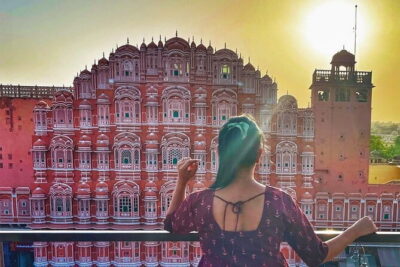
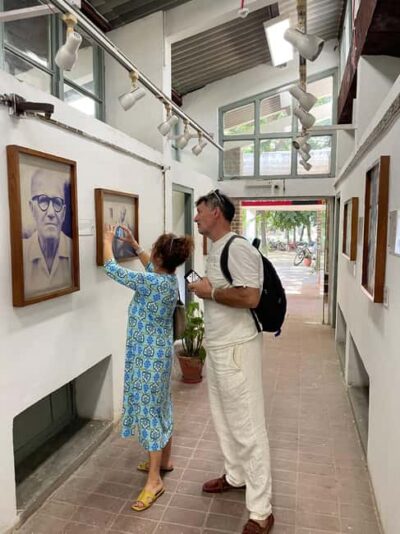
Le Corbusier’s Chandigarh : A Complete Architecture Tour
Read our review →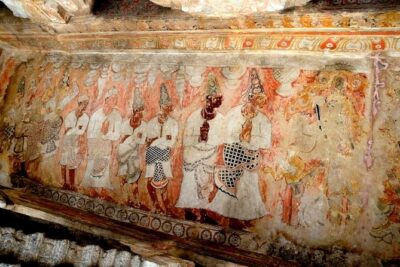
Day trip from Bangalore to Lepakshi for Temple architecture & paintings
Read our review →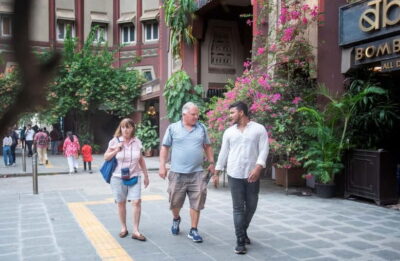
Victorian Gothic Heritage Quarter and Art Deco Walking Tour
Read our review →Browse the lists this tour appears in