
Review · TOKYO ARCHITECTURE TOURS
Small-Group Architecture Tour in Ginza, Tokyo
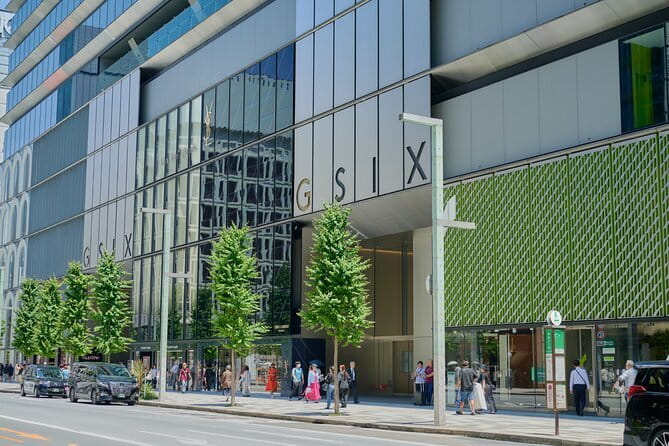
Ginza’s best architecture is not meant to be viewed through a car window. This 3.5-hour walking tour takes you from Tsukiji to the Ginza 4-chome intersection, pausing at temples, theaters, department stores, boutiques, and compact shrines along the way. The real treat is seeing how grand commercial design sits beside older, quieter structures.
I like the maximum group size of six, which gives you room to ask questions and stop for photos. I also like the guide’s focus on why Ginza looks the way it does, including the effects of the Shogun era and natural disasters. The main drawback is that the route requires moderate fitness, and the $84.70 price may feel high if you only want a quick look at famous storefronts.
Key things to know before you book
- You start at Tsukiji Station and walk into Ginza: Meet near Exit 1 at 10:00 a.m., then cover the area on foot.
- The route mixes famous and lesser-known buildings: Expect Kabukiza Theater, Hermes, Mikimoto, Wako, UNIQLO, and Okuno Building, plus Toyoiwa Inari Shrine.
- The group is capped at six people: That is a useful size for questions, photographs, and occasional interior visits.
- Guides bring professional design experience: Taka is a former urban planner and architect, while Hal is praised for strong technical insight and energy.
- A drink break is included: You get a comfortable pause during the walk, with drinks included in the price.
- The tour finishes near Mitsukoshi: The endpoint is the Ginza 4-chome intersection, not your hotel.
Why Ginza works so well as an architecture walk
Ginza is often reduced to glossy shops and expensive brand names. That misses the point. The district is a useful outdoor lesson in how Tokyo handles old traditions, commercial ambition, limited space, and repeated rebuilding.
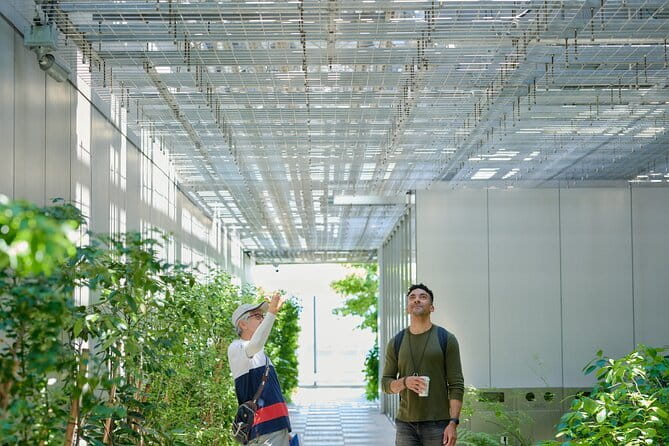
On this walk, you are not simply collecting building photos. You are looking at the smaller choices: a façade pattern, a narrow frontage, a dramatic corner, or the way a traditional religious site fits among department stores and international brands.
The tour also gives you useful historical context. The guide explains how the Shogun era and natural disasters helped shape the architecture you see today. That context matters because Ginza is not a place where every building belongs to one period or follows one design style. The area makes more sense when you understand that Tokyo has repeatedly had to adapt and rebuild.
The walking format is important. You can stop for photographs instead of rushing past a façade in traffic, and you can look upward without worrying about missing the next turn. With about 40 minutes of walking between sites in total, the route is active but not built around a long hike.
A few more architecture walks in the world worth a look
- Chicago Architecture River Cruise
★ 5.0 · 15,756 reviews - Chicago River 90-Minute Architecture Tour
★ 4.5 · 9,629 reviews - Chicago River: 1.5-Hour Guided Architecture Cruise
★ 4.8 · 8,046 reviews
From Tsukiji Station to Ginza
The meeting point is near Exit 1 of Tsukiji Station, at 3-chome Tsukiji. This is a practical starting point because the tour begins with Tsukiji Hongwanji Temple before moving toward Ginza’s commercial streets.
You should arrive ready to walk outdoors for several hours. The tour starts at 10:00 a.m., and the route ends around the Ginza 4-chome intersection. Hotel pickup and drop-off are not included, so you need to make your own way to Tsukiji and arrange your return afterward.
The start and finish are in different parts of central Tokyo. That is convenient if you plan to continue exploring Ginza after the tour, but less convenient if you need to return to a hotel in another district immediately afterward.
Tsukiji Hongwanji Temple: a calm opening stop
The first major stop is Tsukiji Hongwanji Temple, where you go inside for about 10 minutes. It gives the walk a more varied opening than a route made entirely of luxury shops and corporate buildings.
The temple also helps set up the tour’s wider theme. Ginza architecture is not only about polished new construction. Religious buildings, historic forces, rebuilding, and changing city life all form part of the visual story.
Ten minutes is enough for an introduction, but not enough for a long temple visit. You should think of this as a focused architectural stop rather than a full cultural tour of the temple. The guide’s explanation is likely to matter more here than the length of the visit.
Kabukiza Theater and the art of a public façade
Next comes Kabukiza Theater, with about 20 minutes inside to enjoy its features. This is one of the stronger stops for anyone interested in the relationship between performance, tradition, and architecture.
The theater gives the route a sense of ceremony. Unlike a shopfront designed to catch your eye in a few seconds, a theater has to announce an event, create anticipation, and connect the building with a long-established art form. The tour gives you time to look at those details rather than simply photographing the exterior.
The 20-minute allocation makes this one of the more substantial visits. It is also a good point to ask the guide how traditional visual ideas are handled in a modern city setting. The information provided does not promise a performance or backstage access, so you should expect an architectural visit, not a theater show.
Same city, a different facade:
- Chicago Architecture Center River Cruise aboard First Lady
★ 5.0 · 5,536 reviews - Chicago: Architecture River Cruise Skip-the-Ticket Line
★ 4.8 · 4,325 reviews - Chicago River 45-Minute Architecture Tour from Magnificent Mile
★ 4.5 · 2,924 reviews - Barcelona: Sant Pau Recinte Modernista Entry Ticket
★ 4.6 · 2,567 reviews
Nicolas G. Hayek Center and Ginza’s commercial design
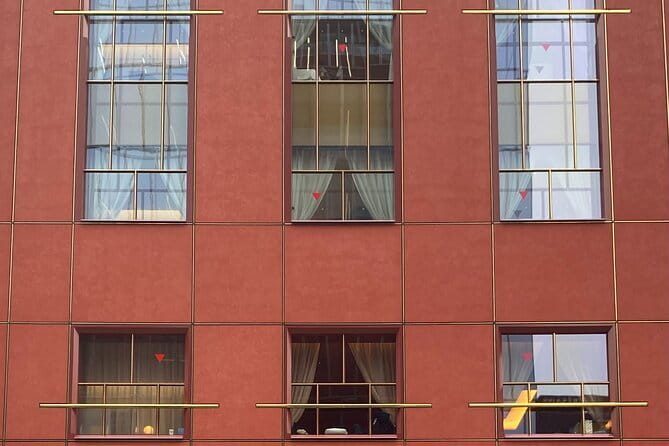
The Nicolas G. Hayek Center receives about 15 minutes, including an interior visit. This stop is especially useful if you want to see how a commercial building can function as a design statement rather than a plain container for retail space.
A guide with professional planning and architecture experience can add real value here. Taka, identified as a former urban planner and architect, is noted for his understanding of modern buildings in Ginza. That background should help you notice the practical and visual decisions that are easy to miss on your own.
This is one of the places where the tour earns its price. You could walk past the center independently, but you may not know what to look for or why it matters within Ginza’s wider collection of commercial buildings.
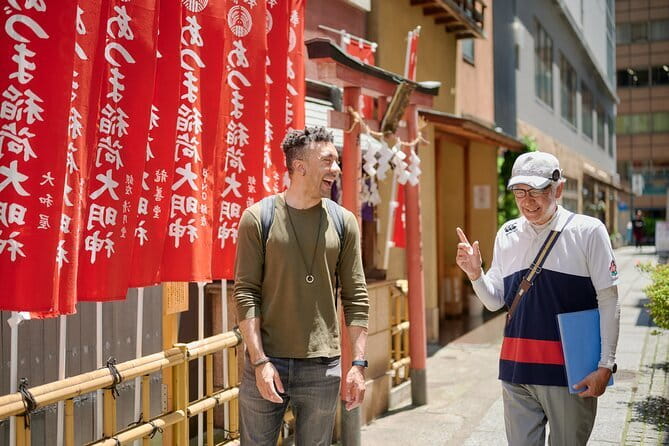
Toyoiwa Inari Shrine, a five-minute pause
Toyoiwa Inari Shrine is a brief five-minute stop. Its small scale is part of the appeal. It offers a sharp contrast with the large commercial buildings that dominate much of the route.
Do not expect a long visit here. The stop is designed to show a compact religious site within the city, not to provide an extended spiritual or historical program. Still, it helps prevent the tour from becoming a parade of international brands.
This kind of short pause is also useful for photography. You can compare the shrine’s modest presence with the taller, more polished buildings nearby, then move on without losing much time.
Hermes and Mikimoto: boutique buildings as art
Ginza Maison Hermes Le Forum is another interior stop, with about 15 minutes to look around. The visit shows how a luxury brand uses its building to shape the shopping experience. You are not only viewing a store. You are examining the building’s public face, interior atmosphere, and connection to the street.
The tour may also visit Mikimoto Boutique Ginza 2chome for about five minutes if time allows. The wording matters here: this stop is conditional, so you should not count on a full visit. The schedule has several locations, and walking time or access can affect the order.
The route later includes Mikimoto Ginza 4chome Honten, viewed from outside for about five minutes. Seeing both Mikimoto locations, even briefly, lets you compare different expressions of the same brand within Ginza. The stops are short, but they work well for a visitor who wants to understand how retail architecture becomes part of a company’s identity.
UNIQLO, Wako, and the Ginza street view
UNIQLO Tokyo is viewed from the outside for about 10 minutes. This stop gives the guide a chance to discuss a familiar brand in a different way. The question is not simply what the store sells, but how a large retail presence communicates with Ginza’s streets.
Wako Ginza follows with about 10 minutes outside. Its location near the Ginza 4-chome intersection makes it one of the district’s major visual reference points. Exterior-only stops are a useful reminder that architecture can be read from the pavement. You do not need to enter every building to understand its scale, frontage, and role in the neighborhood.
The outside visits also keep the tour moving. If you prefer long interior visits, you may find these stops brief. If you like a steady route with regular photo opportunities, the balance should suit you.
Okuno Building and the quieter side of Ginza
The final listed stop is Okuno Building, with about 10 minutes inside. This is one of the more appealing parts of the route for anyone who wants something beyond Ginza’s most polished brand façades.
The tour description presents Okuno Building as a place to enjoy from the inside, and the guide can help you read its smaller architectural details. It is the kind of stop that gives the route more variety and helps you see that Ginza is not only about newly built luxury spaces.
The walk finishes at the Ginza 4-chome intersection, in front of Mitsukoshi department store. That is a useful endpoint. You can continue shopping, find a meal, or use the area as a base for further sightseeing without arranging a separate transfer.
How the guides affect the experience
The guide is the most important variable on an architecture tour. The route has plenty to see, but the value comes from learning how to read it.
Two guide names connected with the experience are Taka and Hal. Taka is a former urban planner and architect, with a strong grasp of Ginza’s modern buildings. Hal is praised for technical insight into how projects became distinctive and for bringing lively energy to the walk.
Those details point to the tour’s intended level. This is not just a general sightseeing stroll with a few dates attached. You should expect discussion of design choices, planning, construction, and the forces that shaped Tokyo’s buildings.
At the same time, the tour is still designed for a small mixed group rather than architecture students. You can ask the guide for suggestions about other architectural sites in Tokyo, which is particularly useful if Ginza is only the first part of your design-focused sightseeing.
What $84.70 buys you
At $84.70 per person, this is not a bargain walking tour in the usual sense. The admissions listed for the stops are free, so you are mainly paying for the licensed local guide, the small group, the planning of the route, the interior access described, and the included drink break.
I think the price makes more sense for visitors who would otherwise spend hours wandering Ginza without understanding what they are seeing. A professional guide can turn ordinary-looking details into a clearer picture of how Tokyo’s commercial center works.
The maximum of six is a major part of the value. A large group would make it harder to hear explanations, stop for photos, or ask about a building that catches your eye. With six or fewer, the walk should feel more like a guided conversation than a procession.
If you already have strong architecture training or only want to photograph Wako and Kabukiza from outside, the cost may be harder to justify. You can see many of the exterior buildings without booking a tour. The guided interpretation and interior visits are what make this option worthwhile.
Who should book this walk
I would recommend it to you if you enjoy cities through their buildings, want context for modern Tokyo, and prefer a small group to a large sightseeing bus. It also suits repeat visitors who have already seen the headline attractions and want a sharper look at Ginza.
The tour is a good choice for couples, solo visitors, and small groups who like asking questions. The guides’ professional backgrounds make it especially appealing if you care about urban planning, retail design, or the way old and new structures share one district.
You should think twice if you dislike walking, need hotel transport, or want a relaxed schedule with long stops at each site. The route covers many locations in three and a half hours, and several visits last only five or 10 minutes.
Moderate physical fitness is required. You will move between sites, stand for explanations, and spend much of the tour outdoors. Good weather is also required. If poor weather cancels the tour, you are offered another date or a full refund.
Free cancellation is available if you cancel at least 24 hours before the 10:00 a.m. start time. Changes or cancellations made less than 24 hours before departure are not refunded.
Should you book the Ginza architecture tour?
Book it if you want Ginza explained rather than simply photographed. The combination of Tsukiji Hongwanji Temple, Kabukiza Theater, boutique interiors, small religious sites, and major exterior façades gives you a more complete view of the district than a simple shopping walk.
The strongest reasons to go are the six-person limit, the professional design background of guides such as Taka and Hal, and the chance to ask about buildings that are easy to overlook. At $84.70, it is best for curious visitors who value interpretation and access over a low-cost stroll.
Skip it if you only want a quick overview or if a three-and-a-half-hour walk sounds tiring. For everyone else, this is a focused way to see Ginza’s architecture at street level, with enough context to make the district’s polished surfaces more meaningful.
FAQ
Where does the Ginza architecture tour begin?
The tour begins near Exit 1 of Tsukiji Station, at 3-chome Tsukiji in Tokyo.
What time does the tour start?
The tour starts at 10:00 a.m.
How long does the tour last?
The tour lasts approximately 3 hours and 30 minutes.
How large is the tour group?
The group has a maximum of six people.
Where does the tour finish?
The tour finishes at the Ginza 4-chome intersection, in front of Mitsukoshi department store.
Is hotel pickup included?
No. Hotel pickup and drop-off are not included.
What buildings and sites are visited?
The route includes Tsukiji Hongwanji Temple, Kabukiza Theater, Nicolas G. Hayek Center, Toyoiwa Inari Shrine, Ginza Maison Hermes Le Forum, Mikimoto locations, UNIQLO Tokyo, Wako Ginza, and Okuno Building.
Is anything included besides the walking tour?
A cozy pause with drinks and a local licensed tour guide are included.
What happens if the weather is poor?
The tour requires good weather. If it is canceled because of poor weather, you are offered a different date or a full refund.
Newly added in the world
- Washington, DC: Georgetown Architecture Walking Tour★ 5.0 · 8 reviews
- Washington DC: Dupont Circle & Embassy Row Architecture Tour★ 5.0 · 6 reviews
- New Orleans : Garden District Architecture Walking tour★ 4.8 · 5 reviews
- Wilmington History and Architecture Tour★ 4.8 · 18 reviews
- Unveiling Brno: History, Culture & Architectural Delights★ 5.0 · 2 reviews
- Vicenza: Palladian Architecture Private Walking Tour★ 3.3 · 3 reviews
- Walk & Discover KL’s Architectural and Heritage Gems★ 5.0 · 7 reviews
- Castle to Capitol: Museums of the National Mall Architecture Tour★ 4.5 · 9 reviews
Tokyo Architecture Tours, compared.
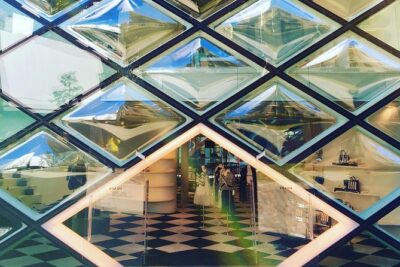
Private Harajuku Omotesando Architecture Walking Tour
Read our review →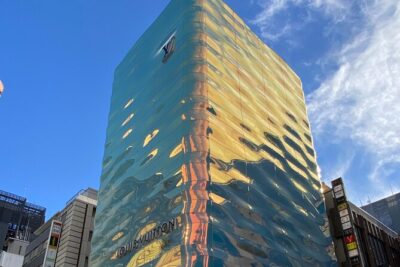
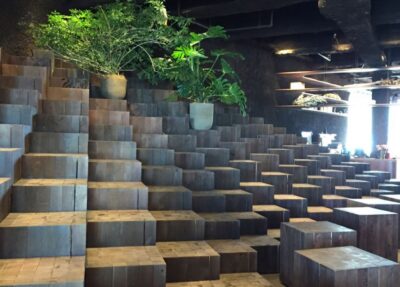
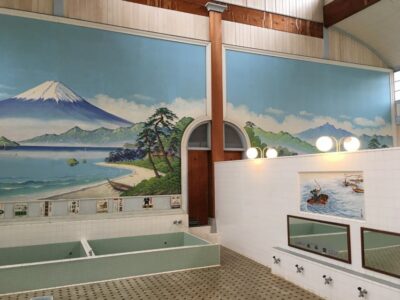
Private Edo-Tokyo Open Air Architectural Museum Tour
Read our review →
Tokyo Architecture and Contemporary Art Walking Tour with a local guide
Read our review →
Japanese Garden & Western Architecture: Akasaka exploration tour
Read our review →
Browse the lists this tour appears in