
Review · HISTORICAL TOURS
Chicago: Architecture & True Crime History
Chicago’s grand buildings and grim stories share the same sidewalks on this unusual walking tour. Inspired by The Devil in the White City, it links Beaux Arts elegance, bold Art Deco, and sleek Modernist design with tales of murder, corruption, and scandal.
I like the architecture and crime pairing, which gives you two ways to read the city at once. I also like the local guides, including Joseph, whose personable approach and ability to adjust the route during a thunderstorm earned strong praise. The main drawback is its 1.5-hour length: you’ll get a lively introduction, not a full architecture survey or a detailed study of every case.
Key points to know before you book
- Two subjects in one walk: Explore Chicago architecture while hearing stories about H. H. Holmes, John Wayne Gacy, and lesser-known crimes.
- A strong central location: Meet under the Palmer House canopy on the Wabash side, next to Poké Poké.
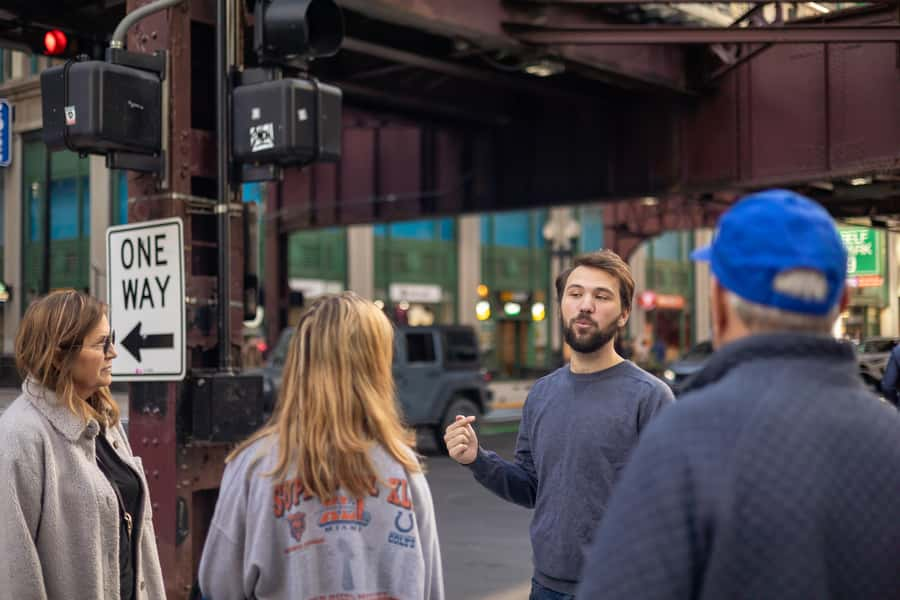
- Local English-speaking guides: Joseph and other Chicago history buffs lead the walk with a true crime focus.
- Good value at $35: You get 90 minutes of guiding for less than the cost of many major city attractions.
- Easy to fit into a day: Tours are generally offered in the morning and afternoon.
- Plan for an outdoor walk: Hotel pickup is not included, and the experience takes place around downtown streets.
Why architecture and true crime work so well together
Chicago is often introduced through its skyline, river bridges, and famous buildings. This tour asks you to look again. A handsome facade is not just a pretty backdrop here. It becomes part of a story about ambition, wealth, crime, civic pride, or personal ruin.
The format is inspired by The Devil in the White City, Erik Larson’s well-known account of Chicago during the era of the 1893 World’s Columbian Exposition. The tour uses that mood as a starting point, then connects it to other episodes in the city’s dark past.
That combination gives the walk a clear rhythm. You look up at a building, learn what makes its design important, then hear about the unsettling events linked to the place or its wider surroundings. The architecture keeps the experience grounded in the city itself, while the crime stories add tension and human detail.
I appreciate that this is not described as a simple serial-killer tour. The material includes famous names such as H. H. Holmes and John Wayne Gacy, but also lesser-known tales. That matters because Chicago’s past is larger than its most familiar villains. You get a broader picture of the city’s scandals and darker corners instead of a greatest-hits list of killers.
Still, the subject matter is not for everyone. If you prefer architecture tours to remain focused on architects, engineering, and preservation, the crime material may feel like a sharp change of tone. If you enjoy both subjects, that contrast is precisely the point.
More History Walks in Chicago:
- Chicago in a Day: Food, History & Architecture Walking Tour
★ 5.0 · 1,153 reviews - Historical and Architectural Chicago Fireboat River & Lake Cruise
★ 5.0 · 246 reviews - Chicago: Food, History and Architecture Tour
★ 4.8 · 104 reviews
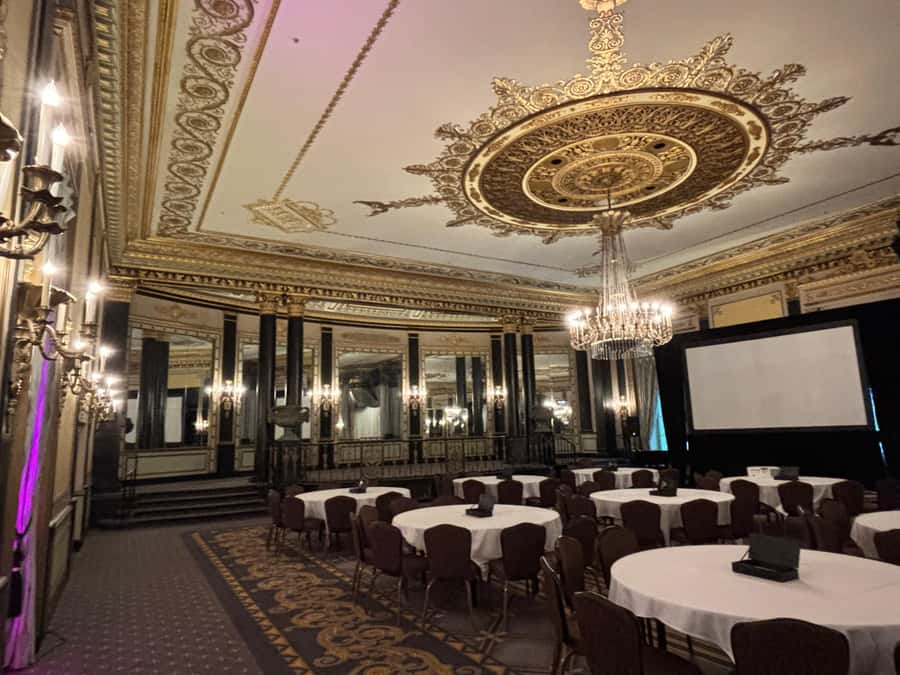
Starting under the Palmer House canopy
Your meeting point is under the Palmer House canopy on the Wabash side, right next to Poké Poké. This is a useful downtown starting place, but you should take a moment to identify the correct side of the hotel before the tour begins. Large city hotels can have several entrances, and the Wabash-side instruction helps narrow it down.
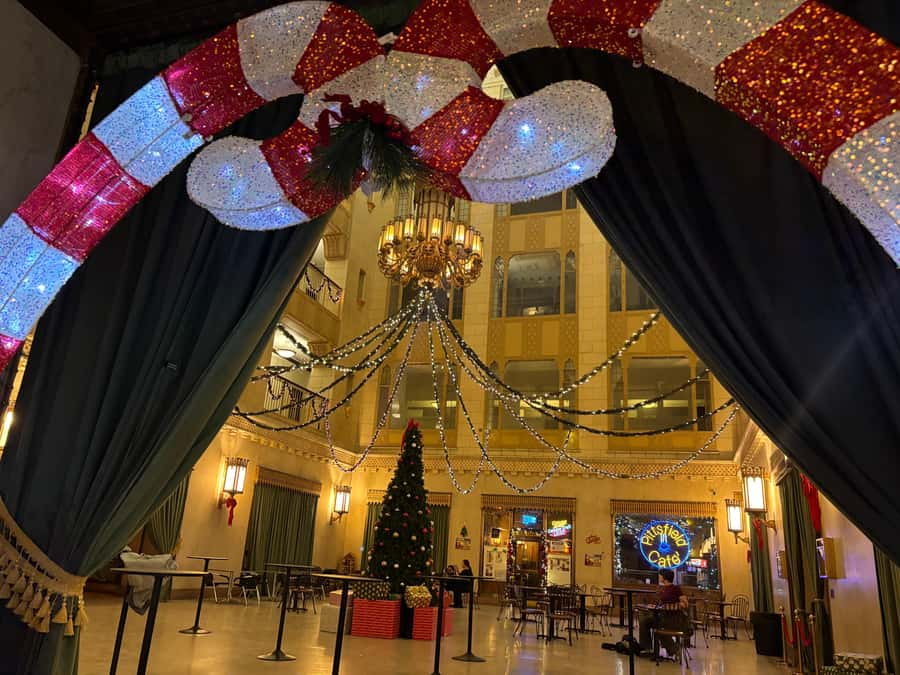
The Palmer House setting also fits the subject. You are beginning at one of Chicago’s grand historic hotels, in the heart of an area shaped by commerce, tourism, architecture, and city life. The location gives the guide an immediate visual reference instead of starting in an anonymous street or parking area.
There is no hotel pickup or drop-off. You meet the guide yourself and remain on foot. I see that as a benefit for a downtown tour because you can continue exploring central Chicago afterward, but it means you need to allow time to reach the Palmer House before the scheduled start.
Arrive ready to walk outdoors for about 90 minutes. The supplied details do not give a precise mileage, group size, or list of every building, so I would not book this expecting a fixed stop-by-stop route. Think of it as a guided downtown walk shaped around architecture and crime stories.
The architectural thread: Beaux Arts to Modernism
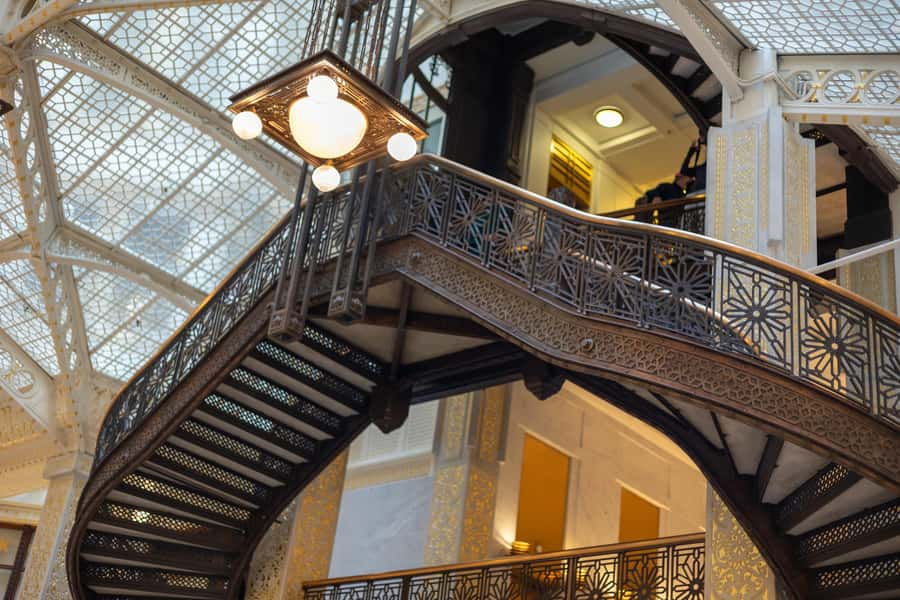
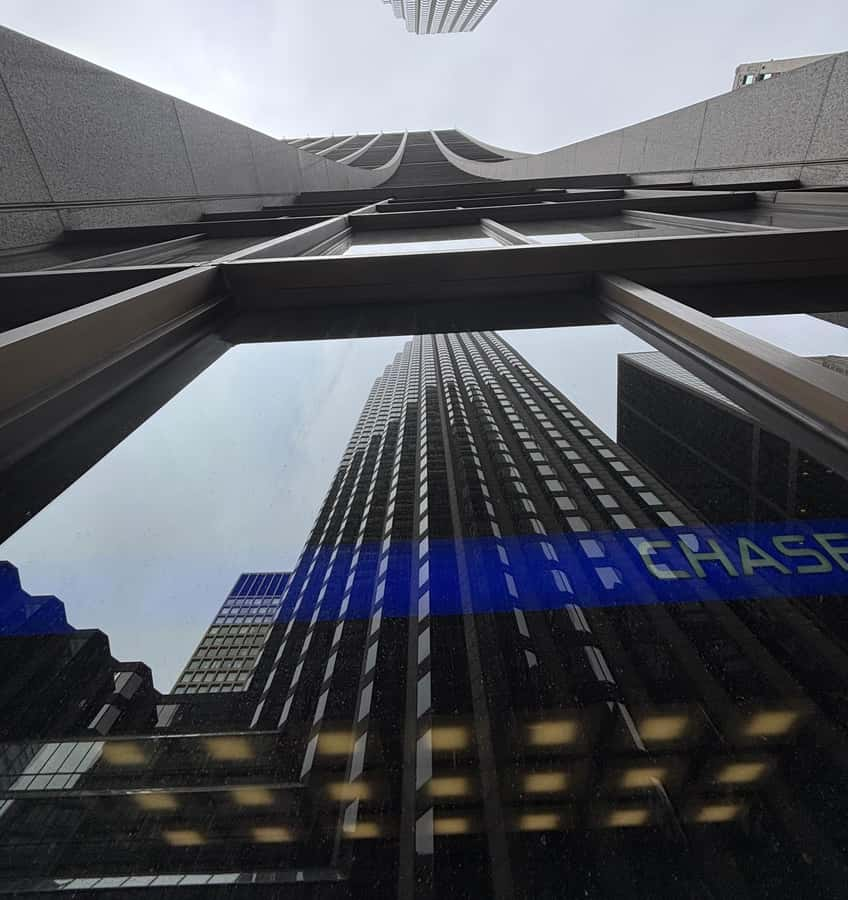
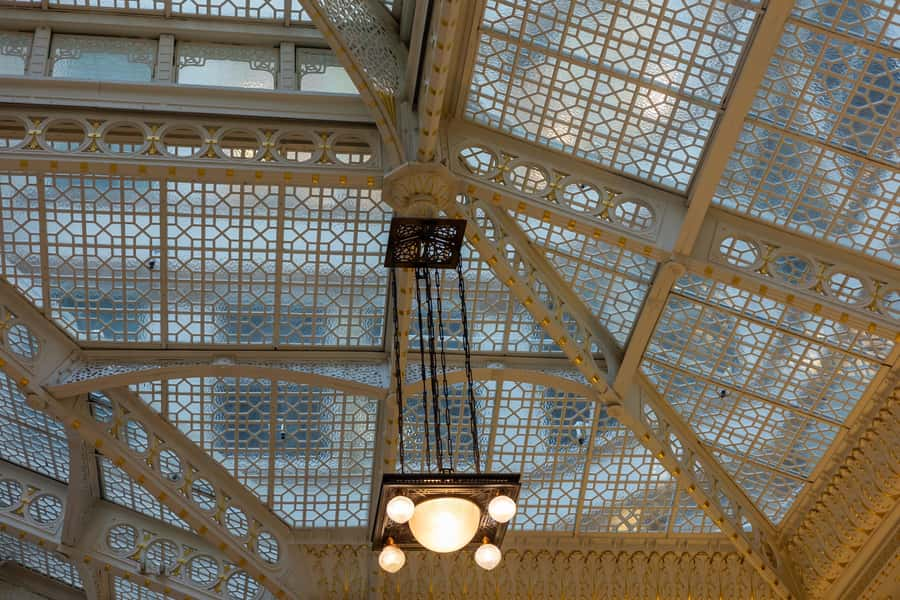
The architectural side moves across several major styles. Beaux Arts buildings bring formal symmetry, elaborate decoration, and a sense of civic grandeur. Art Deco adds geometric shapes and a more machine-age look. Modernist design strips away much of that ornament in favor of clean lines and practical form.
Even if you are not an architecture specialist, these contrasts help you read the streets. You can compare decorative older facades with sharper Art Deco details and then notice how Modernist buildings changed the visual language of the city. The guide’s job is to connect what you see above eye level with the people and events that shaped the city below.
This is where the tour offers more than a list of crime cases. Chicago’s buildings provide scale and setting. You are not hearing detached stories in a room. You are looking at the streets and structures that give those stories a place in the city’s memory.
The tour should suit anyone who wants a first look at downtown design without committing to a longer specialist outing. At the same time, serious architecture fans may want a separate river cruise or dedicated architecture walk. Those options usually give more time to discuss architects, building dates, construction methods, and riverfront views.
The darker stories behind the city
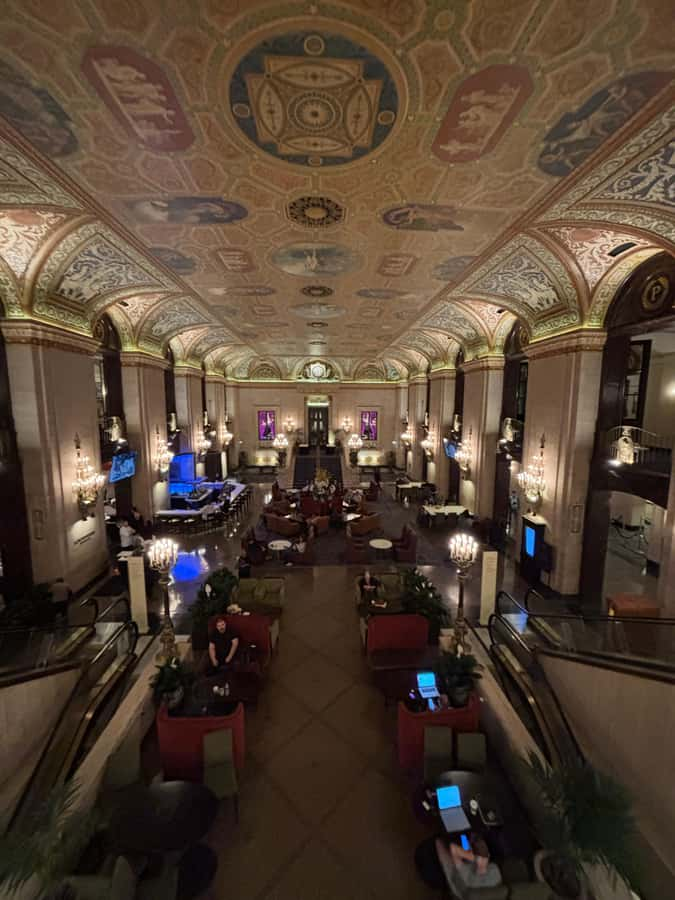
The true crime portion includes H. H. Holmes and John Wayne Gacy, two names firmly fixed in Chicago’s crime history. Holmes is especially connected to the era and atmosphere that inspired The Devil in the White City. Gacy belongs to a much later period, showing that the tour is not limited to one decade.
The inclusion of lesser-known stories is one of the strongest reasons to choose this experience. You may already know the broad outlines of the most famous cases. The added local stories give the guide room to show how crime, corruption, and scandal affected the city beyond the names found in every basic guidebook.
A good true crime tour needs some restraint. The description promises an informative experience led by local history buffs and true crime enthusiasts, not a theatrical scare show. That distinction is important. You can expect a serious look at troubling events, but the tone may still be lively and dramatic enough to keep the walk moving.
I would approach the subject with respect. The stories involve real victims and real harm, so the best value comes from listening to the historical context rather than treating the walk as a collection of spooky thrills. The architecture helps maintain that balance by placing the crime stories within a wider account of Chicago.
A few more architecture walks in Chicago worth a look
- Chicago Architecture River Cruise
★ 5.0 · 15,756 reviews - Chicago River 90-Minute Architecture Tour
★ 4.5 · 9,629 reviews - Chicago River: 1.5-Hour Guided Architecture Cruise
★ 4.8 · 8,046 reviews - Chicago Architecture Center River Cruise aboard First Lady
★ 5.0 · 5,536 reviews
What the guides add to the walk
The guides are Chicago locals with a strong interest in history and true crime. Joseph is specifically praised for his command of Chicago’s streets and past, along with a friendly, personable manner. Another guide was praised for the way she told the stories, which suggests that delivery is a major part of the experience.
That matters more than a long list of facts. On a walking tour, you are moving through traffic, dealing with street noise, and trying to look at buildings while following a narrative. A guide who can tell a story clearly keeps the group connected.
Joseph also showed flexibility when thunderstorms changed the planned ending of one tour. You should not treat that as a promise that every route can be changed on request, but it does suggest a practical attitude. Weather can affect any Chicago walking tour, and a guide who can adapt is a real asset.
Because the tour is in English, you should be comfortable following spoken explanations while walking. No other languages are listed. The guide is the only included feature, so the value rests heavily on storytelling, local context, and the way the guide links one stop to the next.
Is 90 minutes enough?
Ninety minutes is a useful middle ground. It is long enough to give you a real introduction to Chicago’s architecture and crime history, but short enough to fit before lunch, between other downtown plans, or after a museum visit.
The tradeoff is depth. You will not cover every major building or receive a case file on every criminal. The route also cannot offer the same amount of visual detail as a full architecture river cruise, which lets you see the skyline from the water with fewer street-level distractions.
I would book this early in your Chicago stay if you want context for the rest of your visit. After the walk, familiar buildings may feel less anonymous, and you may notice how architectural styles change from block to block. If your schedule allows only one architecture experience, compare this with a dedicated Chicago River cruise. The cruise gives you stronger skyline views and more architecture time, while this tour gives you a darker, more narrative-led experience.
The morning and afternoon availability makes planning simple. A morning booking leaves the rest of the day open for museums, shopping, or a river cruise. An afternoon booking can work as a bridge between daytime sightseeing and dinner downtown.
The value of $35 per person
At $35 per person, this is fairly priced for a 1.5-hour guided walk in central Chicago. You are paying for a focused local story rather than transportation, admission tickets, or a large attraction package.
The value is strongest if you want both themes. Booking separate architecture and crime experiences would take more time and usually cost more. This tour gives you a taste of each in one compact outing.
The price is less attractive if your main goal is a detailed architecture education. A dedicated architecture cruise may offer more buildings, stronger viewing angles, and a longer explanation of Chicago’s design history. Likewise, someone mainly interested in organized-crime history may prefer a longer mob or crime bus tour.
I would see this as a smart first tour, not a complete substitute for every other Chicago experience. It gives you a distinctive angle at a modest price, and the 90-minute format limits the risk if you are unsure how much true crime material you want.
Weather, pace, and practical planning
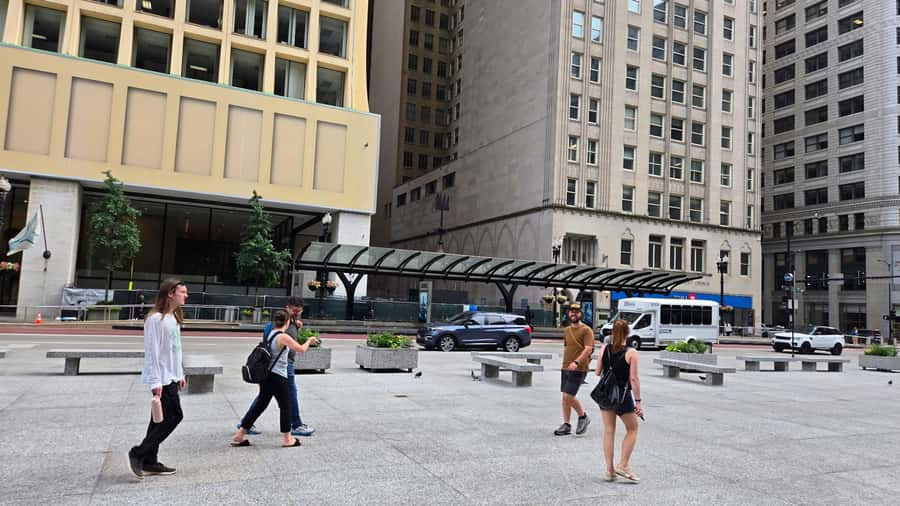
This is an outdoor walking experience, and the supplied details do not promise indoor access at each stop. Check the forecast and wear comfortable shoes. Chicago weather can change quickly, and thunderstorms already affected one reported tour route.
The meeting point is central, but hotel transportation is not included. You should plan your own way to the Palmer House and leave a little extra time to find the Wabash-side canopy.
The experience is offered in English with a live guide. Because there is no stated audio system, group size, or accessibility information, contact the operator if you need specific details before booking. The walking surface and route are not described in enough detail to make firm accessibility claims.
Cancellation is flexible: you can cancel up to 24 hours in advance for a full refund. You can also reserve now and pay later, which helps if your Chicago plans are still shifting. Those policies are useful, but the main booking decision should be the subject matter and outdoor format.
Who will enjoy this Chicago tour most
I would recommend it to first-time visitors who want a quick orientation with a twist. It is also a good fit for people who have already seen the skyline and want a different way to understand the city.
True crime fans will appreciate the focus on Holmes, Gacy, and lesser-known cases. Architecture fans may enjoy the visual comparisons between Beaux Arts, Art Deco, and Modernist buildings, especially if they like history with their design.
Couples, friends, and solo visitors can all fit the format. The walk is short enough that it does not take over the day, and the subject gives you plenty to discuss afterward.
Families should decide based on the ages and sensitivities of the children in the group. The material involves murder and other serious crimes. It is not presented as a family-friendly tour, so parents should consider that before booking.
Should you book Chicago: Architecture & True Crime History?
Book it if you want one compact downtown walk that combines striking buildings with serious crime stories. The local guides, strong storytelling, and flexible 90-minute format make it a useful addition to a Chicago visit, especially at $35.
Choose another experience if you want a full architecture lesson, a river view, a bus-based crime tour, or a longer treatment of organized crime. This tour is best understood as a smart hybrid: part city architecture introduction, part true crime history, and part street-level conversation about Chicago’s complicated past.
FAQ
How long does the Chicago architecture and true crime tour last?
The tour lasts 1.5 hours, or 90 minutes.
How much does the tour cost?
The price is $35 per person.
Where does the tour meet?
You meet under the Palmer House canopy on the Wabash side, next to Poké Poké.
What language is the tour in?
The tour is conducted in English with a live guide.
Does the tour include hotel pickup or drop-off?
No. Hotel pickup and drop-off are not included.
Can I cancel the tour for a refund?
Yes. You can cancel up to 24 hours in advance for a full refund. You can also reserve now and pay later.
Newly added in Chicago
- Private Chicago Architecture Tour★ 5.0 · 5 reviews
- Private Frank Lloyd Wright Architectural Tour by Luxury Vehicle★ 3.5 · 7 reviews
- Private Chicago Architecture Walking Tour★ 5.0 · 6 reviews
- Chicago Luxury Minibus City Tour and Architecture River Cruise★ 4.5 · 8 reviews
- Chicago History and Architecture Walking Tour with Boat Cruise★ 4.5 · 10 reviews
- Small Group History And Architecture Walking Tour of Chicago★ 4.5 · 8 reviews
- Chicago: Icons Guided Architecture Walking Tour★ 4.4 · 4 reviews
- Chicago Walking Tour: See Inside Art Deco Masterpieces★ 4.9 · 8 reviews
Historical Tours, compared.
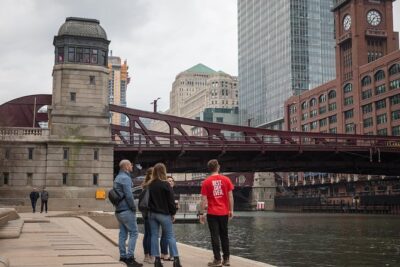
Chicago in a Day: Food, History & Architecture Walking Tour
Read our review →
Charleston’s Best Highlights: History, Culture & Architecture
Read our review →
Palm Springs Modernism Architecture & History Bike Tour
Read our review →
Historic Georgetown: History, Gossip, & Architecture Walking Tour
Read our review →
Charleston History, Homes, and Architecture Guided Walking Tour
Read our review →

Historical and Architectural Chicago Fireboat River & Lake Cruise
Read our review →Browse the lists this tour appears in