
Review · MUSEUMS
Private Edo-Tokyo Open Air Architectural Museum Tour
Tokyo’s architectural story comes alive at the Edo-Tokyo Open Air Architectural Museum, where you move from samurai-era homes to modern design in a single afternoon. The restored buildings show how Japan absorbed European ideas without simply copying them.
I like the private format, especially the chance to shape the visit around your interests. I also like the hands-on route by train and bus, since your guide helps you handle Tokyo transit while adding context along the way.
The main drawback is that the $193 price does not include transportation, and the museum lies outside central Tokyo. Also, the Ghibli-like atmosphere is part of the setting, not a visit to the Ghibli Museum.
Key points at a glance
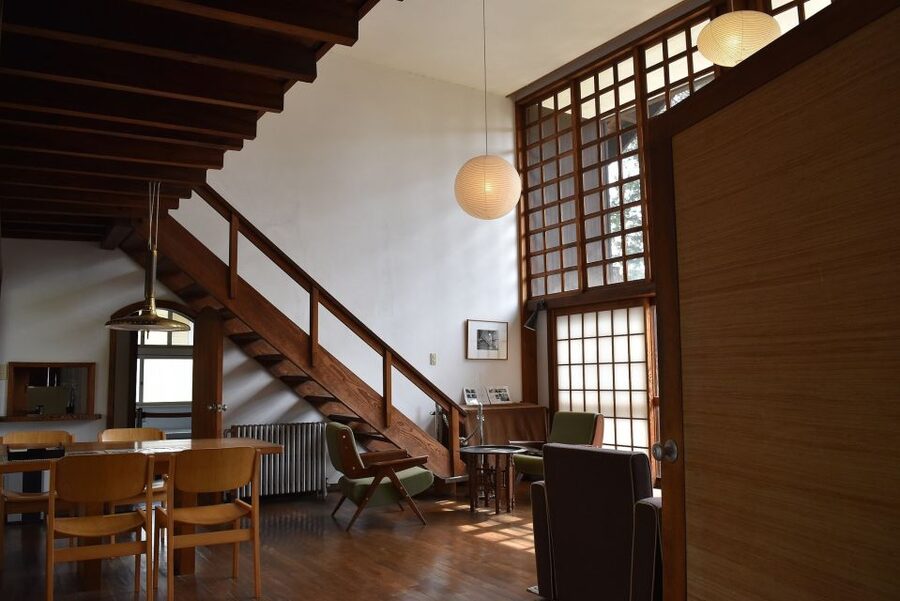
- Kunio Maekawa’s wartime home: See how a Japanese architect trained by Le Corbusier and Antonin Raymond adapted modern design during the Second World War.
- Sutemi Horiguchi’s 1925 residence: Spot Dutch architecture, Art Deco, De Stijl composition, and traditional Japanese rooms in one house.
- The Mitsui family residence: Enter a luxurious home linked to one of Japan’s wealthiest families.
- A private five-hour visit: Your English-speaking guide can focus on architecture, gardens, tea rooms, or the wider story of Tokyo.
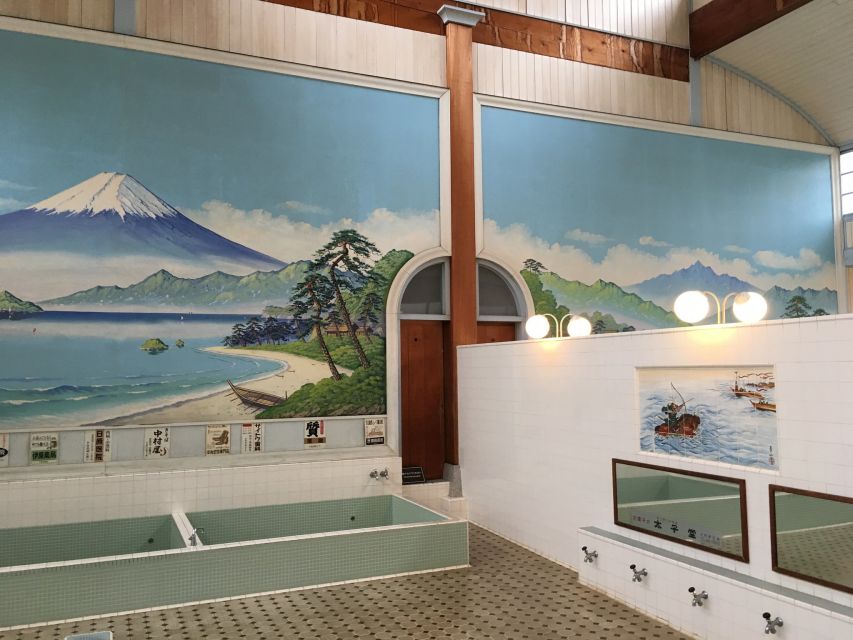
- A Shitamachi atmosphere: Walk through an old Tokyo district recreated with a bathhouse, former train, and buildings that may remind you of Studio Ghibli films.
- Easy-to-miss practical detail: Wear shoes that slip on and off, since many buildings require you to remove them.
Why this museum makes sense for an architecture-minded Tokyo visit
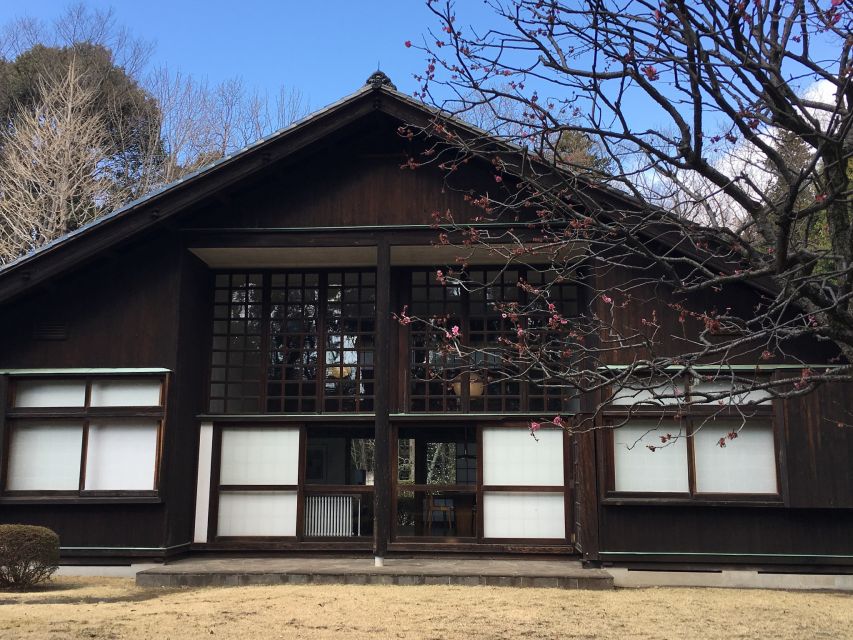
Many Tokyo tours focus on food, neon, temples, or shopping. This one takes a quieter route. The Edo-Tokyo Open Air Architectural Museum gathers important buildings from different periods and lets you walk through them rather than viewing them behind glass.
That physical experience matters. You can see the proportions of a traditional room, notice how a doorway controls the view into a garden, and sense the difference between a formal family residence and a working-class neighborhood building. The museum turns architectural history into something you can feel with your feet and eyes.
The private format also changes the pace. You are not tied to a large group moving from one stop to the next. Guides such as Yuichi, Yuki, and Yu have been praised for explaining the wider story of Tokyo, not just reciting dates and names. If you care most about tea rooms and gardens, say so. If modern architecture interests you more, ask to spend longer with Maekawa’s work.
You should allow five hours for the full experience. That time includes the journey from central Tokyo, the museum visit, and the return trip. It is not a quick stop between the Imperial Palace and Asakusa.
More Museum Visits in the world:
- Chelsea Galleries and High Line; Art, Architecture and History
★ 5.0 · 14 reviews - Castle to Capitol: Museums of the National Mall Architecture Tour
★ 4.5 · 9 reviews - Amsterdam: Architecture Museum Het Schip Entry Ticket & Tour
★ 3.7 · 8 reviews
Meeting your guide at Tokyo Station
The listed meeting point is the Tokyo Station Marunouchi Front Plaza. After leaving through the JR Tokyo Station Marunouchi Central Gates, head toward the center of the station building.
Look for the carriage porch used by VIP guests, with a Japanese national flag on each side. Your guide waits there with a bag showing an illustration of the Nakagin Capsule Tower. That distinctive marker helps in a station that can feel like a small city.
The tour also lists JR Shinjuku Station as a possible pickup point, so confirm your exact meeting place when booking. One important point is easy to miss: the advertised pickup is at a station, not a private car transfer.
From central Tokyo, you use trains and buses to reach Tatemono-en, the museum’s common short name. The transport cost is not included and is about 700 yen each way. The journey may sound like extra work, but it gives your guide a chance to explain Tokyo’s layout and help you manage the city’s sometimes confusing rail and bus system.
Kunio Maekawa’s wartime modernism
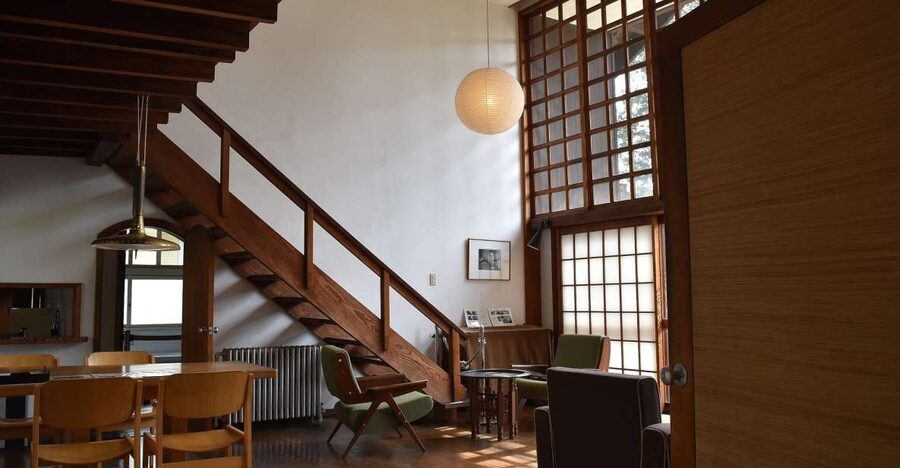
The first major stop is a house designed by Kunio Maekawa. He worked under Le Corbusier and Antonin Raymond, two major figures in modern architecture, before helping shape modern architecture in Japan.
The house was built during the Second World War, a difficult period for ambitious construction. Its design still shows sophistication and careful thought. That contrast is part of what makes the building interesting: it is not an old wooden farmhouse, yet it is not a simple copy of Western architecture either.
Maekawa is a useful starting point because his work frames one of the museum’s main ideas. Japan adopted European architectural concepts, but Japanese architects adjusted them to local needs, materials, habits, and climate. Your guide can help you look for the meeting point between modern Western planning and Japanese ways of using space.
I would spend time noticing how the home feels from room to room. Compare the open quality of traditional Japanese interiors with the more deliberate modern structure. The value here comes less from taking a quick photograph and more from understanding why this house mattered.
For anyone interested in twentieth-century architecture, this may be the strongest stop. If you mainly want old wooden houses, it is still useful because it shows how quickly Japanese residential design was changing.
Sutemi Horiguchi and the European influence
The next important house was designed by Sutemi Horiguchi and built in 1925, soon after he returned from Europe. Horiguchi introduced Dutch architecture to Japan, and the home reflects that interest in several ways.
You can see Art Deco decoration and compositions linked to De Stijl, also called The Style. What makes the house special is the way these European ideas appear alongside traditional Japanese rooms. This is not a clean split between old Japan and new Europe. The two approaches occupy the same residence.
That mix gives your guide plenty to explain. Look at the contrast between geometric European design and the calmer, more flexible arrangement of Japanese rooms. The building helps you understand that cultural exchange is often practical and selective. Japanese architects borrowed ideas, then reshaped them for their own clients and customs.
This stop suits anyone who enjoys design details. You do not need formal architectural training, but you should be ready to look closely at lines, decoration, room layouts, and the relationship between public and private spaces.
The drawback is that visitors who want only traditional architecture may find the European references less immediately familiar. Give it time. The appeal lies in the combination.
More Private Tours in the world:
- Best of Chicago: Architecture & Highlights City Private Tour
★ 5.0 · 94 reviews - Private Harajuku Omotesando Architecture Walking Tour
★ 5.0 · 67 reviews - Private Santa Barbara History and Architecture Walking Tour
★ 5.0 · 56 reviews - Private Barcelona Modernism and Gaudí Walking Tour
★ 4.7 · 54 reviews
The Mitsui residence and a look at elite Tokyo life
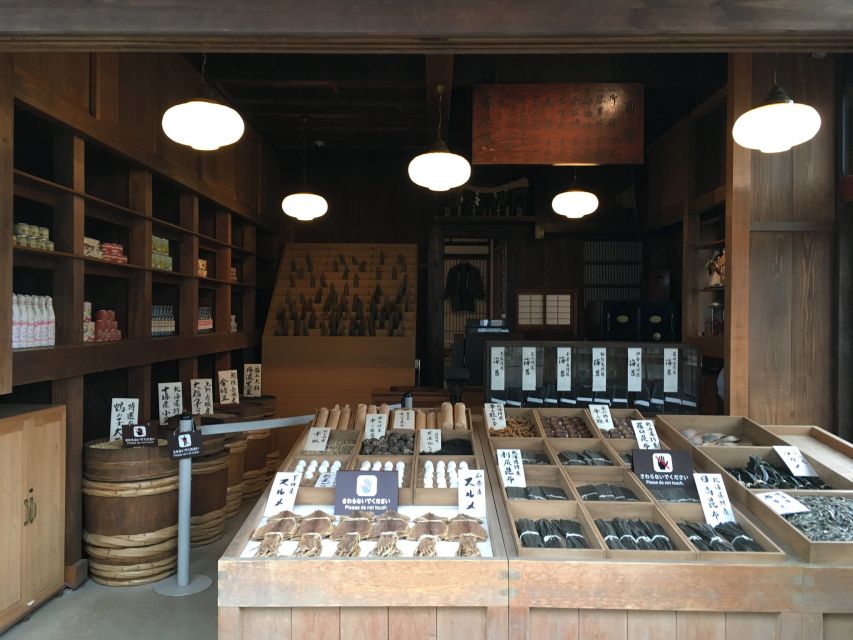
The Mitsui family residence offers a different kind of architectural lesson. The Mitsui family was said to be among the richest in Japan, and the home reflects that level of wealth through its luxurious interior decoration.
This is not simply a large house. It shows how an elite Japanese family used space to express status, taste, and hospitality. Moving through the residence gives you a sense of how private life could look at the top end of Japanese society.
The Mitsui home also provides a useful contrast with the smaller and more practical buildings elsewhere in the museum. You can compare the materials, scale, decorative choices, and sense of ceremony. That contrast helps the museum avoid presenting one single version of Japanese domestic life.
Ask your guide to explain which rooms served formal purposes and which were more personal, if the layout allows. A private guide is especially useful here because you can pause at the details that catch your eye instead of following a fixed lecture.
Shitamachi, the old Tokyo neighborhood
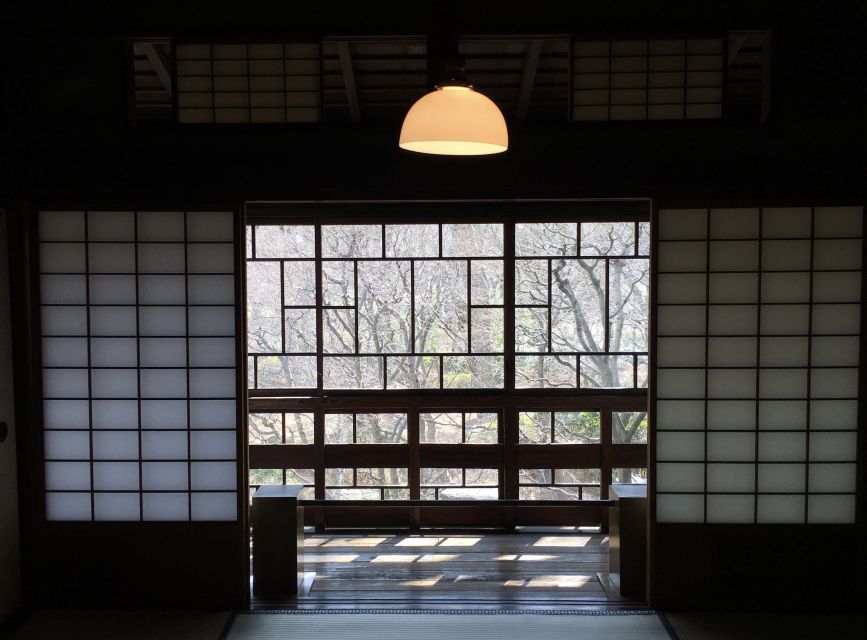
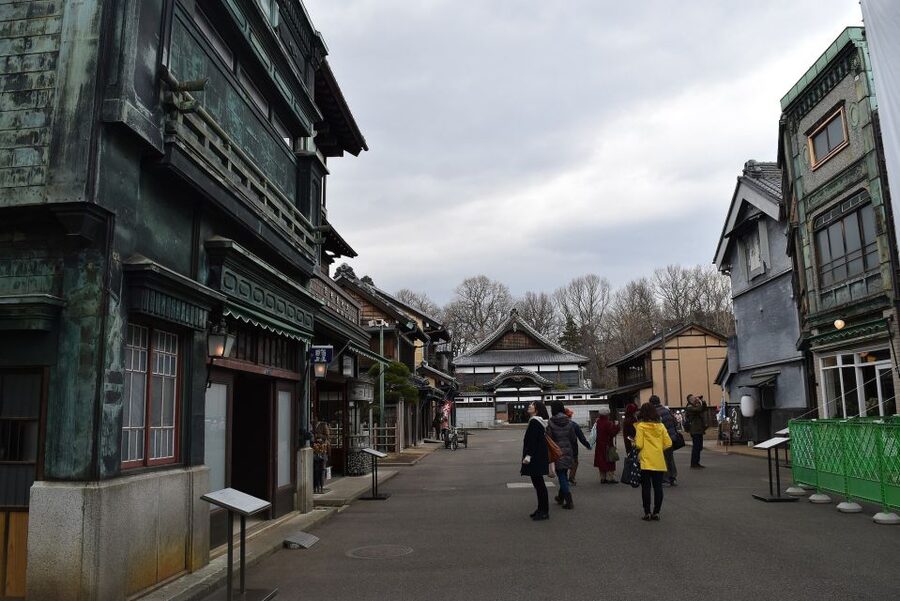
The latter half of the tour moves into a recreated Shitamachi area. Shitamachi refers to the old eastern part of Tokyo, traditionally associated with working neighborhoods, small businesses, and everyday urban life.
This section has a different mood from the grand residences. The buildings feel more like a street than a series of isolated museum pieces. You walk past structures that may remind you of Studio Ghibli animation, with an atmosphere shaped by old storefronts, narrow streets, and familiar neighborhood forms.
The setting is one reason this tour appeals to animation fans. You may recognize the feeling of a Ghibli background, but keep your expectations clear: this tour does not include the Ghibli Museum. It is an architectural visit with an animation-like atmosphere, not a film-themed attraction.
The recreated street also adds balance to the earlier stops. The Maekawa house shows modern architectural ambition. The Horiguchi home shows European influence in an educated household. The Mitsui residence shows wealth. Shitamachi gives you a sense of ordinary urban Tokyo and the visual world that shaped many Japanese films.
The bathhouse and retired Tokyo train
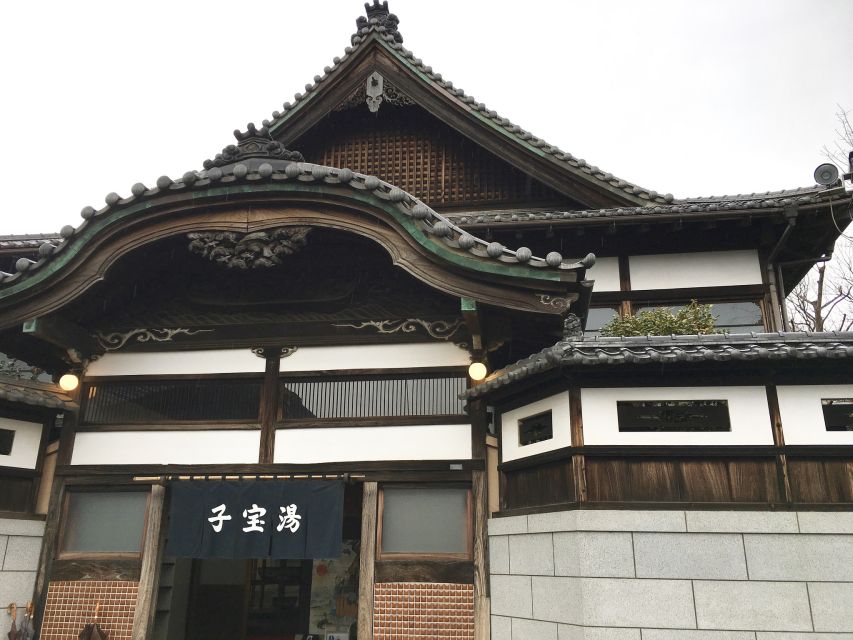
Two memorable sights in this section are a traditional bathhouse and an old train that once ran through Tokyo.
The bathhouse helps you think about architecture as a shared social space. It was built for community use, not for one family. Its design, decoration, and atmosphere offer a different picture of daily life from the private homes.
The old train adds a direct link to Tokyo’s transport past. You can see the sort of vehicle that once carried people through a city now filled with modern rail lines and high-rise buildings. Together, the bathhouse and train make the Shitamachi section feel lived in rather than purely decorative.
These stops are also likely to appeal to children or family members who do not care much about architectural theory. There is something easy to grasp in a bathhouse and a train. Your guide can then connect those familiar objects to the wider changes in Tokyo.
What the private guide adds
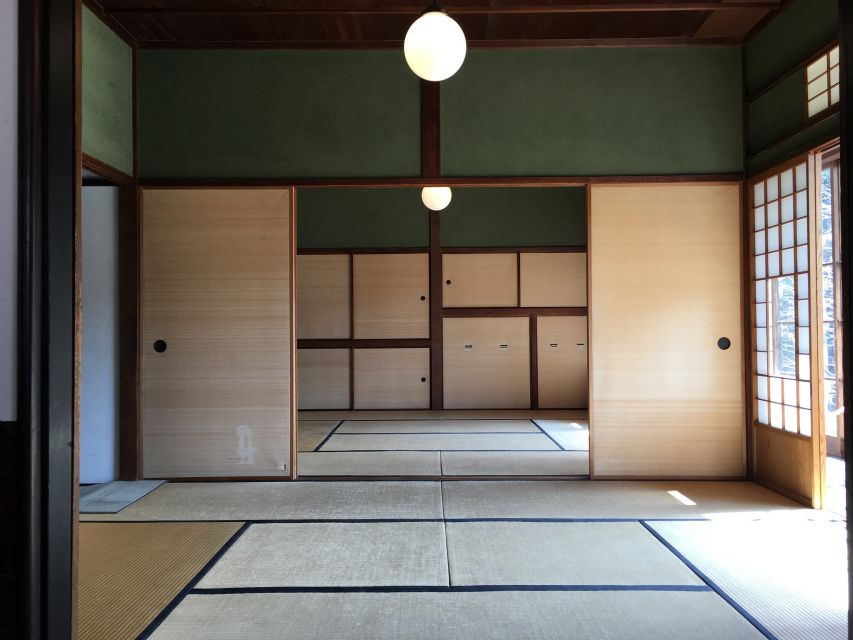
The guide is the main reason to consider this experience instead of visiting the museum alone. Yuichi has been praised for excellent English, kindness, and the ability to match the tour to a visitor’s interests. Yuki has also been praised for explaining the train and bus route while bringing the houses and designers to life with stories.
That personal approach matters at a museum with many buildings. Without help, you may notice that a house is beautiful but miss why it was built, who designed it, or how it fits into Tokyo’s development. A guide gives you a thread to follow.
The private format is also helpful if your interests are specific. You can ask for more attention to traditional Japanese architecture, gardens, tea rooms, modernism, or the connection between Japan and Europe. The tour is in English, and the guide is licensed.
There is a practical human benefit, too. One visitor became unwell during a tour, and guide Yuichi helped arrange a hospital visit. That is not something you should expect as part of the formal itinerary, but it suggests the guide’s role can extend beyond pointing at buildings.
Price, time, and overall value
At $193 per person, this is not a budget museum visit. You also pay about 700 yen each way for public transportation. The cost makes the most sense if you value a private guide and want more than a self-guided walk through restored buildings.
For a couple or small private group, the price buys five hours of focused attention, English explanations, admission, and help with the journey from central Tokyo. It also saves you from having to research the buildings in advance. If you already know Japanese architectural history and feel comfortable navigating Tokyo, you may prefer visiting independently.
The value is strongest for first-time visitors who want context. Tokyo’s rail network can be challenging, especially when you are trying to reach a museum outside the central districts. Having a guide take you there and back reduces that strain.
Check the transport and pickup details before you book. The formal meeting information points to Tokyo or Shinjuku stations, while one account describes hotel assistance. Do not assume a car or hotel pickup unless it is confirmed for your reservation.
Cancellation is flexible up to 24 hours in advance for a full refund, and you can reserve now and pay later. That is useful if your Tokyo plans are still moving around.
What to wear and how to prepare
Wear shoes that are easy to slip off and put back on. Several historic buildings require you to remove your shoes before entering, and complicated laces will become an unnecessary little battle by the end of the day.
Comfortable footwear also matters because the experience includes train and bus travel and walking around the open-air museum. Bring whatever you normally need for five hours outside, but remember that the exact weather conditions are not specified.
Think about your interests before meeting the guide. If you want to focus on tea rooms, gardens, traditional residences, or modern architecture, say so early. The private format works best when you take part in shaping the conversation.
Who should book this experience
I recommend this tour to:
- First-time Tokyo visitors who want help with public transportation
- People interested in Japanese homes, gardens, and room design
- Architecture fans curious about Le Corbusier’s influence in Japan
- Visitors who want to understand the link between Japanese and European design
- Studio Ghibli fans who enjoy old streets and animation-like settings
- Families or couples who prefer a private pace
I would think twice if your main goal is the Ghibli Museum, since it is not included. I would also skip it if you have only a few hours in Tokyo and want a central attraction. The museum is outside the core sightseeing zone, and the transport time forms part of the experience.
Should you book it?
Book this tour if you want Tokyo explained through its buildings rather than rushed past from one major sight to another. The strongest reasons are the private guide, the broad mix of homes, and the clear progression from traditional Japanese design to European-influenced modern architecture.
The experience is particularly worthwhile if you are curious about how Japan changed from the end of the samurai era through the Meiji period and into the Showa era. You get grand residences, working neighborhoods, a bathhouse, a train, and Maekawa’s modern home in one focused visit.
Skip it if you want a low-cost museum stop, a hotel car transfer, or an actual Ghibli attraction. For everyone else, the $193 price is fair when personal guiding and transit help matter as much as admission.
FAQ
Where does the tour meet?
The listed meeting point is Tokyo Station’s Marunouchi Front Plaza. After leaving through the JR Tokyo Station Marunouchi Central Gates, go toward the center of the station building and look for the carriage porch with Japanese flags.
Can I meet the guide at Shinjuku Station?
JR Shinjuku Station is listed as another possible pickup point. Confirm the exact meeting location when booking.
Is transportation to the museum included?
No. You travel by train and bus, and transportation costs about 700 yen each way.
How long does the tour last?
The tour lasts five hours, including the museum visit and the journey by public transportation.
Is the tour private?
Yes. It is offered for a private group.
Is the tour conducted in English?
Yes. The tour includes an English-speaking licensed guide.
Does the tour visit the Ghibli Museum?
No. The tour visits the Edo-Tokyo Open Air Architectural Museum. The Shitamachi section has an atmosphere that may remind you of Studio Ghibli animation.
Which architects are featured?
The tour includes work by Kunio Maekawa and Sutemi Horiguchi. Maekawa worked under Le Corbusier and Antonin Raymond, while Horiguchi introduced Dutch architecture to Japan.
What should I wear?
Wear comfortable shoes that are easy to remove and put back on. Many historic buildings require you to take off your shoes before entering.
Can I cancel the booking?
You can cancel up to 24 hours in advance for a full refund. The tour also offers a reserve-now, pay-later option.
Newly added in the world
- Washington, DC: Georgetown Architecture Walking Tour★ 5.0 · 8 reviews
- Washington DC: Dupont Circle & Embassy Row Architecture Tour★ 5.0 · 6 reviews
- New Orleans : Garden District Architecture Walking tour★ 4.8 · 5 reviews
- Wilmington History and Architecture Tour★ 4.8 · 18 reviews
- Unveiling Brno: History, Culture & Architectural Delights★ 5.0 · 2 reviews
- Vicenza: Palladian Architecture Private Walking Tour★ 3.3 · 3 reviews
- Walk & Discover KL’s Architectural and Heritage Gems★ 5.0 · 7 reviews
- Castle to Capitol: Museums of the National Mall Architecture Tour★ 4.5 · 9 reviews
Museums, compared.

Park Güell and Gaudí House Museum Entry Ticket
Read our review →
Chelsea Galleries and High Line; Art, Architecture and History
Read our review →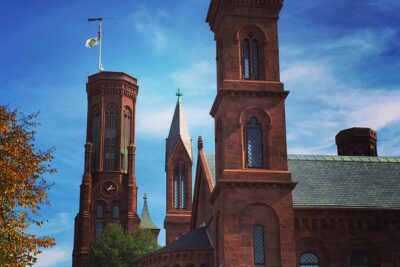
Castle to Capitol: Museums of the National Mall Architecture Tour
Read our review →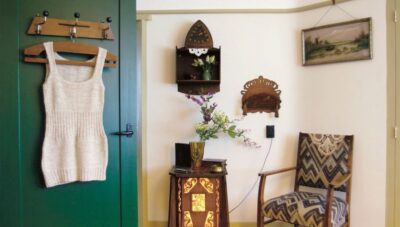
Architecture Museum Het Schip Entry Ticket & Tour
Read our review →
South Beach Art Deco Highlights and The Wolfsonian Museum Tour
Read our review →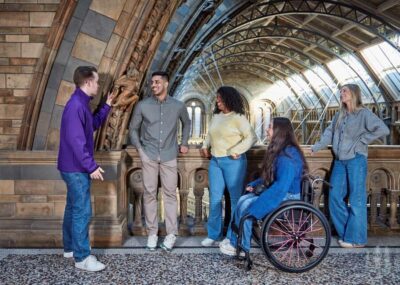
Official Natural History Museum Tour – Architecture
Read our review →Browse the lists this tour appears in