
Review · WALKING TOURS
Private Reykjavik City & Icelandic Architecture Walking Tour
Reykjavik’s architecture tells the story of Iceland in a remarkably small area. On this private walk, you move from old turf-house traditions and colorful timber buildings to the bold concrete form of Hallgrímskirkja and the glass walls of Harpa. The city becomes easier to read when you know why its buildings look the way they do.
I like the private format, since your guide can focus on your questions rather than follow a fixed speech. I also like the mix of history and design, with a church visit, a stop on Laugavegur, and a drink included along the way.
The main drawback is the price: $355 per person for three hours is a serious spend, especially for solo visitors or couples. You are paying for a private guide and a specialist subject, not a general introduction to Reykjavik.
Key points to know before you book
- Turf houses explain the start of Icelandic design: Learn how partly underground homes with grassy roofs helped protect people from cold, wind, and snow.
- Hallgrímskirkja is the tour’s major architectural stop: You get time to visit the church, not just photograph its striking exterior.
- Harpa provides a sharp modern contrast: Its glass facade draws on the shapes of Icelandic basalt columns.
- A private guide makes the walk flexible: You can ask detailed questions about design, building materials, and the city’s changes.
- The route covers central Reykjavik on foot: It begins at Hlöllabátar and includes Ingólfstorg, Alþingi, Laugavegur, Hallgrímskirkja, and Harpa.
- Weather matters: Bring proper outdoor clothing, since this is a walking tour in a city known for sudden changes in conditions.
Reykjavik architecture starts with survival
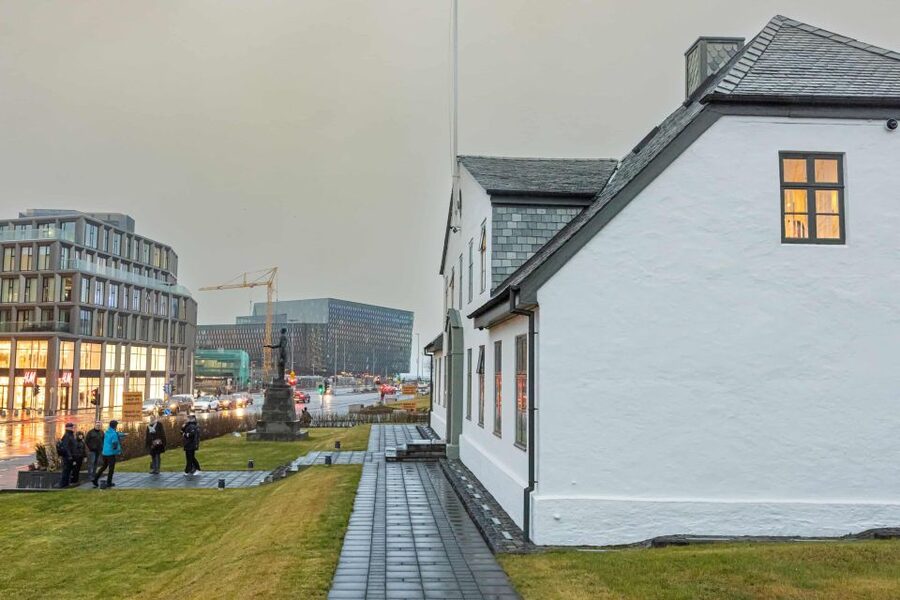
The most useful part of this walk is the context provided before you examine individual buildings. Icelandic architecture did not develop in a vacuum. The island’s cold weather, fierce winds, limited trees, and geographic isolation forced people to build with whatever materials they could obtain.
Early Icelandic homes were turf houses, sometimes known as tjörn or burstabær. These structures were partly underground, with thick turf walls and grassy roofs. That design helped hold in heat and offered protection from winter weather.
You will then learn how the style changed into timber-framed houses with turf walls. These homes, called skálar, used wooden gables and roofs covered with turf or wooden shingles. The practical lesson is clear: Icelanders had few trees to use, so wood was valuable and construction had to make the most of it.
This background makes the rest of the walk more rewarding. Without it, Reykjavik can look like a pleasant collection of painted houses, churches, and modern buildings. With it, you can see each structure as a response to climate, available materials, outside influence, and changing wealth.
More Walking Tours in the world:
- Lecce: Baroque Architecture and Underground Walking Tour
★ 4.6 · 1,248 reviews - Chicago in a Day: Food, History & Architecture Walking Tour
★ 5.0 · 1,153 reviews - Ramblas, Old Town, Gothic and Gaudi Architecture Walking Tour
★ 5.0 · 723 reviews
Meeting at Ingólfstorg
The tour begins outside Hlöllabátar, the sandwich shop facing Ingólfstorg Square. Look for the two tall stone pillars. CenterHotel Plaza is on your right, and the meeting area has benches, tables, and a covered ceiling, which is useful if the weather turns unpleasant before the walk starts.
Your guide generally wears a light blue jacket marked Your Friend in Reykjavik on the back. That makes the meeting point easier to identify in a busy central area.
Ingólfstorg is a sensible starting place because it places you in the heart of old Reykjavik. You are not beginning with a long transfer or a distant landmark. The tour gets to the city’s story right away, and you can ask questions before moving on.
Since the experience is private, the tone should feel more like a conversation than a large group lecture. The available guide languages are English, French, German, Icelandic, Italian, and Spanish. No individual guide names are provided, but the guiding style is built around local explanation and direct conversation.
Ingólfstorg and the shape of old Reykjavik
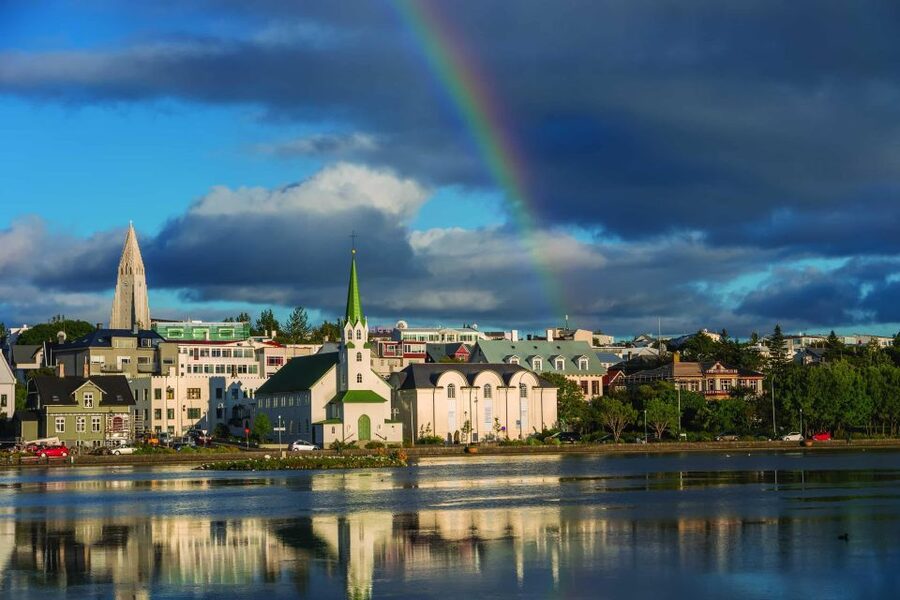
You spend about 15 minutes at Ingólfstorg with a guided introduction. This is a short stop, but it gives your guide room to explain how the center of Reykjavik developed and how older building traditions relate to the city you see now.
Expect the focus to be on architecture rather than a long list of dates. You will be looking at scale, materials, colors, rooflines, and the way buildings fit around public spaces. The square is also a useful orientation point for the rest of the route.
One practical note: this is a walking experience, so the order and amount of detail may depend on your guide and your questions. If you care about a specific building or design period, ask early. A private tour gives you a better chance to shape the discussion.
Alþingi and the civic center
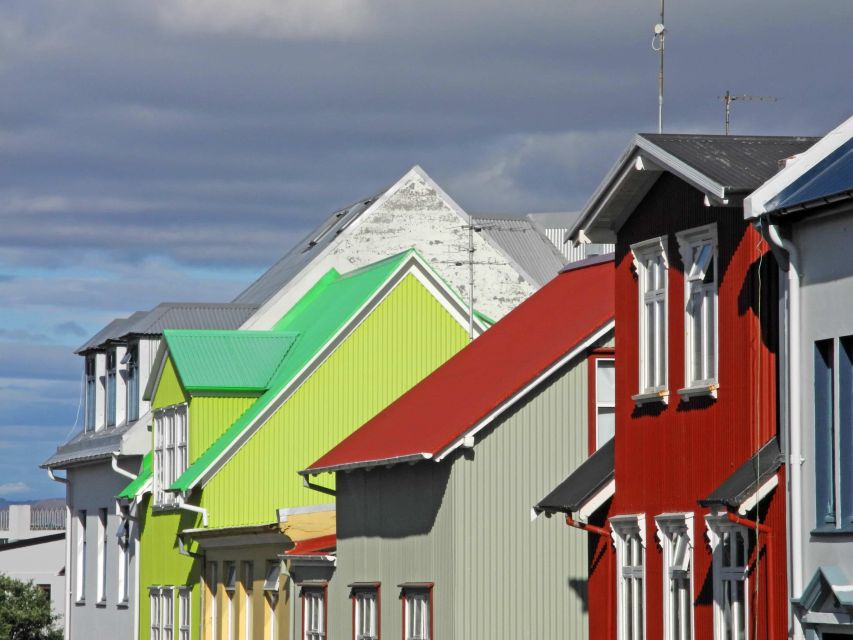
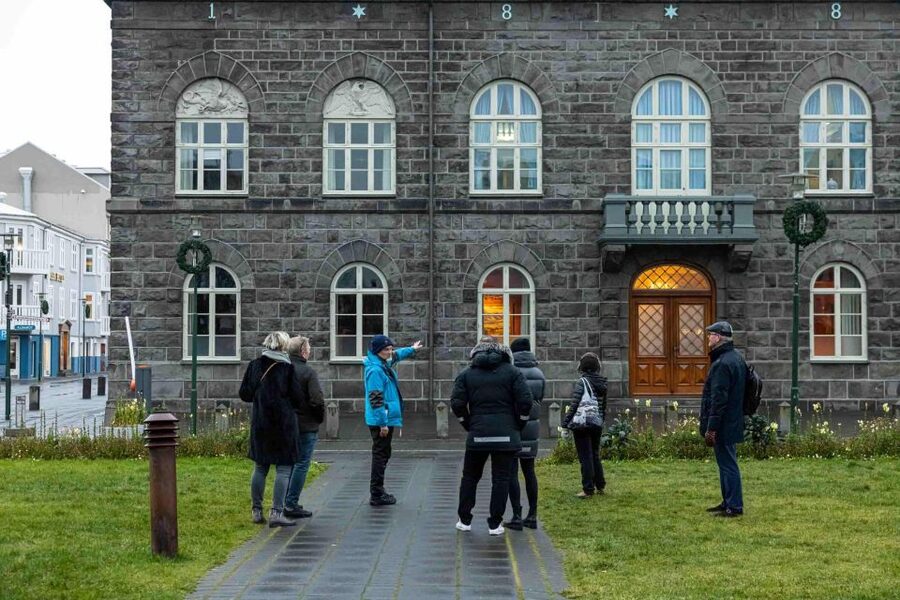
The next stop is Alþingi, Iceland’s parliament. You have around 30 minutes here for a photo stop and guided discussion.
This is where architecture connects with national identity and public life. The building and its setting help show how Reykjavik grew from a small settlement into the country’s political center. Your guide can place the parliament within the wider development of the city rather than treating it as an isolated photo subject.
The stop is also a good chance to compare formal civic buildings with the smaller houses found elsewhere in central Reykjavik. The contrast helps you notice how purpose affects design. A home must handle warmth and daily life. A parliament building also has to express stability, authority, and public importance.
If your main interest is interiors, keep expectations measured. The stop is listed as a guided photo stop, not a full parliamentary tour. The value here lies in the explanation of the surrounding city and the building’s role.
More Private Tours in the world:
- Best of Chicago: Architecture & Highlights City Private Tour
★ 5.0 · 94 reviews - Private Harajuku Omotesando Architecture Walking Tour
★ 5.0 · 67 reviews - Private Santa Barbara History and Architecture Walking Tour
★ 5.0 · 56 reviews - Private Barcelona Modernism and Gaudí Walking Tour
★ 4.7 · 54 reviews
Laugavegur brings color and daily life
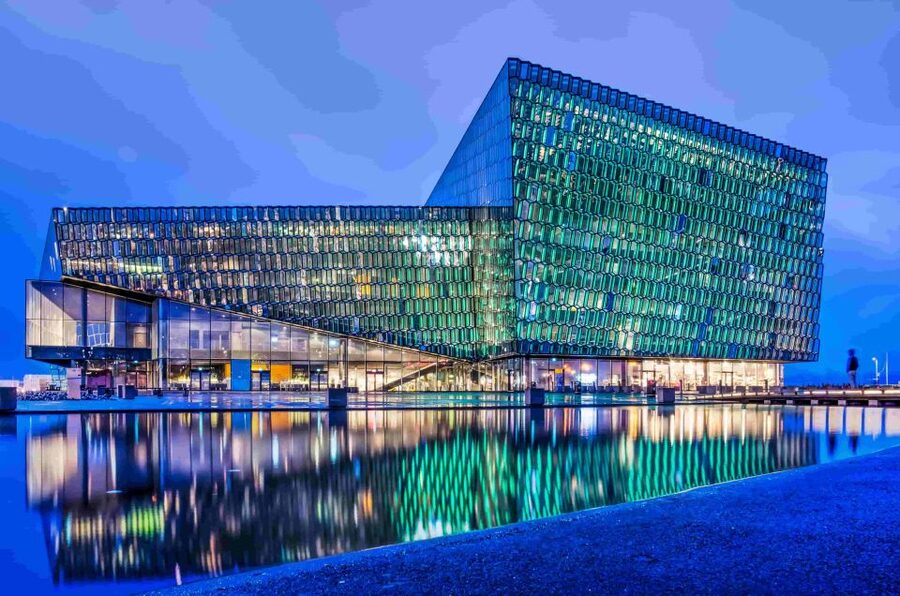
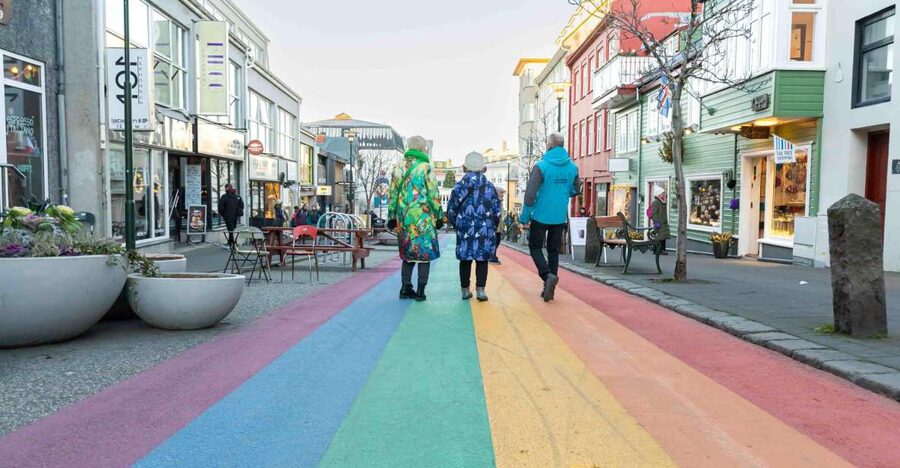
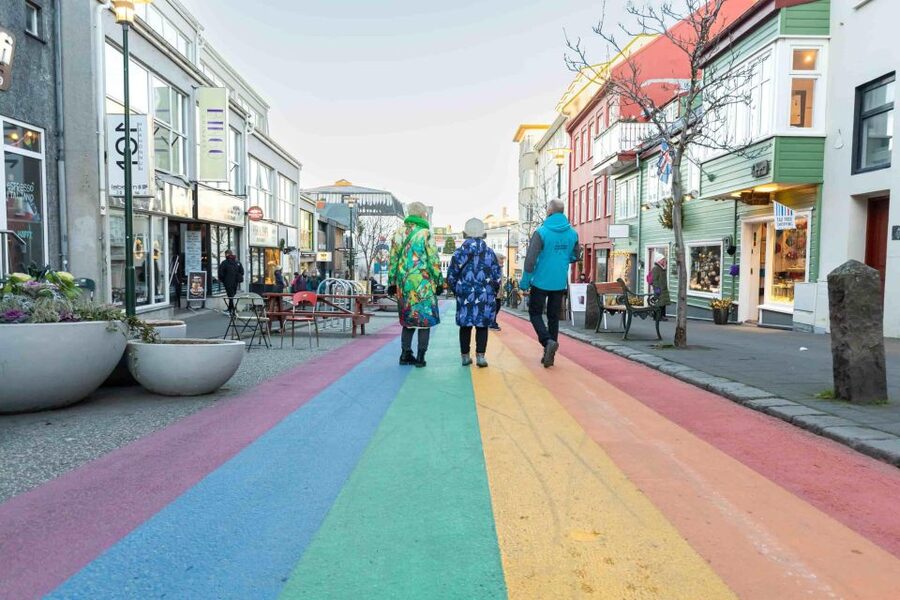
The walk continues to Laugavegur for about 20 minutes of sightseeing and photographs. This is one of the best parts of the route for seeing the more cheerful side of Reykjavik’s older urban design.
During the 19th century, urban growth and Danish architectural influence brought timber houses and later concrete buildings. Many timber buildings were painted in bright colors, giving parts of the Old Town their recognizable character. Laugavegur lets you see how those buildings function as part of a working city, not simply as preserved monuments.
I like this section because it helps you notice ordinary details. Look at the painted facades, the wooden elements, and the way older buildings sit beside newer shops and structures. The point is not that every building is grand. Much of Reykjavik’s appeal comes from modest buildings that reflect local materials and changing needs.
The stop is fairly short, so you should not expect a complete survey of every architectural period in the city. Still, it provides a useful bridge between the older timber tradition and the larger modern buildings later in the walk.
Hallgrímskirkja and the power of modern form
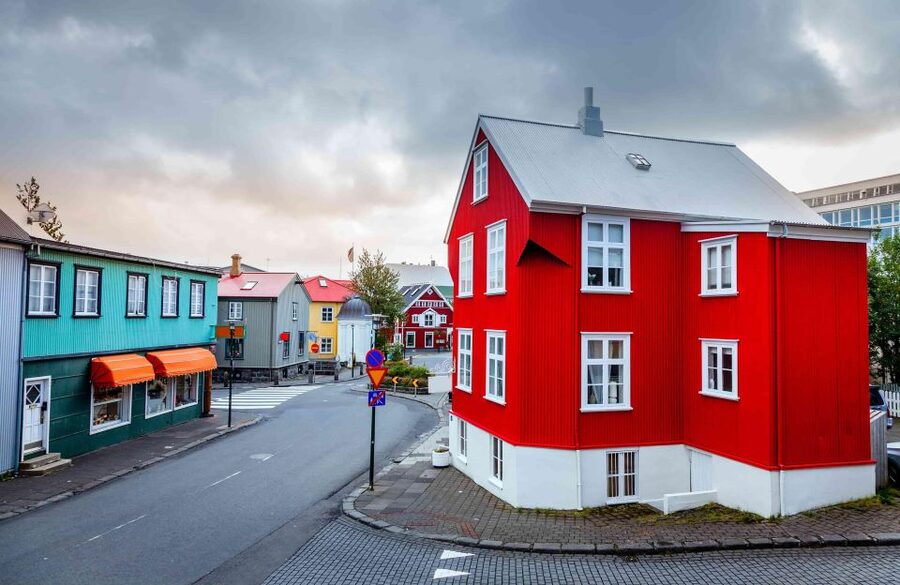
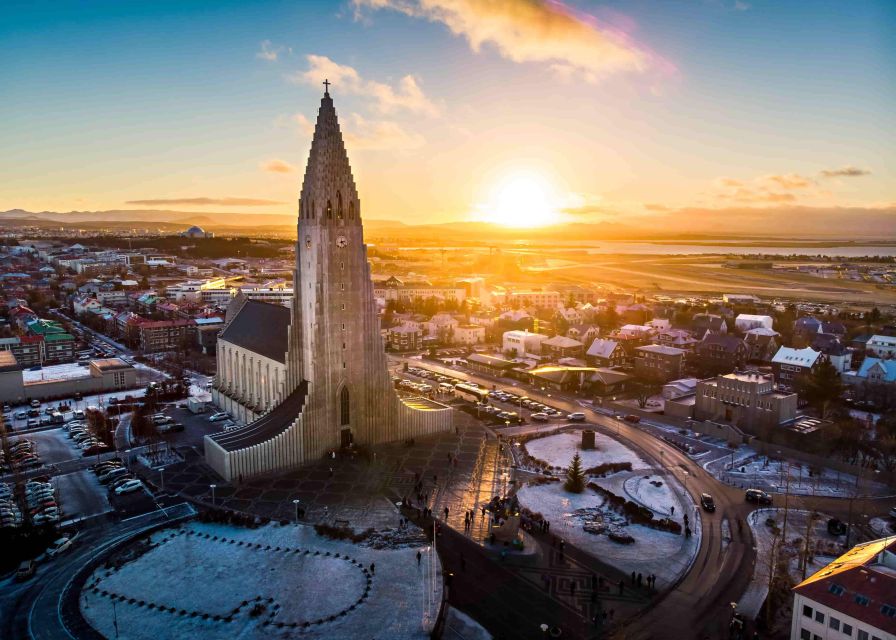
Hallgrímskirkja receives about 30 minutes, including a visit, guided explanation, sightseeing, and photographs. This is the most dramatic structure on the route and one of the clearest examples of modern Icelandic architecture.
The church was designed by Guðjón Samúelsson. Its tall, clean form reflects the modernist and functionalist ideas that shaped Icelandic building during the mid-20th century. At the same time, its lines draw inspiration from Icelandic natural forms, including the shapes associated with basalt formations.
That combination is what makes Hallgrímskirkja so useful on an architecture tour. It is modern, but it is not cut off from the country around it. The church shows how an architect can use a new style while still referring to local geology and nature.
You get more than a quick exterior photograph here. The included church visit gives your guide time to explain the building and gives you a chance to experience its scale from inside. Thirty minutes is enough for a focused stop, though not enough for every detail.
The walk to Hallgrímskirkja also matters. Reykjavik is compact, but the church’s tall profile changes how the city feels as you approach it. You can compare its strong vertical shape with the lower timber buildings and painted facades seen earlier.
Harpa and Reykjavik’s modern face
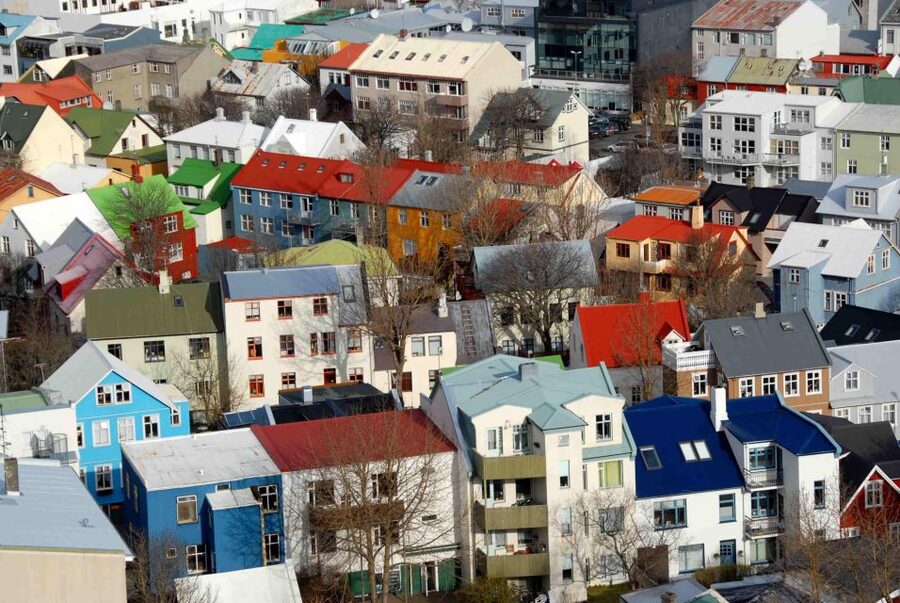
The longest stop is Harpa, with about 45 minutes for photographs, a visit, guided discussion, and sightseeing. This extra time is appropriate. Harpa is more than a quick landmark, and its glass exterior deserves a closer look.
The facade is associated with Iceland’s basalt columns. Its geometric glass surfaces catch and break up light, creating a building that looks different as you move around it. This gives your guide a natural way to explain recent Reykjavik architecture and the city’s interest in experimental design.
Harpa also shows how contemporary buildings can draw from local references without copying older forms. There are no turf walls or painted timber facades here. Instead, the connection to Iceland comes through pattern, light, geology, and the building’s relationship with its setting.
The Harpa stop balances the earlier sections of the tour. You begin with buildings designed mainly for survival and practical use. You then see civic and commercial structures, followed by a church that links modern design to natural forms. Harpa brings the story into the present.
Because the tour ends by returning to Hlöllabátar, Harpa is not the final drop-off point. You walk back through central Reykjavik after the visit. The route is therefore best suited to people comfortable spending three hours on foot, with stops to listen, take photographs, and move between landmarks.
What the private format changes
A private tour can be worth more than a cheaper shared walk when architecture is your main interest. You can ask why a building uses concrete instead of timber, how turf construction worked, or how modern Icelandic architects refer to natural forms.
You can also adjust the level of detail. If you already know the basic story of Reykjavik, ask for more design analysis. If architecture is new to you, ask your guide to point out the simplest visible clues. That flexibility is difficult to get in a large group.
The available languages make the experience useful for more than English-speaking visitors. French, German, Icelandic, Italian, and Spanish are also offered. The tour is private, so you are not sharing the guide’s time with an unknown group.
There are limits. A private guide cannot change the weather, and the walk remains a three-hour route through central Reykjavik. If you want a broad city tour covering food, nightlife, museums, and local customs, this is too specialized. Its focus is architecture.
Is $355 per person a fair price?
At $355 per person, this is not a bargain walk. The price makes the most sense for a small private party that wants a specialist architectural view of Reykjavik and values a guide’s full attention.
The cost includes a local guide, entry to Hallgrímskirkja, and a choice of wine, beer, schnapps, or coffee. Those extras are pleasant, but they are not the main reason to book. The real value comes from connecting the stops into a clear story about Icelandic building traditions.
For one person or a couple watching every krona, a shared city walk may be better value. For a family, design student, architecture enthusiast, or group that wants a more personal pace, the private format may justify the higher price.
The strongest reason to pay more is the subject. You are not simply being taken to the city’s famous sights. You are being shown how to interpret them.
Weather, pace, and practical preparation
Wear weather-appropriate clothing, even if the forecast looks mild. You will be outside for much of the three hours, and Reykjavik weather can make a short walk feel much longer if you arrive without a warm or waterproof layer.
Comfortable walking shoes are sensible. The tour moves between several central locations, with standing time at each stop. Bring a phone or camera if you want photographs, but keep enough attention for the guide’s explanations.
Hotel pickup may be available if your hotel is within walking distance of the city center. Confirm this when arranging the tour rather than assuming every hotel is included.
Cancellation is flexible up to 24 hours before the start, with a full refund. You can also reserve now and pay later, which helps if your Iceland plans are still changing. Starting times depend on availability.
The tour has a rating of 5 from two verified bookings. One French-speaking participant found the guide excellent and the visit very interesting, but reported poor and inaccurate information from WhatsApp assistance. That suggests a practical lesson: rely on the confirmed tour details and meeting point, and do not expect the messaging service to be the strongest part of the operation.
Another booking praised the guide’s preparation. That fits the tour’s subject, since the experience depends on clear explanations rather than simple sightseeing.
Who should book this Reykjavik walk?
I would recommend it to you if architecture is a real interest, even a modest one. The tour gives you a way to understand Reykjavik’s unusual mix of turf traditions, painted timber houses, modernist design, and recent glass construction.
It also suits first-time visitors who want a focused introduction to the city center. The route includes several important sights, and the architectural theme ties them together instead of presenting them as unrelated stops.
Families and private groups may appreciate the flexible format. You can ask questions at your own level, pause for photographs, and make the most of the guide’s language options.
I would skip it if you want to see many museums, enter the parliament, climb church towers, or cover a large part of the capital by vehicle. The walk is specialized, and its value depends on your interest in how buildings are designed and why they look the way they do.
Should you book the Private Reykjavik City and Icelandic Architecture Walking Tour?
Book this tour if you want Reykjavik explained through its buildings rather than simply photographed. The sequence works well: survival-focused turf houses, colorful timber architecture, civic design at Alþingi, Hallgrímskirkja’s bold modern form, and Harpa’s geometric glass facade.
The high price requires a clear reason. For a private group that wants personal guiding and a specialist topic, it can be a satisfying use of three hours. For budget-minded visitors who only need basic orientation, choose a less expensive shared option.
If you do book, arrive ready for the weather, wear good shoes, and ask the guide to compare the older timber houses with Hallgrímskirkja and Harpa. That comparison is where the walk becomes more than a list of central Reykjavik sights.
FAQ
How long is the Reykjavik architecture walking tour?
The tour lasts three hours and includes several walking sections between central Reykjavik sights.
Where does the tour meet?
The meeting point is outside Hlöllabátar sandwich shop, facing Ingólfstorg Square and the two tall stone pillars. CenterHotel Plaza is to the right.
What sights are included?
The route includes Ingólfstorg, Alþingi, Laugavegur, Hallgrímskirkja, and Harpa. It begins and ends near Hlöllabátar.
Is entry to Hallgrímskirkja included?
Yes. A visit to Hallgrímskirkja is included in the tour.
Which languages are available?
The live guide can provide the tour in English, French, German, Icelandic, Italian, or Spanish.
Can I cancel or pay later?
You can cancel up to 24 hours in advance for a full refund. Reserve now and pay later is also available.
Newly added in the world
- Washington, DC: Georgetown Architecture Walking Tour★ 5.0 · 8 reviews
- Washington DC: Dupont Circle & Embassy Row Architecture Tour★ 5.0 · 6 reviews
- New Orleans : Garden District Architecture Walking tour★ 4.8 · 5 reviews
- Wilmington History and Architecture Tour★ 4.8 · 18 reviews
- Walk & Discover KL’s Architectural and Heritage Gems★ 5.0 · 7 reviews
- Unveiling Brno: History, Culture & Architectural Delights★ 5.0 · 2 reviews
- Vicenza: Palladian Architecture Private Walking Tour★ 3.3 · 3 reviews
- Private Colonial Williamsburg Architectural Tour★ 5.0 · 5 reviews
Walking Tours, compared.

The Official Art Deco Walking Tour by The Miami Design Preservation League
Read our review →
Baroque Architecture and Underground Walking Tour
Read our review →
Chicago in a Day: Food, History & Architecture Walking Tour
Read our review →

Ramblas, Old Town, Gothic and Gaudi Architecture Walking Tour
Read our review →
Chicago’s Secret Interiors Architectural Walking Tour
Read our review →
Browse the lists this tour appears in