
Review · WALKING TOURS
Tirana: Walking tour – history, culture, magical architecture (in ENGLISH)
Tirana’s story comes into focus when you place its mosques, churches, and communist monuments side by side. This 150-minute walk does exactly that, moving from Skanderbeg Square through places of worship and sites that recall one of Europe’s strictest communist regimes.
I like the small group, limited to five people, because it gives you room to ask about religion, food, history, or practical matters. I also like the honest balance between outside views of communist museums and inside visits to the city’s mosques and churches. The main drawback is that museum admission is not included, so you will see Bunk’Art 2, House of Leaves, and other memorial sites without entering them.
Key points at a glance
- A clear look at Albania’s religious mix: Visit Et’hem Bej Mosque, Namazgah Mosque, Saint Paul’s Cathedral, and the Resurrection of Christ Orthodox Cathedral.
- Communist-era sites without museum admission: See Bunk’Art 2, the Pyramid, Postbllok, and House of Leaves from the outside.
- A compact central-Tirana route: The walk begins and ends by the Skanderbeg Statue, with no transport needed.
- A genuinely small group: With no more than five participants, you can ask detailed questions and hear the guide clearly.
- A guide-led history lesson: Max, who led the reviewed departure, gave the tour extra time and personal attention.
- Good value at $8: The price is low for a two-and-a-half-hour orientation, especially at the start of your stay.
Why this walk makes sense early in your Tirana stay
Tirana can look young and fast-changing at first glance. Wide pedestrian spaces, new construction, brightly painted buildings, old religious sites, and communist-era structures all occupy the same central area. Without context, the city’s architecture can seem like a collection of unrelated scenes.
This walk gives those scenes a timeline. You begin with Skanderbeg, Albania’s national hero, then move through Ottoman, religious, royal, communist, and modern chapters of the capital. The guide explains how the city was shaped by its past and how architecture reflects that change.
The focus is not only on dates and monuments. You can ask how Albania’s religions developed, what the communist regime meant for daily life, where to eat, or how to handle practical matters in Tirana. That open question time is one of the strongest reasons to book this as your first activity.
The tour lasts 150 minutes and is conducted in English. The route is on foot, so comfortable shoes matter. Since the group can contain no more than five people, the experience should feel more like a guided conversation than a large city lecture.
More Walking Tours in the world:
- Lecce: Baroque Architecture and Underground Walking Tour
★ 4.6 · 1,248 reviews - Chicago in a Day: Food, History & Architecture Walking Tour
★ 5.0 · 1,153 reviews - Ramblas, Old Town, Gothic and Gaudi Architecture Walking Tour
★ 5.0 · 723 reviews
Starting with Skanderbeg Square
Meet next to the Skanderbeg Statue on the right-hand side of Skanderbeg Square in central Tirana. This is a useful meeting point because the square is one of the city’s main reference points, and the walk returns here at the end.
The square receives about 20 minutes of explanation. Expect the guide to use it as a map of Tirana’s past, not just as a place to take a quick photograph. Its buildings and open space help introduce the capital’s changing architectural style and the role of national identity.
This is also where you can set the tone for the rest of the walk. If you want more detail about religion, communism, architecture, or food, ask early. The tour specifically welcomes questions, and a small group makes it easier to steer part of the conversation toward your interests.
Inside Et’hem Bej Mosque
The next stop is Et’hem Bej Mosque, where you have about 10 minutes for a visit. This is an important contrast to the communist material later in the walk. The guide uses places of worship to explain religious life in Albania and how these institutions changed over time.
Because this is an inside visit, dress and behavior should be respectful. The supplied information does not specify a dress code, but modest clothing is a sensible choice for any visit to a mosque or church.
The short stop will not provide a long architectural study. Instead, it works as one part of a larger picture. You see a historic Muslim place of worship, then later compare it with Catholic and Orthodox churches. That sequence gives the tour a useful structure.
Bunk’Art 2 and the limits of an exterior visit
The walk continues toward Bunk’Art 2, with about 15 minutes devoted to the area. Bunk’Art 2 is tied to the memory of Albania’s communist regime, which shaped the country for 45 years.
You do not enter the museum on this tour. The guide gives an outside explanation and places the site within the wider story of political control, surveillance, and the effect of communism on Albanian society.
This distinction matters when you compare the low tour price with a longer museum visit. At $8, you receive context and orientation rather than admission and a full indoor exhibition. If Bunk’Art 2 interests you, you can return later on your own for a separate visit.
More History Walks in the world:
- Charleston’s Best Highlights: History, Culture & Architecture
★ 5.0 · 422 reviews - Palm Springs Modernism Architecture & History Bike Tour
★ 5.0 · 359 reviews - Charleston: History and Architecture Guided Walking Tour
★ 4.8 · 349 reviews - Historic Georgetown: History, Gossip, & Architecture Walking Tour
★ 5.0 · 321 reviews
Tirana Castle and the city’s changing architecture
The route then reaches Tirana Castle, with roughly 25 minutes of walking and explanation. The castle area offers a chance to shift from political history toward architecture and city life.
The tour description presents Tirana as a city with varied and successful architecture, and this stop helps show how older forms and newer urban uses can sit together. The guide explains the city through its buildings, towers, monuments, and public spaces rather than treating architecture as decoration.
Do not expect a long stop inside a preserved medieval fortress complex based on the information provided. This is a walking stop, so the value comes from the guide’s interpretation and from seeing how this part of central Tirana fits into the wider route.
Namazgah Mosque and two Christian traditions
Namazgah Mosque receives about 10 minutes for a visit. Along with Et’hem Bej Mosque, it gives the tour a second look at Islam in Albania and helps show that the capital’s religious story is not limited to one historic building.
You then visit Saint Paul’s Cathedral for about 15 minutes. This Catholic stop broadens the discussion and lets you compare the character of a mosque with a Catholic church in the same city center.
The itinerary later includes the Resurrection of Christ Orthodox Cathedral, creating a useful three-part comparison. Few short city walks make religion such a central theme without turning the whole experience into a formal religious tour.
The guide’s goal is understanding. You learn about the history and evolution of different religions in Albania, while the visits provide a physical sense of how those traditions remain part of Tirana’s identity.
The Pyramid of Tirana and communist memory
The Pyramid is one of the most striking stops on the route, with about 25 minutes of guided explanation. It is a strong example of how a building can change meaning over time.
The tour uses the Pyramid to discuss Albania’s communist period and the way that era still affects the city. You also receive an architectural explanation, so the stop is not only about political memory. It is about how a major structure can carry different associations as the country changes.
Again, the visit is outside rather than inside a museum. That keeps the walk moving and makes the $8 cost easy to justify, but you should not book this expecting a detailed indoor exhibition. The guide supplies the context, and you can decide later if you want more time at the site.
Postbllok and the visual language of control
Postbllok, also called Checkpoint, adds another reminder of the communist regime. The walk here takes about 15 minutes.
This stop is valuable because it helps turn an abstract political history into something visible in the city. The guide connects the site with Albania’s 45 years under communism and explains how that period influenced society.
The stated purpose of the tour is not to glorify the past or hide its harder parts. It argues that understanding what came before helps build a stronger society. That makes Postbllok an important pause in the route, especially if you know little about Albania’s twentieth-century history.
Since the stop is outside, bring realistic expectations. You will receive an explanation and see the memorial setting, but not a full museum presentation.
The Orthodox Cathedral and House of Leaves
The Resurrection of Christ Orthodox Cathedral receives about 10 minutes inside. This completes the walk’s religious sequence and gives you a look at Orthodox Christianity in Tirana.
The three religious visits are short, but together they form one of the clearest themes of the experience. You move between Muslim, Catholic, and Orthodox places of worship and learn how religion fits into Albanian culture and history.
The final major stop is House of Leaves, reached on foot with about 15 minutes of explanation. The site is linked to the communist period and the state’s influence on private life. Like Bunk’Art 2, it is viewed from the outside on this tour.
If you want to enter House of Leaves, plan a separate visit. The walk does not include museum admission. Its role here is to help you recognize the site and understand why it matters before you return with more time.
What the $8 price really buys you
At $8 per person, this is inexpensive for a 150-minute guided walk in central Tirana. You are paying for a live English-speaking guide, a carefully connected route, explanations at major sites, and visits inside four places of worship.
The strongest value comes from the guide’s ability to connect separate parts of the city. Without that link, the mosque, cathedral, Pyramid, and communist memorials could feel like unrelated stops. The tour gives you a working framework for exploring Tirana on your own afterward.
The price does not include museum entry. That is the key limitation. You will not receive indoor visits to Bunk’Art 2, House of Leaves, or the other communist-era museum sites mentioned in the route.
For many people, that is a fair trade. You get a low-cost introduction, then choose which museums deserve a second visit. If your main goal is to spend hours inside exhibitions, this is not the right standalone activity. If you want a clear first look at the city, it is strong value.
How the small group changes the experience
The group is limited to five participants. That is a major advantage for a history-focused walk because you can ask questions without interrupting a large crowd or waiting for a long line of people to catch up.
The tour invites questions about culture, history, religion, gastronomy, and practical matters. Use that freedom. Ask about a building you pass, the meaning of a religious site, or where the historical story connects with daily life.
Max guided the departure reflected in the supplied information. He gave generous time and shared extensive knowledge, making the tour interesting from beginning to end. Since guides can vary, the important promise is an English-speaking live guide in a very small group, not a fixed script delivered to a crowd.
Timing, walking, and practical comfort
The activity is listed as 150 minutes. The route begins and ends at the Skanderbeg Statue, so you do not need to arrange transport between stops.
You should wear comfortable shoes. The walk includes repeated movement between central landmarks, and several stops are brief. Expect a steady city walk with pauses for explanation rather than a long sit-down tour.
The route includes mosques and churches, so respectful conduct is essential. Alcohol and drugs are not allowed. The provider will contact you before the start with logistical details about the appointment.
The tour is not suitable for babies under one year or people over 95 years old, according to the supplied information. No other accessibility details are provided, so ask the provider directly if you have mobility concerns.
Free cancellation is available up to 24 hours before the activity for a full refund. You can also reserve now and pay later, which helps if your Tirana schedule is still shifting.
Who should book this Tirana walk?
I would recommend it to a first-time visitor who wants a quick but meaningful orientation. It is especially useful if you want to understand why Tirana contains Muslim, Catholic, Orthodox, Ottoman, communist, and modern influences within a compact city center.
It also suits curious people who prefer conversation to a rigid lecture. The small group and open question format let you ask about subjects that matter to your own trip, including food and practical plans.
I would be more cautious if you need extensive indoor museum time, a slow photography walk, or a tour built around one single historical period. The communist sites are exterior stops, and the religious visits are brief.
Should you book it?
Book this tour if you want a low-cost introduction to Tirana’s history, religions, architecture, and communist past in one compact walk. The $8 price, five-person limit, English guide, and central route make it an easy first-day choice.
Skip it only if museum interiors are your main priority. In that case, use the walk as an orientation and return independently to Bunk’Art 2 or House of Leaves. For everyone else, this is a practical way to begin understanding the city before exploring it on your own.
FAQ
Where does the Tirana walking tour begin?
It begins next to the Skanderbej Statue on Skënderbej Square in downtown Tirana, on the right-hand side.
Where does the tour finish?
The walk returns to the Skanderbeg Statue.
How long does the activity last?
The activity lasts 150 minutes.
What language is the tour conducted in?
The live tour guide speaks English.
How many people can join the group?
The group is limited to five participants.
Are museum entrances included?
No. The tour includes exterior visits and explanations at communist-era sites, but museum admission is not included.
Which religious sites are visited inside?
The tour includes visits inside Et’hem Bej Mosque, Namazgah Mosque, Saint Paul’s Cathedral, and the Resurrection of Christ Orthodox Cathedral.
Which communist-era sites are included?
The route includes Bunk’Art 2, the Pyramid of Tirana, Postbllok, and House of Leaves. These are visited from the outside.
What should I bring?
Bring comfortable shoes for the walking route.
Can I cancel the booking?
Yes. You can cancel up to 24 hours in advance for a full refund. You can also reserve now and pay later.
Newly added in the world
- Barcelona: Guided tour e-bike Barcelona historical and modernist Barcelona★ 4.5 · 5 reviews
- Barcelona Architecture Walking Tour With Casa Batlló Upgrade★ 4.8 · 11 reviews
- Astana: Old City Tour, Imperialistic and Soviet Architecture★ 5.0 · 4 reviews
- Barcelona Beyond Gaudí: Modernism, Rooftops, and Hidden Gems★ 5.0 · 2 reviews
- An Architect’s Tour of Downtown Santiago★ 5.0 · 7 reviews
- Architecture Tour: Old Historic Madrid with an architect★ 4.3 · 3 reviews
- London: Architecture Tour of Benjamin Franklin House★ 5.0 · 5 reviews
- Architectural Wonders of KAFD, An Iconic Destination★ 5.0 · 3 reviews
Walking Tours, compared.
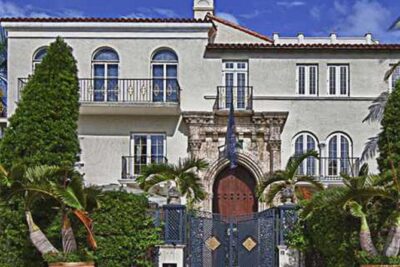
The Official Art Deco Walking Tour by The Miami Design Preservation League
Read our review →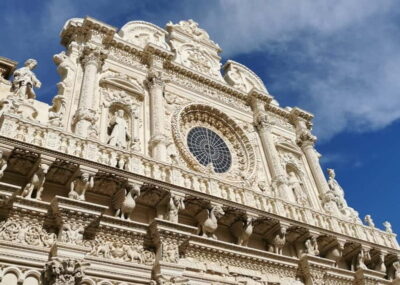
Baroque Architecture and Underground Walking Tour
Read our review →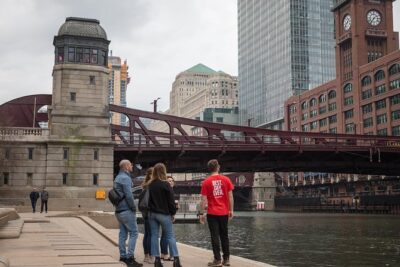
Chicago in a Day: Food, History & Architecture Walking Tour
Read our review →
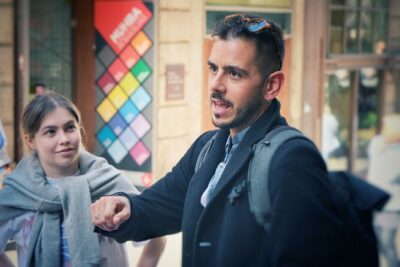
Ramblas, Old Town, Gothic and Gaudi Architecture Walking Tour
Read our review →
Chicago’s Secret Interiors Architectural Walking Tour
Read our review →
Browse the lists this tour appears in