
Review · MEXICO ARCHITECTURE TOURS
Tlaquepaque Magic Town: Artisans, Traditions, Architecture
Tlaquepaque is best understood on foot, one painted doorway, quiet church, and tiled patio at a time. This tour takes you beyond the famous colorful letters, showing historic homes, traditional art, mariachi culture, and the places where daily life and Mexican history meet.
I like the personal focus of the walk, especially the chance to enter old houses with patios and fountains instead of simply admiring them from the street. I also like the stop for traditional candies and rompope, since a small tasting can tell you more about local customs than another passing photo opportunity.
The main thing to watch is the timing. The experience is advertised as 90 minutes, while the detailed tour information describes a two-hour walk. If you have a tight schedule, confirm the expected length before booking.
Key points to know before you go
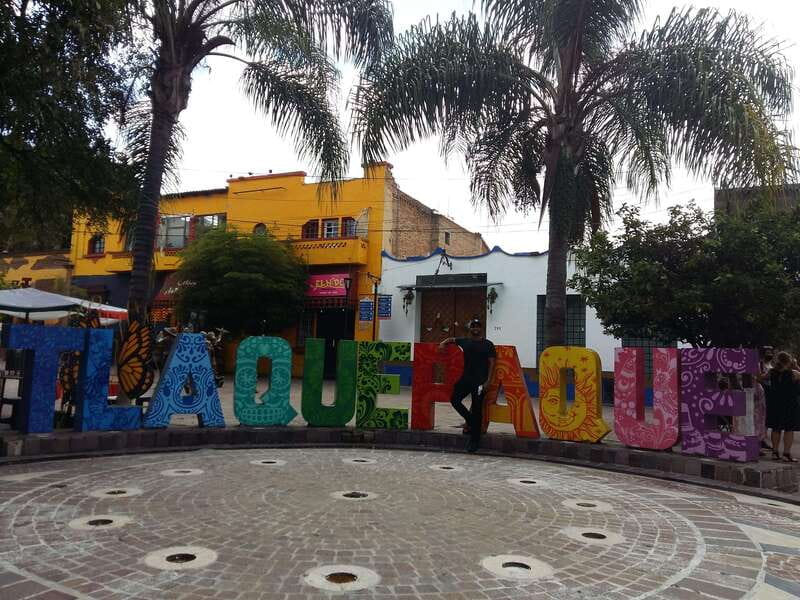
- Meet beside Tlaquepaque’s giant colorful letters: The meeting point is in Plazoleta Springfield, where statues connect the square to Mexico’s independence story.
- See two churches with different social histories: The tour explains which churches served poorer and wealthier residents in earlier times.
- Enter historic houses: Patios, fountains, and folkloric architecture give the old town more depth than a simple shopping stroll.
- Taste local sweets and rompope: A candy factory visit adds a small food experience to the art and history.
- Finish on the main pedestrian street: You can continue with restaurants, galleries, artisan shops, or shopping after the guided walk.
- Mayra leads in English or Spanish: Past bookings especially praise her calm, friendly manner and her ability to adjust the focus of the tour.
Why Tlaquepaque works so well as a walking tour
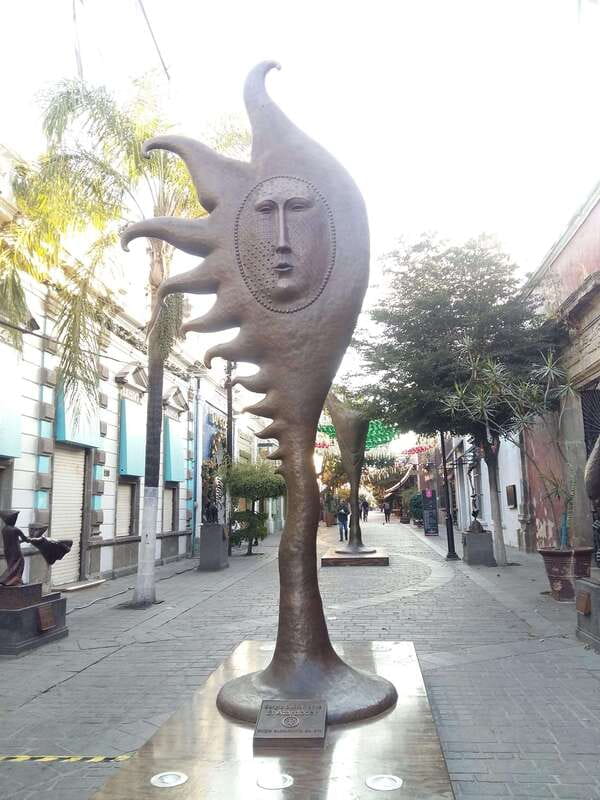
Tlaquepaque is a place where the setting does much of the talking. Colorful decoration, old facades, art shops, churches, food, and public squares sit close together. You do not need a long bus ride between sights, and you can pay attention to details that are easy to miss when you explore alone.
The tour is built around the idea of Tlaquepaque as a Mexican Pueblo Mágico, or Magic Town. That label matters here because it points to more than pretty streets. You will see how local identity is carried through pottery, folk art, music, food, religious buildings, and public decoration.
I would choose this walk early in your stay if you plan to spend more time in Tlaquepaque. A guide can help you understand which galleries are worth a closer look, where the main walking street begins, and how the town’s historic buildings fit together. You can then return later for shopping or a meal with a better sense of place.
The walk also suits you if you like art but do not want a formal museum-only experience. The route connects galleries and artisan shops with churches, architecture, food, and local stories. That mix keeps the outing moving.
A few more architecture walks in the world worth a look
- Chicago Architecture River Cruise
★ 5.0 · 15,756 reviews - Chicago River 90-Minute Architecture Tour
★ 4.5 · 9,629 reviews - Chicago River: 1.5-Hour Guided Architecture Cruise
★ 4.8 · 8,046 reviews
Starting at the colorful Tlaquepaque letters
The tour begins at the large, colorful Tlaquepaque letters in Plazoleta Springfield. This is an easy meeting point and a useful first photo stop. Next to the letters, you will see statues of Miguel Hidalgo and figures representing people who fought for independence from Spain.
These statues set the tone for the tour. You are not starting at a generic shopping street. You are starting in a public space tied to Mexico’s national story, then moving into Tlaquepaque’s local traditions.
Arrive with a little time to find the square. The meeting point is described as being next to the giant letters, not simply somewhere in the wider town center. If you are meeting your guide, look for the lettering and the nearby statues rather than relying only on a business name.
The letters are also useful at the end of your day. After the tour, you can use the square as a reference point while exploring nearby shops and streets.
Two churches and the town’s social history
One of the more useful parts of the walk is the visit to two churches. The tour explains how poorer and wealthier residents once used different churches for religious service. That detail gives you a clearer view of how society was organized in the past.
Churches can blur together when you visit several Mexican towns in one trip. This comparison gives the buildings a human story. Instead of looking only at decoration, you can ask who worshipped there, how the town was divided, and what these spaces meant to different groups.
The supplied details do not identify the churches by name, so you should not expect a specialized architectural lecture on every feature. The value is in the contrast between the two places and the guide’s explanation of their role in Tlaquepaque life.
As with any walking tour involving churches, dress and behavior should be respectful. The experience includes sightseeing, not just quick exterior photos, so allow the guide to set the pace inside each building.
Historic houses with patios and fountains
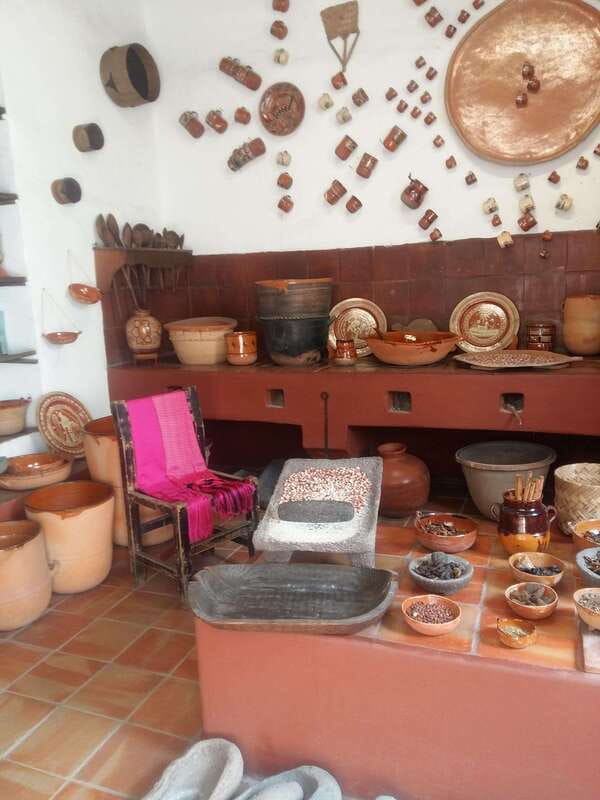
The tour takes you inside large historic houses with folkloric architecture. This is one of the strongest reasons to book rather than simply wander the shopping streets.
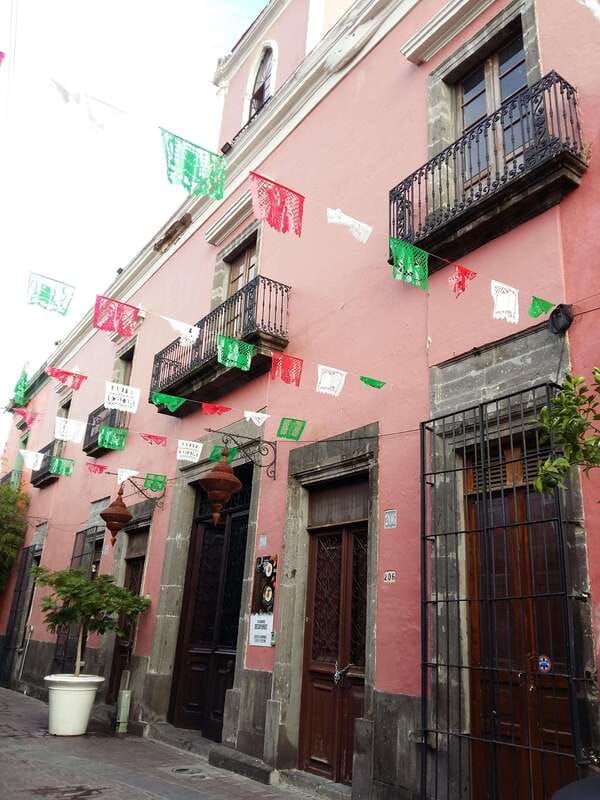
From outside, a traditional house may look like a colorful wall or a handsome doorway. Inside, the patio often explains how the building worked. Fountains, open space, and surrounding rooms create a different sense of scale. You get a look at the private side of the town, not just its storefronts.
These houses also help explain why Tlaquepaque’s architecture is part of its appeal. The experience is not limited to one style or one monument. It is about the repeated details of courtyards, decoration, color, and older building forms.
I would pay attention to the way the guide connects the houses to everyday life. A patio is not merely a nice backdrop for photographs. It can show how people gathered, moved through the home, and adapted to the local climate and traditions.
The stop may be especially rewarding for photographers and architecture fans. If you prefer a fast checklist of major sights, this slower look at interiors may feel less urgent. For most people, though, it adds the kind of detail that independent wandering can miss.
Same city, a different facade:
- Chicago Architecture Center River Cruise aboard First Lady
★ 5.0 · 5,536 reviews - Chicago: Architecture River Cruise Skip-the-Ticket Line
★ 4.8 · 4,325 reviews - Chicago River 45-Minute Architecture Tour from Magnificent Mile
★ 4.5 · 2,924 reviews - Barcelona: Sant Pau Recinte Modernista Entry Ticket
★ 4.6 · 2,567 reviews
An independence story and a surprising local record
The tour also points out where a national hero of Mexico’s independence spent one night in Tlaquepaque. The nearby Miguel Hidalgo statues make the independence theme visible from the beginning, and this stop brings national history into a specific local setting.
A story tied to one building is easier to remember than a general date from a history book. You can connect the national struggle for independence with an actual place in the town.
The walk also shows you a Guinness World Record associated with Tlaquepaque. The information provided does not specify the record itself, so I would treat this as a point to ask about rather than assume you already know what you are seeing.
That uncertainty is not a reason to skip the stop. It is a reminder to listen closely and ask the guide for the exact record, its date, and what object or event holds it. Small questions like these often turn a quick sight into a memorable one.
Mariachi, folk dance, and paper decorations
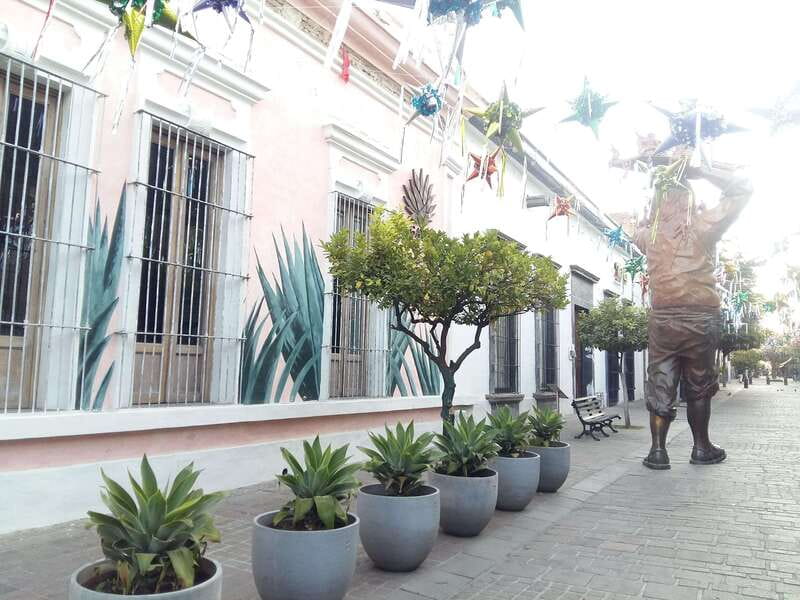
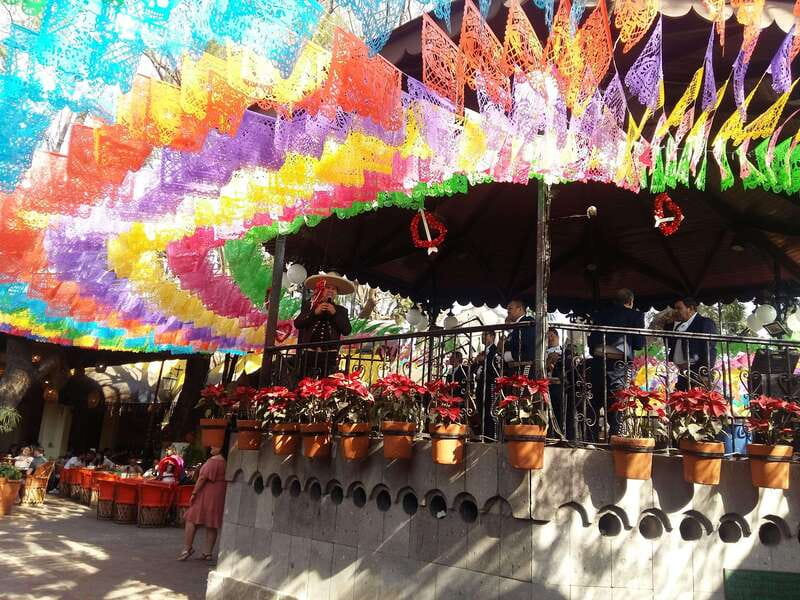
Tlaquepaque’s appeal is not only architectural. The tour introduces you to Mexican traditions through mariachi, folkloric dancers, papel picado, snacks, and Jalisco food.
Mariachi is one of the clearest cultural links to the region. Even if the walk does not include a full concert, knowing where to enjoy mariachi helps you understand how music fits into the town’s public life and restaurant culture.
Papel picado, the cut-paper decoration often seen at festivals and celebrations, adds color overhead and around public spaces. Folkloric dance brings another layer, showing regional traditions through movement and costume.
The exact performance schedule is not provided, so you should not book expecting a guaranteed show at a particular time. Think of these elements as part of what the guide helps you locate and explain. If mariachi or dancing is your top priority, ask what is normally happening on your tour date.
The mention of typical Jalisco food and snacks also matters. Food gives the tour a practical finish, because the guide leads you toward the restaurants and food options on the main pedestrian street.
Candy, rompope, and a taste of local tradition
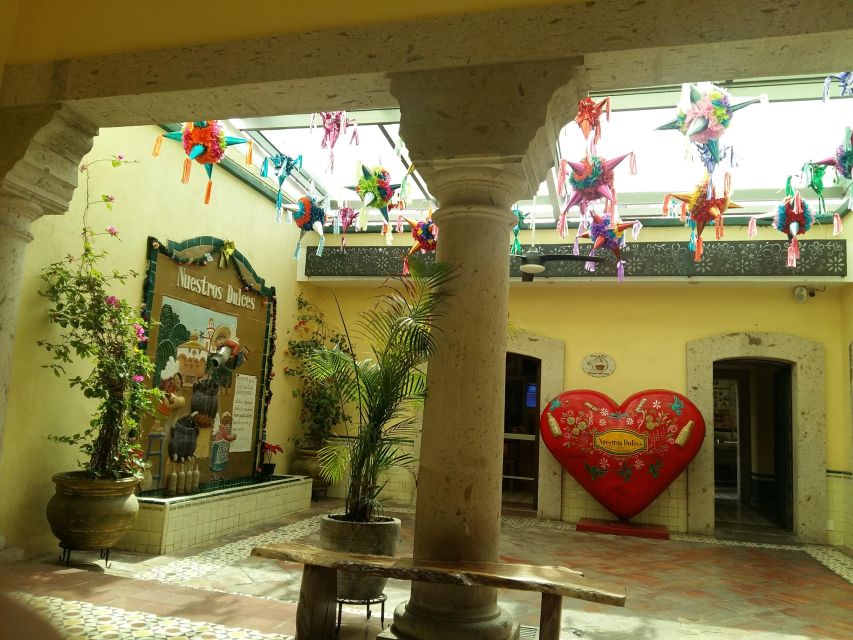
A candy factory stop adds one of the most specific experiences on the route. You can see how some traditional candies are made and enjoy a tasting. You also get to try rompope, a sweet drink associated with Mexican culinary tradition.
This is a modest food stop, not a full meal. That distinction matters. You should arrive ready for a sample and an explanation, not count on the tasting to replace lunch.
I like the stop because it connects food with craft. The same care you see in an artisan workshop can appear in the making of sweets. You leave with a better idea of how local products are prepared and presented, rather than simply buying a packaged souvenir.
If you do not drink alcohol, ask about the rompope before tasting it. The information confirms that it is offered, but it does not give the recipe or alcohol content. The candy portion gives you another way to enjoy the stop.
Galleries, artisan shops, and the final walking street
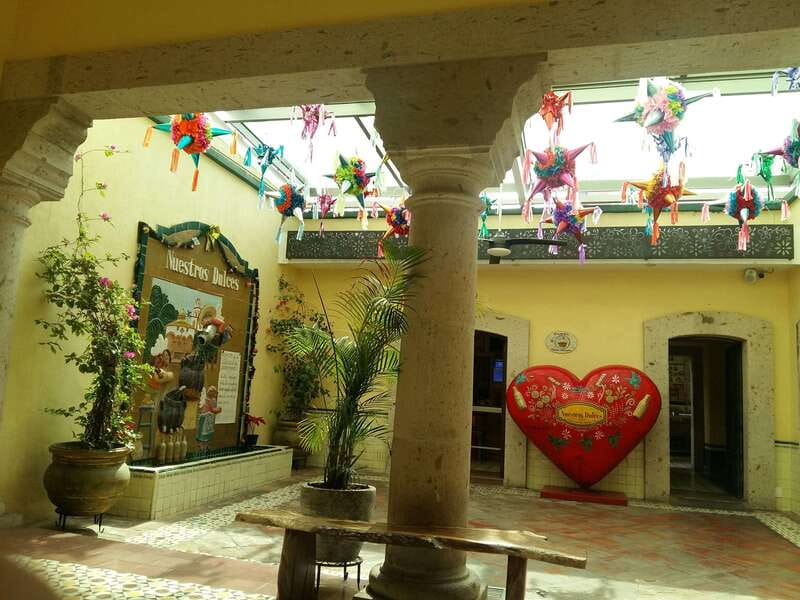
Art is a central part of the experience. You will visit colorful galleries and artisan stores, with explanations of what you are seeing rather than a simple parade past shop windows.
Tlaquepaque is known for its arts and crafts, and the tour gives you a starting point for browsing. You may see work that appeals to you, but there is no promise that a specific artist, gallery, or type of craft will be available during your walk.
That is useful to keep in mind if you plan to shop. The tour can help you understand the setting and point out places to explore, but it is not a dedicated shopping service. Give yourself extra time afterward if you want to compare pieces, check prices, or arrange purchases.
The walk finishes on the main pedestrian street, where restaurants and art stores continue the experience. This is a practical ending. You are not dropped at an isolated sight. You can stay for a meal, continue shopping, or use the street as the starting point for more independent exploring.
I would save serious purchases for after the guided portion. During the walk, listen and take notes on stores that interest you. Once the tour ends, you can return without worrying about missing the next stop.
What $32 gets you
At $32 per person, the tour is priced as a short guided introduction rather than a full-day cultural program. The value depends on how much you want context and access to places you might otherwise pass without entering.
For the price, you receive a live guide in English or Spanish, a walking route through historic and cultural sights, entry into historic houses, church visits, explanations of galleries and museums, and a tasting at a candy factory. You also get help making sense of the town’s traditions and shopping areas.
The strongest value is the guide’s local interpretation. Mayra is repeatedly praised for being friendly, calm, clear in English, and able to adjust the tour toward the interests of the group. One booking specifically highlights how she showed art spaces that would have been easy to miss alone.
That flexibility matters. If you care most about architecture, art, food, or history, tell Mayra early. The tour can then spend more time on what you actually want to understand.
The cost may feel high if you only want a quick photo at the letters and a walk down the main street. You can do those parts independently. It makes more sense if you want access to interiors, stories, and a tasting without having to research every stop yourself.
Timing, pace, and practical planning
The duration needs clarification. The activity is presented as a 90-minute tour, while the detailed schedule describes a guided walk and arts and crafts market visit lasting two hours. That difference could affect your restaurant reservation, transport, or plans for the rest of the day.
The route is a walking experience, so comfortable shoes are sensible. The provided information does not state the distance, amount of seating, or accessibility arrangements. If those details matter to you, ask before reserving.
The meeting point is in Plazoleta Springfield at the large Tlaquepaque letters. The tour provider is Tours Viva Mex, and live guiding is available in English and Spanish.
You can cancel up to 24 hours in advance for a full refund. A reserve-now, pay-later option is also available, which helps if your Mexico plans are still changing.
Who should book this Tlaquepaque walk?
I would recommend it to first-time visitors who want a clear introduction to Tlaquepaque. It is also a good choice for anyone who enjoys art, architecture, local food, public traditions, and stories tied to specific buildings.
Families may appreciate the variety. The colorful letters, statues, sweets, shops, and brief cultural stops offer more change than a strictly historical tour. Art lovers should pay special attention to the gallery visits and the chance to see places they might not find independently.
This may not be the best match if you want a long museum visit, a full meal, a guaranteed mariachi performance, or a detailed account of every church and artist in town. The experience covers many subjects in a short time, so each stop is an introduction rather than an exhaustive study.
Should you book it?
Book this tour if you want Tlaquepaque explained through its art, food, buildings, traditions, and independence stories. The candy tasting, historic interiors, two contrasting churches, and guidance from Mayra give the walk more substance than a simple photo stop.
Skip it if you prefer to explore at your own speed and already feel comfortable finding galleries, restaurants, and historic sites without help. Before booking, confirm whether your departure lasts 90 minutes or closer to two hours. If the timing works, $32 is a fair price for a friendly, adaptable introduction to one of Jalisco’s most colorful towns.
FAQ
Where does the Tlaquepaque tour meet?
The meeting point is beside the large colorful Tlaquepaque letters in Plazoleta Springfield. Nearby statues depict Miguel Hidalgo and people associated with Mexico’s fight for independence from Spain.
How long does the tour last?
The activity information gives a duration of 90 minutes, while the detailed schedule describes a two-hour guided walk. Confirm the expected duration before booking if your schedule is tight.
How much does the tour cost?
The listed price is $32 per person.
Which languages are available?
The tour is offered with a live guide in English or Spanish.
Who is the guide?
The tour provider is Tours Viva Mex. Mayra is identified as the guide in the available booking feedback and is praised for her clear English, friendly manner, and ability to adapt the walk to group interests.
What will I see during the walk?
You will see historic churches, large houses with patios and fountains, galleries, artisan stores, colorful decorations, public statues, and the main pedestrian street.
Does the tour include food?
It includes a tasting at a candy factory, where you can see how some traditional candies and rompope are made. The tour also introduces typical Jalisco food and snacks, but it is not described as a full meal.
Will I see mariachi and folkloric dancers?
Mariachi and folkloric dancing are part of the cultural focus of the tour. The available information does not guarantee a performance at a specific time, so ask what will be taking place on your date.
Can I shop during the tour?
The walk includes colorful galleries and artisan stores and ends on the main walking street, where you can continue shopping. Extra time after the guided portion may be useful if you want to browse carefully.
Can I cancel the booking?
You can cancel up to 24 hours in advance for a full refund. A reserve-now, pay-later option is also available.
Newly added in the world
- Barcelona: Guided tour e-bike Barcelona historical and modernist Barcelona★ 4.5 · 5 reviews
- Barcelona Architecture Walking Tour With Casa Batlló Upgrade★ 4.8 · 11 reviews
- Astana: Old City Tour, Imperialistic and Soviet Architecture★ 5.0 · 4 reviews
- Barcelona Beyond Gaudí: Modernism, Rooftops, and Hidden Gems★ 5.0 · 2 reviews
- An Architect’s Tour of Downtown Santiago★ 5.0 · 7 reviews
- Architecture Tour: Old Historic Madrid with an architect★ 4.3 · 3 reviews
- London: Architecture Tour of Benjamin Franklin House★ 5.0 · 5 reviews
- Architectural Wonders of KAFD, An Iconic Destination★ 5.0 · 3 reviews
Mexico Architecture Tours, compared.
Guadalajara: Culture, Architecture, and Market Walking Tour
Read our review →
Architecture and History of Mexico City – Small Groups
Read our review →
Private Tour to Teotihuacan with Architect from CDMX
Read our review →
Mexico City origins and architecture: Art Nouveau, Deco,Eclectic
Read our review →Browse the lists this tour appears in