
Review · WALKING TOURS
Private walking Tour: Berlin Architecture Tour
Berlin’s architecture makes its political past easy to read. On this private four-hour tour, you move from Prussian domes and neoclassical museums to socialist apartment blocks, Cold War scars, and glass towers built after reunification. The city becomes a history lesson written in stone, brick, concrete, and steel.
I like the private format, since your guide can adjust the route and explain the buildings that matter most to you. I also like the broad sweep, from Museum Island and Gendarmenmarkt to the Philharmonie, Potsdamer Platz, Kreuzberg, Friedrichshain, and Hackescher Höfe. Guides including Sara, Thomas, Tom, Daniel, Heiko, and Tarek Ibrahim have been praised for clear explanations and flexible pacing.
The main consideration is price: $191.87 per person is a serious spend, especially for a group of one or two. The tour also covers a lot of ground, so you should expect an energetic overview rather than long visits inside each building.
Key points to know before booking
- A private route through Berlin’s political architecture: Compare imperial, Nazi-era, socialist, Cold War, and post-reunification design with a guide who can connect the buildings to the city’s divisions.
- Ten major stops in about four hours: Museum Island, Gendarmenmarkt, the Philharmonie, Reichstag, Potsdamer Platz, Berliner Dom, Kreuzberg, Friedrichshain, Pariser Platz, and Hackescher Markt.
- Choose walking or biking: The experience can be arranged on foot or by bike, which matters because the route covers widely separated parts of central Berlin.
- Hotel pickup and drop-off: The guide meets you in your central Berlin hotel lobby and returns you to the hotel at the end.
- A flexible private experience: You can request specific sights, and guides have adjusted timing to fit personal interests and needs.
- Best for architecture and design fans: It also suits first-time visitors who want a useful city orientation with history, politics, and urban planning folded into the route.
Berlin’s divided past, read through buildings
The clever idea behind this tour is that Berlin’s political history is not treated as a separate lecture. You see it in the contrast between the city’s buildings.
East Berlin’s socialist-era apartment blocks reflect a government that valued order, repetition, and efficient housing. West Berlin developed a different visual language, especially after the Berlin Wall cut the city in two. Modern cultural buildings, bold public projects, and new commercial districts filled spaces where older institutions had been lost or isolated.
A good guide can help you notice more than façades. You can ask why a building was placed there, what message its design was meant to send, and how the city changed after reunification. That is where the private format earns its keep.
The tour begins with a hotel-lobby meeting, so you do not need to find a guide in an unfamiliar square. Since pickup and drop-off are included, this is also practical for a first morning in Berlin, when you want to get your bearings fast.
More Walking Tours in the world:
- Lecce: Baroque Architecture and Underground Walking Tour
★ 4.6 · 1,248 reviews - Chicago in a Day: Food, History & Architecture Walking Tour
★ 5.0 · 1,153 reviews - Ramblas, Old Town, Gothic and Gaudi Architecture Walking Tour
★ 5.0 · 723 reviews
Museum Island and Berliner Dom: a grand opening
Museum Island gives the tour an impressive start. The Altes Museum presents a clean neoclassical front with broad columns and a formal portico. Its design reflects the confident public architecture of 19th-century Berlin.
Nearby, the Pergamon Museum has monumental classical façades, while the Bode Museum adds a large dome and softer baroque curves. The Neues Museum provides an especially useful comparison, since its restoration combines surviving historic elements with modern interventions after wartime damage.
You will have about 20 minutes here, with no admission ticket included or required for this exterior-focused stop. That is enough for photographs and a first explanation, but not enough for a museum visit. If you want to see the collections inside, plan a separate visit.
The Berliner Dom gives you another view of Berlin’s imperial ambitions. Its enormous dome, symmetrical front, heavy columns, sculptures, and elaborate decoration make it one of the city’s most recognizable buildings. The interior is known for marble columns, mosaics, and grand arches, but this tour does not include an interior admission.
The Dom and the museums work well together. Museum Island shows a carefully planned cultural center, while the cathedral adds ceremony and scale. The short stop is best understood as an architectural introduction, not a substitute for a full museum or cathedral visit.
Gendarmenmarkt and Friedrichstrasse: old elegance, new commerce
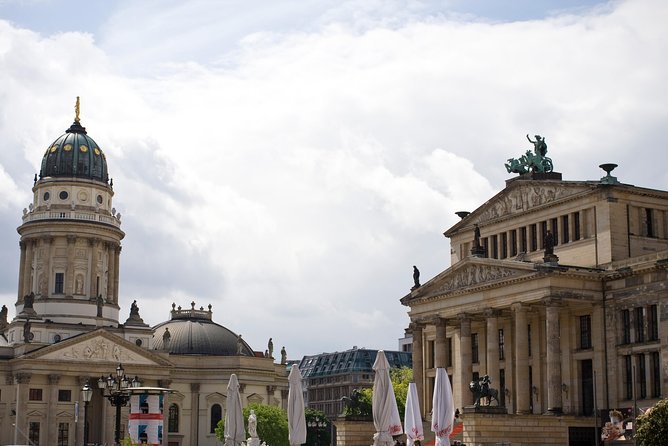
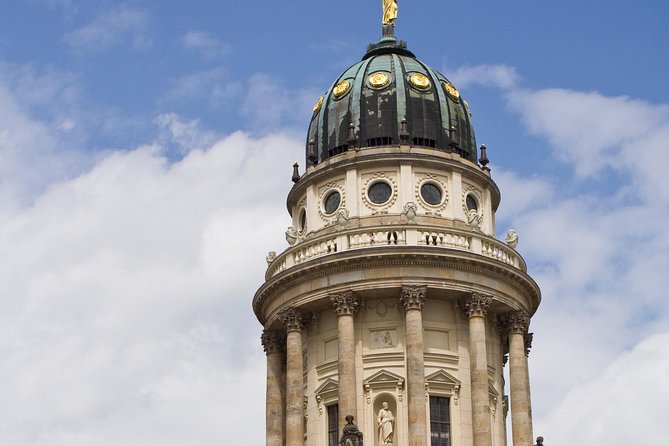
Gendarmenmarkt is one of Berlin’s most satisfying urban spaces. The Französischer Dom and Deutscher Dom frame the square with matching domes, while Schinkel’s Konzerthaus occupies the center. A statue of poet Friedrich Schiller completes the ensemble.
You get about 15 minutes here. That sounds brief, but the square is compact, and a guide can point out the relationship between the three major buildings quickly. Ask about the different roles of the two domed buildings and the design of the concert hall. The point is not simply to photograph a pretty square. It is to understand how architecture creates a sense of order and ceremony.
Friedrichstrasse brings a different mood. This major central street mixes memories of Berlin’s Golden Twenties with post-reunification commercial architecture. You will see offices, cafés, restaurants, boutiques, department stores, and the glassy presence of Galeries Lafayette.
The street also helps explain urban renewal. Berlin has repeatedly rebuilt and rebranded Friedrichstrasse, with each era trying to define what central city life should look like. I would use this part of the tour to ask your guide about what survived, what was lost, and how the street changed after the Wall.
The Philharmonie and Kulturforum: modern Berlin’s boldest statement
The Berliner Philharmonie is one of the tour’s best photo stops. Its yellow-gold exterior and unusual tent-like form reject the solemn symmetry of older concert halls. The building’s asymmetrical profile reflects a modern idea of music and public space.
The interior is arranged so the audience surrounds the performers, creating a more intimate relationship between musicians and listeners. The tour focuses on the exterior, with about 15 minutes available for photos and explanation.
The Philharmonie belongs to the Kulturforum, a group of museums, concert halls, libraries, and institutes assembled in West Berlin during the 1950s and 1960s. Many cultural institutions and collections had been left on the other side of the Berlin Wall, so West Berlin created a new cultural center near the edge of the divided city.
That political setting makes the Kulturforum more interesting than a simple collection of modern buildings. It was also a statement about West Berlin’s cultural identity. If you are an architect, designer, or musician, this stop may deserve extra time. Tell your guide early, since the private format allows some adjustment.
More Private Tours in the world:
- Best of Chicago: Architecture & Highlights City Private Tour
★ 5.0 · 94 reviews - Private Harajuku Omotesando Architecture Walking Tour
★ 5.0 · 67 reviews - Private Santa Barbara History and Architecture Walking Tour
★ 5.0 · 56 reviews - Private Barcelona Modernism and Gaudí Walking Tour
★ 4.7 · 54 reviews
Reichstag, Pariser Platz, and the meaning of transparency
The Reichstag combines a 19th-century classical shell with Norman Foster’s modern glass dome. The contrast is deliberate. The heavy façade suggests institutional power, while the glass structure has come to represent openness and democratic government after reunification.
You have about 10 minutes at the Reichstag, so do not expect a full building visit. The dome offers views across Berlin, but the tour description does not include a dome reservation or interior entry. Treat this as an exterior explanation and photo stop unless your guide confirms otherwise.
Pariser Platz continues the conversation about old and new design. The Brandenburg Gate dominates the square with its columns and neoclassical form. Around it, you can compare the Hotel Adlon, French Embassy, American Embassy, Academy of Arts, and the DZ Bank building, designed by Frank Gehry.
The Gehry building is particularly useful because its fluid glass and steel design does not imitate the surrounding classical buildings. Instead, it adds a sharp contemporary note while respecting the square’s overall scale. In about 20 minutes, you can see how Berlin tries to balance historic reconstruction with modern architecture.
Potsdamer Platz: Berlin rebuilt from an empty zone
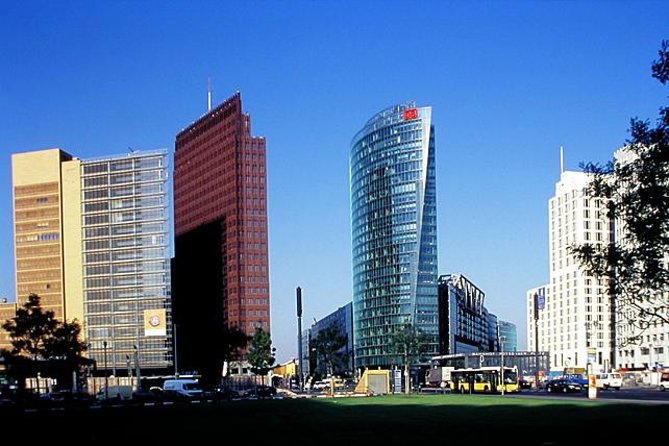
Potsdamer Platz is perhaps the clearest example of Berlin’s post-Cold War transformation. Before World War II, it was a busy city center. After wartime destruction and the division of Berlin, the area became a damaged, divided zone near the Wall.
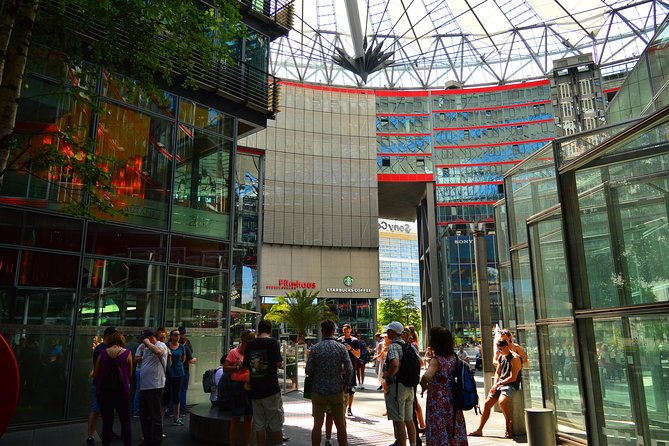
Today, its tall offices, modern public spaces, Sony Center roof, and DB Tower present a completely different city. The district was planned as part of Berlin’s post-reunification future, and its polished surfaces contrast with the older, less controlled parts of the city.
You get about 20 minutes here. That is enough to understand the basic story and photograph the main structures, though the district can reward a slower walk. Panoramapunkt offers city views, but an admission fee is not included in this tour.
Potsdamer Platz can feel more corporate than authentic, and that is worth knowing before you book. Its value lies in the urban story: destruction, division, redevelopment, and the desire to make Berlin look forward.
Kreuzberg and Friedrichshain: everyday buildings and Berlin’s edge
The stops in Kreuzberg and Friedrichshain bring you closer to neighborhood life. Instead of grand public monuments, you see a mix of 19th-century Altbau apartment buildings, industrial conversions, socialist-era structures, street art, and newer development.
Kreuzberg is known for its alternative culture and mixed architectural character. Its older apartment blocks often have ornate façades, high ceilings, and large windows. The Oberbaum Bridge links Kreuzberg with Friedrichshain across the Spree. Its red brick, pointed forms, and Gothic-inspired arches make it one of the strongest photo opportunities on the route.
You spend about 30 minutes in Kreuzberg. That gives your guide time to explain how the district moved from a countercultural neighborhood into a more fashionable and changing part of Berlin, though the tour does not promise visits inside private buildings.
Friedrichshain adds more former East Berlin context. Its pre-war Altbau buildings sit beside socialist-era structures and newer projects. The East Side Gallery, painted on a remaining section of the Berlin Wall, connects street art with the city’s political memory.
This is one of the route’s most useful contrasts. Monumental buildings tell you what governments wanted to project. Residential streets show how ordinary urban life developed around those ambitions.
Hackescher Markt: art nouveau in working courtyards
Hackescher Höfe offers a detailed finish to the architectural tour. The interconnected courtyards were built in 1906 and are associated with architect August Endell. Their art nouveau decoration includes ceramic tiles, patterned façades, ironwork, and curving forms.
Unlike the grand scale of the Reichstag or Philharmonie, Hackescher Höfe rewards close looking. You can examine doorways, colors, brickwork, and the way several courtyards connect. The complex also shows how beauty and practical urban use were combined in early 20th-century Berlin.
The stop lasts about 20 minutes. Shops and cafés occupy the courtyards today, but the architectural interest remains the main reason to come. It is a good place to end because it leaves you with details rather than another enormous monument.
How the timing and transport affect the experience
The listed stops add up to roughly three hours, before travel time between districts. That makes the four-hour schedule plausible, but the pace will be brisk. You will not linger for a full museum visit, cathedral tour, concert, or extended neighborhood walk.
Walking is the simplest choice if you want to feel the city under your feet and stop for photos. Biking may make more sense if you want to cover the full route with less time spent moving between distant districts. Confirm the bike arrangements when booking, since the supplied details only state that the tour can be done by bike.
Hotel pickup and drop-off add real convenience, especially if your hotel is central. Food and drinks are not included, so plan a snack or meal before or after the tour. One guide even walked with a group to its lunch reservation, but that should be treated as a personal accommodation rather than a guaranteed part of the tour.
The experience is private, so only your group participates. Most people can take part, and service animals are allowed. Public transportation is nearby, but the tour itself includes hotel transfers.
Is $191.87 per person good value?
At $191.87 per person, this is not a budget walking tour. The price makes more sense for a small group that wants a custom route, expert commentary, and hotel service rather than a standard large-group outing.
The value improves if you are an architect, designer, photographer, historian, or serious architecture fan. It also works well for a family or group with different interests, since the guide can adjust the discussion. The private format lets you ask about specific buildings instead of listening to a fixed script.
The price is harder to justify if you only want a quick introduction to Berlin’s monuments. Several stops are short, and there are no included interior admissions, meals, or special entry privileges. You are paying mainly for the guide’s time, route planning, and ability to connect architecture with politics and urban change.
Past guides have included Sara, Thomas, Tom, Daniel, Heiko, and Tarek Ibrahim. The strongest praise has focused on clear communication, enthusiasm, historical insight, and flexibility. If a particular guide is available, you can request that person, but availability is not guaranteed.
Who should book this Berlin architecture tour?
Book it if you want Berlin explained through its buildings rather than through a list of dates. It is especially useful early in your stay, since the route covers much of central Berlin and can help you decide where to return on your own.
You should also book it if your group has specific interests. Ask for more time on modern architecture, socialist planning, postwar reconstruction, photography, or neighborhood design. The tour is built for conversation, not just sightseeing.
Skip it if you prefer slow museum visits or want to spend most of the day inside historic buildings. You will see many places, but most are exterior stops. Also think carefully about the price if you are traveling alone.
Cancellation is free up to 24 hours before the start time. Changes made within 24 hours are not accepted, and the amount paid is not refunded for a late cancellation.
FAQ
How long is the Berlin architecture tour?
The tour lasts approximately four hours.
Is the tour private?
Yes. Only your group participates in the activity.
Where does the tour begin?
The guide meets you in the lobby of your central Berlin hotel.
Is hotel transportation included?
Hotel pickup and drop-off are included.
Can I take the tour by bike instead of walking?
Yes. The experience can be arranged on foot or by bike.
Which languages are offered?
The tour is offered in English.
Does the tour include food and drinks?
No. Food and drinks are not included.
Are admission tickets included?
The listed stops have free admission for the tour, but the experience is primarily an exterior architecture tour. Separate interior visits or paid attractions are not included.
Can I request particular sights or interests?
Yes. The tour is customized, so you should discuss specific requests with the guide.
Is the tour suitable for most people?
Most people can participate, and service animals are allowed. The tour is also near public transportation.
What is the cancellation policy?
You can cancel up to 24 hours before the experience for a full refund. Cancellations or changes made less than 24 hours before the start time are not refunded or accepted.
Newly added in the world
- Barcelona: Guided tour e-bike Barcelona historical and modernist Barcelona★ 4.5 · 5 reviews
- Barcelona Architecture Walking Tour With Casa Batlló Upgrade★ 4.8 · 11 reviews
- Astana: Old City Tour, Imperialistic and Soviet Architecture★ 5.0 · 4 reviews
- Barcelona Beyond Gaudí: Modernism, Rooftops, and Hidden Gems★ 5.0 · 2 reviews
- An Architect’s Tour of Downtown Santiago★ 5.0 · 7 reviews
- Architecture Tour: Old Historic Madrid with an architect★ 4.3 · 3 reviews
- London: Architecture Tour of Benjamin Franklin House★ 5.0 · 5 reviews
- Architectural Wonders of KAFD, An Iconic Destination★ 5.0 · 3 reviews
Walking Tours, compared.
The Official Art Deco Walking Tour by The Miami Design Preservation League
Read our review →
Baroque Architecture and Underground Walking Tour
Read our review →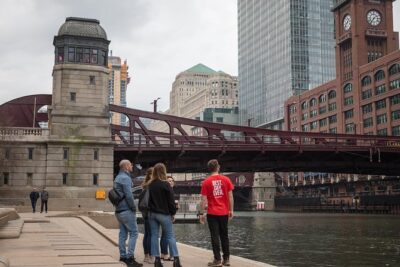
Chicago in a Day: Food, History & Architecture Walking Tour
Read our review →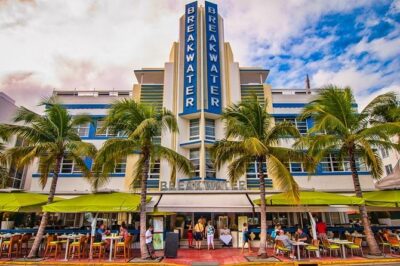
Ramblas, Old Town, Gothic and Gaudi Architecture Walking Tour
Read our review →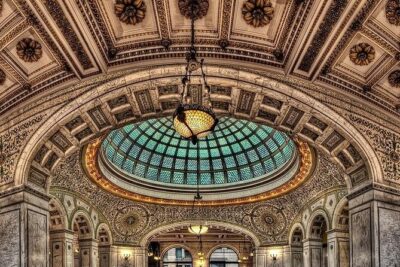
Chicago’s Secret Interiors Architectural Walking Tour
Read our review →
Browse the lists this tour appears in