
Review · GERMANY ARCHITECTURE TOURS
Lübeck: Architecture and Local Craft Private Guided Tour
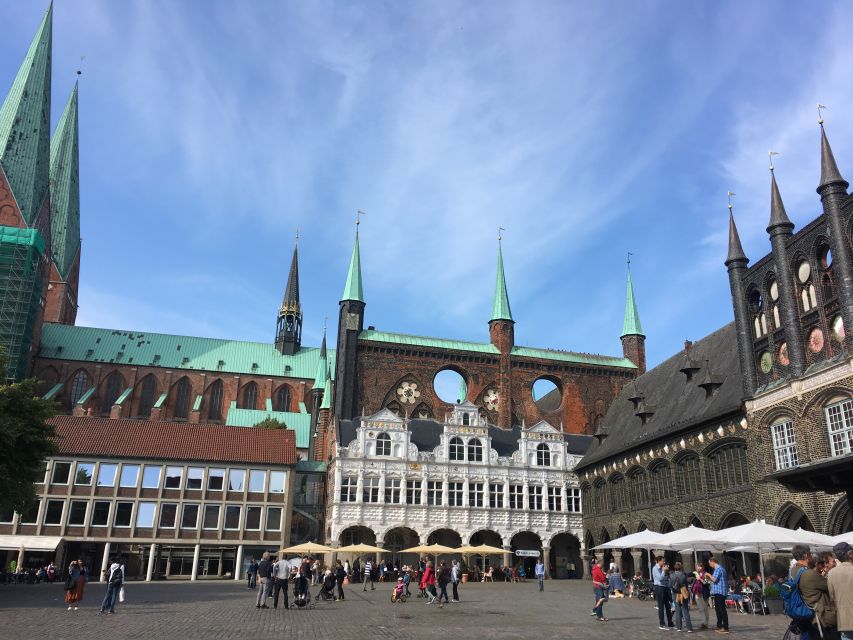
Lübeck’s old town is one of Europe’s great brick-built city centers, and this private walk explains why the material mattered so much. In 90 minutes, you’ll move from the Holstentor through church squares, merchant streets, courtyards, and narrow passages shaped by Lübeck’s medieval trade.
I like the private format, which lets you ask questions instead of following a large group. I also like the focus on small architectural details, from sagging houses and altered gables to the hidden passages behind the main streets. The main drawback is the short duration: you’ll see many important places, but you won’t have time for a leisurely interior visit at every church.
This tour is best for travelers who want a clear introduction to Lübeck’s built heritage, with a guide who can explain both grand landmarks and ordinary homes. It is also a good fit for families or small groups, since the $277 price covers up to eight people rather than charging separately for each person.
Key points about Lübeck’s private architecture walk
- Meet at the Holstentor: Begin beside Lübeck’s most famous city gate and get your bearings before walking into the old town.
- Follow the Hanseatic brick story: Learn why brick-making became so important to Lübeck and its residents.
- See major landmarks: Visit the town hall, St. Mary’s Church, Buddenbrockhaus, and other notable buildings.
- Look beyond the grand façades: Explore passages, courtyards, merchant homes, sagging houses, and changed gables.
- Ask questions freely: The private setting gives your group room to shape the conversation.
- Choose a useful time: Tours can begin between 9 a.m. and 7 p.m., subject to arrangement with your guide.
Why Lübeck’s brick architecture matters
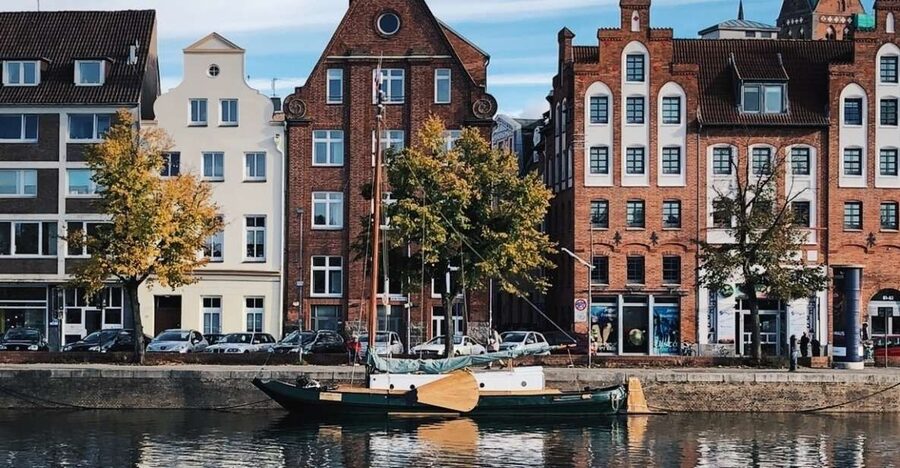
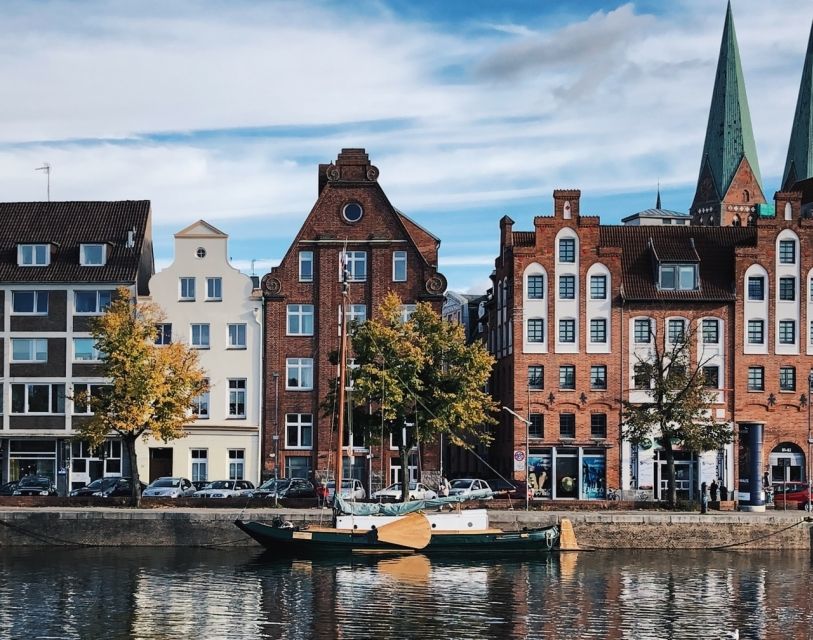
Lübeck can look almost monochrome at first glance. That is part of its appeal. Instead of relying on the pale stone common in many European old towns, the city built much of its medieval identity in brick.
Your guide explains how this material shaped the city. Brick was not simply a decorative choice. It was a practical craft that required skill, labor, and local production. In a major Hanseatic trading center, the ability to make and use brick helped create churches, civic buildings, townhouses, and homes that could last for centuries.
The tour also looks at the original street system. That detail is useful because Lübeck’s old town is not just a collection of pretty buildings. Its streets, plots, and construction areas developed in response to the needs of a growing medieval city.
You’ll hear how building land was artificially expanded in the Middle Ages. That gives you a better sense of why the old town can feel tightly packed, with houses and lanes fitted into limited space. The guide connects the physical city to the people who lived and worked there, including merchants whose homes reflected their wealth and status.
For me, this is the best reason to book a guided walk instead of simply wandering with a map. A map can point out St. Mary’s Church or the town hall. A guide can explain why buildings were placed where they were and how later changes affected their appearance.
More Private Tours in Germany:
- Private Taxi Tour City East & West History and Architecture 3-4h
★ 5.0 · 42 reviews - Private walking Tour: Berlin Architecture Tour
★ 5.0 · 14 reviews - Lübeck: Private Historical and Architectural Walking Tour
★ 4.5 · 6 reviews
Starting at the Holstentor
The meeting point is directly at the entrance of the Holstentor, Lübeck’s mighty historic gate. You should wait there for the guide rather than nearby in the surrounding area. The precise meeting instruction matters because a busy landmark can have several possible gathering spots.
The Holstentor is an effective starting point. It is one of Lübeck’s most recognizable symbols, and its heavy brick form immediately introduces the architectural theme of the tour. You begin with a building that was made to control movement and project the strength of the city.
The tour information also places the Holstentor at the end of the route description, so treat it as both the meeting landmark and one of the central sights of the walk. Ask your guide how the route will handle it when you meet. Since this is a private tour, you have a better chance of clarifying the exact order without holding up a group.
The 90-minute length means the walk should be comfortable for most people who can manage an ordinary city stroll. Still, wear practical shoes. The tour takes place on Lübeck’s streets and includes several passages and courtyards, so this is not a seated introduction.
The town hall and St. Mary’s Church
A major stop is Lübeck’s town market place, where you can admire the town hall and the famous Ratskirche St. Marien, or St. Mary’s Church. This is the point where civic power and religious authority meet in one of the city’s most important public spaces.
The town hall helps show how Lübeck governed itself and presented its status. St. Mary’s Church adds the religious side of the picture. The tour treats the church not only as a beautiful building, but as part of the city’s wider story of trade, wealth, and public life.
The church visit is optional and carries an entrance fee of 2 euros. That small extra cost is worth keeping in mind if you want to go inside. The stated tour price includes the guide, not church entrance fees, so you should be ready to pay separately if admission is available during your visit.
The 90-minute format may mean you see several church exteriors and focus on the larger architectural story rather than spending long periods indoors. That is not a flaw if your goal is orientation. It may feel limiting if you want a detailed study of every interior, altar, or artwork.
Buddenbrockhaus and the route through town
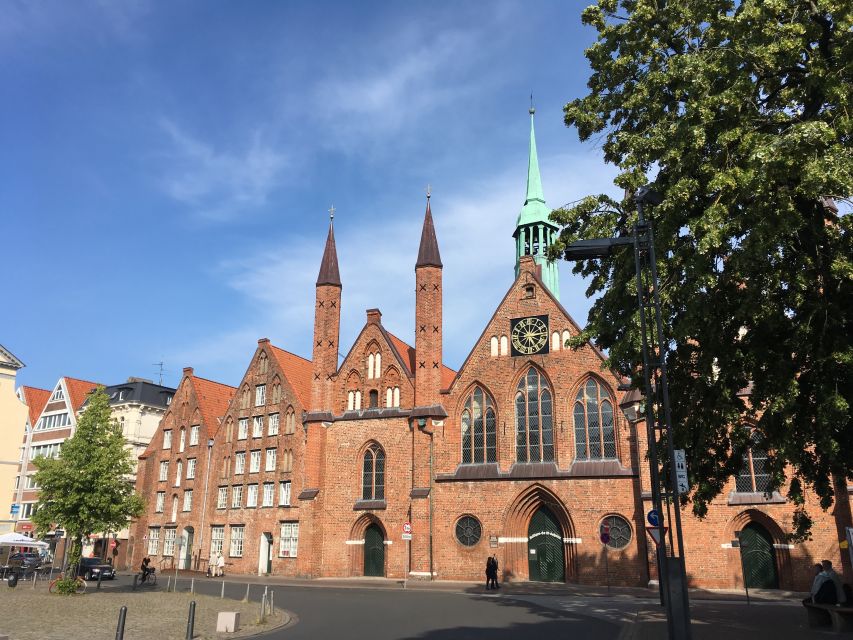
The route passes through the Baroque Buddenbrockhaus before continuing toward Glockengießerstraße. This gives the walk a useful change of pace. You are not seeing only one architectural period or one type of building.
The Buddenbrockhaus helps you notice how Lübeck’s buildings changed over time. The tour includes discussion of modern gable alterations, so you’ll hear how later owners and builders adjusted older structures instead of leaving them untouched.
That subject is especially helpful for anyone who likes old cities but wants to understand what is original and what was changed. A historic façade can contain several layers of repair, remodeling, and adaptation. Lübeck’s character comes from that mixture, not from buildings frozen in a single moment.
The guide also discusses sagging houses. This is one of the more human parts of the tour. Centuries-old buildings do not always remain perfectly straight, and those bends can reveal age, construction methods, and the pressures of a densely built city.
You might be tempted to photograph every crooked wall and decorated gable. Do so, but also listen for the explanation behind it. The point is not simply that a house looks unusual. The point is how the city’s building traditions produced the shapes you see.
More Guided Tours in Germany:
- Düsseldorf: Guided City Architecture Walking Tour
★ 4.6 · 61 reviews - Potsdam: Guided Walking Tour of UNESCO Site and Architecture
★ 4.7 · 49 reviews - Berlin: Guided Architectural Walking Tour of Hansaviertel
★ 4.9 · 5 reviews - Munich Your Way: Private Tour with Architect & Guide
★ 5.0 · 2 reviews
Glockengießerstraße’s passages and courtyards
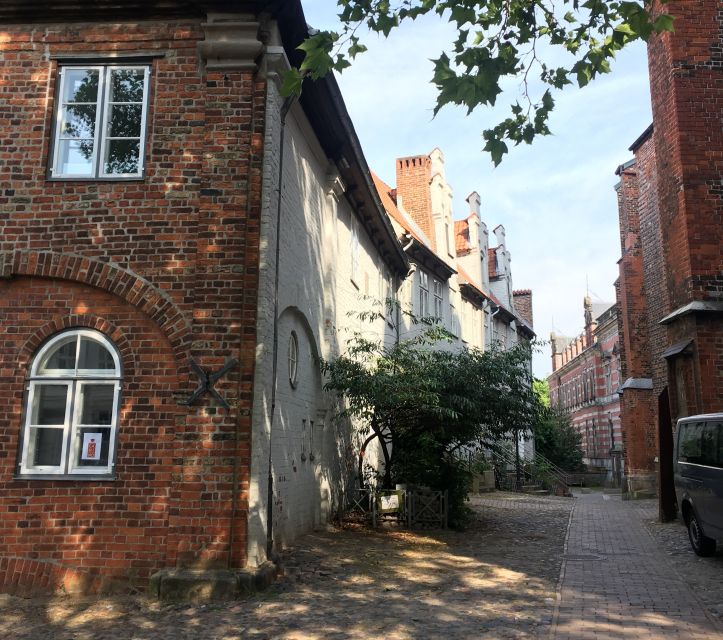
Glockengießerstraße is one of the most atmospheric portions of the walk because it leads you away from the broad public spaces and toward passages and courtyards. These smaller spaces help you picture how people used Lübeck beyond its main streets.
Your guide explains the history and construction of several passages and courtyards. This is where the private tour format has real value. In a large group, narrow spaces can become awkward, and questions may be harder to ask. With your own group, you can pause for a closer look or ask how a passage worked in daily life.
The courtyards also reveal a less polished side of the city. Grand churches and civic buildings show public ambition. Passages and inner courts show how homes were arranged, how space was used, and how residents shared a dense urban setting.
The tour does not present Lübeck as a museum set. It shows a city that was altered and reused. That makes the architecture easier to understand. You see the famous façades, then learn how people moved behind them.
Because the tour lasts only 90 minutes, the exact time spent at each passage depends on the guide and your questions. If courtyards are your main interest, say so at the start. A private guide can usually give more attention to that subject than a fixed large-group outing.
A merchant’s house and the importance of brick-making
The visit to a local merchant’s house adds a social layer to the architecture. You are not just looking at brick as a building material. You are considering the people who paid for these houses, lived in them, and used them to show their place in Lübeck’s commercial world.
The guide discusses brick-making and why mastering the craft mattered to Lübeck and its inhabitants. This is one of the most useful themes because it connects a technical skill to the city’s success.
You’ll gain a better sense of how much work sits behind a simple brick wall. Brick requires suitable material, production, firing, transport, and skilled construction. The tour uses that craft to explain how Lübeck could develop such a strong architectural identity.
The merchant’s house also helps you compare public and private buildings. A church or town hall tells one story about the city. A merchant’s home tells another, focused on status, business, family life, and the practical use of urban space.
Do not expect a full museum visit unless your guide specifically confirms one. The experience is built around a guided city walk and selected architectural stops. The value comes from seeing the setting in place, not from spending a long time inside one building.
Stories about residents and secret events
The tour promises more than dates and architectural labels. You’ll hear stories about Lübeck and its residents, including secret events that took place behind closed doors.
That human angle can make the city easier to remember. A list of construction dates fades quickly. A story connected to a particular house, passage, or merchant family gives the street a stronger sense of place.
The available feedback points to a guide style that is strong on historical explanation, detailed answers, and engagement. One Danish guest specifically praised the guide’s command of the subject, while German-language feedback highlights a friendly guide who answered questions fully and offered an interesting view of Lübeck’s past. You should expect a conversation rather than a memorized speech.
The guides work in English and German. If language matters to your group, select the language you prefer when arranging the tour and confirm it after booking. The guide contacts you to schedule the start time, so you have a chance to make your needs clear.
The stories are likely most enjoyable when you connect them to the buildings around you. Listen for the link between the public face of Lübeck and the private actions that took place inside its houses. That contrast is a strong part of this experience.
What the $277 private price buys you
The price is $277 per group of up to eight people. A full group of eight pays about $34.63 per person, which is reasonable for a private 90-minute guide-led walk. A group of four pays about $69.25 per person, so the value becomes more dependent on how much you care about privacy and personal attention.
For two people, the cost is much higher per person. You might still find it worthwhile if you want a flexible start time, a guide who can answer your own questions, and a more personal introduction to Lübeck. If your main goal is simply to see the exteriors, a less expensive shared walk may suit you better, but no shared option is described here.
The price includes the professional city guide. It does not include food, drinks, or optional church entrance fees. Since the tour lasts 90 minutes, you will not need to plan a meal around it, but do not expect refreshments to be part of the outing.
The flexible timing adds value. Tours can begin at any time between 9 a.m. and 7 p.m., based on your preference and the guide’s arrangement. That makes it easier to fit the walk around a train arrival, another visit, or an evening meal.
You can reserve now and pay later, and cancellation is free up to 24 hours in advance. Those terms are useful if your Lübeck plans are still shifting.
Who will get the most from this walk
I would recommend this tour to first-time visitors who want a solid introduction to Lübeck’s old town without spending half a day on a formal history program. It also suits architecture fans who want to study details such as altered gables, uneven houses, brick construction, and courtyard layouts.
Families may appreciate the private setup. You can ask the guide to explain a building in simpler terms, pause when children notice something, or focus on stories rather than dates.
Small groups of friends can also get good value from the price. With eight people, the cost divides well, and everyone can hear the guide without the distance and noise of a large party.
This is less suitable if you want extensive interior access, a food tasting, or a long museum visit. Food and drinks are not included, and the optional church entry costs extra. The tour is primarily about streets, buildings, courtyards, and the stories tied to them.
You should also tell the guide if your group has a strong interest in a particular subject, such as churches, merchant homes, construction, or local residents. The private format gives you a better chance of shaping the conversation.
Should you book the Lübeck architecture tour?
Book it if you want to understand why Lübeck looks the way it does, not simply photograph its best-known buildings. The strongest parts are the Hanseatic brick focus, the passages and courtyards on Glockengießerstraße, the merchant’s house, and the chance to ask questions in a private group.
The tour is particularly good value for up to eight people. For a couple, the cost requires more thought, but the flexible schedule and personal guide may justify it if architecture is a priority.
Skip it if you want a long church interior tour or a broad food-and-culture experience. For a focused 90-minute introduction to Lübeck’s buildings, craft traditions, and human stories, it gives you a useful way to read the city beyond its grand façades.
FAQ
Where does the Lübeck architecture tour begin?
The guide meets you directly at the entrance of the Holstentor. You should wait there for the guide.
How long does the tour last?
The tour lasts 90 minutes.
What languages are available?
The tour is offered in English or German.
Is this a private tour?
Yes. It is a private group tour, and the price covers up to eight people.
What time can the tour start?
The tour can begin at any time between 9 a.m. and 7 p.m., based on your preferred time and arrangement with the guide.
What does the tour price include?
The price includes a professional city guide. Food, drinks, and church entrance fees are not included.
Is church admission included?
No. Entrance to churches is optional and costs 2 euros.
Can I cancel the tour for a refund?
Yes. You can cancel up to 24 hours in advance for a full refund. You can also reserve now and pay later.
Newly added in Germany
- Hidden Architectural Gems of Munich (Max. 16 guests)★ 5.0 · 2 reviews
- Munich Your Way: Private Tour with Architect & Guide★ 5.0 · 2 reviews
- Architectural Frankfurt: Private Tour with a Local Expert★ 5.0 · 2 reviews
- Berlin Architecture/River Spree Full Day Photography Tour★ 5.0 · 2 reviews
- Private Taxi Tour of City East History and Architecture 2-3h★ 5.0 · 2 reviews
- Architectural Berlin: Private Tour with a Local Expert★ 4.0 · 3 reviews
- Lübeck: Private Historical and Architectural Walking Tour★ 4.5 · 6 reviews
- Dessau: Radtour Bauhaus – Junkers – Gartenreich★ 5.0 · 2 reviews
Germany Architecture Tours, compared.
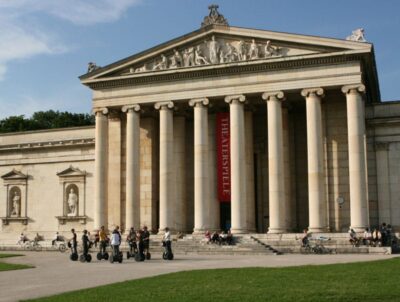
Munich 3-Hour Segway Tour: Nazi Munich & Royal Architecture
Read our review →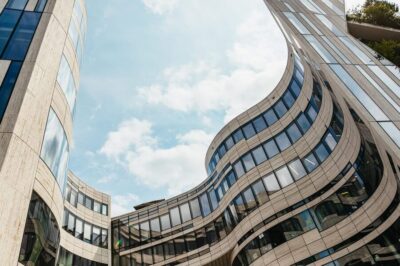
Düsseldorf: Guided City Architecture Walking Tour
Read our review →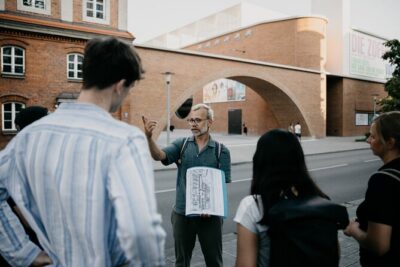
Hidden Architectural Gems of Munich (Max. 16 guests)
Read our review →
Guided Walking Tour of UNESCO Site and Architecture
Read our review →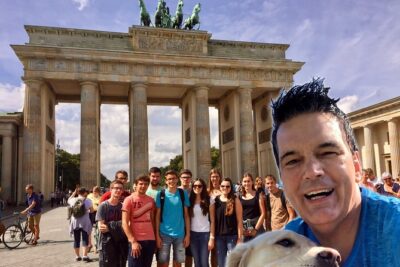
Private Taxi Tour City East & West History and Architecture 3-4h
Read our review →
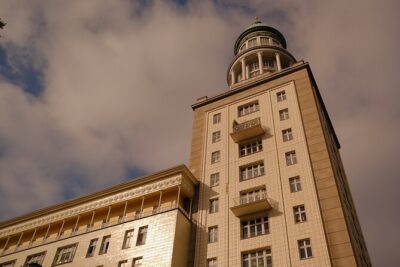
Karl-Marx-Allee Tour: Life and Architecture in East Berlin
Read our review →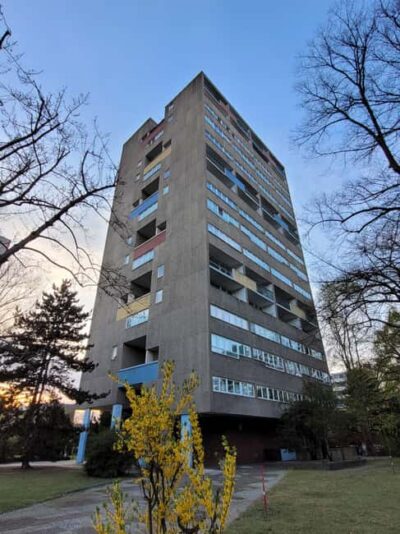
Browse the lists this tour appears in