
Review · WALKING TOURS
Berlin: Guided Architectural Walking Tour of Hansaviertel
Hansaviertel is one of Berlin’s clearest lessons in how a city can turn destruction into a bold architectural statement. Nearly wiped out by wartime bombing, this district beside Tiergarten was rebuilt with striking modernist housing by architects including Le Corbusier, Oscar Niemeyer, Alvar Aalto, and Walter Gropius.
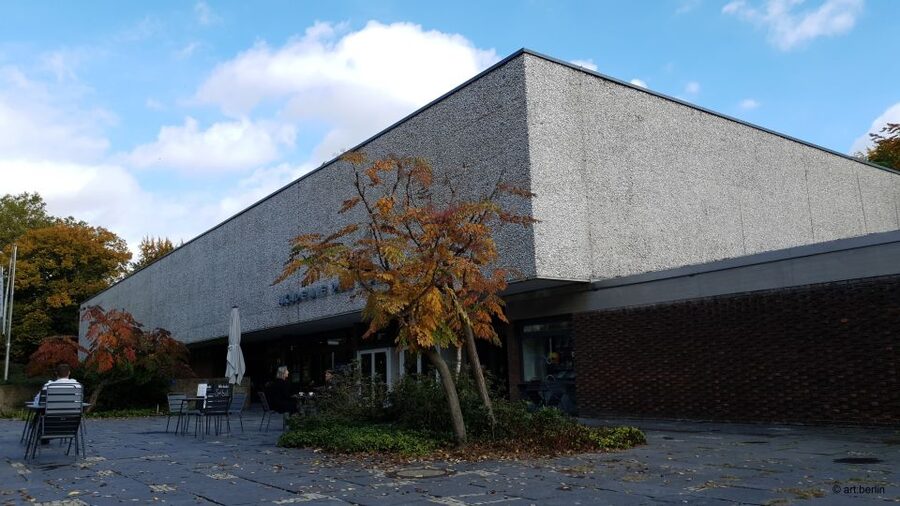
I like this tour for two reasons: it links wartime Berlin to postwar design, and it makes you look closely at buildings most people would simply pass. I also like the chance to hear about present-day residents and, when available, see details inside the Hansa Library and Kaiser Friedrich Memorial Church.
The main drawback is simple: you spend 2.5 hours on foot, and the tour is offered in German. Anyone who needs step-free access should also note that it is not suitable for wheelchair users.
Key points about the Hansaviertel walk
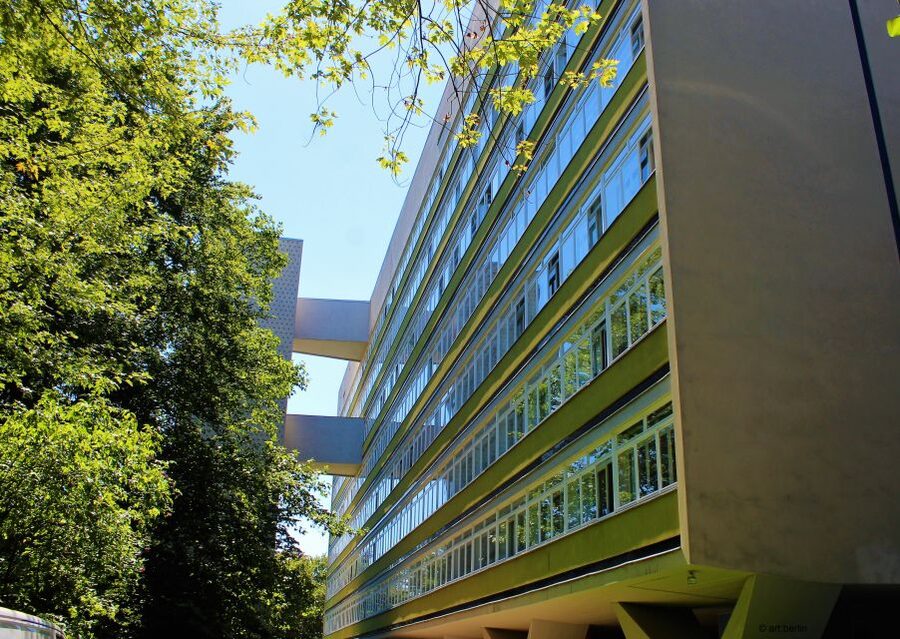
- Postwar architecture in one compact district: See work associated with Le Corbusier, Oscar Niemeyer, Alvar Aalto, and Walter Gropius.
- A strong wartime story: Learn how bombing nearly destroyed Hansaviertel and why rebuilding became such a major project.
- A Tiergarten setting: Begin near Berlin’s famous park and hear the city around you as you walk through the western district.
- Useful interior extras: Some tours include the Hansa Library windows and entry to Kaiser Friedrich Memorial Church.
- A German-language experience: The live guide speaks German, so language ability matters.
- A good-value price: At $24 for 2.5 hours with a guide, the tour is reasonably priced for visitors interested in architecture and Berlin’s past.
Why Hansaviertel tells a bigger Berlin story
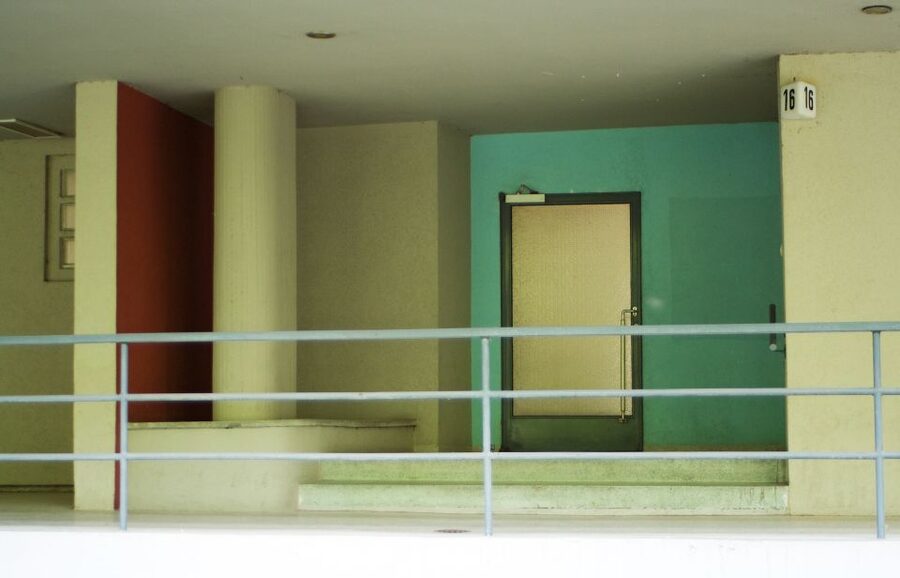
You do not come to Hansaviertel just to collect pictures of unusual apartment blocks. You come to see an argument about what a modern city should be.
The district was nearly completely destroyed during the Second World War. Afterward, its reconstruction gave architects a chance to try new ideas about housing, open space, light, and urban life. That makes the area useful for understanding more than one neighborhood. It shows how Berlin used architecture to make a fresh start.
Your guide helps connect the buildings to that larger story. Without context, modernist housing can look like a collection of concrete shapes and wide spaces. With an explanation of the damage, rebuilding, and famous designers involved, the district becomes easier to read.
I find this kind of tour especially useful early in a Berlin visit. It gives you a frame for later walks through other parts of the city, where older buildings, wartime gaps, Cold War planning, and modern construction sit close together.
More Walking Tours in Germany:
- Düsseldorf: Guided City Architecture Walking Tour
★ 4.6 · 61 reviews - Potsdam: Guided Walking Tour of UNESCO Site and Architecture
★ 4.7 · 49 reviews - Private walking Tour: Berlin Architecture Tour
★ 5.0 · 14 reviews
Meeting outside Grips-Theater
The tour meets outside the main entrance of the Grips-Theater. This gives you a clear place to find your guide, but you should plan to arrive with enough time to get your bearings before the scheduled start.
From there, you move into Hansaviertel on foot. The location near Tiergarten matters because you get a sense of the district’s position between open parkland and busy central Berlin. You can hear ordinary city sounds while looking at buildings shaped by a very deliberate architectural plan.
This is not a coach tour with a distant view of the neighborhood. You walk at street level, where the scale of the apartment buildings, paths, trees, and public spaces becomes easier to understand. Bring water and comfortable shoes. The advice is practical, not decorative: this tour involves a lot of walking.
Seeing the rebuilding after wartime destruction
The first major theme is the damage done to Hansaviertel during the war and the decision to rebuild it in a new form. That background gives the architecture emotional weight without turning the walk into a simple list of famous names.
You learn how the district was nearly destroyed by bombing, then look at the work that followed. The contrast is important. These buildings were not just repairs to an old neighborhood. They represented a different vision for urban housing in postwar Germany.
I like this part because it gives you something specific to watch for. Look at how buildings relate to one another rather than judging each one alone. Notice open areas and the space around the structures. The point is not only the shape of a single building, but also how the rebuilt district was arranged for daily life.
The guide’s explanation is central here. The supplied information does not name individual guides, but the German-speaking tour has earned praise for a highly informed, friendly, humorous approach. That matters in architecture, where a dry list of dates and designers can quickly lose you.
Meeting the architects behind the district
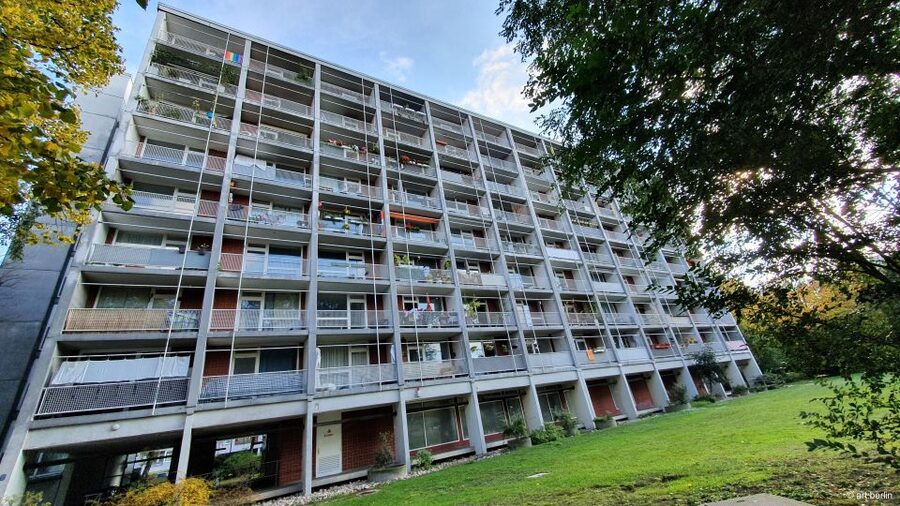
Hansaviertel brings together the work of several major figures in modern architecture. The tour highlights Le Corbusier, Oscar Niemeyer, Alvar Aalto, and Walter Gropius, all associated with the district’s construction.
You will not simply hear a string of famous names. The value comes from comparing their approaches as you move through the neighborhood. The buildings give you a chance to see how different designers responded to the same postwar setting.
Le Corbusier is linked with a powerful modernist tradition that treated housing as part of a larger plan for city life. Niemeyer is known for expressive modern forms. Aalto’s work often draws attention to human use and material feeling, while Gropius is closely tied to the clean, functional language of the Bauhaus tradition.
The tour data does not promise a fixed list of building interiors or a precise route past every architect’s work. That is worth keeping in mind. You should book this for the chance to understand the district as a whole, not because you are guaranteed a particular building tour at every departure.
Still, the mix of designers makes Hansaviertel a strong choice if you like architecture but do not want to spend a full day inside museums. Here, the buildings are part of the neighborhood itself.
More Guided Tours in Germany:
- Lübeck: Architecture and Local Craft Private Guided Tour
★ 4.0 · 6 reviews - Munich Your Way: Private Tour with Architect & Guide
★ 5.0 · 2 reviews - Chicago River: 1.5-Hour Guided Architecture Cruise
★ 4.8 · 8,046 reviews - Naples: San Gaudioso Catacombs Guided Tour
★ 4.7 · 1,105 reviews
Hansa Library windows and church access
One of the most useful details from the experience is the possibility of seeing the windows in the Hansa Library and entering the Kaiser Friedrich Memorial Church. These are the sort of extras that can turn a street walk into a closer look at the district’s public life.
The library windows offer a reason to pay attention to smaller design features. Modernist architecture is often discussed through large forms, but windows, entrances, and interior details help you understand how people actually use a building.
The church adds another layer. Hansaviertel is not only a collection of postwar apartment buildings. It also includes places connected with community life and memory. If the tour includes access during your visit, you get a more rounded sense of the district than you would from an exterior-only walk.
Access to these places may depend on the day and the tour conditions, so I would not treat either interior as a guaranteed part of every departure. The main experience remains the guided walk through the district.
Stories about people who live in Hansaviertel
Architecture tours can become too focused on designers. This one also includes information about residents of today’s Hansaviertel, which makes the area feel less like an outdoor display and more like a functioning neighborhood.
That human angle is valuable. You begin to think about the buildings as homes rather than monuments. Questions about how people use the spaces, what it means to live in a planned modernist district, and how the neighborhood fits into present-day Berlin give the walk a practical edge.
I also appreciate that the guide can add details beyond the basic construction story. The strongest praise for this experience focuses on the amount of information, the guide’s humor, and the way the tour explains Hansaviertel’s unusual past. If you enjoy local stories more than a fast checklist of sights, this should suit you.
Because the activity is conducted in German, your language level will shape how much you get from these stories. The guide speaks German, and no other language is listed. If your German is limited, you may miss the finer points even if you can follow the main architectural terms.
What the 2.5-hour pace feels like
Two and a half hours is long enough to give Hansaviertel proper attention without taking up an entire day. You have time to move between buildings, listen to the historical explanation, and stop for architectural details.
The tradeoff is physical. This is not a short orientation stroll. You need comfortable shoes, water, and clothing suited to the weather. Berlin can feel very different on a sunny day beside Tiergarten than on a cold, wet afternoon, and much of the value comes from being outdoors.
Bring a camera if you enjoy architectural photography. The district offers plenty of material for pictures, but the guide’s explanation should come first. You will get more from the tour if you pause to understand why a building matters rather than rushing to photograph every facade.
The activity is not suitable for wheelchair users. The information provided does not give a detailed accessibility assessment beyond that restriction, so anyone with other mobility concerns should ask the provider before booking.
Is $24 a fair price?
At $24 per person, I consider this a good price for a 2.5-hour guided architecture walk, particularly if you already have an interest in Berlin’s rebuilding or modern design.
You are paying for more than a stroll through apartment blocks. The fee covers a live guide who supplies the historical setting, identifies the architects, and adds information about present-day residents. If interior access to the Hansa Library or Kaiser Friedrich Memorial Church is included on your departure, the value improves.
The tour is less useful if you only want Berlin’s famous postcard sights. Hansaviertel is important, but it does not offer the same instant recognition as the Brandenburg Gate or the Berlin Wall. Its rewards come through explanation and close attention.
The booking terms also make it fairly easy to fit into a changing itinerary. You can cancel up to 24 hours in advance for a full refund, and you can reserve now and pay later. Those policies do not change the quality of the walk, but they reduce the risk of booking an activity before your Berlin schedule is settled.
Who should book this Berlin walk?
I would choose this tour if you enjoy modern architecture, city planning, postwar Europe, or local history. It is also a good pick if you have already seen central Berlin’s major landmarks and want a district that feels more specific and less familiar.
You should be comfortable walking for 2.5 hours and listening in German. The tour suits adults and older children who can stay engaged with a guide-led discussion, though no age guidance is provided. Since the activity is not suitable for wheelchair users, accessibility needs should be checked before purchase.
I would not make this your first choice if you want a general overview of Berlin, a short walk, or a tour in English. The subject is focused, and the language requirement is firm.
Should you book the Hansaviertel tour?
Book it if you want to see how Berlin’s wartime destruction led to an ambitious modern housing district. The combination of famous architects, postwar planning, Tiergarten surroundings, and stories about current residents gives the walk real substance.
The strongest reasons to go are the guide’s detailed explanation, the chance to compare several major architects in one neighborhood, and the possible extras at the Hansa Library and Kaiser Friedrich Memorial Church. At $24, it offers solid value for an architecture-focused experience.
Skip it if you dislike long walks, need wheelchair access, or cannot follow German. For everyone else, Hansaviertel offers a thoughtful change from Berlin’s usual sights, with enough history and design to keep the walk moving.
FAQ
Where does the Hansaviertel tour meet?
Meet your guide outside the main entrance of the Grips-Theater.
How long does the tour last?
The walking tour lasts 2.5 hours.
What language is the tour conducted in?
The live guide speaks German.
How much does the tour cost?
The listed price is $24 per person.
What should I bring?
Bring comfortable shoes, water, a camera, and clothing suitable for the weather.
Is the tour suitable for wheelchair users?
No. The activity is listed as not suitable for wheelchair users.
Newly added in Germany
- Hidden Architectural Gems of Munich (Max. 16 guests)★ 5.0 · 2 reviews
- Munich Your Way: Private Tour with Architect & Guide★ 5.0 · 2 reviews
- Architectural Frankfurt: Private Tour with a Local Expert★ 5.0 · 2 reviews
- Berlin Architecture/River Spree Full Day Photography Tour★ 5.0 · 2 reviews
- Private Taxi Tour of City East History and Architecture 2-3h★ 5.0 · 2 reviews
- Architectural Berlin: Private Tour with a Local Expert★ 4.0 · 3 reviews
- Lübeck: Architecture and Local Craft Private Guided Tour★ 4.0 · 6 reviews
- Lübeck: Private Historical and Architectural Walking Tour★ 4.5 · 6 reviews
Walking Tours, compared.

The Official Art Deco Walking Tour by The Miami Design Preservation League
Read our review →
Baroque Architecture and Underground Walking Tour
Read our review →
Chicago in a Day: Food, History & Architecture Walking Tour
Read our review →

Ramblas, Old Town, Gothic and Gaudi Architecture Walking Tour
Read our review →
Chicago’s Secret Interiors Architectural Walking Tour
Read our review →

Browse the lists this tour appears in